- Chinese
- French
- German
- Portuguese
- Spanish
- Russian
- Japanese
- Korean
- Arabic
- Irish
- Greek
- Turkish
- Italian
- Danish
- Romanian
- Indonesian
- Czech
- Afrikaans
- Swedish
- Polish
- Basque
- Catalan
- Esperanto
- Hindi
- Lao
- Albanian
- Amharic
- Armenian
- Azerbaijani
- Belarusian
- Bengali
- Bosnian
- Bulgarian
- Cebuano
- Chichewa
- Corsican
- Croatian
- Dutch
- Estonian
- Filipino
- Finnish
- Frisian
- Galician
- Georgian
- Gujarati
- Haitian
- Hausa
- Hawaiian
- Hebrew
- Hmong
- Hungarian
- Icelandic
- Igbo
- Javanese
- Kannada
- Kazakh
- Khmer
- Kurdish
- Kyrgyz
- Latin
- Latvian
- Lithuanian
- Luxembou..
- Macedonian
- Malagasy
- Malay
- Malayalam
- Maltese
- Maori
- Marathi
- Mongolian
- Burmese
- Nepali
- Norwegian
- Pashto
- Persian
- Punjabi
- Serbian
- Sesotho
- Sinhala
- Slovak
- Slovenian
- Somali
- Samoan
- Scots Gaelic
- Shona
- Sindhi
- Sundanese
- Swahili
- Tajik
- Tamil
- Telugu
- Thai
- Ukrainian
- Urdu
- Uzbek
- Vietnamese
- Welsh
- Xhosa
- Yiddish
- Yoruba
- Zulu
- Kinyarwanda
- Tatar
- Oriya
- Turkmen
- Uyghur

C type glass lid manufacturing
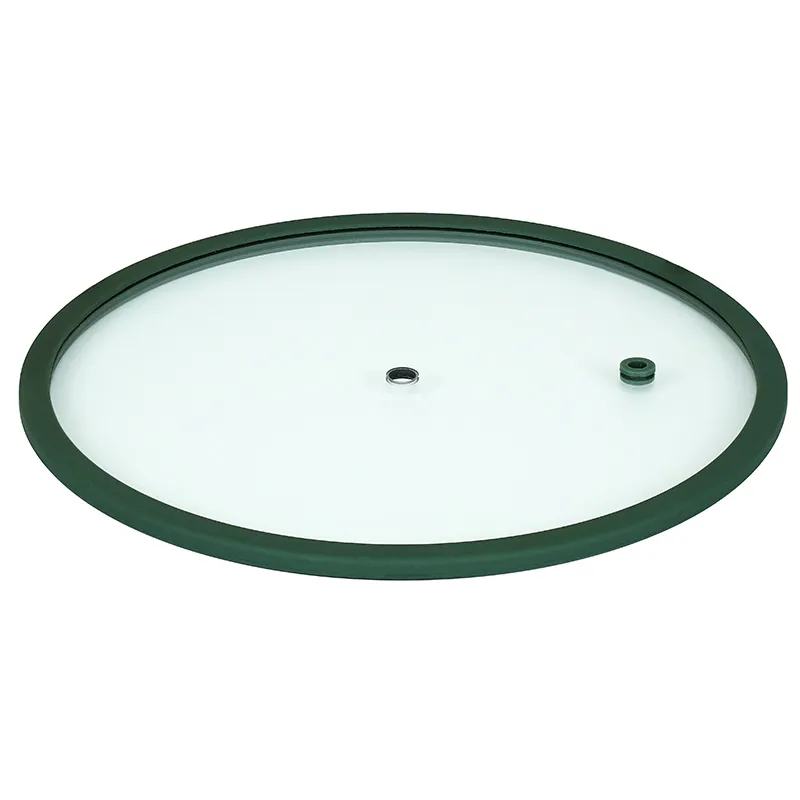
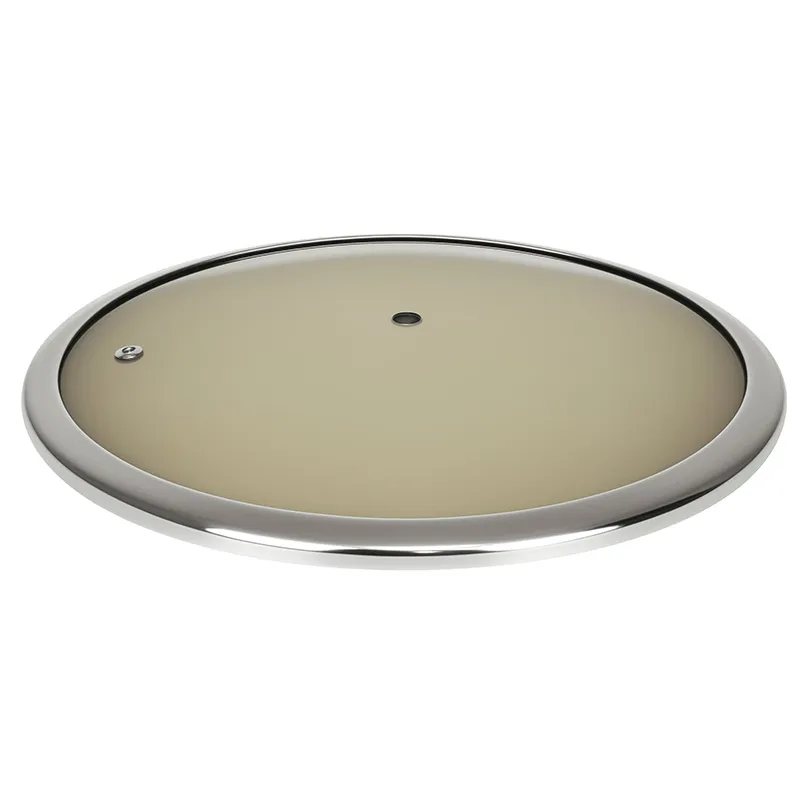
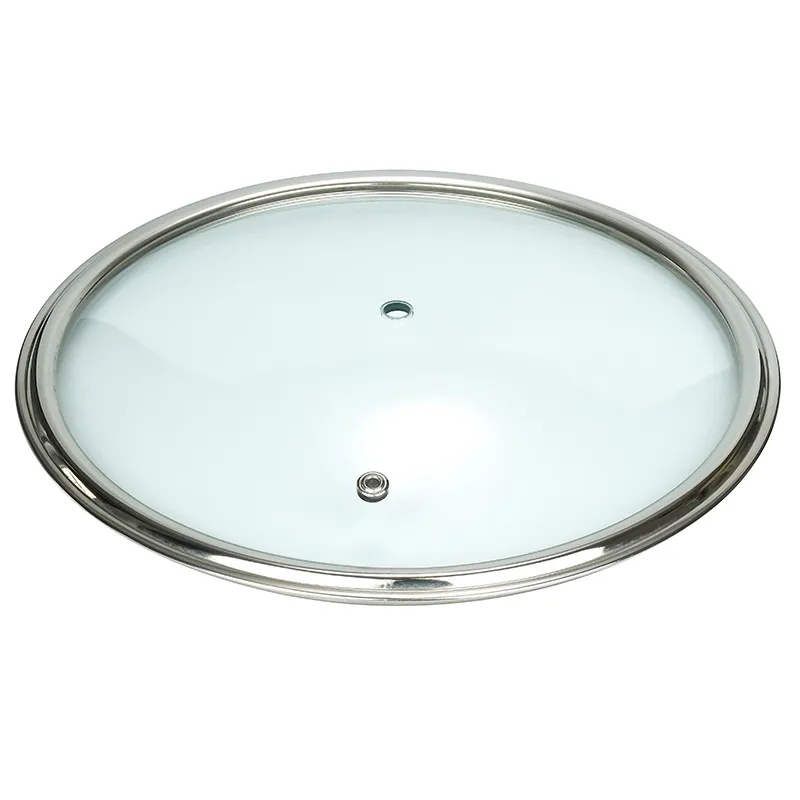
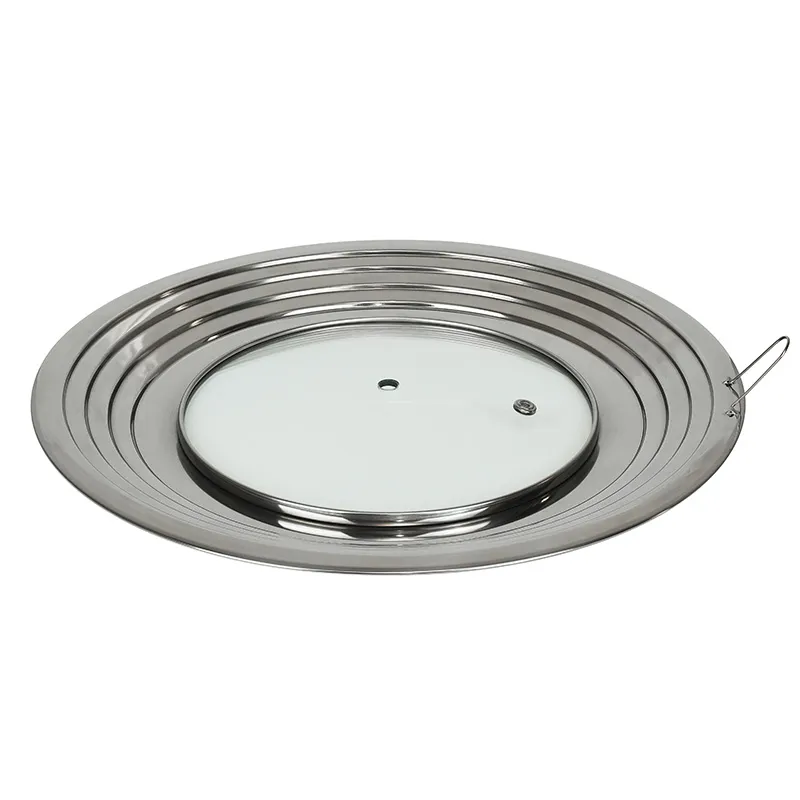
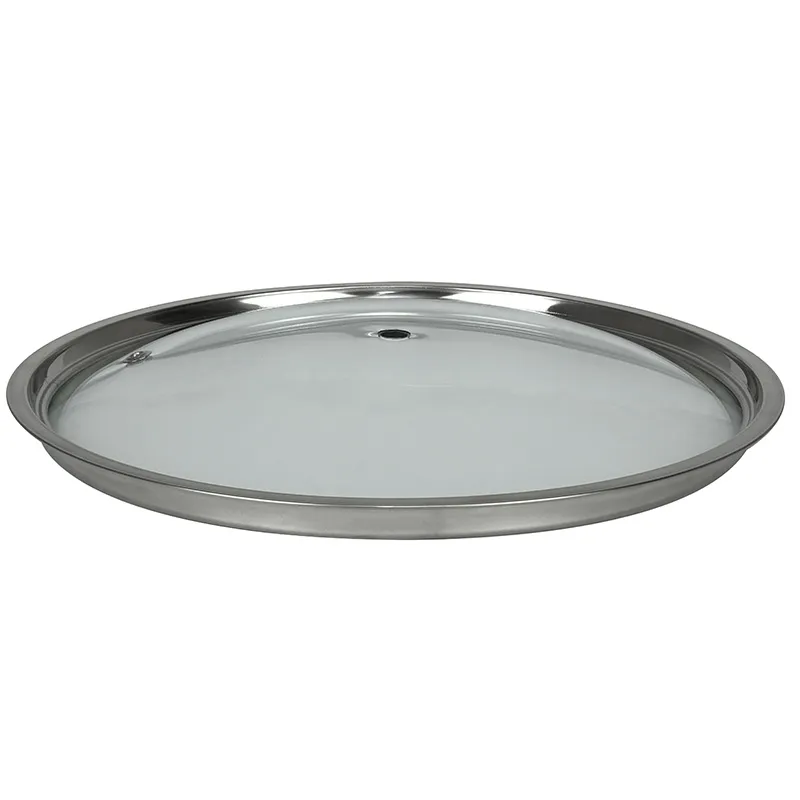
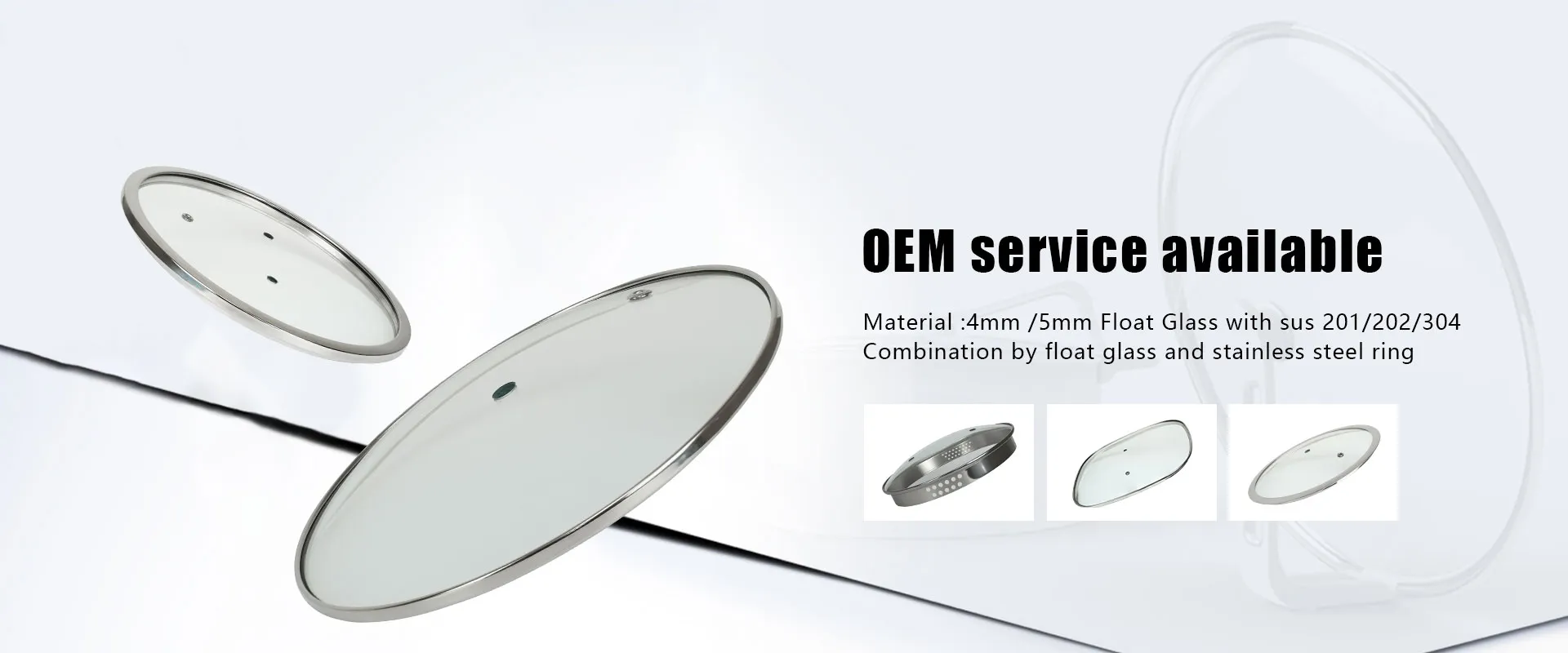
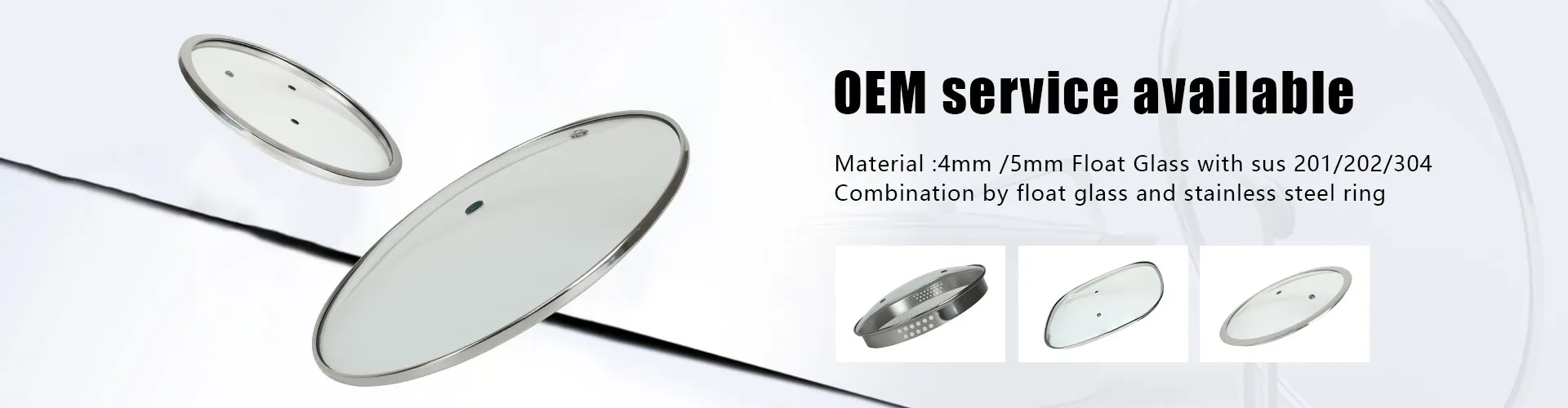
When you hear 'C type glass lid manufacturing', most people outside the trade think it's just about bending a piece of glass into a C-shape. That's the first misconception. It's not just a shape; it's a specific structural and functional design for cookware, primarily for stockpots and saucepans. The 'C' refers to that classic, high-arching handle-less lid that sits deep into the pot's rim. The real challenge isn't the bending—it's achieving consistent thermal shock resistance, precise edge finishing, and a perfect fit across thousands of different pot batches from various clients. I've seen too many newcomers focus solely on the curvature and then get hammered on quality returns because the lid chipped during rapid cooling or simply didn't sit flush.
The Core of the Process: More Than Just Heat and Pressure
The manufacturing base for a company like EUR-ASIA COOKWARE CO.,LTD is critical. Their setup in Taian City's High-tech Zone, with that 20,000㎡ area, tells you they're dealing with volume—15 million pieces annually isn't a backyard operation. For C type lids, the process starts with the glass blank. It's not just any glass; it's usually clear or smoked borosilicate or soda-lime, but tempered, of course. The cutting and initial edge grinding happen first. A common pitfall here is edge quality pre-tempering. If you leave micro-cracks, they'll propagate during the thermal tempering process, leading to spontaneous breakage later. We learned this the hard way on an early order for a German client; a whole shipment had a 5% failure rate after the first dishwasher cycle. The issue was traced back to an abrasive wheel that needed replacing more frequently than we'd scheduled.
Then comes the heating and bending. The furnace curve is everything. For a deep C shape, the glass has to be heated evenly to just the right viscosity. If it's too hot, it sags and distorts; not hot enough, and you get stress points at the bend. The mould design is another subtle art. It's not a simple male-female press. For lids that need to fit various pot diameters (like 16cm to 28cm), the mould's radius and the spring-back of the glass after forming must be calculated to the millimeter. I recall visiting a factory—not necessarily EUR-ASIA's—where they had separate mould lines for Southern European vs. Nordic market lids because the preferred pot rim profiles were slightly different. It's that detailed.
The tempering is what gives it the strength. But for C type lids, the quench is tricky. Because of the uneven cross-section—thinner at the dome, thicker at the rim—the cooling rate has to be modulated. You can't blast it uniformly like a flat glass sheet. Modern lines use segmented air nozzles. Even then, checking the surface compression with a polariscope is non-negotiable. A lid that passes a simple impact test might still have internal stress patterns that cause it to shatter when placed on a cold granite countertop straight from the oven. This is where the 90+ employees and the 15,000㎡ of building space matter—it allows for proper QC stations inline, not just at the end.
Export Realities and Material Nuances
EUR-ASIA COOKWARE CO.,LTD exports over 90% of its output, with Germany, Italy, Brazil, Japan listed. This isn't trivial. Each market has its own implicit standards. German buyers might be obsessed with DIN standards for edge safety and thermal cycles. They'll specify the exact number of thermal shock test cycles (moving from a 300°C oven to 20°C water) the lid must survive. Italian clients might prioritize optical clarity and a perfectly pristine surface for their designer cookware lines. For Brazilian markets, cost-pressure is higher, so the balance shifts to durable but more cost-effective soda-lime tempering. Manufacturing for export means your production line must be flexible enough to switch specs without killing your efficiency. Their product range of 'low- medium- high level' products speaks directly to this need for tiered manufacturing capability.
Material choice is a constant debate. Borosilicate glass (like the classic Pyrex type) has better thermal shock resistance, but it's more expensive and can be harder to temper to the high surface compression some standards demand. Soda-lime is cheaper and can be tempered to higher compression, making it more impact-resistant, but its thermal shock range is narrower. For a standard C type lid meant for a household stockpot, a well-tempered soda-lime glass is often sufficient. But if the lid is marketed for high-end oven-to-table use or for professional kitchens, borosilicate becomes a selling point. The decision isn't just technical; it's about hitting a price point for a specific buyer at glass-lid.com. You'll see both types in their portfolio.
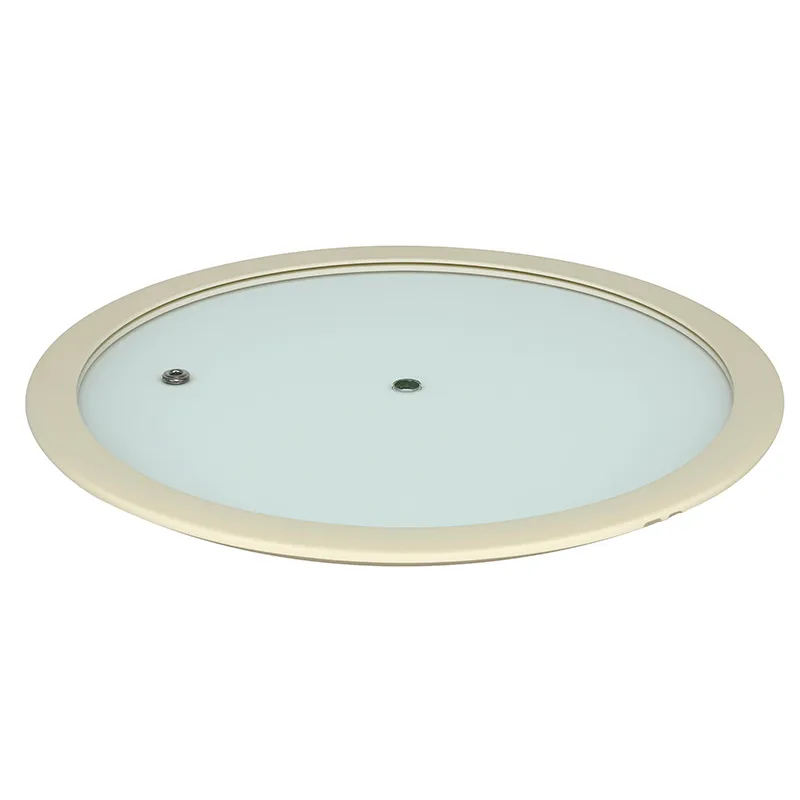
One often-overlooked detail is the knob or handle. Even though it's a 'handle-less' lid, it needs a knob. The bonding of that metal or phenolic knob to the curved glass surface is a weak point. The adhesive must withstand repeated heating, cooling, cleaning chemicals, and mechanical torque. We once had a batch where the adhesive cure time was shortened to speed up production. The knobs held initially, but after six months in warehouse storage, a significant number simply detached. The lesson was that process shortcuts in ancillary components can undermine the entire product's reliability.
Logistics and The Fragility Factor
Producing 15 million tempered glass lids a year is one thing; getting them to customers intact is another. Packaging for C type lids is deceptively complex. You can't just stack them. The deep curve creates a hollow, which is a point of vulnerability if pressure is applied incorrectly. Interlocking foam inserts or specially designed cardboard partitions are mandatory. For export shipments, containerization must account for humidity and temperature swings to prevent condensation, which can sometimes interact with the glass surface or packaging materials. I've seen containers arrive where the packaging had absorbed moisture and stuck to the glass, leaving marks that made the entire shipment a second-grade quality, even though the lids were functionally perfect.
The economics of breakage are brutal. A single broken lid in a retail box usually means the whole set (pot and lid) is unsellable. Therefore, the acceptable defect rate for giants in Germany or Japan is effectively zero for visible flaws and near-zero for performance failures. This puts immense pressure on the final inspection. It's not uncommon for factories to have a 100% visual inspection line, often under specific lighting conditions to catch hairline scratches or minute bubbles. The scale of EUR-ASIA's operation suggests they've integrated this cost of quality control into their model. It's a volume game, but only if your volume is consistently good.
Another logistical nuance is customization. Many importers want their logo etched or printed on the lid. For curved glass, pad printing or silk-screening requires a curved fixture. The ink must be ceramic-based to withstand heat. Adding this step requires careful scheduling to avoid bottlenecks. The company's website, https://www.glass-lid.com, likely serves as a portal for clients to understand these customization options and minimum order quantities, bridging that gap between mass production and specific buyer needs.
Where the Industry is Pushing Now
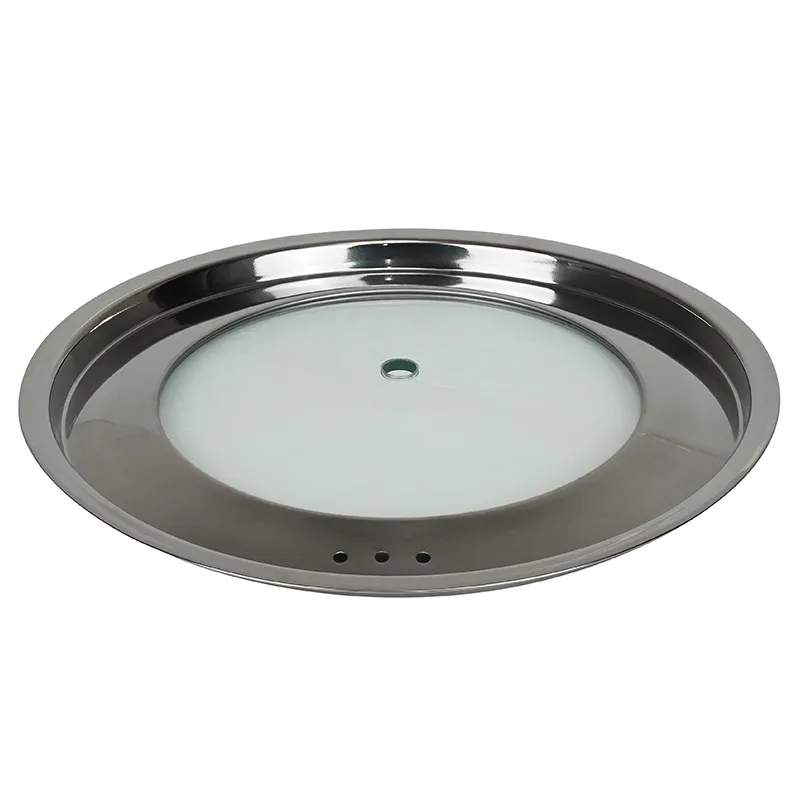
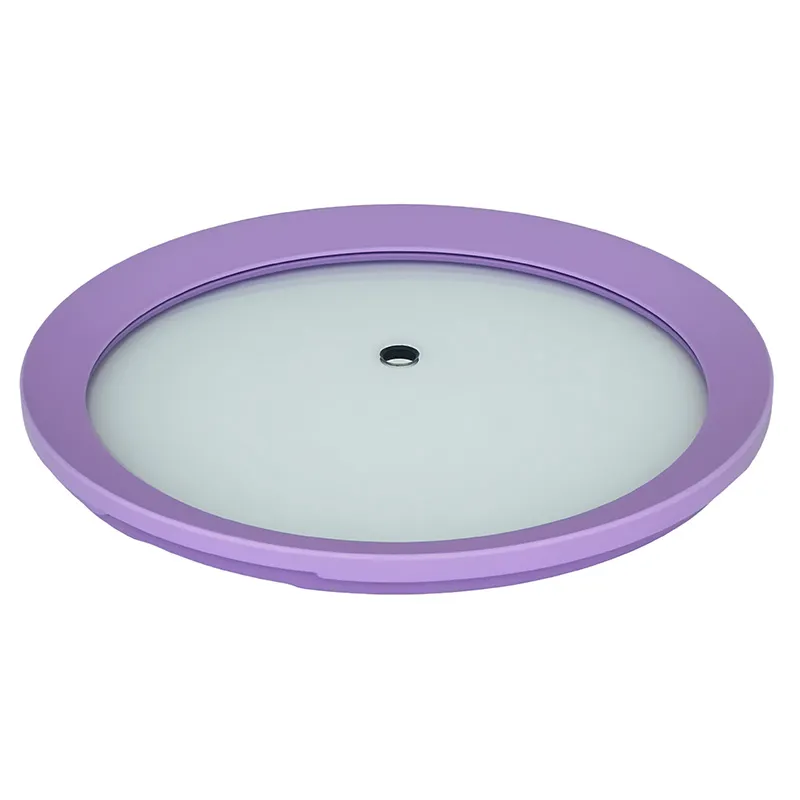
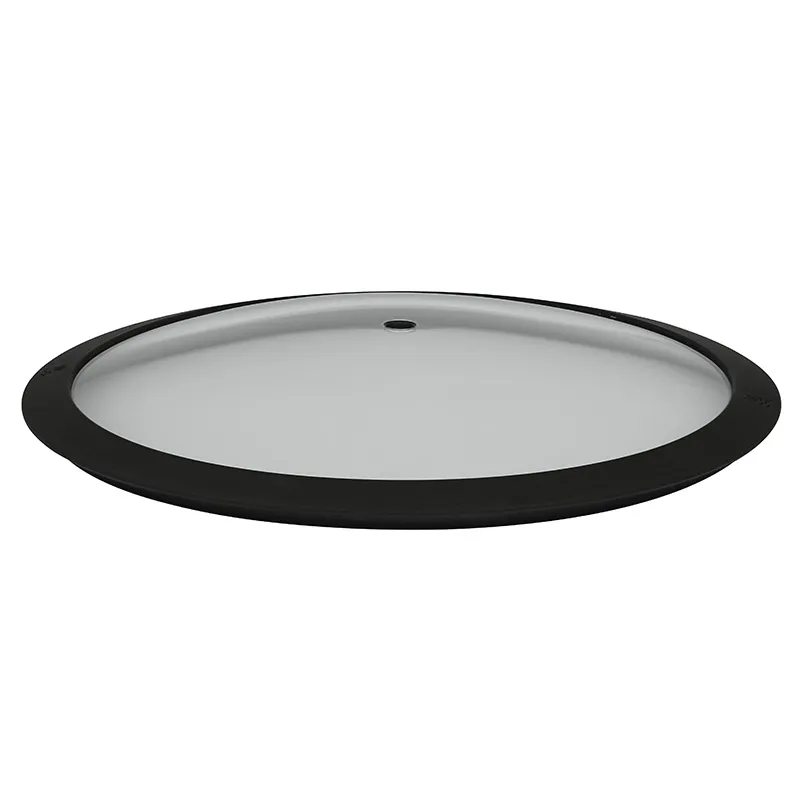
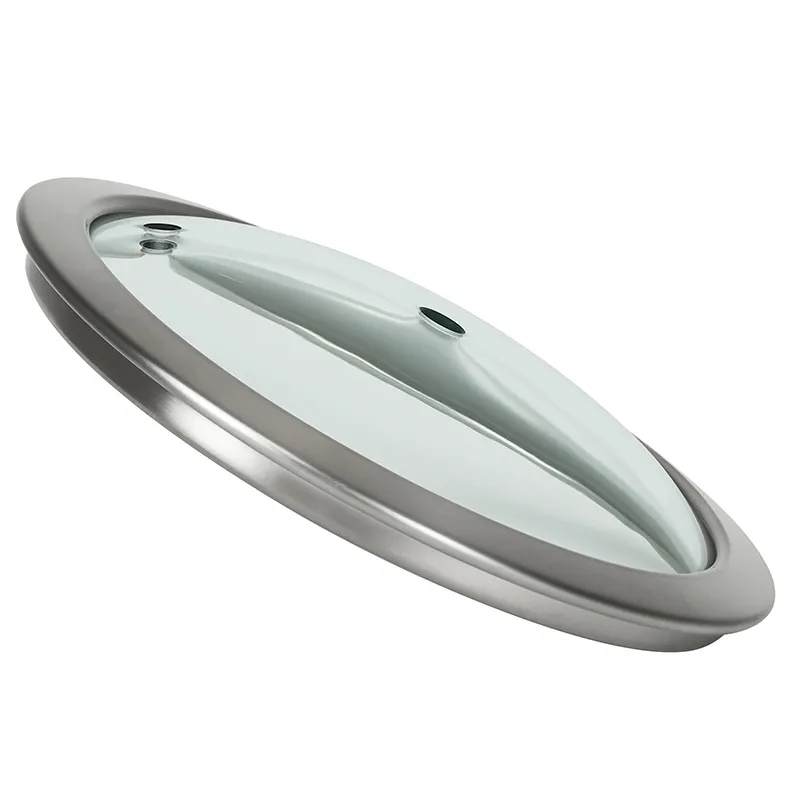
The talk now isn't just about making a strong, clear lid. It's about added function. I'm seeing more RFQs (Request for Quotation) for lids with built-in steam vents or silicone gaskets for a better seal—turning a simple cover into a precision cooking tool. Integrating these features into a single piece of tempered glass is the next challenge. It might involve drilling or molding holes pre-temper, which radically alters the stress distribution during the quench. Some manufacturers are experimenting with two-piece assemblies where a plastic vent is locked into the glass, but that introduces more materials and potential failure points.
Sustainability pressure is also creeping in. While glass itself is recyclable, the tempering process is energy-intensive. There's a push to optimize furnace efficiency and to use more recycled cullet in the initial glass melt. This is more relevant for the primary glass producers, but as a manufacturer, your choice of supplier becomes part of your own product's story, especially for European clients.
Looking at the output and export map of a firm like EUR-ASIA, the real takeaway is that successful C type glass lid manufacturing is a symphony of materials science, precision engineering, rigorous quality management, and deep understanding of divergent market demands. It's far from the simple bending operation it appears to be. The companies that last, and that supply to dozens of countries, are those that have moved beyond just making the shape to mastering every variable in the chain—from the composition of the glass batch in the furnace to the design of the foam insert in the shipping carton. It's a niche, but a deeply technical one.
Related Products
Related Products