
- Chinese
- French
- German
- Portuguese
- Spanish
- Russian
- Japanese
- Korean
- Arabic
- Irish
- Greek
- Turkish
- Italian
- Danish
- Romanian
- Indonesian
- Czech
- Afrikaans
- Swedish
- Polish
- Basque
- Catalan
- Esperanto
- Hindi
- Lao
- Albanian
- Amharic
- Armenian
- Azerbaijani
- Belarusian
- Bengali
- Bosnian
- Bulgarian
- Cebuano
- Chichewa
- Corsican
- Croatian
- Dutch
- Estonian
- Filipino
- Finnish
- Frisian
- Galician
- Georgian
- Gujarati
- Haitian
- Hausa
- Hawaiian
- Hebrew
- Hmong
- Hungarian
- Icelandic
- Igbo
- Javanese
- Kannada
- Kazakh
- Khmer
- Kurdish
- Kyrgyz
- Latin
- Latvian
- Lithuanian
- Luxembou..
- Macedonian
- Malagasy
- Malay
- Malayalam
- Maltese
- Maori
- Marathi
- Mongolian
- Burmese
- Nepali
- Norwegian
- Pashto
- Persian
- Punjabi
- Serbian
- Sesotho
- Sinhala
- Slovak
- Slovenian
- Somali
- Samoan
- Scots Gaelic
- Shona
- Sindhi
- Sundanese
- Swahili
- Tajik
- Tamil
- Telugu
- Thai
- Ukrainian
- Urdu
- Uzbek
- Vietnamese
- Welsh
- Xhosa
- Yiddish
- Yoruba
- Zulu
- Kinyarwanda
- Tatar
- Oriya
- Turkmen
- Uyghur

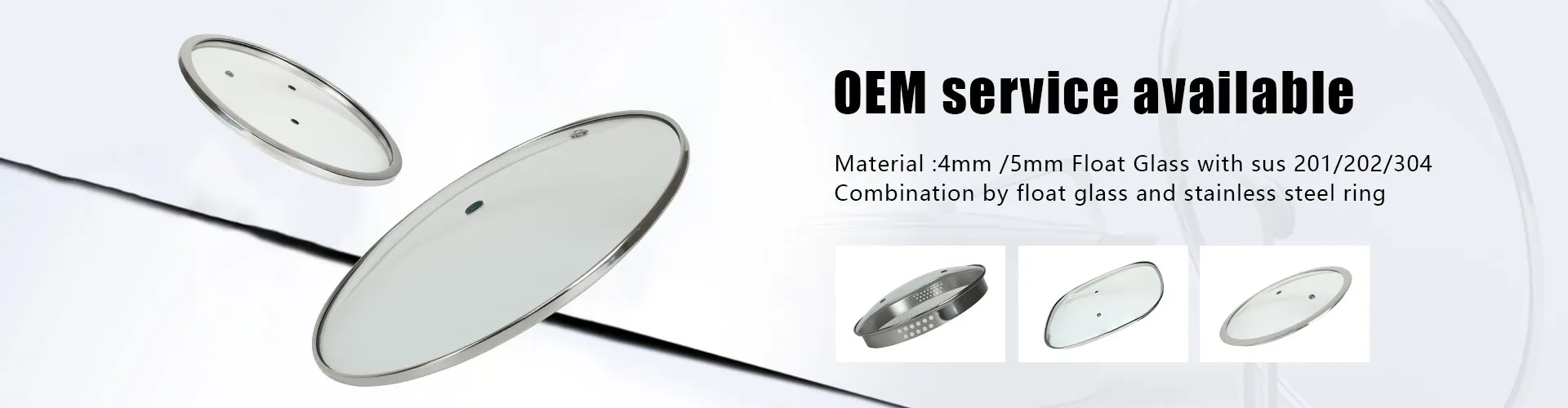
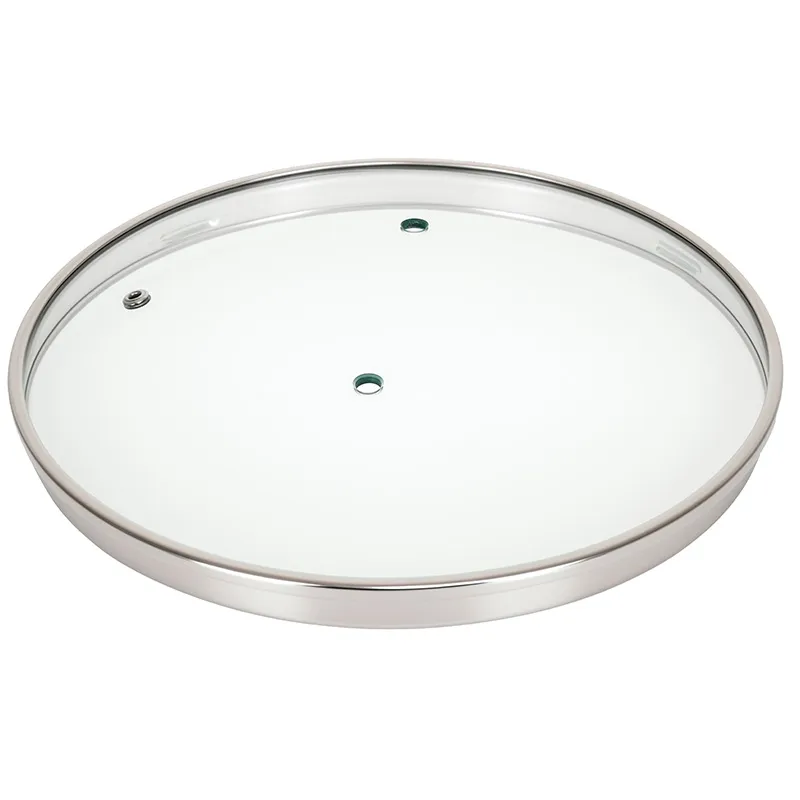
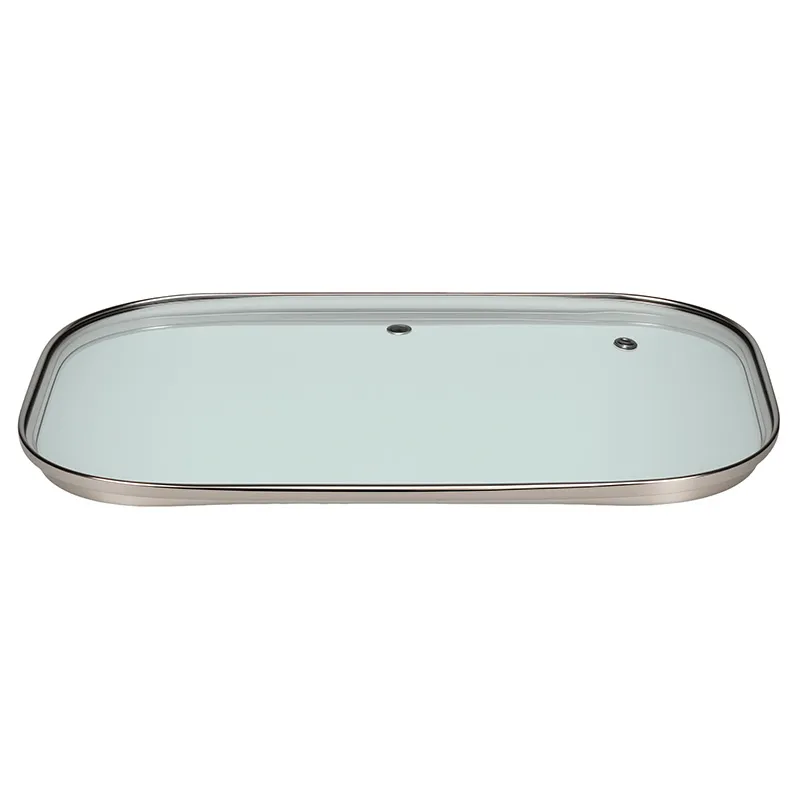
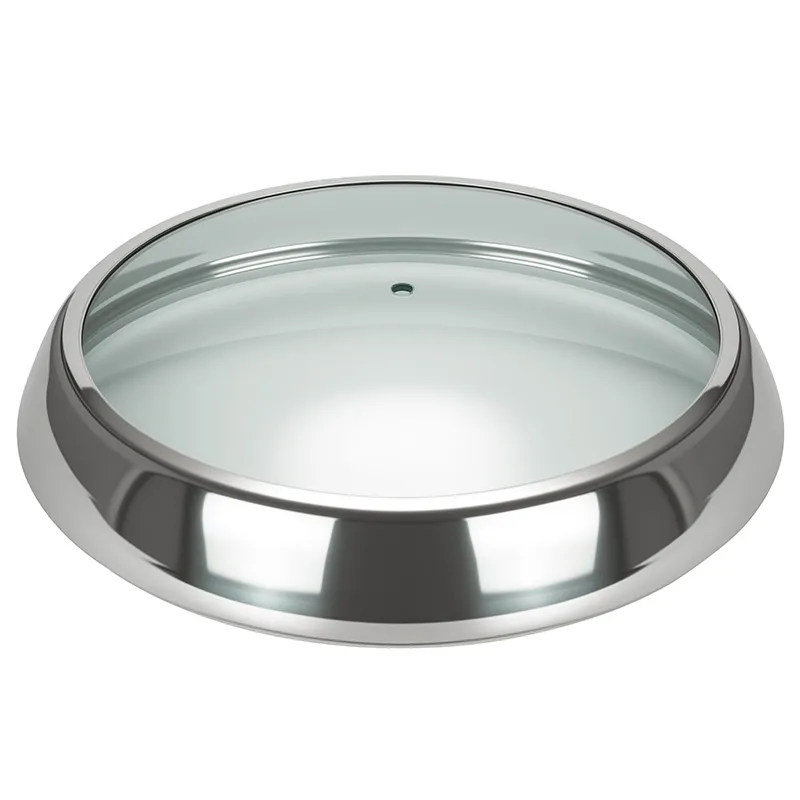
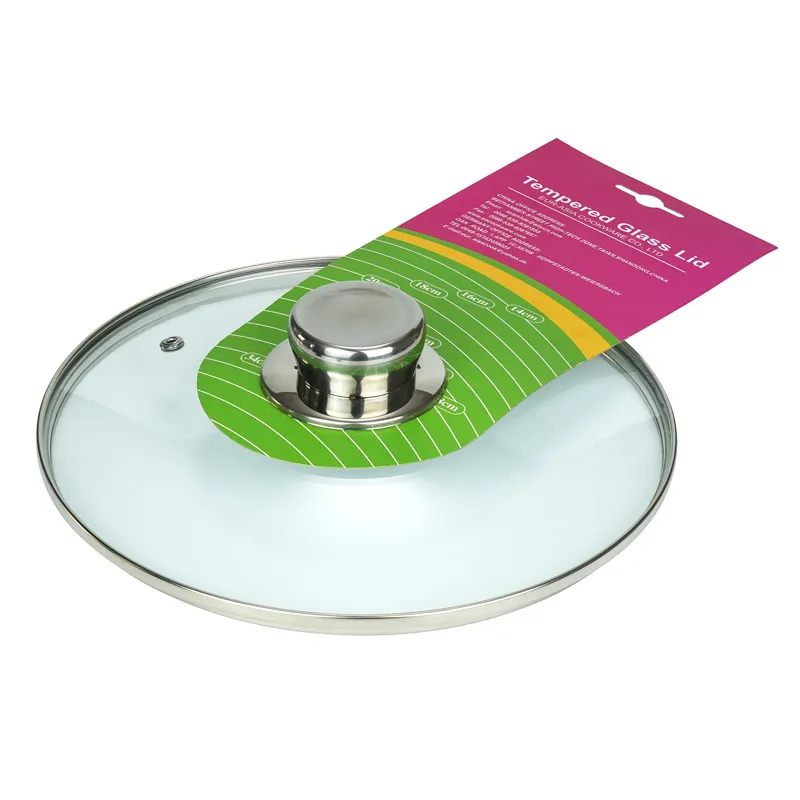
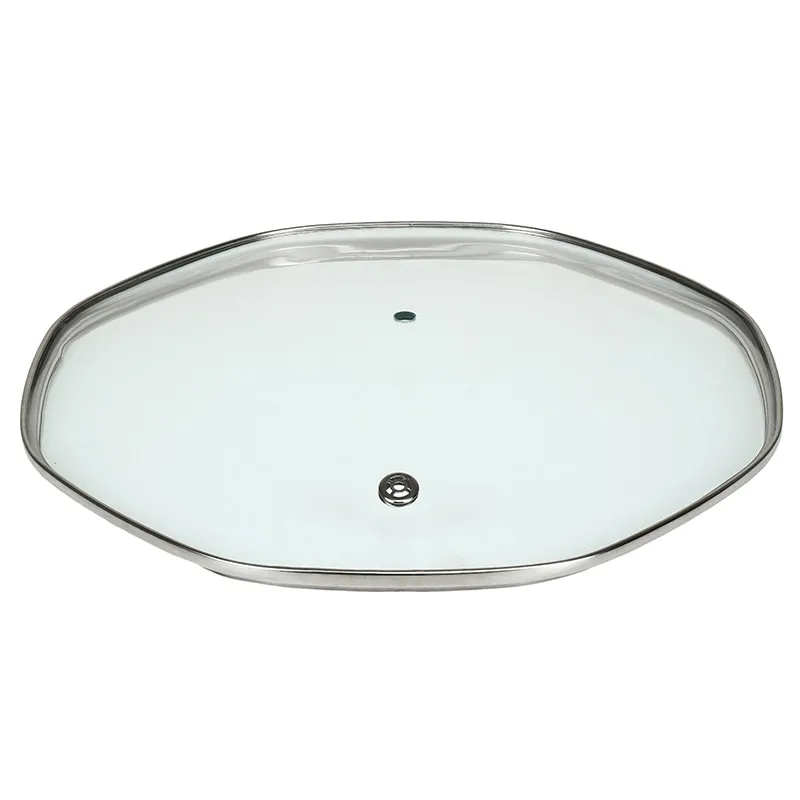
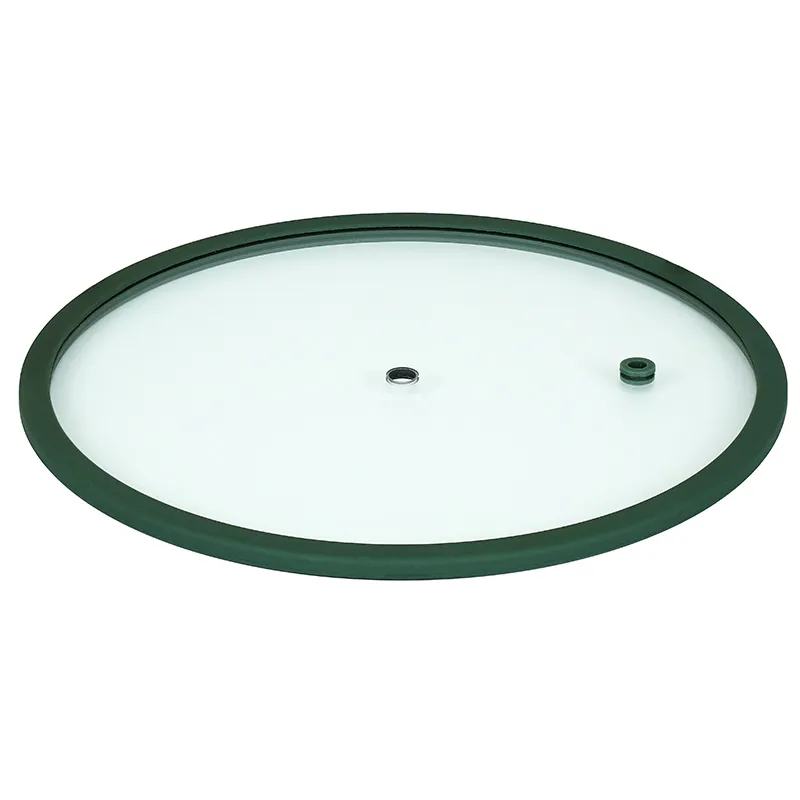
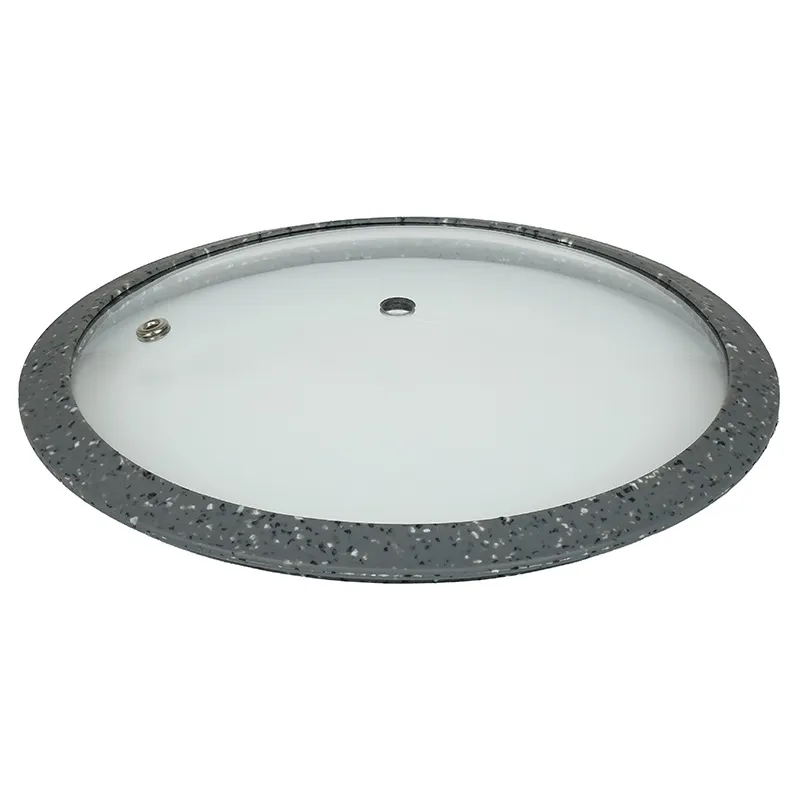
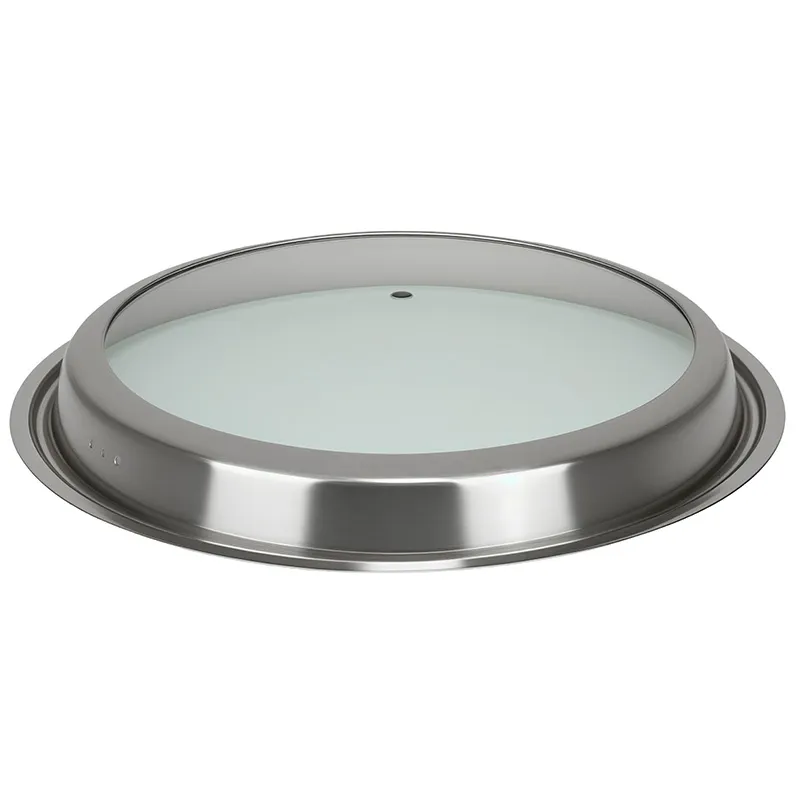
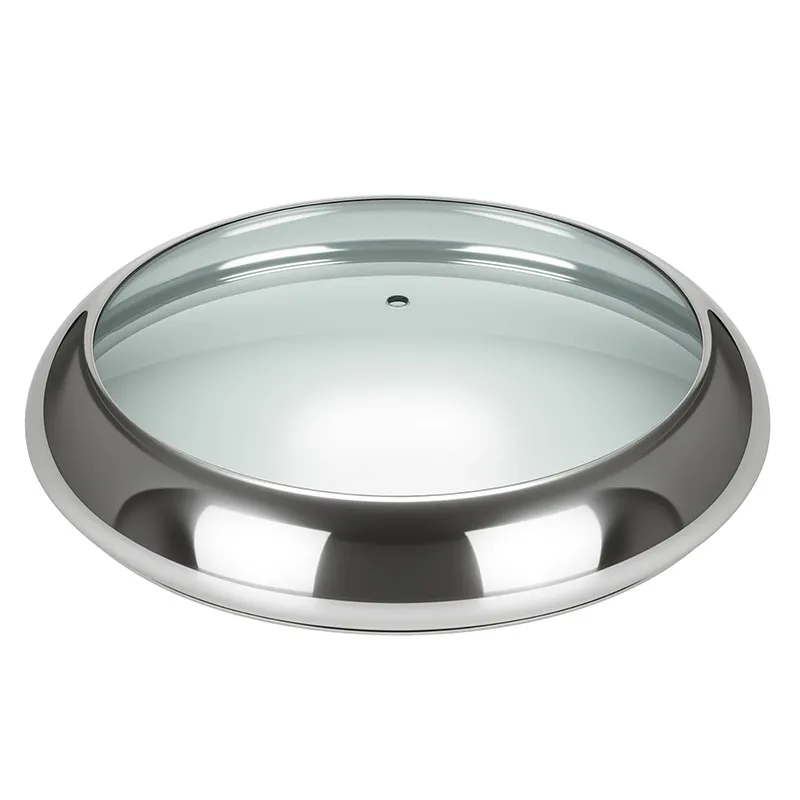
C type tempered glass cover
If you're sourcing or designing cookware, you've seen 'C type tempered glass cover' on spec sheets. It sounds precise, but here's the thing – that 'C type' isn't an ISO standard. It's factory shorthand, a category born from practice, not a textbook. I've seen buyers get hung up on the letter, expecting a rigid universal spec, only to find out their 'C type' from one supplier has a different handle mounting system or curvature than another's. The core is the tempered glass – safety glass that shatters into small, blunt pieces – but the 'type' often refers to a common style of handle attachment and general profile for mid-range lines. It's this gap between catalog terminology and workshop reality that causes most hiccups.
Decoding the Type in a Production Context
In places like the industrial zones in Shandong, where a significant portion of the world's glass lids are made, these type classifications are about production efficiency. 'A type' might be a basic, low-profile lid for stock pots. 'B type' could introduce a stainless steel rim. 'C type' typically, and I stress typically, indicates a cover with a more ergonomic, often taller knob or handle made from materials like phenolic resin or stainless steel, designed for frequent use with sauté pans or Dutch ovens. The tempering process is non-negotiable, but the 'type' is a basket for a set of features. When you're reviewing samples from a manufacturer, you're not just checking if it's a 'C type,' you're verifying the exact handle torque resistance, the overhang, the seal – the specifics the letter glosses over.
I remember working with a European client who had a perfect 'C type' sample from a previous supplier. They sent it to a new factory, just asking for a 'C type tempered glass cover.' The batch came back, and the handles, while visually similar, had a different polymer mix. Under high-heat roasting, they became slightly pliable. Not unsafe, but it felt cheap. The factory wasn't wrong; it was their standard 'C type' formulation. The failure was in assuming the type code specified material grades. It doesn't. You must spec the handle material separately.
This is where a company's focus matters. A manufacturer like EUR-ASIA COOKWARE CO.,LTD, with their stated specialization across low to high-level household glass, will likely have multiple sub-categories within their 'C type' range. Their production volume – over 15 million pieces annually – means they've standardized processes, but a savvy buyer needs to drill into those sub-specs. Their export focus to markets like Germany and Japan implies experience with stringent safety and material standards, which is a good sign, but it's never automatic.
The Tempering Process: Where the Real Safety Lies
Forget the type for a moment. The tempered glass is the critical path. I've toured lines where this happens. The cut and edged glass disk goes through a furnace, heated to over 600°C, then blasted with high-pressure air coolers in seconds. This rapid quenching puts the surface into compression, the core into tension. That's what gives it strength and causes the dicing fracture pattern. A proper tempering line has precise, consistent oven zones and quenching. A weak or uneven quench can lead to spontaneous breakage later – a nightmare scenario.
You can't judge temper quality by eye. The standard test is a fragmentation check. You break a sample in a controlled bag and count the pieces in a 50x50mm area. For a lid of typical thickness (around 3-4mm), you should get 40+ fragments. Fewer, larger pieces mean inadequate tempering. I've had to reject entire batches over this. The supplier was mortified, but it saved a product recall. The EUR-ASIA COOKWARE website mentions their base is in a National High-tech Development Zone; often, such zones attract facilities with better, more automated equipment, which is a positive indirect indicator for process control like tempering.
Another subtle point is edge work after tempering. You cannot cut or grind tempered glass; it will explode. So all drilling for handles or knobs must be done before the glass goes into the furnace. The quality of those hole edges – smooth, polished, free of micro-cracks – is crucial. A sharp edge is a stress concentrator and a potential failure point. A good 'C type' cover will have impeccably finished mounting holes.
Handle and Knob Integration: The Practical Make-or-Break
This is where the 'C type' often defines itself. The handle isn't just glued on. It's usually attached via a metal stem (part of the handle assembly) that passes through the pre-drilled hole in the glass, secured with a nut and a pressure-distributing washer on the underside. The choice of seal here is vital. A silicone or rubber gasket must sit between the washer and the glass to absorb stress, prevent metal-on-glass contact, and provide a thermal break.
I've seen failures where an inferior EPDM rubber gasket degraded after repeated dishwasher cycles, leading to a slight wobble in the handle. Users complained of a loose lid. The fix was upgrading to a food-grade silicone washer with a higher temperature resistance. The cost increase was marginal, but it wasn't part of the standard 'C type' BOM. It had to be specified. When evaluating a manufacturer, ask about their standard gasket material and its specs. Their answer tells you a lot.
The handle material itself for a 'C type' is often phenolic resin. Good phenolic is heat-resistant, feels solid, and doesn't conduct heat. But phenolic quality varies wildly. Cheap phenolic can discolor, become brittle, or even off-gas at high temps. Again, you need to specify a grade or request test reports for heat resistance and food contact safety. A producer exporting to the EU, as EUR-ASIA COOKWARE does to many countries, should be familiar with passing LFGB or FDA-related material tests, which is a baseline you should insist on seeing.
Fit, Warpage, and the Heat Test
A perfectly tempered glass with a great handle is useless if the lid doesn't sit flat on the pot. Glass doesn't warp like metal, but the metal rim (if it has one) or the inherent curvature designed into the lid must match the cookware. The term 'cover' implies a function. We do a simple but brutal test: heat the empty pot on high for a few minutes, drop the room-temp lid on, and see if it rocks. Then, we do the reverse – heat the lid in an oven, place it on a cold pot. Thermal shock is a reality in kitchens.
The design of the 'C type' often includes a slight dome. This isn't just aesthetic; it allows for steam expansion and prevents a vacuum seal that makes lids impossible to lift. But that dome height and the radius of the curve need to be consistent. On a visit to a factory, I watched a quality controller use a profile gauge on random lids from the line, checking against a master template. It seemed analog, but it was effective. Inconsistency here leads to poor fit across a product line, meaning one lid might not fit all pots of the same nominal diameter.
Another real-world issue is condensate channels. On a domed glass cover, condensation should run down the sides and drip back into the pot, not off the edge onto the stovetop. The curve and the finish of the glass edge guide this. A poorly finished edge can cause water to sheet unpredictably. It's a small detail that separates a pro-grade product from a budget one.
Logistics and the Fragile Reality
Producing 15 million lids a year, like the stated capacity at EUR-ASIA's facility, is one thing. Getting them to Hamburg or Tokyo intact is another. Packaging for tempered glass is a science. Each lid needs to be suspended, not touching hard cardboard. Foam contours, pulp trays, or PE foam sleeves are common. I've overseen drop tests from 1-meter heights. The packaging cost can sometimes rival the lid's production cost.
A common mistake is under-specifying the carton. A double-wall, BC-flute corrugated is often the minimum. During a shipment to Brazil, a client used a cheaper single-wall box to save freight weight. The container arrived, and the breakage rate was over 30%. The loss far outweighed the savings. The manufacturer's experience in exporting to diverse destinations, as seen on glass-lid.com, suggests they have developed robust packaging protocols, but it's always a point for explicit discussion and sample testing.
Finally, it comes back to clarity – both in the glass and in communication. The term 'C type tempered glass cover' is a starting point. Its value is in its efficiency as an industry placeholder. But the real product is defined by the unspoken details: the tempering curve data, the gasket durometer, the phenolic resin datasheet, the profile gauge tolerance, and the foam density of the insert. That's what you're really buying. The letter is just the file folder.
Related Products
Related Products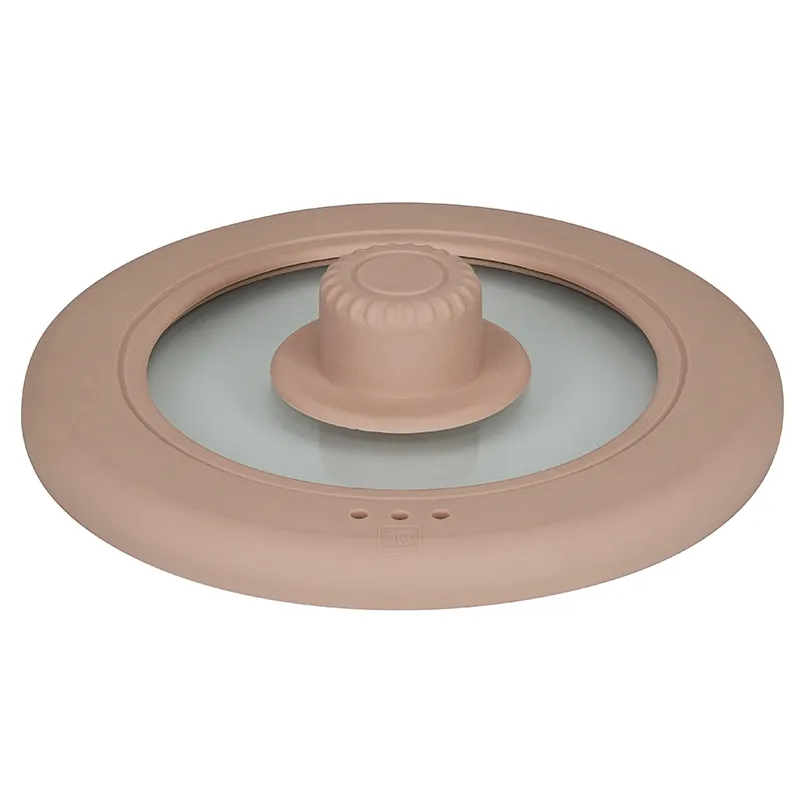
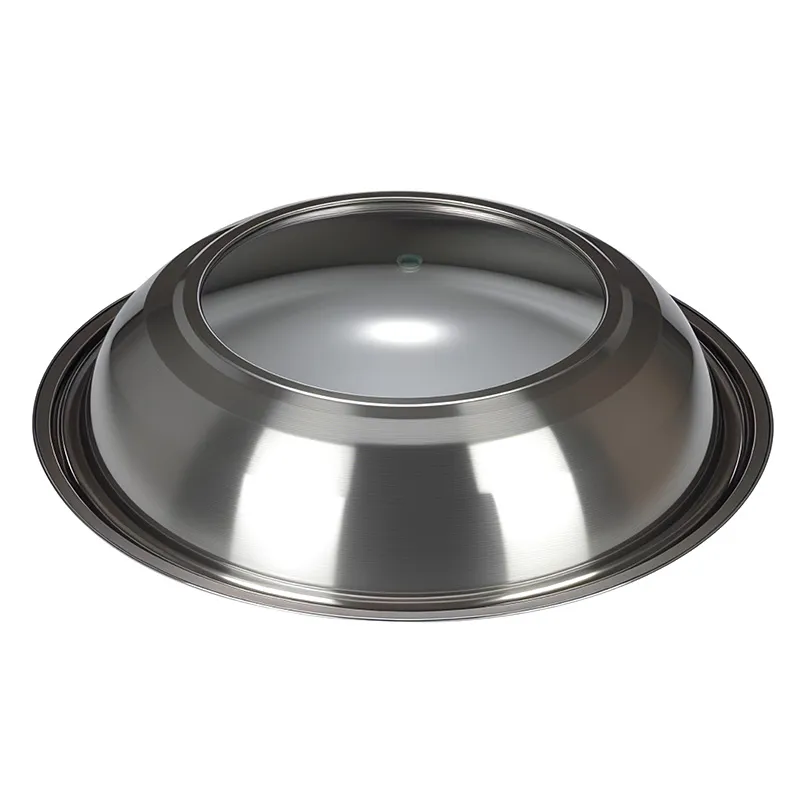
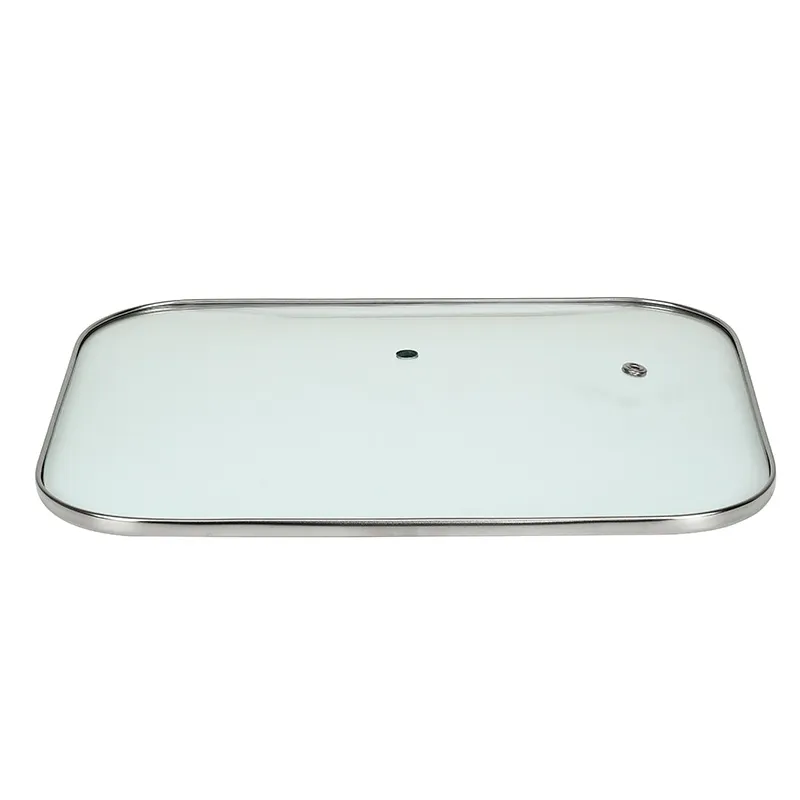
Best Selling Products
Best Selling Products
Related Search
Related Search- yera glass jars with plastic lid
- 12 tempered glass lid
- silicone lid manufacturer in China
- lodge lid tempered glass
- lid manufacturer from China
- one gallon glass jar with lid
- stainless steel cookware with strainer lids
- glass cover with silicone material
- anchor hocking 1 gallon glass cracker jar with lid
- glass jar with cork lid ikea


