- Chinese
- French
- German
- Portuguese
- Spanish
- Russian
- Japanese
- Korean
- Arabic
- Irish
- Greek
- Turkish
- Italian
- Danish
- Romanian
- Indonesian
- Czech
- Afrikaans
- Swedish
- Polish
- Basque
- Catalan
- Esperanto
- Hindi
- Lao
- Albanian
- Amharic
- Armenian
- Azerbaijani
- Belarusian
- Bengali
- Bosnian
- Bulgarian
- Cebuano
- Chichewa
- Corsican
- Croatian
- Dutch
- Estonian
- Filipino
- Finnish
- Frisian
- Galician
- Georgian
- Gujarati
- Haitian
- Hausa
- Hawaiian
- Hebrew
- Hmong
- Hungarian
- Icelandic
- Igbo
- Javanese
- Kannada
- Kazakh
- Khmer
- Kurdish
- Kyrgyz
- Latin
- Latvian
- Lithuanian
- Luxembou..
- Macedonian
- Malagasy
- Malay
- Malayalam
- Maltese
- Maori
- Marathi
- Mongolian
- Burmese
- Nepali
- Norwegian
- Pashto
- Persian
- Punjabi
- Serbian
- Sesotho
- Sinhala
- Slovak
- Slovenian
- Somali
- Samoan
- Scots Gaelic
- Shona
- Sindhi
- Sundanese
- Swahili
- Tajik
- Tamil
- Telugu
- Thai
- Ukrainian
- Urdu
- Uzbek
- Vietnamese
- Welsh
- Xhosa
- Yiddish
- Yoruba
- Zulu
- Kinyarwanda
- Tatar
- Oriya
- Turkmen
- Uyghur


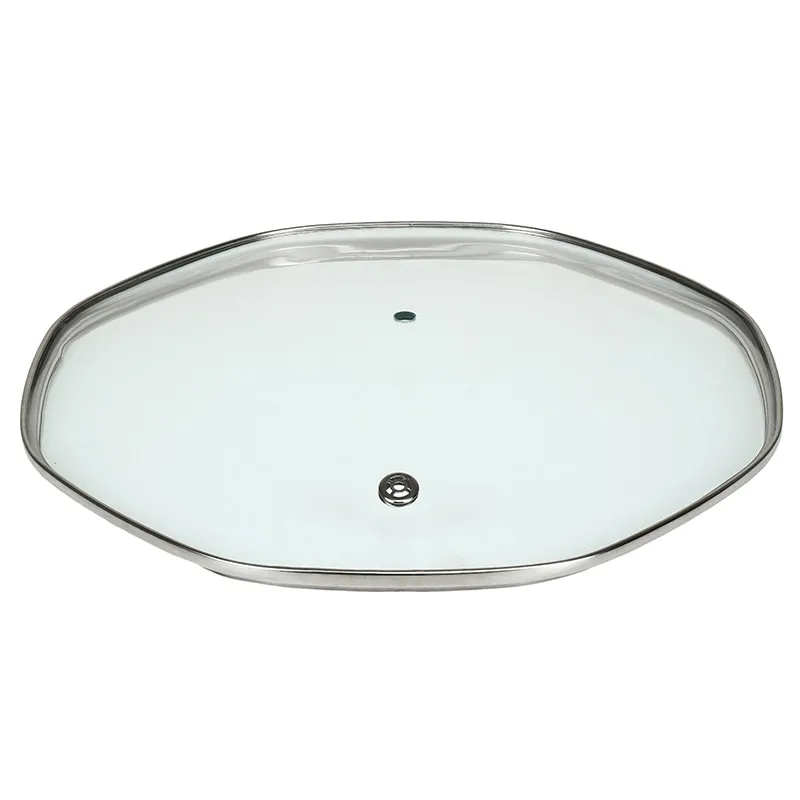
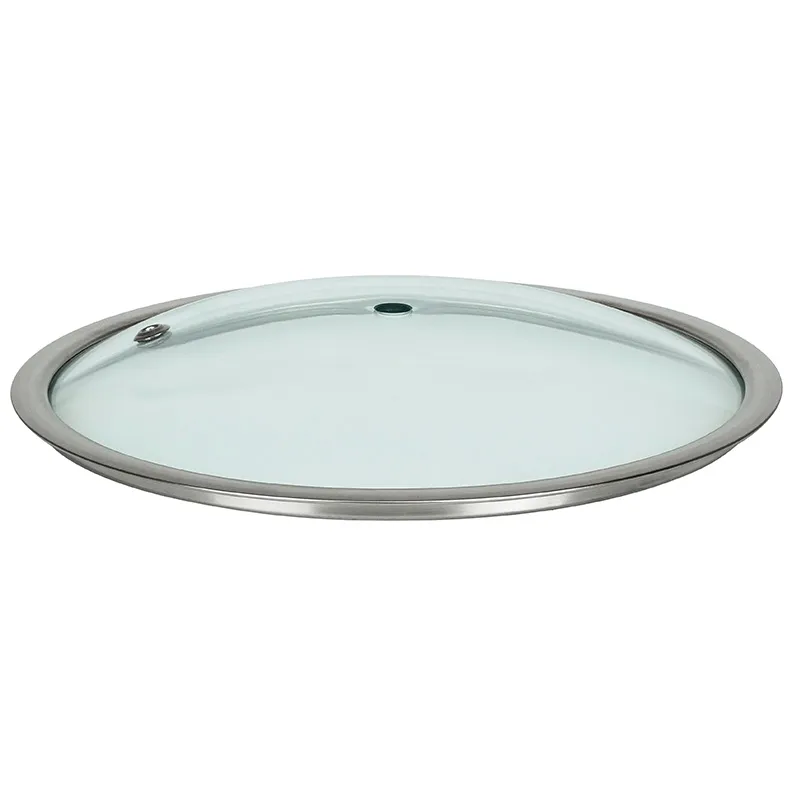
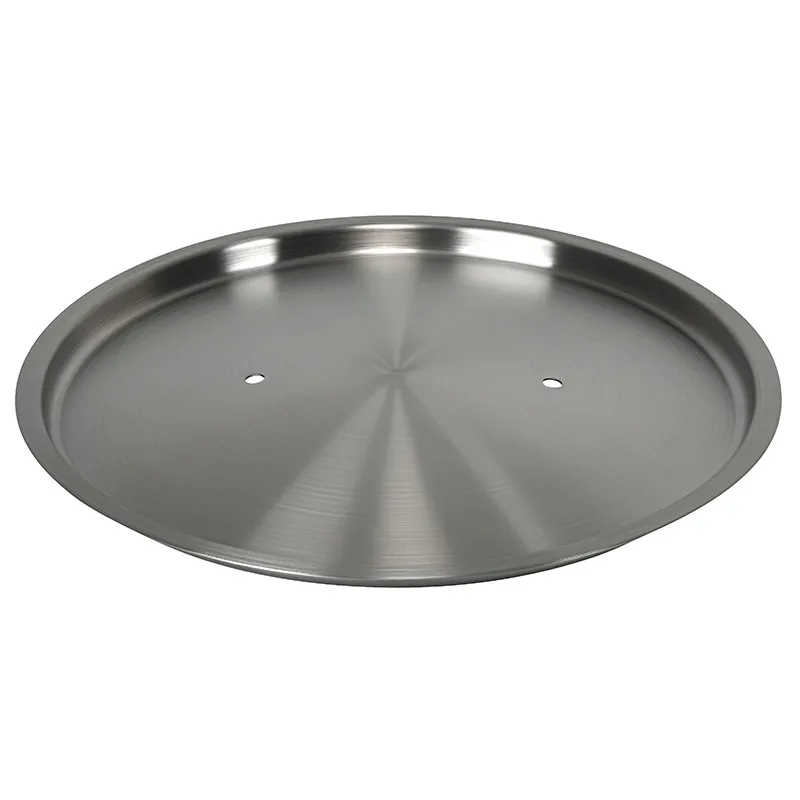
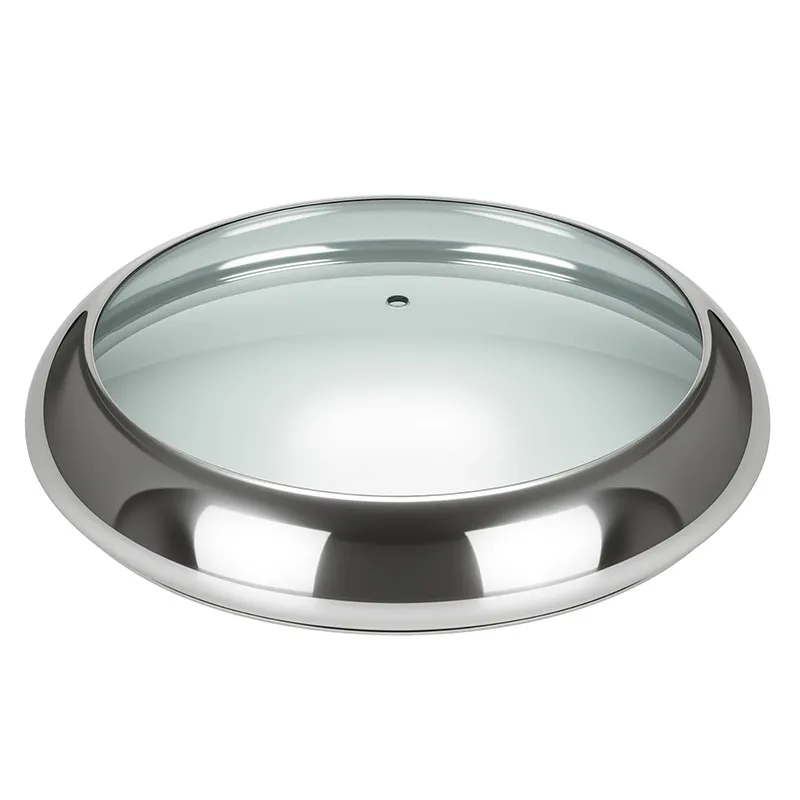
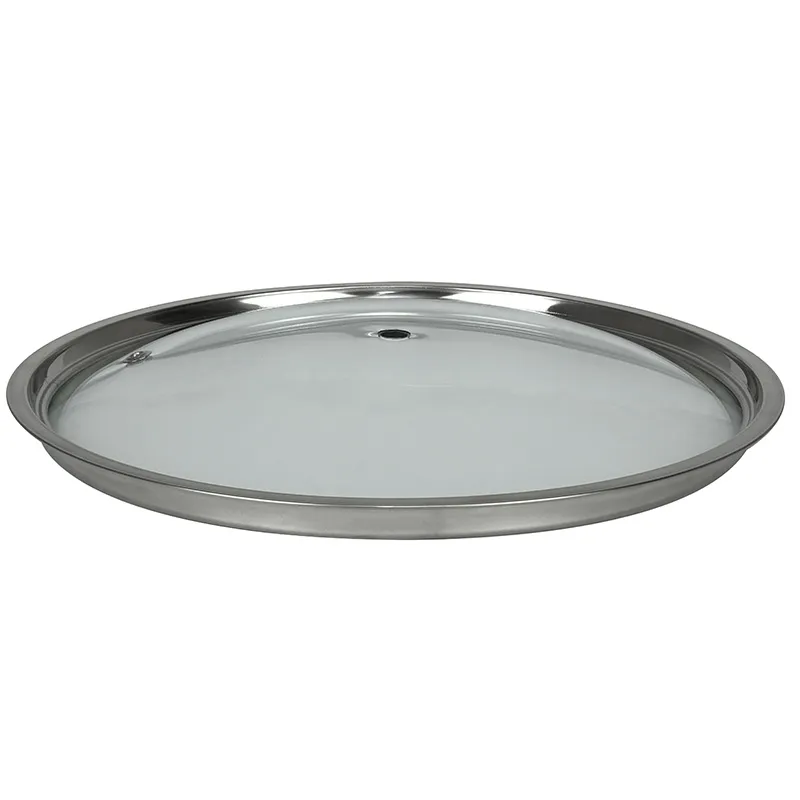
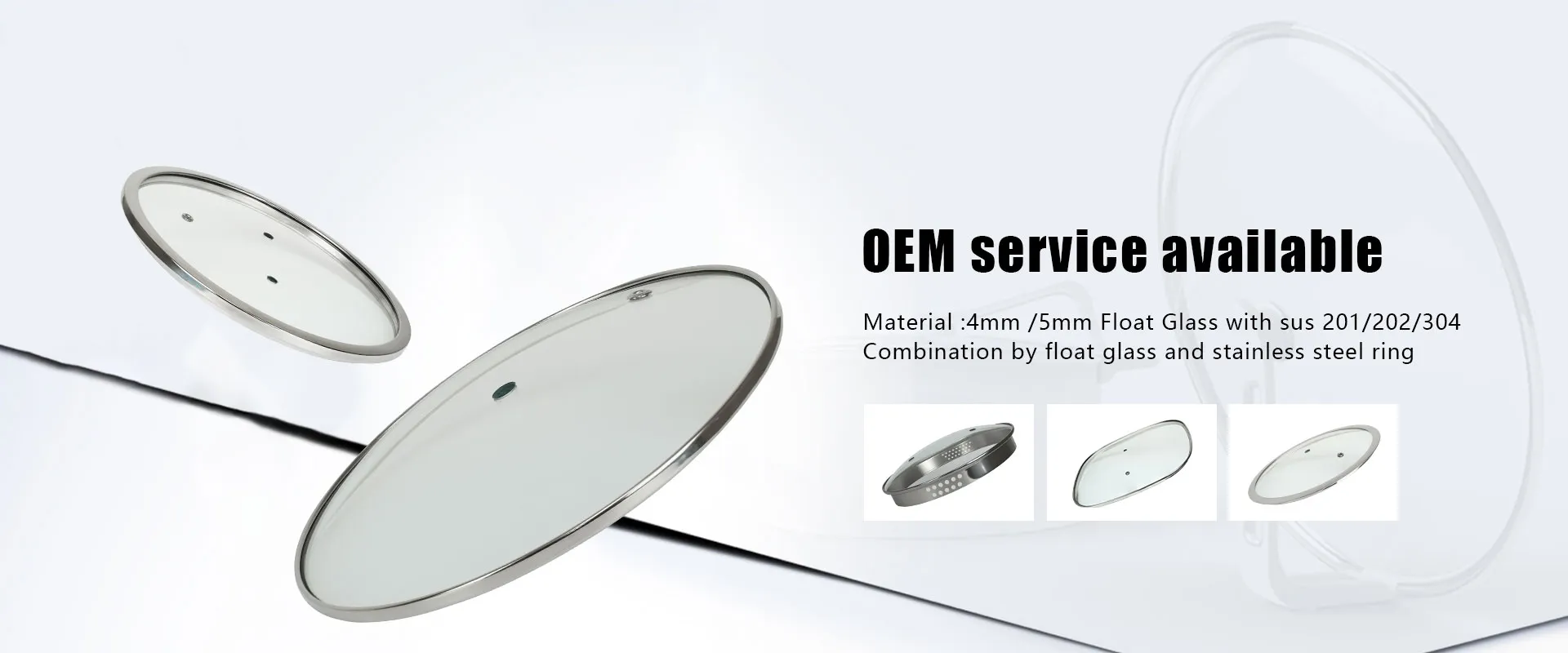
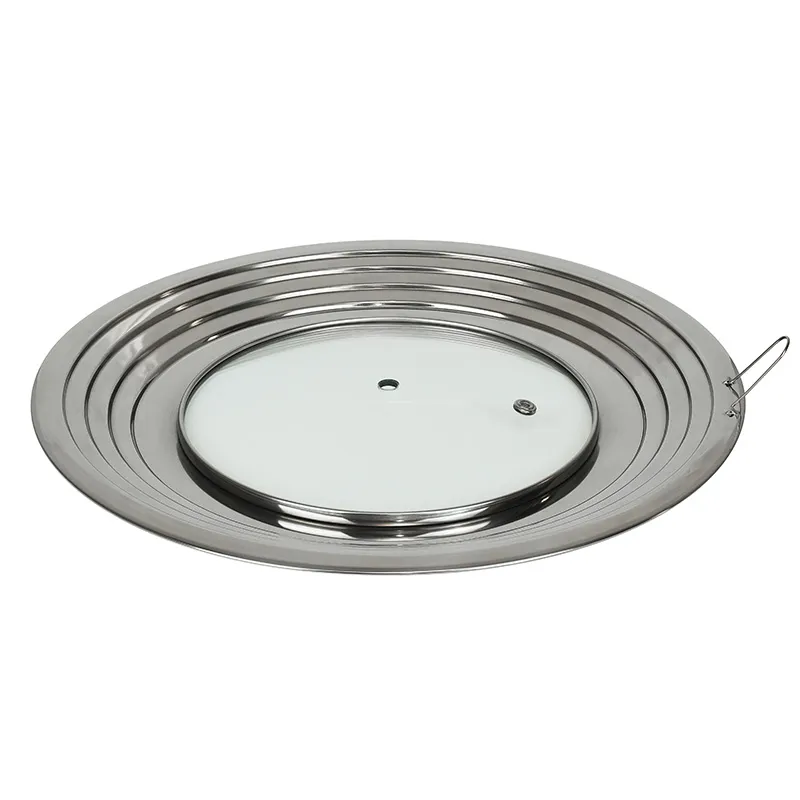
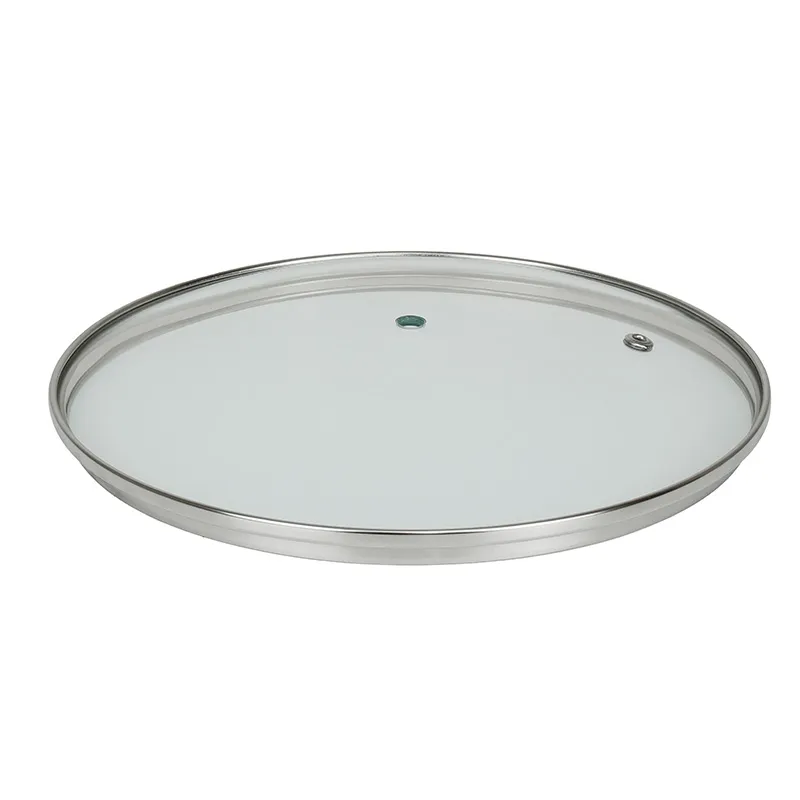
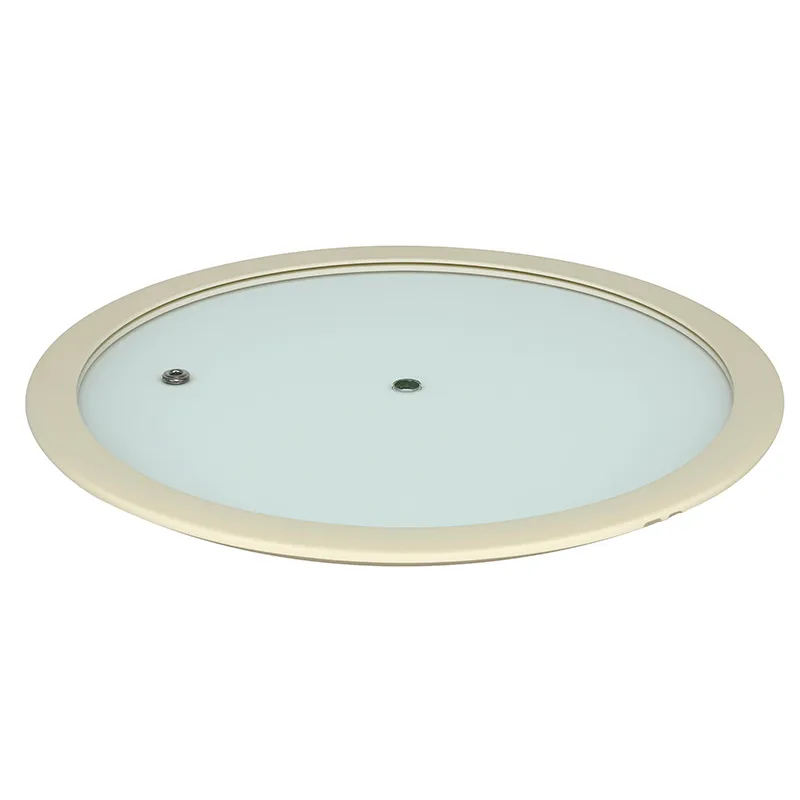
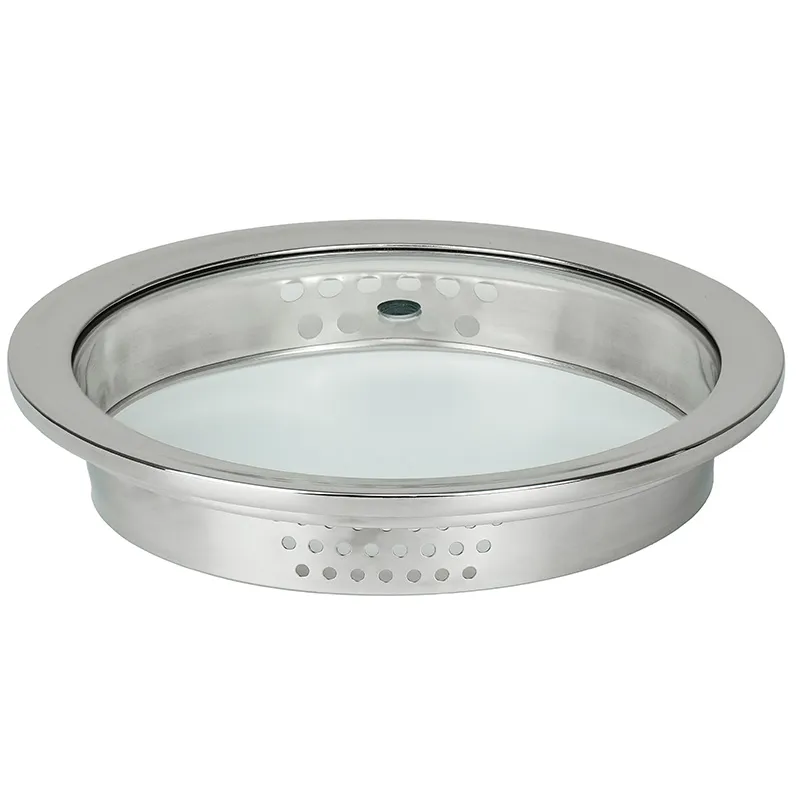
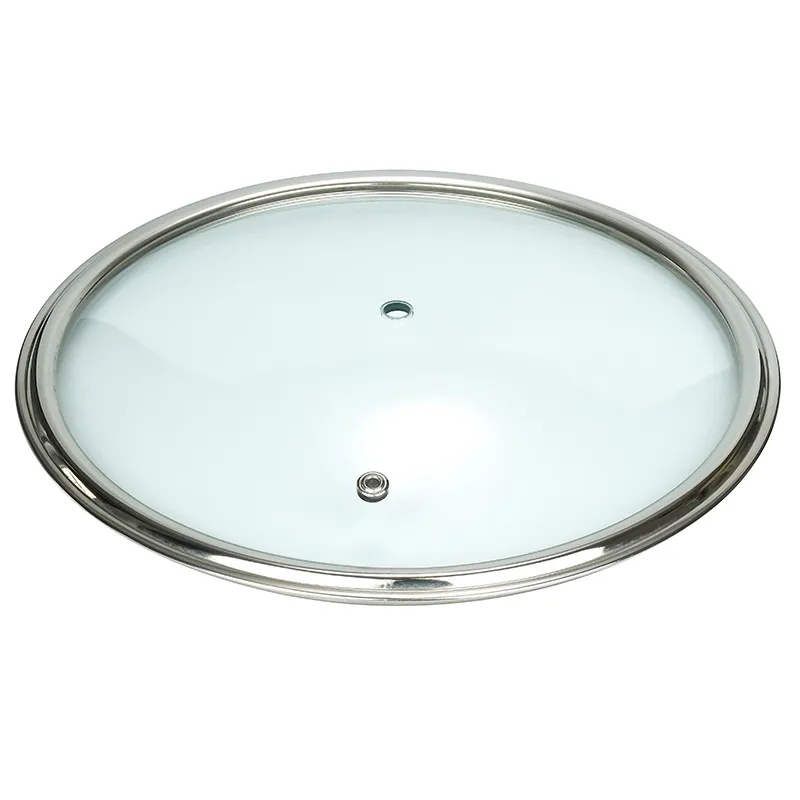
C type tempered glass lid
When most buyers or even some designers say 'C type tempered glass lid', they're usually picturing just the shape—that classic, slightly domed lid with a rolled edge. But in production, that's where the real conversation starts, and frankly, where a lot of assumptions get corrected. The 'C type' refers specifically to the edge profile, a continuous, smooth curve that forms the sealing rim. It's not just an aesthetic choice; that curve is critical for stress distribution during tempering and for creating a consistent seal on the pot. I've seen too many projects stumble by treating it as a simple bent piece of glass, without accounting for the thermal dynamics during the toughening process.
The Manufacturing Nuances Most Spec Sheets Miss
Take the production line at a place like EUR-ASIA COOKWARE CO.,LTD. Their specialization in low to high-level household glass means they see the full spectrum. For a proper C type tempered glass lid, the journey starts with the glass blank cut to size. The 'C' shaping happens before tempering, in a special mould during the heating phase. The common pitfall here is the radius of that curve. Too tight, and you induce weak points that can lead to spontaneous breakage during the quench. Too shallow, and it doesn't seat properly on the cookware, leading to stability issues. It's a balance learned from running thousands of pieces, not just from a CAD file.
Then comes the tempering. This isn't a one-setting-fits-all process. The thickness of the glass, the exact composition (often a soda-lime float glass), and the final intended use—whether for a high-end European brand or a more cost-conscious market—dictate the cycle. The quench, where high-pressure air rapidly cools the surface, locks in the compressive stress. For a C type tempered glass lid, ensuring even air flow across that curved surface is a technical challenge. Any inconsistency can cause warping or areas of weaker tension. You can sometimes spot a poorly tempered lid by placing it on a flat surface; it might rock slightly. That's a reject in a quality-focused operation.
I recall a batch for a client targeting the German market where we faced a higher-than-usual breakage rate post-temper. The issue wasn't the glass quality or the furnace. It was the ambient humidity in the factory on those production days, affecting the initial heating phase before the glass entered the tempering furnace. A seemingly minor environmental factor that a spec sheet would never consider, but on the floor, it's the difference between a 95% and an 87% yield. These are the unglamorous, real-world variables that define consistent quality.
Fit, Function, and the Reality of Global Standards
The end-use is everything. A lid for a Brazilian market pressure cooker has different stress requirements than one for a French butter warmer. EUR-ASIA's export footprint—to Germany, Italy, Japan, etc.—means their production must be agile. A C type tempered glass lid for a German manufacturer often comes with stricter tolerances on the rim flatness and might require a specific, certified high-temperature silicone gasket. The same physical lid for another region might use a different gasket material. This is where the 'medium to high level' part of their operation shows. It's not just about making glass; it's about understanding the assembly line it's destined for.
Durability testing is another area of quiet differentiation. Beyond the standard impact tests (like the 227g steel ball drop), real-world failure often comes from thermal shock. Think of pouring cold water on a hot lid, or placing a lid from the fridge onto a simmering pot. A well-made tempered lid should withstand that delta. But I've seen lids from less scrupulous suppliers develop micro-cracks around the handle rivet points after repeated cycles. The handle attachment is a critical, often overlooked, detail. It's a metal component bonded with a high-temp adhesive and often a mechanical rivet. The differential expansion rates between the metal, the adhesive, and the glass is a key engineering challenge.
One failed experiment we conducted early on was trying to produce an ultra-thin, lightweight C type tempered glass lid for a high-end line. The theory was elegance and reduced weight. In practice, while it tempered, it lost significant thermal mass and became more prone to 'dancing' or chattering on the pot during a vigorous boil. It also felt flimsy to the consumer. We reverted to a standard, slightly thicker gauge. The lesson was that consumer perception of quality—the heft, the solid 'clink' when placed—often aligns with practical performance. You can't engineer that feel out.
Logistics and the Fragile Reality
Producing 15 million pieces annually, as EUR-ASIA does, introduces scale problems you don't have at smaller volumes. Packaging for a C type tempered glass lid is a science in itself. The C shape is actually a blessing here—it provides a natural point for suspension within a cardboard carton, preventing direct pressure on the center of the glass. But you need custom die-cut foam or molded pulp inserts that cradle that curve perfectly. A generic flat insert will lead to catastrophic transit losses. I've opened containers where poor packaging led to a sea of glass fragments, a total loss. The cost of that failure isn't just the product; it's the delayed shipment, the strained client relationship, and the environmental waste.
Furthermore, this volume necessitates a highly organized post-tempering inspection. Automated optical inspection can catch major defects, but a seasoned human inspector is still invaluable for spotting subtle issues like barely visible edge chips or minor optical distortions. These inspectors develop an almost intuitive feel for a good lid versus a borderline one. It's a skill built on seeing millions of them pass by. This human layer in the quality chain is what often separates a reliable supplier from a merely adequate one.
The Evolving Material and Design Landscape
While soda-lime tempered glass remains the industry standard for its cost-effectiveness and performance, there's always pressure (pun intended) to innovate. We've tested borosilicate glass for the C type tempered glass lid application. Its superior thermal shock resistance is fantastic, but the raw material cost is significantly higher, and the tempering process requires different parameters. For most household applications, the premium isn't justified. However, for niche, high-heat professional or specialty applications, it's a viable path. The decision always circles back to the value equation for the end-user.
Another trend is the integration of functionality. This isn't just about a knob handle. I'm talking about lids with built-in steam vents that can be opened or closed, or with integrated silicone spoons. These add immense complexity. Every new hole or attachment point is a potential stress concentrator and a challenge for the tempering process. It requires close collaboration between the glass manufacturer, the metal stamping supplier for the vents, and the assembler. A company with a broad base like EUR-ASIA, covering various kitchen accessories, is positioned well for this as they can often source or manage these ancillary components in-house or through established partnerships.
Looking forward, the demand is for smarter, more durable, and more sustainable products. Can the glass be made from a higher percentage of recycled cullet without compromising clarity or strength? Can the packaging be reduced or made biodegradable? These are the questions coming from European buyers especially. The C type tempered glass lid might seem like a simple commodity, but its production is a constant negotiation between physics, economics, and evolving market expectations. The factories that thrive are those that understand it as a dynamic component, not a static item on a bill of materials.
Related Products
Related Products