- Chinese
- French
- German
- Portuguese
- Spanish
- Russian
- Japanese
- Korean
- Arabic
- Irish
- Greek
- Turkish
- Italian
- Danish
- Romanian
- Indonesian
- Czech
- Afrikaans
- Swedish
- Polish
- Basque
- Catalan
- Esperanto
- Hindi
- Lao
- Albanian
- Amharic
- Armenian
- Azerbaijani
- Belarusian
- Bengali
- Bosnian
- Bulgarian
- Cebuano
- Chichewa
- Corsican
- Croatian
- Dutch
- Estonian
- Filipino
- Finnish
- Frisian
- Galician
- Georgian
- Gujarati
- Haitian
- Hausa
- Hawaiian
- Hebrew
- Hmong
- Hungarian
- Icelandic
- Igbo
- Javanese
- Kannada
- Kazakh
- Khmer
- Kurdish
- Kyrgyz
- Latin
- Latvian
- Lithuanian
- Luxembou..
- Macedonian
- Malagasy
- Malay
- Malayalam
- Maltese
- Maori
- Marathi
- Mongolian
- Burmese
- Nepali
- Norwegian
- Pashto
- Persian
- Punjabi
- Serbian
- Sesotho
- Sinhala
- Slovak
- Slovenian
- Somali
- Samoan
- Scots Gaelic
- Shona
- Sindhi
- Sundanese
- Swahili
- Tajik
- Tamil
- Telugu
- Thai
- Ukrainian
- Urdu
- Uzbek
- Vietnamese
- Welsh
- Xhosa
- Yiddish
- Yoruba
- Zulu
- Kinyarwanda
- Tatar
- Oriya
- Turkmen
- Uyghur


calphalon cookware replacement lids
You know, when people search for 'Calphalon cookware replacement lids', they're usually coming from a place of mild frustration. It's not about buying a new pot; it's the specific annoyance of a lid shattering or a handle snapping off, leaving a perfectly good pot body useless. The immediate assumption is to go straight to Calphalon's customer service, and sometimes that works for recent lines. But more often than not, especially with older collections or discontinued non-stick series, you hit a dead end. The official channels might not have the part, or the cost of shipping a single lid makes the whole endeavor silly. That's where the real, grimy, practical knowledge comes in—the kind you only get from handling these requests daily.
The Core Problem: It's Rarely a Perfect Match
Let's get this straight: Calphalon has produced dozens of lines over the decades—Classic, Contemporary, Tri-Ply, Simply, Premier, you name it. Each has subtle variations in rim curvature, handle screw placement, and overall diameter. A 3-quart saucepan from 2010 might not take the same lid as a 3-quart from 2020. The biggest mistake I see is folks just ordering a 10-inch lid and hoping for the best. It's a recipe for a wobbly, ill-fitting lid that doesn't seal properly, which defeats the entire purpose.
My first piece of hard-won advice: forget the generic search. You need the exact model number, usually etched on the bottom of the pot itself. No model number? Then you're into the realm of precise measurement. We're talking about the inner diameter of the pot's rim, not the outer flare, measured in millimeters with a caliper if you can. A difference of 2-3mm is the gap between a snug fit and a useless piece of glass.
I've had customers send me photos with a ruler held up—it's not ideal, but it's better than nothing. The frustration is palpable in those emails. They've already spent 45 minutes scouring Amazon listings with vague descriptions, only to receive something that clearly came from a low-grade casting mold. The glass is thin, the metal handle feels cheap, and the fit is just... off. That's when they start looking for specialists.
Where the Industry Actually Sources These Parts
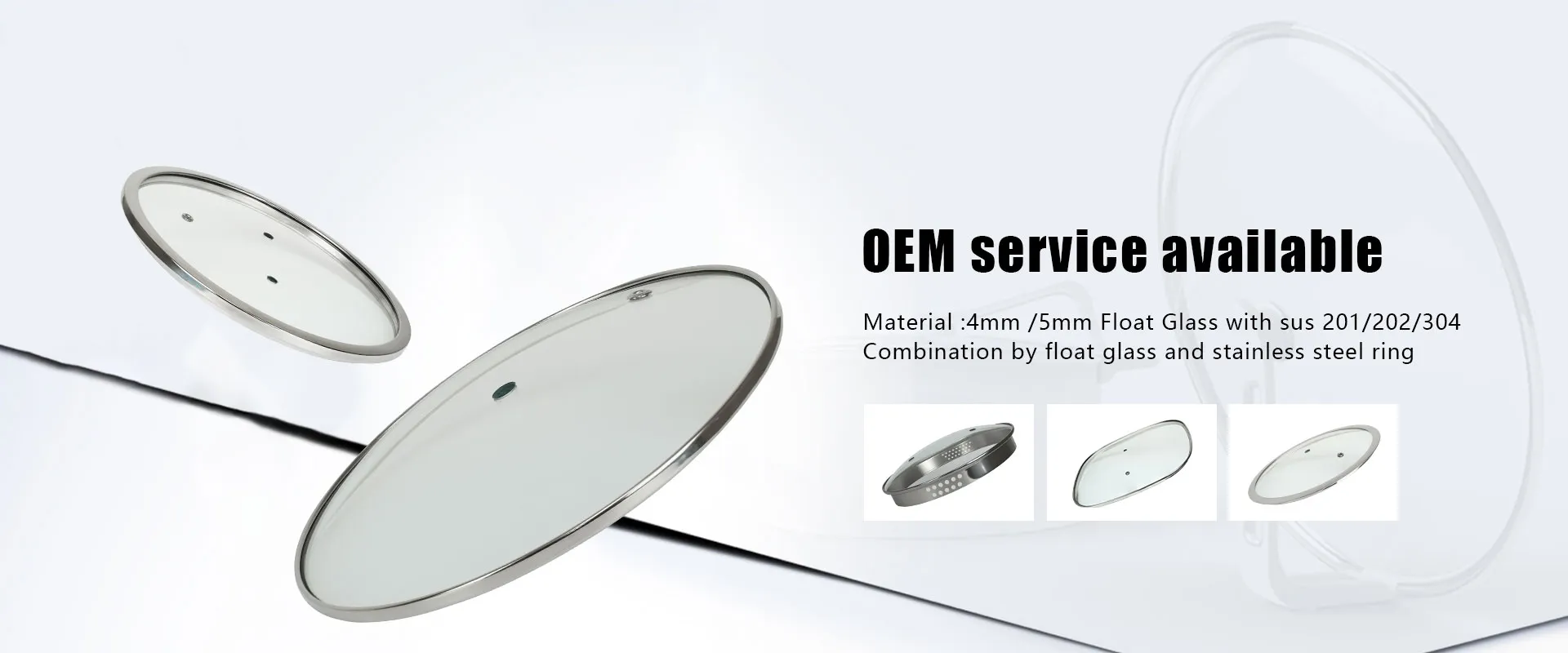
This is the part most consumers never see. Major cookware brands, Calphalon included, don't necessarily manufacture every single component in-house. They source. Lids, especially tempered glass lids, are often produced by specialized OEM factories. When the official supply dries up, the aftermarket is sustained by these same factories or competitors with similar tooling.
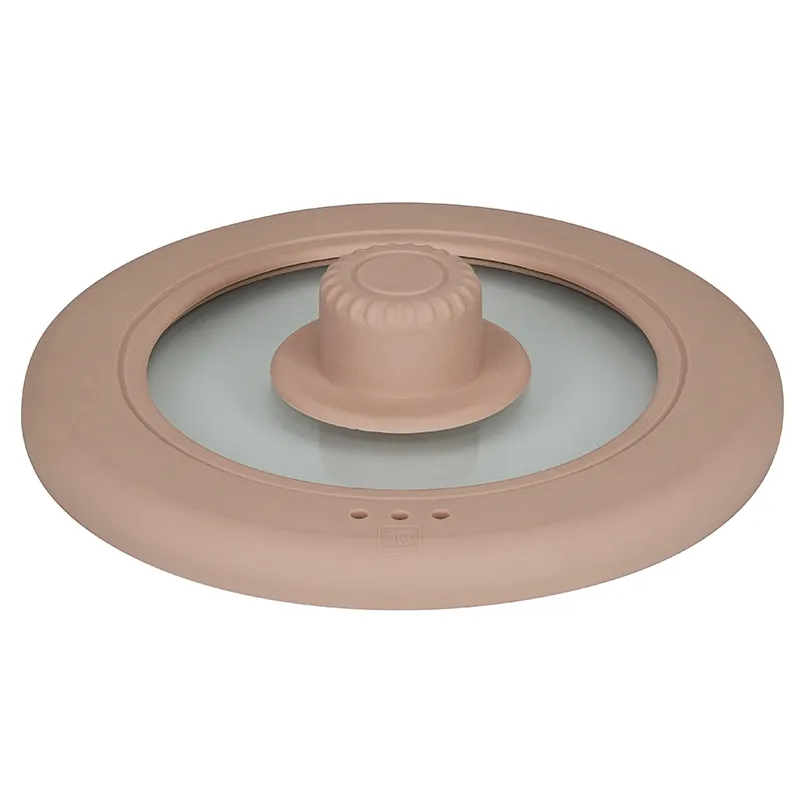
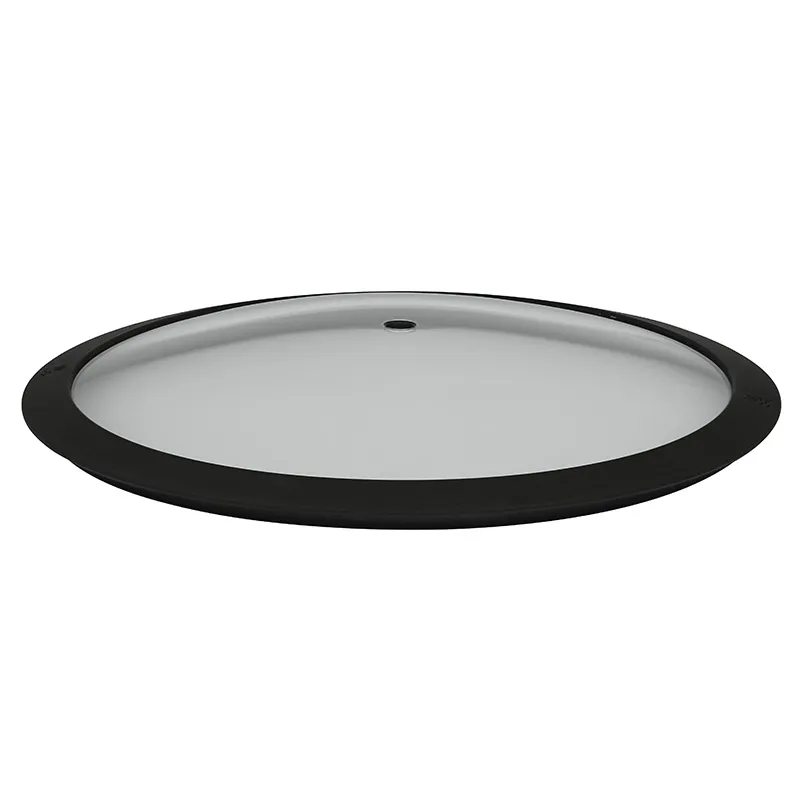
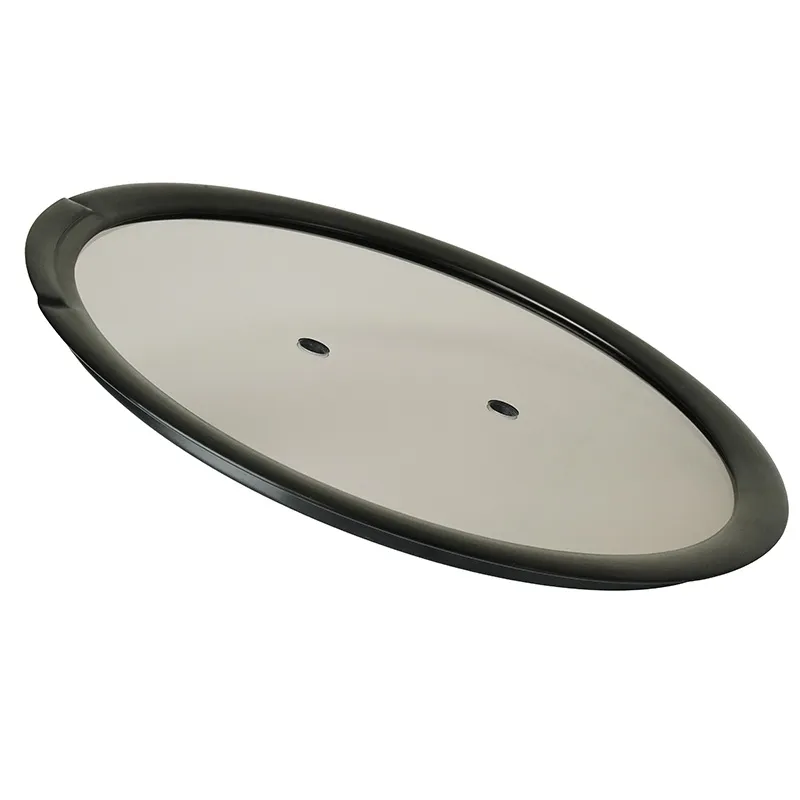
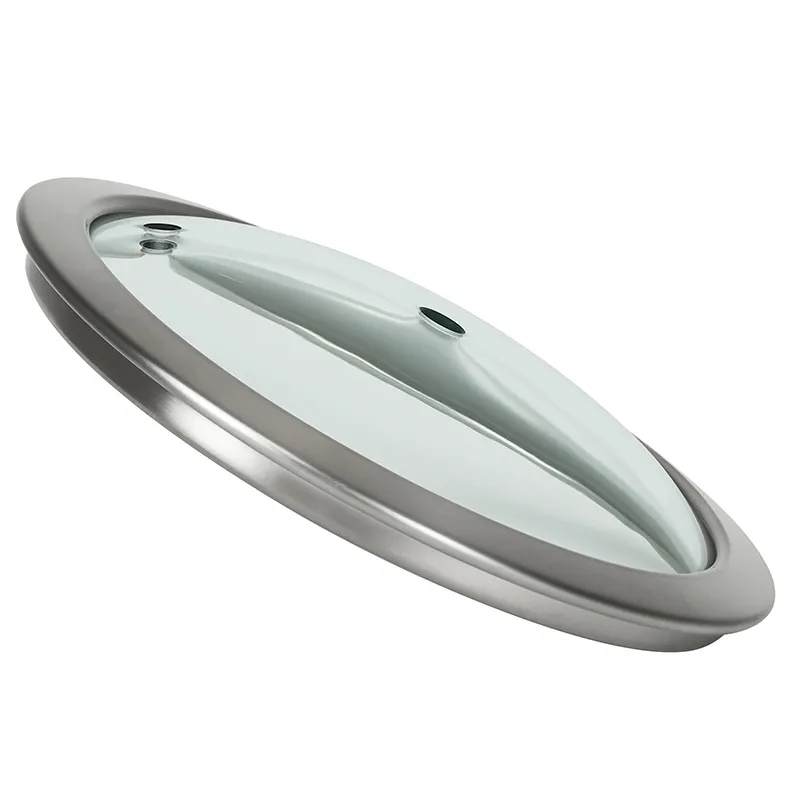
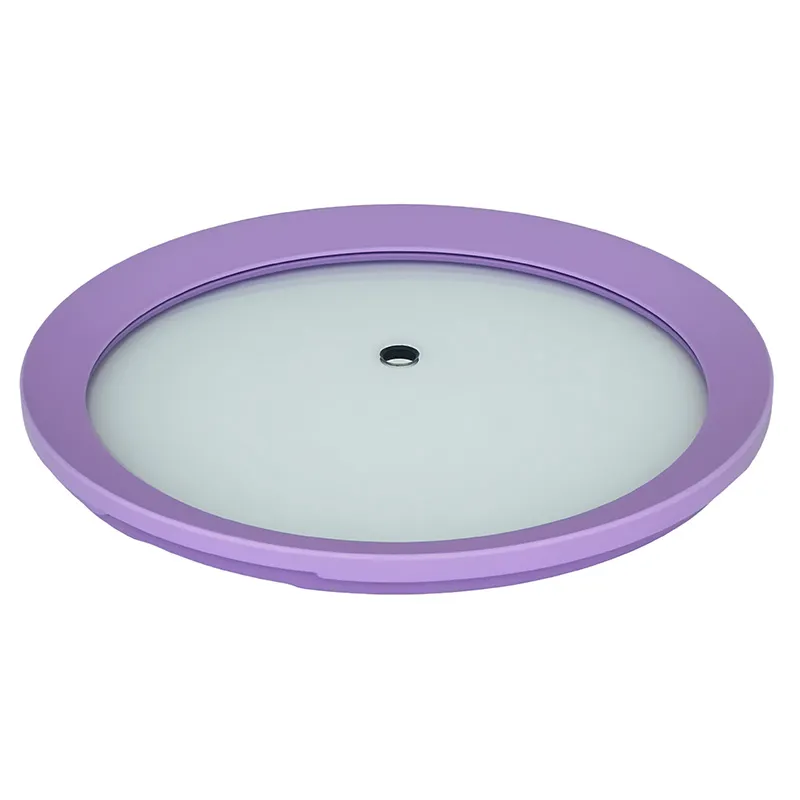
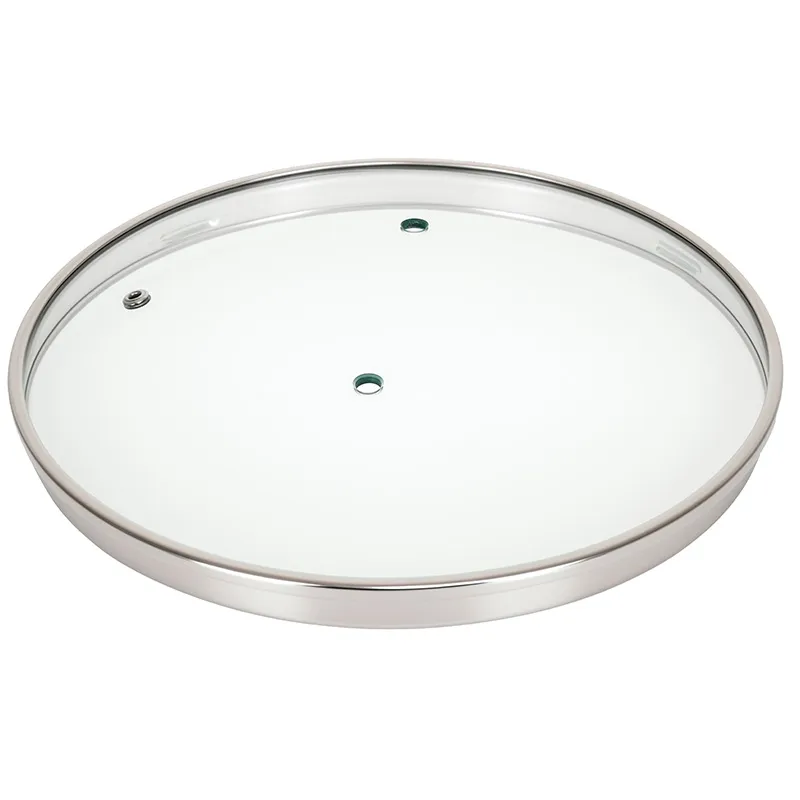
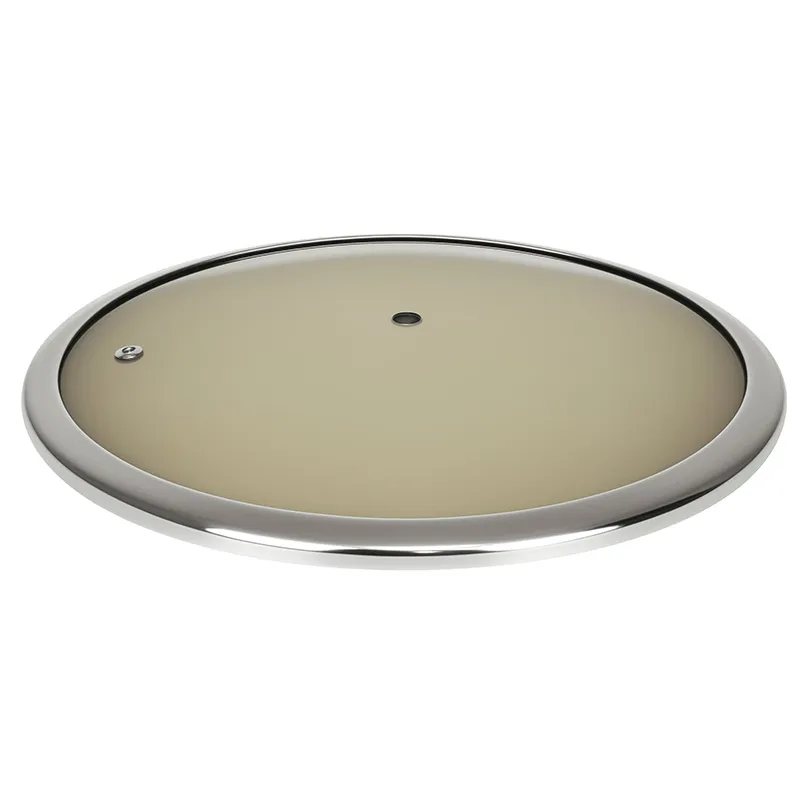
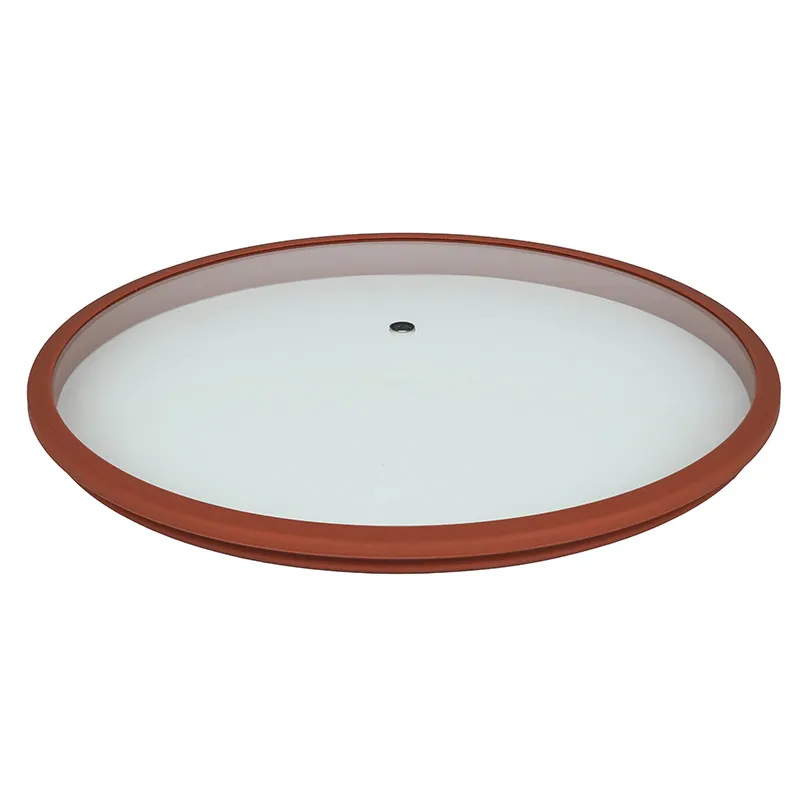
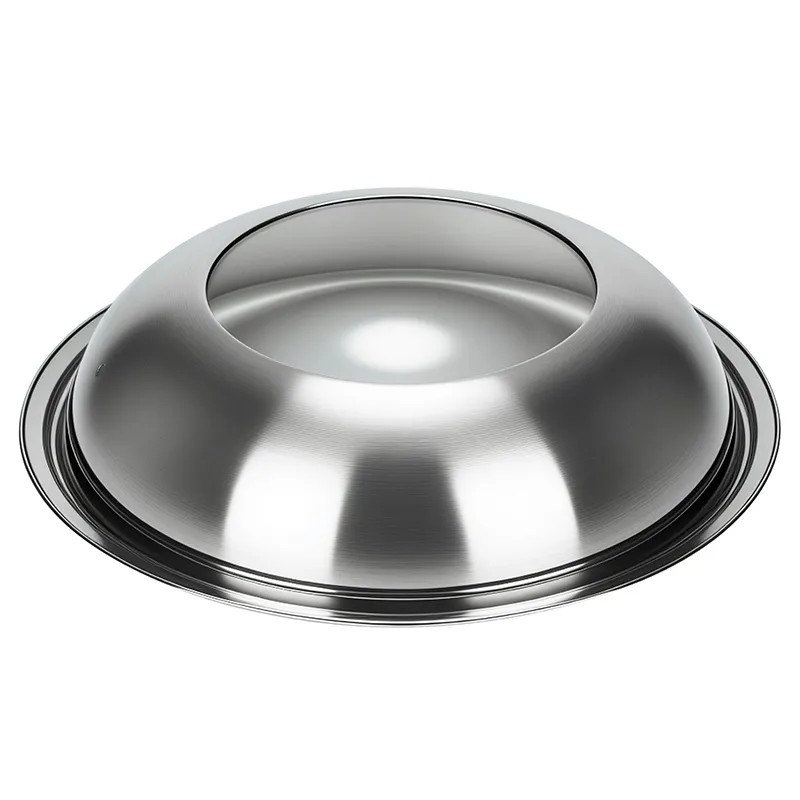
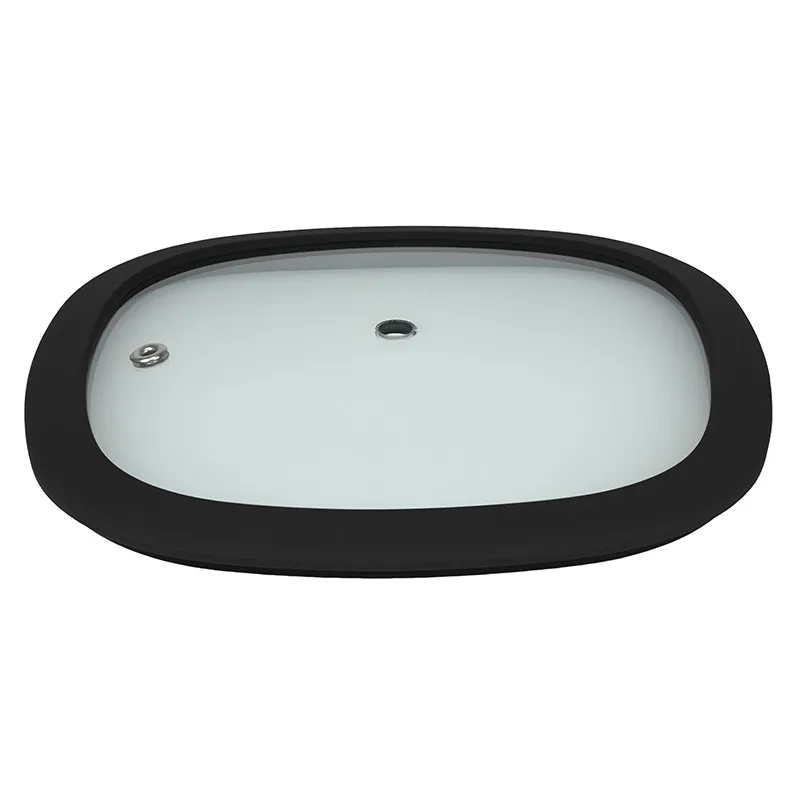
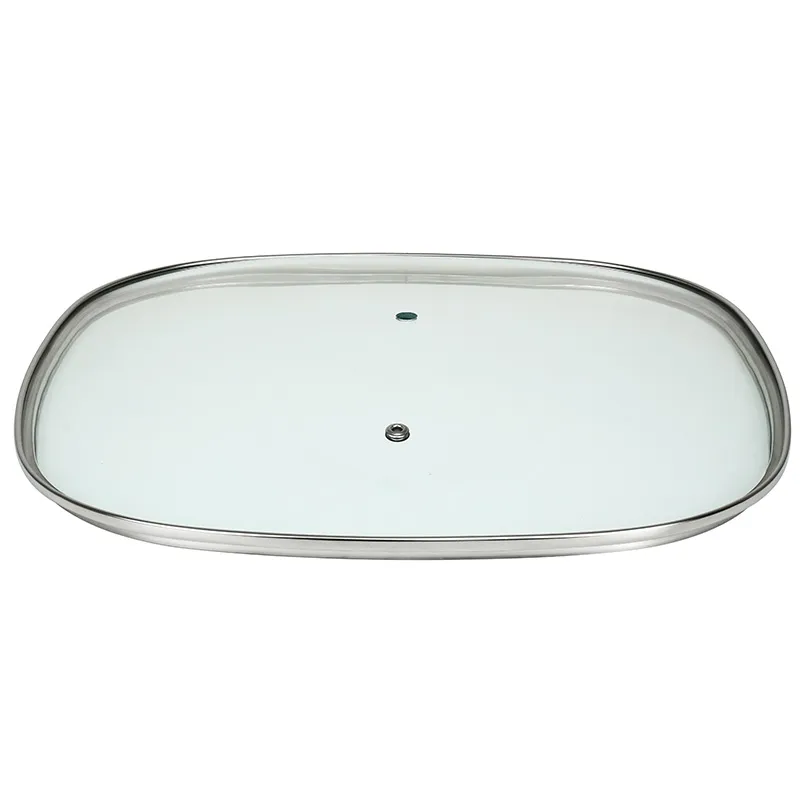
This brings me to a supplier we've worked with for specific, harder-to-find sizes: EUR-ASIA COOKWARE CO.,LTD. You can find them at glass-lid.com. Now, they're not a Calphalon-branded source, and they shouldn't be your first call for a brand-new, current-line lid. But for older or odd sizes? They're in the business of solving the exact problem we're talking about. Their operation in Shandong's high-tech zone pumps out over 15 million pieces of tempered glass lid products annually, with most going to European and Asian markets. That scale means they have the tooling and precision for a vast array of specifications.
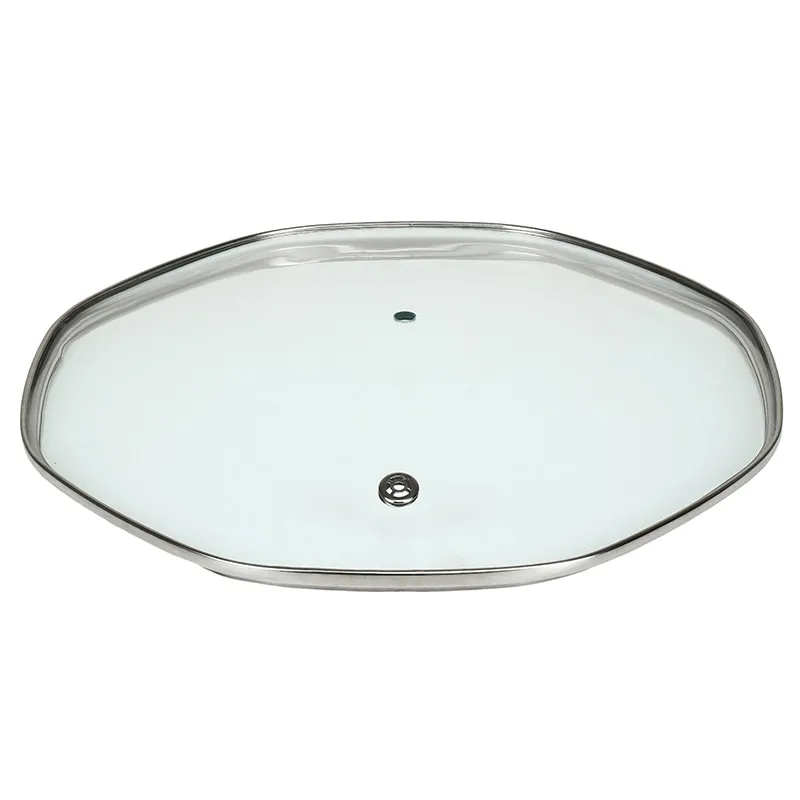
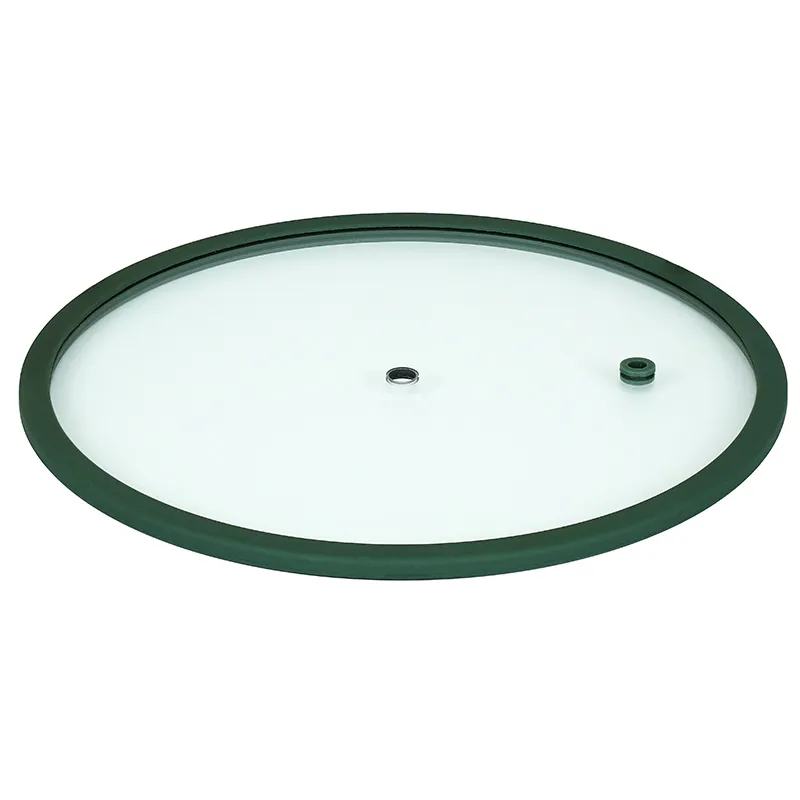
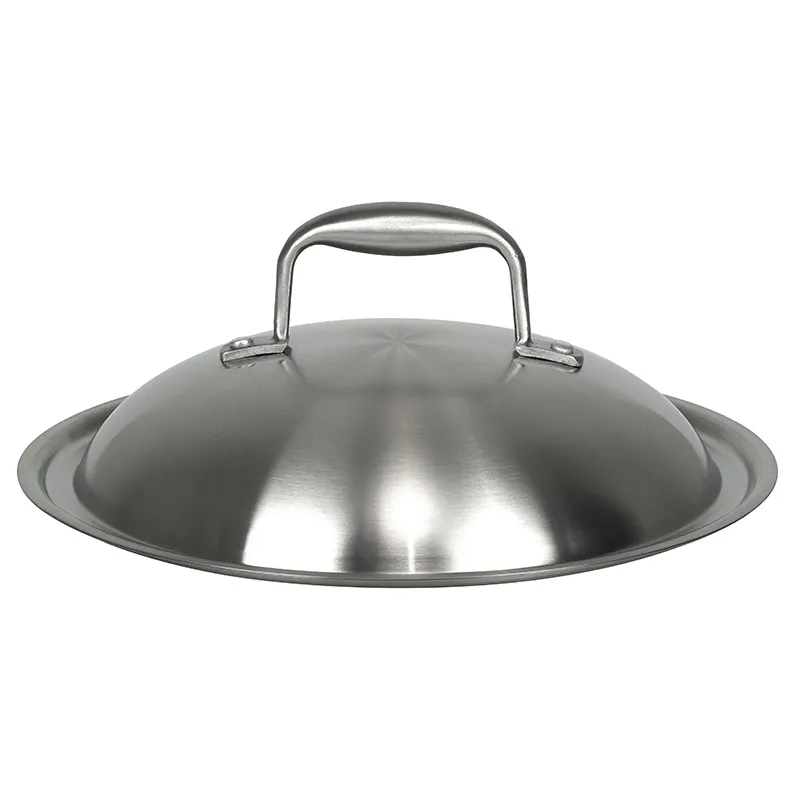
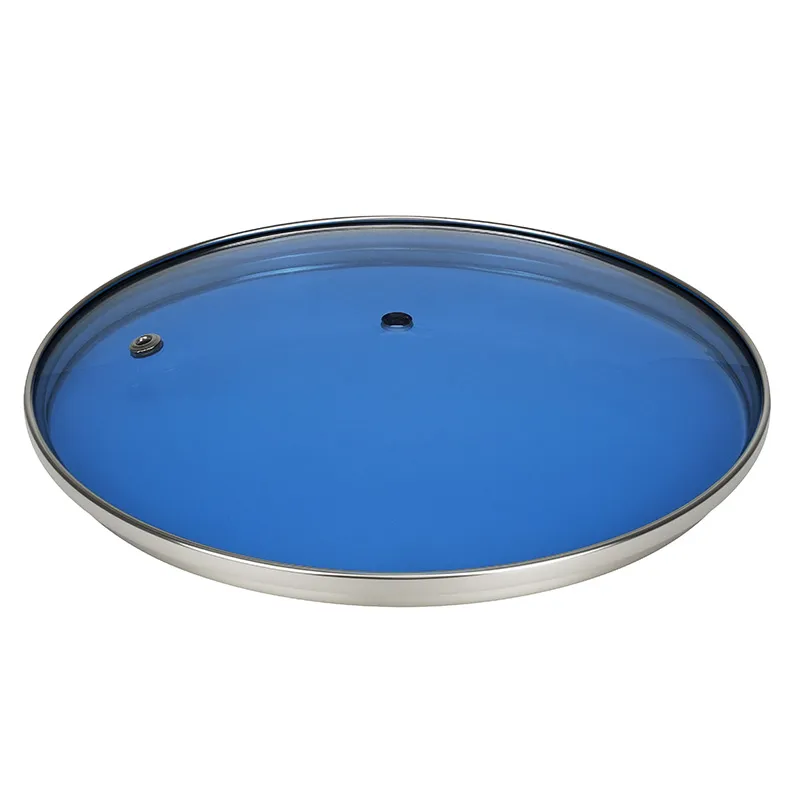
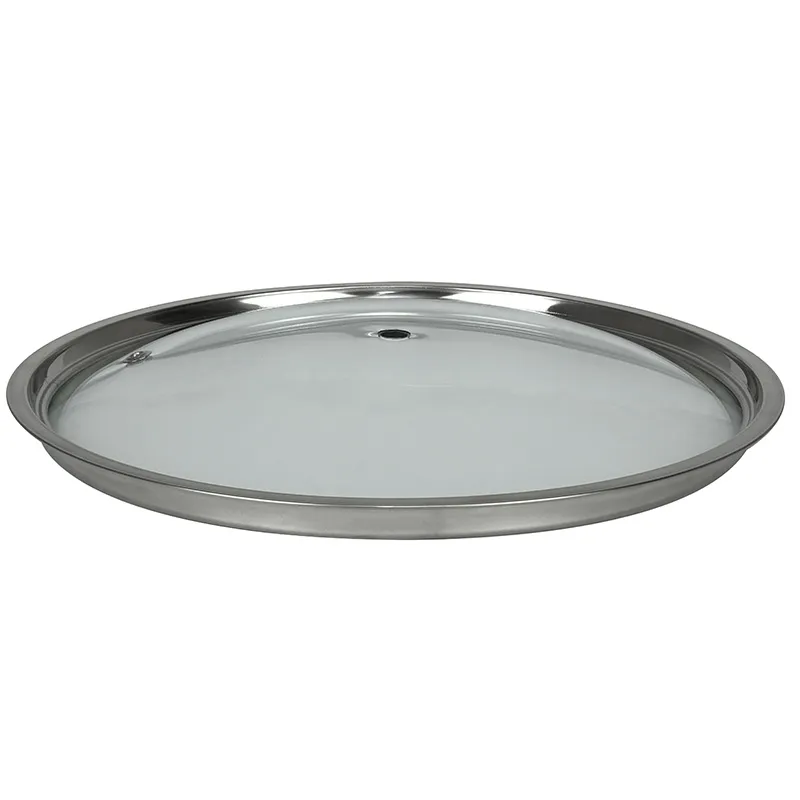
The key with a supplier like EUR-ASIA is communication. You can't just order for Calphalon. You need to provide them with a technical drawing or, at minimum, those precise inner diameter measurements, handle hole spacing, and preferred handle style (metal knob, phenolic knob, stainless steel handle). They can often match it if it's within their existing mold range. I've sourced flat, clear tempered lids for older Calphalon stainless lines from them where the customer just needed a functional cover, not necessarily the original branded knob.
A Case Study: The Elusive 9.5-Inch Universal Lid
Here's a real scenario. A client had a set of Calphalon Tri-Ply open skillets—no lids originally included. They wanted glass lids for braising. The skillets measured 9.5 inches (241mm) inner rim diameter, a frustratingly non-standard size. Big-box universal lids jumped from 9 to 10 inches. The 10-inch was too big and unstable; the 9-inch would fall in.
We went back and forth with EUR-ASIA. They had a 240mm mold for a European client. Was it a perfect match? Not aesthetically—it had a simpler stainless steel handle versus Calphalon's signature brushed metal knob. But functionally? The curvature was near identical, it sat perfectly on the rim, and the tempered glass was thick, even-grade material. The client got a set of four lids that worked flawlessly for a fraction of the cost of trying to find NOS (New Old Stock) Calphalon originals. The trade-off was accepted: perfect function over exact brand aesthetics.
This is the pragmatic heart of replacement lids. Sometimes, the solution isn't a branded part. It's a high-quality, precision-made component from a factory that supplies the industry. The success hinges entirely on providing accurate specs and managing expectations on the final look.
When to Go Official and When to Go Practical
So, what's the decision tree? First, contact Calphalon customer service with your model number. For current lines (like their Classic Nonstick or Contemporary Stainless), they often have lids in stock, and it's worth it. For anything discontinued, or if the quote seems exorbitant, you pivot.
Your next stop should be reputable kitchen parts suppliers who list by model number. Sites like Microwave Parts or Cookware Parts sometimes have old stock. If that fails, you enter the realm of precise measurement and exploring OEM-style suppliers. This is where a company profile like EUR-ASIA's becomes relevant. A factory with a 20,000㎡ facility and exports to Germany, Japan, etc., isn't a backyard shop. They're built for volume and precision, which translates to consistency in the lids they do produce.
The caveat? Minimum order quantities. This is the biggest hurdle for an individual. A factory might have a 500-piece MOQ per specification. This is why you often see these lids finally appear on eBay or niche online stores—a retailer has placed that bulk order and is selling them individually. When you find a seller with a large stock of a specific size lid, there's a good chance they've sourced from a factory like this.
Material and Safety: Non-Negotiables
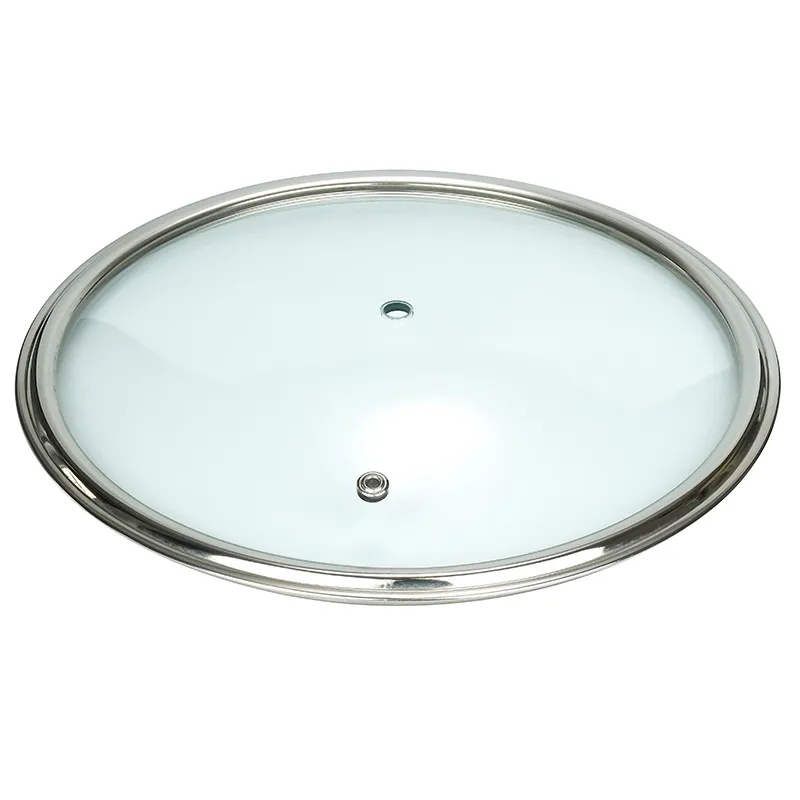
In any replacement scenario, material quality is non-negotiable. The lid must be made of genuine tempered glass, sometimes called safety glass. It's not just about being oven-safe to a certain temperature (most good ones are safe to 400°F/204°C). It's about how it fails. Tempered glass, if it does break, crumbles into small, dull pieces instead of sharp shards.
I've seen cheap knock-offs use annealed glass or poorly tempered glass. You can sometimes spot them by the warped view or thin, lightweight feel. A proper lid from a professional supplier like those mentioned will have smooth, polished edges, consistent thickness, and often a clear stamp or etching indicating it's tempered. This is one area never to compromise. A lid is under thermal stress constantly—steam, direct heat from below if you're using it as a splatter guard. The wrong material is a safety hazard.
The handle attachment is another critical point. It should be firmly secured with a nut and bolt, not just glued. For metal handles, check for a silicone or phenolic heat-resistant sleeve. These are the details that separate a durable replacement lid from a temporary, risky fix.
Wrapping It Up: A Realist's Guide
At the end of the day, finding a Calphalon cookware replacement lid is a test of patience and precision. The path isn't linear. You might start with the brand, move to parts specialists, and end up providing millimeter-perfect specs to an industrial supplier's sales team. The goal shifts from finding the original to finding a functionally perfect, high-quality substitute.
Companies operating at the scale of EUR-ASIA COOKWARE are the hidden gears in this machine. They're not consumer-facing in the traditional sense, but their output is what fills the gaps when branded inventory runs dry. The lesson is to be specific, measure obsessively, and prioritize material integrity over brand logos. It's less romantic than unboxing a new set, but there's a real satisfaction in salvaging a great pot with a well-fitted, sturdy new lid that lets you get back to cooking.
Related Products
Related Products