- Chinese
- French
- German
- Portuguese
- Spanish
- Russian
- Japanese
- Korean
- Arabic
- Irish
- Greek
- Turkish
- Italian
- Danish
- Romanian
- Indonesian
- Czech
- Afrikaans
- Swedish
- Polish
- Basque
- Catalan
- Esperanto
- Hindi
- Lao
- Albanian
- Amharic
- Armenian
- Azerbaijani
- Belarusian
- Bengali
- Bosnian
- Bulgarian
- Cebuano
- Chichewa
- Corsican
- Croatian
- Dutch
- Estonian
- Filipino
- Finnish
- Frisian
- Galician
- Georgian
- Gujarati
- Haitian
- Hausa
- Hawaiian
- Hebrew
- Hmong
- Hungarian
- Icelandic
- Igbo
- Javanese
- Kannada
- Kazakh
- Khmer
- Kurdish
- Kyrgyz
- Latin
- Latvian
- Lithuanian
- Luxembou..
- Macedonian
- Malagasy
- Malay
- Malayalam
- Maltese
- Maori
- Marathi
- Mongolian
- Burmese
- Nepali
- Norwegian
- Pashto
- Persian
- Punjabi
- Serbian
- Sesotho
- Sinhala
- Slovak
- Slovenian
- Somali
- Samoan
- Scots Gaelic
- Shona
- Sindhi
- Sundanese
- Swahili
- Tajik
- Tamil
- Telugu
- Thai
- Ukrainian
- Urdu
- Uzbek
- Vietnamese
- Welsh
- Xhosa
- Yiddish
- Yoruba
- Zulu
- Kinyarwanda
- Tatar
- Oriya
- Turkmen
- Uyghur

candle in glass jar with lid
You see a candle in glass jar with lid and think it's simple: wax, wick, glass. The lid? Maybe just for storage. That's the first mistake. In practice, that lid, especially a proper tempered glass one, changes everything about the product lifecycle—from scent throw to safety to perceived value. Most discussions stop at the jar's aesthetics, but the real nuance is in the seal and the material overhead.
The Lid Isn't an Afterthought
Early on, we sourced generic metal lids for our candle jars. They were cheap, looked fine initially. But within months, customer complaints trickled in—rust rings forming on the jar rim, a faint metallic odor contaminating the unburned wax, and worse, lids that warped under shipping temperatures, breaking the seal. The candle would arrive with no scent left. That's when you learn the hard way: the closure system is integral to the product, not packaging. It needs to withstand temperature shifts from a hot jar cooling down and resist corrosion from essential oils.
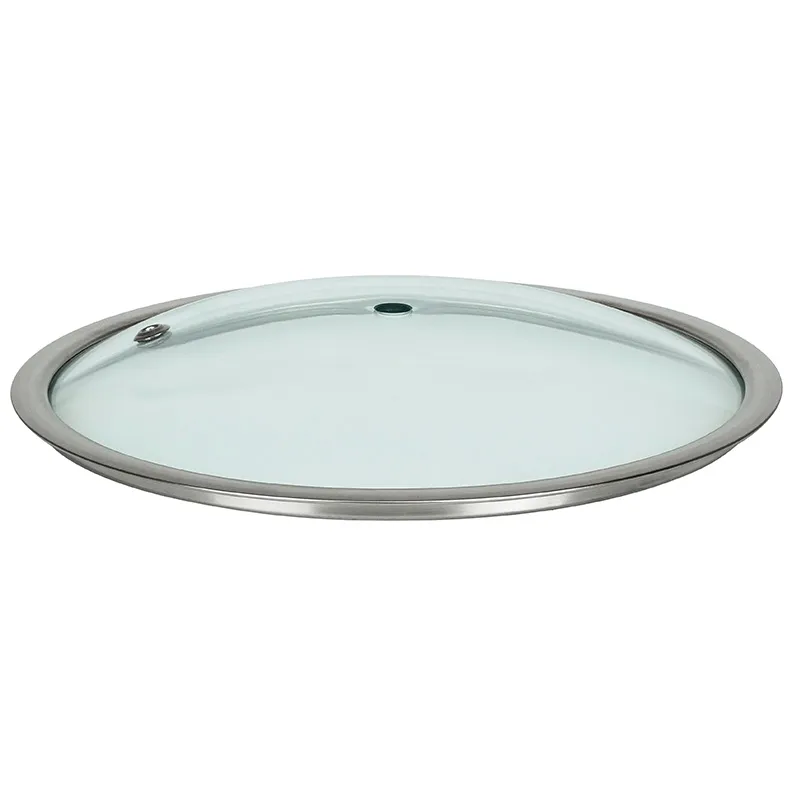
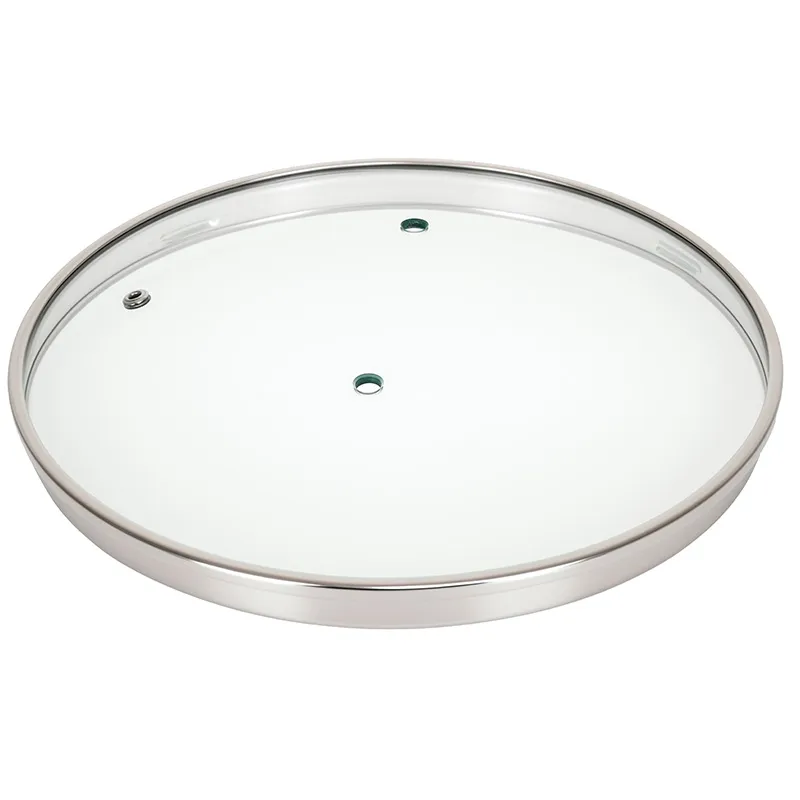
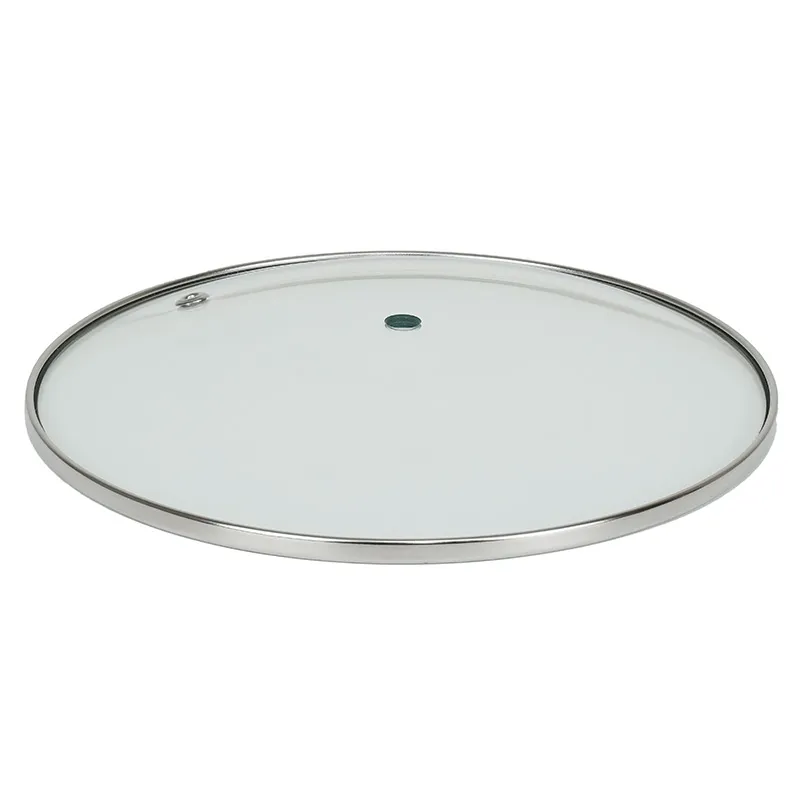
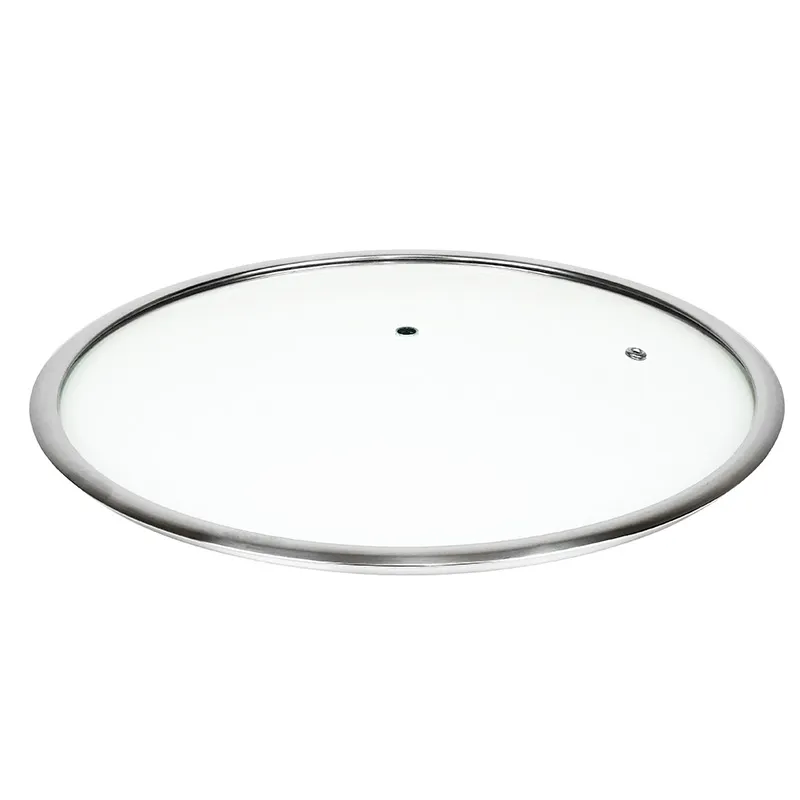
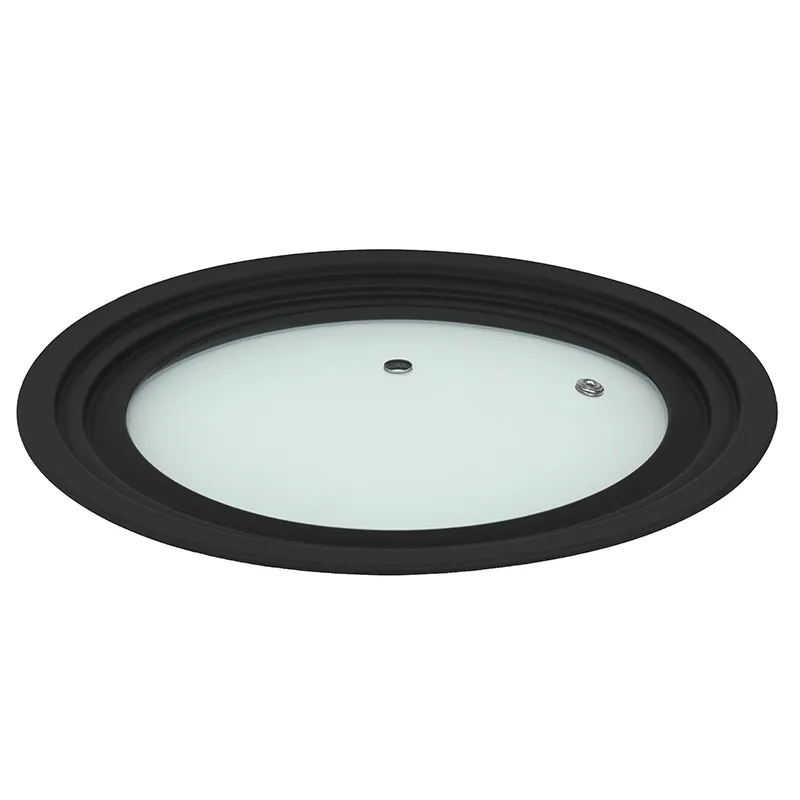
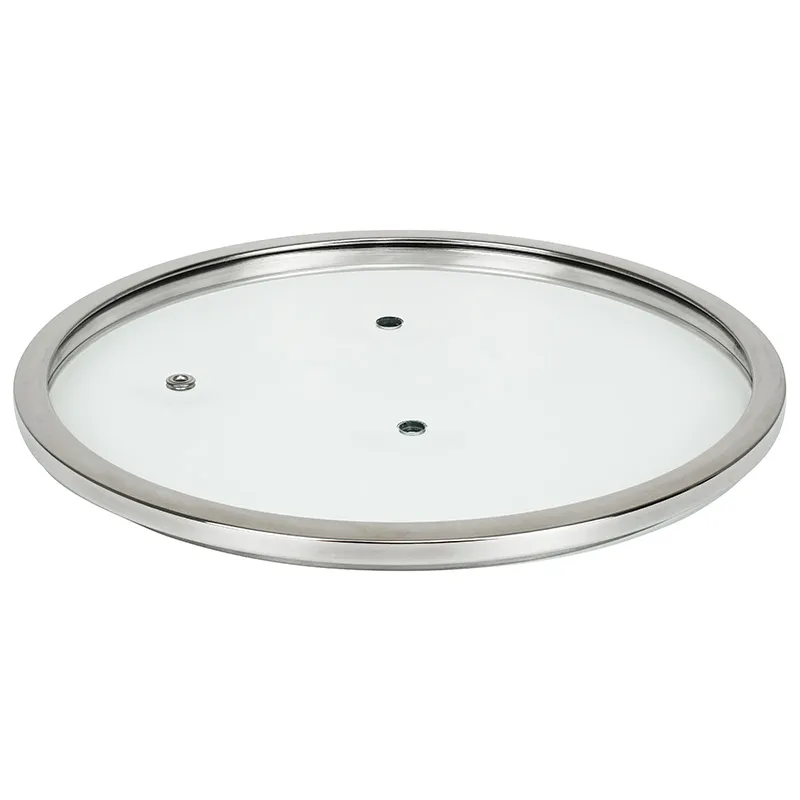
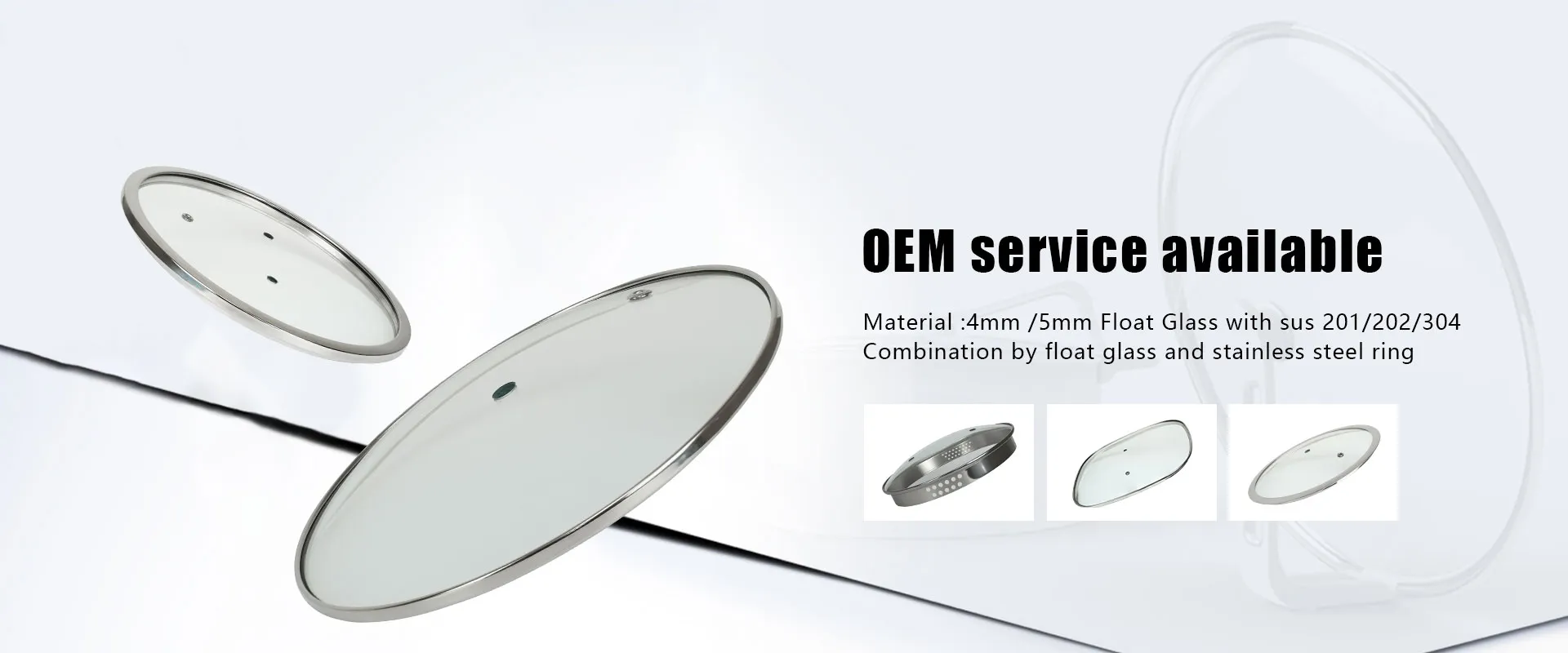
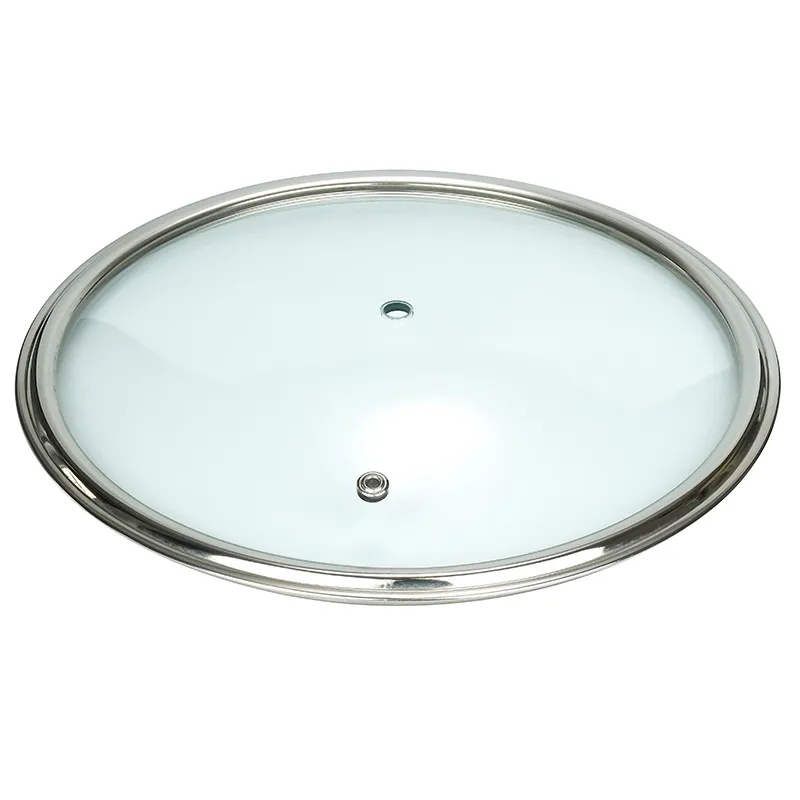
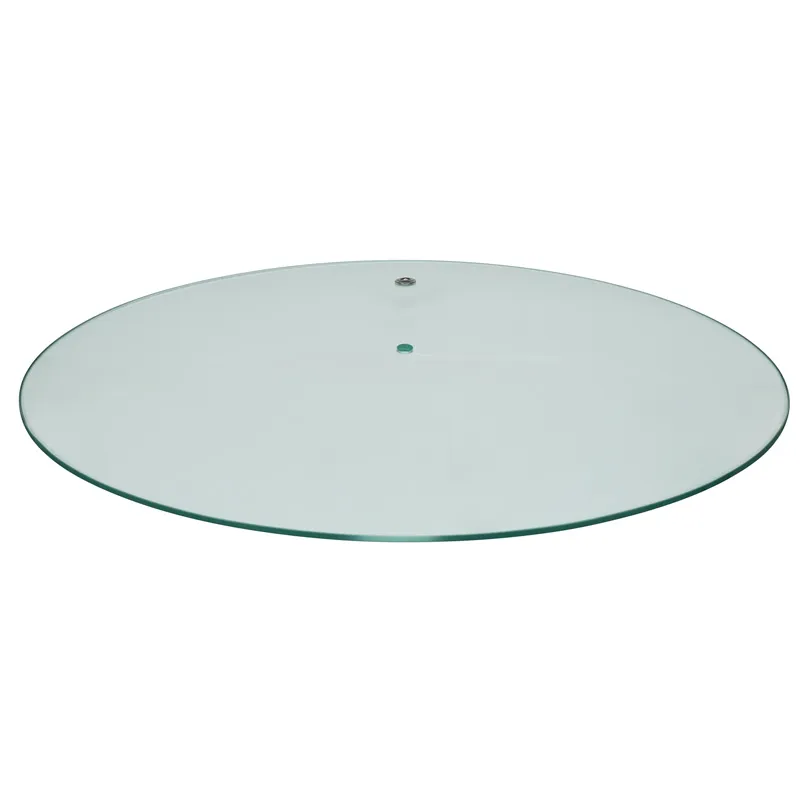
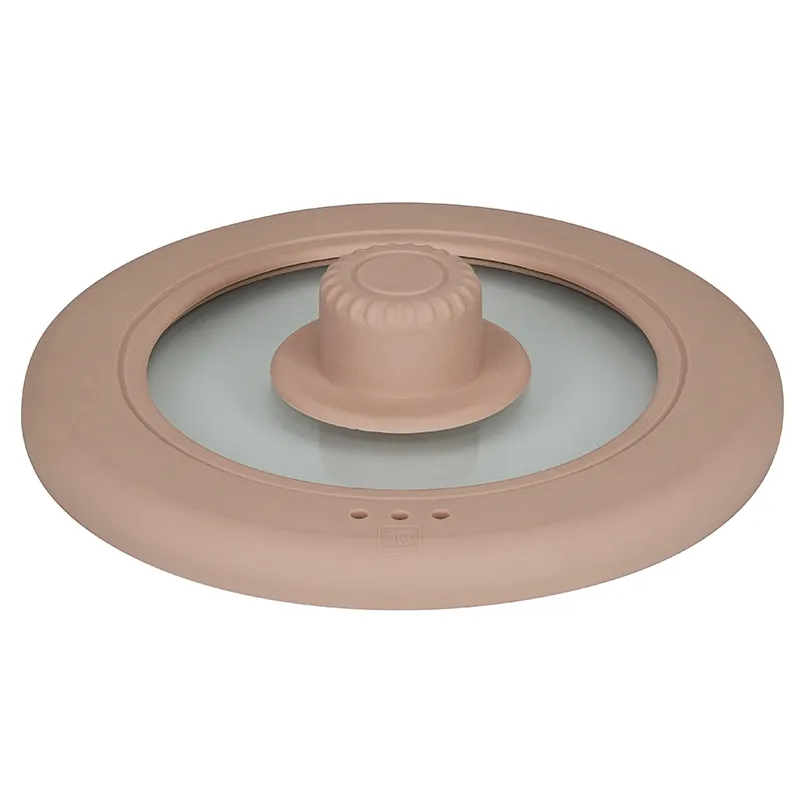
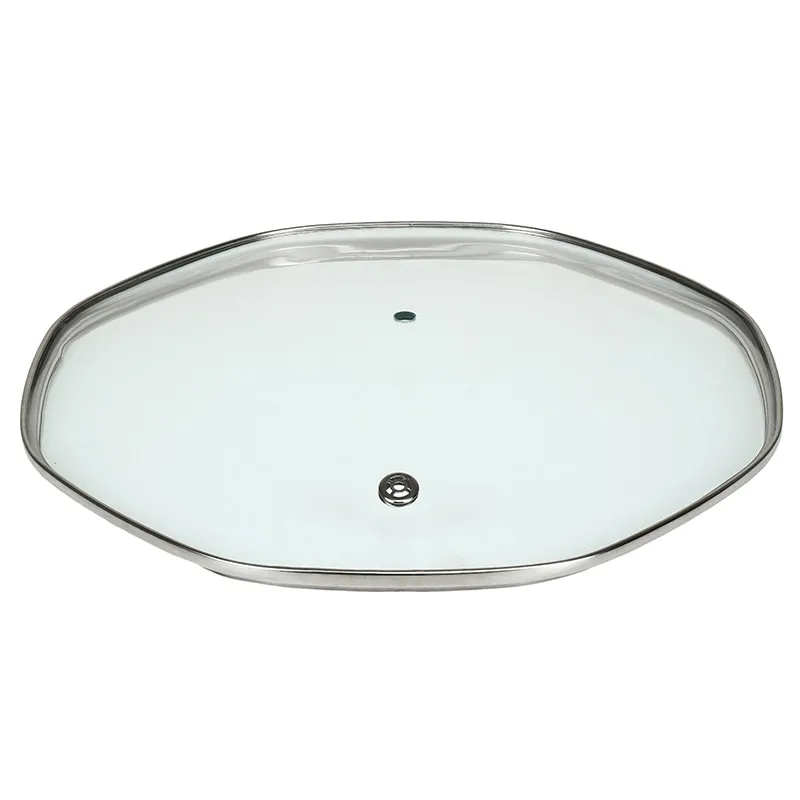
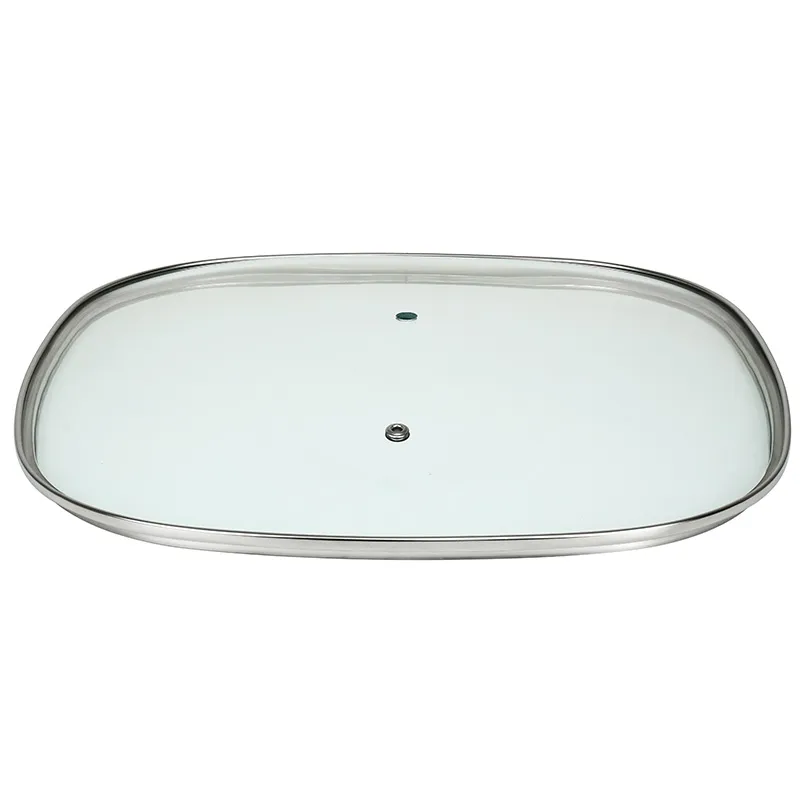
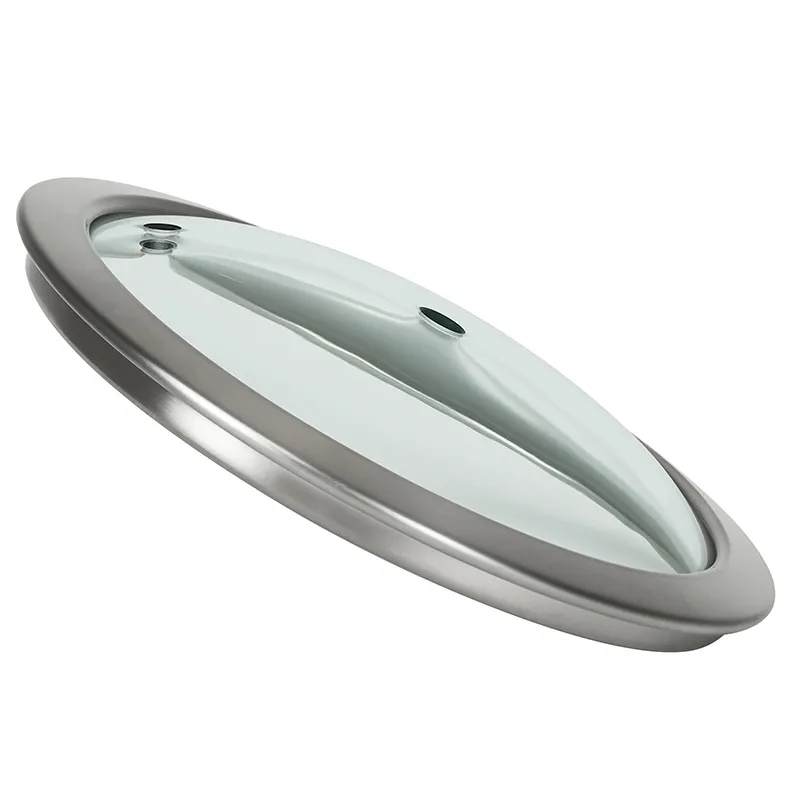
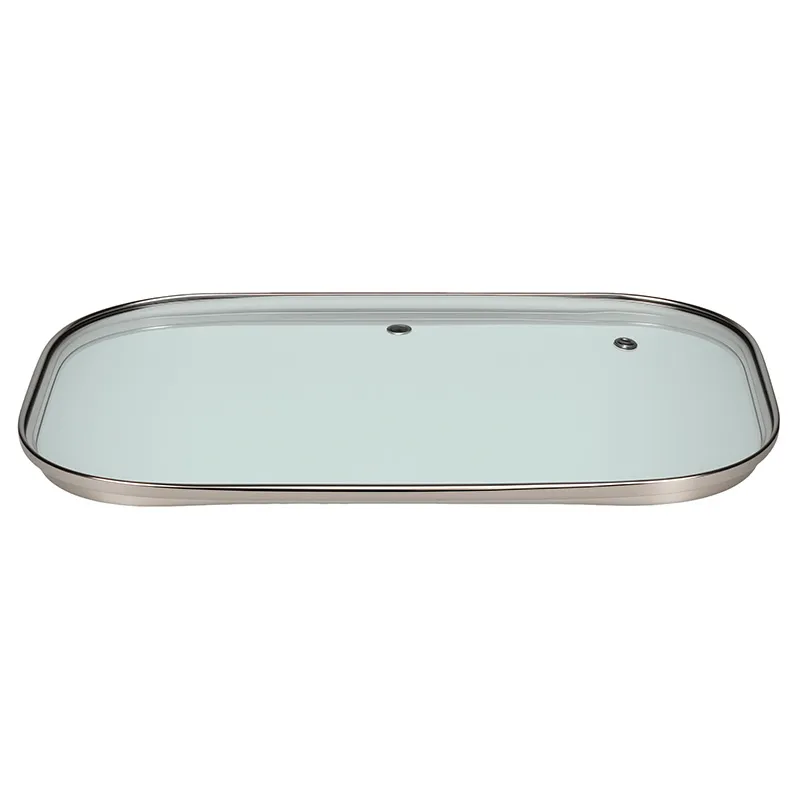
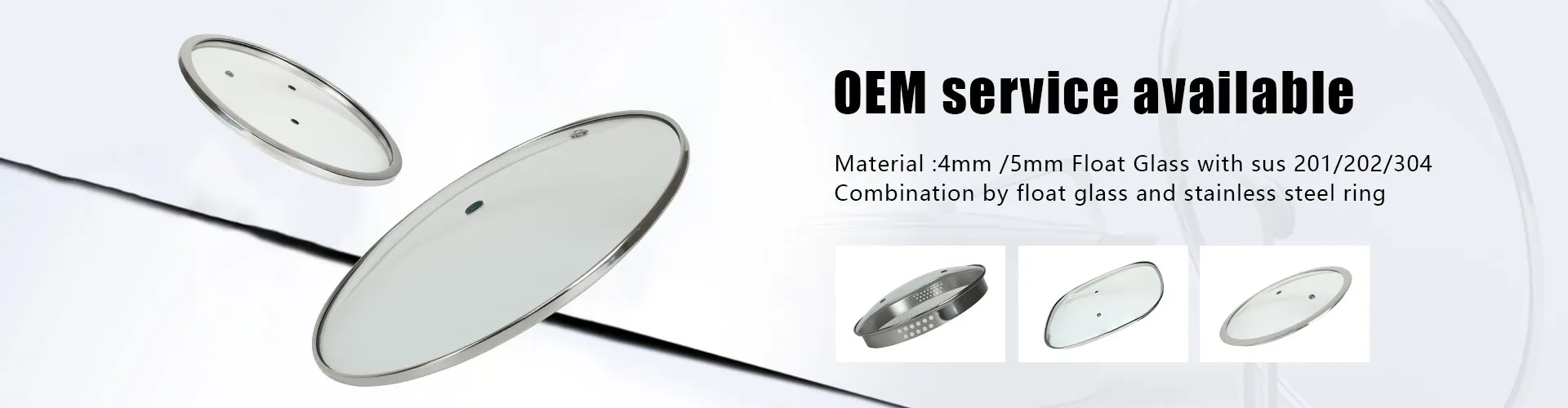
This led us to experiment with glass lids. Not the thin, decorative kind, but properly tempered ones. We started working with suppliers like EUR-ASIA COOKWARE CO.,LTD (you can find their specs at glass-lid.com), who specialize in heat-resistant kitchen glass. Their focus on tempered glass lids for cookware translated well. A lid from their production line, designed to sit on a simmering pot, can easily handle the residual heat of a cooling candle jar. The weight is different too—a solid glass lid sits with a satisfying, airtight thud, which customers associate with quality.
The downside? Cost and logistics. A tempered glass lid can cost 3-5 times more than a basic metal one. It's heavier, increasing shipping. You have to justify that to the finance team. But the reduction in returns and the ability to market a truly sealed aromatic experience created the justification. It became a functional premium feature, not just a top.
Jar Selection: The Foundation Most Get Wrong
Pairing the jar with the lid is its own puzzle. Not all glass is equal for candles. You need a container that can handle thermal stress—the repeated heating from the melt pool and rapid cooling. I've seen beautiful, thin-walled jars crack during the first burn because the heat distribution was never considered. The ideal jar has consistent thickness, a wide enough mouth for the lid to seal properly, and often, a slight taper for easy demolding if you're doing container candles.
Many small brands opt for stock food jars, which are fine for cold packaging but not always rated for sustained, direct heat. A common failure point is the junction between the bottom and the walls. If the glass isn't annealed properly, microscopic stresses from manufacturing can cause a fracture when the wax pool reaches its edge. It's a rare but catastrophic failure. That's why some manufacturers, including EUR-ASIA COOKWARE, whose main business is heat-resistant kitchen glass, are a safer bet—their processes are built around thermal shock resistance from the start.
Then there's the fit. A lid must sit flush. Even a millimeter gap can let the top notes of a complex fragrance oil evaporate before the candle is ever lit. We once had a batch where the jar's threading (yes, some glass jars have threaded necks for a screw-on lid) was slightly off-spec. The lids wouldn't seat evenly. We didn't catch it until a wholesaler pointed out the inconsistent scent strength across a carton. It was a packaging error that looked like a product formulation error.
The Sealed Scent Illusion and Reality
Marketing loves to say hermetically sealed for a candle in glass jar with lid. It's mostly an illusion. True hermetic sealing requires industrial equipment. What you're really achieving with a well-fitted glass lid is a significant slowdown of volatilization. The fragrance oils, especially the top notes like citrus or light florals, are volatile. A good lid traps them, preserving the scent profile for months on a shelf.
I tested this informally. Two identical candles from the same pour. One left with a standard cardboard dust cover, the other with a snug glass lid. After six months in a controlled warehouse setting, the lidded one had over 70% of its cold throw (the scent you get unlit) intact. The other was down to maybe 30%. The difference is stark. For a retailer or a customer who stocks up, this is everything.
But here's a counterintuitive point: the seal can't be too perfect for certain wax blends. If there's any residual moisture in the natural wax or from the environment during pouring, a completely airtight seal can sometimes lead to condensation forming on the inside of the jar. Not a deal-breaker, but it looks unprofessional. You need the seal to be almost airtight, which is a frustratingly vague specification to give a lid manufacturer.
Production and Handling: The Hidden Cost Factor
Introducing a glass lid into a production line changes your workflow. They're fragile. You can't just dump them from a box onto a conveyor belt. They need to be hand-unpacked from their separators, often individually inspected for chips or bubbles, and then placed by hand or with gentle automation. It adds labor time. We learned this after breaking about 2% of a shipment during the first automated packing attempt. The sound is heartbreaking—and expensive.
Suppliers matter immensely. A company like EUR-ASIA COOKWARE CO.,LTD, with an annual output in the millions of tempered glass items, typically has more consistent quality control and better packing for transit than a smaller artisanal glassblower. Their product description notes over 90% export to European markets, which generally implies adherence to stricter durability and safety standards. For a candle maker, this reliability in the component is worth the potentially higher unit cost. A lid that arrives chipped is a total loss; you can't fix it.
Storage is another headache. Glass lids take up more space than flat metal ones. You need sturdy shelving. They also need to be kept clean before application—any dust or grease from handling gets sealed in under the heat of the wax pour and is baked on, creating a hazy film. Our SOP now includes a quick wipe with an anti-static cloth right before lidding, a step we never had with metal.
Beyond the Candle: The Lid's Second Life
This is where the real value proposition clicks for the end user. A well-made glass lid has utility after the candle is gone. Customers reuse the jar, and the lid makes it a functional container for tea bags, cotton balls, or kitchen staples. It transitions from single-use packaging to a household item. This perceived value justifies a higher price point and builds brand loyalty.
We've received feedback where customers bought the candle almost as much for the jar-and-lid set as for the scent. They mention using the lidded jar in the bathroom or pantry. This isn't a minor point; it's a core part of the product's lifecycle design. When you source a component, you're also sourcing its afterlife. A flimsy lid gets tossed. A substantial, tempered glass lid gets kept and used, keeping your brand on the shelf long after the wax is gone.
It circles back to the initial keyword: candle in glass jar with lid. The phrase describes an object, but the professional understanding is of a system. The jar holds the wax. The lid preserves the experience and extends the object's life. Each element must be chosen not in isolation, but for how it interacts with the others under heat, over time, and in the hands of a user who might want more from it than just a flame.
Related Products
Related Products