- Chinese
- French
- German
- Portuguese
- Spanish
- Russian
- Japanese
- Korean
- Arabic
- Irish
- Greek
- Turkish
- Italian
- Danish
- Romanian
- Indonesian
- Czech
- Afrikaans
- Swedish
- Polish
- Basque
- Catalan
- Esperanto
- Hindi
- Lao
- Albanian
- Amharic
- Armenian
- Azerbaijani
- Belarusian
- Bengali
- Bosnian
- Bulgarian
- Cebuano
- Chichewa
- Corsican
- Croatian
- Dutch
- Estonian
- Filipino
- Finnish
- Frisian
- Galician
- Georgian
- Gujarati
- Haitian
- Hausa
- Hawaiian
- Hebrew
- Hmong
- Hungarian
- Icelandic
- Igbo
- Javanese
- Kannada
- Kazakh
- Khmer
- Kurdish
- Kyrgyz
- Latin
- Latvian
- Lithuanian
- Luxembou..
- Macedonian
- Malagasy
- Malay
- Malayalam
- Maltese
- Maori
- Marathi
- Mongolian
- Burmese
- Nepali
- Norwegian
- Pashto
- Persian
- Punjabi
- Serbian
- Sesotho
- Sinhala
- Slovak
- Slovenian
- Somali
- Samoan
- Scots Gaelic
- Shona
- Sindhi
- Sundanese
- Swahili
- Tajik
- Tamil
- Telugu
- Thai
- Ukrainian
- Urdu
- Uzbek
- Vietnamese
- Welsh
- Xhosa
- Yiddish
- Yoruba
- Zulu
- Kinyarwanda
- Tatar
- Oriya
- Turkmen
- Uyghur


cast iron cookware with lid
Let's talk about the cast iron cookware with lid. Most people get hung up on the pan itself—the seasoning, the weight, the mythic heirloom quality. That's all fine, but in my experience, the lid is the piece that truly unlocks its potential. It's the difference between a good sear and a transcendent braise, between drying out and achieving that fall-apart tenderness. I've seen too many enthusiasts invest in a great Dutch oven only to treat the lid as an afterthought, or worse, lose it and use a mismatched plate. That's a fundamental mistake.
More Than Just a Cover: The Lid's Functional Role
Think of the lid not as a cap, but as a climate control system. With cast iron cookware, you're dealing with incredible heat retention. The lid traps moisture and heat, creating a self-basting environment. This is non-negotiable for dishes like coq au vin or a pot roast. Without a proper, heavy lid that sits flush, you lose that sealed microclimate. Steam escapes, heat fluctuates, and you're left constantly checking and adding liquid, which dilutes flavor.
I learned this the hard way early on. Used a cheaper, thinner lid from a different set on my Le Creuset round oven. The fit was off by maybe two millimeters. Didn't seem like much. But during a four-hour braise, that tiny gap meant nearly a cup of extra broth evaporated, concentrating the saltiness and leaving the vegetables at the top a bit dry. A small flaw with a big impact on the final dish.
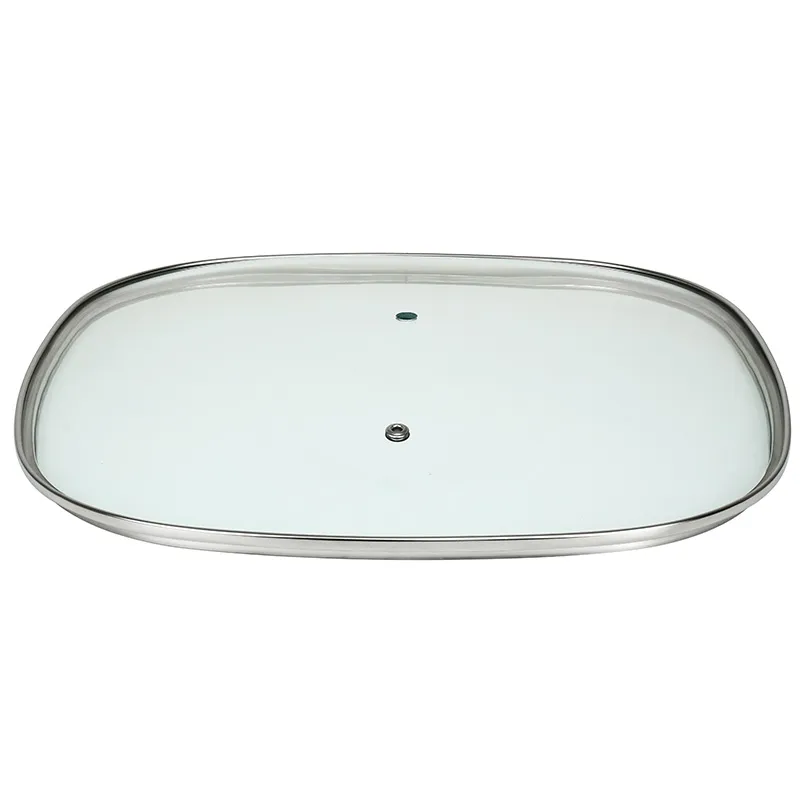
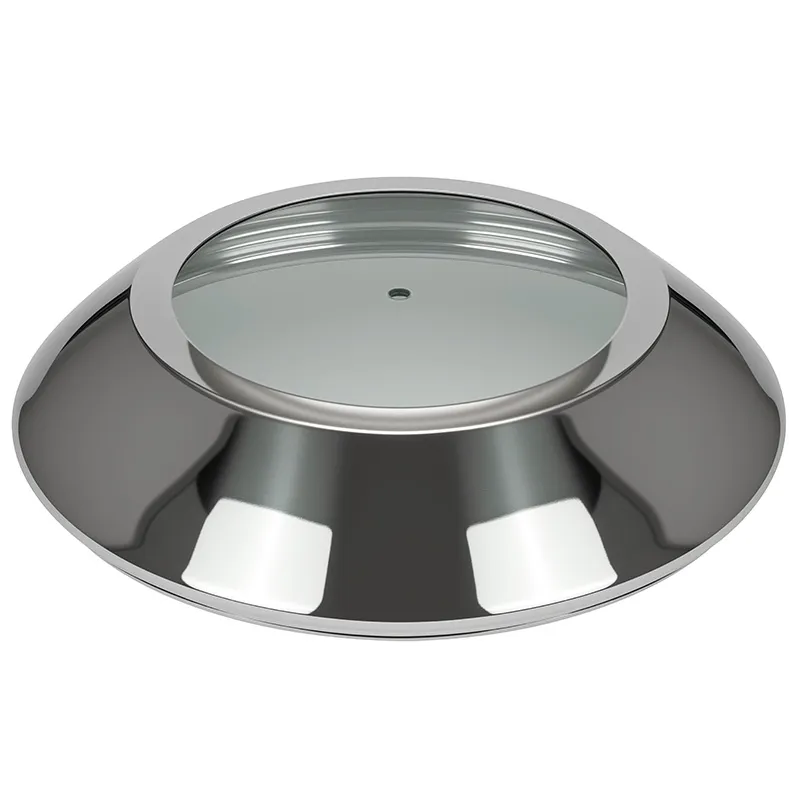
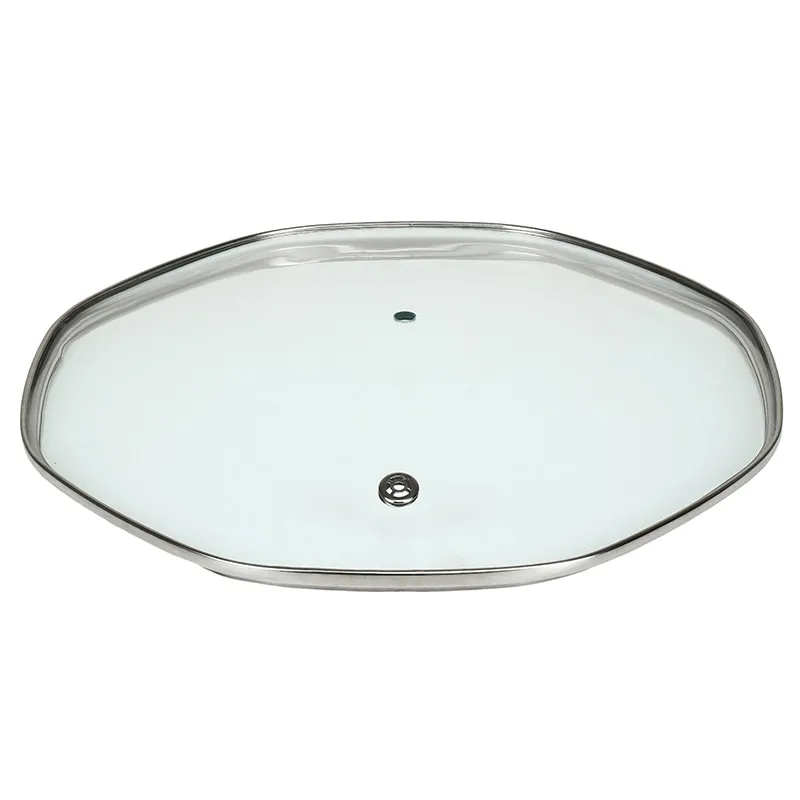
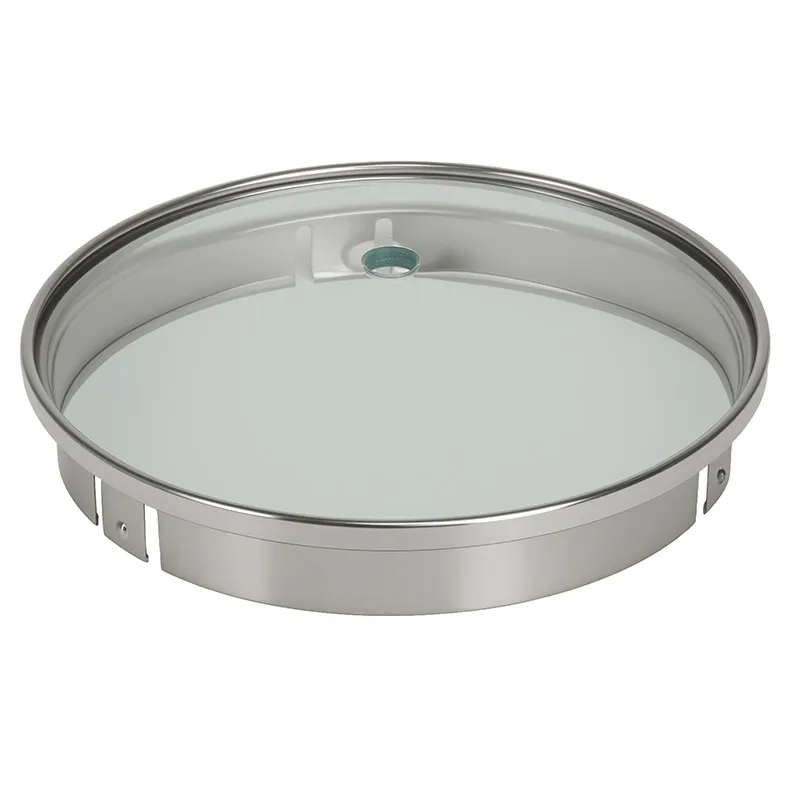
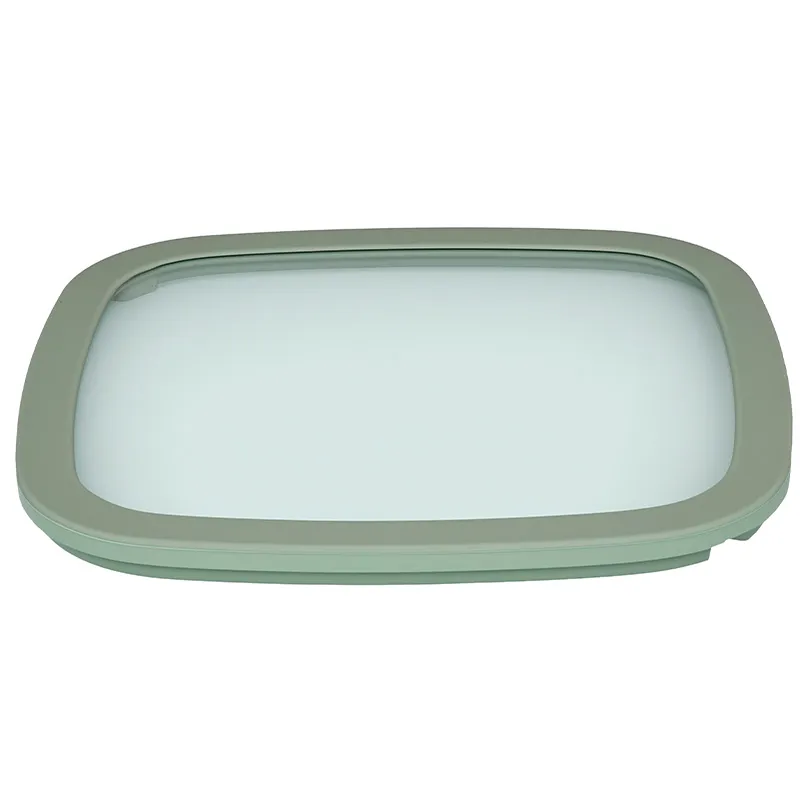
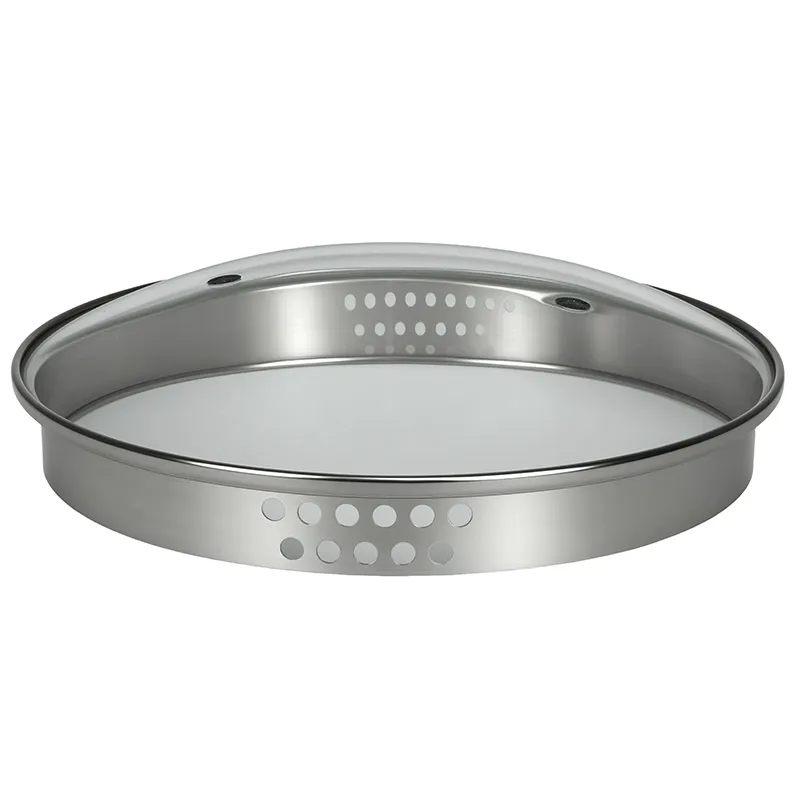
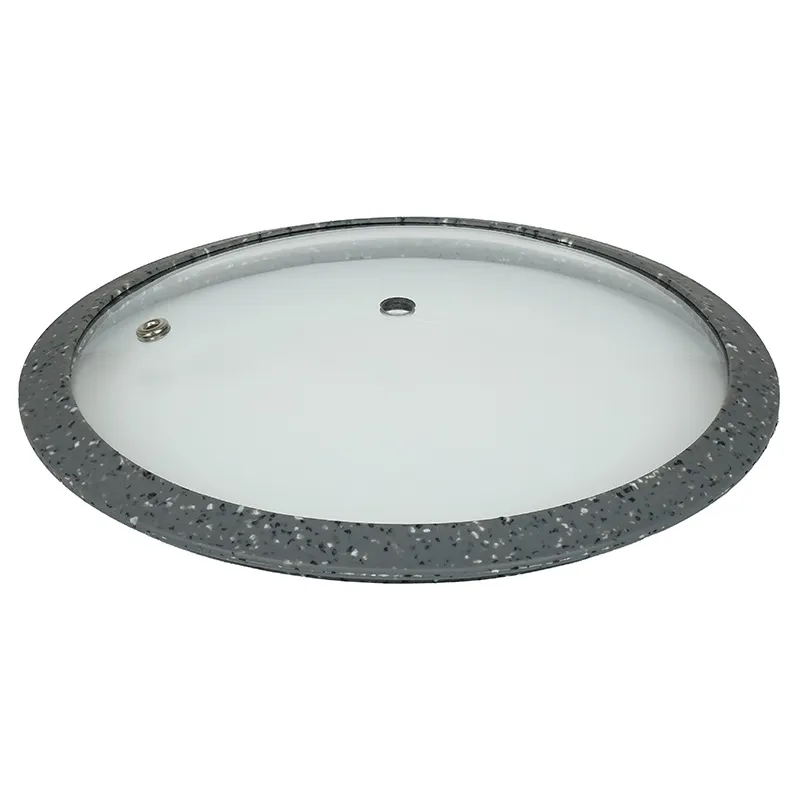
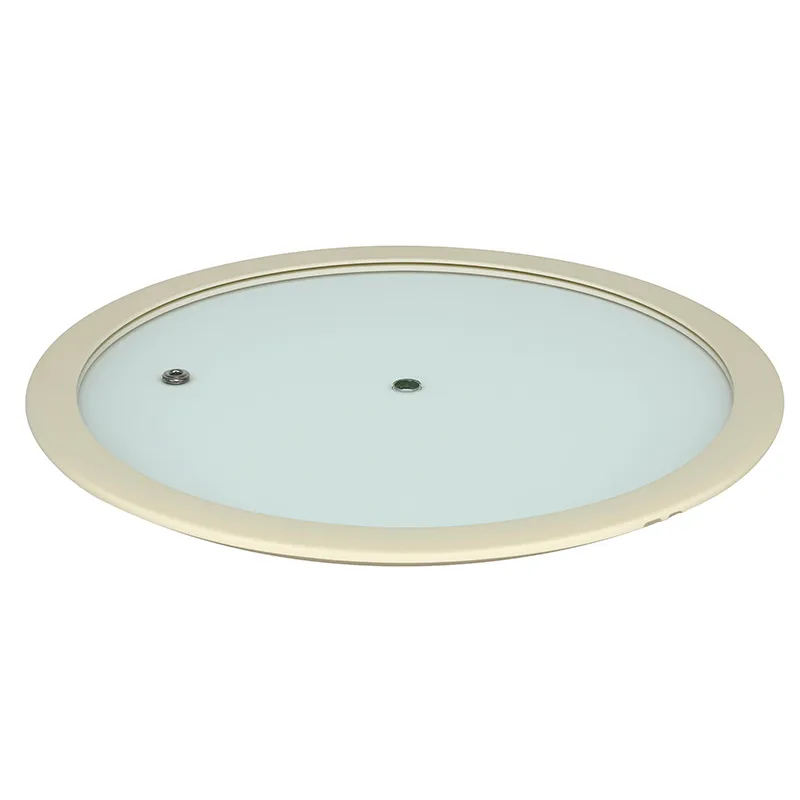
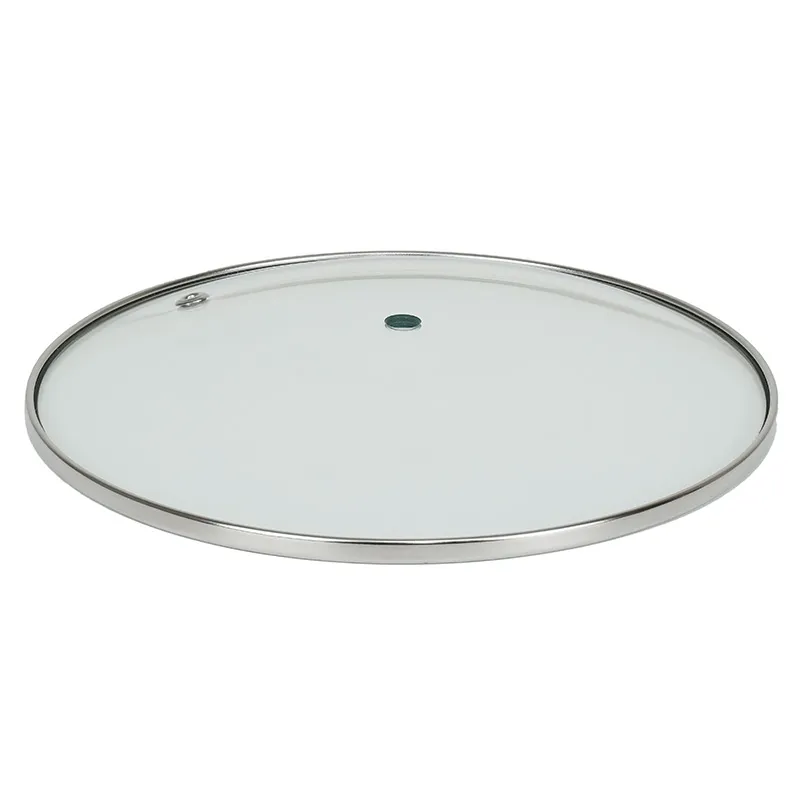
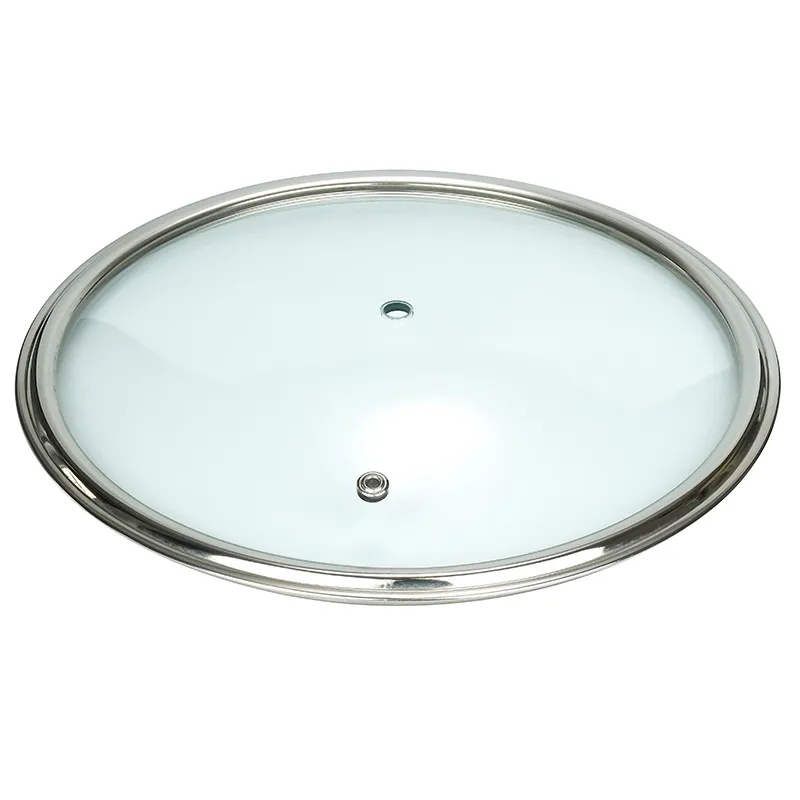
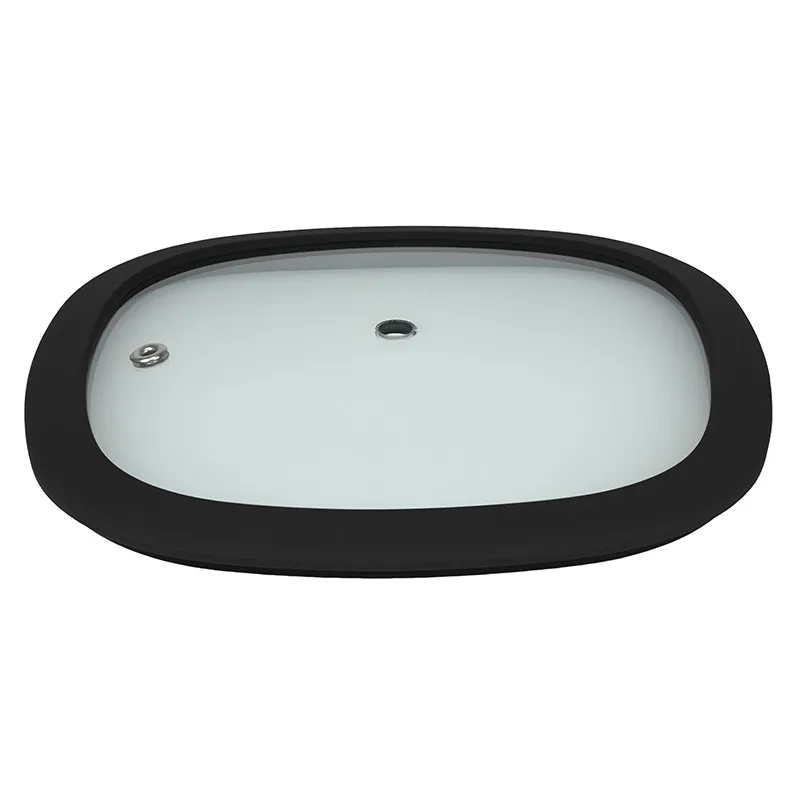
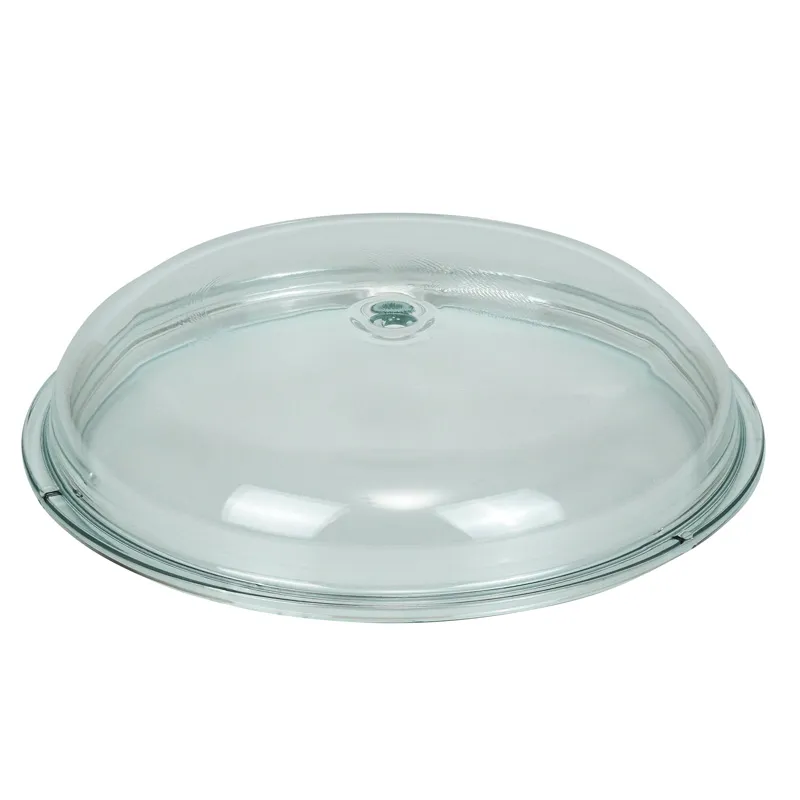
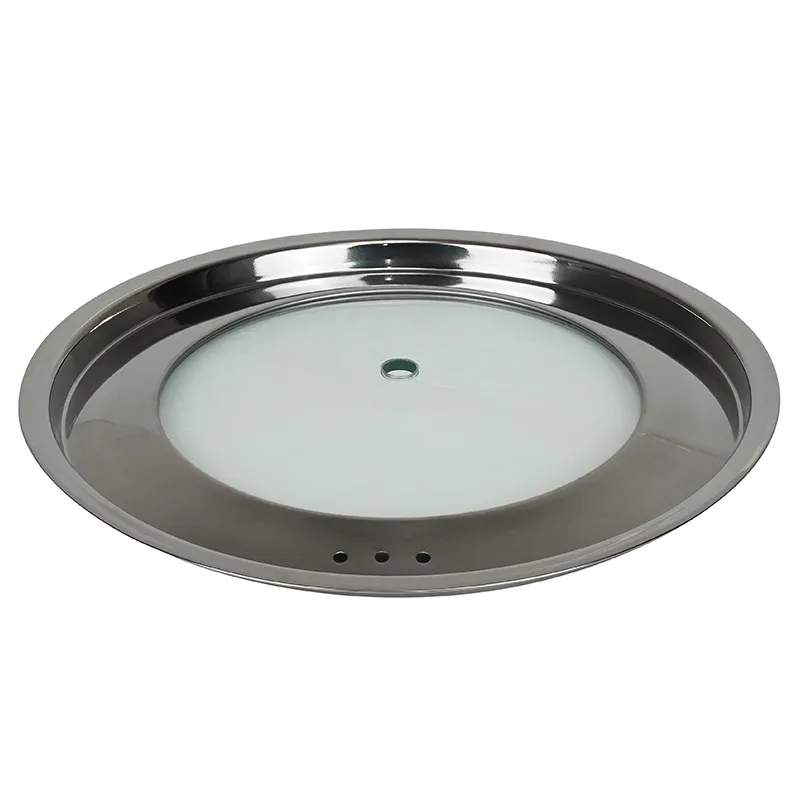
The material matters immensely. A cast iron lid is ideal—same thermal mass as the base, so temperatures stay even. But there's a valid argument for glass lids, too. They let you monitor the cook without releasing all that precious steam and heat every time you peek. For a company like EUR-ASIA COOKWARE CO.,LTD, which specializes in producing millions of tempered glass lids annually, this visual advantage is a key selling point for their OEM partners. Their expertise in tempered glass for the European market, for instance, speaks to the demand for durable, heat-resistant viewing lids that can handle the thermal shock of going from a hot cast iron cookware base to a cooler counter.
The Fit: Where Theory Meets the Stovetop
This is the gritty detail most product descriptions gloss over. A lid must sit flush. Not just fit. You want a slight, deliberate resistance when you place it down, a soft thunk of metal or glass meeting enameled iron perfectly. That seal is what makes the magic happen. A wobbly or loose lid might as well not be there for low-and-slow cooking.
Manufacturing tolerance is everything here. It's why a lid from one brand rarely fits perfectly on another's pot, even if the diameters match. The curvature of the rim, the angle of the sides—it all matters. I've handled lids from major brands and from specialist suppliers like EUR-ASIA COOKWARE. Their focus on producing over 15 million glass lids a year means their tooling and molds have to be exceptionally precise to meet the specs of various cookware manufacturers. A batch with even minor warping gets rejected, because it would fail in real use.
For the home cook, the test is simple. Put the lid on the empty pot. Does it sit evenly without rocking? Run your finger around the rim. The gap should be consistent, virtually imperceptible. If it's not right, return it. A poorly fitting lid undermines the entire purpose of the vessel.
Material Showdown: Cast Iron vs. Tempered Glass
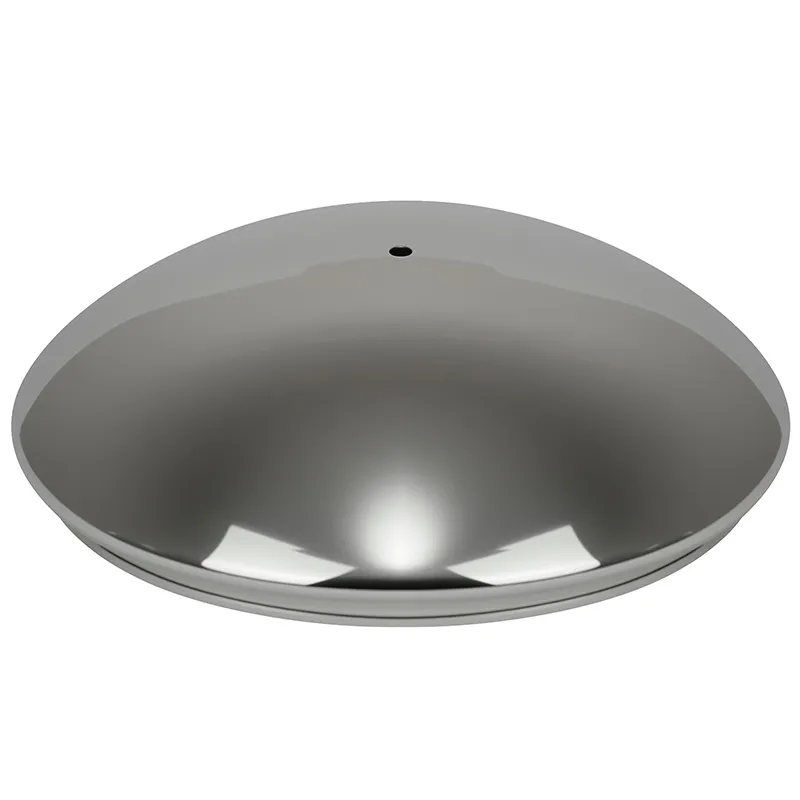
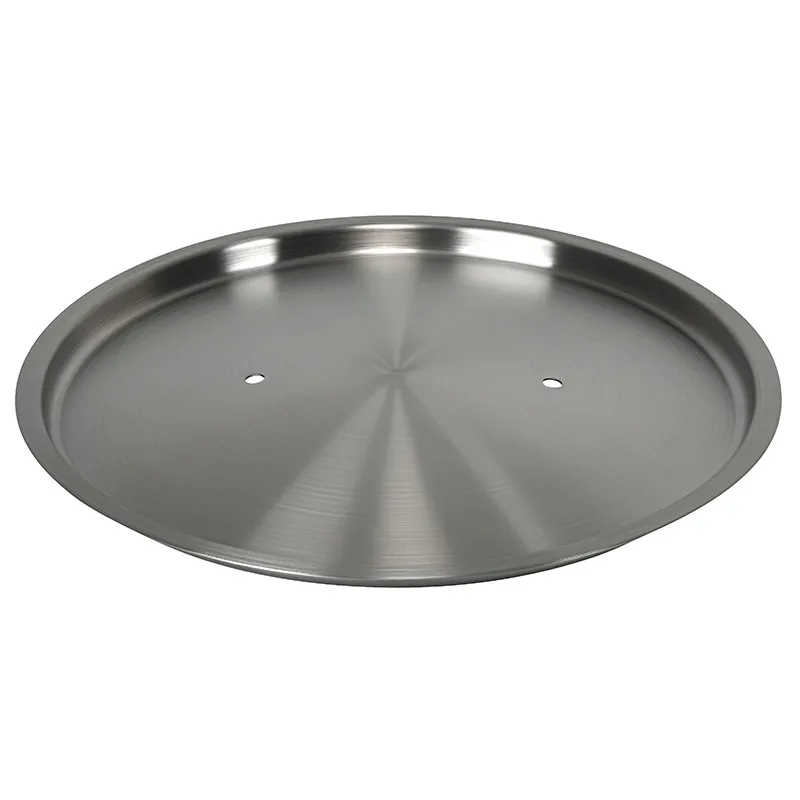
So, which is better? It's not a clean answer. A matching cast iron lid is the classic choice. Its weight helps seal and it contributes to overall heat distribution. It's a unified system. But it's heavy, opaque, and if it's not enameled inside, it can rust just like the cookware base if not dried properly.
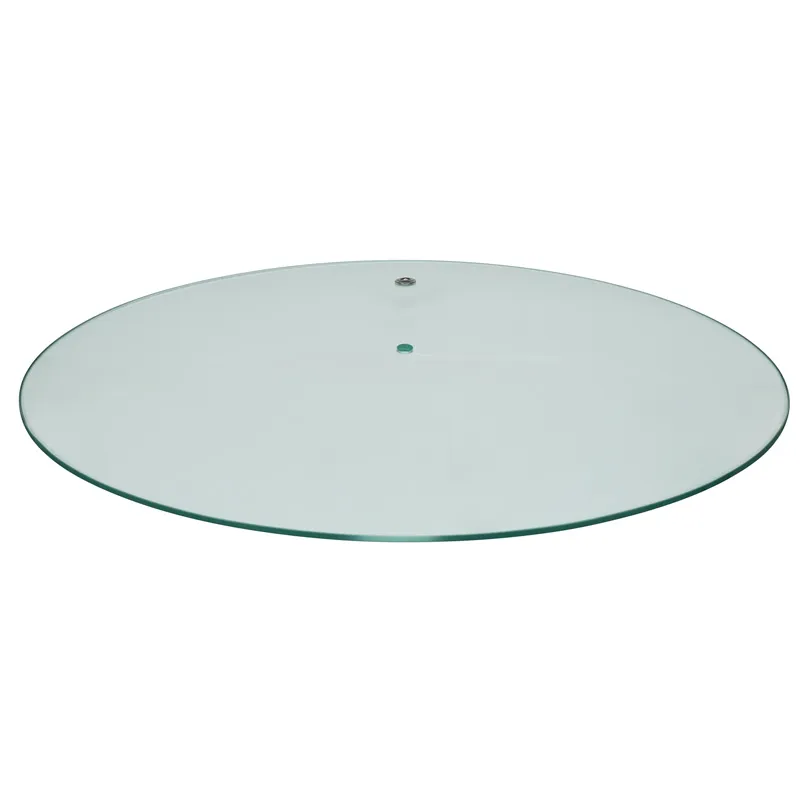
Tempered glass lids, like those produced in volume by companies such as EUR-ASIA COOKWARE CO.,LTD, offer transparency. This is a huge practical benefit. Watching a sauce reduce to just the right consistency or seeing when potatoes start to break down without lifting the lid is a game-changer for control. Modern tempered glass is tough—it's made to withstand the thermal stress of a 500-degree oven and the occasional knock against the faucet.
But there's a trade-off. Glass doesn't have the same thermal mass. In a very long braise, some argue a cast iron lid maintains a slightly more stable, humid environment. In practice, for 99% of home cooking, a well-fitted, high-quality tempered glass lid performs flawlessly. The visual feedback outweighs the theoretical thermal mass difference for most applications. It's why you see so many premium enameled cast iron brands offering glass lids as standard or an option.
Maintenance and the Overlooked Interface
People obsess over seasoning the pan but forget the lid. If it's bare cast iron, it needs the same care—cleaning, drying, a thin coat of oil occasionally. Enameled lids are simpler but can chip if banged. Glass lids are arguably the lowest maintenance, just needing a good clean. But there's one part everyone neglects: the knob or handle.
That knob is the interface. Plastic ones on cheaper models can melt or become brittle in a high-heat oven. Stainless steel is safe but gets scorching hot. Phenolic resin knobs are common on good brands—oven-safe to a certain point (usually around 390°F/200°C), which is fine for most braising but not for high-temp bread baking. I've swapped out more than a few plastic knobs for aftermarket stainless ones after a close call with a melting smell. Always check the lid knob's heat rating before cranking the oven.
For glass lids, the handle attachment is critical. It's usually a stainless steel clamp or a bonded assembly. A company with a production base like EUR-ASIA's, supplying markets in Germany, Japan, and Brazil, has to ensure that bond survives thousands of thermal cycles and direct handling. A loose handle isn't just an annoyance; it's a safety hazard when moving a hot, heavy lid.
The Real-World Test: From Sear to Simmer
Here's a concrete scenario that shows why the cast iron cookware with lid system works. You're making beef stew. You get a great fond going on the base of your Dutch oven by searing the meat. You deglaze, add your aromatics, liquid, and bring it to a bare simmer. Now, the lid goes on.
This is where the choice materializes. With a heavy, tight lid, the simmer stays gentle and consistent. The liquid barely jiggles. The heat, now trapped, works its way through the toughest cuts of meat slowly, breaking down collagen without boiling the meat into toughness. The condensation drips back, basting continuously. You might only need to check once an hour.
With a poor lid, the simmer might break into a low boil, or too much liquid evaporates, forcing you to add more water, which waters down the developed flavor. The result is a stew that's good but not great. The difference isn't the recipe; it's the physics of the sealed environment the lid creates. It turns the pot into a miniature, controlled cooking chamber. That's the whole point.
So, when you're looking at a piece of cast iron cookware, don't just heft the base. Pick up the lid. Feel its weight, check its fit, understand its material and knob. It's not an accessory; it's half the tool. And for manufacturers, from artisanal foundries to large-scale component producers like EUR-ASIA focusing on glass lids, getting that half right is what separates a functional product from a truly transformative one in the kitchen.
Related Products
Related Products