- Chinese
- French
- German
- Portuguese
- Spanish
- Russian
- Japanese
- Korean
- Arabic
- Irish
- Greek
- Turkish
- Italian
- Danish
- Romanian
- Indonesian
- Czech
- Afrikaans
- Swedish
- Polish
- Basque
- Catalan
- Esperanto
- Hindi
- Lao
- Albanian
- Amharic
- Armenian
- Azerbaijani
- Belarusian
- Bengali
- Bosnian
- Bulgarian
- Cebuano
- Chichewa
- Corsican
- Croatian
- Dutch
- Estonian
- Filipino
- Finnish
- Frisian
- Galician
- Georgian
- Gujarati
- Haitian
- Hausa
- Hawaiian
- Hebrew
- Hmong
- Hungarian
- Icelandic
- Igbo
- Javanese
- Kannada
- Kazakh
- Khmer
- Kurdish
- Kyrgyz
- Latin
- Latvian
- Lithuanian
- Luxembou..
- Macedonian
- Malagasy
- Malay
- Malayalam
- Maltese
- Maori
- Marathi
- Mongolian
- Burmese
- Nepali
- Norwegian
- Pashto
- Persian
- Punjabi
- Serbian
- Sesotho
- Sinhala
- Slovak
- Slovenian
- Somali
- Samoan
- Scots Gaelic
- Shona
- Sindhi
- Sundanese
- Swahili
- Tajik
- Tamil
- Telugu
- Thai
- Ukrainian
- Urdu
- Uzbek
- Vietnamese
- Welsh
- Xhosa
- Yiddish
- Yoruba
- Zulu
- Kinyarwanda
- Tatar
- Oriya
- Turkmen
- Uyghur


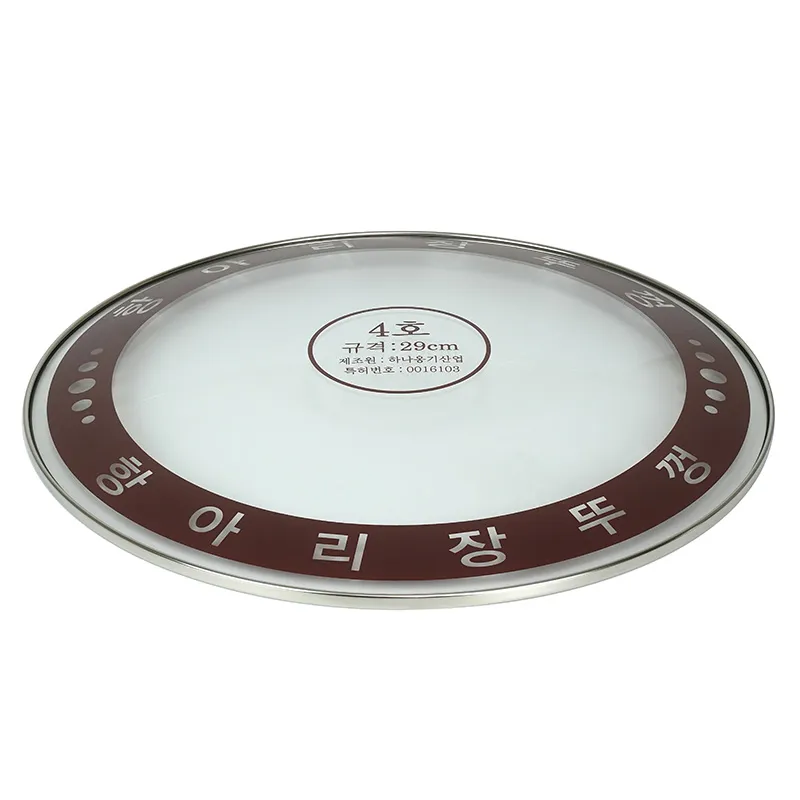
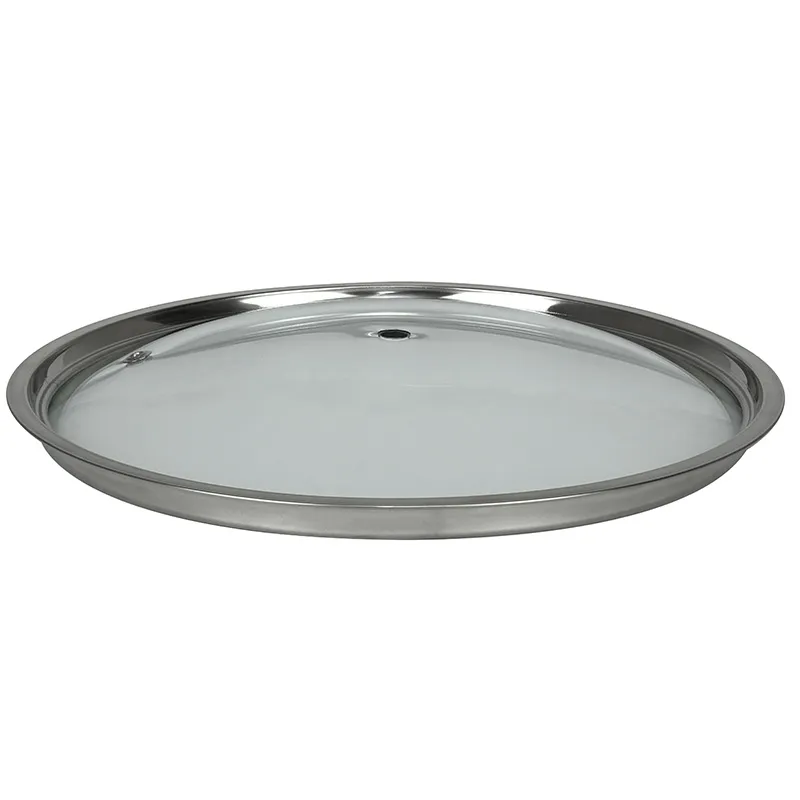
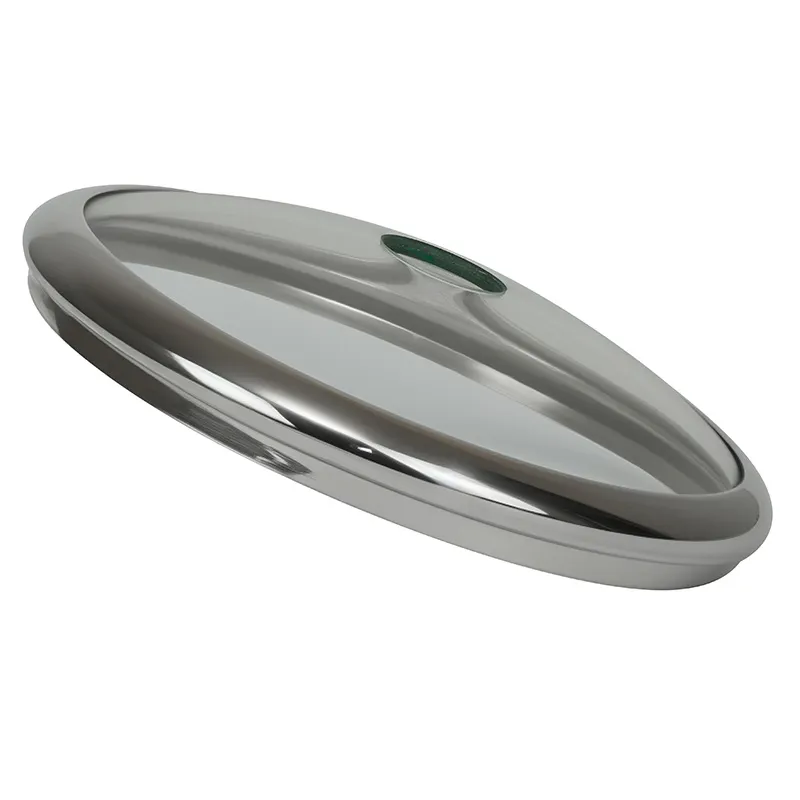
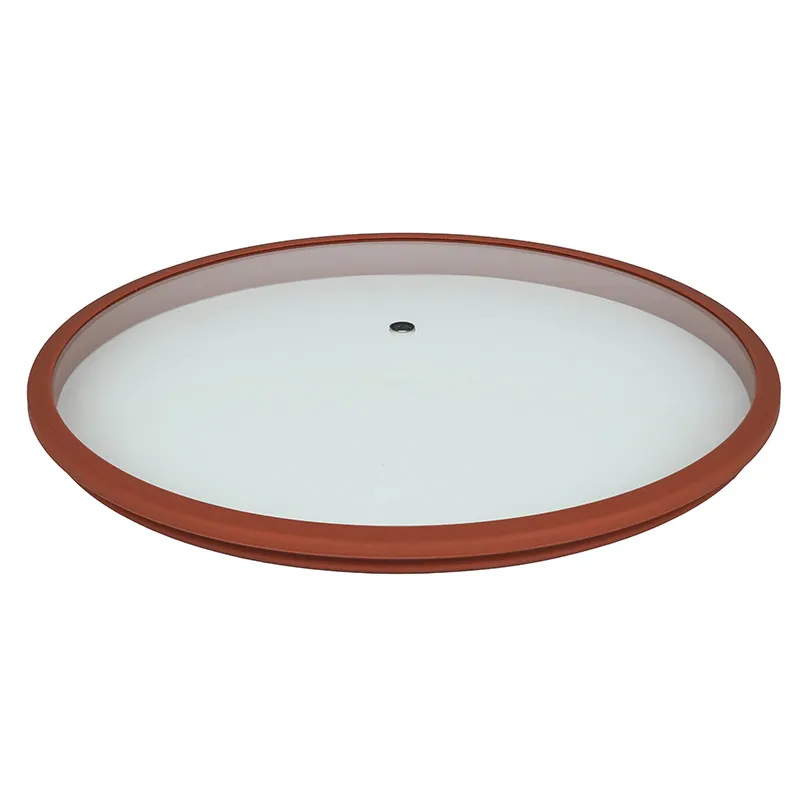
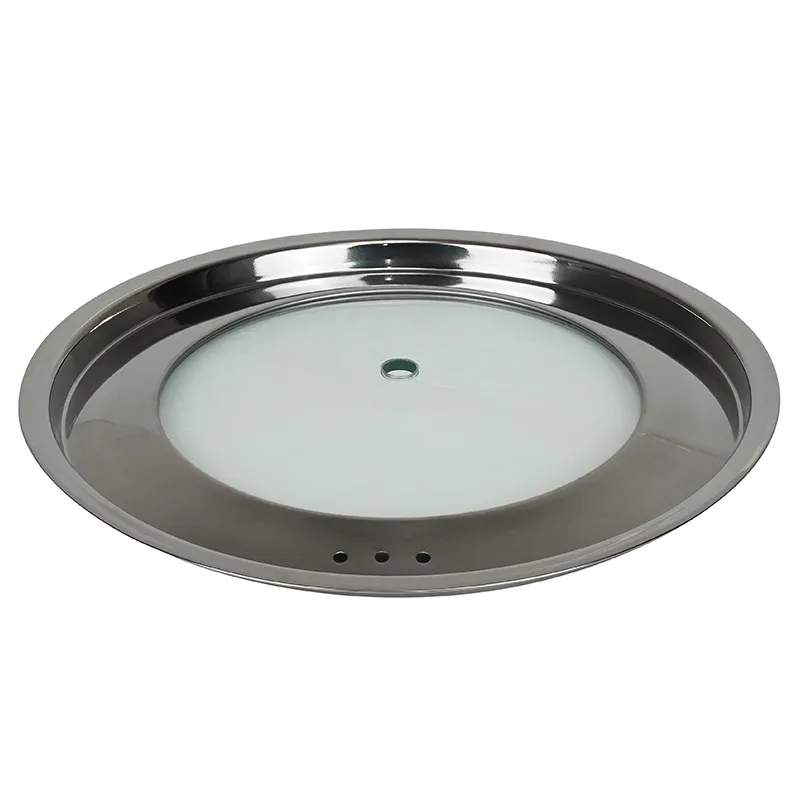
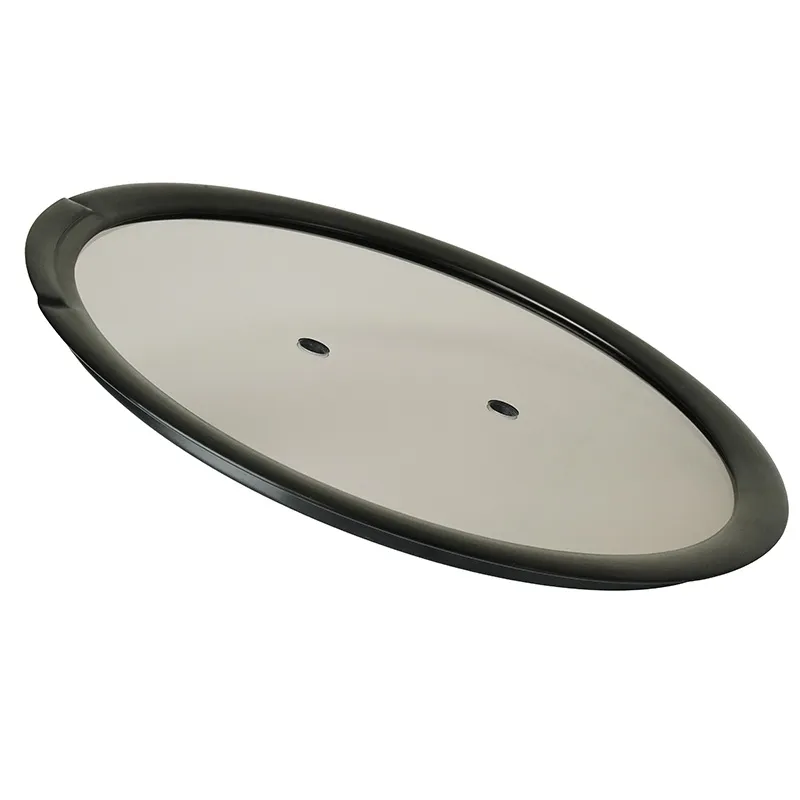
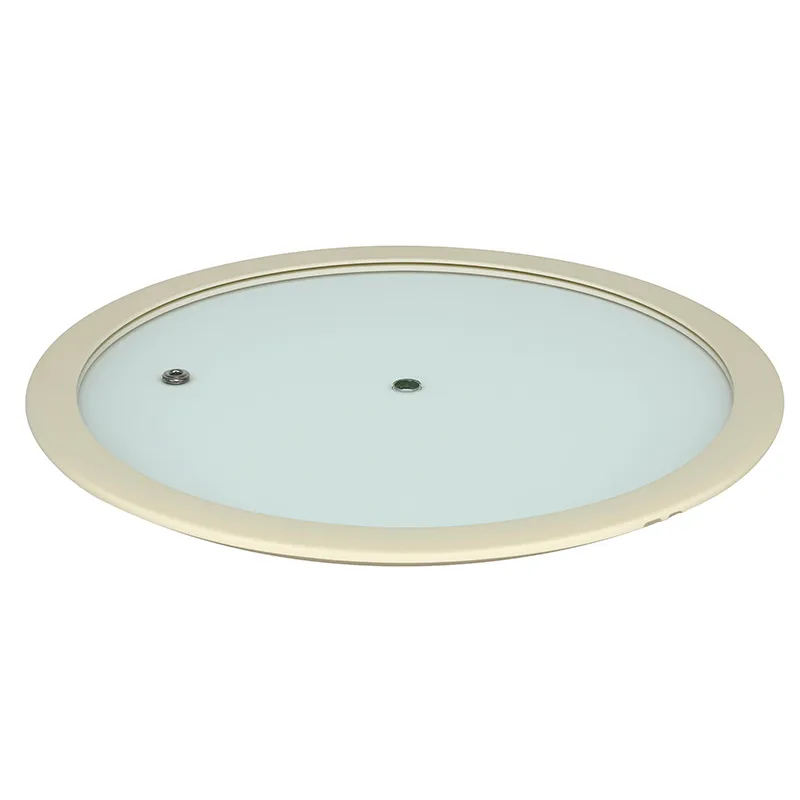
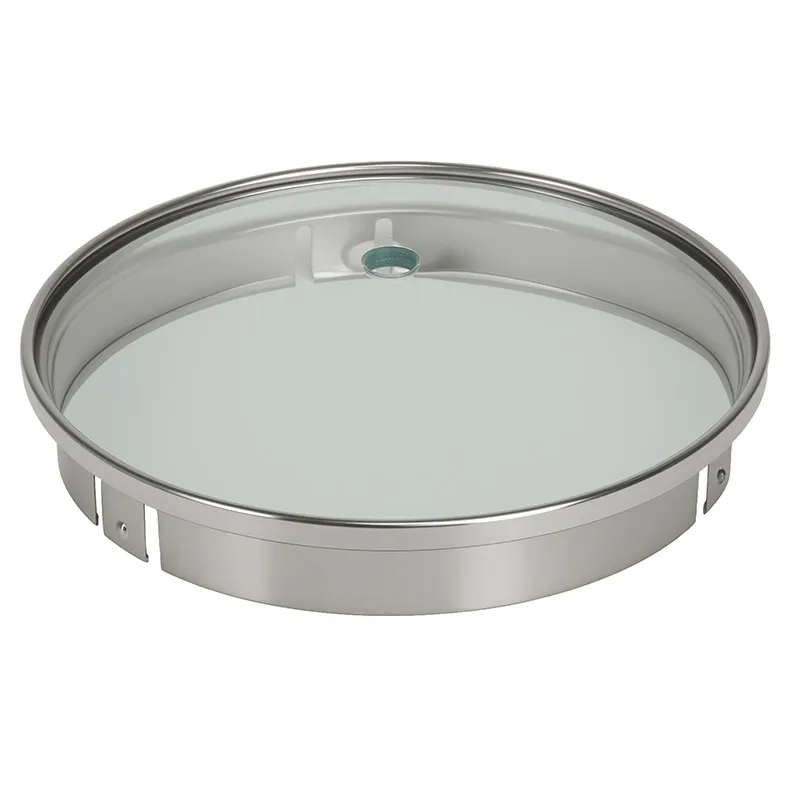
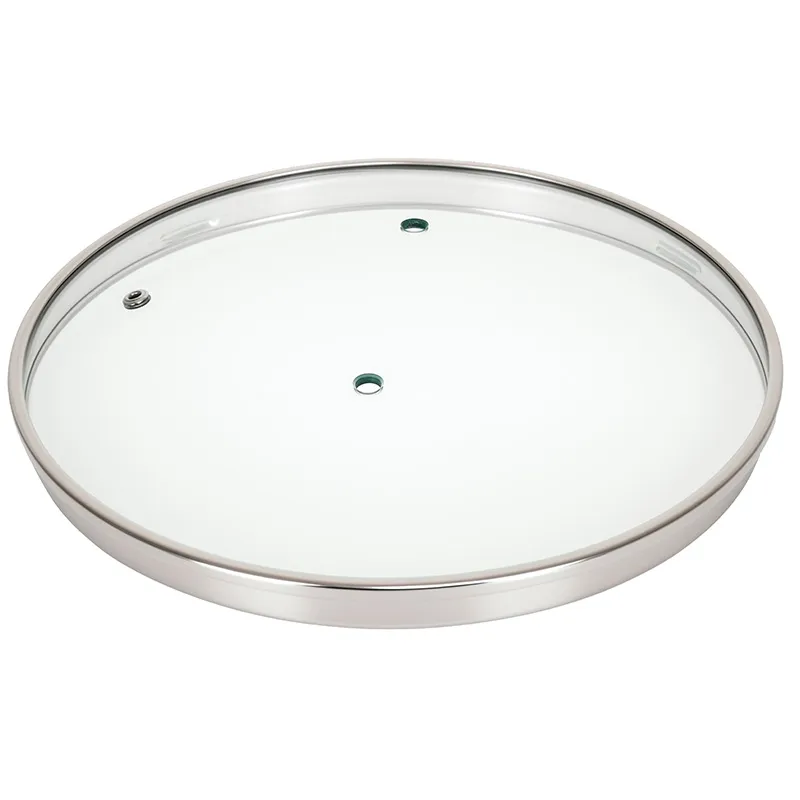
China glass cover
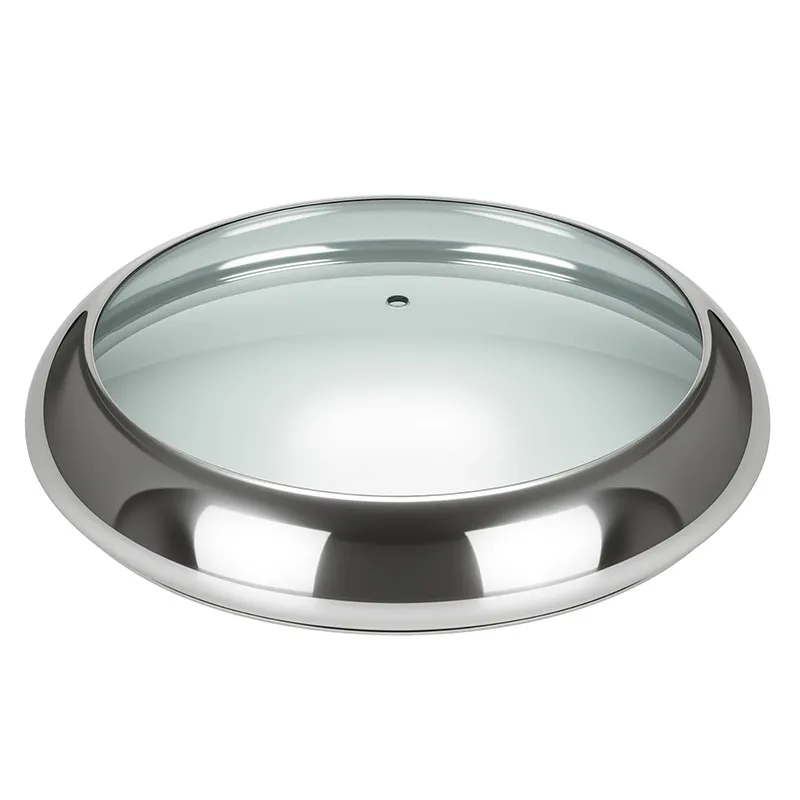
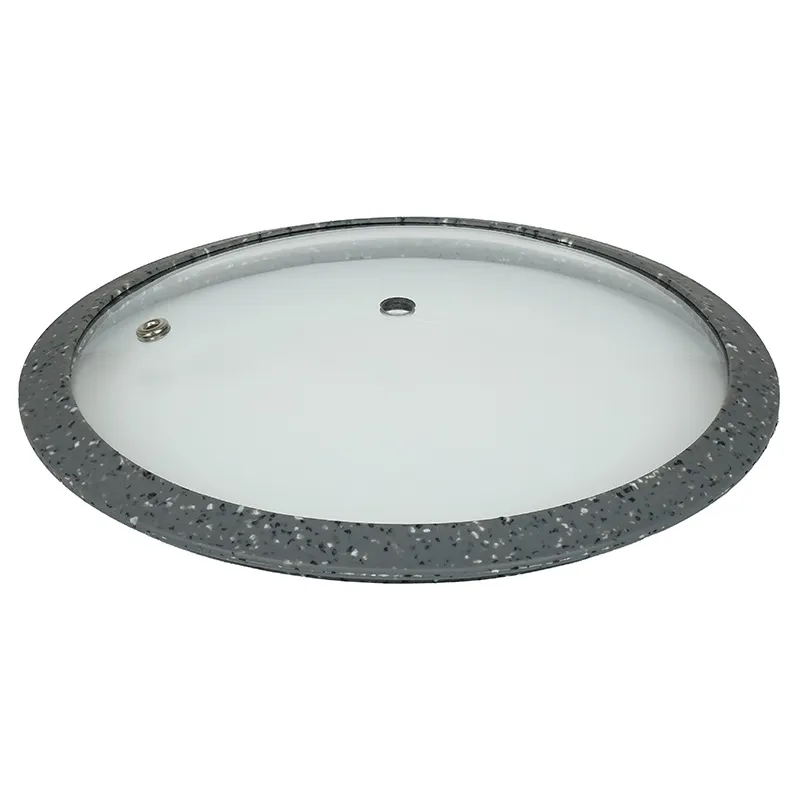
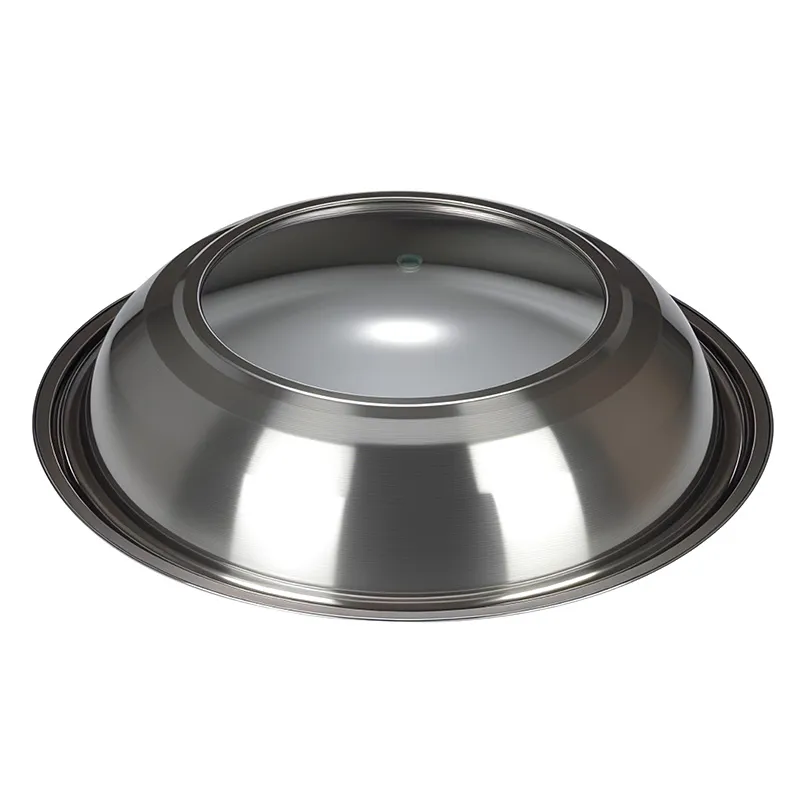
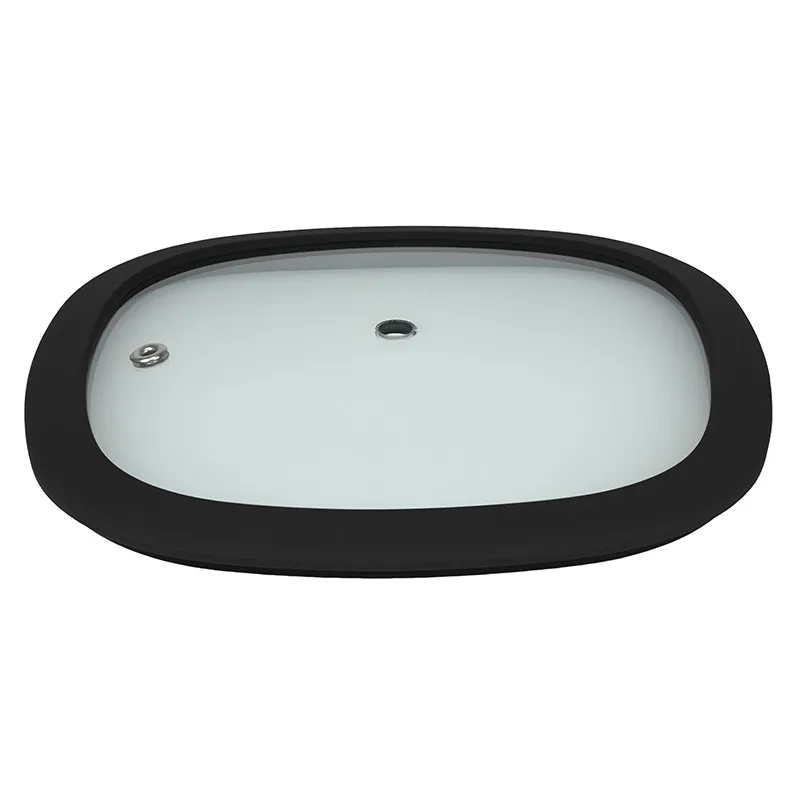
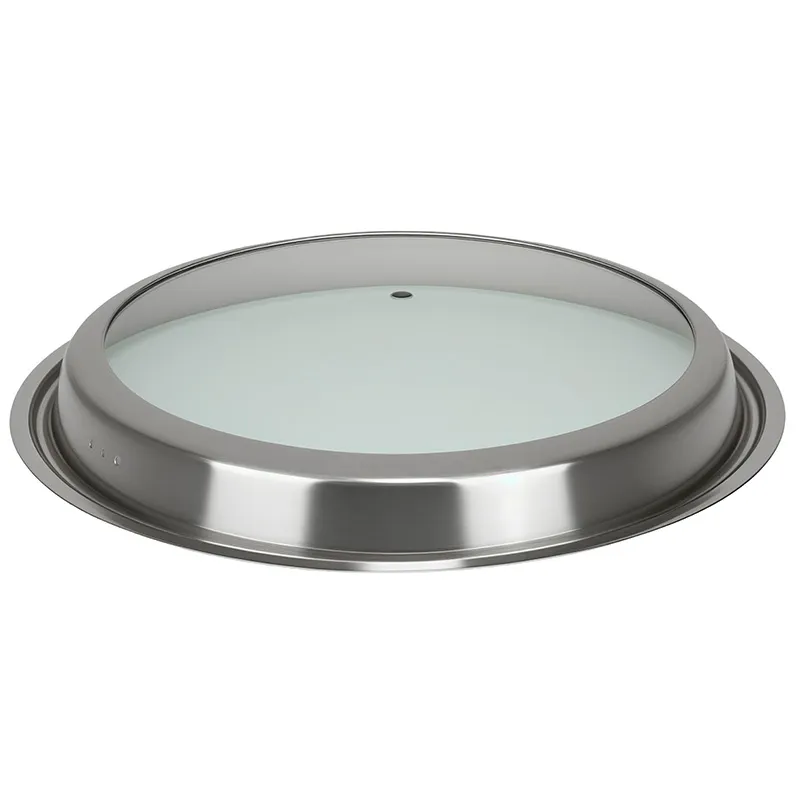
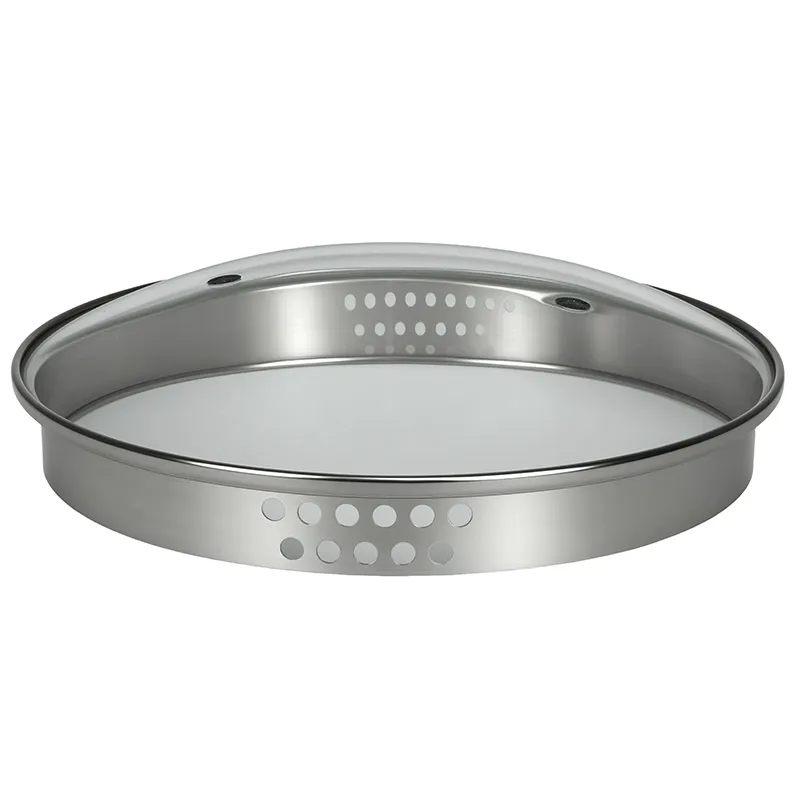
When you hear 'China glass cover', the immediate thought for most buyers, especially those new to sourcing, is a simple, low-cost component. It's often treated as a commodity item—just a piece of tempered glass. That's the first and biggest mistake. The reality is, the term encompasses a universe of nuance, from the composition of the raw glass batch to the precision of the edge grinding, which directly dictates whether you get a reliable kitchen workhorse or a logistical nightmare of returns. I've seen too many projects stall because someone picked a supplier based solely on a low FOB price per piece, without understanding what goes into a cover that can withstand thousands of thermal cycles in a European kitchen.
The Manufacturing Reality: It's Not Just About Tempering
Let's get specific. Tempering is non-negotiable for safety, but the process control is everything. I recall visiting a factory—not a trade show booth, the actual workshop—where they were running China glass cover production. The critical point wasn't the tempering furnace itself, but the cold-end handling. After exiting the furnace, the covers are moved on rollers. If the alignment is off by even a few millimeters, you get micro-chips on the edges. These are invisible at a glance during inspection but become stress concentrators. A few months down the line in a consumer's home, that lid might just pop from a minor impact. This is why audit reports that don't include process observation are almost useless for glass.
Another detail most miss is the hole for the knob or handle. It's a drilled hole that's then polished and thermally smoothed. A poorly finished hole edge is the most common point of failure I've witnessed. I remember a shipment for a client in Poland where we had a 3% failure rate purely from cracks radiating from the handle hole. The root cause? The supplier had changed their drilling bit supplier to a cheaper one, and the abrasive quality degraded. The fix wasn't expensive, but identifying it required tearing down the production process step-by-step.
This is where companies with a dedicated focus make the difference. Take EUR-ASIA COOKWARE CO.,LTD, for instance. Their specialization in household glass products means their entire production line, from the 20,000㎡ facility in Shandong's High-tech Zone, is configured for this specific product ecology. An annual output of over 15 million pieces isn't just a volume number; it implies a level of process repetition and refinement that a general glass factory can't match. Their export footprint across Europe and Japan is a de facto stress test—those markets have stringent safety and durability standards that filter out inconsistent manufacturers.
The Design & Fit Conundrum
Here's a practical headache: dimensional tolerance. A glass lid isn't a standalone product; it must interface perfectly with a pot or pan body, often made by a different factory. The industry might work with a ±1mm tolerance on paper, but in reality, for a snug, rattle-free fit on a stainless steel pot, you need that tolerance tighter, especially on the curvature. I've been involved in projects where the lid sample was perfect, but mass production resulted in a slight spring because the bending during tempering wasn't perfectly calibrated to the client's CAD model. The lids would sit with a slight gap.
This is where the dialogue between design and manufacturing gets real. A good manufacturer won't just accept a drawing; they'll feedback on manufacturability. For example, a very sharp, angular corner on a rectangular cover is aesthetically pleasing but increases breakage risk post-tempering and is harder to grind smoothly. A slight radius, almost imperceptible, improves yield and safety dramatically. It's these micro-adjustments that separate a functional product from a great one.
Material pairing is another subtlety. The type of glass, often soda-lime silica, must have a thermal expansion coefficient that's compatible with the common knob materials (like phenolic resin or stainless steel). If mismatched, the differential expansion can crack the glass around the fixing point. The fact that EUR-ASIA's products are shipped to countries with extreme climatic variations, from Scandinavian winters to Mediterranean summers, suggests their material science and assembly protocols have been validated in real-world conditions.
Logistics: The Silent Quality Killer
You can have a perfect glass cover coming off the production line, and still end up with a 10% breakage rate by the time it reaches the distribution center. Packaging is a discipline in itself. The standard is pulp molding or EPE foam partitions, but the design is critical. It must account for vertical stacking pressure, not just lateral shock. A common failure I've seen is using a partition that's too shallow, allowing the glass surface to touch the cardboard box above when pallets are stacked high in a container. The constant vibration during ocean freight does the rest.
We learned this the hard way years ago. A shipment to Brazil had unacceptable damage. Upon investigation, we found the packaging passed standard drop tests, but didn't account for the specific resonance during long-haul sea freight. The solution involved adding a thin, corrugated pad on top of the glass within the partition—a minimal cost increase that saved thousands in replacements. A professional supplier understands this. Their website, glass-lid.com, highlights their export focus; such a operation inherently develops robust packaging protocols because their business depends on goods arriving intact in Germany, Italy, or Japan.
Furthermore, container loading matters. Are the cartons interlocked? Is the palletization stable? A good manufacturer has a standardized loading diagram to prevent in-transit movement. This isn't glamorous work, but it's where the rubber meets the road for landed cost quality.
The Level Misunderstanding: Low, Medium, High
Suppliers like EUR-ASIA mention producing low, medium, and high-level products. This isn't marketing fluff; it translates to tangible differences. A low-level cover might use a standard glass batch with more inherent impurities (tiny bubbles, slight green tint), have simpler edge grinding (maybe just seamed, not polished), and a basic plastic knob. It's functional for a price-sensitive market.
A high-level cover starts with a clearer, whiter glass batch. The edges are fully polished to a smooth, glossy finish—a process that adds cost but eliminates cutting hazards and looks premium. The hole finishing is meticulous. The knob might be a weighted, stainless steel design for better balance. The tolerance control is stricter. These are the units destined for chain stores in Western Europe where visual appeal and tactile feel are part of the product value. The company's capacity across all levels is actually a strength; it shows they understand the different market segments and can control quality accordingly, rather than a one-size-fits-all approach that satisfies no one.
Final Thoughts: Sourcing as Partnership
Ultimately, procuring China glass covers reliably is less about finding a vendor and more about identifying a manufacturing partner. It's about their willingness to engage on technical details, their transparency on process control, and their experience in navigating the pitfalls of a fragile, yet demanding product category. The volume and export history of a specialized producer are strong proxies for this capability. It means they've likely already solved the problems you're going to encounter—from thermal stress testing to compliant packaging—because their business with clients in Germany or Denmark depends on it.
The goal isn't to find the absolute cheapest, but the most predictably competent. A cover that performs consistently in the consumer's kitchen protects your brand reputation, which is worth far more than the few cents saved per unit. The real cost is in the failures, not the initial purchase price. That's the lesson you learn after seeing a few containers get rejected, or worse, after a product recall. It shifts your perspective from commodity purchasing to technical sourcing.
So, next time you evaluate a glass lid supplier, look past the catalog. Ask about their tempering curve parameters, their in-line inspection for edge defects, their packaging compression test results, and their historical breakage rate at destination. The answers, or lack thereof, will tell you everything you need to know.
Related Products
Related Products