- Chinese
- French
- German
- Portuguese
- Spanish
- Russian
- Japanese
- Korean
- Arabic
- Irish
- Greek
- Turkish
- Italian
- Danish
- Romanian
- Indonesian
- Czech
- Afrikaans
- Swedish
- Polish
- Basque
- Catalan
- Esperanto
- Hindi
- Lao
- Albanian
- Amharic
- Armenian
- Azerbaijani
- Belarusian
- Bengali
- Bosnian
- Bulgarian
- Cebuano
- Chichewa
- Corsican
- Croatian
- Dutch
- Estonian
- Filipino
- Finnish
- Frisian
- Galician
- Georgian
- Gujarati
- Haitian
- Hausa
- Hawaiian
- Hebrew
- Hmong
- Hungarian
- Icelandic
- Igbo
- Javanese
- Kannada
- Kazakh
- Khmer
- Kurdish
- Kyrgyz
- Latin
- Latvian
- Lithuanian
- Luxembou..
- Macedonian
- Malagasy
- Malay
- Malayalam
- Maltese
- Maori
- Marathi
- Mongolian
- Burmese
- Nepali
- Norwegian
- Pashto
- Persian
- Punjabi
- Serbian
- Sesotho
- Sinhala
- Slovak
- Slovenian
- Somali
- Samoan
- Scots Gaelic
- Shona
- Sindhi
- Sundanese
- Swahili
- Tajik
- Tamil
- Telugu
- Thai
- Ukrainian
- Urdu
- Uzbek
- Vietnamese
- Welsh
- Xhosa
- Yiddish
- Yoruba
- Zulu
- Kinyarwanda
- Tatar
- Oriya
- Turkmen
- Uyghur


China glass cover manufacturer
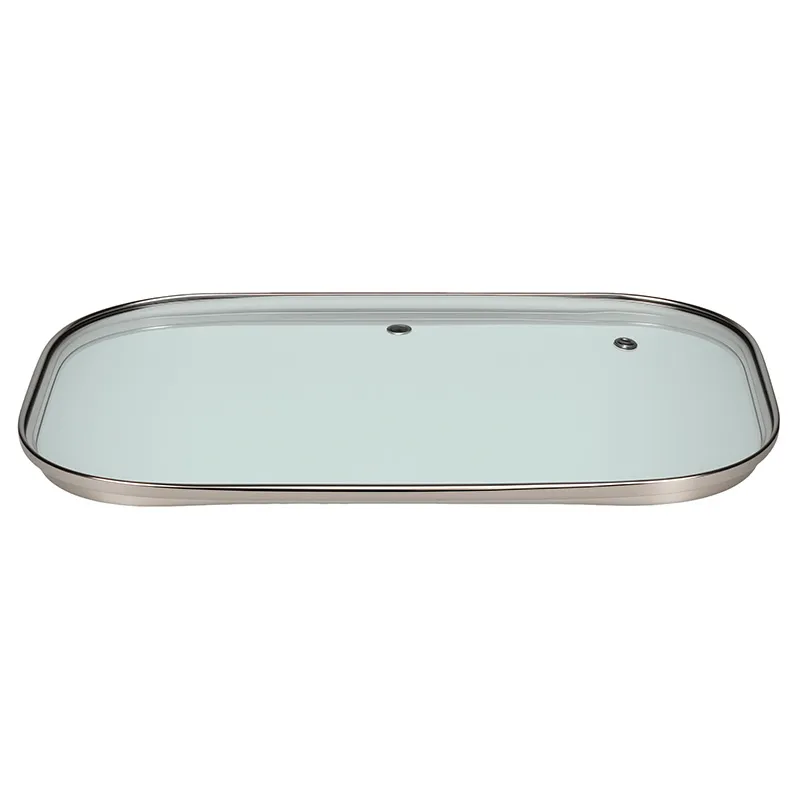
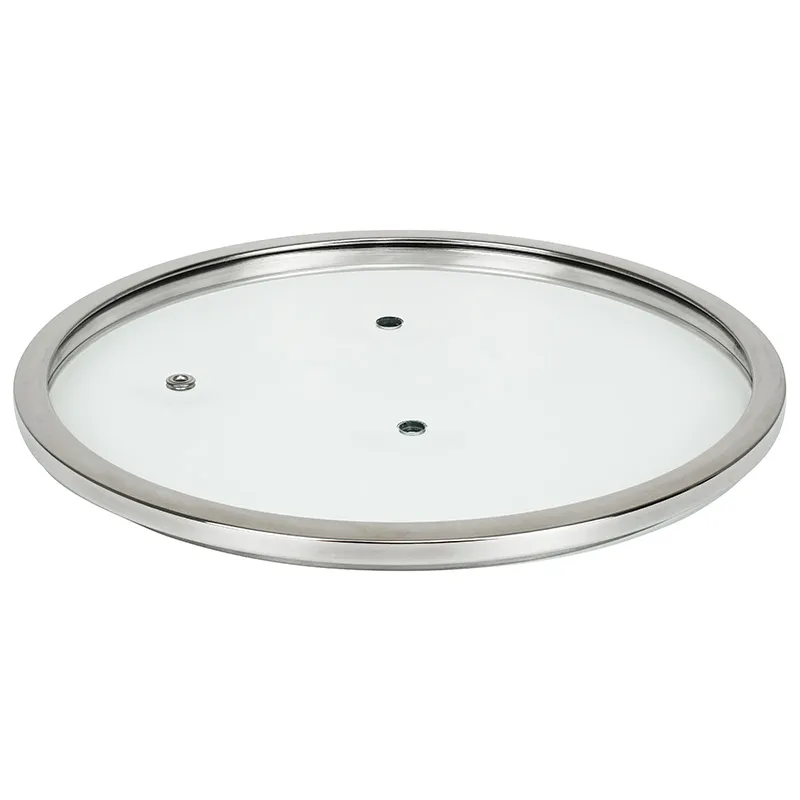
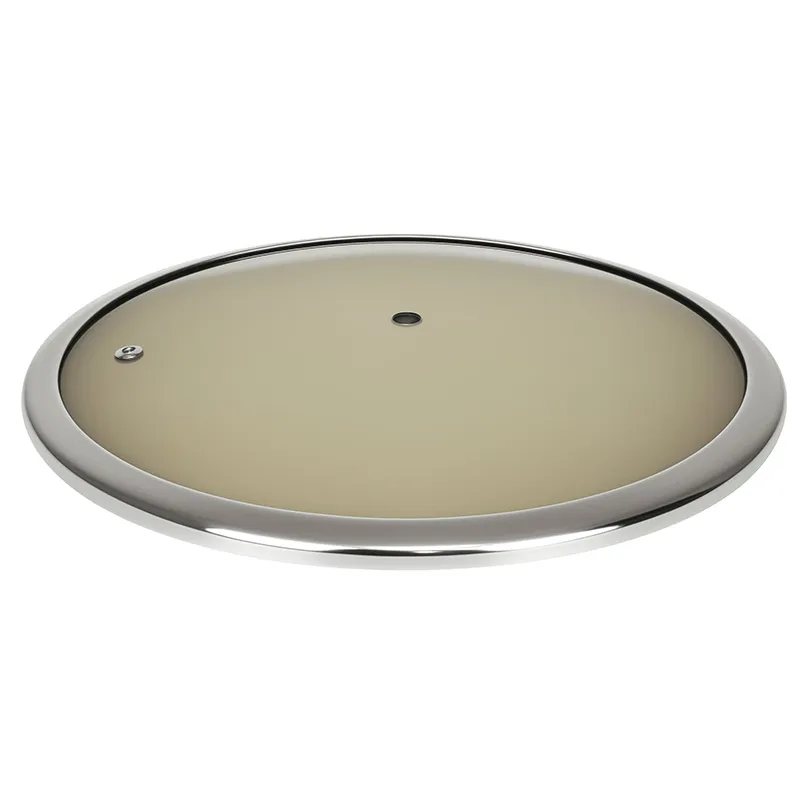
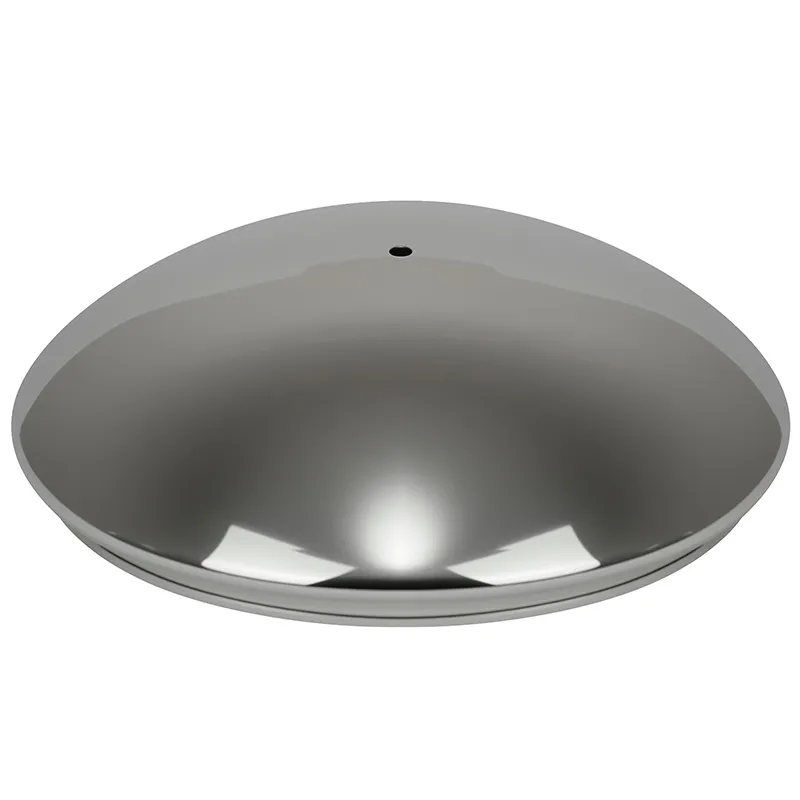
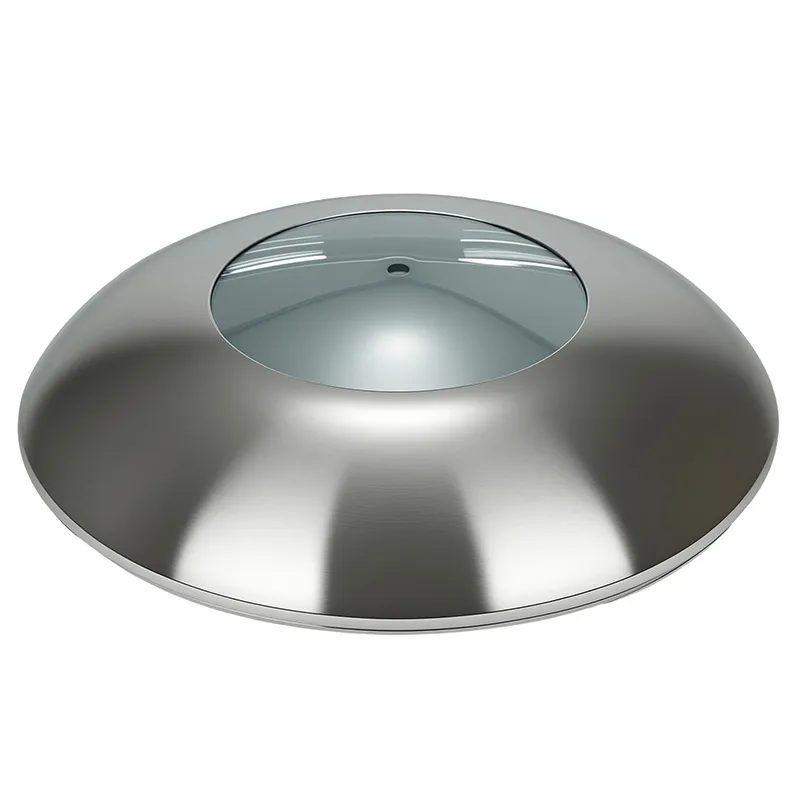
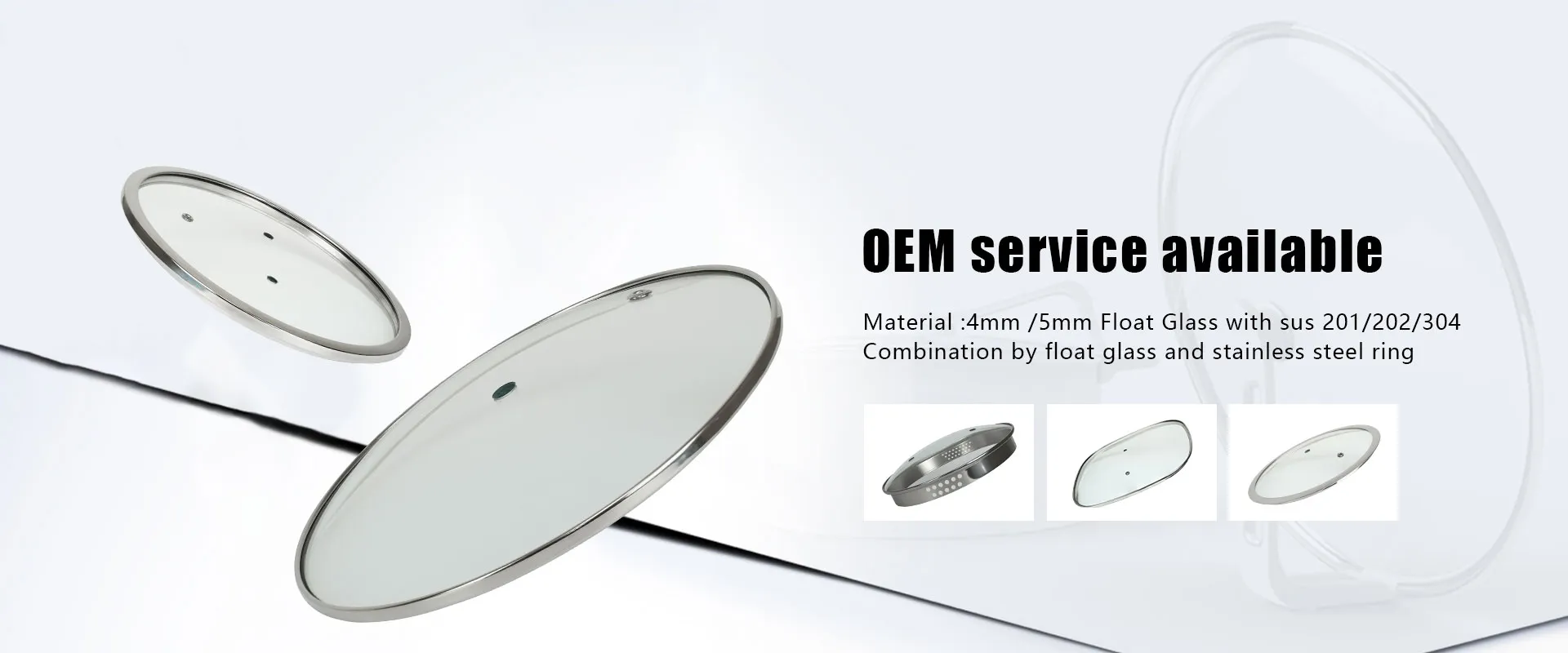
When you hear 'China glass cover manufacturer', the immediate image is often of vast, anonymous factories churning out generic items. That's a common, and frankly, lazy assumption. The reality is far more nuanced, a landscape of specialized niches where expertise in specific product lines, like tempered glass lids for cookware, separates the contenders from the pack. It's not just about making glass; it's about engineering it to withstand thermal shock, fit global-standard cookware, and survive the brutal logistics of international shipping. The term itself is almost too broad—it's the specifics underneath that tell the real story.
The Core Product: It's Not Just a Lid
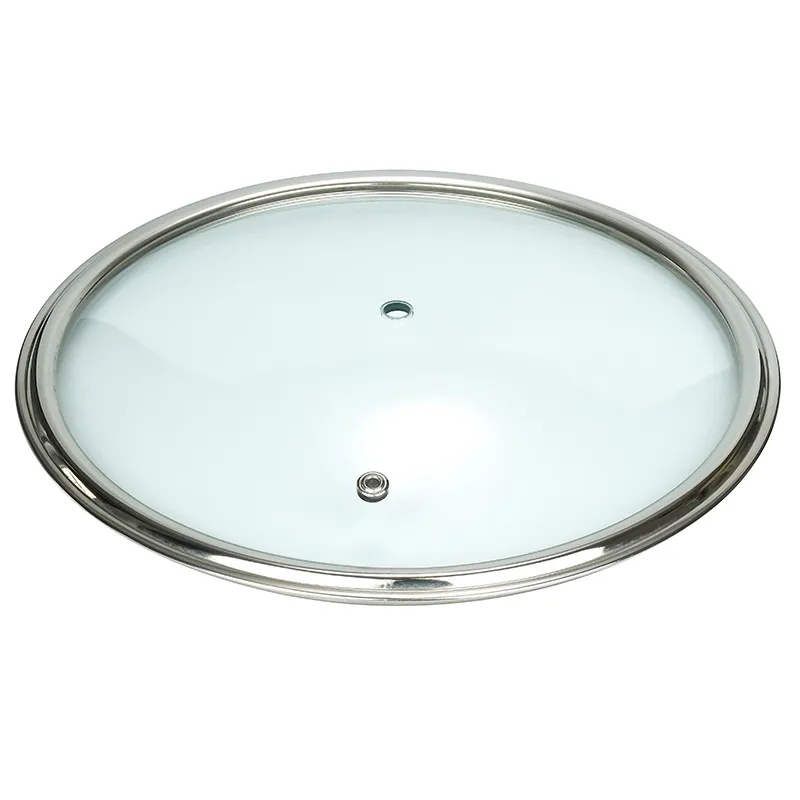
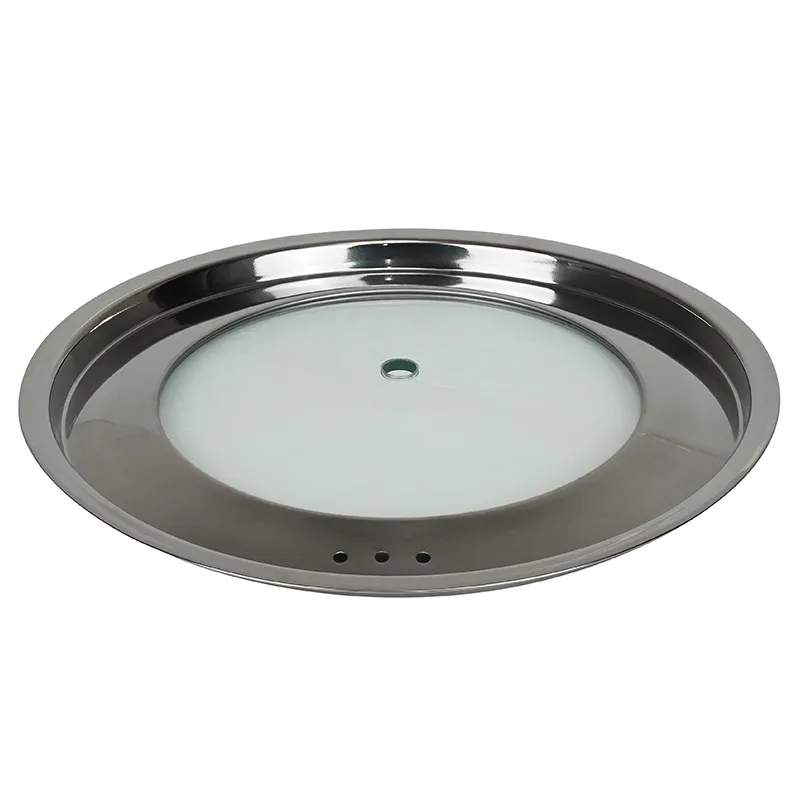
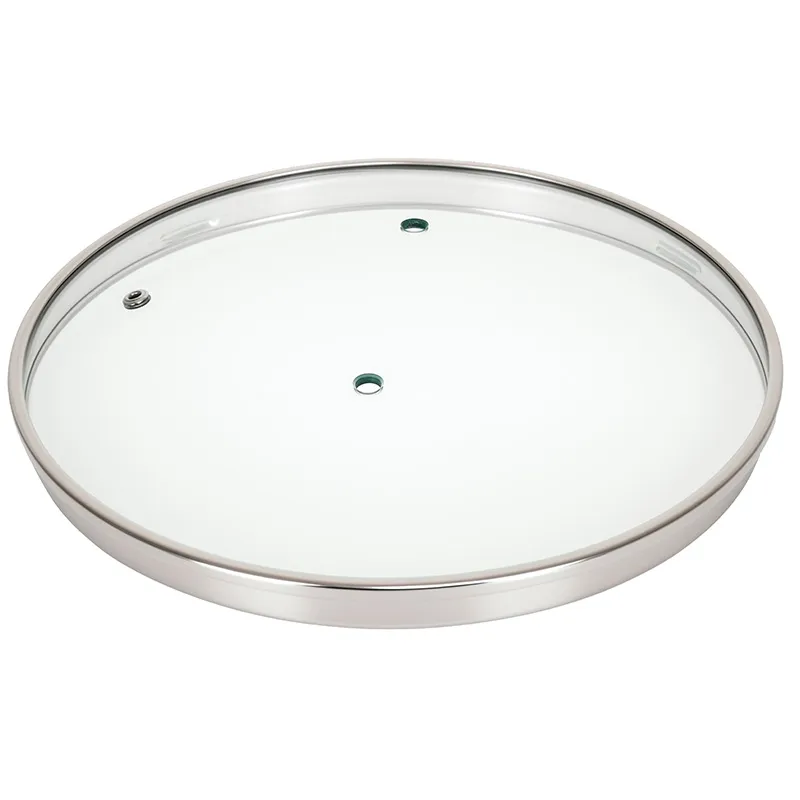
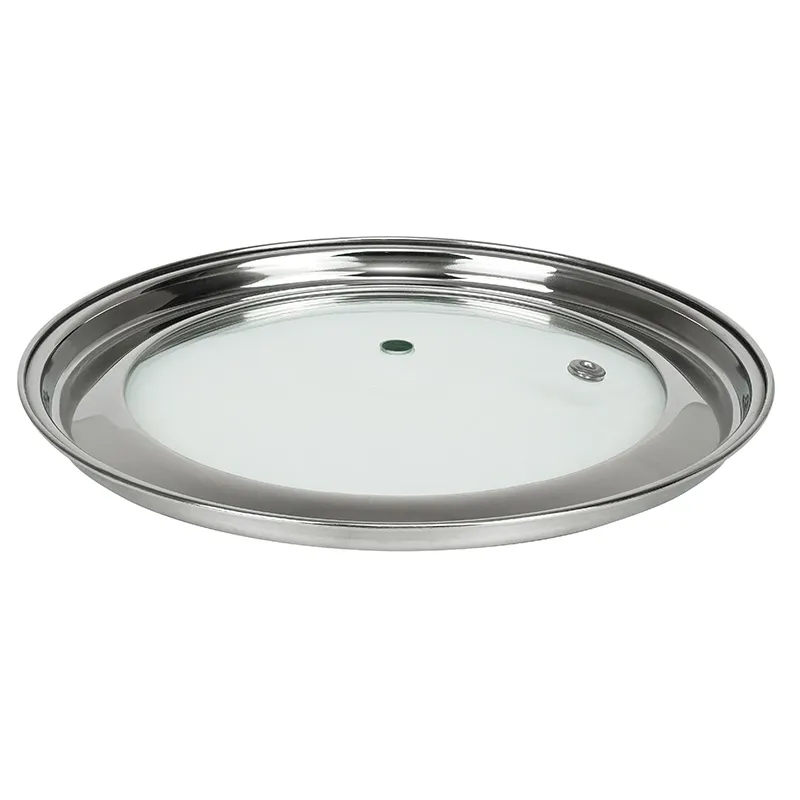
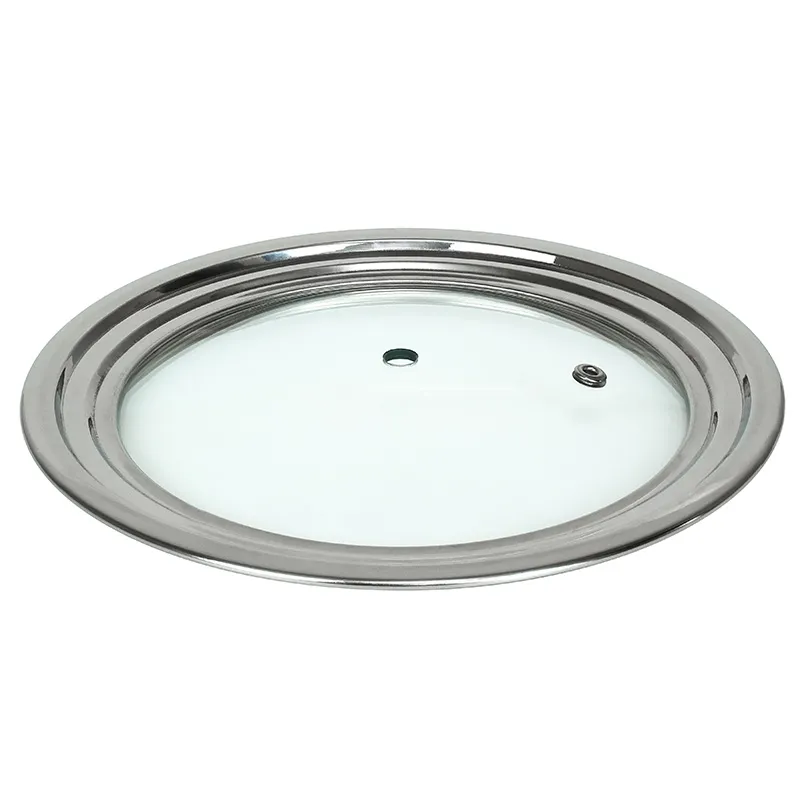
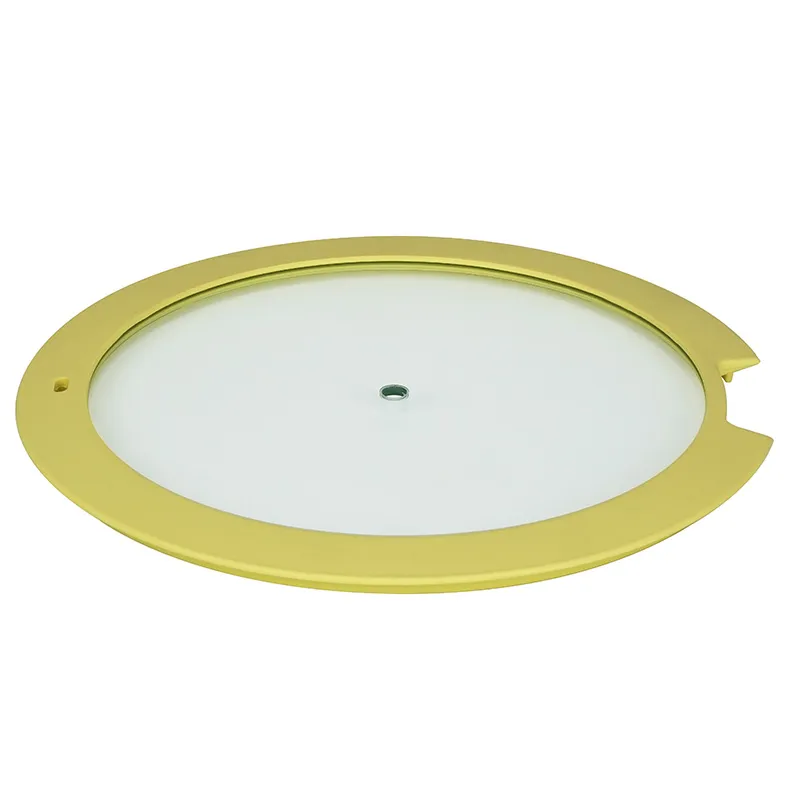
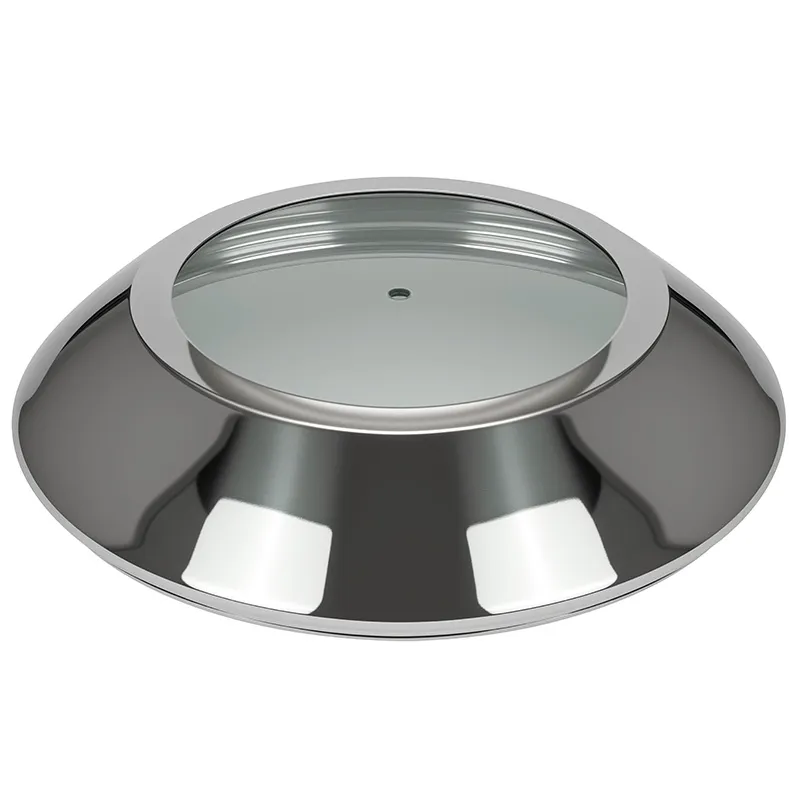
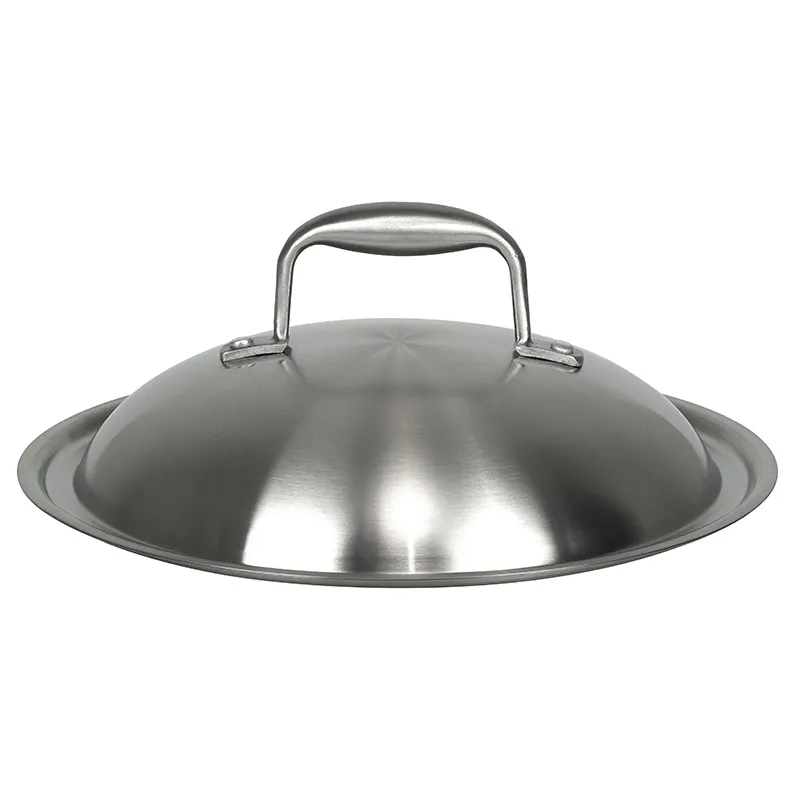
Take the tempered glass lid. To an outsider, it's a simple dome. In practice, it's a precision component. The curvature has to match the pot or pan perfectly—a millimeter off and you get steam leakage or an unstable fit. I've seen samples fail because the supplier used a generic mold for a 'standard' 24cm pan, not realizing the European client's design had a slightly different flange angle. The lid sat crooked. That batch was rejected, a total loss. It underscores that manufacturing here isn't about cheap copies; for the serious players, it's about technical adherence to client specifications, often down to the micron.
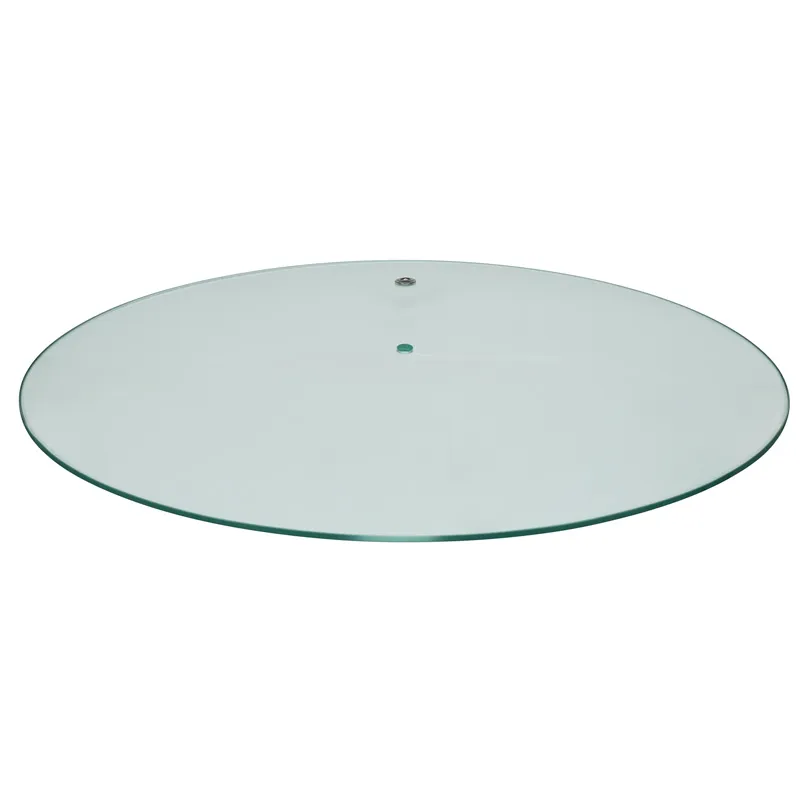
The tempering process is where the magic and the risk lie. You're taking cut and edged glass and heating it to over 600°C before quenching it with air. Do it right, and you get a lid that can go from a freezer to a stovetop. Do it wrong, and you get subtle stress patterns or, worse, spontaneous breakage later. I remember visiting a facility—not a giant one, maybe a 15,000㎡ plant—where the quality manager would literally listen to the 'ping' of a tapped lid. A clear, high ring meant good temper; a dull thud meant it went back. That sensory check, alongside the formal stress tests, spoke volumes about hands-on quality control.
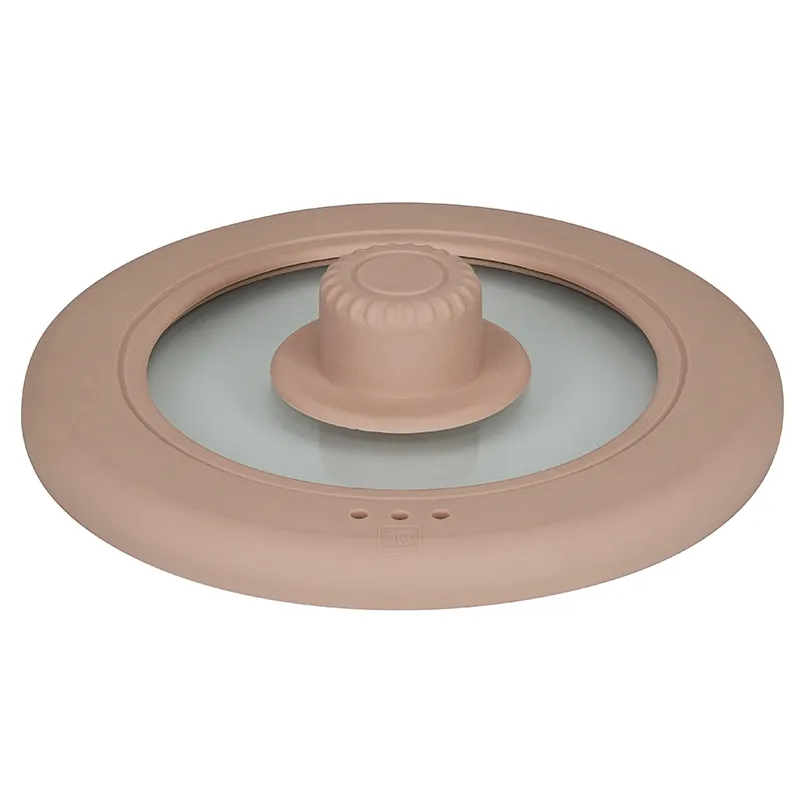
Then there's the handle. It seems trivial, but the bonding of the metal or phenolic knob to the glass surface is a critical failure point. The adhesive must withstand repeated heating cycles and dishwashing. We had a project where lids kept arriving with handles that loosened after a few uses. The root cause? The manufacturer changed adhesive suppliers to save cost without running long-term thermal cycle tests. It took months to trace and rectify, damaging trust. This is the granular level where a China glass cover manufacturer proves its mettle—or doesn't.
Export Realities and The EUR-ASIA Example
The true test of a manufacturer isn't just making a good product; it's delivering it consistently to a global market. The export list tells a story. When you see a company like EUR-ASIA COOKWARE CO.,LTD exporting over 90% of its output to markets like Germany, Italy, Japan, and Brazil, it's a strong signal. These aren't lenient markets. Germany has strict LFGB standards for food contact materials; Japan has obsessive packaging and finish requirements. Cracking these markets means the operation has integrated compliance and quality systems into its production DNA, not just tacked on as an afterthought.
Their setup, based in Taian City within a National High-tech Development Zone, is telling. It's not a back-alley workshop. A 20,000㎡ site with a focus on household glass products suggests specialization. An annual output of over 15 million pieces of tempered glass lids and related products points to significant scale and process automation. But scale alone is meaningless without focus. Their explicit mention of low, medium, and high-level products is an honest reflection of the market—they can service different price points, likely using different lines or material grades, which is a practical necessity for a glass cover manufacturer serving diverse global clients.
Logistics from a place like Shandong is another hidden challenge. Getting 15 million fragile glass items to ports and through customs without a 5% breakage rate is a feat. It requires engineered packaging—custom foam inserts, rigid outer cartons—and a disciplined packing line. I've seen factories where workers casually tossed packed lids into shipping cartons, resulting in catastrophic losses upon arrival. The professional ones treat the packing area with the same rigor as the production line. The fact that EUR-ASIA's products land intact in Europe and South America repeatedly is a silent testament to this operational discipline, something you only appreciate after dealing with the alternative.
Navigating the Supplier Landscape
Finding the right partner isn't about Alibaba searches. It's about digging into capabilities. A website like https://www.glass-lid.com is a starting point, but the real questions come after. Can they provide a material certificate for the glass? What is their annealing lehr's temperature uniformity? What's their standard for permissible edge chips? The dialogue shifts from what's your price per piece? to what's your process capability index for lid diameter? This filters out the traders from the actual manufacturers quickly.
A common pitfall is fixating on unit price. A lid that's $0.10 cheaper but has a 3% higher breakage rate in transit will wipe out any savings. Or worse, it fails in a consumer's kitchen, leading to product recalls and brand damage. The reliable manufacturers understand this total cost equation. They might not be the absolute cheapest, but their consistency saves money in the long run. They invest in precision cutting machines to minimize edge defects from the start, rather than relying on inspectors to catch bad pieces at the end.
Auditing is key, but not just a checklist tour. You need to see the raw glass storage (is it clean, organized?), watch the handling between processes (are lids stacked properly or clanked together?), and review the failure logs from their final inspection. The best visits are unscripted. Asking to see the rework area or the quarantine section for rejected goods often reveals more than a polished presentation in the conference room. It's in these details that you gauge the true culture of quality.
The Evolution of Demand and Future Pressure
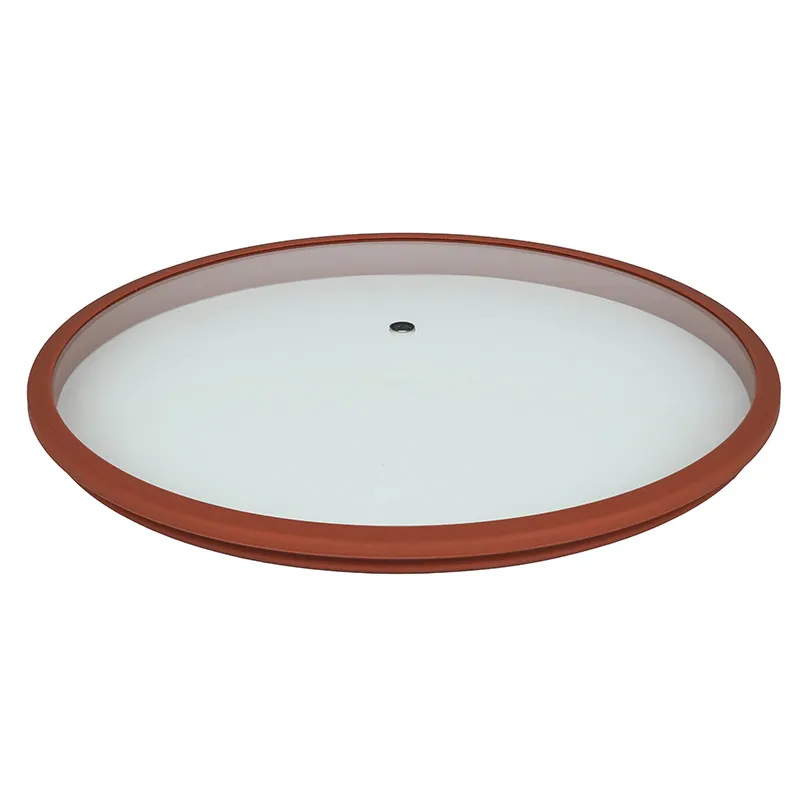
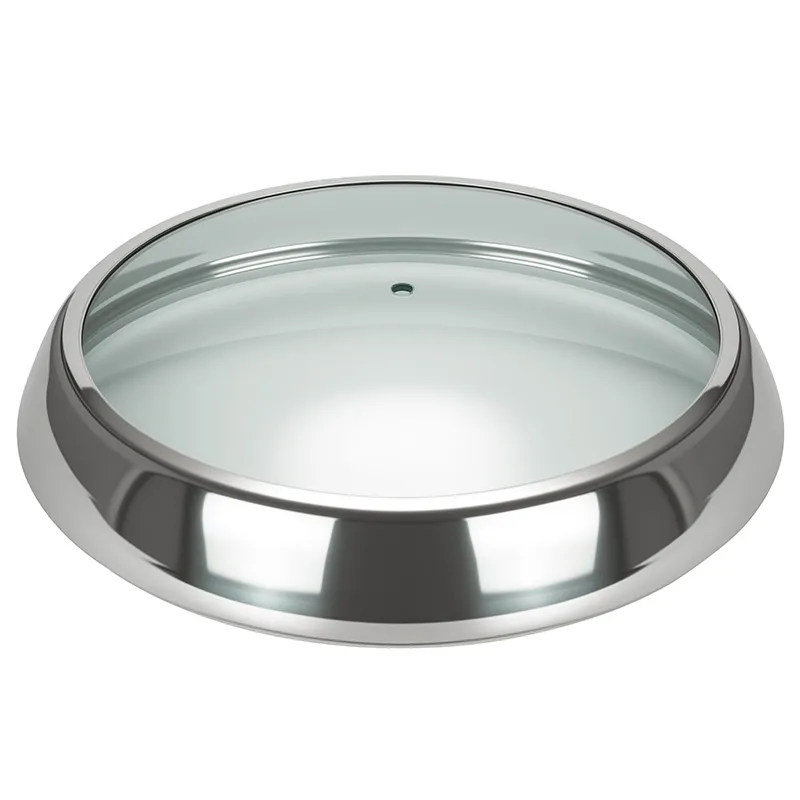
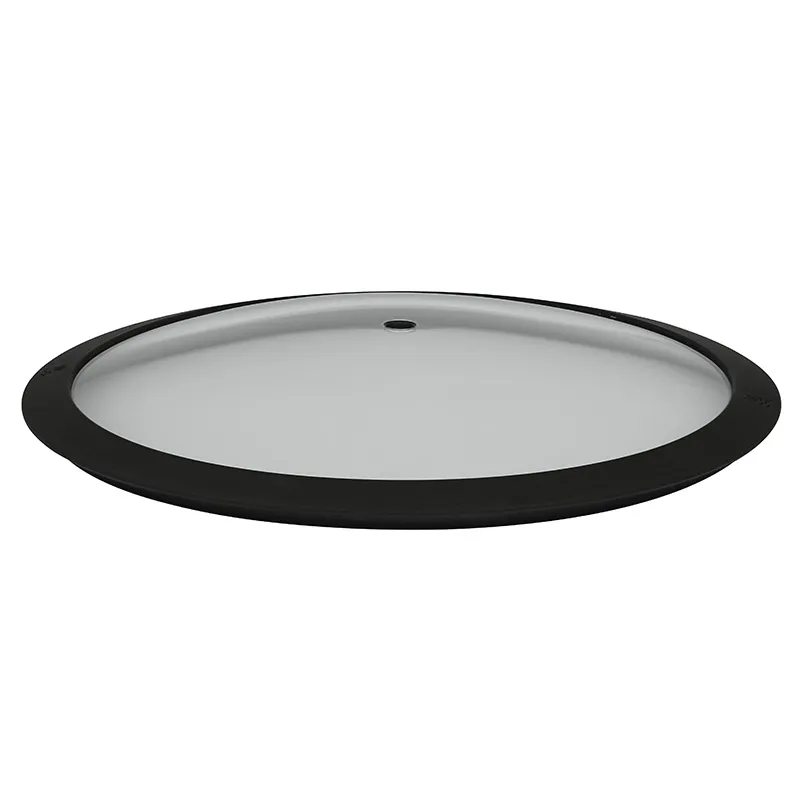
The market isn't static. A few years ago, a clear, strong lid was enough. Now, there's growing demand for added features. Think silicone-sealed edges for a perfect steam seal, or integrated stainless steel strainer rims. This pushes a manufacturer from being a simple glass former to a multi-material assembler. It requires new supply chains for silicones and metals, and new assembly jigs. Not every China glass cover manufacturer can make this jump; it requires R&D flexibility and capital investment.
Sustainability pressure is also mounting, particularly from European clients. It's not just about recyclable glass anymore. It's about the carbon footprint of the tempering process, reducing packaging waste, and potentially using cullet (recycled glass) in the raw material. Manufacturers near tech zones, like the one EUR-ASIA operates in, might have better access to policy incentives or tech partnerships to adapt to these trends. This could become a significant differentiator.
Looking ahead, the survivors will be those who master this blend: deep technical mastery of glass, agile response to composite product designs, and bulletproof export logistics. The label 'manufacturer' will increasingly mean 'solutions partner for glass components'. The ones who still see themselves as just lid makers will likely get squeezed out. The industry, like the glass it tempers, is under constant pressure to become stronger and more adaptable.
Related Products
Related Products