- Chinese
- French
- German
- Portuguese
- Spanish
- Russian
- Japanese
- Korean
- Arabic
- Irish
- Greek
- Turkish
- Italian
- Danish
- Romanian
- Indonesian
- Czech
- Afrikaans
- Swedish
- Polish
- Basque
- Catalan
- Esperanto
- Hindi
- Lao
- Albanian
- Amharic
- Armenian
- Azerbaijani
- Belarusian
- Bengali
- Bosnian
- Bulgarian
- Cebuano
- Chichewa
- Corsican
- Croatian
- Dutch
- Estonian
- Filipino
- Finnish
- Frisian
- Galician
- Georgian
- Gujarati
- Haitian
- Hausa
- Hawaiian
- Hebrew
- Hmong
- Hungarian
- Icelandic
- Igbo
- Javanese
- Kannada
- Kazakh
- Khmer
- Kurdish
- Kyrgyz
- Latin
- Latvian
- Lithuanian
- Luxembou..
- Macedonian
- Malagasy
- Malay
- Malayalam
- Maltese
- Maori
- Marathi
- Mongolian
- Burmese
- Nepali
- Norwegian
- Pashto
- Persian
- Punjabi
- Serbian
- Sesotho
- Sinhala
- Slovak
- Slovenian
- Somali
- Samoan
- Scots Gaelic
- Shona
- Sindhi
- Sundanese
- Swahili
- Tajik
- Tamil
- Telugu
- Thai
- Ukrainian
- Urdu
- Uzbek
- Vietnamese
- Welsh
- Xhosa
- Yiddish
- Yoruba
- Zulu
- Kinyarwanda
- Tatar
- Oriya
- Turkmen
- Uyghur


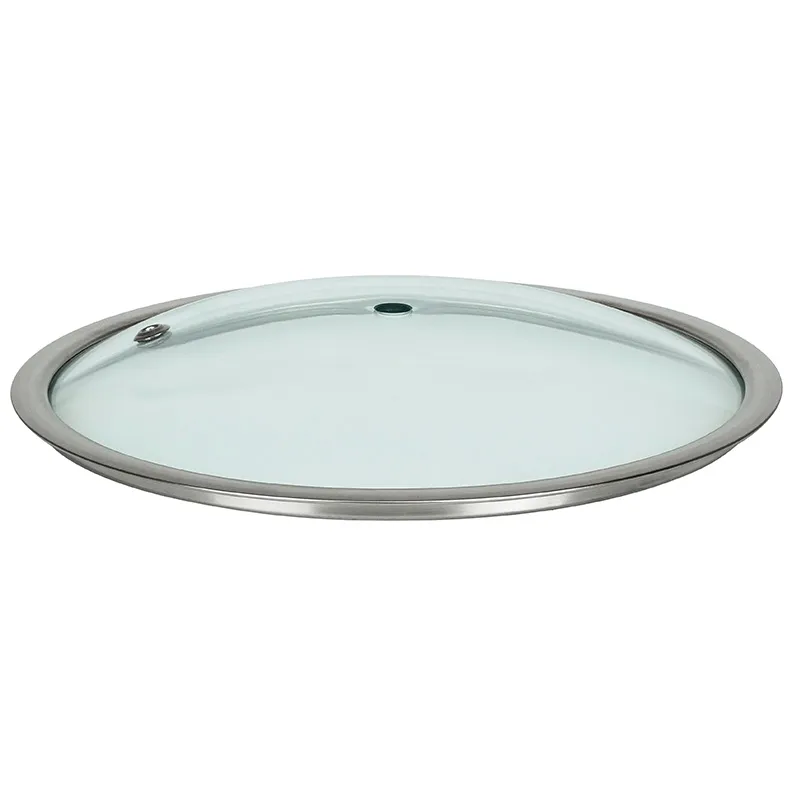
China glass lid factory
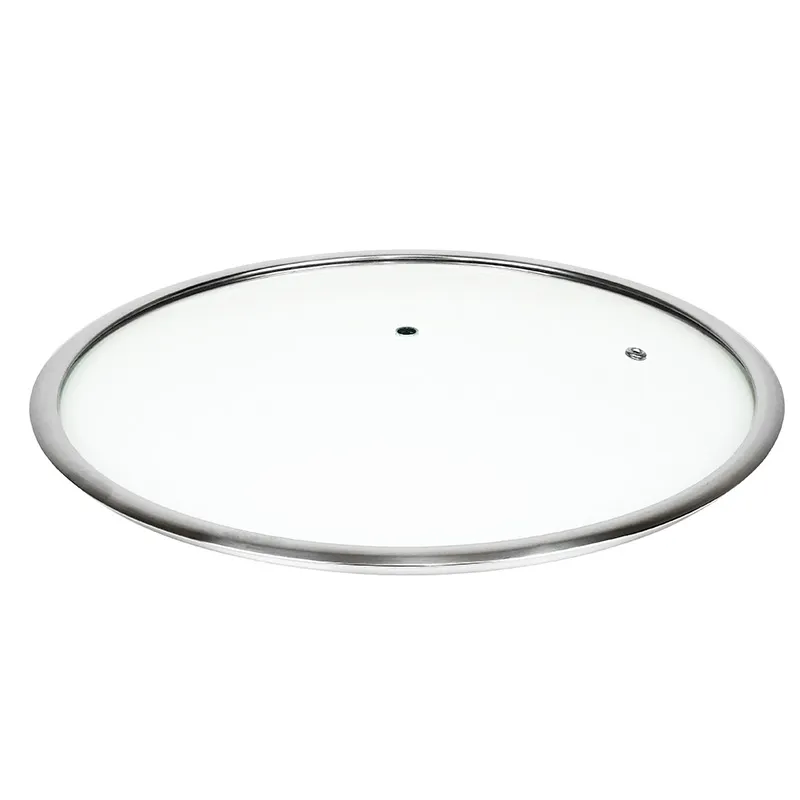
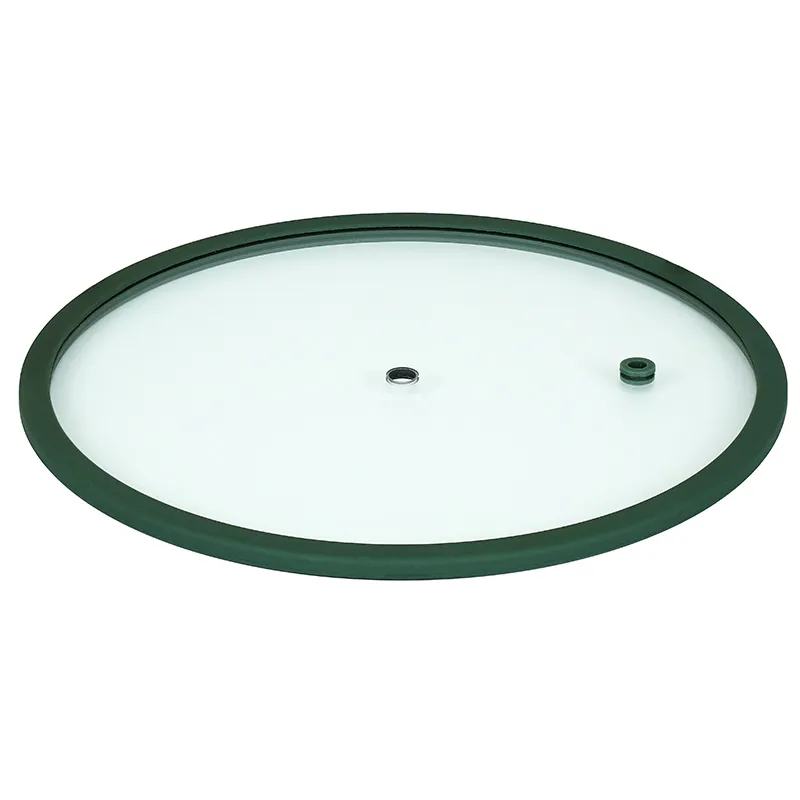
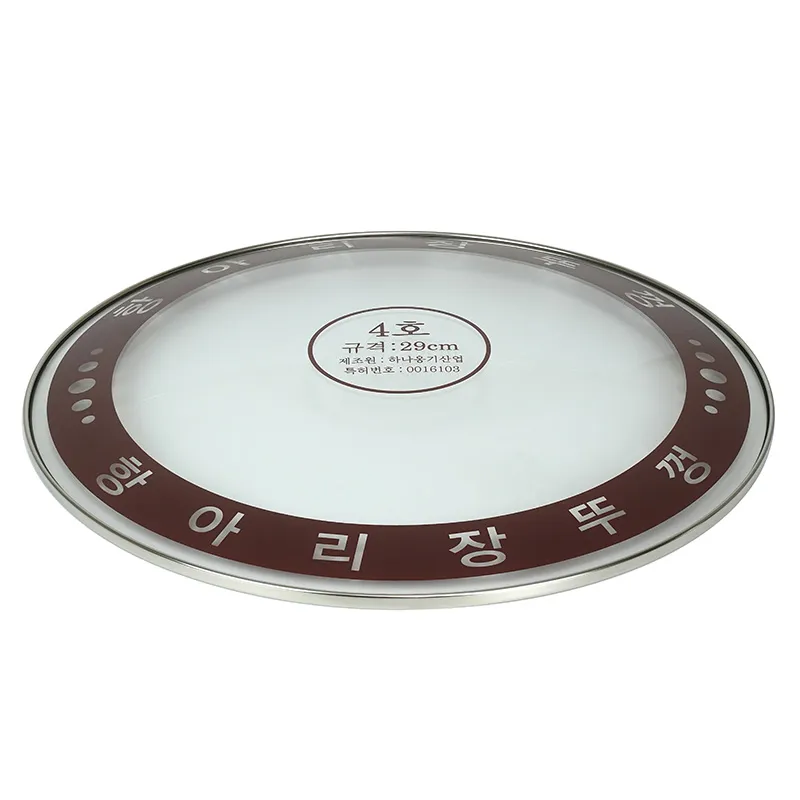
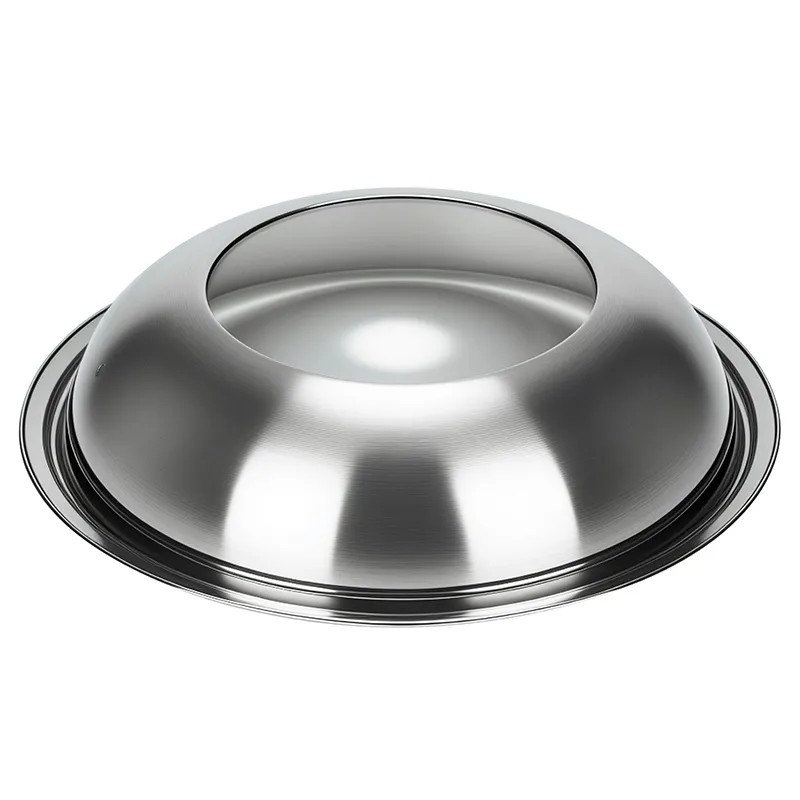
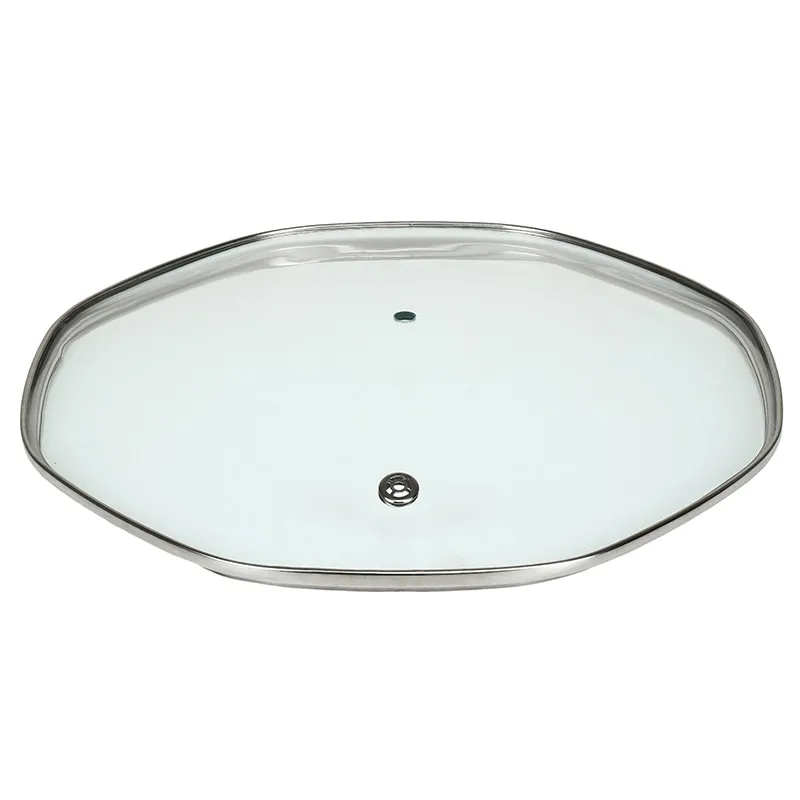
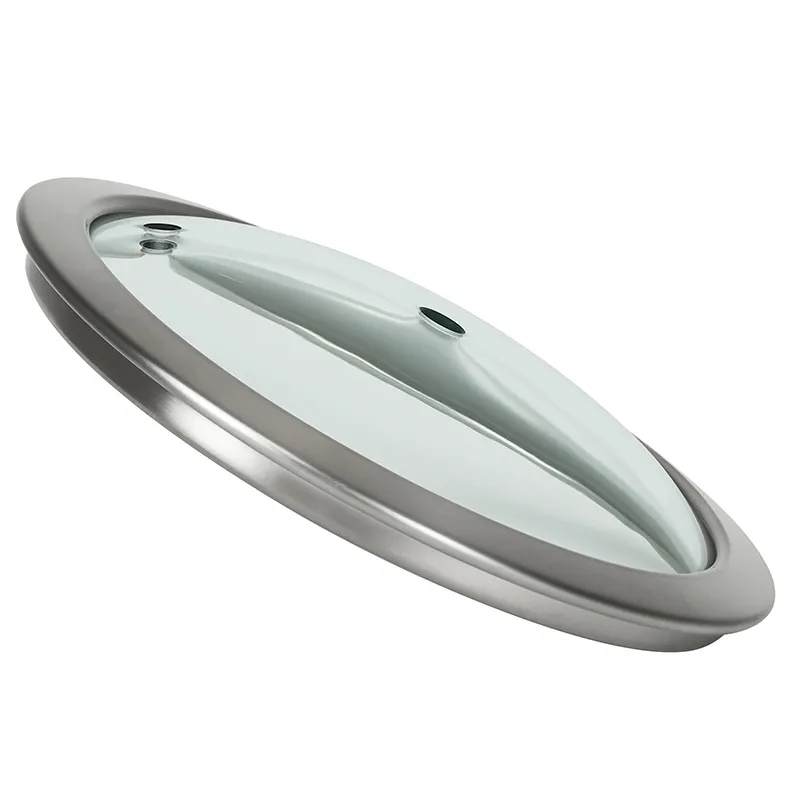
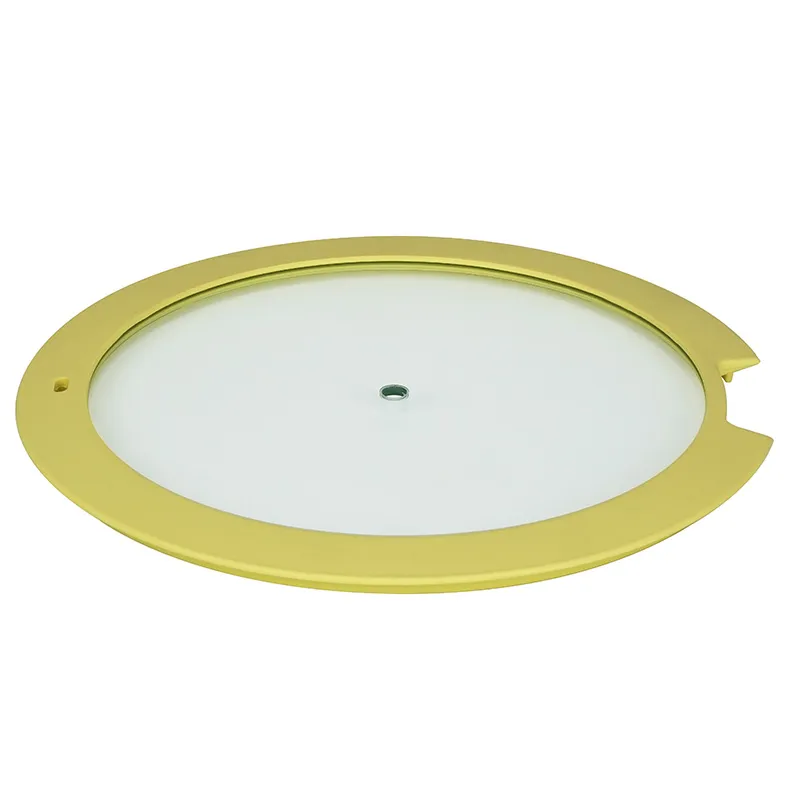
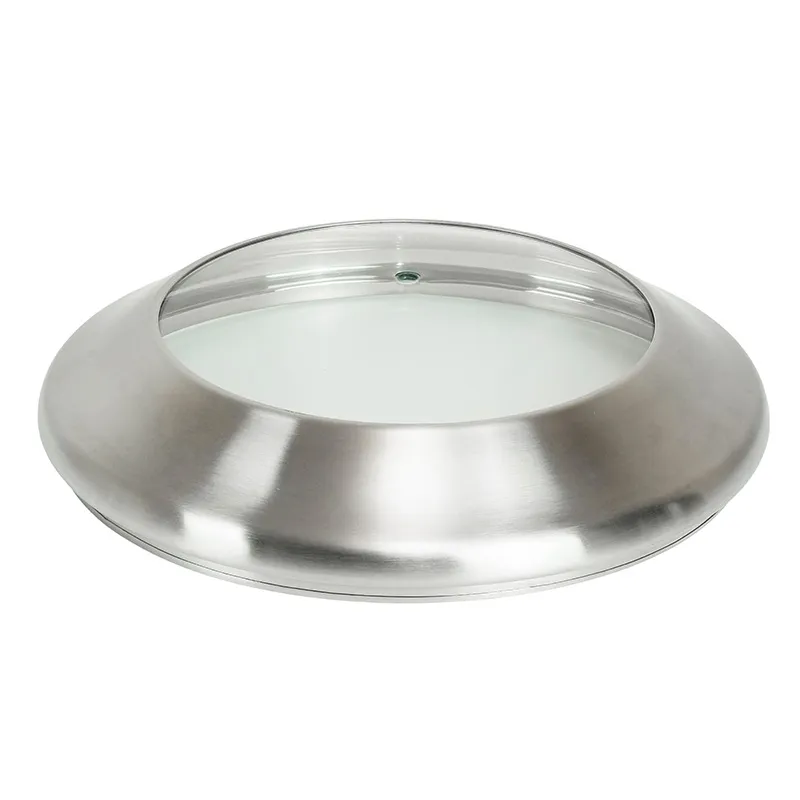
When you type 'China glass lid factory' into a search bar, you're probably picturing a vast, anonymous industrial complex churning out identical, cheap lids. That's the common trap. In reality, that term is a gateway to a highly segmented and surprisingly nuanced ecosystem. It's not about finding a factory; it's about identifying the right one for your specific grade, design, and volume. I've spent years navigating this, and the difference between a successful partnership and a costly mistake often lies in understanding what that keyword doesn't tell you.
The Landscape Behind the Keyword
Most sourcing starts with the assumption that all Chinese factories are the same, competing purely on price. For glass lids, that's a fast track to quality issues. The critical split is between factories serving the low-end, replaceable market and those building for international brands where safety and consistency are non-negotiable. The former might use lower-grade soda-lime glass with minimal edgework; the latter, like many in Shandong's industrial clusters, have moved into fully tempered, edge-ground products that meet EU and US standards. It's a different business entirely.
Take Taian City in Shandong, for instance. It's become a hub not by accident. Proximity to raw material suppliers and a concentration of skill in glass tempering and processing create a cluster effect. A factory here isn't just a building with machines; it's part of a localized supply chain. When visiting, you don't just audit the factory floor; you need to ask about their silica sand source, their annealing schedules, and how they manage the stress pattern testing. That's where the real conversation begins.
I recall an early mistake, choosing a China glass lid factory based on a glossy brochure and a low FOB price. The samples were perfect. The first production batch? A 30% failure rate on thermal shock tests. The issue wasn't the tempering itself, but inconsistent glass thickness before it even reached the furnace. The factory was buying cut glass from the cheapest vendor. Lesson learned: you're not just sourcing from the factory, you're sourcing from its entire upstream chain. Now, a deep-dive question about raw material QC is my first filter.
Decoding Capability: More Than Just a Product List
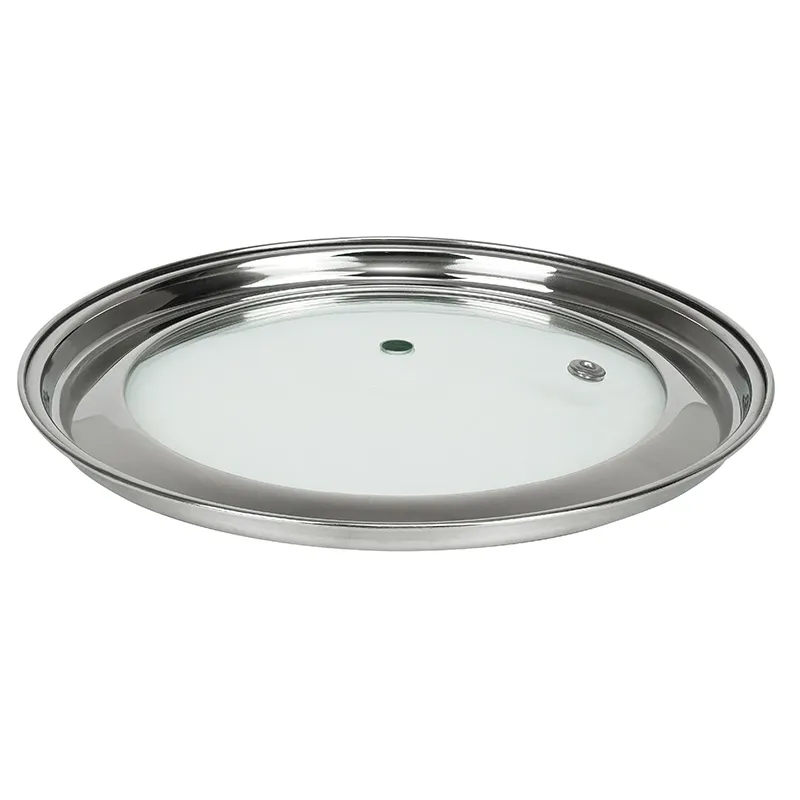
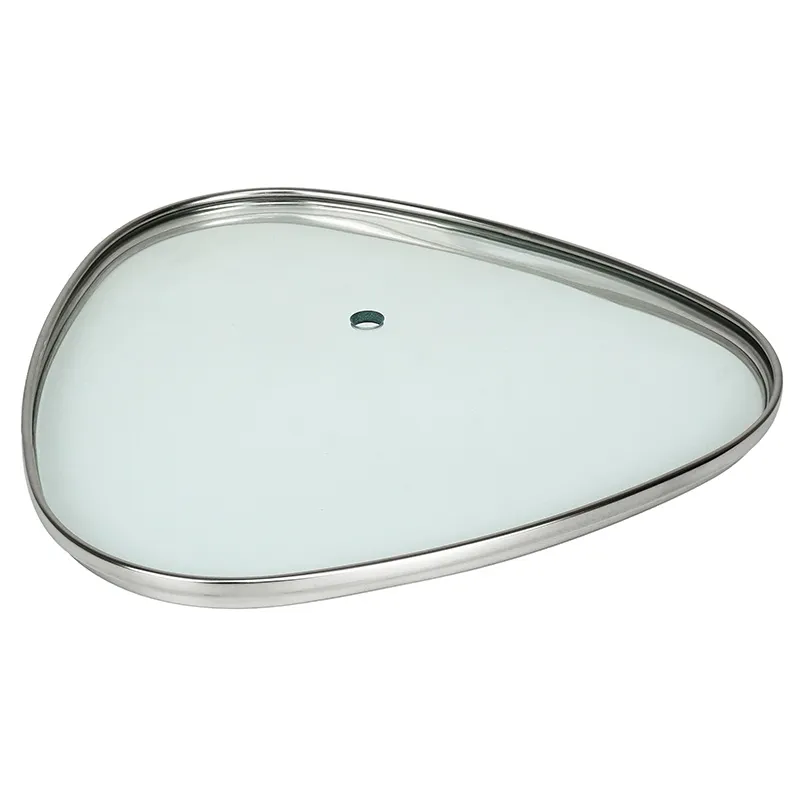
A factory's website will list every lid under the sun. The truth is in their specialization. A glass lid factory claiming to expertly produce everything from 8cm saucepan lids to massive 40cm casserole lids is often stretching thin. Specialization matters. High-volume, standardized shapes (like round lids for common stockpot diameters) are one game. Custom shapes, unusual handle attachments, or lids with integrated steam vents or silicone gaskets are another, requiring different molds, handling protocols, and engineering input.
Look at EUR-ASIA COOKWARE CO.,LTD (https://www.glass-lid.com). Their stated focus on low-medium-high level household glass products is telling. It acknowledges the market spectrum. More importantly, their data points—20,000㎡ in a National High-tech Development Zone, 15 million pieces annual output—signal a serious, scaled operation. The fact that over 90% goes to markets like Germany, Japan, and Brazil is the real credibility marker. It means their production lines are accustomed to the packaging, documentation, and quality thresholds those markets demand, which are often a world apart from domestic or low-tier export standards.
Their location in Taian, Shandong, fits the cluster model. For a buyer, this isn't just an address. It suggests access to skilled labor familiar with glass processing, established logistics for outbound shipping, and likely a competitive local ecosystem for ancillary services like precision mold-making. When a factory is embedded in that network, problem-solving happens faster.
The Devil in the Details: Handles, Edges, and Tolerance
Anyone can produce a flat piece of tempered glass. The lid is defined by its peripherals. The handle attachment is the single most common point of failure. Is it a metal bail handle secured with a rivet? A plastic knob bonded with adhesive? Or a more complex, over-molded phenolic handle? Each requires different expertise and carries different cost and durability implications. I've seen lids where the glass was flawless, but the adhesive for the knob failed after 50 dishwasher cycles, rendering the whole unit useless.
Then there's the edgework. This is a dead giveaway of factory tier. A rough, sharp edge straight from the cutting and tempering process is unacceptable. A properly seamed or polished edge, sometimes with a slight bevel, is standard for mid-to-high end. Some European buyers even specify a pencil edge finish for safety and feel. This finishing step adds cost and time, and many factories will skip it unless explicitly specified and paid for. It's a detail you must call out in your tech pack.
Tolerance is another silent spec. A lid diameter of 24.0cm +/- 1.0mm is very different from +/- 0.3mm. The latter requires far better process control. For a buyer, an inconsistent lid that wobbles or doesn't sit flush kills the product experience. It's a tangible example of where the medium-high level positioning of a factory like EUR-ASIA matters—their equipment and process control are likely set up to hold tighter tolerances required by their export clients.
Communication and the Sample Phase
The sample phase is a diagnostic tool, not just a confirmation. A professional China glass lid factory will treat it as such. When you request a sample, pay attention to the questions they ask back. Do they query the intended use temperature? The compatible cookware material (stainless steel, cast iron, ceramic)? The target retail price point? This shows engagement and a desire to engineer the product correctly, not just copy a picture.
I've found the most productive relationships start with a development sample round. You send a rough sketch or a competitor's lid, and they engineer a solution, often suggesting improvements—This handle will be hard to grip when hot, we suggest a wider design, or A full-tempered lid of this diameter will be very heavy, we can discuss a thinner but still tempered version. This collaborative back-and-forth is invaluable. It moves the relationship from transactional to partnership-based.
Conversely, a factory that just says yes, we can make, send order is a red flag. They will likely miss critical details. For example, a lid for a Brazilian market casserole needs to withstand high-heat cooking on gas stoves, while one for the Japanese market might prioritize clarity and a lighter weight for induction tops and storage. The factory's experience exporting to those specific regions, as indicated in EUR-ASIA's profile, means they should already have these contextual understandings built into their process.
Volume, MOQs, and the Realistic Timeline
The allure of China is often volume pricing. But MOQs (Minimum Order Quantities) for custom glass lids can be a hurdle. For a truly custom design—new shape, new handle, new packaging—a factory might require an MOQ of 10,000 to 20,000 pieces per SKU to justify the mold and setup costs. For a standard shape with your logo on the handle, it could drop to 3,000-5,000. This is where a factory's scale helps. A larger operation with multiple lines, like one producing over 15 million pieces annually, might offer more flexibility or be able to batch your smaller order with a similar run to meet their furnace efficiency.
Timeline is another reality check. From final approved sample to shipped goods, a standard order can take 45 to 60 days, not the 30 days some hope for. The process isn't just production. It's raw material ordering, mold preparation (if new), production scheduling, tempering (which has its own cycle), cooling, inspection, edgework, assembly, packaging, and final QC. Rushing any step, especially cooling after tempering, risks introducing internal stress that causes spontaneous breakage later.
Planning for this lead time is part of professional sourcing. It also affects how you manage inventory and launches. A reliable partner will give you a realistic, stage-by-stage schedule and, crucially, update you if there are delays in material supply—like during a silica sand price spike or logistics crunch. That transparency is worth more than a falsely promised early ship date.
Wrapping It Up: The Factory as a Partner
So, 'China glass lid factory' isn't a destination; it's the start of a qualification process. It leads you to a landscape where technical capability, process rigor, and communicative transparency separate the real partners from the mere vendors. The data points from a company like EUR-ASIA—the location in an industrial zone, the export percentage, the clear statement of specialization—are the signposts that narrow the search from thousands to a handful of credible candidates.
The final choice comes down to fit. Does their engineering capability match your product complexity? Does their quality ethos match your market's standards? Is their communication proactive and problem-solving? The right factory won't just supply a lid; they'll help you navigate the material and process trade-offs to build a better, more reliable product. That's the outcome you're really searching for when you type those three words into the box.
In the end, it's less about finding a manufacturer and more about building a supply chain node you can trust. The lid is a simple object, but its journey from raw sand to a sealed product on a shelf is anything but. Understanding that journey is what turns a generic search term into a specific, successful sourcing strategy.
Related Products
Related Products