- Chinese
- French
- German
- Portuguese
- Spanish
- Russian
- Japanese
- Korean
- Arabic
- Irish
- Greek
- Turkish
- Italian
- Danish
- Romanian
- Indonesian
- Czech
- Afrikaans
- Swedish
- Polish
- Basque
- Catalan
- Esperanto
- Hindi
- Lao
- Albanian
- Amharic
- Armenian
- Azerbaijani
- Belarusian
- Bengali
- Bosnian
- Bulgarian
- Cebuano
- Chichewa
- Corsican
- Croatian
- Dutch
- Estonian
- Filipino
- Finnish
- Frisian
- Galician
- Georgian
- Gujarati
- Haitian
- Hausa
- Hawaiian
- Hebrew
- Hmong
- Hungarian
- Icelandic
- Igbo
- Javanese
- Kannada
- Kazakh
- Khmer
- Kurdish
- Kyrgyz
- Latin
- Latvian
- Lithuanian
- Luxembou..
- Macedonian
- Malagasy
- Malay
- Malayalam
- Maltese
- Maori
- Marathi
- Mongolian
- Burmese
- Nepali
- Norwegian
- Pashto
- Persian
- Punjabi
- Serbian
- Sesotho
- Sinhala
- Slovak
- Slovenian
- Somali
- Samoan
- Scots Gaelic
- Shona
- Sindhi
- Sundanese
- Swahili
- Tajik
- Tamil
- Telugu
- Thai
- Ukrainian
- Urdu
- Uzbek
- Vietnamese
- Welsh
- Xhosa
- Yiddish
- Yoruba
- Zulu
- Kinyarwanda
- Tatar
- Oriya
- Turkmen
- Uyghur


China silicone glass lid company
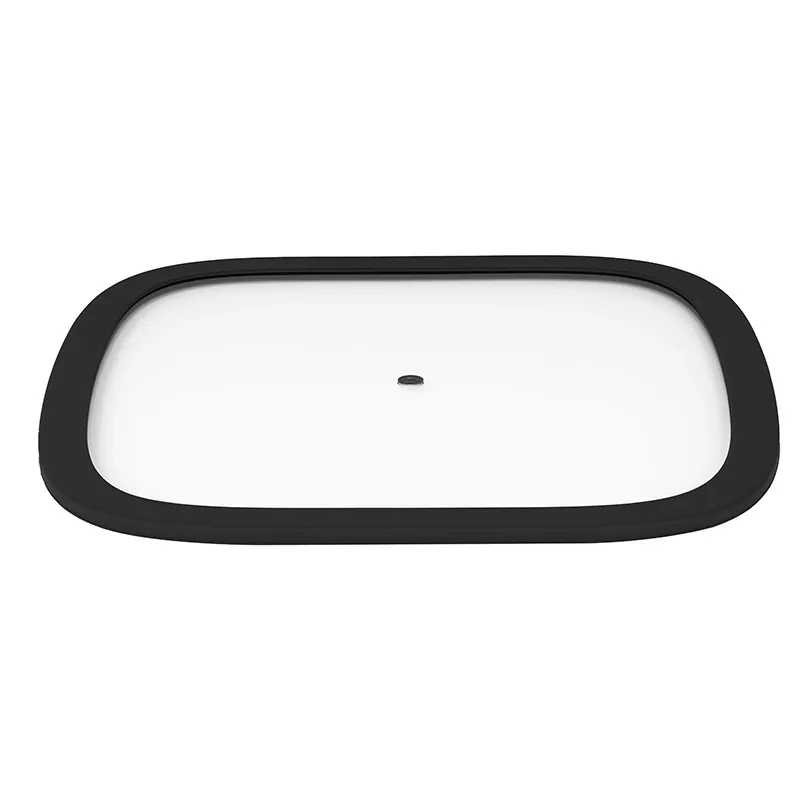
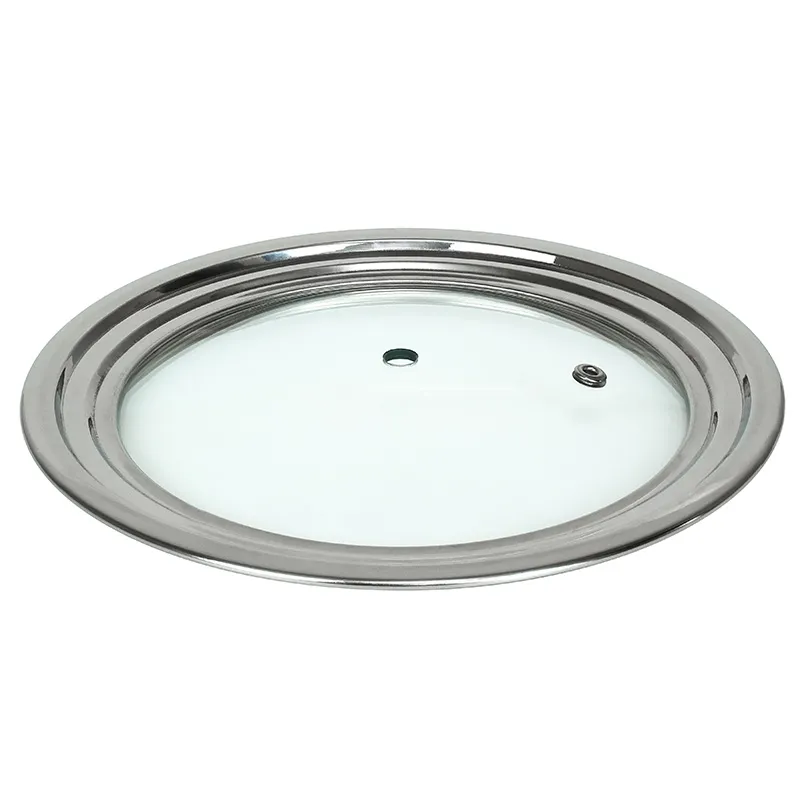
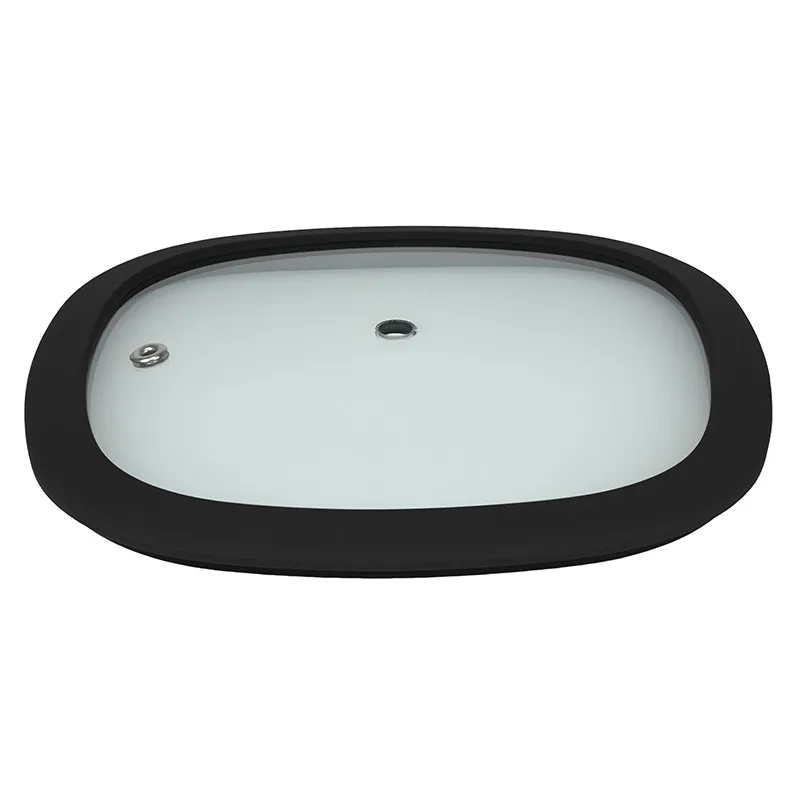
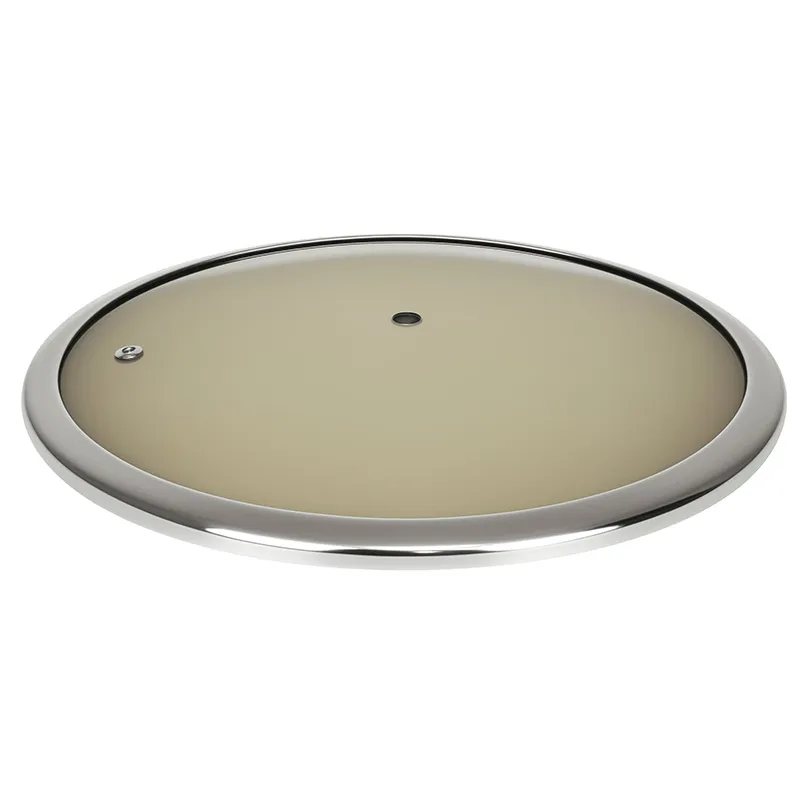
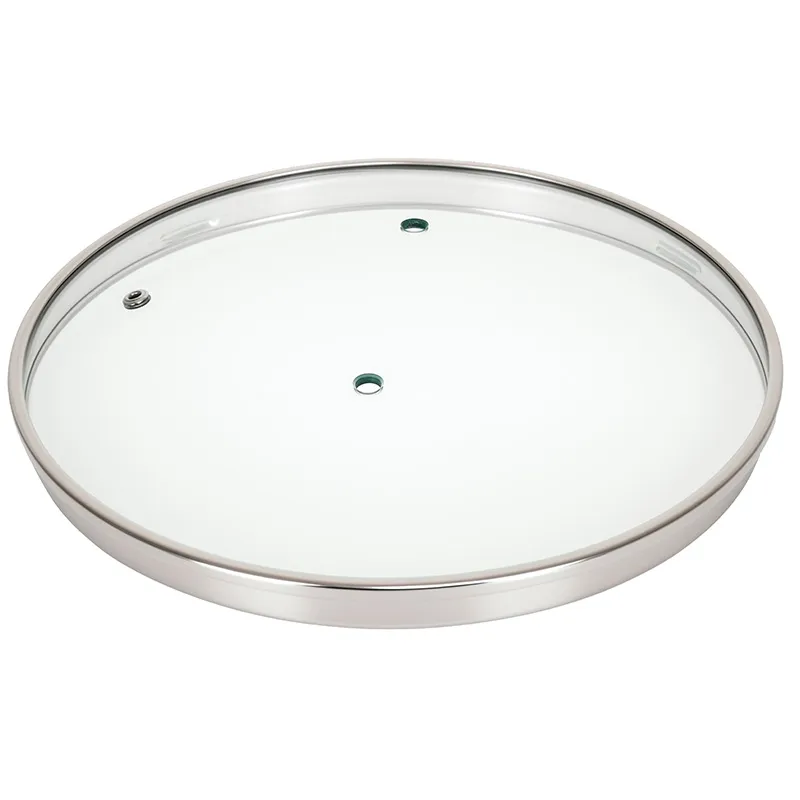
When you punch 'China silicone glass lid company' into a search bar, you're likely picturing a factory churning out a single, simple product. That's the first misconception. In reality, you're looking at a specialized segment of the cookware hardware industry, where the term 'silicone glass lid' often refers to a complete assembly: a tempered glass panel permanently bonded with a high-heat silicone seal or gasket. The real expertise isn't just in making glass or molding silicone; it's in marrying the two materials reliably for millions of cycles under thermal stress. Most sourcing queries miss this nuance entirely, focusing only on price per unit rather than the failure rate of that bond.
The Core: It's an Assembly Game, Not Just Manufacturing
Let's get specific. The critical failure point is never the glass itself—tempering is a standard process. It's the adhesion between the silicone seal and the glass perimeter. I've seen samples where the silicone pulls away after a few dozen dishwasher cycles or develops micro-cracks from dry-heat oven use. The companies that last, like EUR-ASIA COOKWARE CO.,LTD, have their production base in Taian's high-tech zone for a reason. It's not about cheap labor; it's about controlled environment for bonding processes. Their stated annual output of over 15 million pieces of various tempered glass lids means they've had to solve the scaling problem of this assembly. A small workshop can't consistently manage that volume with quality.
The material grade of the silicone is the silent differentiator. Food-grade is a baseline; the real talk is about operating temperature range and compression set. A lid for a slow cooker faces different demands than one for a cast-iron Dutch oven used in an oven. Some China silicone glass lid suppliers use generic compounds that harden or become brittle. The better ones have separate formulations, which you'll see in their product codes if you know what to ask for. It's rarely on the website spec sheet.
Here's a practical detail often overlooked: the molding of the silicone handle or knob integrated into the seal. If it's a separate piece glued on, that's a weak link. True one-shot molding, where the handle and the sealing gasket are a single, continuous piece of silicone vulcanized onto the glass, is more robust. It requires precise mold design and higher-grade material to prevent voids. Checking the underside of a sample for mold lines and material uniformity tells you more than any catalog.
Export Reality: Compliance Isn't Just a Certificate
EUR-ASIA's profile mentions over 90% export to Europe and beyond. This isn't a vanity metric. It dictates their entire production protocol. Selling to Germany or France means relentless compliance with not just EU food contact regulations (EU 10/2011), but also with retailer-specific standards like those from LGA or LFGB. It's about full material traceability. For a silicone glass lid, this means batch documentation for the silicone compound, the glass, and the adhesives if used. Many export companies can produce a test report, but the rigorous ones have the audit trail to back it up for any random shipment.
This export focus shapes physical product design. European cookware often has specific rim profiles. A lid made for a German-branded pot won't necessarily fit an Italian one. The competent company doesn't just sell a generic lid; they have the tooling library to match various outer diameter and inner flange dimensions. This is where their 15,000㎡ facility and tooling capacity become tangible. It allows for shorter runs of specialized sizes without crippling setup costs.
A failure I witnessed once: a shipment to Poland was rejected because the silicone color migrated slightly onto the glass in a high-fat cooking simulation test. The issue wasn't the pigment but the plasticizers in the lower-cost silicone compound leaching out. The fix wasn't a better quality control cliché. It involved reformulating the compound with a different cross-linking agent and altering the curing temperature profile during bonding. That's the kind of problem-solving an experienced supplier brings, which you won't find by just comparing FOB prices on Alibaba.
On the Ground: Visiting Taian and Seeing the Workflow
Visiting a production base like the one in Shandong's high-tech zone reveals the constraints. You see the automated glass cutting and tempering lines, which are fairly standard. The telling part is the bonding and assembly section. Is it a clean, controlled area? How are the glass panels handled before bonding? Any dust or oil contamination dooms the adhesive bond. At a proper setup, you'll see workers (or automated arms) using plasma treaters or specialized primers on the glass edge before the silicone is applied. This pre-treatment is non-negotiable for durability.
They list over 90 employees. In a facility that size, that indicates a fair degree of automation, especially in material handling and inspection. Manual labor would be focused on final inspection, packaging, and managing custom orders. This balance is key to achieving that 15-million-piece output while maintaining consistency. A fully manual assembly line for that volume would be a quality nightmare.
Another on-site observation: the warehouse for finished goods. For a company exporting to a dozen different countries, you'd expect to see pallets labeled for specific destinations, often with retailer-specific barcodes or packaging. It's a sign of integrated logistics, not just a factory that dropships to a trading company. It means they're likely dealing directly with overseas importers or the buying offices of major chains, which adds a layer of accountability.
The Market Shift: From Commodity to Component Partner
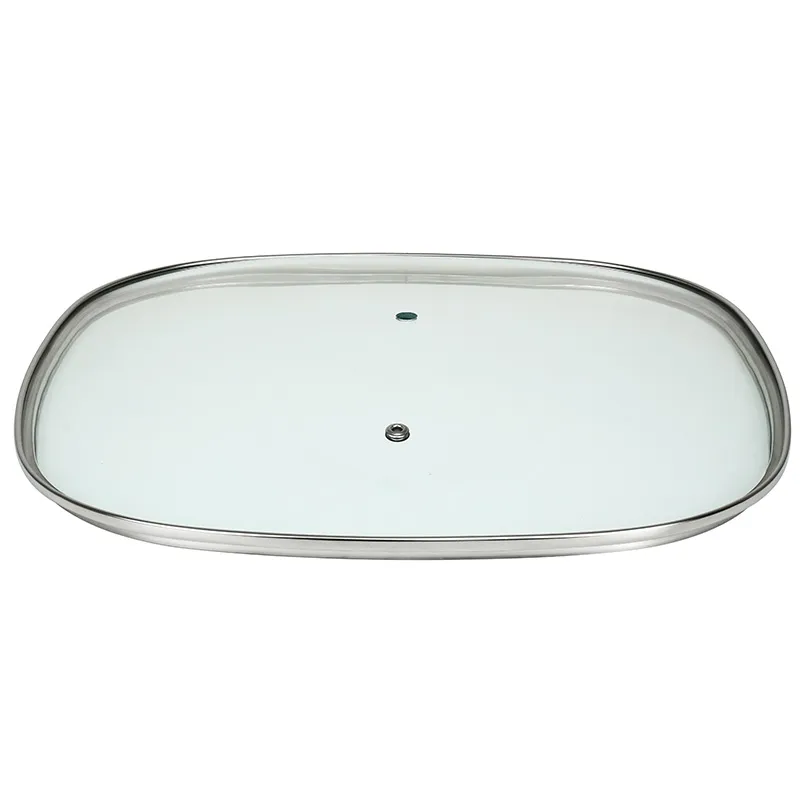
The landscape is changing. A decade ago, a China glass lid company was seen as a source for cheap replacements. Now, with cookware brands focusing on whole systems (pot, lid, accessories), the lid supplier is increasingly a development partner. It's about co-engineering for a specific product line. Can the supplier provide rapid prototypes for a new oval cocotte? Can they adjust the silicone durometer (hardness) to achieve a specific seal pop sound that a marketing team wants? That's the shift.
This is where a supplier's in-house capabilities are tested. Do they have a small R&D lab for material testing? Can they perform basic thermal cycling and dishwasher durability tests on-site, or do they outsource everything? The ability to iterate quickly based on feedback—make the knob taller, reduce the sealing lip by 0.5mm—without a three-week delay for new molds is a massive advantage. It turns a vendor into a strategic partner.
The export list—Germany, Russia, Italy, Brazil, Japan—is itself a case study. Each market has distinct preferences. Germans prioritize technical precision and safety documentation. The Italian market might value aesthetic design and color options. A supplier serving all these isn't just shipping the same box everywhere; they're managing a complex matrix of requirements. This experience makes them resilient and adaptable, which is the real value for a buyer looking for a long-term source, not just a one-off transaction.
Wrapping It Up: The Search Term as a Starting Point
So, 'China silicone glass lid company' is a gateway. It leads you to a sector where the winners have moved beyond basic manufacturing into being specialists in material science, regulatory navigation, and precision assembly. The company profile of EUR-ASIA COOKWARE, with its specific location, scale, and export focus, is a textbook example of what that looks like on paper. The real proof, however, is in the sample, the audit report, and the ability to have a technical conversation about silicone shore hardness and thermal expansion coefficients.
The next step after the search is to dig into those unspoken details. Ask for a DAP (Durability Assessment Program) report on their best-selling lid. Request a sample for your own torture test—oven, freezer, dishwasher, repeat. Visit the facility if you can, not just the showroom. The difference between a good supplier and a great one is in their response to these requests. The great ones have the data, the samples, and the process transparency ready because they live this stuff every day.
In the end, it's not about finding a company that makes a lid. It's about finding a partner that understands the lid is a critical functional and safety component of a cookware system. That shift in perspective is what separates a productive sourcing journey from a frustrating one filled with returns and quality claims. The right company makes you forget you ever had to search for them in the first place.
Related Products
Related Products