- Chinese
- French
- German
- Portuguese
- Spanish
- Russian
- Japanese
- Korean
- Arabic
- Irish
- Greek
- Turkish
- Italian
- Danish
- Romanian
- Indonesian
- Czech
- Afrikaans
- Swedish
- Polish
- Basque
- Catalan
- Esperanto
- Hindi
- Lao
- Albanian
- Amharic
- Armenian
- Azerbaijani
- Belarusian
- Bengali
- Bosnian
- Bulgarian
- Cebuano
- Chichewa
- Corsican
- Croatian
- Dutch
- Estonian
- Filipino
- Finnish
- Frisian
- Galician
- Georgian
- Gujarati
- Haitian
- Hausa
- Hawaiian
- Hebrew
- Hmong
- Hungarian
- Icelandic
- Igbo
- Javanese
- Kannada
- Kazakh
- Khmer
- Kurdish
- Kyrgyz
- Latin
- Latvian
- Lithuanian
- Luxembou..
- Macedonian
- Malagasy
- Malay
- Malayalam
- Maltese
- Maori
- Marathi
- Mongolian
- Burmese
- Nepali
- Norwegian
- Pashto
- Persian
- Punjabi
- Serbian
- Sesotho
- Sinhala
- Slovak
- Slovenian
- Somali
- Samoan
- Scots Gaelic
- Shona
- Sindhi
- Sundanese
- Swahili
- Tajik
- Tamil
- Telugu
- Thai
- Ukrainian
- Urdu
- Uzbek
- Vietnamese
- Welsh
- Xhosa
- Yiddish
- Yoruba
- Zulu
- Kinyarwanda
- Tatar
- Oriya
- Turkmen
- Uyghur


China tempered glass cover manufacturer
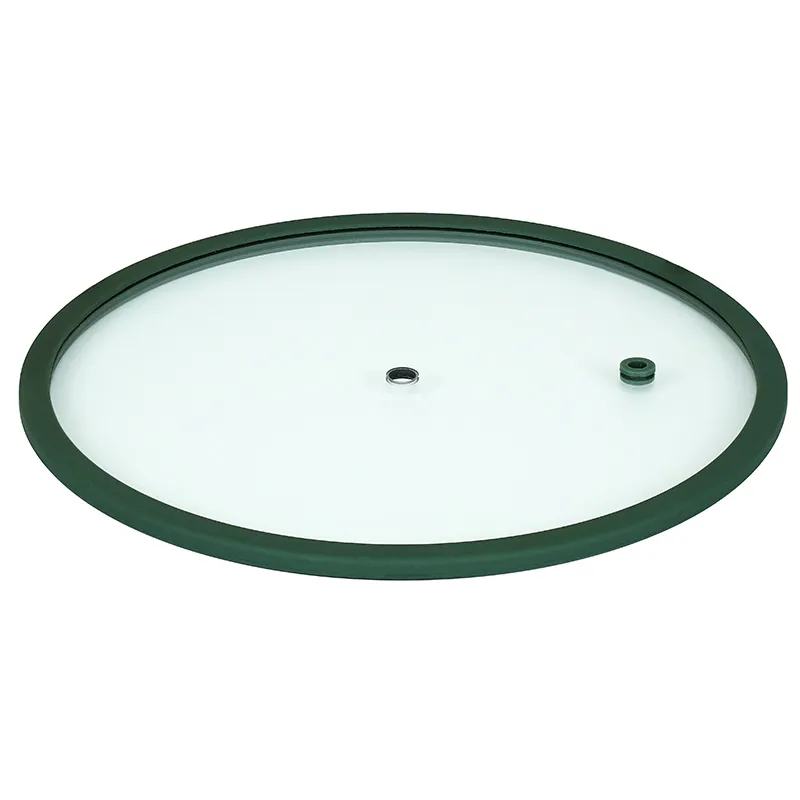
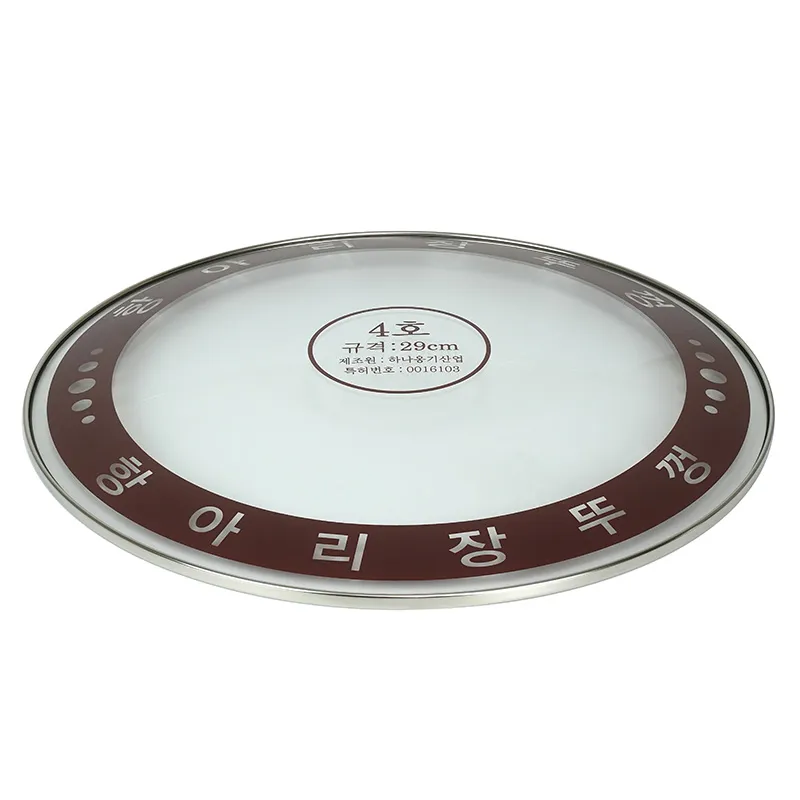
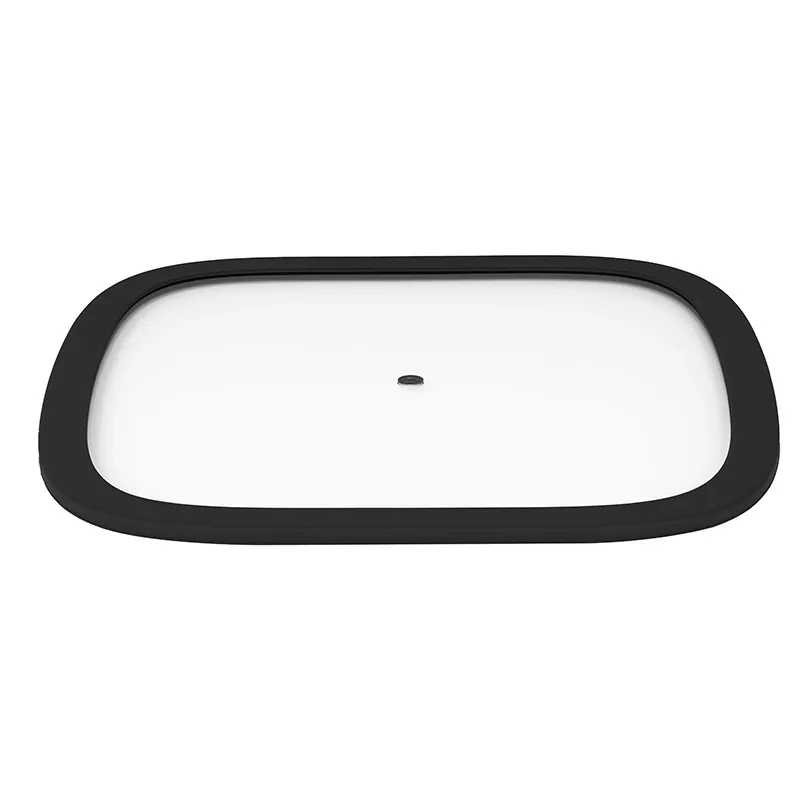
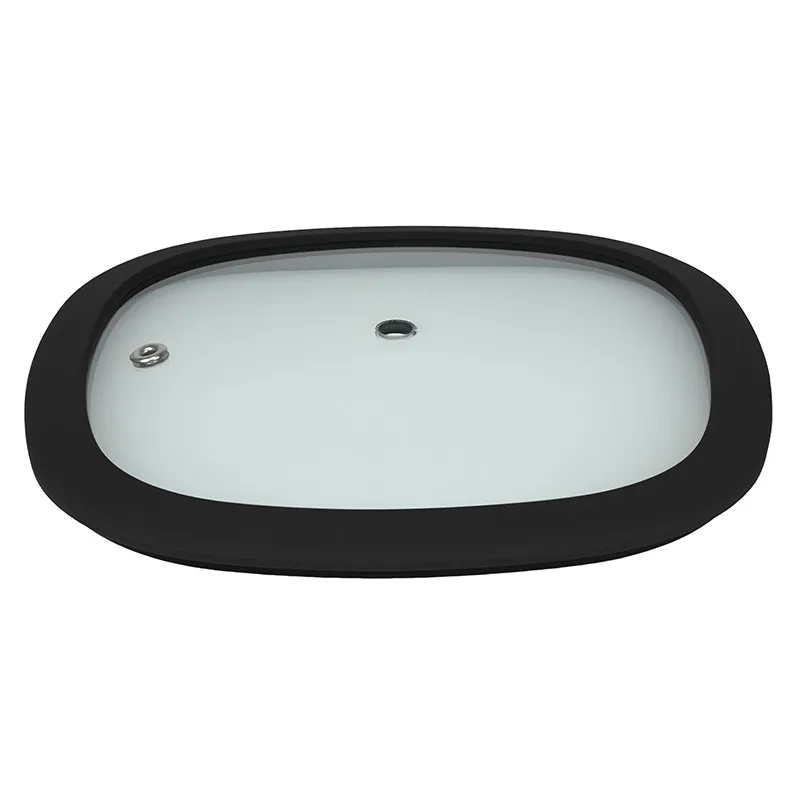
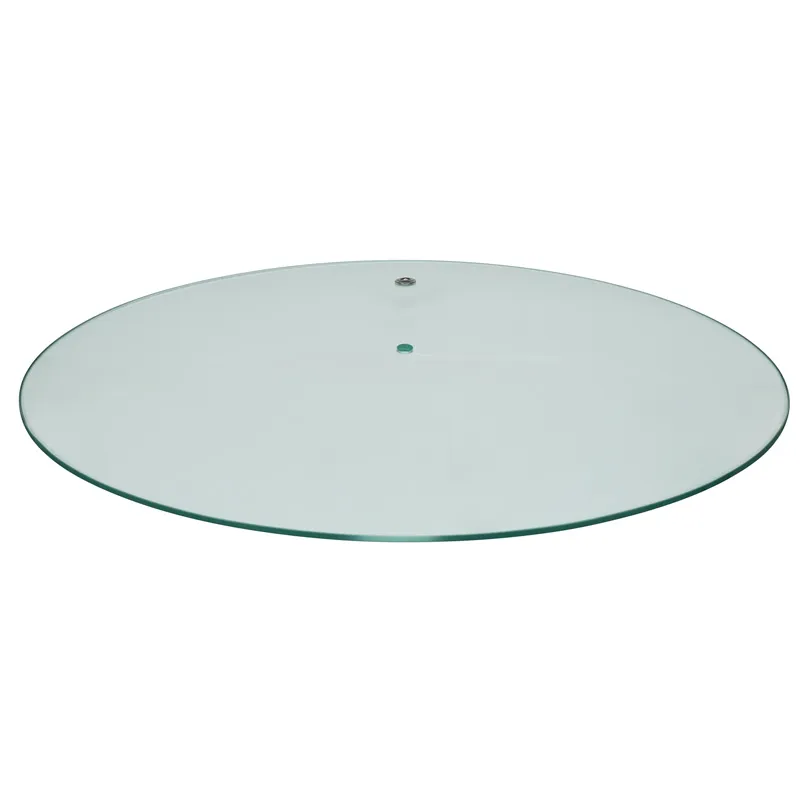
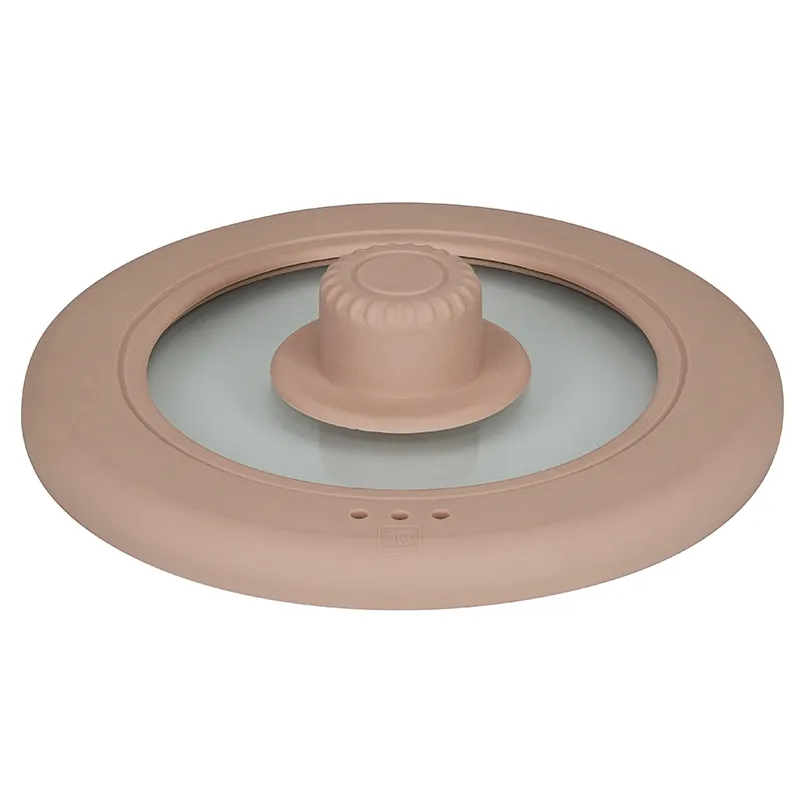
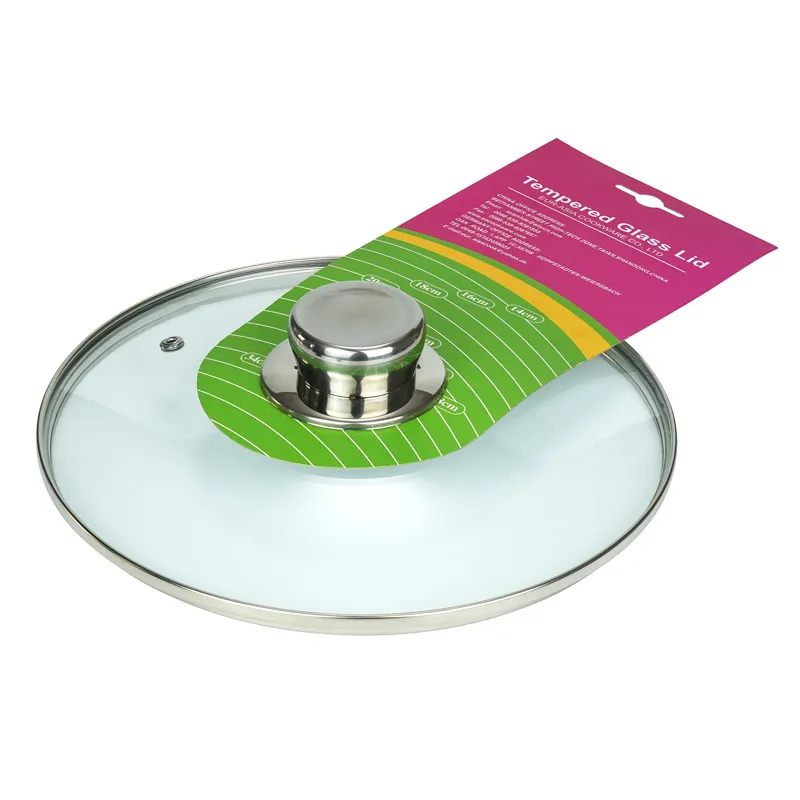
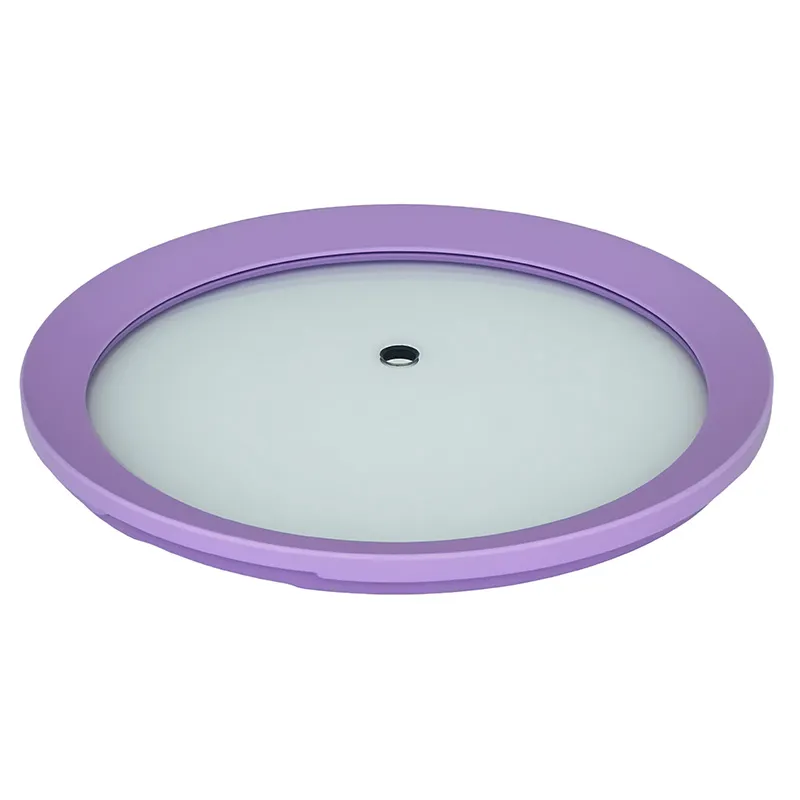
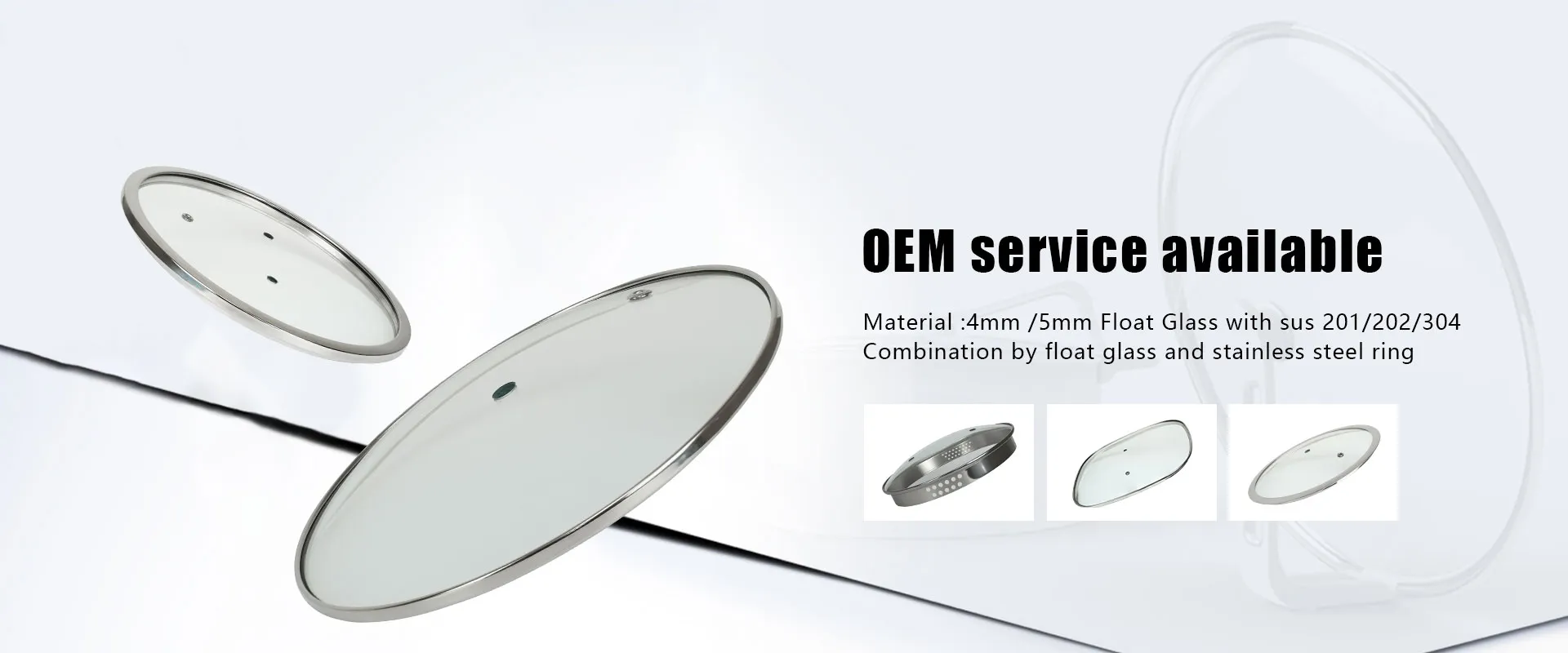
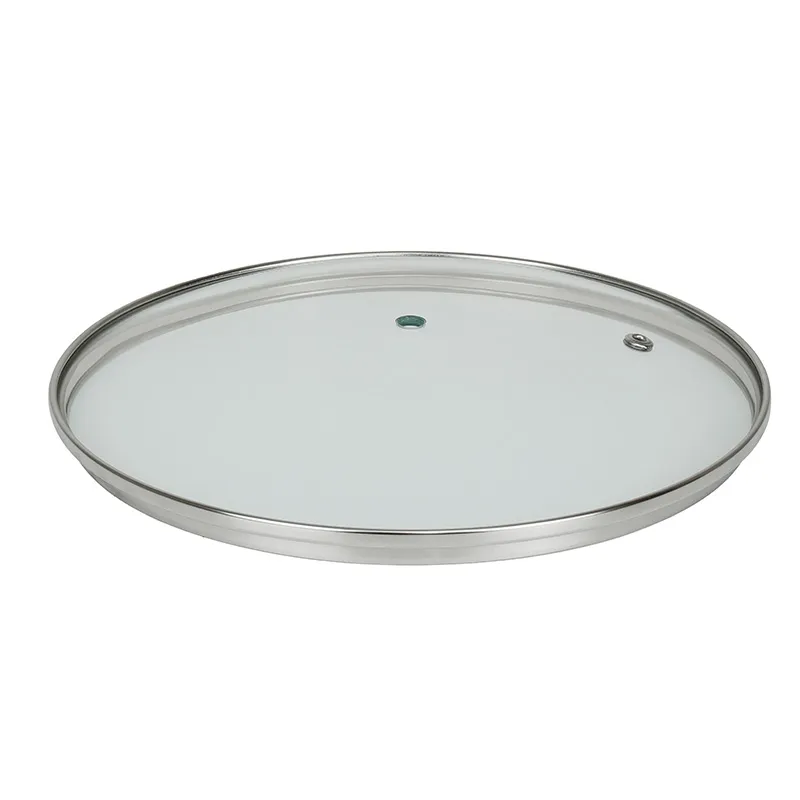
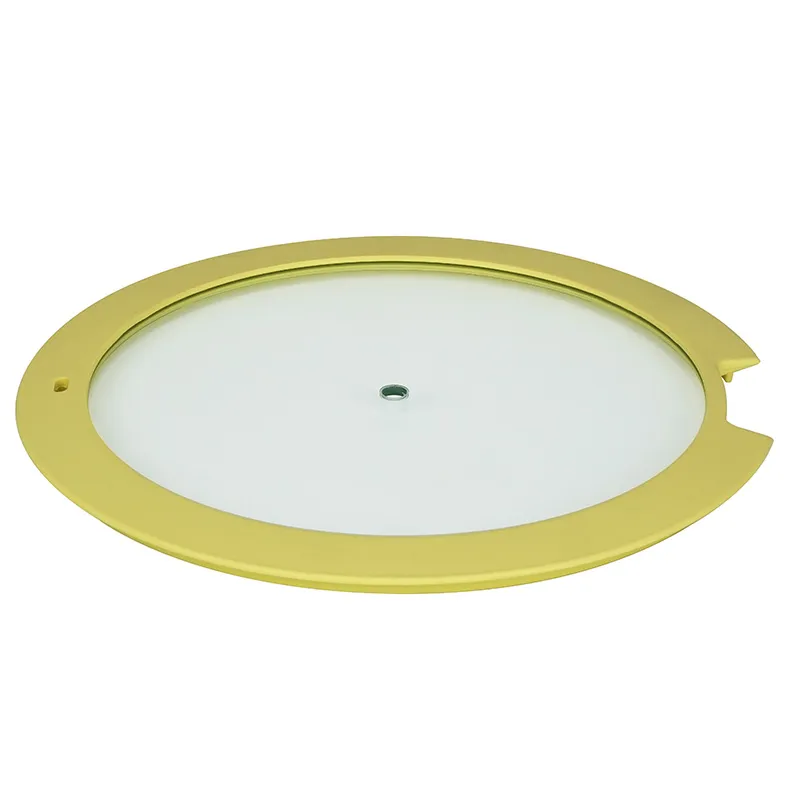
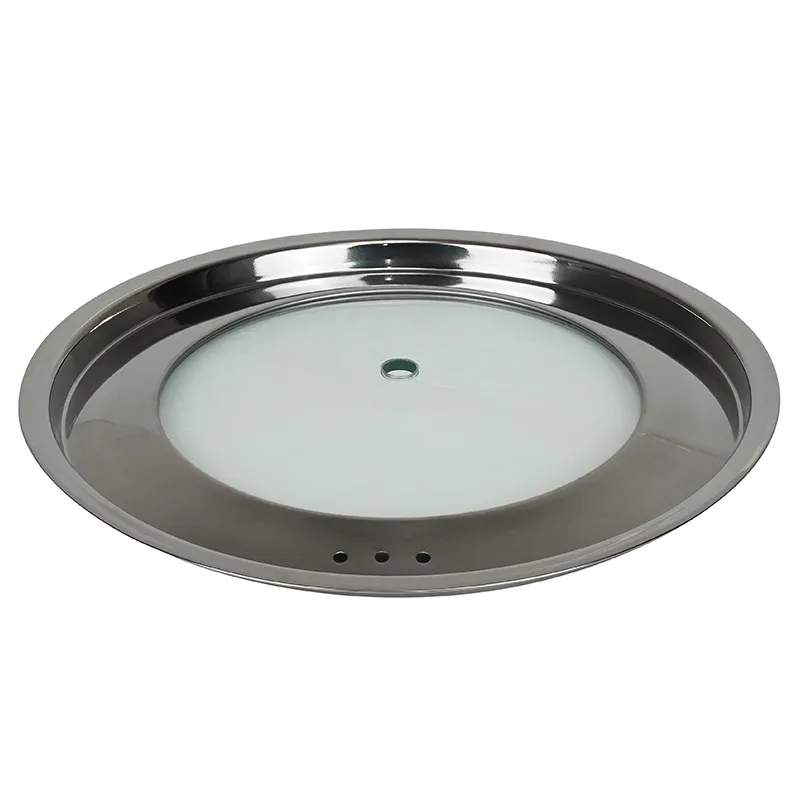
When you type 'China tempered glass cover manufacturer' into a search bar, you're probably picturing a factory churning out generic phone screen protectors. That's the first misconception. In the industrial and household goods space, a 'tempered glass cover' more often refers to things like heavy-duty lids for cookware, viewing windows for appliances, or protective panels. That's the world I've been sourcing in for over a decade. The term itself is almost too broad, and finding a real specialist means looking past the Alibaba listings that all claim to do everything. You need someone who understands not just tempering, but the specific application—like how a glass lid for a Dutch oven needs to withstand thermal shock cycles a phone screen never sees.
The Ground Truth in Shandong
Most of the real capacity isn't in the mega-cities. It's in places like Shandong's industrial zones. I remember visiting a cluster of factories there, and the difference between a general glass processor and a dedicated tempered glass cover manufacturer was immediately apparent. The specialists had separate, controlled lines for handling the edges of lids versus flat panels. Chipping on the rim isn't just a cosmetic flaw for a kitchen product; it's a food safety hazard. One visit to a plant—I think it was in Taian—stuck with me. They had this simple but effective rig for testing lid fit on various pot batches. It wasn't fancy, just a rotating carousel of sample pots, but it showed they were thinking about the end-use.
That practical focus is what separates a good supplier. I came across EUR-ASIA COOKWARE CO.,LTD. (https://www.glass-lid.com) during a deep dive for a client needing high-volume, export-quality lids. Their intro line, specialized in producing... household glass products, is a common claim. But the details told a different story: a 20,000㎡ base in Taian City's High-tech Zone, over 15 million pieces annual output specifically for tempered glass lids. That's specialization. You don't get to that scale making a bit of everything. It signals a focus on the tooling, the tempering curves for different thicknesses, and the logistics of shipping fragile items globally.
Their export footprint—over 90% to markets like Germany, Italy, Japan—is a silent testimonial. European buyers, especially for kitchenware, have brutal standards for thermal shock resistance and lead/cadmium release. A China tempered glass cover manufacturer consistently serving those markets has likely passed a gauntlet of third-party audits and product tests. It's a more reliable filter than any supplier self-assessment. It means their production isn't just about making glass; it's about making a component that integrates into a high-value finished product overseas.
Where Tempered Isn't Just a Buzzword
Tempering is a science, especially for covers. It's not a one-setting-fits-all process. The stress profile for a thick, handle-mounted glass pot lid is completely different from a thin cover for a food storage container. I've seen failures—literally, piles of shattered lids in a reject yard—from factories that tried to use the same furnace settings for both. The lid would pass a basic impact test but would spontaneously explode after a few heat-cool cycles on a pot. The failure mode is called nickel sulfide inclusion, but for the buyer, it's just a catastrophic failure in a consumer's kitchen.
A competent manufacturer will ask about the application upfront: maximum operating temperature, is it direct flame or oven use, will there be a metal rim clamped on, what's the mounting point for the handle? EUR-ASIA's focus on low- medium- high level household glass products hints at this tiered understanding. A low-level lid might be for a slow cooker (lower thermal stress). A high-level one is for a sauté pan on a gas hob. The material formula, the heating/cooling rates in the tempering furnace—all of it has to be adjusted. This is where you lose the generic suppliers.
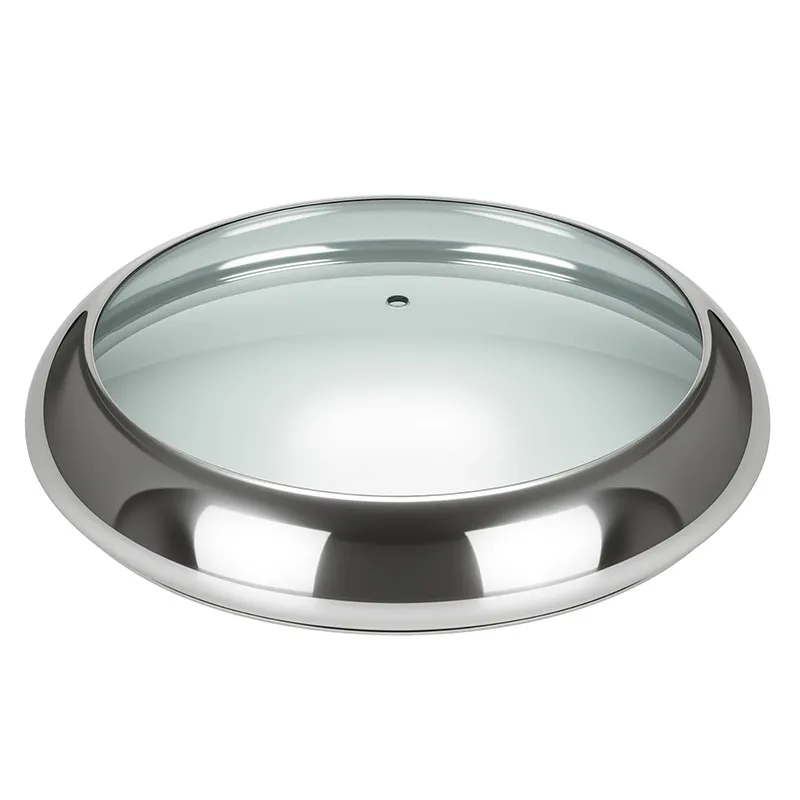
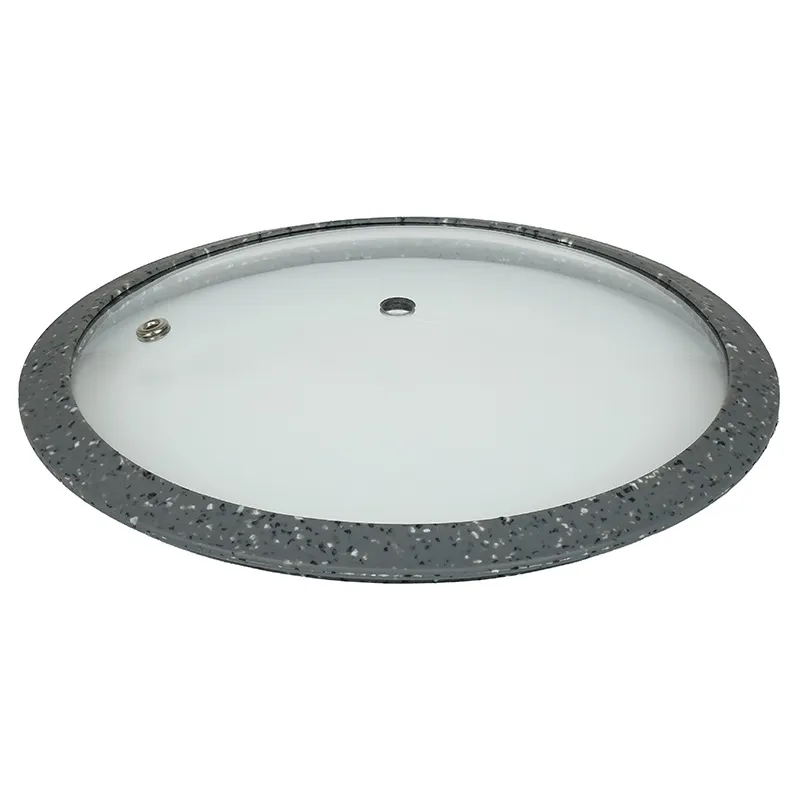
Another practical detail is the edge work. For a viewing window on a coffee machine, you might polish the edge. For a cookware lid that's going to be constantly handled and washed, you often need a seamed or wrapped edge for durability. It adds cost and a production step. A factory only set up for straight-line polishing of flat glass can't do it efficiently. When a supplier's entire output is geared toward these specific forms, like at a dedicated lid plant, the process is built around these nuances from the start.
The Logistics of Fragility
Producing 15 million tempered glass lids a year is one thing. Getting them to Europe or South America intact is another. This is a hidden competency. Packaging for tempered glass isn't just about cushioning; it's about preventing edge-to-edge contact and managing static load in a shipping container. A poorly designed carton can lead to a 30% breakage rate upon arrival, wiping out all your factory cost savings.
The good manufacturers have this down to a system. They'll often have standard, tested carton designs for different diameters and thicknesses. They understand stackability. During a factory audit, I always ask to see the packing area and the warehouse. Are the cartons sturdy? Is there foam or corrugated paper slotting that isolates each lid? Is the glass clean before packing (dust particles can cause micro-abrasions during transit)? A company exporting 90% of its product has been forced to solve these problems. Their survival depends on it.
This extends to documentation and compliance. A shipment of glass lids to the EU isn't just a commodity; it's a consumer product component. It needs the right test reports, material declarations (like Proposition 65 for the US), and customs coding. A seasoned tempered glass cover manufacturer will have these documents in a template, ready to adapt for your specific product. It's a sign they're playing the long game in export markets.
When Sourcing Goes Wrong (A Brief War Story)
Early in my career, I made the classic mistake. I sourced tempered glass covers from a factory with a great price and beautiful samples. The order was for 50,000 units. The first production batch looked perfect. But within three months of the product hitting retail shelves in Europe, we started getting returns. Not for breakage, but for a hazy, milky film appearing on the glass after dishwasher use. It was irreversible.
The failure? The factory had used a lower-grade, less chemically stable type of soda-lime glass. It couldn't withstand the aggressive detergents and high heat of European dishwashers. The tempering process was fine, but the base material was wrong. The supplier was a generalist, buying the cheapest glass float they could find. We lost the client and had to recall the batch. The lesson was brutal: a true specialist controls or specifies the raw material. They know which glass substrate is fit for which purpose. Now, I always ask, Where do you source your raw glass? Can you provide the mill certificate? A manufacturer like EUR-ASIA, with its scale and export focus, likely has stable, quality-controlled supply lines for raw glass, because their reputation with global buyers depends on it.
Looking Past the Website
A website like glass-lid.com gives you the skeleton: location, scale, export markets. The real due diligence is in the questions you ask next. For a China tempered glass cover manufacturer, my checklist now includes: Can I see your thermal shock testing protocol? What is your standard for fragment size if breakage occurs (this relates to tempering quality)? Can you provide a material safety certificate for the inks and enamels used on decorated lids? How do you handle quality control for edge chips—is it 100% inspection or sampling?
The answers separate the professionals from the order-takers. The professionals will have clear, if not perfect, answers. They might say, We do 100% visual inspection for chips over 0.5mm on the sealing surface, here's our gauge. They'll talk about their quenching air pressure settings as a key control point. They'll have a small lab with a thermal shock tester—a simple tank of room-temperature water next to a hot plate. It's these tangible, operational details that confirm capability, far more than the square footage of their building.
Ultimately, finding the right partner isn't about finding the biggest manufacturer, but the most appropriate one. For high-volume, application-specific covers, a dedicated player with deep export experience, like the operation described by EUR-ASIA, represents a lower-risk path. They've already navigated the pitfalls of material science, rigorous testing, and fragile logistics. Your job as a buyer is to verify that their specific expertise aligns with your specific product needs—whether it's a lid for a pressure cooker or a cover for a high-end food processor. The keyword search gets you started, but the real work begins when you start asking about what happens after the glass leaves the tempering furnace.
Related Products
Related Products