- Chinese
- French
- German
- Portuguese
- Spanish
- Russian
- Japanese
- Korean
- Arabic
- Irish
- Greek
- Turkish
- Italian
- Danish
- Romanian
- Indonesian
- Czech
- Afrikaans
- Swedish
- Polish
- Basque
- Catalan
- Esperanto
- Hindi
- Lao
- Albanian
- Amharic
- Armenian
- Azerbaijani
- Belarusian
- Bengali
- Bosnian
- Bulgarian
- Cebuano
- Chichewa
- Corsican
- Croatian
- Dutch
- Estonian
- Filipino
- Finnish
- Frisian
- Galician
- Georgian
- Gujarati
- Haitian
- Hausa
- Hawaiian
- Hebrew
- Hmong
- Hungarian
- Icelandic
- Igbo
- Javanese
- Kannada
- Kazakh
- Khmer
- Kurdish
- Kyrgyz
- Latin
- Latvian
- Lithuanian
- Luxembou..
- Macedonian
- Malagasy
- Malay
- Malayalam
- Maltese
- Maori
- Marathi
- Mongolian
- Burmese
- Nepali
- Norwegian
- Pashto
- Persian
- Punjabi
- Serbian
- Sesotho
- Sinhala
- Slovak
- Slovenian
- Somali
- Samoan
- Scots Gaelic
- Shona
- Sindhi
- Sundanese
- Swahili
- Tajik
- Tamil
- Telugu
- Thai
- Ukrainian
- Urdu
- Uzbek
- Vietnamese
- Welsh
- Xhosa
- Yiddish
- Yoruba
- Zulu
- Kinyarwanda
- Tatar
- Oriya
- Turkmen
- Uyghur


China tempered glass lid factory
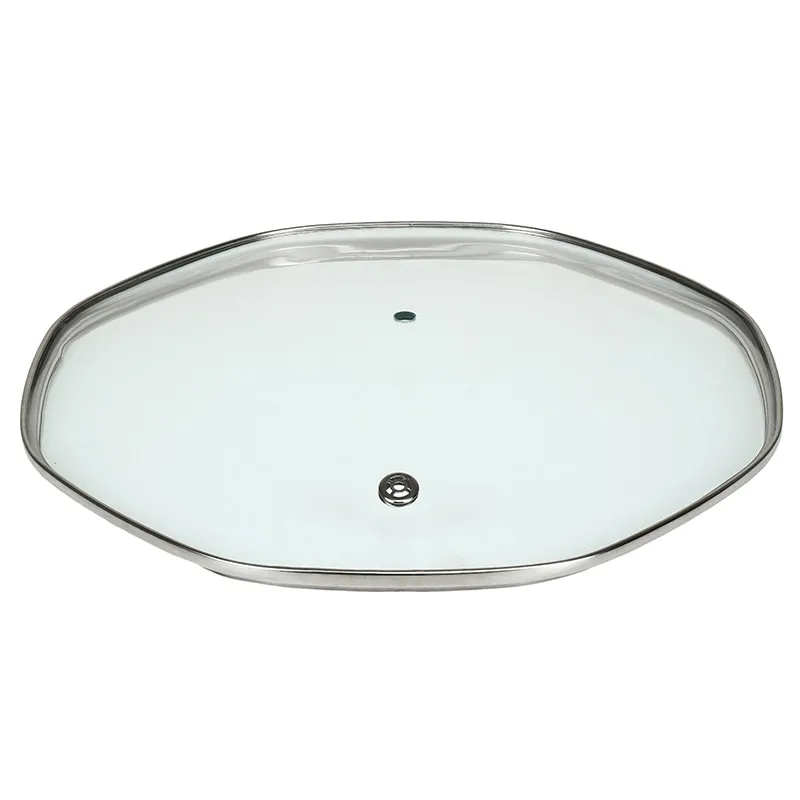
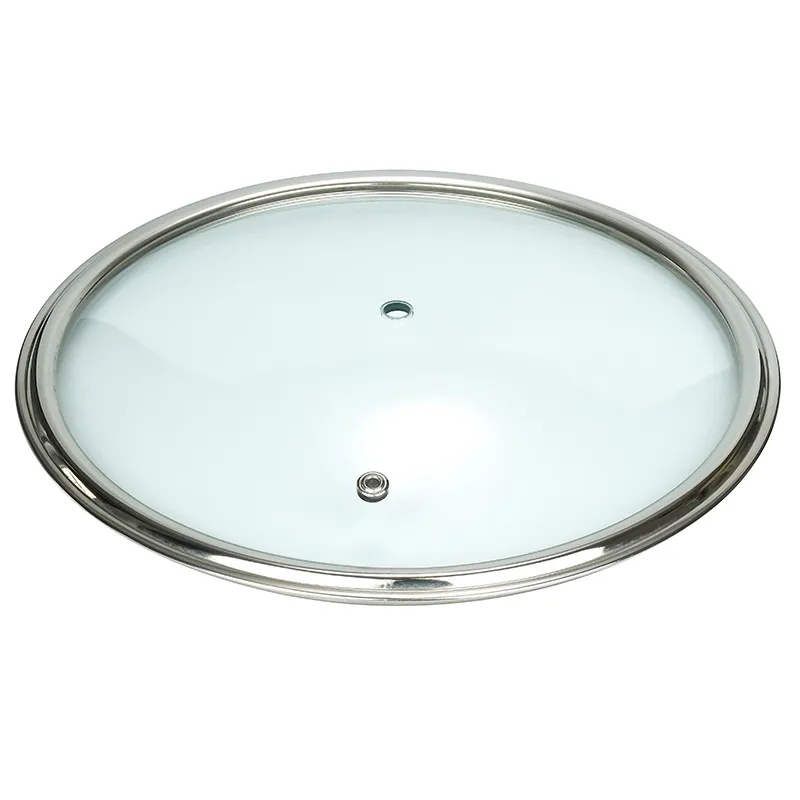
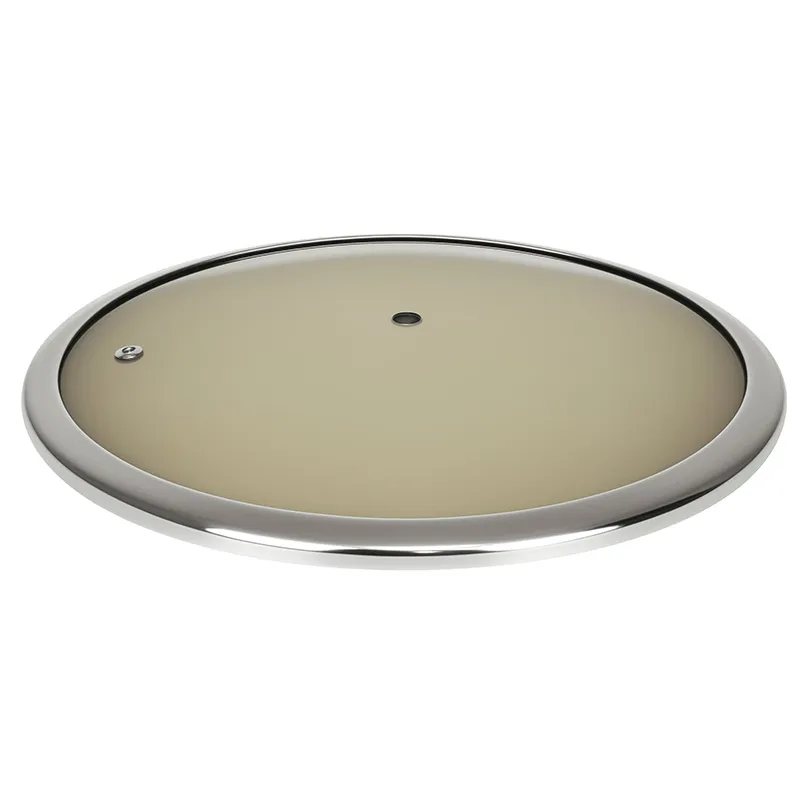
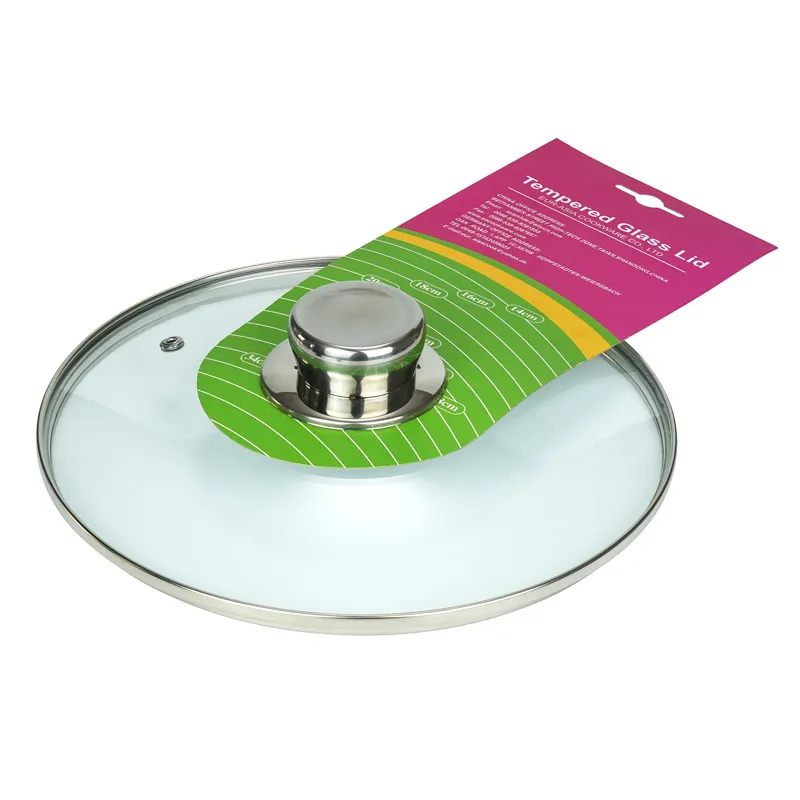
When you hear 'China tempered glass lid factory', the immediate image for many buyers is a monolithic, low-cost production line churning out identical items. That's the first misconception. The reality is far more stratified and nuanced. It's not just about making a lid; it's about understanding the specific grade of tempered glass required for a European induction hob versus a gas range in South America, the subtle differences in handle bonding that prevent failure after thousands of thermal cycles, and the logistical dance of getting fragile goods to Poland intact. Having worked with and audited several facilities, I've seen the gap between expectation and on-the-ground capability widen and narrow based on factors most sourcing agents don't even think to ask about initially.
The Landscape: More Than Just Capacity
Take a company like EUR-ASIA COOKWARE CO.,LTD. Their profile is a classic case study. Located in Taian, Shandong—a region dense with glass and metalwork—they cite an annual output of over 15 million pieces. That number alone is impressive, but it's meaningless without context. The key detail is their export focus: over 90% to Europe and other mature markets. This immediately tells you their quality benchmarks are tied to German or Danish standards, not just domestic ones. A factory catering primarily to the domestic market might use different tempering standards or edge grinding processes. The export orientation forces a certain discipline in material sourcing and process control, which you can sometimes feel (and smell, oddly—the cleaner the polishing area, the better) during a walk-through.
Their specialization in low, medium, and high-level products is also telling. It's a pragmatic admission. Not every order needs a lid that can withstand a direct drop onto stone. For a mid-range supermarket brand in France, a cost-optimized, reliably safe lid is the product. The high-level line, however, is where you see the real engineering: often involving thicker glass, specialized silicone gaskets for airtight sealing, and handle designs that undergo rigorous torque and pull testing. I remember one project where the failure point wasn't the glass, but the metal handle bracket's adhesive under prolonged steam exposure. A good tempered glass lid factory will have failure mode analysis for that, a mediocre one will just keep reapplying glue.
Capacity and specialization, however, are just the ticket to the game. The real challenges start with the specifics. A factory might claim capability for 'all sizes', but their existing mold library for bending and tempering racks dictates their economic batch quantities. Requesting a 34cm oval lid when their tooling is optimized for 28cm and 32cm rounds can send their cost calculations—and your timeline—into disarray. This is where the initial technical questionnaire often falls short. You need to ask about their existing die sets, the turnaround time for a new one, and who bears that cost. It's these gritty details that separate a smooth project from a protracted negotiation.
The Critical Process: Where Things Actually Go Wrong
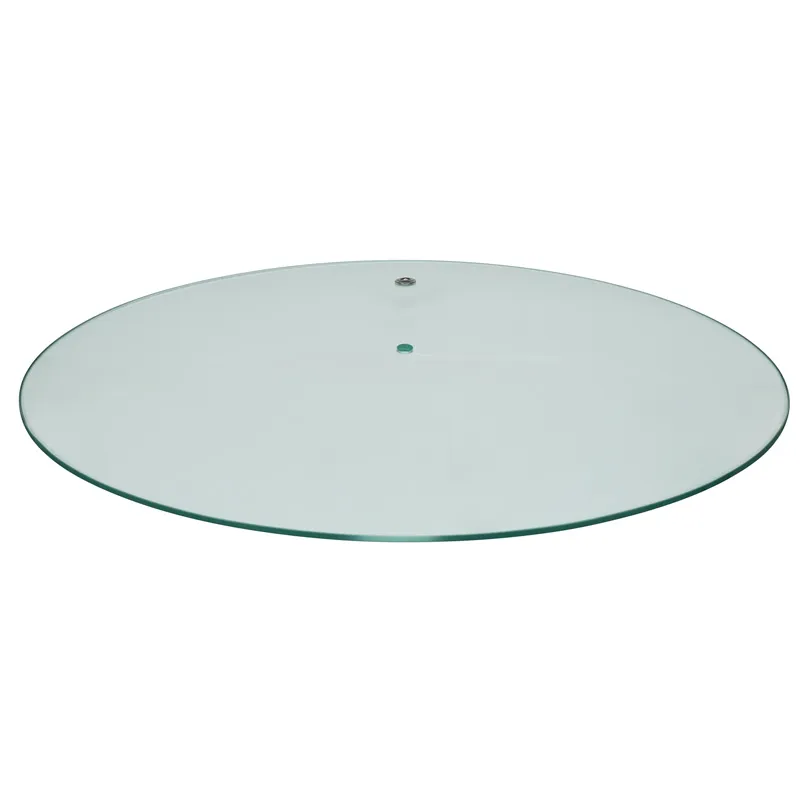
Tempering seems straightforward: heat and rapid cool. But for lids, the geometry is a nightmare compared to flat panels. The bending process before tempering is critical. If the heating isn't perfectly even, you get optical distortions—wavy areas that, while not affecting safety, will cause a customer to reject the item as 'defective'. I've seen entire batches rejected by a German inspector for distortions visible only at a specific angle under fluorescent light. The factory, of course, argued it was within standard. They were technically right, but commercially wrong. A seasoned China glass lid producer knows these unspoken optical standards for each market.
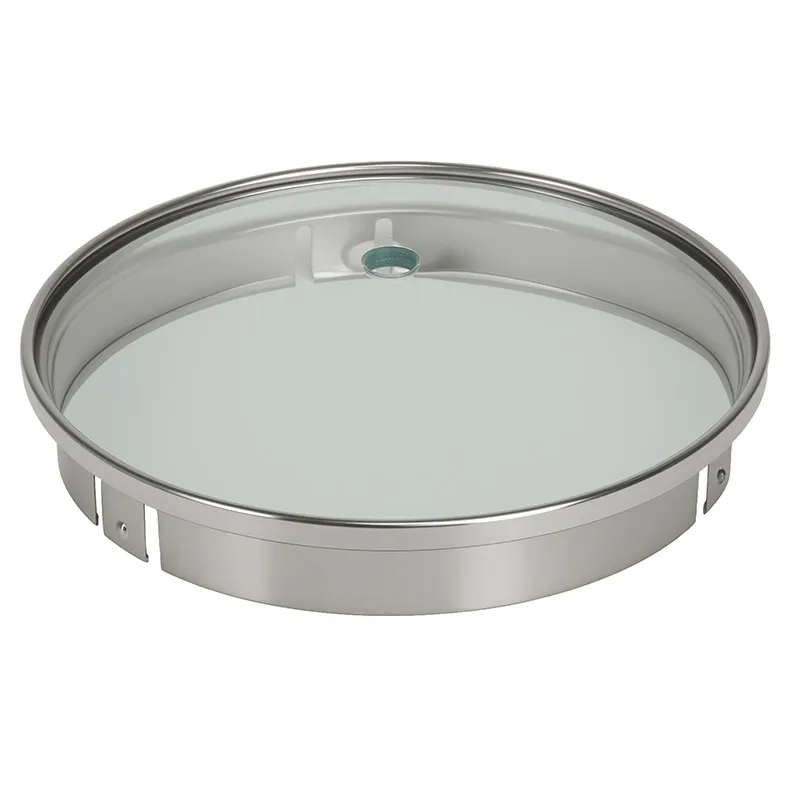
Then there's the edge work. Cut glass is sharp. The grinding and polishing stage is labor-intensive and often a bottleneck. Automated lines exist, but for the varied shapes and sizes of lids, a lot of work is still manual or semi-automated. The consistency of the polished edge radius is a direct indicator of factory floor management. Chipped edges discovered after packaging are a common and costly error, pointing to issues in final inspection or handling. EUR-ASIA's building area of 15,000㎡ suggests a sizable operation; the question is how much of that is dedicated to a logical, linear workflow from raw glass cutting to final packing, minimizing unnecessary movement and handling damage.
Another under-discussed point is the packaging. It's not an afterthought. A lid is a large, thin, fragile object. The design of the cardboard sleeve, the corrugated partition, and the master carton's stacking strength are all part of the product when it lands overseas. A failure here results in a container of broken glass, and the blame game begins. A competent factory will have drop-test reports for their packaging. If they don't, that's a red flag. Their export volume to distant markets like Brazil or Turkey mentioned on their site glass-lid.com implies they've had to solve these logistics puzzles repeatedly.
Beyond the Factory Floor: The Supply Chain Reality
The factory is just one node. Their raw material—the clear or tinted glass sheets—comes from elsewhere. Fluctuations in soda ash or silica sand prices, or environmental policy shifts shutting down subpar suppliers, can cause material quality variances. A sharp factory manager will have long-term contracts with reliable float glass producers. During audits, I always ask to see material certificates and traceability logs. Can they trace a batch of finished lids back to the specific batch of glass it came from? This is crucial for managing any potential material defect recalls.
Similarly, the ancillary components: handles, knobs, silicone seals, metal rims. Are these made in-house or outsourced? Many integrated factories in Taian do metal stamping and silicone molding on-site, which grants better control over lead times and quality consistency. For a company with 90+ employees, having some vertical integration is likely. If outsourced, what's the quality approval process for incoming parts? I recall a case where the stainless steel handle stems from a subcontractor had a slightly different alloy mix, leading to corrosion spots after dishwasher cycles—a failure that took months to diagnose.
Finally, the human element. With over 90 employees, training and retention matter. Tempering furnace operators, quality inspectors—their experience directly impacts yield. High turnover can lead to inconsistency. The location in a National High-tech Development Zone might offer more stable labor and potentially better technical oversight, which is a positive sign. But it's always worth asking about training protocols and how they capture operational knowledge.
Case in Point: Learning from Specific Demands
Let's talk about a concrete, though anonymized, example. A European client wanted a 26cm lid with a built-in steam vent and a silicone seal for pressure cooker compatibility. The challenge wasn't the hole—it was the metal vent insert. Ensuring a perfect, food-safe seal between the metal insert and the tempered glass, which expands and contracts at a different rate, was the hurdle. The first prototype failed the pressure cycle test; the silicone gasket extruded. The solution involved a redesign of the glass recess, a harder grade of silicone, and a specific curing process for the adhesive. A factory without R&D patience would have given up. The project highlighted that a true production partner needs problem-solving capacity, not just production capacity. The profile of EUR-ASIA, emphasizing a range from low to high level, suggests they are structured to engage in such development, likely housing a small technical team to handle these custom requests that inevitably come from diverse markets like Italy or Japan.
Another common demand is logos and markings. Silk-screen printing on tempered glass is tricky. The ink must withstand thermal shock and dishwasher detergent. The adhesion test—using a cross-hatch cutter and tape—is simple but vital. I've seen prints that look perfect chip off after three wash cycles. A reliable factory will have a validated process, specifying ink brand, curing temperature, and pre-treatment. Their website's mention of supplying various levels of products implies they've navigated these branding requirements for different clients, from simple size etchings to full-color logos.
Failures are the best teachers. An early mistake I witnessed was not defining the 'acceptable quality level' (AQL) for minor visual defects specifically enough. The factory shipment passed a standard AQL 2.5 for critical/major defects, but contained a high percentage of lids with tiny, almost invisible bubbles in the glass layer (a material flaw). They were not 'critical' for safety, but the client's market deemed them unsellable. The lesson? Your inspection standard must be co-developed with the factory, referencing physical samples, not just a generic ISO document. This level of detailed communication separates successful long-term partnerships from transactional, conflict-ridden ones.
Conclusion: The Pragmatic Assessment
So, what does a 'good' China tempered glass lid factory look like? It's not the shiniest or the biggest. It's one that demonstrates control. Control over its processes (from bending to packing), control over its supply chain (material traceability), and control over communication (managing expectations around specs and defects). A site like glass-lid.com for EUR-ASIA gives you the skeleton: location, size, export focus, product range. The flesh and blood come from asking the next-layer questions about their largest existing lid size, their standard packaging drop-test height, their policy on tooling costs for new shapes, and how they handle a customer complaint about optical distortion.
Their stated export footprint across Europe, Asia, and South America is, in itself, a testament to having navigated a multitude of standards and retailer requirements. It suggests adaptability. In this industry, that's as valuable as the tempering furnace itself. The final takeaway is to look beyond the keyword. See it as a starting point for a deep dive into capability, not just capacity. The factory floor tells the real story, one batch of lids at a time.
Related Products
Related Products