- Chinese
- French
- German
- Portuguese
- Spanish
- Russian
- Japanese
- Korean
- Arabic
- Irish
- Greek
- Turkish
- Italian
- Danish
- Romanian
- Indonesian
- Czech
- Afrikaans
- Swedish
- Polish
- Basque
- Catalan
- Esperanto
- Hindi
- Lao
- Albanian
- Amharic
- Armenian
- Azerbaijani
- Belarusian
- Bengali
- Bosnian
- Bulgarian
- Cebuano
- Chichewa
- Corsican
- Croatian
- Dutch
- Estonian
- Filipino
- Finnish
- Frisian
- Galician
- Georgian
- Gujarati
- Haitian
- Hausa
- Hawaiian
- Hebrew
- Hmong
- Hungarian
- Icelandic
- Igbo
- Javanese
- Kannada
- Kazakh
- Khmer
- Kurdish
- Kyrgyz
- Latin
- Latvian
- Lithuanian
- Luxembou..
- Macedonian
- Malagasy
- Malay
- Malayalam
- Maltese
- Maori
- Marathi
- Mongolian
- Burmese
- Nepali
- Norwegian
- Pashto
- Persian
- Punjabi
- Serbian
- Sesotho
- Sinhala
- Slovak
- Slovenian
- Somali
- Samoan
- Scots Gaelic
- Shona
- Sindhi
- Sundanese
- Swahili
- Tajik
- Tamil
- Telugu
- Thai
- Ukrainian
- Urdu
- Uzbek
- Vietnamese
- Welsh
- Xhosa
- Yiddish
- Yoruba
- Zulu
- Kinyarwanda
- Tatar
- Oriya
- Turkmen
- Uyghur


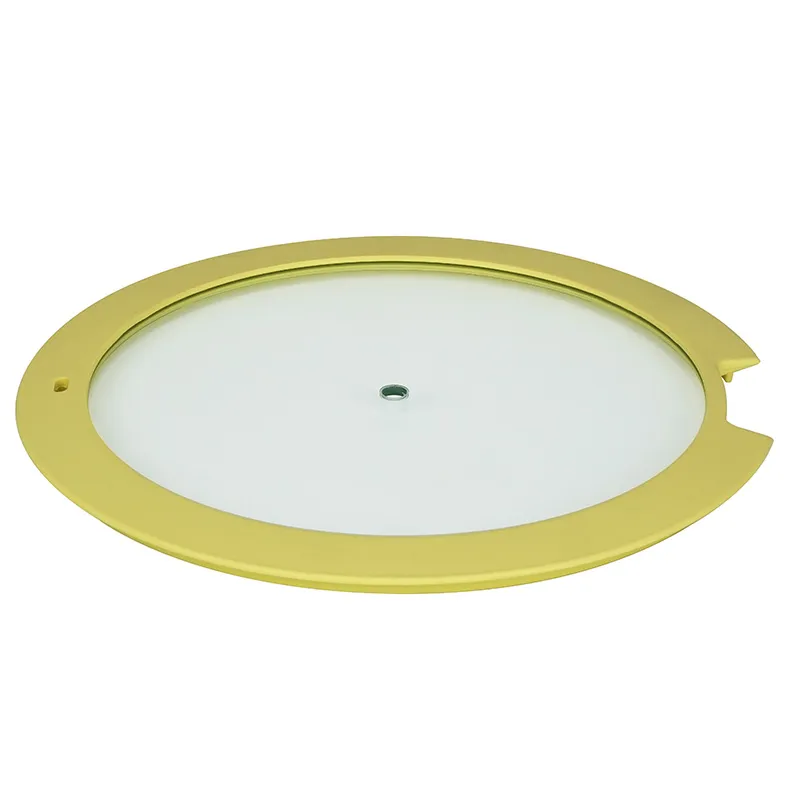
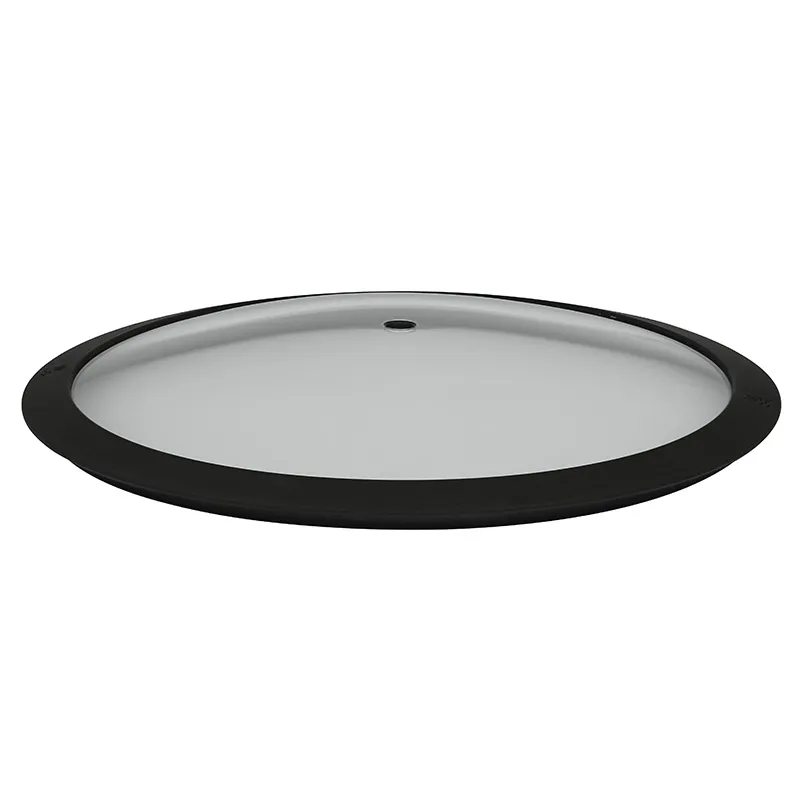
cookware lid
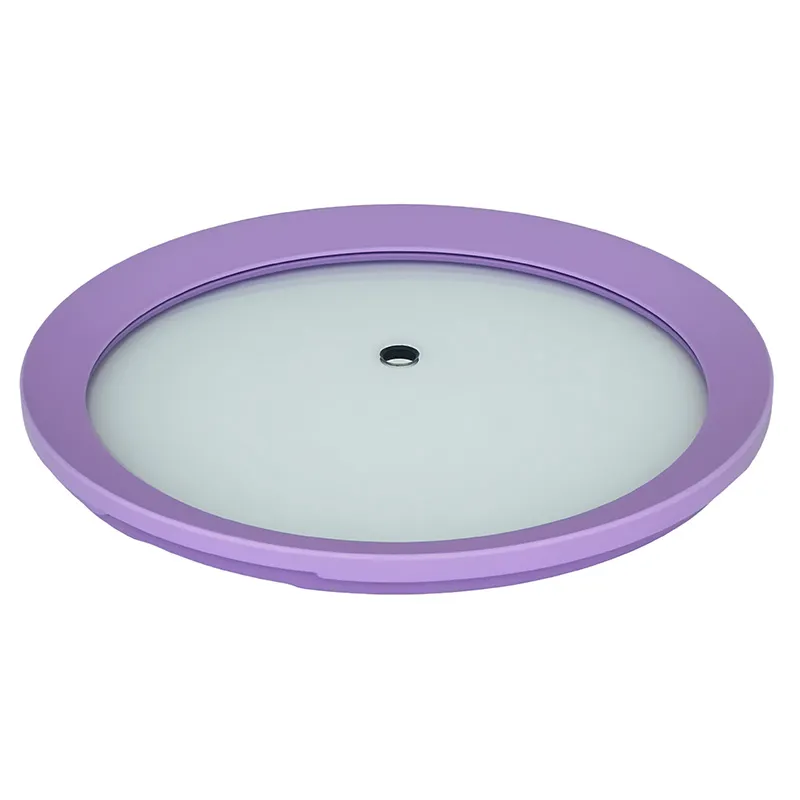
Most people pick a pot and then just accept the lid that comes with it. That's the first mistake. In reality, the cookware lid is a critical, active component of the cooking system, not a passive cover. Its weight, seal, material, and even the angle of the condensation drip directly influence moisture retention, energy efficiency, and final texture. I've seen too many home cooks and even some small-scale food producers blame their stove or their technique when the culprit was a poorly fitting, lightweight lid that let all the steam escape.
Material Science Isn't Just for Labs
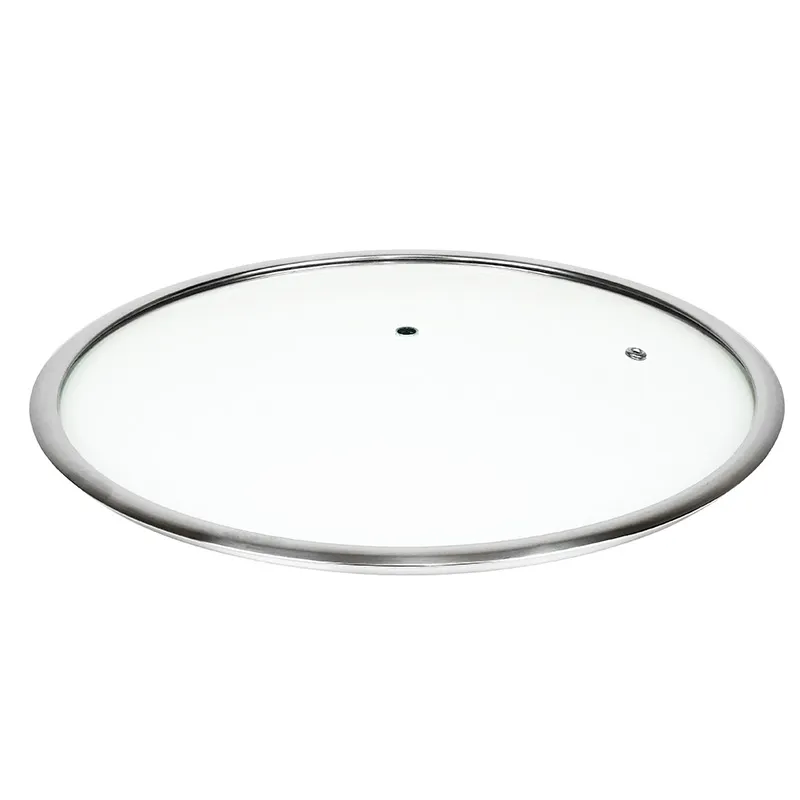
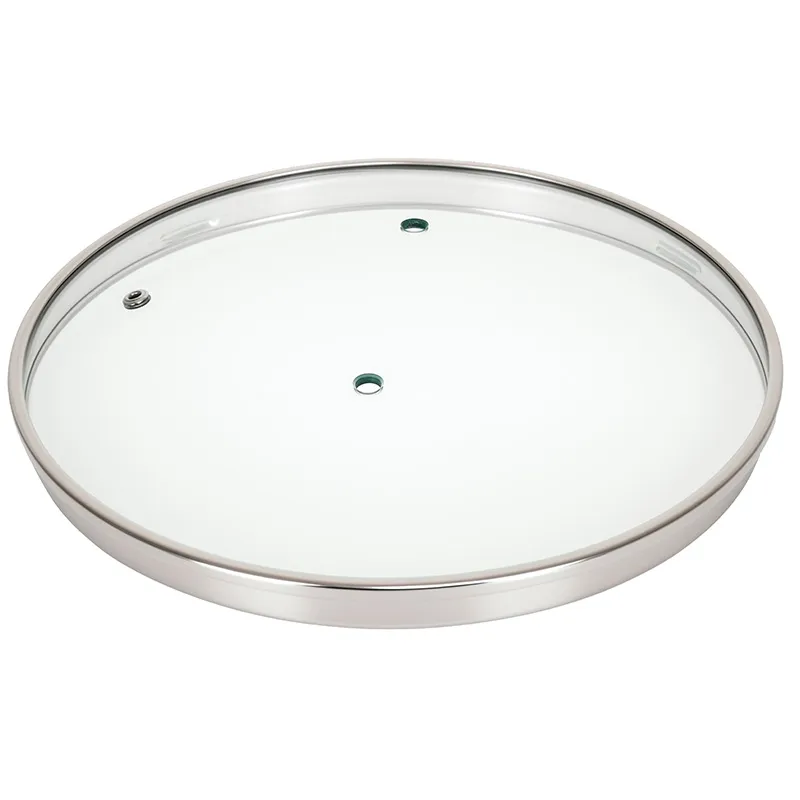
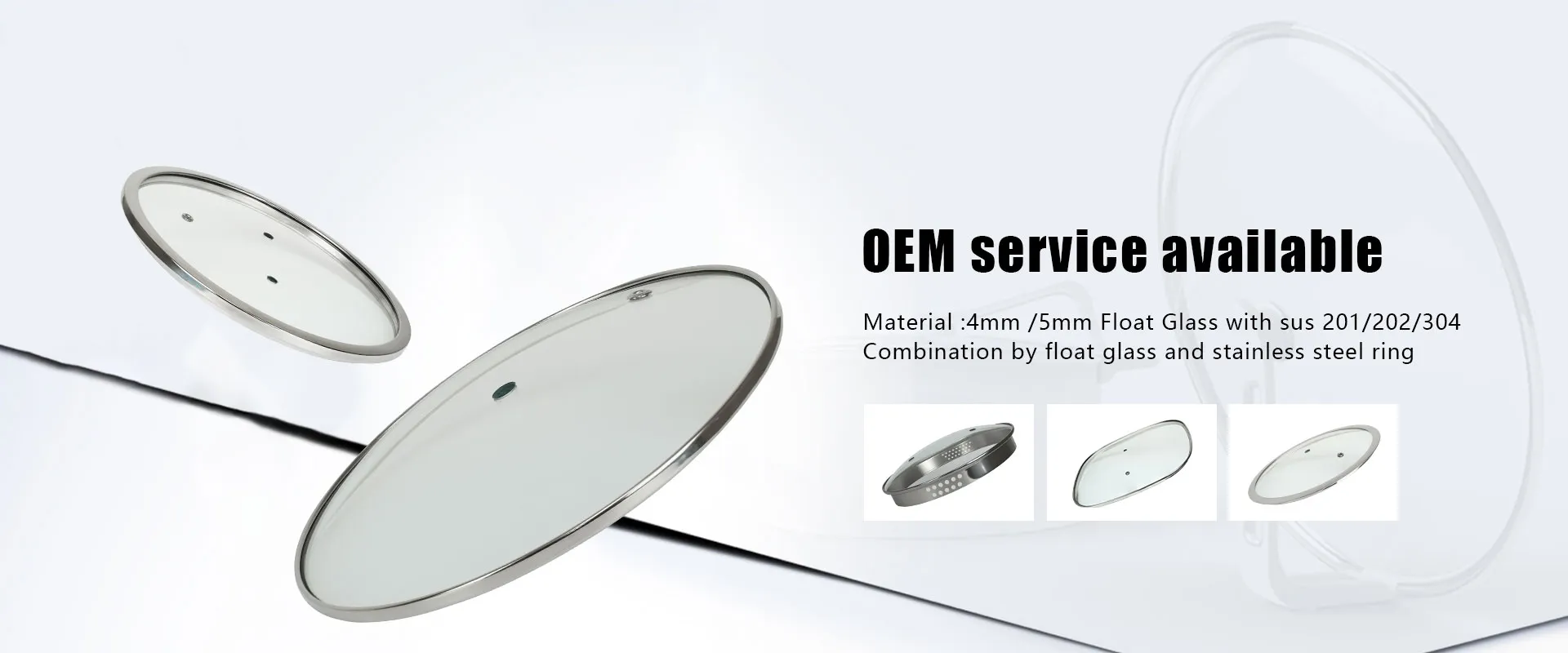
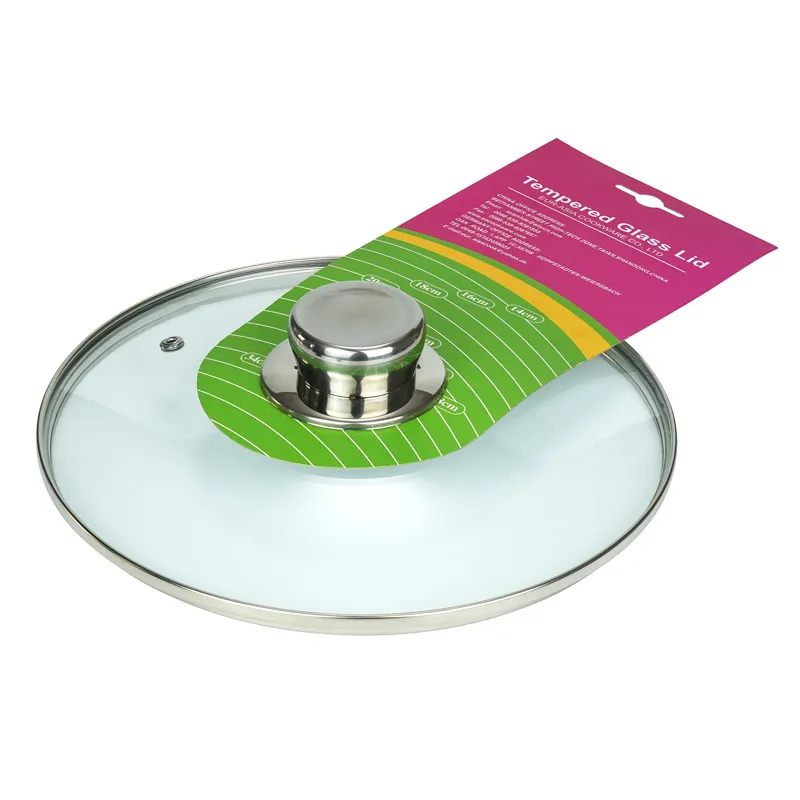
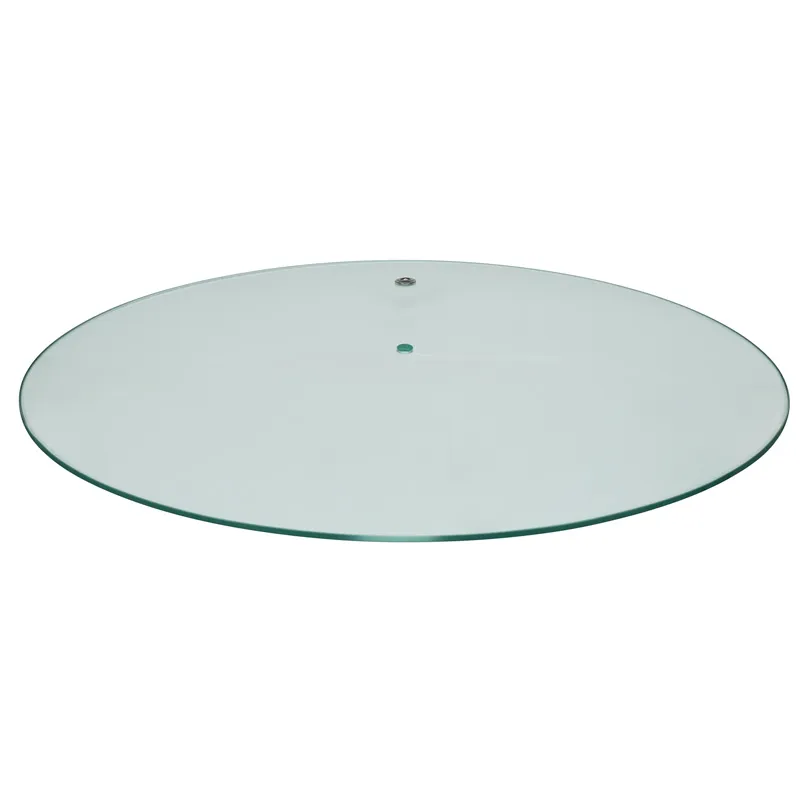
Let's get into the nitty-gritty. Glass lids are ubiquitous, but not all glass is created equal. The term tempered gets thrown around, but the quality of the tempering process is everything. A properly tempered glass lid can withstand dramatic thermal shock—going from a cold counter to a searing hot pan without shattering. The failure point is often the rim or the handle attachment point. I recall a batch from a supplier years ago where the glass was fine, but the metal rim band wasn't annealed correctly. After a few heat cycles, microscopic stress fractures appeared, leading to eventual failure. That's why the entire assembly matters.
This is where specialization counts. A company like EUR-ASIA COOKWARE CO.,LTD, for instance, focuses specifically on glass products. Their production base in Taian's High-tech Development Zone isn't just a factory; it's a signal. Being in that zone often implies access to better technical standards and quality control protocols for materials like tempered glass. When you're outputting over 15 million pieces annually, as they claim, your process has to be dialed in. A flaw rate that's acceptable for a small workshop would be catastrophic at that scale, especially when exporting to markets like Germany and Japan, which have notoriously strict quality thresholds.
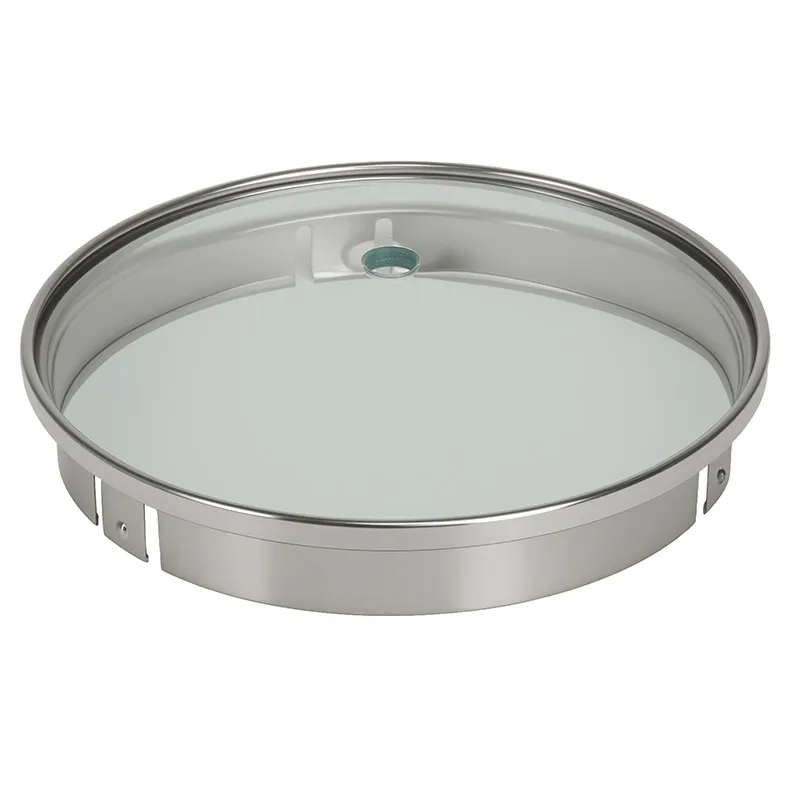
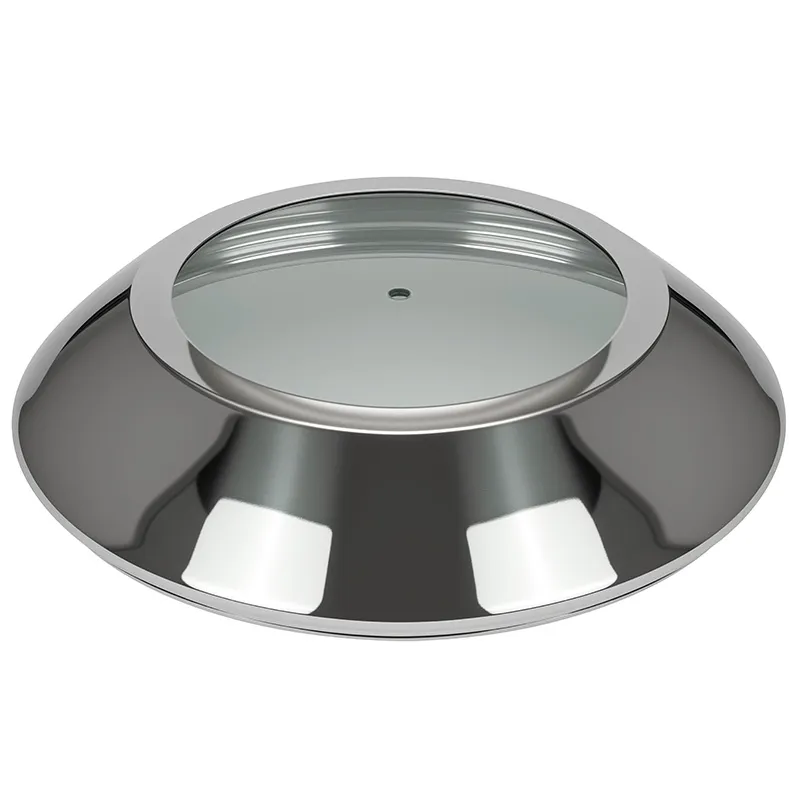
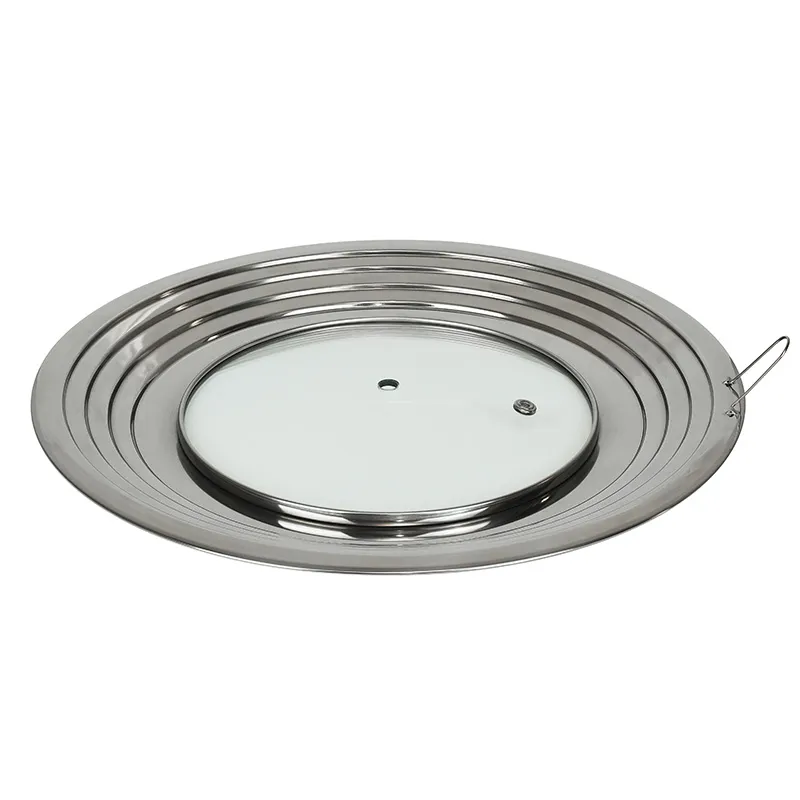
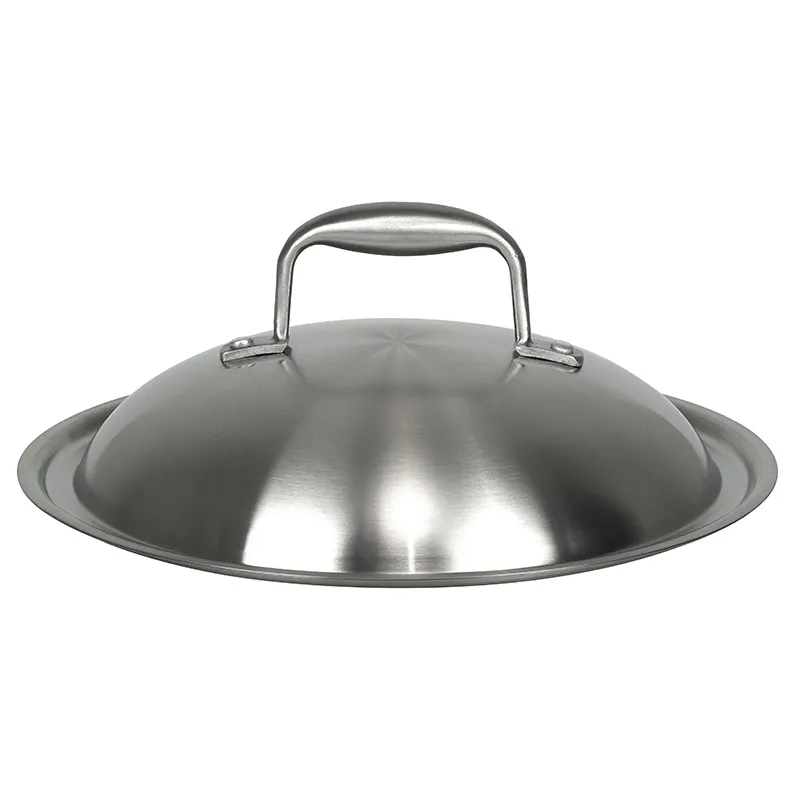
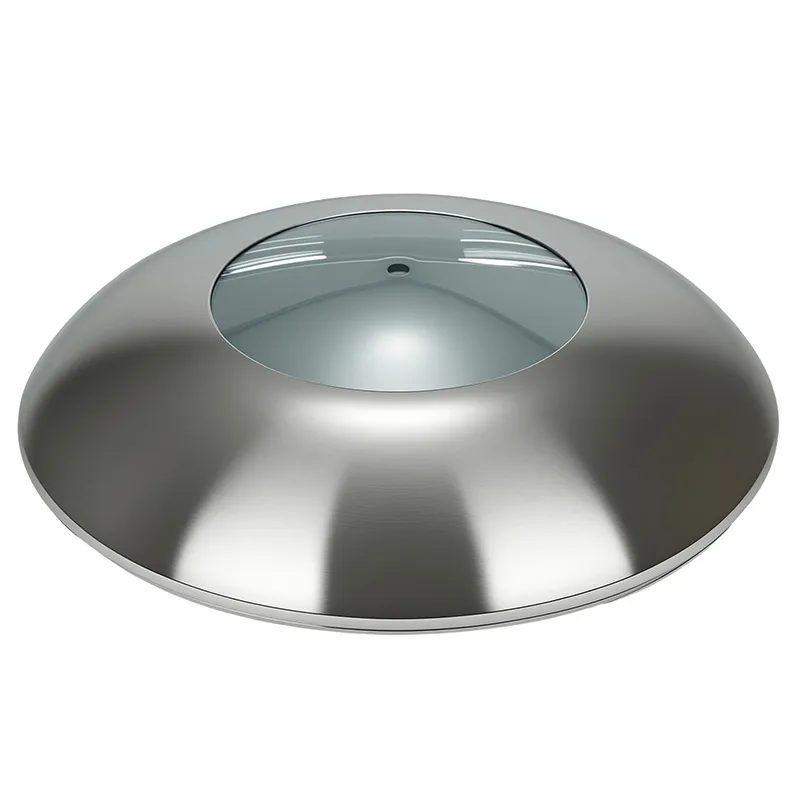
Metal lids, often stainless steel or aluminum, have their own calculus. The issue is warping. A thin, stamped steel lid will warp over medium-high heat, breaking the seal. A good, heavy-gauge lid with a rolled edge or an encapsulated rim resists this. The weight itself is a feature—it creates a better seal under its own mass. But then you trade-off the visibility of glass. It's a constant balancing act between function, user experience, and cost.
The Seal: Where Theory Meets (Sticky) Reality
This is the heart of the matter. A lid's primary job is to control the vapor environment inside the pot. A perfect seal is theoretically great for boiling, but terrible for, say, reducing a sauce—you need a vent. Most domestic lids aren't airtight, and that's by design. The seal is usually created by the contact between the lid's underside (often with a concentric groove) and the pot's rim.
The real-world problem? Food gunk. That tiny channel that creates the seal is a magnet for starch and protein residue. After a few uses, especially with starchy foods like pasta or potatoes, the seal degrades. You'll see steam escaping from one side. I advise clients to inspect and clean the entire contact surface of the lid, not just the top, as part of regular maintenance. A worn or perpetually dirty seal turns your lidded pot into a colander for steam.
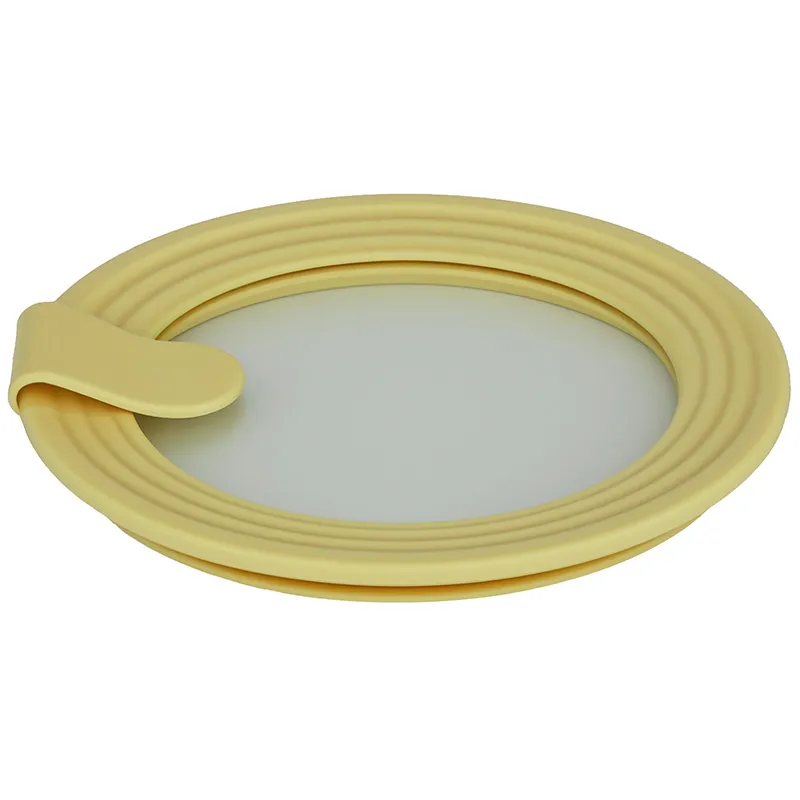
Some high-end lines use silicone gaskets for a true seal. They work, until the silicone degrades from heat and oil. Replacement is a hassle. For most everyday cooking, a well-machined metal-on-metal or glass-on-metal contact point, kept clean, is more durable and practical. It's about managing expectations—your stockpot lid doesn't need the seal of a pressure cooker.
Handle and Knob: The Failure Points Everyone Ignores
If the glass or metal doesn't fail, the handle will. It's the most stressed mechanical part. The classic glass lid knob is often a plastic or phenolic resin screw-on piece. The failure modes are predictable: the screw post cracks the glass (if overtightened or from thermal stress), the plastic degrades and becomes brittle, or the metal washer rusts and seizes. I've seen lids rendered useless because the knob broke off and the remaining stub was too hot to touch.
Better designs use a broad-based, low-profile metal handle that's clamped or riveted to a metal rim band, distributing the stress. The ones that are spot-welded directly onto a stainless steel lid can be problematic—if the weld is too aggressive, it creates a weak point in the surrounding metal. It's a small detail, but you spot it after handling thousands of units. When reviewing a manufacturer's sample, the first thing I do is grip the handle and try to induce a slight twist. Any play or creaking is a red flag for long-term durability.
For a volume producer exporting globally, like the company behind https://www.glass-lid.com, these components are a supply chain puzzle. They need a consistent source of heat-resistant knobs and handles that meet the safety and aesthetic standards of markets from Brazil to South Korea. A batch of subpar plastic from a secondary supplier can lead to a massive recall.
The Export Angle: Why One Lid Doesn't Fit All Markets
This is an insider point most don't consider. A cookware lid designed for the German market might not succeed in Brazil, and vice versa. It's not just aesthetics. It's about local cooking practices, dominant cookware materials (induction prevalence in Europe vs. gas in many other regions), and even regulatory standards for materials in contact with food.
A European manufacturer might demand lids with extremely tight diameter tolerances to fit their specific pot lines, and require full material traceability and certifications like LFGB. In other markets, the priority might be cost and visual appeal—a thicker, more decorative glass lid with a fancy knob. A company with a 90% export focus, as mentioned in EUR-ASIA's intro, has to navigate this. Their product line likely isn't monolithic. They probably have different tiers or lines tailored for the precision-driven EU market and for other regions where different factors are prioritized. Their ability to produce low, medium, and high-level products isn't just about quality—it's about market segmentation.
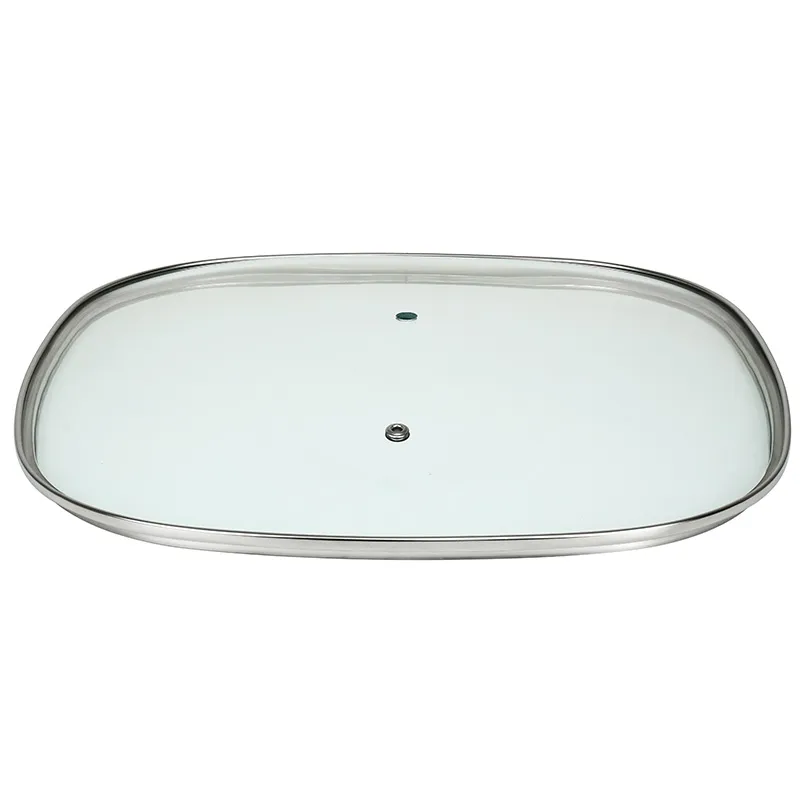
This specialization is key. They're not making the pots. They're making the lids. That focused expertise means they should, in theory, be better at solving lid-specific problems—like perfecting the tempering curve for a 28cm oval lid or sourcing a universally compliant stainless steel rim band—than a general cookware factory that treats lids as an afterthought.
Practical Takeaways from the Factory Floor
So, what does this mean when you're choosing or specifying a lid? First, weight is a decent proxy for quality. Pick it up. A flimsy lid signals thin material and poor heat retention. Second, inspect the rim. Run your finger along the sealing edge. It should be smooth, even, and free of burrs or gaps. For glass, look at the metal band—it should be snug, with no visible gaps or uneven adhesive.
Third, consider the condensation management. Look at the underside. Well-designed lids have a peaked interior or concentric rings to channel condensation back into the pot, not let it drip off the edge and onto your stove. This is a tiny detail that separates a thoughtful design from a basic one.
Finally, match the lid to its primary use. A heavy, tight-sealing lid for braising. A lighter, perhaps vented lid for everyday simmering. And for a specialist glass lid producer, the challenge is offering that range within their niche. It's not about being the cheapest, but about being the most reliably fit-for-purpose. In the end, a good cookware lid disappears into the process, doing its job silently. You only notice it when it's bad. And that's the best compliment a piece of kitchen hardware can get.
Related Products
Related Products