- Chinese
- French
- German
- Portuguese
- Spanish
- Russian
- Japanese
- Korean
- Arabic
- Irish
- Greek
- Turkish
- Italian
- Danish
- Romanian
- Indonesian
- Czech
- Afrikaans
- Swedish
- Polish
- Basque
- Catalan
- Esperanto
- Hindi
- Lao
- Albanian
- Amharic
- Armenian
- Azerbaijani
- Belarusian
- Bengali
- Bosnian
- Bulgarian
- Cebuano
- Chichewa
- Corsican
- Croatian
- Dutch
- Estonian
- Filipino
- Finnish
- Frisian
- Galician
- Georgian
- Gujarati
- Haitian
- Hausa
- Hawaiian
- Hebrew
- Hmong
- Hungarian
- Icelandic
- Igbo
- Javanese
- Kannada
- Kazakh
- Khmer
- Kurdish
- Kyrgyz
- Latin
- Latvian
- Lithuanian
- Luxembou..
- Macedonian
- Malagasy
- Malay
- Malayalam
- Maltese
- Maori
- Marathi
- Mongolian
- Burmese
- Nepali
- Norwegian
- Pashto
- Persian
- Punjabi
- Serbian
- Sesotho
- Sinhala
- Slovak
- Slovenian
- Somali
- Samoan
- Scots Gaelic
- Shona
- Sindhi
- Sundanese
- Swahili
- Tajik
- Tamil
- Telugu
- Thai
- Ukrainian
- Urdu
- Uzbek
- Vietnamese
- Welsh
- Xhosa
- Yiddish
- Yoruba
- Zulu
- Kinyarwanda
- Tatar
- Oriya
- Turkmen
- Uyghur


cookware lids
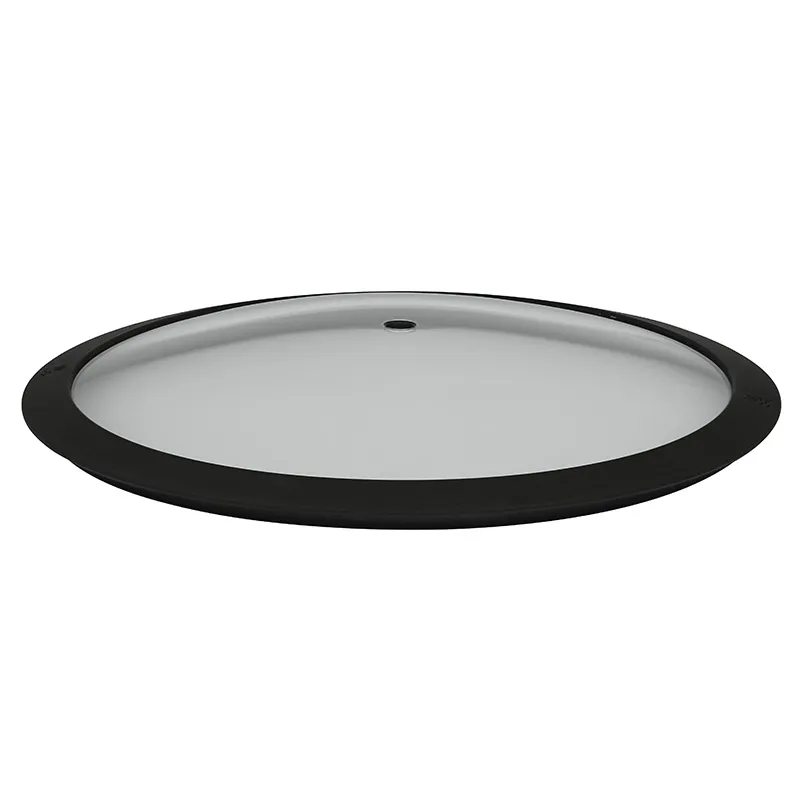
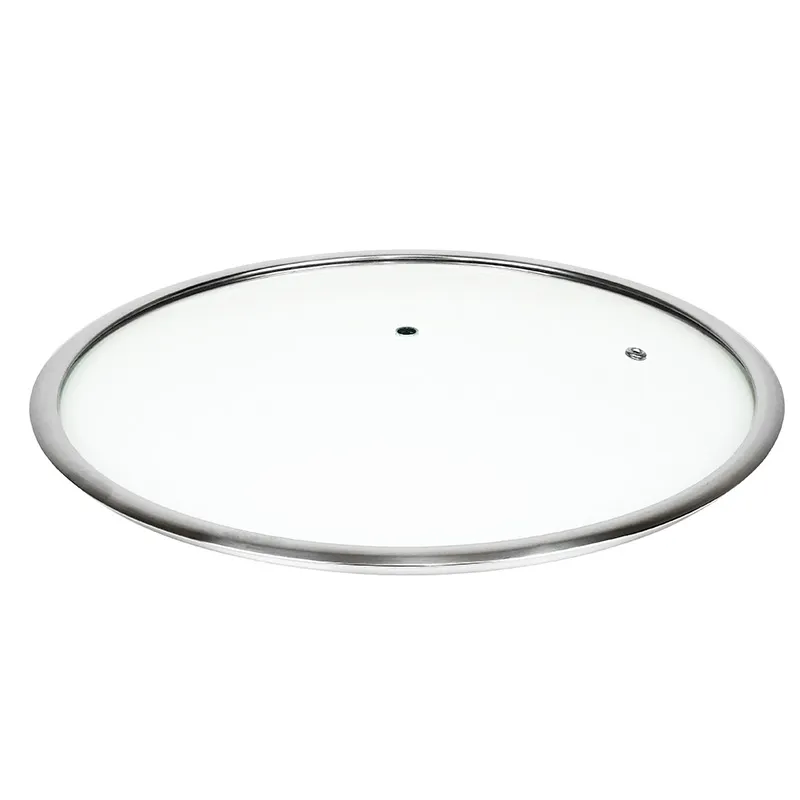
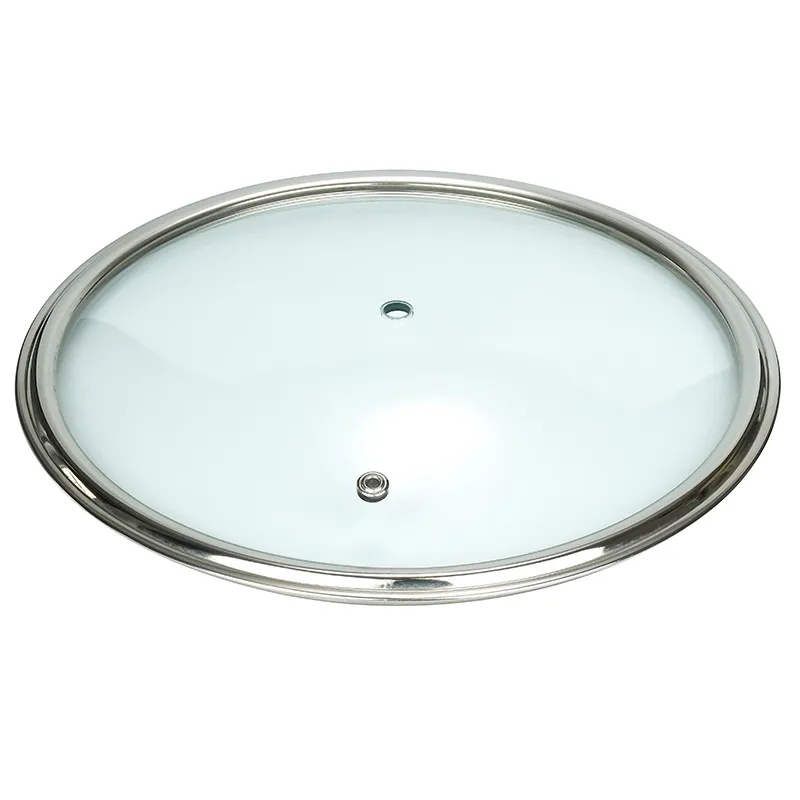
If you ask most people in the industry about critical components, they'll talk about clad bases or non-stick coatings. The lid is an afterthought, a simple piece of glass or metal to cover a pot. That's the first mistake. A cookware lid isn't just a cover; it's a pressure regulator, a moisture trap, and often the point of failure in an otherwise perfect pan. I've seen too many designs where the engineering budget ran out by the time they got to the lid, resulting in warped rims, ill-fitting tempered glass that chips on the first thermal shock, or steam vents that drip condensate right back into your food. It's the detail that separates a good piece from a great one.
Material Choices and the Thermal Shock Problem
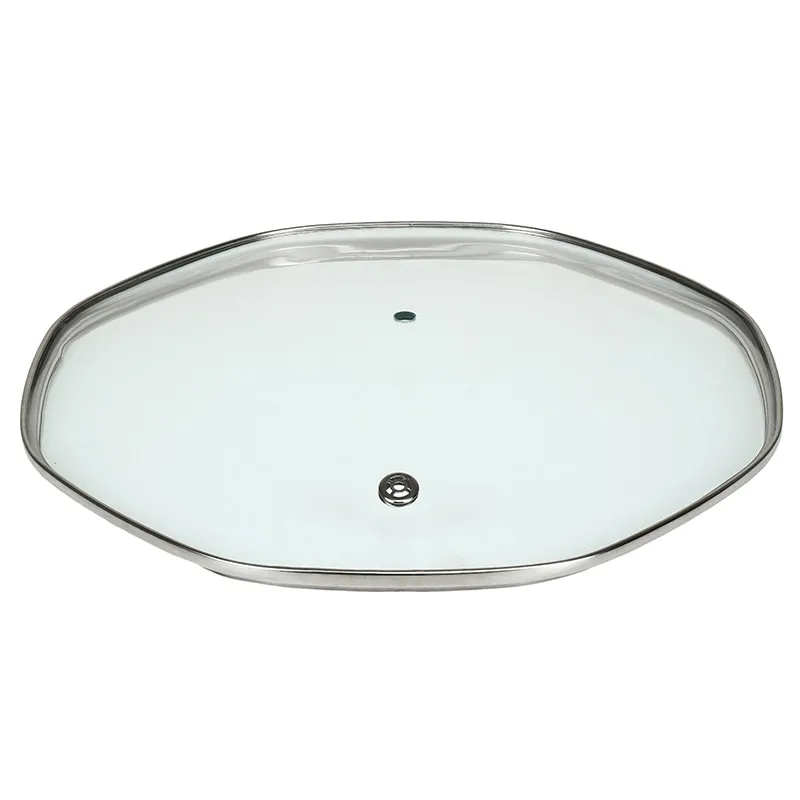
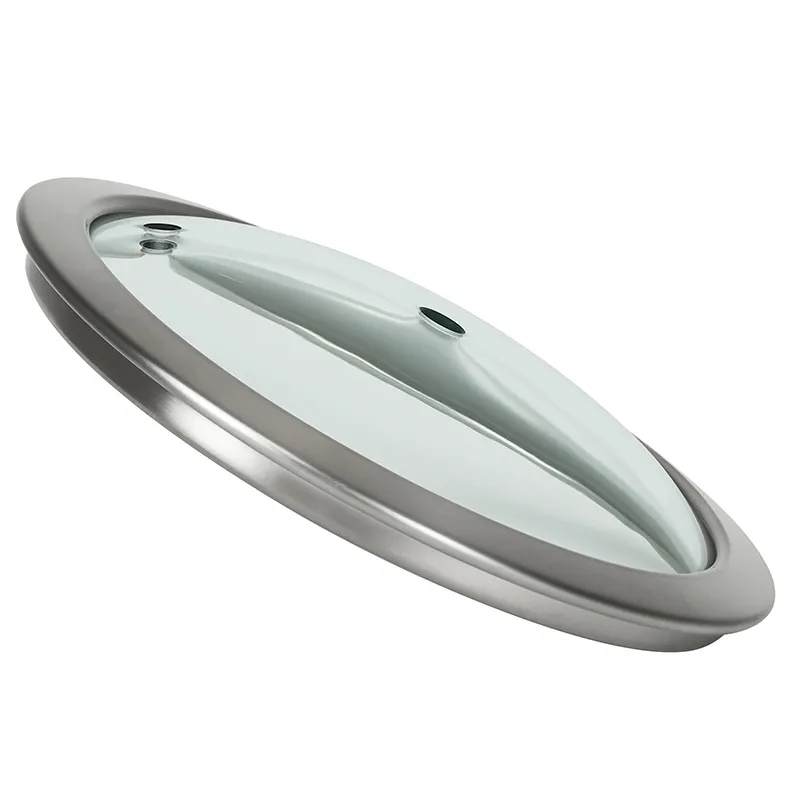
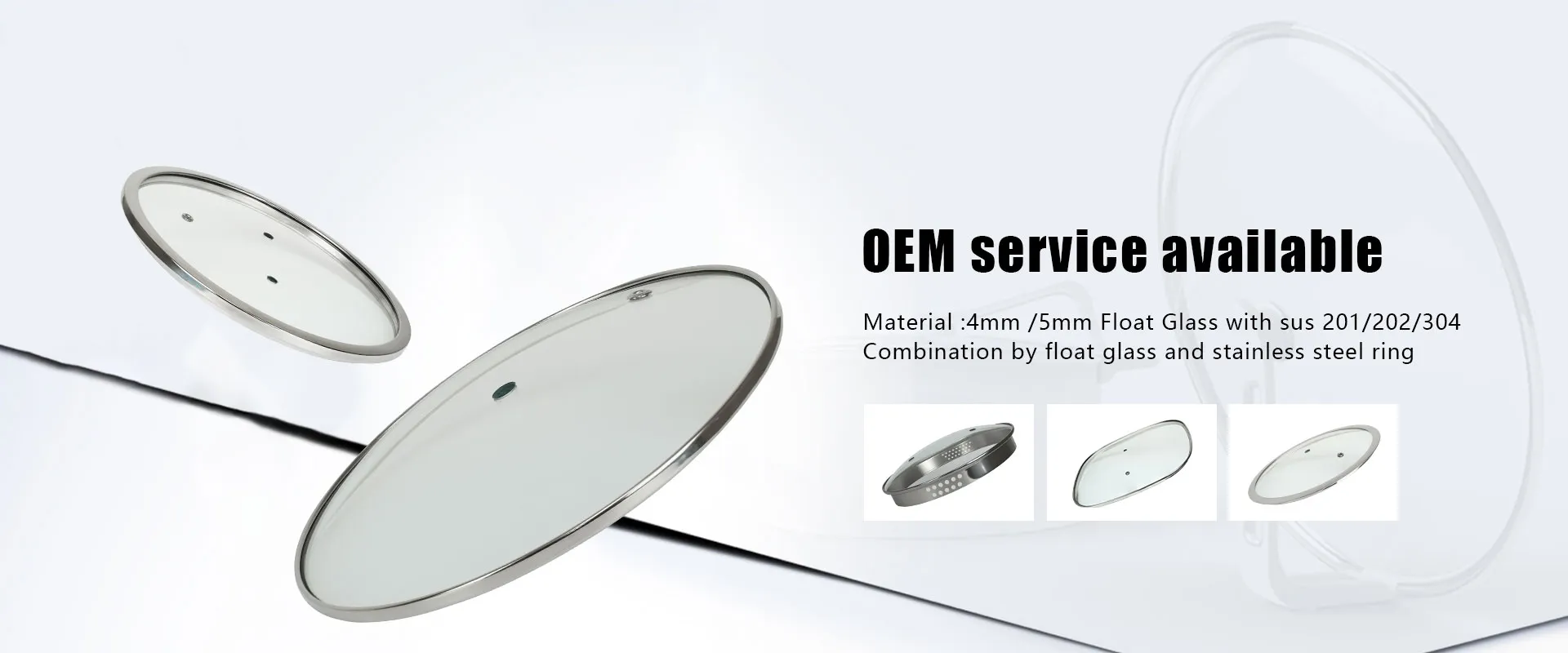
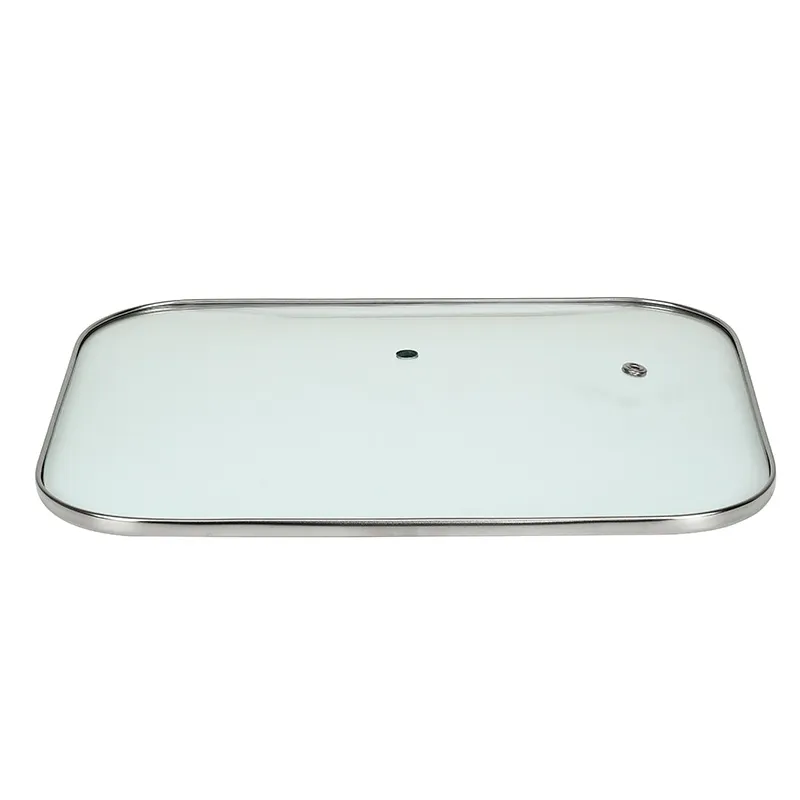
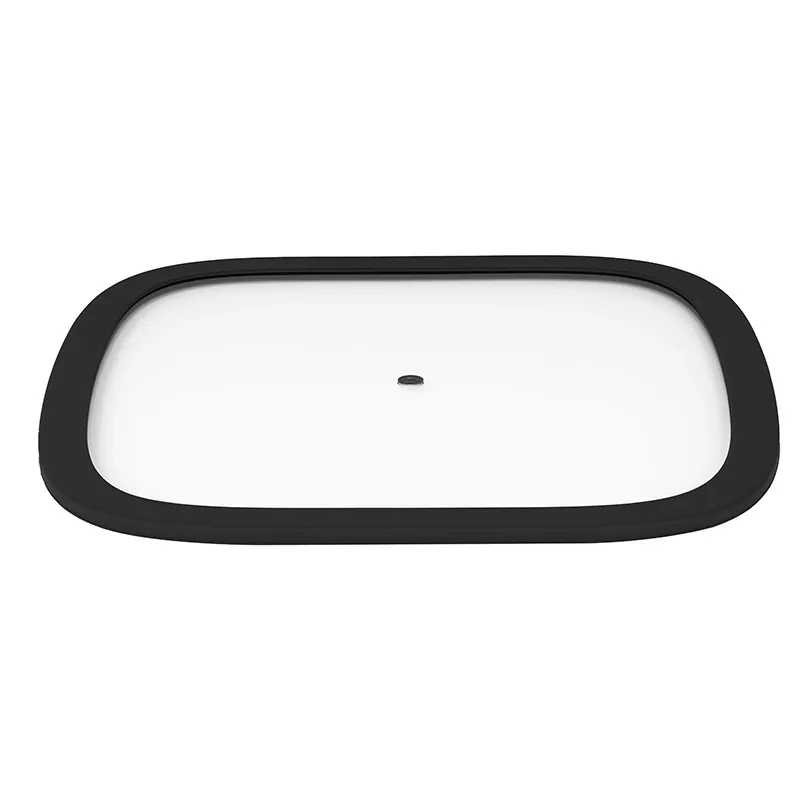
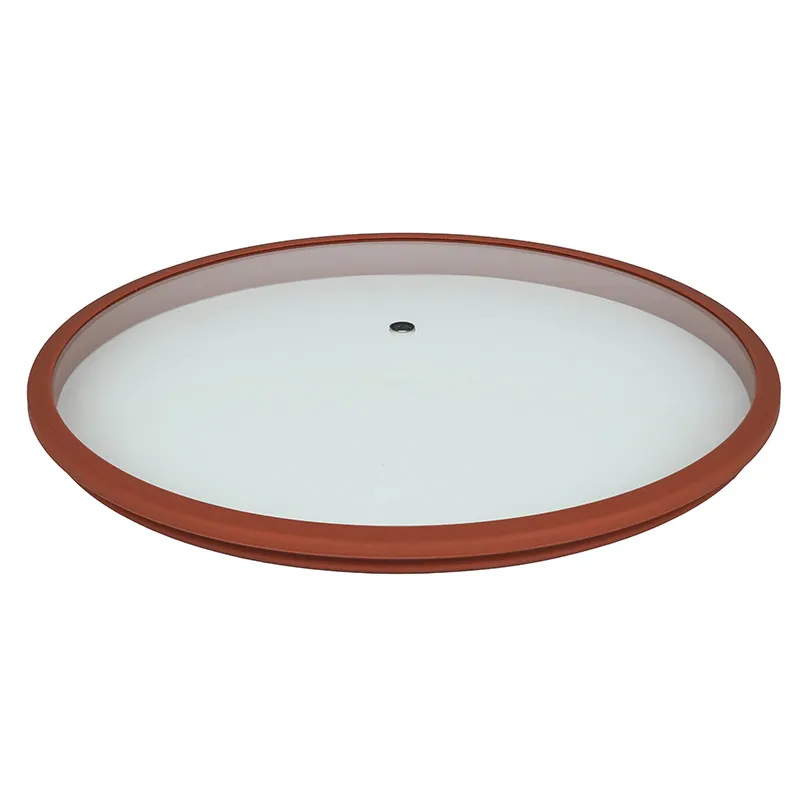
Let's start with glass, the most common for modern cookware. The appeal is obvious: visibility. You can check on your braise without releasing precious steam and heat. But not all glass is equal. The cheap stuff, often just annealed glass with a painted rim, is a liability. It can't handle rapid temperature changes. Pouring a bit of cold stock onto a hot lid? That's asking for a crack. I remember a batch from a supplier years ago—we specified tempered glass, but the quenching process was inconsistent. The lids passed the basic impact test, but failed miserably in real-world simmer-to-sink rinsing. Customer returns were a nightmare.
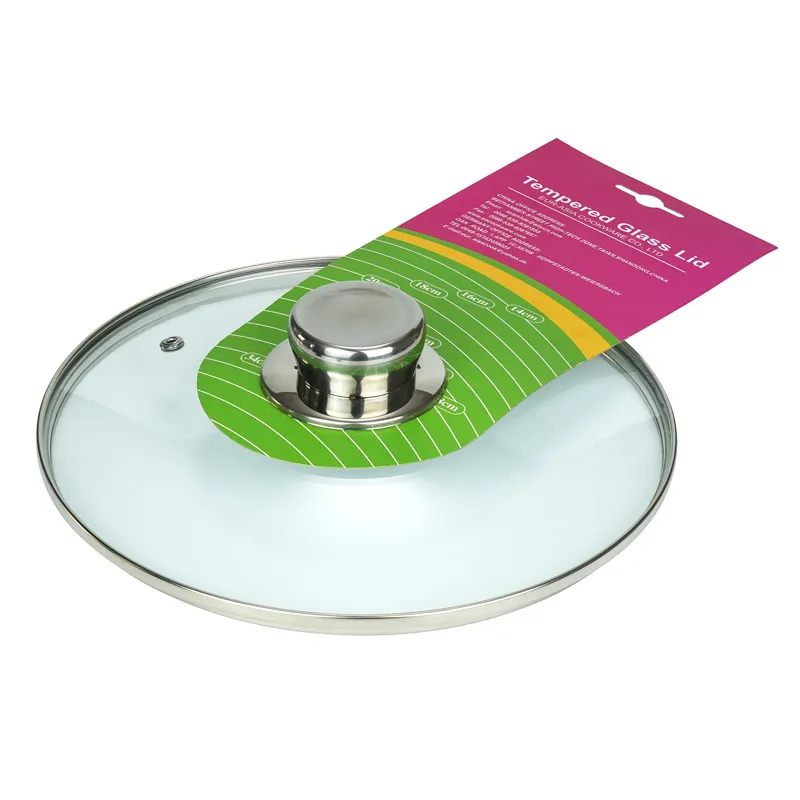
That's why companies that specialize, like EUR-ASIA COOKWARE CO.,LTD, focus on tempered glass. The process matters. Properly tempered soda-lime glass can withstand thermal shocks up to about 220°C differential. Their production base in Taian, with an annual output hitting 15 million pieces, suggests they've scaled a process that works. It's not just about making glass; it's about making it survive the transition from a searing hot Dutch oven to a granite countertop. Most failures I've analyzed stem from uneven heating during the tempering cycle or impurities in the raw glass batch.
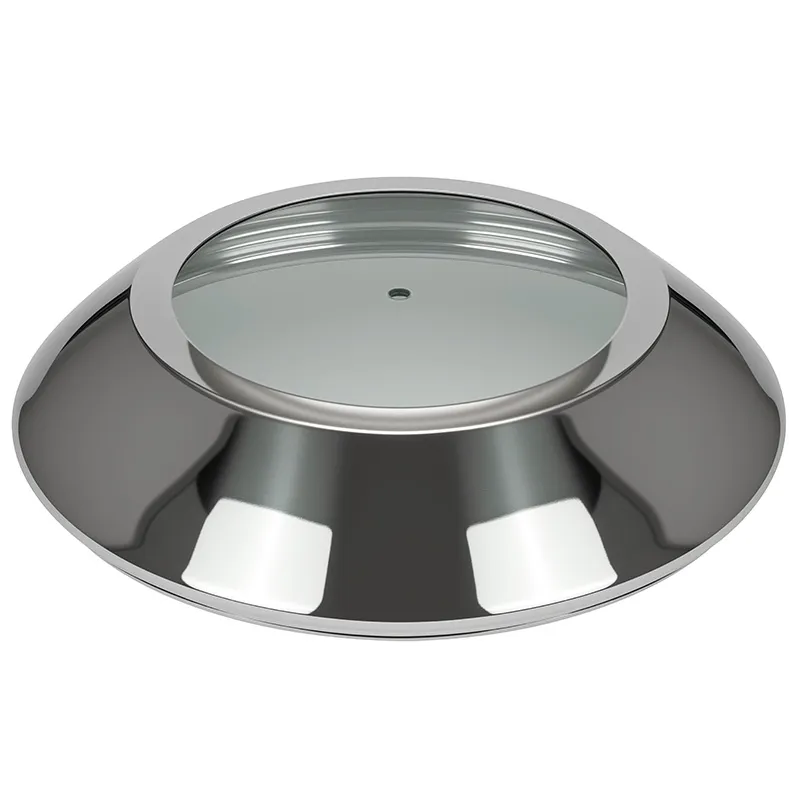
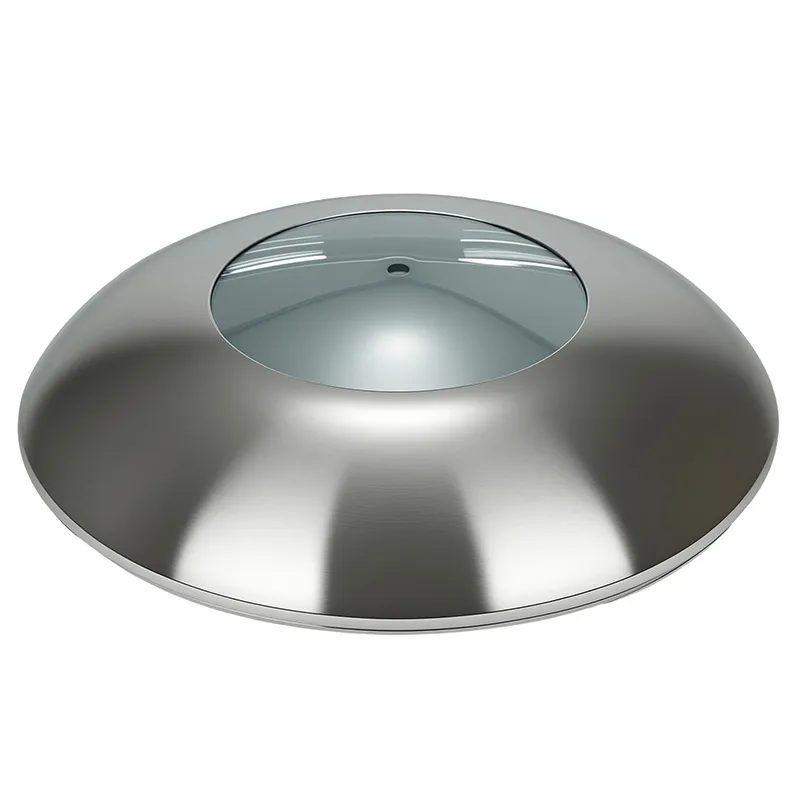
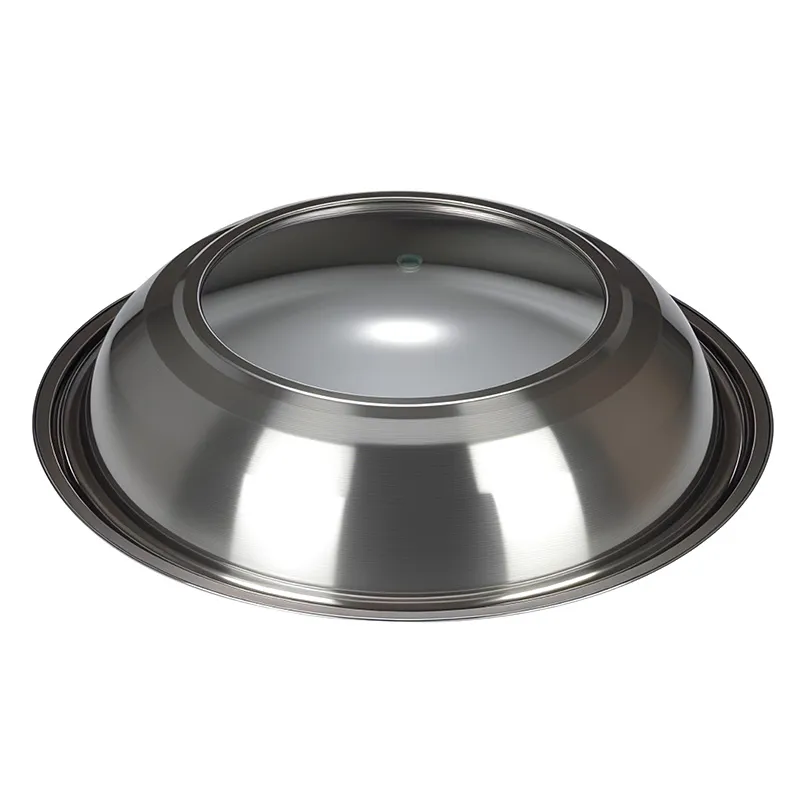
Stainless steel lids are a different beast. No risk of shattering, but they're blind. You're cooking by time and smell alone. The challenge here is weight and fit. A flimsy stainless lid will vibrate and chatter on a rolling boil, and a poorly stamped rim will let all the steam escape. The good ones have some heft, a rolled edge for safety, and often a drip-free design on the underside of the knob to channel condensation back to the pan's walls. It's a subtler engineering task.
The Fit and the Seal: More Than Just Sitting on Top
This is where you separate hobbyist brands from professional ones. The tolerance between the lid's rim and the pot's flange is critical. Too tight, and it binds, making it hard to remove or creating a vacuum seal that's dangerous when hot. Too loose, and you lose all control over moisture and heat. The ideal is a gravity seal—it sits snugly by its own weight, with just enough gap to prevent pressure buildup but enough contact to keep steam in.
I've handled lids from all over, and the ones that consistently fit well often come from manufacturers with rigorous quality control on flange dimensions. A company exporting over 90% of its products to markets like Germany and Japan, as EUR-ASIA COOKWARE CO.,LTD does, is likely hitting those tight tolerances. Those markets have zero patience for a wobbly lid. The seal isn't just about the rim, either. The handle or knob acts as a heat sink and a potential leak point. A poorly bonded knob can loosen over time, and a hollow metal handle can get scalding hot.
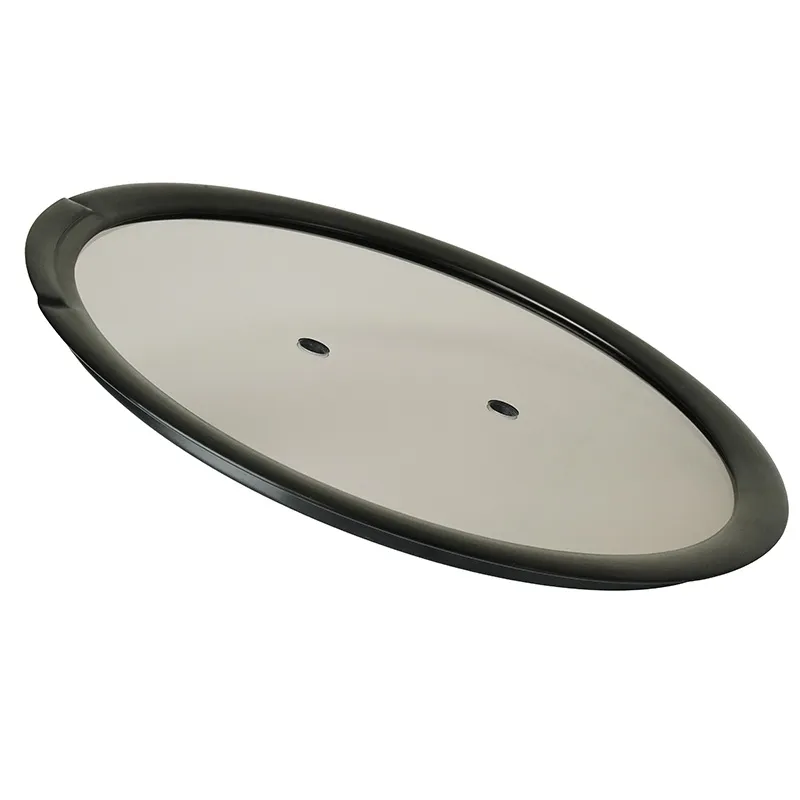
Then there's the vent hole. Some have it, some don't. For slow simmering, you want it mostly closed. For boiling pasta or reducing a sauce, you might want it open. The best lids have a adjustable vent, but that's a moving part—another point of potential failure and cost. Most mid-range lids opt for a fixed, small hole or a notch in the rim. It's a compromise, but often a sensible one.
Handles, Knobs, and User Experience
The attachment point for the handle or knob is a major stress concentrator. Epoxy is common, but it fails under repeated thermal cycling. Mechanical fixation—a bolt through the glass with a metal plate on the underside—is more robust but more expensive and can be a thermal bridge, creating a hot spot. I prefer a well-designed stainless steel bolt-on knob for glass lids. It looks clean and lasts.
Material choice for the knob itself is crucial. Phenolic resin (Bakelite) is the gold standard for heat resistance, but it's brittle and can crack if dropped. Silicone-wrapped metal is trendy and stays cool, but I've seen the silicone sleeve degrade and peel after years of dishwasher cycles. It's a trade-off between heat safety, durability, and aesthetics. For a company producing low- medium- high level products, they have to make these choices across their entire line. A high-end line might get a solid phenolic knob, while a mid-range one gets a cheaper plastic composite.
The shape matters too. A small, sleek knob might look good but be hard to grip with a wet oven mitt. A broad, flat handle offers more control for lifting. This is pure ergonomics, often overlooked in CAD designs that look perfect on screen.
Production Scale and the Export Reality
When you're producing 15 million lids a year, like the operation at EUR-ASIA's facility in Shandong, consistency is everything. It's not artisanal craftsmanship; it's precision manufacturing. One glitch in the tempering oven line, and you can scrap thousands of units. Their export focus to Europe and Asia tells you about their quality benchmark. A German houseware buyer will have a checklist: edge smoothness (no sharp seams), optical clarity (minimal distortion), thermal shock rating, and packaging that prevents breakage in transit.
This scale also allows for specialization. They can run lines dedicated to specific diameters or knob styles for different cookware brands (OEM work). The other kitchen accessories in their portfolio likely include things like trivets or glass plates that can be made on similar glass-processing lines. It's about maximizing the use of that 15,000㎡ facility.
The challenge at this volume is managing defects. Even a 1% failure rate means 150,000 defective lids. That's why in-process checks—inspecting glass cutouts, monitoring tempering temperatures, testing fit on sample pots—are more important than final inspection. Catching a problem early saves a fortune.
The Future: Smart Lids and Sustainability
Where does the humble lid go from here? I've seen prototypes with integrated temperature probes or steam sensors that connect to an app. Gimmicky, maybe, but for precision cooking like sous-vide transitions, it has a niche. More pressing, in my view, is material sustainability. Can we move away from soda-lime glass to more eco-friendly compositions? Or design for full recyclability, ensuring the metal knob can be easily separated from the glass?
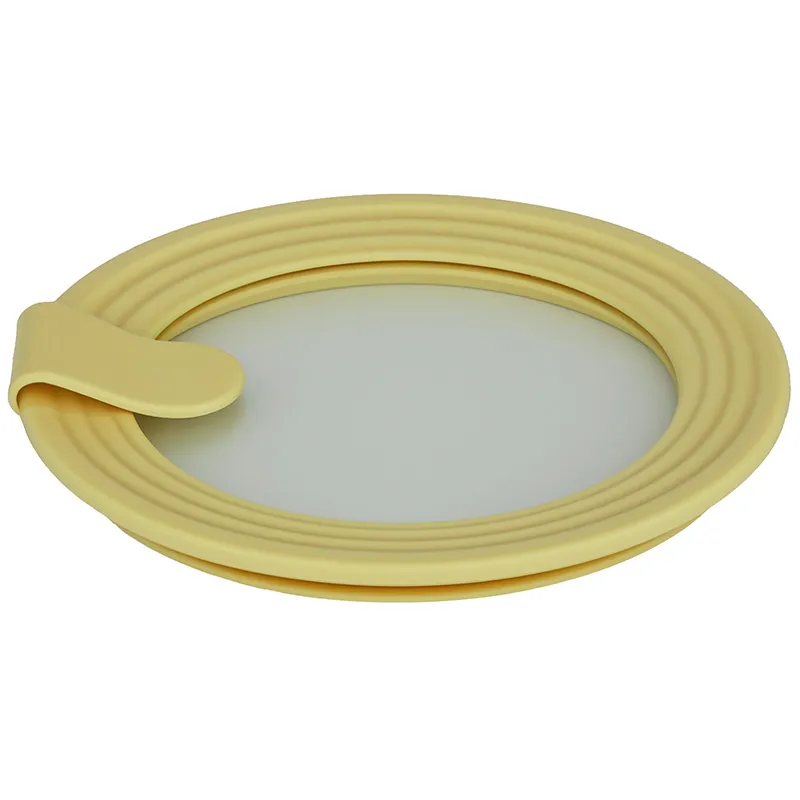
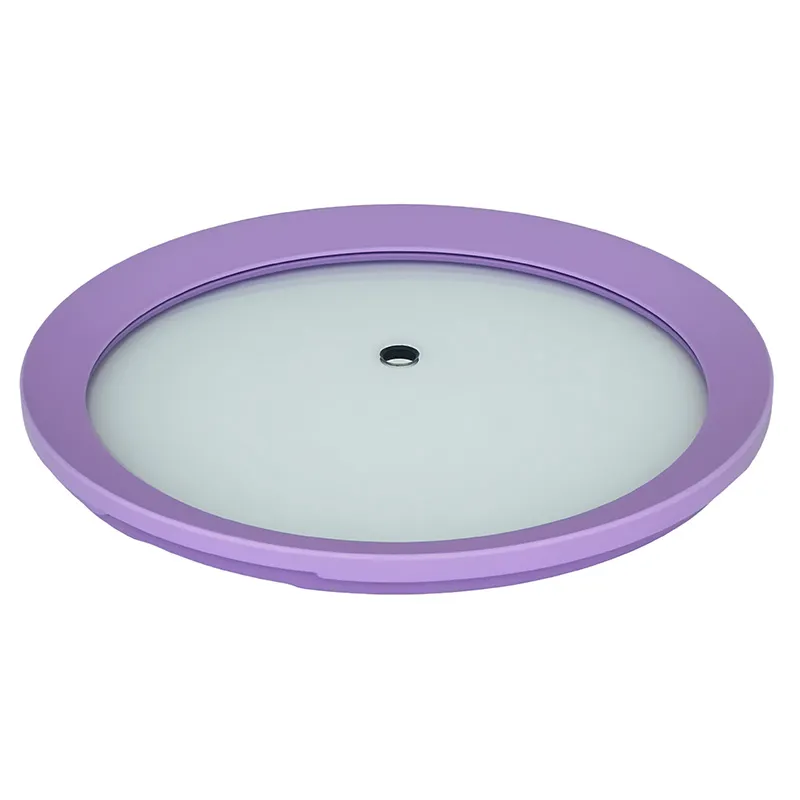
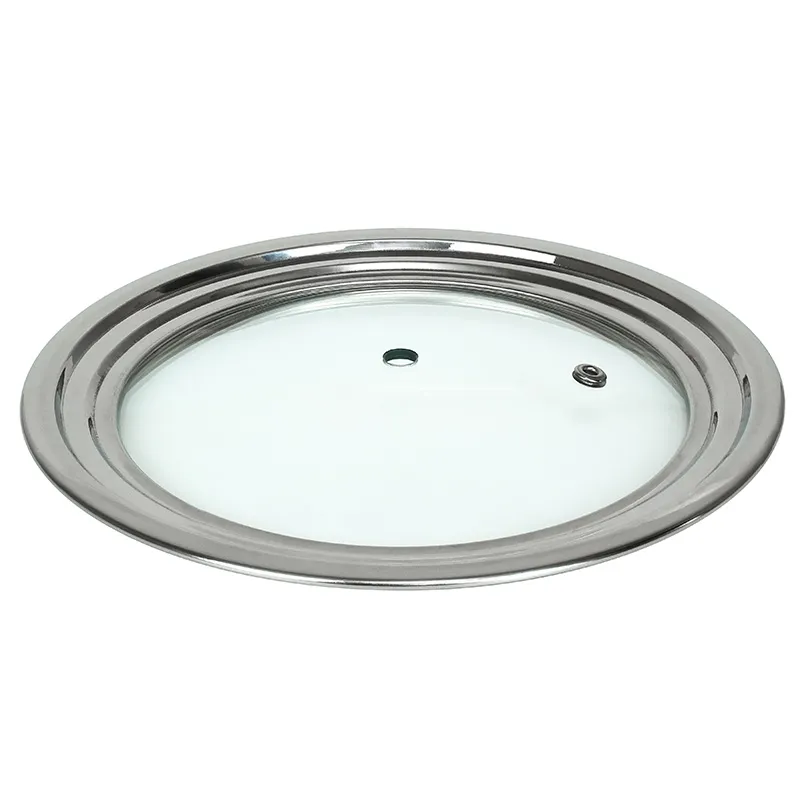
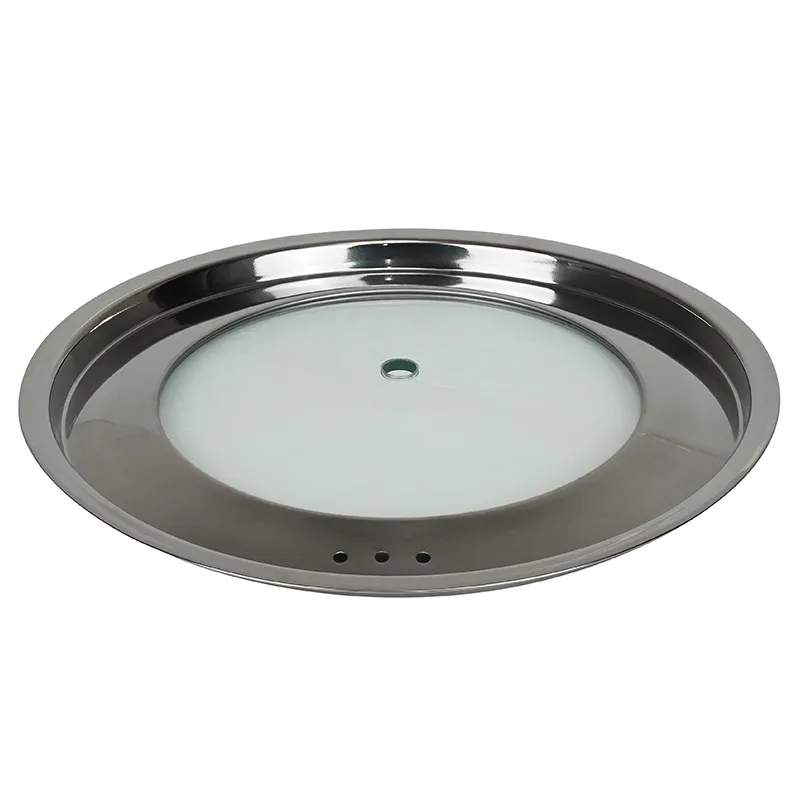
Another trend is universal lids. Brands are selling single glass lids meant to fit multiple pot sizes in their line. It's a great selling point for minimalist kitchens, but the seal is always a compromise. It might fit a 24cm and a 26cm pan okay, but perfectly on neither. It's a design challenge I'm not fully convinced by, but the market seems to want it.
At the end of the day, the core function remains: to control the cooking environment. Whether it's a simple tempered glass lid from a major producer like EUR-ASIA COOKWARE CO.,LTD or a hand-fitted copper lid, the principles are the same. It needs to fit, to withstand heat, to be safe to handle, and to last. Next time you evaluate a pot, don't just look at the base. Pick up the lid. Feel its weight, check the rim, look at how the knob is attached. That's where a lot of the real engineering, and the potential problems, are hiding.
Related Products
Related Products