
- Chinese
- French
- German
- Portuguese
- Spanish
- Russian
- Japanese
- Korean
- Arabic
- Irish
- Greek
- Turkish
- Italian
- Danish
- Romanian
- Indonesian
- Czech
- Afrikaans
- Swedish
- Polish
- Basque
- Catalan
- Esperanto
- Hindi
- Lao
- Albanian
- Amharic
- Armenian
- Azerbaijani
- Belarusian
- Bengali
- Bosnian
- Bulgarian
- Cebuano
- Chichewa
- Corsican
- Croatian
- Dutch
- Estonian
- Filipino
- Finnish
- Frisian
- Galician
- Georgian
- Gujarati
- Haitian
- Hausa
- Hawaiian
- Hebrew
- Hmong
- Hungarian
- Icelandic
- Igbo
- Javanese
- Kannada
- Kazakh
- Khmer
- Kurdish
- Kyrgyz
- Latin
- Latvian
- Lithuanian
- Luxembou..
- Macedonian
- Malagasy
- Malay
- Malayalam
- Maltese
- Maori
- Marathi
- Mongolian
- Burmese
- Nepali
- Norwegian
- Pashto
- Persian
- Punjabi
- Serbian
- Sesotho
- Sinhala
- Slovak
- Slovenian
- Somali
- Samoan
- Scots Gaelic
- Shona
- Sindhi
- Sundanese
- Swahili
- Tajik
- Tamil
- Telugu
- Thai
- Ukrainian
- Urdu
- Uzbek
- Vietnamese
- Welsh
- Xhosa
- Yiddish
- Yoruba
- Zulu
- Kinyarwanda
- Tatar
- Oriya
- Turkmen
- Uyghur

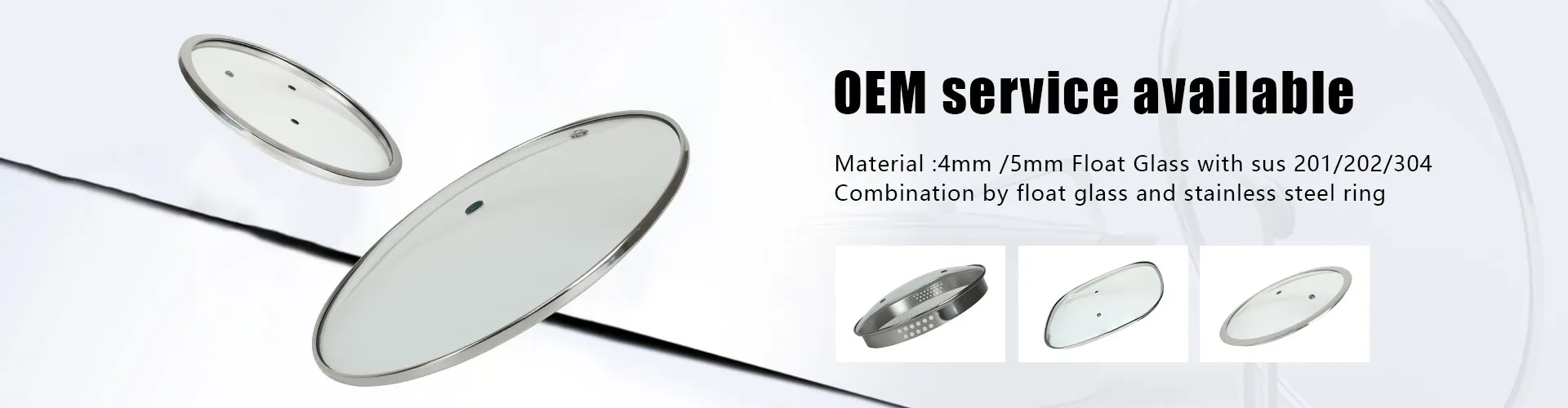
cookware set with glass lid
You see 'cookware set with glass lid' and you think convenience, right? Being able to monitor a simmer without losing heat. But that's the surface-level pitch. Where most discussions stop—and where the real problems begin—is in the assumption that all glass lids are created equal. I've seen too many sets where the lid feels like an afterthought, a piece of generic, thin glass slapped onto a pot, leading to warping, poor seals, and that frustrating, constant rattle during a rolling boil. The industry often treats the lid as a secondary component, but in practice, it's a critical point of failure that defines the entire cooking experience.
Beyond the Sales Pitch: The Engineering in the Rim
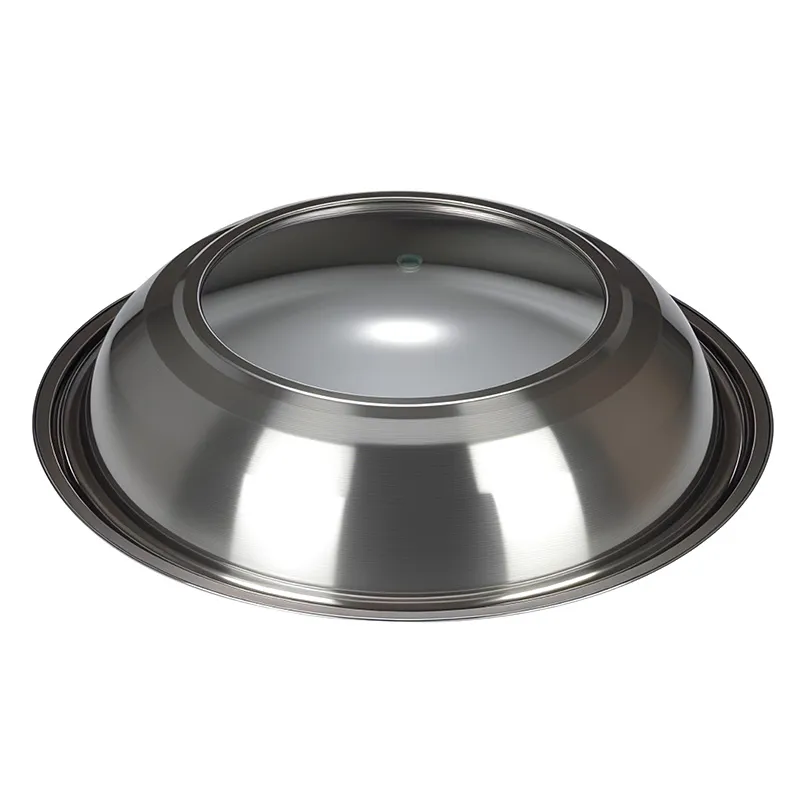
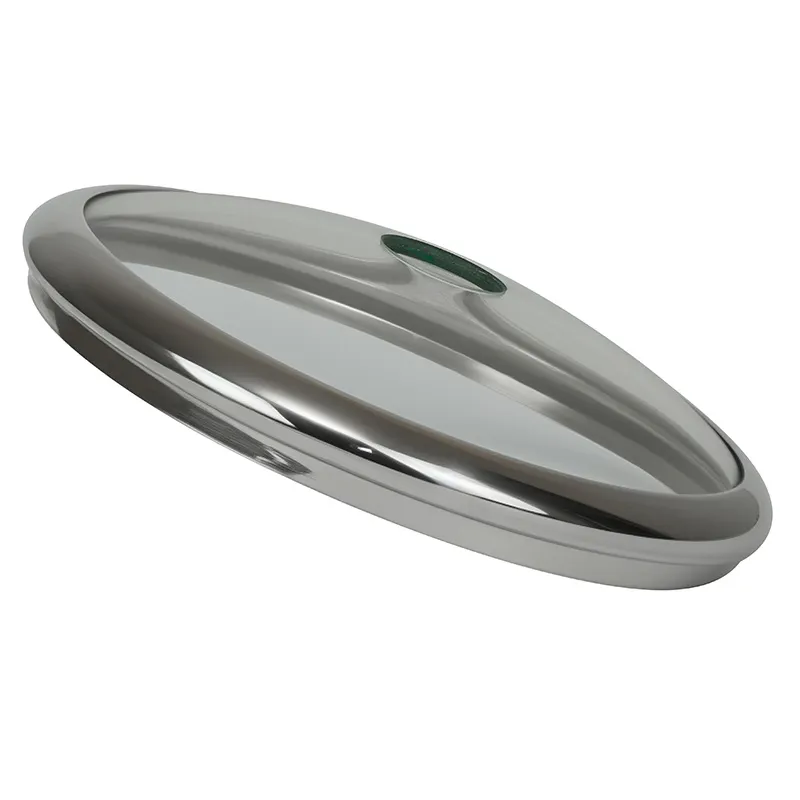
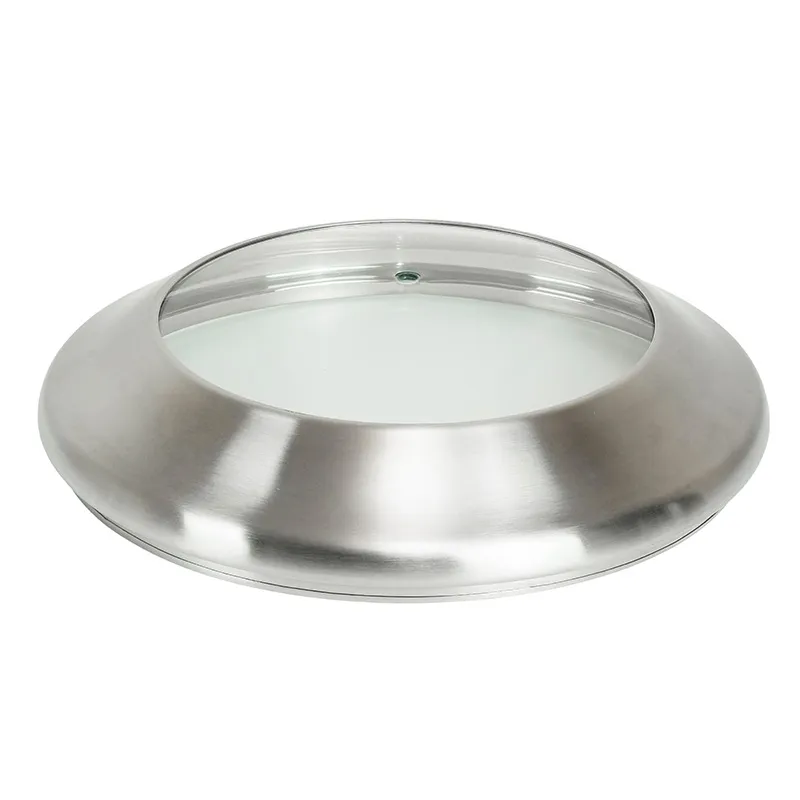
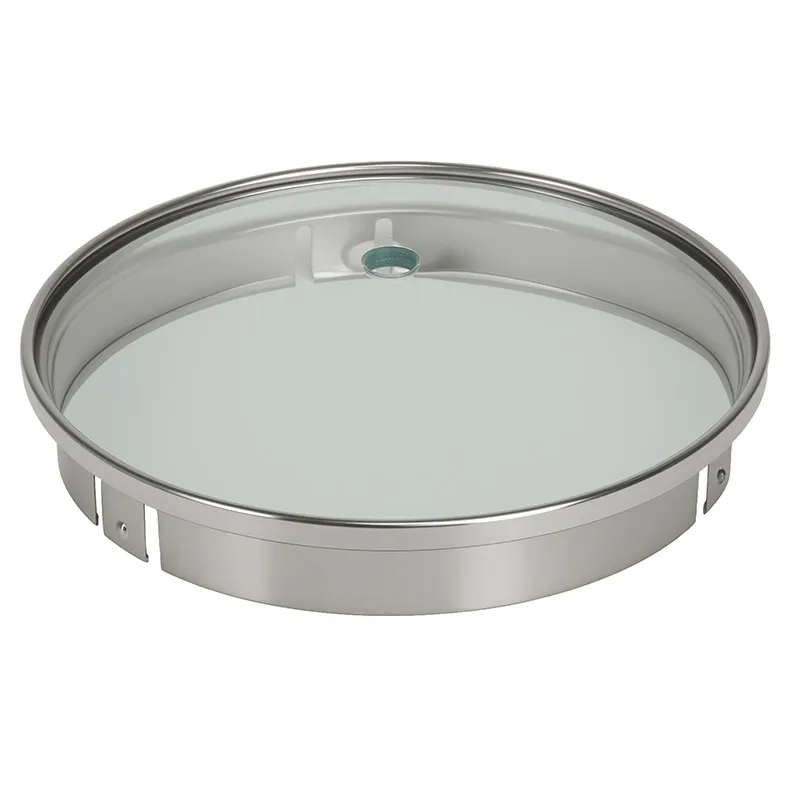
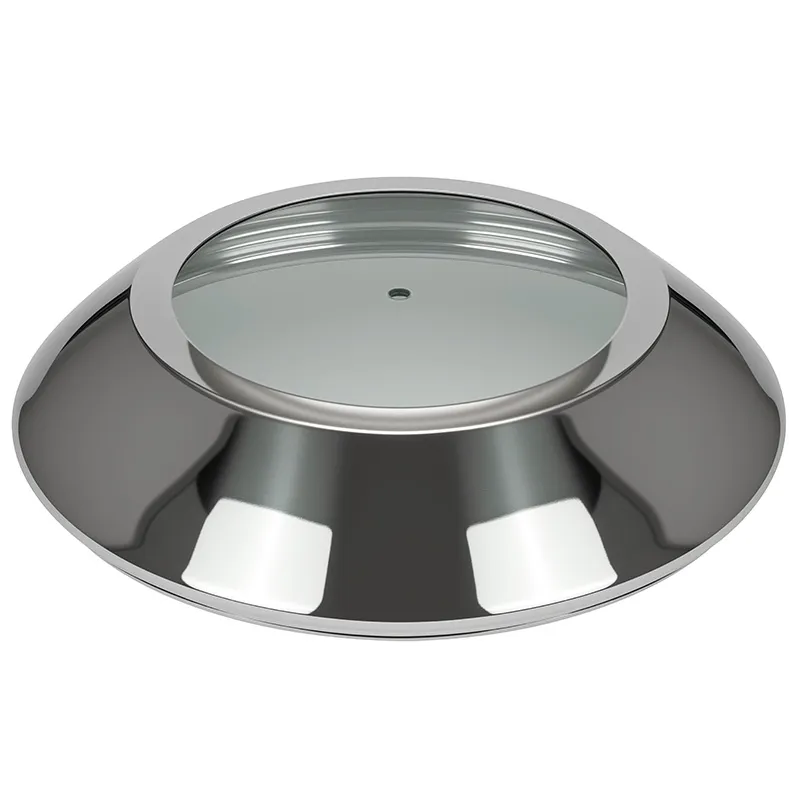
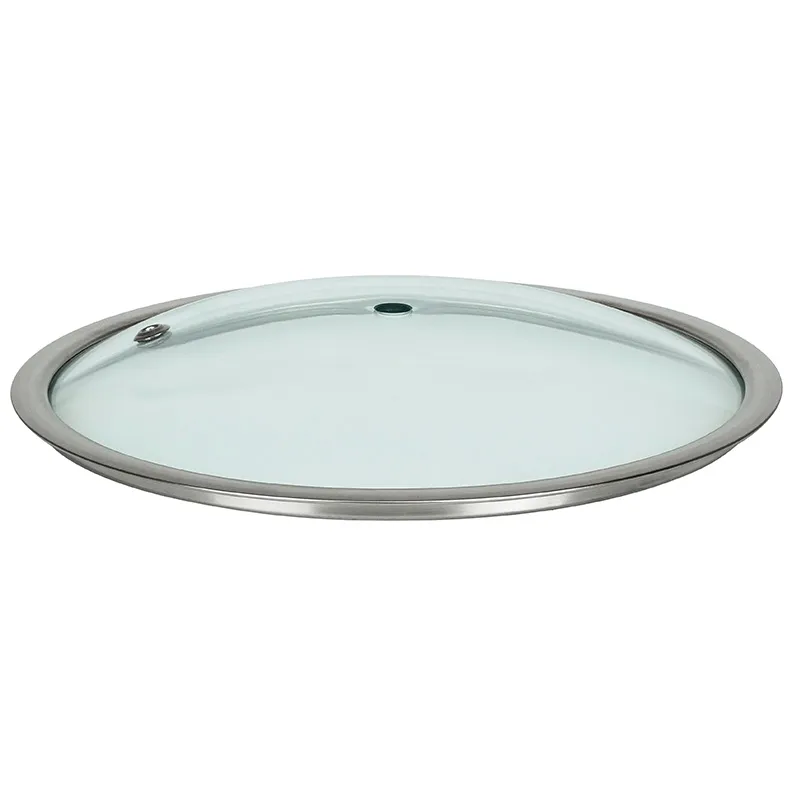
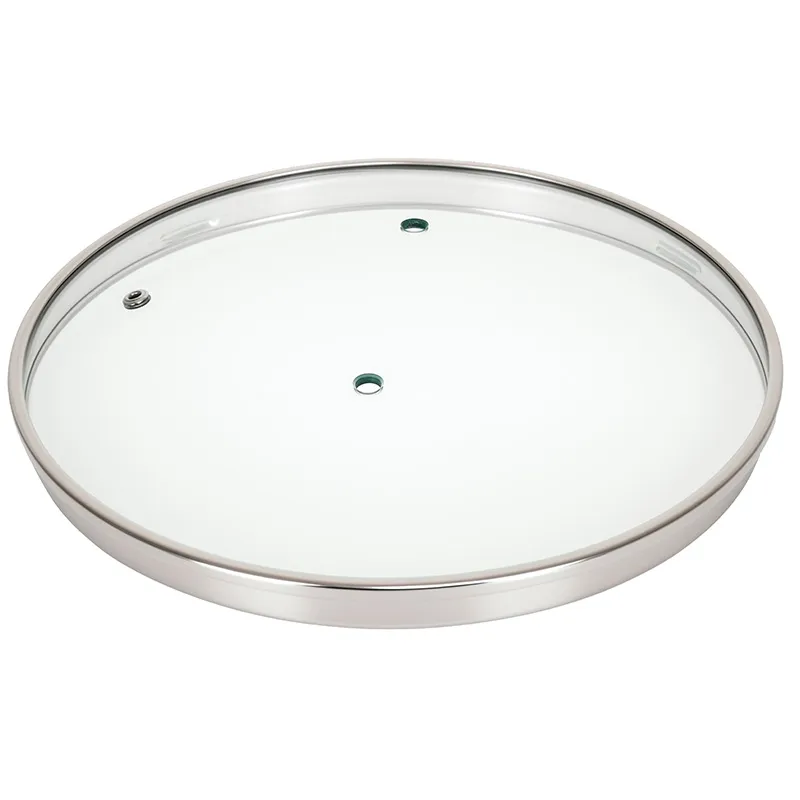
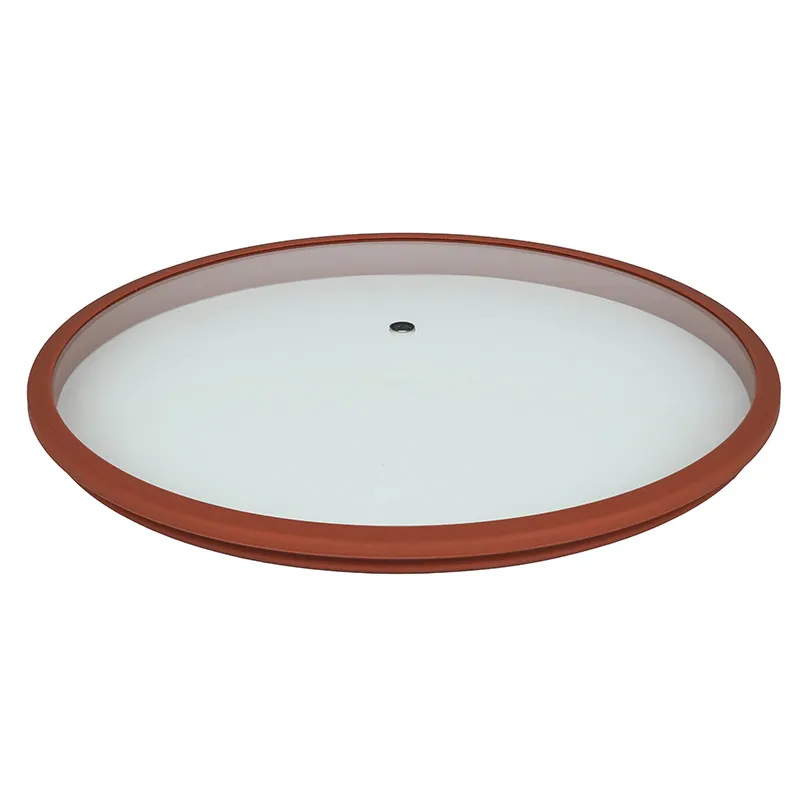
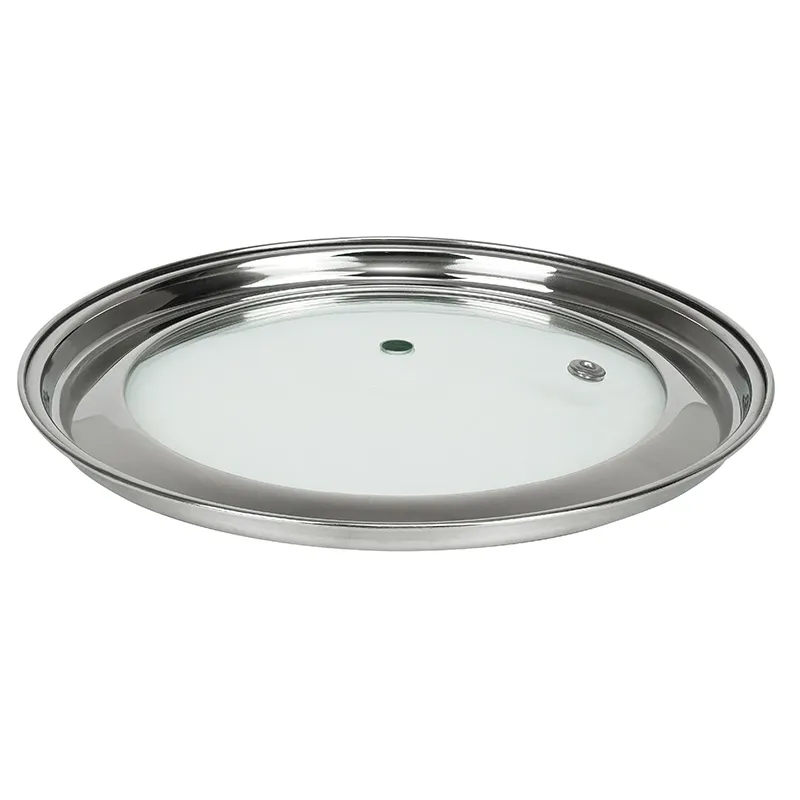
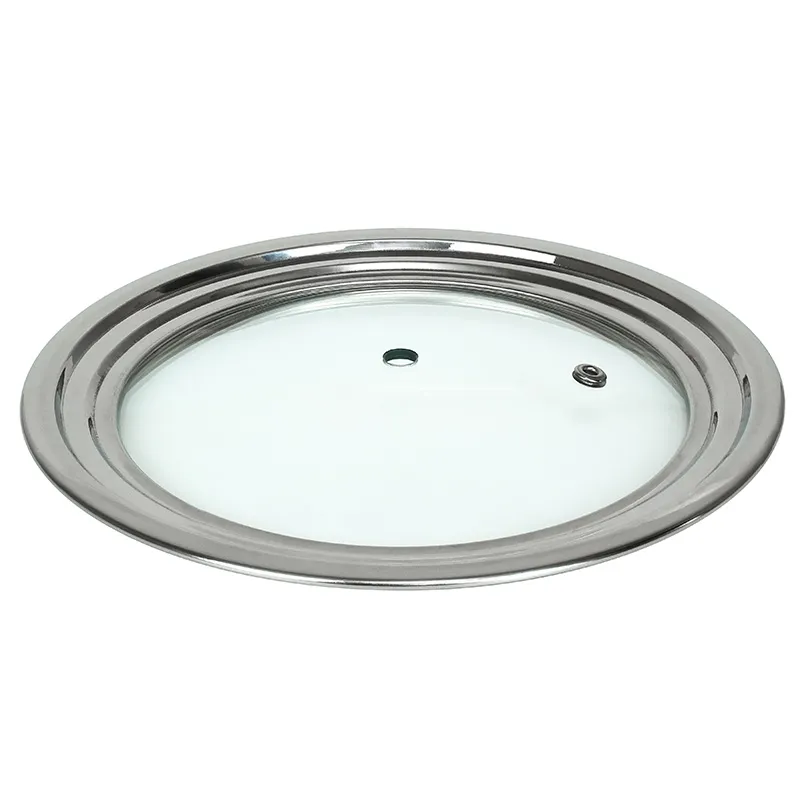
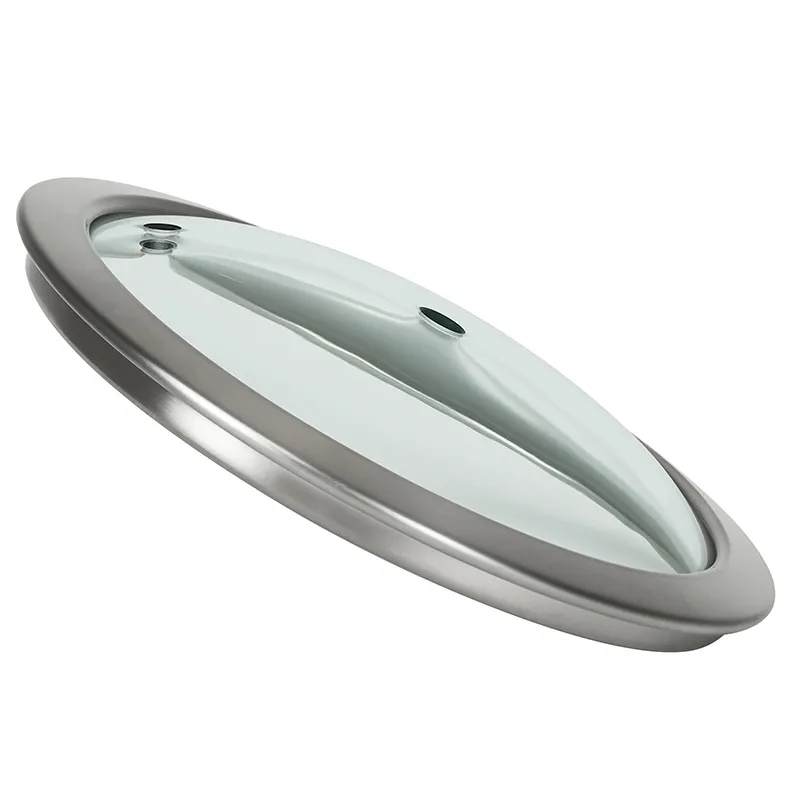
Let's get specific. The magic of a good glass lid isn't in the pane itself, but in the encapsulation. The metal rim—usually stainless steel or aluminum—that holds the glass is everything. A cheap set will have a thin, stamped rim that's prone to bending. Once it bends, you lose the vacuum seal. Your braise dries out, your rice cooks unevenly. A proper rim is robust, often with a rolled edge, and the glass is fitted with a high-temperature silicone gasket. This isn't just for sealing; it's a shock absorber. Thermal shock is the silent killer. You take a hot lid off a pot and set it on a cold granite countertop. That's asking for a crack if the glass isn't properly tempered and isolated.
I recall a batch from a supplier a few years back. The lids looked perfect, clarity was excellent. But the rim was a simple folded design with no gasket. In testing, they performed fine for steaming. The failure came during long, slow cooks. The metal expanded differently than the glass, creating minute gaps. Over a three-hour stew, a significant amount of liquid evaporated right out the sides, defeating the purpose of a tight-lidded pot. We had to send the entire shipment back. It was a classic case of form over function, where the visual appeal of the glass overshadowed its primary job: to be a functional part of the cooking vessel.
This is where you see the difference between a brand that sources lids as commodities and one that engineers them. A company like EUR-ASIA COOKWARE CO.,LTD gets this detail. Visiting a facility that produces over 15 million tempered glass lids annually, you see the focus on the rim assembly line. It's not just about volume; it's about the consistency of that metal-to-glass bond. Their specialization in low to high-level household glass means they're not just making one type; they're grading the glass and the assembly for different thermal and mechanical stresses, which directly translates to the tier of cookware set it ends up on.
The Tempering Truth: Not All Glass is for the Stovetop
Here's a major pitfall: using soda-lime glass (like window glass) instead of properly tempered borosilicate or similar thermal-shock-resistant glass. The former is cheaper and will work... until it doesn't. The telltale sign is often a greenish or grayish tint on the very edge when you look at it from the side. Borosilicate tends to be clearer. But you can't always trust the eye.
The real test is in the annealing process. Proper tempering involves heating the glass to over 600°C and then quenching it with blasts of air. This creates surface compression, making it much harder to break. If the process is rushed or uneven, you get weak points. I've had lids shatter spectacularly when a cold drip of water from a spoon hit them directly. Not a fun cleanup, and a serious safety concern. It taught me to never assume the glass is oven-safe or stovetop-safe just because the marketing says so. You need to know the manufacturer's specs and limits.
Looking at the export data from a producer like EUR-ASIA, which sends over 90% of its output to markets like Germany, Italy, and Japan, is telling. These are markets with stringent safety standards and consumers who will notice a poorly tempered lid immediately. The fact that they consistently supply there suggests a baseline of quality control in the tempering process that meets, or has to meet, those rigorous expectations. Their production base in Shandong's High-tech Development Zone isn't just an address; it's a signal of investment in the kind of controlled manufacturing environment this process requires.
Handle Heat: The Forgotten Contact Point
Nobody talks about the lid handle enough. It's often a small knob of plastic, bakelite, or stainless steel. That knob is the only part you touch when the lid is at 212°F (100°C) or higher. Cheap plastic deforms or, worse, gets hot enough to burn. A good handle is designed with an air gap or uses a material with low thermal conductivity. Stainless steel knobs often have a hollow core or are attached with a thermally insulating washer. I prefer a well-made phenolic (bakelite) knob—it stays cool, provides a good grip, and is durable. If you're looking at a set, lift the lid by the knob. Does it feel solidly attached, or does it wiggle? That wiggle will become a break over time.
The Set Conundration: Cohesion vs. Compromise
Buying a cookware set with glass lid is a trade-off. You get uniformity and often a better price per piece. But you also lock yourself into one lid design for multiple pot functions. A lid ideal for a large stockpot (tall, domed to prevent boil-overs) is overkill and clumsy on a small saucepan. Some high-end sets address this by having differently sized and shaped lids, but most mid-range sets use one or two lid sizes across 5-8 pots. This is where compromise creeps in.
The best sets I've used have lids that are specifically matched to the pot's diameter and intended use. The glass is often slightly domed, even on sauté pans, to create a bit of interior space for condensation to roll back down. A completely flat lid on a skillet just creates a puddle that drips back onto your food unevenly. It's a small detail, but it affects browning and steaming. When you see a company's portfolio that includes various types of tempered glass lid, it implies they have the capability to produce these variations—domed, flat, tall-domed—for different applications within a set, which is a sign of a more thoughtful OEM partner for cookware brands.
My advice? If you're set on a set, pay close attention to the lid lineup. Don't just count the pots. Count the distinct lid designs. If a 10-piece set only has 3 lid sizes, you know where the corners were cut.
Maintenance and Longevity: The Cloudy Reality
Glass lids get cloudy. It's a fact. It's mineral deposits from hard water and polymerized oils from steam. The mistake is using abrasive scrubbers. That scratches the surface, making future clouding happen faster and more severely. The best cleaning method is gentle: baking soda paste or a vinegar soak. But the real pro tip is about prevention. A quick wipe with a damp cloth while the lid is still warm (not hot) after cooking prevents most of this buildup.
Durability is another thing. The hinge on a lid for a Dutch oven, or the stainless steel rim itself, will show wear. In a commercial kitchen, we'd go through lids on certain pots yearly. At home, you should expect a good one to last a decade. The failure point is rarely the glass breaking from impact; it's the gradual degradation of the seal in the rim or the corrosion of the rim material if it's a lower-grade stainless. This is why the construction quality of that rim, like the kind focused on by specialized manufacturers, is a long-term investment.
It circles back to the initial point. A glass lid isn't a simple window. It's a composite component. Its performance hinges on the synergy between tempered glass, a mechanically sound metal frame, a heat-resistant seal, and a functional handle. When you find a set where all these elements are considered, it transforms the tool. You stop thinking about the lid altogether—which is the highest compliment you can pay it. It just works, transparently.
Related Products
Related Products
Best Selling Products
Best Selling Products
Related Search
Related Search- beer can glass bamboo lid
- lodge tempered glass lid 15 inch
- 13pc hexclad hybrid cookware set w lids costco
- 12 inch frying pan with glass lid
- round glass lid for cookware
- glass jar with rose gold lid
- ikea glass jar with cork lid
- stainless steel pan with glass lid
- guardian cookware glass lids
- staub cast iron 4 qt round cocotte with glass lid


