- Chinese
- French
- German
- Portuguese
- Spanish
- Russian
- Japanese
- Korean
- Arabic
- Irish
- Greek
- Turkish
- Italian
- Danish
- Romanian
- Indonesian
- Czech
- Afrikaans
- Swedish
- Polish
- Basque
- Catalan
- Esperanto
- Hindi
- Lao
- Albanian
- Amharic
- Armenian
- Azerbaijani
- Belarusian
- Bengali
- Bosnian
- Bulgarian
- Cebuano
- Chichewa
- Corsican
- Croatian
- Dutch
- Estonian
- Filipino
- Finnish
- Frisian
- Galician
- Georgian
- Gujarati
- Haitian
- Hausa
- Hawaiian
- Hebrew
- Hmong
- Hungarian
- Icelandic
- Igbo
- Javanese
- Kannada
- Kazakh
- Khmer
- Kurdish
- Kyrgyz
- Latin
- Latvian
- Lithuanian
- Luxembou..
- Macedonian
- Malagasy
- Malay
- Malayalam
- Maltese
- Maori
- Marathi
- Mongolian
- Burmese
- Nepali
- Norwegian
- Pashto
- Persian
- Punjabi
- Serbian
- Sesotho
- Sinhala
- Slovak
- Slovenian
- Somali
- Samoan
- Scots Gaelic
- Shona
- Sindhi
- Sundanese
- Swahili
- Tajik
- Tamil
- Telugu
- Thai
- Ukrainian
- Urdu
- Uzbek
- Vietnamese
- Welsh
- Xhosa
- Yiddish
- Yoruba
- Zulu
- Kinyarwanda
- Tatar
- Oriya
- Turkmen
- Uyghur

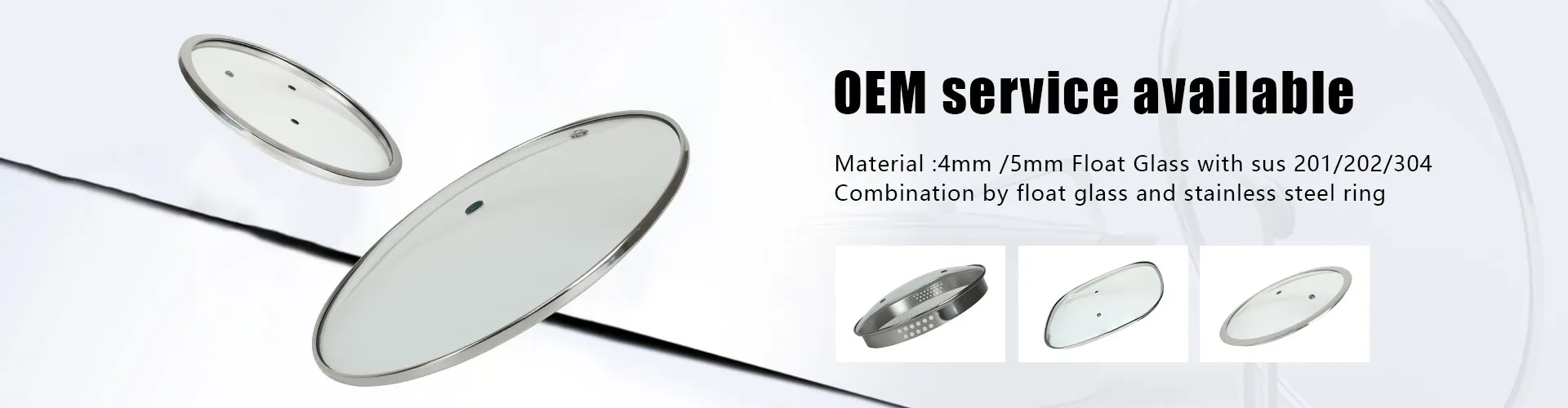
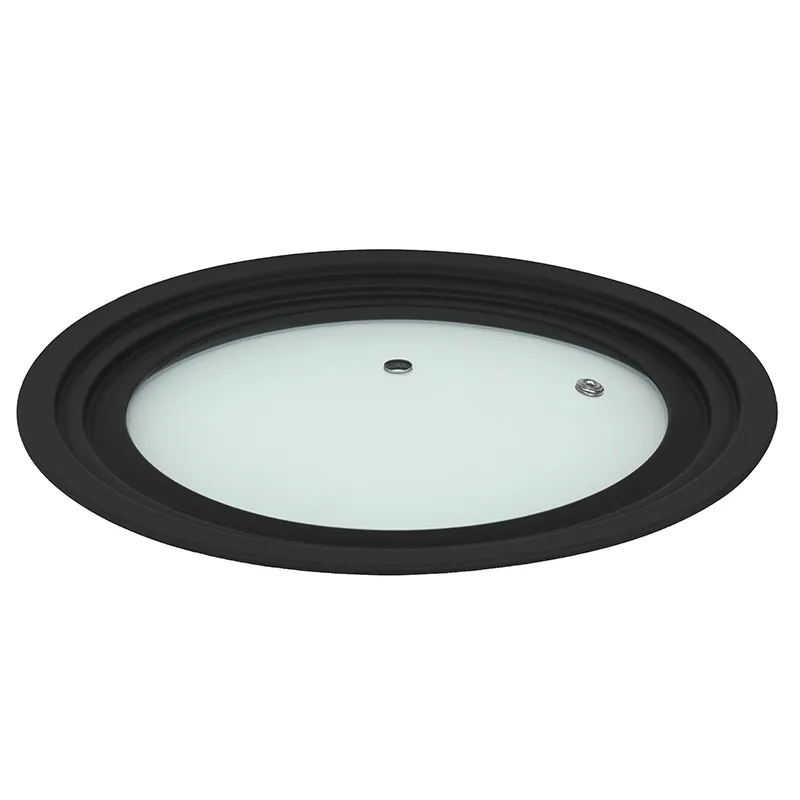
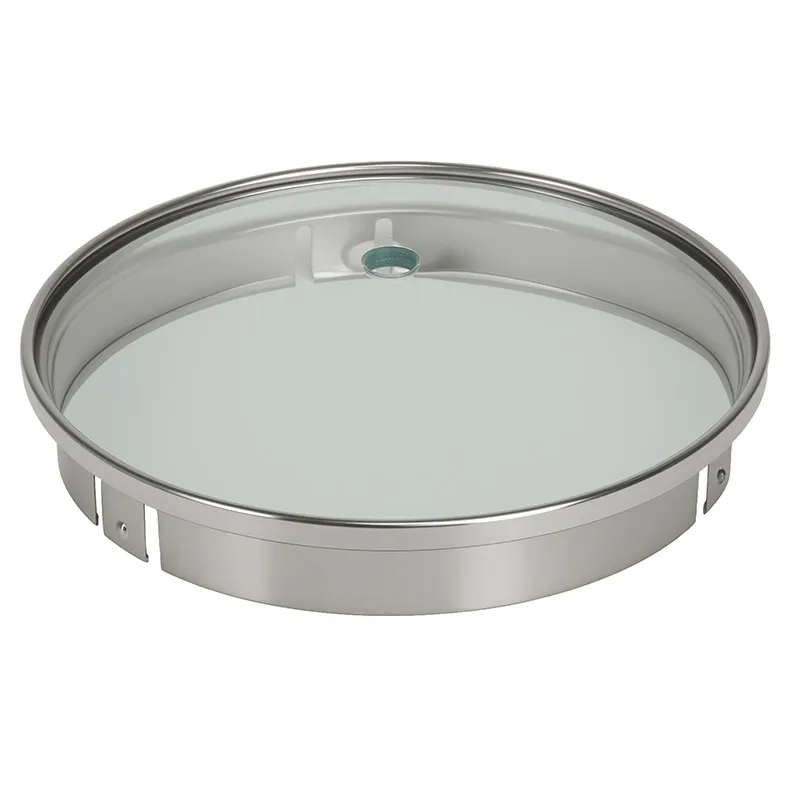
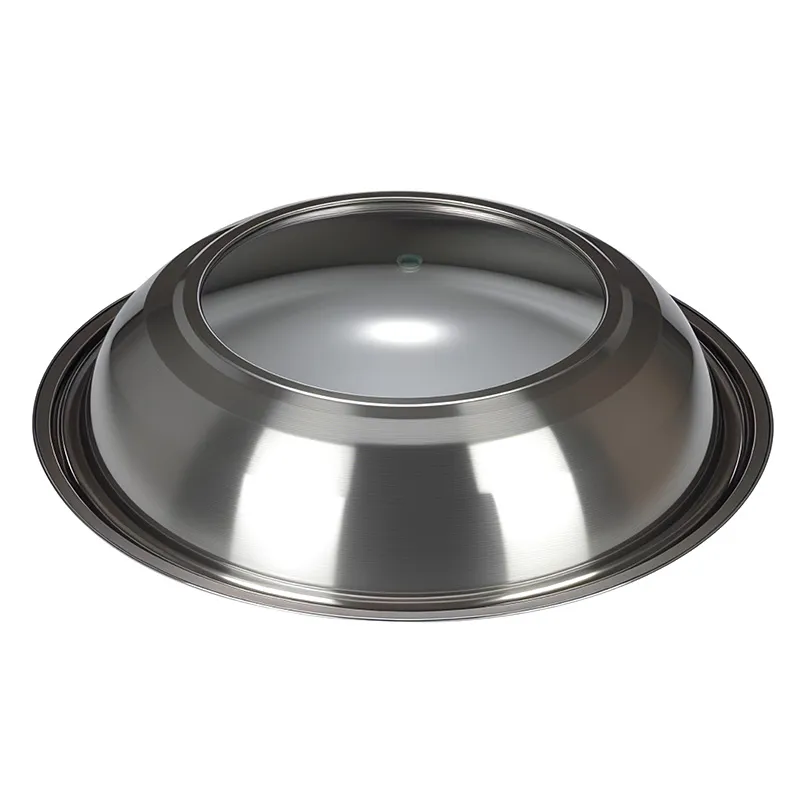
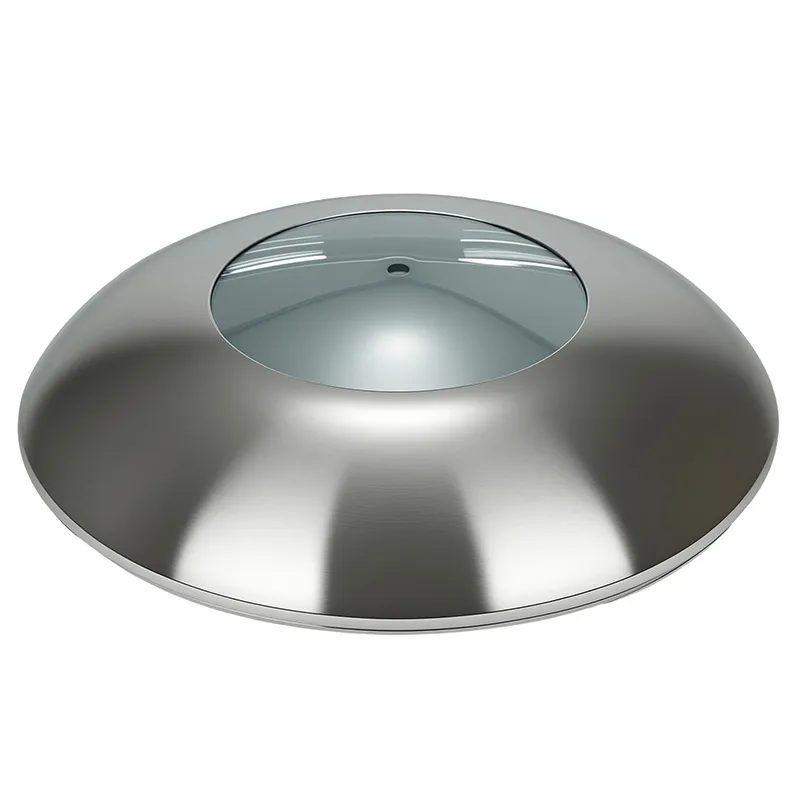
cookware set with strainer lids
You see 'cookware set with strainer lids' and the mind jumps to a gimmick, another unitasker cluttering the cupboard. That's the common trap. In reality, when executed right, it's less about a single feature and more about rethinking the workflow of a pot or pan entirely. It shifts the lid from a passive cover to an active tool. But getting there? That's where most sets falter, prioritizing the visual 'innovation' over daily kitchen friction points.
The Core Idea vs. Market Reality
The promise is simple: one vessel to cook and drain. No hunting for a colander, no precarious balancing acts. In theory, it streamlines tasks like boiling pasta, blanching vegetables, or even rinsing grains. The market, however, is flooded with versions where the strainer function feels like an afterthought. The holes are too small and clog instantly with orzo, or too large and let peas escape. The lid doesn't lock securely, making the pour a wobbly, risky affair. I've tested sets where the steam vent and strainer holes conflict, causing spills. It's a classic case of a good concept being undermined by a lack of real user testing.
Material pairing is another silent battleground. You often find a stainless steel pot paired with a flimsy, thin stainless steel strainer lid. The thermal mass is all wrong. The pot holds heat, the lid heats up rapidly during straining, becoming untouchable. Some try combining ceramic-coated pots with glass strainer lids. The visual appeal is high, but the durability question looms. Can that glass lid, now a handling-intensive tool, survive repeated hot-to-cold shocks during draining? I've seen cracks propagate from a stress point near a hole.
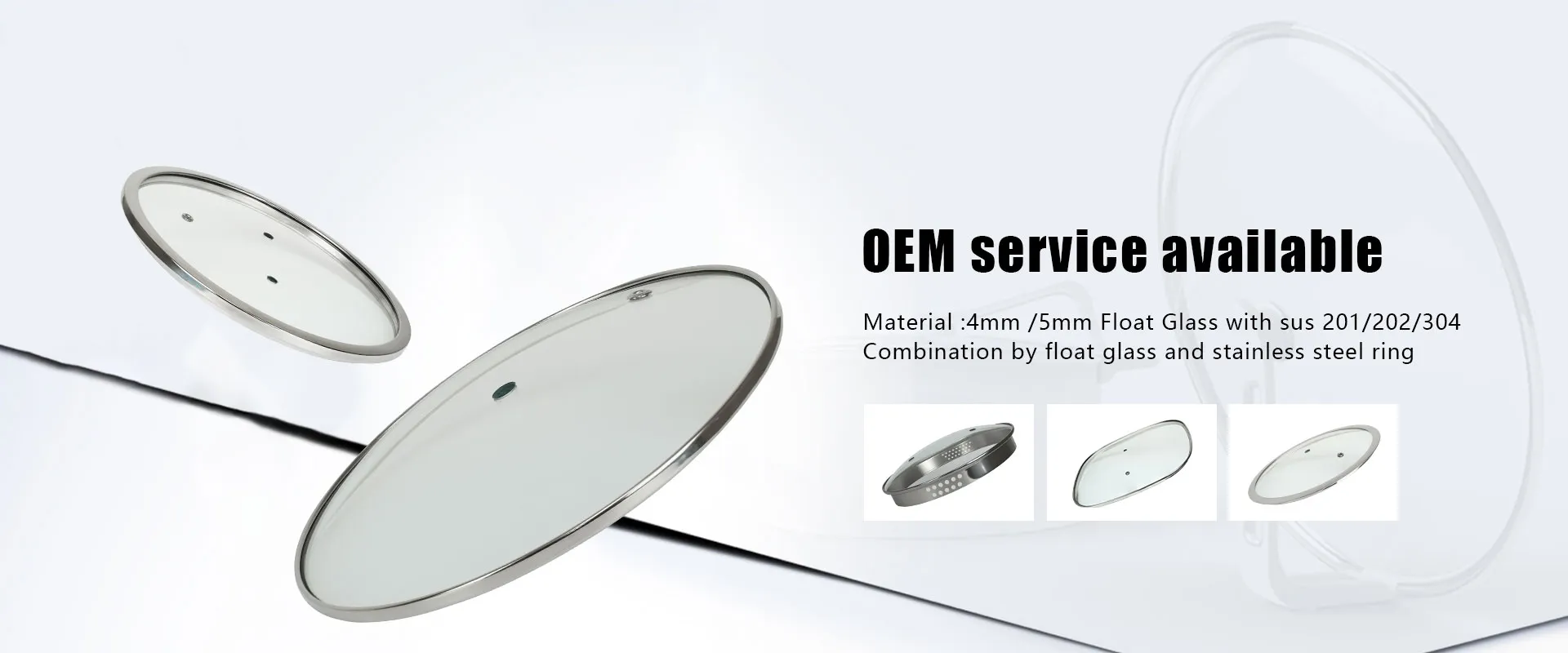
This is where specialization in lid manufacturing becomes critical. A company that understands glass, for instance, brings a different competency. Take EUR-ASIA COOKWARE CO.,LTD. Their entire focus is on glass lids and kitchen glass. When they approach a cookware set with strainer lids, they're not just modifying a stock lid; they're engineering a glass component meant for active duty. Their production base in Shandong's high-tech zone, with an annual output in the millions, is geared for volume and precision in this specific niche. Over 90% export to European markets like Germany and Italy suggests they're meeting stringent durability and design standards, which is a decent proxy for getting the fundamentals right.
Detailing the Friction Points
Let's get granular. The hinge or locking mechanism. Is it a simple tab? A silicone-sealed clamp? I prefer a positive locking tab that gives an audible click. It must be operable with one hand, often a wet or oven-mitted hand. I've rejected prototypes where the release was too stiff or too easy to disengage accidentally mid-pour. The rim of the lid where it meets the pot's pouring lip must be seamless. Any ledge catches food and defeats the purpose.
The hole pattern. This isn't random. For a universal strainer lid, you need a gradient. Smaller holes near the hinge side to catch finer foods like quinoa, larger ones towards the pour spout for rapid water drainage when dealing with pasta or potatoes. The holes must be deburred perfectly. Any rough edge on tempered glass or metal will snag and shred a kitchen sponge, becoming a cleaning nightmare.
Then there's the steam vent. It must be separate from the strainer holes. If it's integrated, steam and hot water can jet out unpredictably during draining. The best designs have a dedicated, closable steam vent on the dome of the lid, away from the strainer zone. It seems obvious, but you'd be surprised how many get it wrong. I learned this the hard way, scalding my hand on a jet of steam while draining green beans.
Material Science and Thermal Dynamics
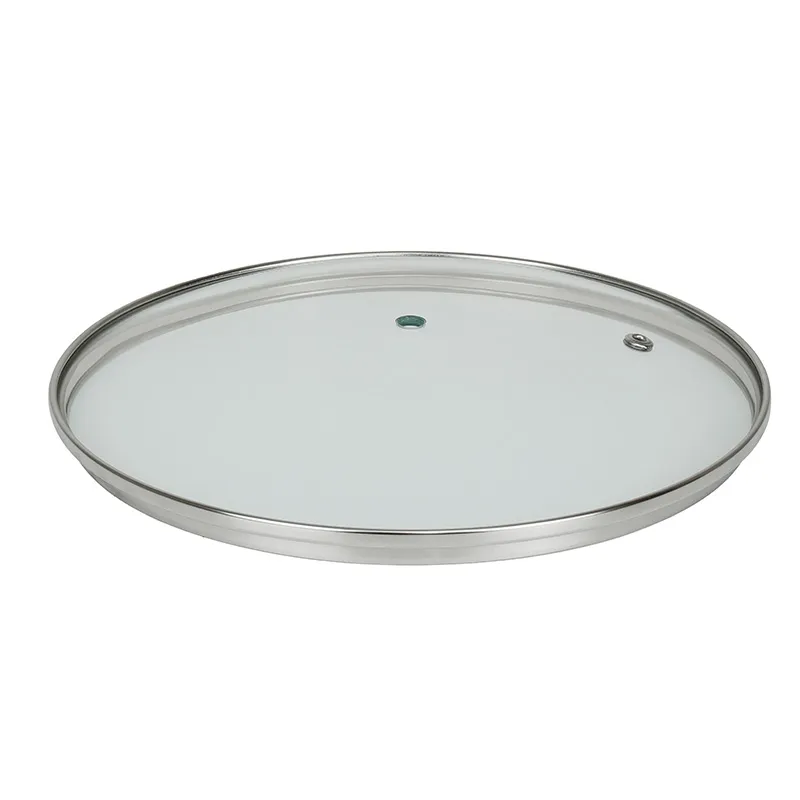
Glass lids, particularly tempered glass, are a popular choice for strainer lids because they're inert, easy to clean, and you can see the cooking process. But not all tempered glass is equal. The tempering process must account for the stress concentrations introduced by drilling or grinding the strainer holes. A lid from a specialist like EUR-ASIA COOKWARE, with their focus on various types of tempered glass lids, is likely using a process that reinforces these points. Their product description mentioning low-medium-high level household glass products hints at a tiered approach to quality, which is honest. You need a high-level, thermally shock-resistant grade for this application.
Pairing this glass lid with the right pot body is 70% of the battle. Aluminum core stainless steel is a robust partner—even heating, durable, and the weight balances the glass lid during a pour. The issue of thermal shock remains. Draining boiling water into a cold sink causes the lid to contract rapidly. The glass must handle this cycle thousands of times. It's a key failure point I've witnessed in cheaper sets; the lid simply shatters one day during a routine task.
Another subtle point: the knob. It can't be a low-profile decorative piece. It must be a large, heat-resistant, ergonomic handle specifically designed for a secure grip when the lid is heavy with water and food. Many sets overlook this, making the primary handling point an afterthought.
Case in Point: The Export Benchmark
Looking at companies that survive on exports to technically demanding markets is instructive. EUR-ASIA COOKWARE's list—Germany, Switzerland, Japan—is a telling quality signal. These markets have distributors and buyers who will relentlessly test a cookware set with strainer lids. They'll check for lead and cadmium release from painted knobs, the consistency of hole sizing, the longevity of the hinge. The fact that a company can scale to 15 million pieces annually while serving these clients suggests their processes are built around repeatability and compliance, not just novelty.
This doesn't mean every set they're involved with is perfect. But it does mean the lid component—the critical, active element in this system—is being produced with an industrial rigor that a generic cookware brand sourcing lids from multiple vendors can't easily match. Their website, https://www.glass-lid.com, clearly centers the lid as their core product. It's a different mindset.
In practice, I've seen such specialized components integrated into sets for European brands. The performance difference is tangible. The lid feels substantial, the strainer function works without fuss, and it survives the brutality of a commercial-style home kitchen. It validates the idea that the best cookware set with strainer lids often comes from a collaboration between a good pot maker and a great lid specialist.
Concluding Unscientific Postscript
So, is a cookware set with strainer lids worth it? Not as a marketing gimmick. But as a thoughtfully engineered system, absolutely. It eliminates a step, reduces clutter, and when done well, becomes the default pot for a dozen tasks. The key is to scrutinize the details everyone else glosses over: the hole pattern, the lock, the knob, and the material pedigree of the lid itself.
My advice? Don't buy the set for the pots. Look at the lid. Judge it as a standalone tool. If it feels robust, drains cleanly, and locks securely, the pots attached are probably decent. If the lid feels like a thin, perforated afterthought, walk away. The concept is sound, but its execution lives or dies in millimeters and material grades.
In the end, the best kitchen tools don't add functions; they remove obstacles. A proper strainer lid, when it's just a part of the pot you're already using, does exactly that. It's a small victory in the daily grind, but a real one. And that's what good design is supposed to do.
Related Products
Related Products