- Chinese
- French
- German
- Portuguese
- Spanish
- Russian
- Japanese
- Korean
- Arabic
- Irish
- Greek
- Turkish
- Italian
- Danish
- Romanian
- Indonesian
- Czech
- Afrikaans
- Swedish
- Polish
- Basque
- Catalan
- Esperanto
- Hindi
- Lao
- Albanian
- Amharic
- Armenian
- Azerbaijani
- Belarusian
- Bengali
- Bosnian
- Bulgarian
- Cebuano
- Chichewa
- Corsican
- Croatian
- Dutch
- Estonian
- Filipino
- Finnish
- Frisian
- Galician
- Georgian
- Gujarati
- Haitian
- Hausa
- Hawaiian
- Hebrew
- Hmong
- Hungarian
- Icelandic
- Igbo
- Javanese
- Kannada
- Kazakh
- Khmer
- Kurdish
- Kyrgyz
- Latin
- Latvian
- Lithuanian
- Luxembou..
- Macedonian
- Malagasy
- Malay
- Malayalam
- Maltese
- Maori
- Marathi
- Mongolian
- Burmese
- Nepali
- Norwegian
- Pashto
- Persian
- Punjabi
- Serbian
- Sesotho
- Sinhala
- Slovak
- Slovenian
- Somali
- Samoan
- Scots Gaelic
- Shona
- Sindhi
- Sundanese
- Swahili
- Tajik
- Tamil
- Telugu
- Thai
- Ukrainian
- Urdu
- Uzbek
- Vietnamese
- Welsh
- Xhosa
- Yiddish
- Yoruba
- Zulu
- Kinyarwanda
- Tatar
- Oriya
- Turkmen
- Uyghur

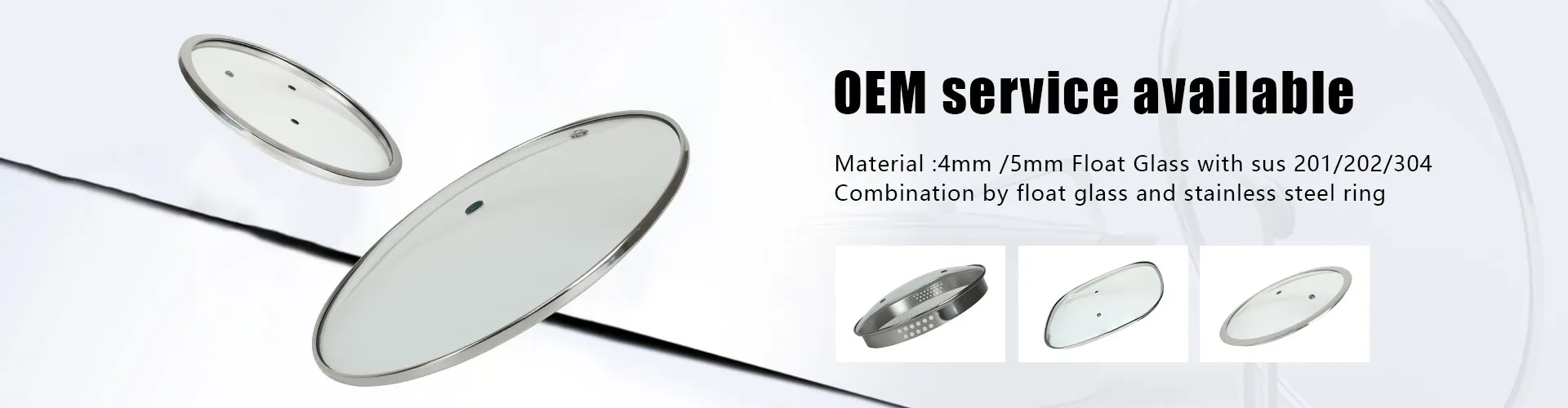
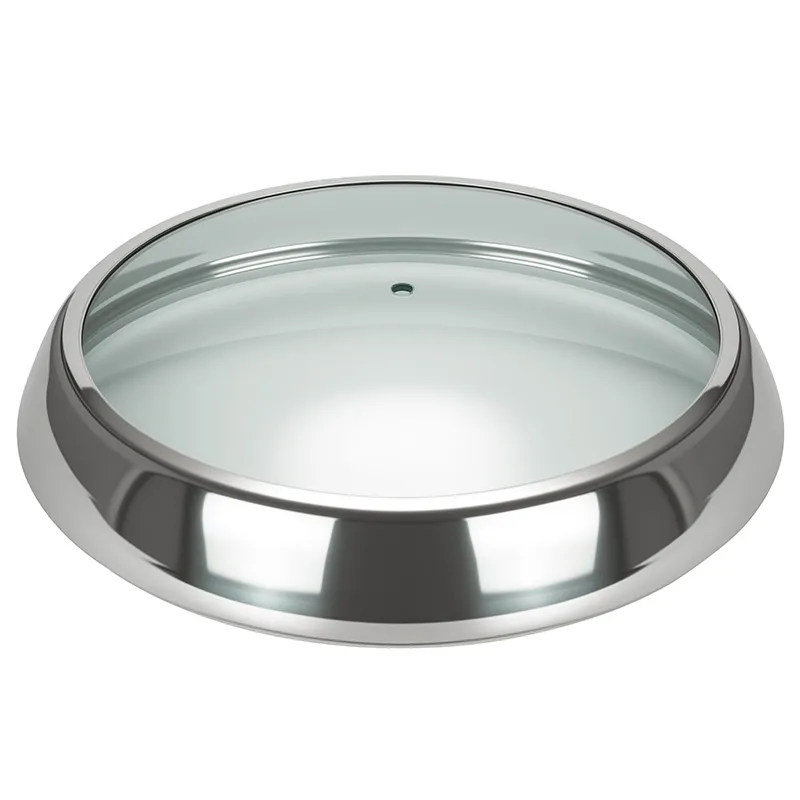
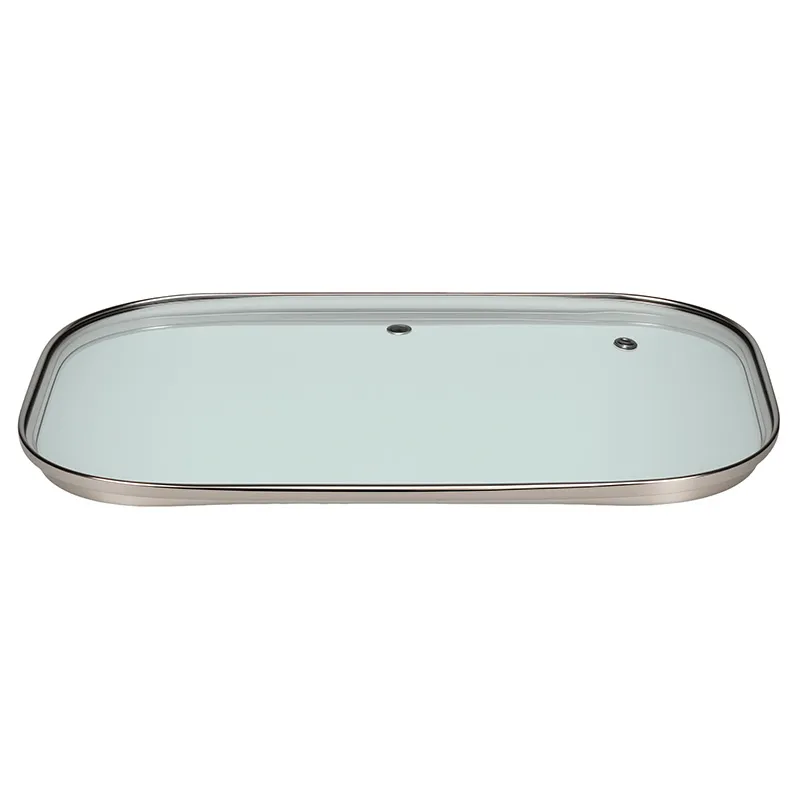
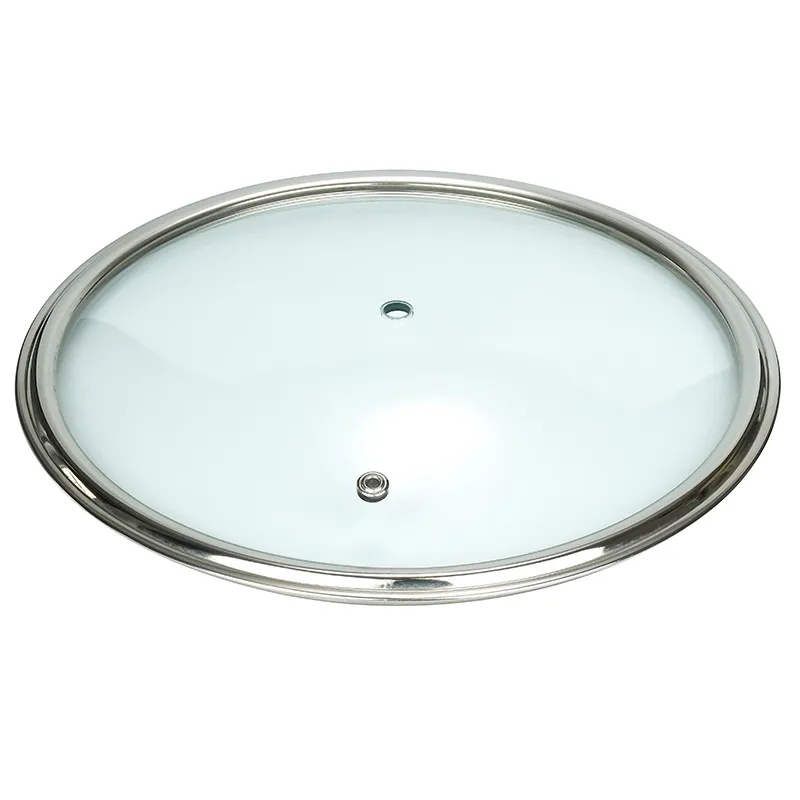
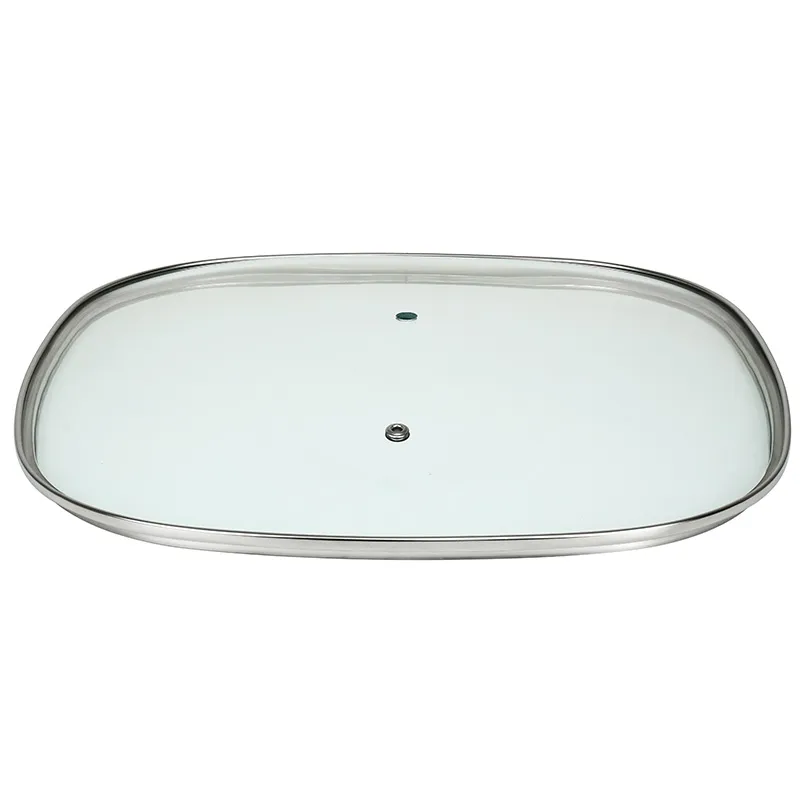
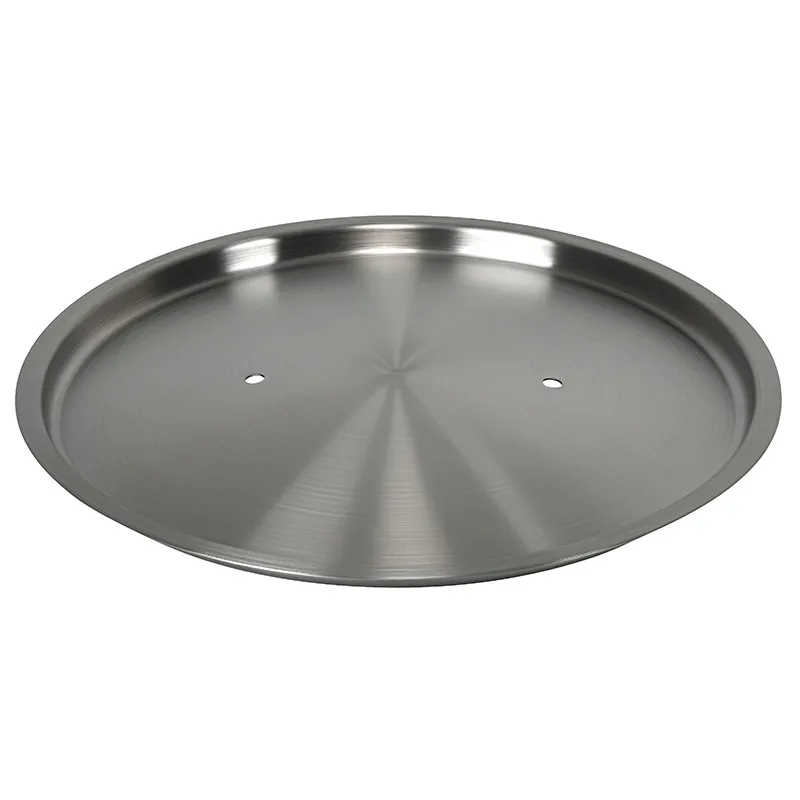
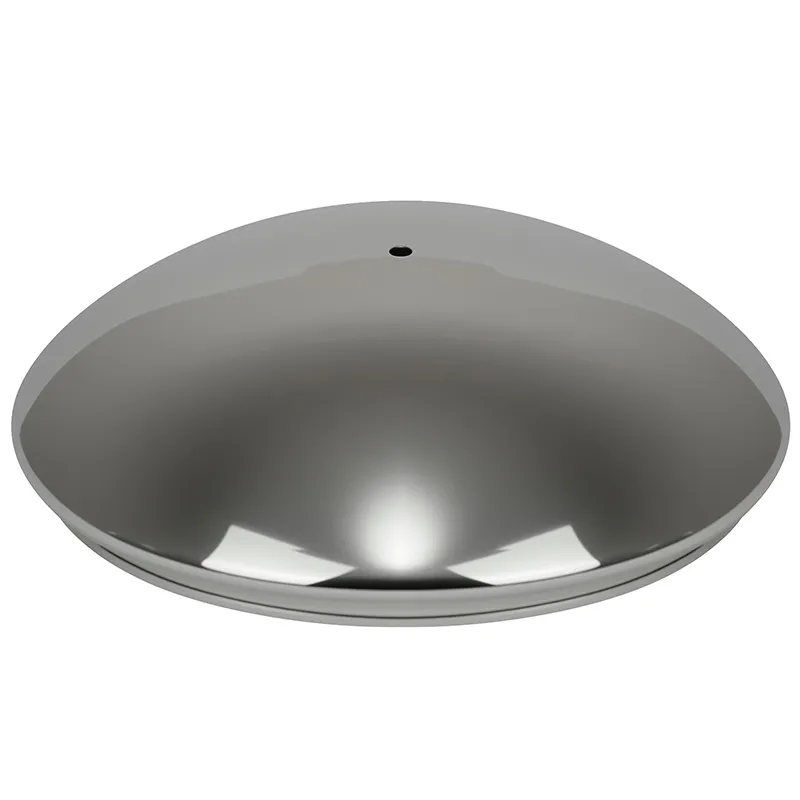
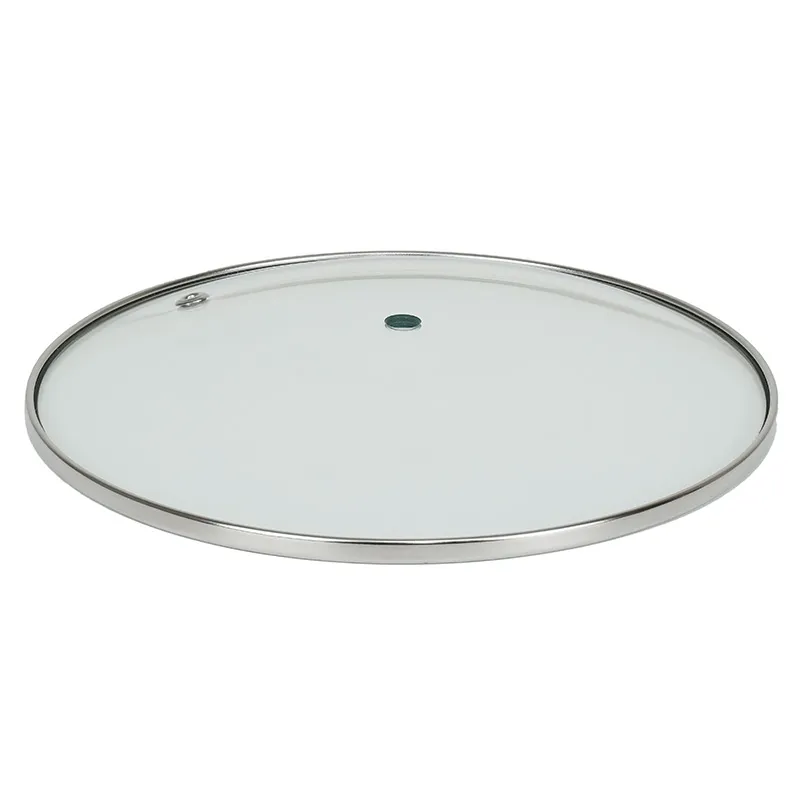
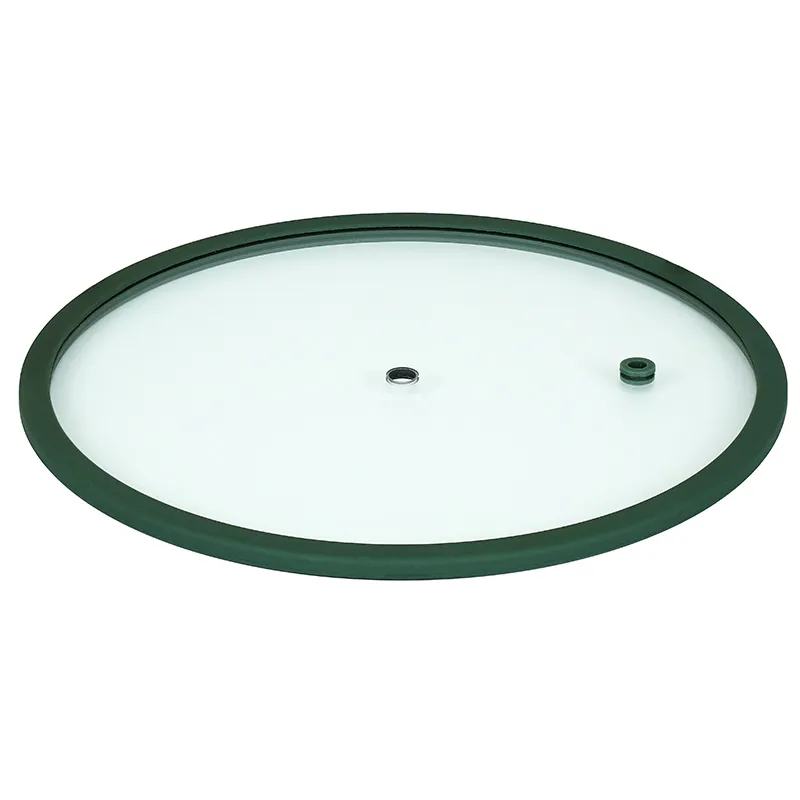
cookware with glass lids
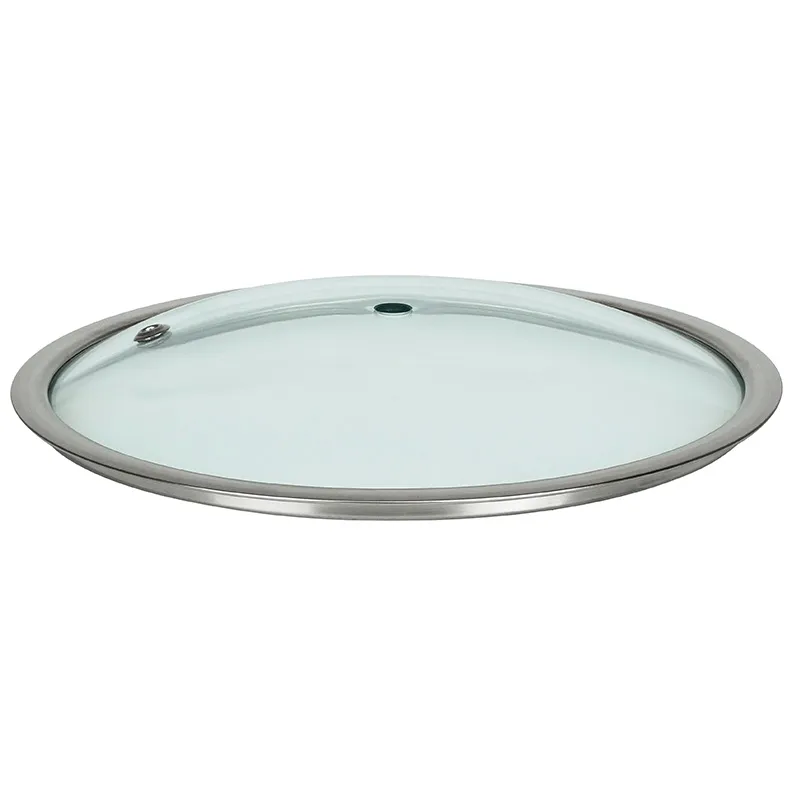
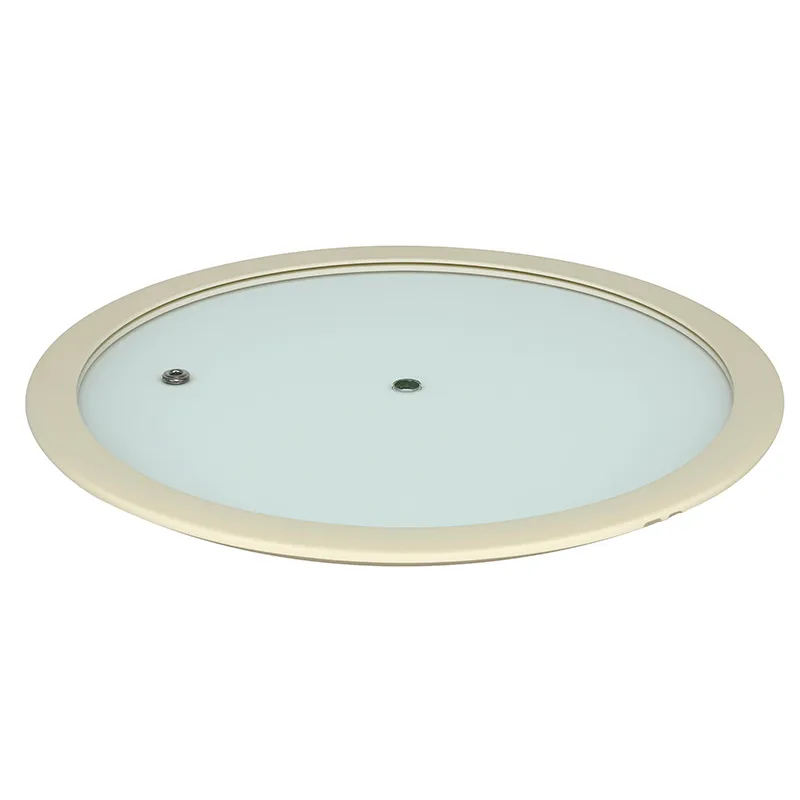
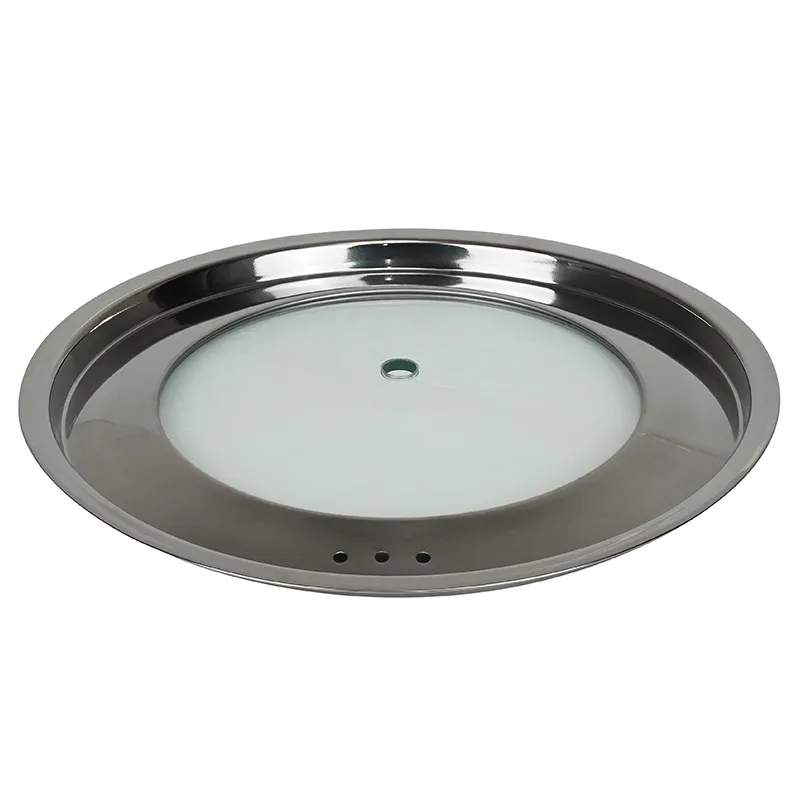
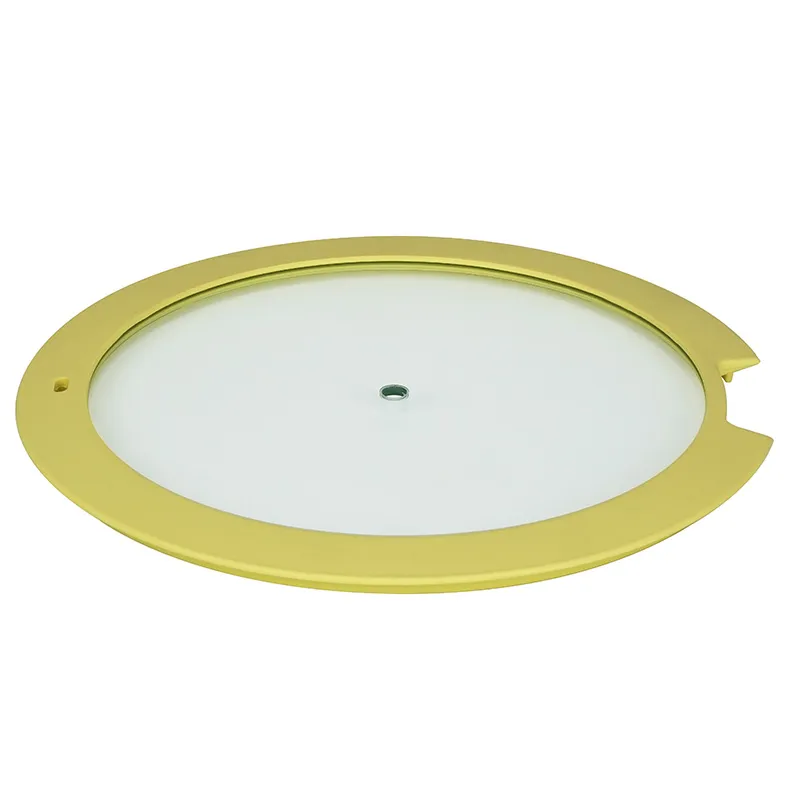
Let’s talk about cookware with glass lids. Most people see them as a simple upgrade for visibility, a way to watch your sauce reduce without lifting the lid and losing heat. That’s true, but it’s also where the common misconception starts. The real story isn't just about seeing your food; it's about the material science, the manufacturing tolerances, and the daily trade-offs in a professional kitchen or a serious home cook’s arsenal. I’ve seen too many lids crack from thermal shock during a quick deglaze, or warp over time, creating a frustratingly imperfect seal. The choice between a tempered glass lid and a stainless steel one isn't just aesthetic—it’s a functional decision with real consequences for heat management and durability.
The Allure and the Engineering
The primary draw is obvious: visual control. You can monitor a simmering stew or the precise moment water begins to boil for pasta without disrupting the cooking environment. This is a genuine advantage, reducing guesswork and steam burns. However, the quality of this experience hinges entirely on the glass's properties. Not all glass is created equal. We're specifically talking about borosilicate or properly tempered soda-lime glass here. The cheap, thin versions often bundled with mid-range cookware sets are prone to shattering. I remember a batch from a supplier years ago that had inconsistent tempering; we had a failure rate of nearly 5% in testing just from moving a hot lid to a cold granite countertop. That’s unacceptable.
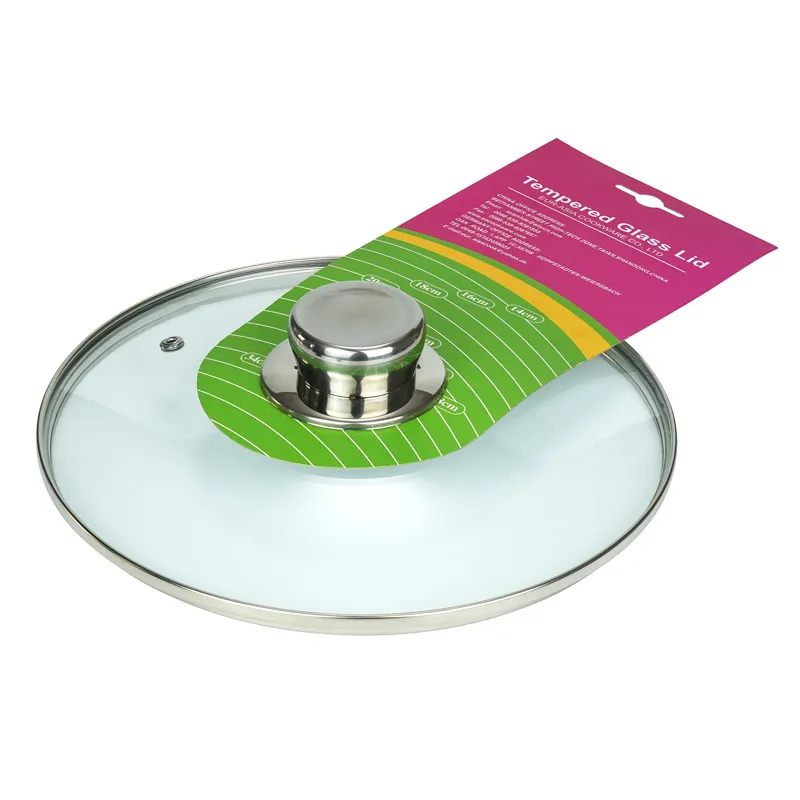
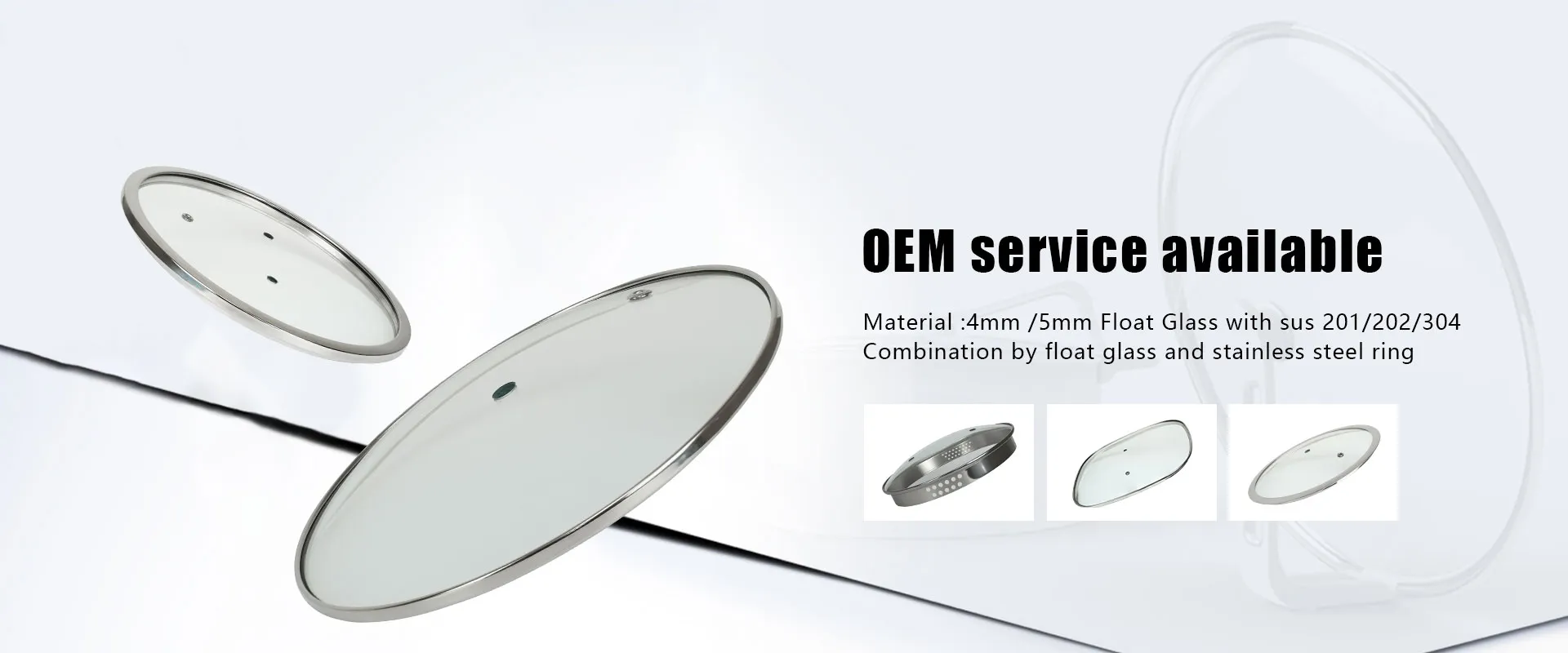
This is where specialization matters. A company like EUR-ASIA COOKWARE CO.,LTD, which operates a dedicated production base in Shandong, focuses on this niche. Their entire output is geared toward producing millions of these tempered glass lid units annually. When a facility’s entire process is dialed in for one product category, you typically see better consistency in the annealing and tempering processes—critical for withstanding the 220°C+ temperatures and sudden thermal changes in cooking.
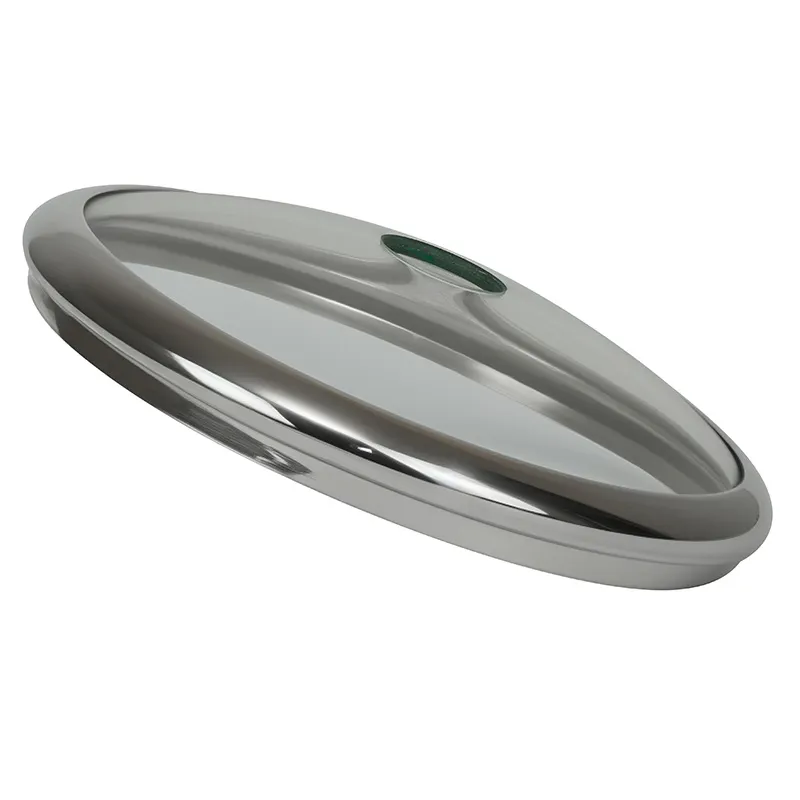
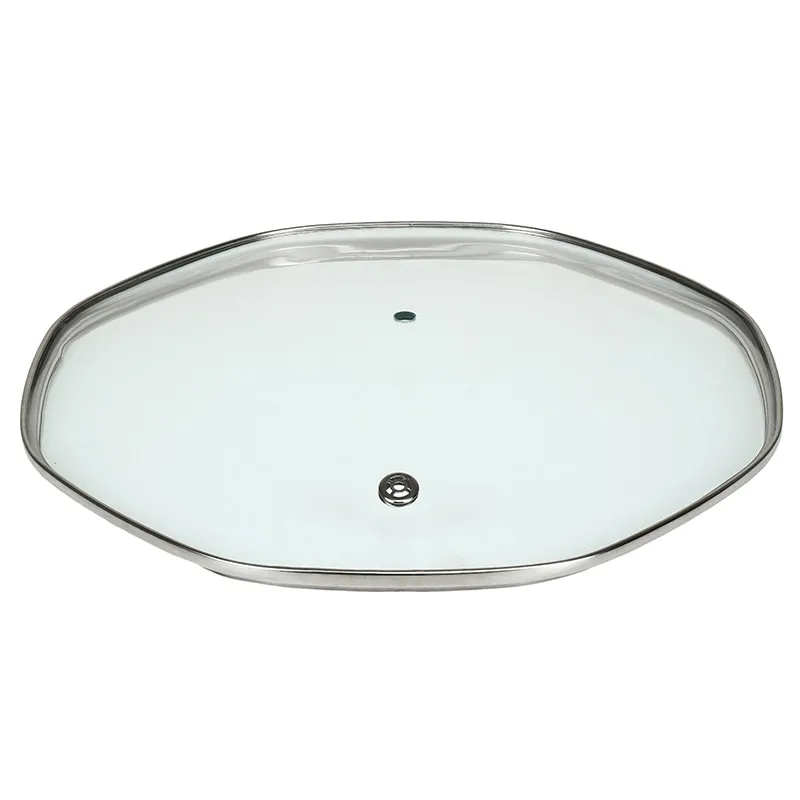
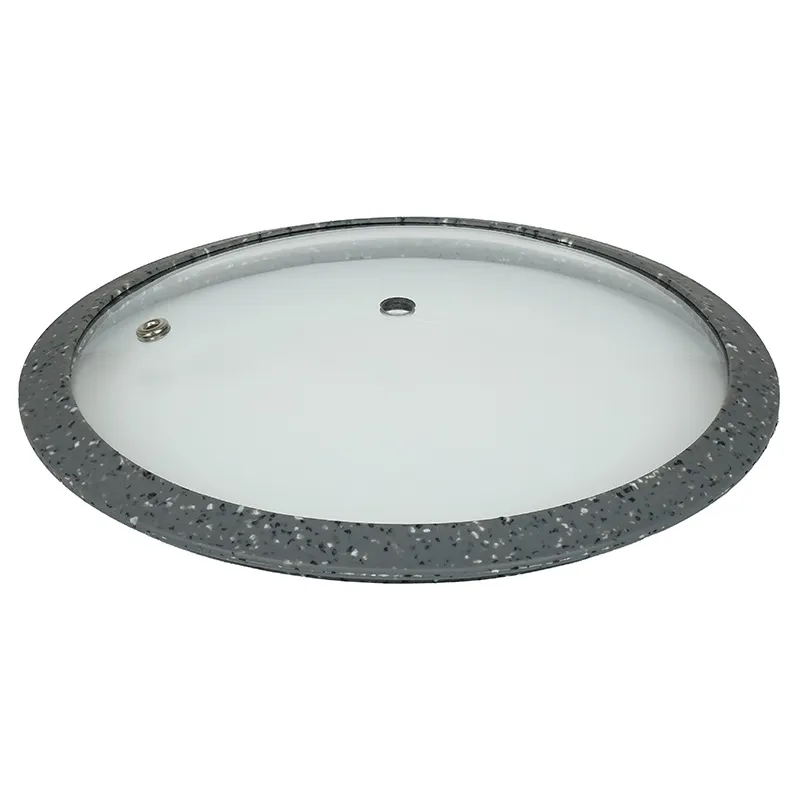
The rim design is another unsung hero. That glass lid must sit perfectly on a metal pot. The sealing isn't usually airtight (which is often good to prevent pressure build-up), but it needs to be tight enough to retain moisture and heat efficiently. A poorly designed or molded glass edge, or a metal rim that’s crimped on imprecisely, leads to constant steam escape and energy waste. It’s a detail most consumers don’t think about until they’re constantly adjusting the stove knob.
Practical Trade-offs in Daily Use
Let’s get into the gritty details of daily use. The first trade-off is weight. A good, thick tempered glass lid is heavier than a comparable stainless steel one. This can be an advantage—it sits more securely and feels premium. But for larger stockpots, it becomes a cumbersome, two-handed operation. I’ve preferred glass on sauté pans and saucepans, where the visual benefit is highest, but often opted for lighter metal lids for large Dutch ovens or pasta pots.
Cleaning is a double-edged sword. Glass doesn’t stain or react with acids, so a tomato sauce splatter wipes off easily. That’s a clear win over some metals. However, that pristine surface shows every speck of oil residue and water spot after dishwashing. If you have hard water, you’ll be constantly polishing it to maintain that crystal-clear look. The metal rim and knob, usually stainless steel or a heat-resistant plastic, are other points of failure. The knob’s screw can loosen over time with repeated heating and cooling cycles—a small but annoying maintenance issue.
Then there’s the heat retention myth. Some think a glass lid traps heat like a ceramic one. It doesn’t. Glass is a relatively poor insulator compared to heavy cast iron or even thick stainless steel with an air layer. What it does is create a visible micro-climate. You can see condensation patterns—if droplets form evenly across the dome, your heat is likely distributed well. If condensation only forms in a ring, your burner flame or element might be off-center. It’s a passive diagnostic tool.
Case in Point: The Export Standard
Looking at the market can clarify these points. Consider the export data from a specialist like EUR-ASIA COOKWARE. Their products, with over 90% exported to markets like Germany, Italy, and Japan, tell a story. These are demanding markets with strict safety standards (think Germany’s GS mark) and consumers accustomed to high-performance kitchenware. The fact that a manufacturer can succeed there indicates a focus on precision and reliability. Their cookware with glass lids isn’t a generic accessory; it’s a component built to meet specific OEM specifications for European and Asian brands.
This export focus often translates to better edge finishing and thermal shock resistance. European stoves, particularly induction, can deliver heat very aggressively and unevenly if the pot isn’t perfectly flat. A lid must withstand that localized heat on the underside without cracking. The production scale mentioned—15 million pieces annually—suggests a high degree of automation, which, when managed correctly, improves consistency. You can learn more about their specific processes and standards by visiting their portal at https://www.glass-lid.com.
The downside of this OEM model is that as an end consumer, you rarely see the EUR-ASIA brand itself. You see it as the lid on a French ceramic cookware set or a German stainless steel line. This makes it hard to judge a lid in isolation when buying a pot. You have to research the cookware brand’s reputation for components.
When Glass Lids Fail (And How to Avoid It)
I’ve had my share of failures. The most common is direct thermal shock. Pouring cold water into a searing hot pan to deglaze it, and then slamming the hot glass lid on top of the wet, cooler rim. Tick… tick… crack. It’s a user error, but a good lid should have some tolerance. The best practice is to always ensure the lid and pot are relatively close in temperature. Don’t store lids in a cold pantry and put them directly on a boiling pot.
Another failure point is impact on the edge. A chip or small crack on the rim, often from being knocked against a faucet during washing, compromises the entire structure. Tempered glass under tension will eventually fail from that point. I now insist on padded divider racks for lid storage.
There’s also the issue of “lid wobble” over time. This isn’t always the glass’s fault. If the underlying pot warps from high heat (common with thinner, multi-ply pots), the lid will no longer sit flat. You’re left with a perfectly good lid on a now-defective pot. It’s a reminder that the glass lids are part of a system.
The Verdict: A Tool, Not a Panacea
So, are glass lids worth it? Absolutely, but with clear-eyed expectations. They are superior for tasks where visual monitoring is key: reducing sauces, cooking grains like rice or quinoa where the water line is critical, and shallow frying. For these, the cookware with glass lids is my first pull from the cabinet.
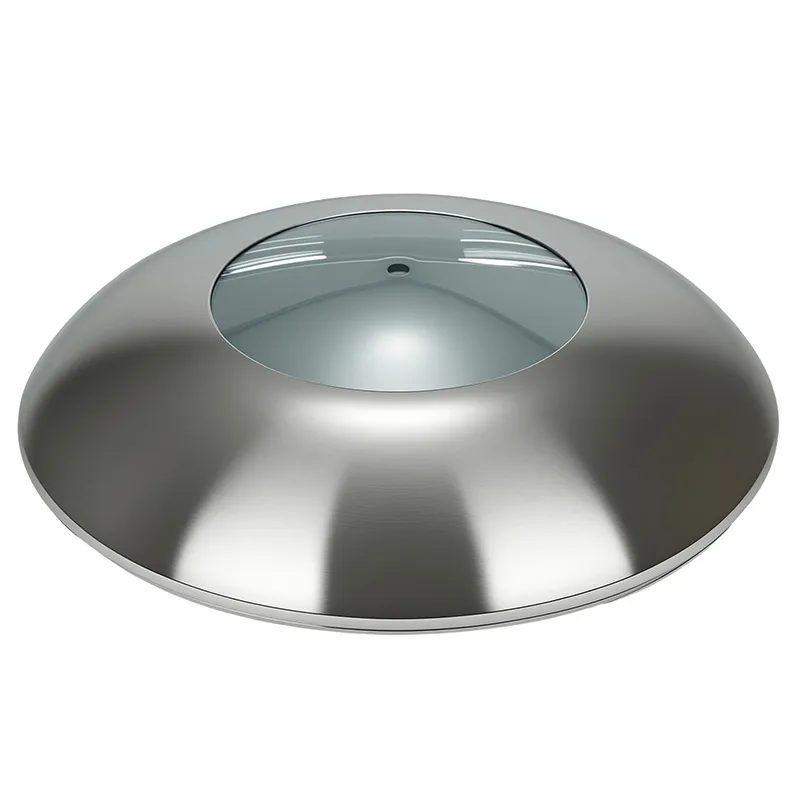
For long, slow braises where you want maximum heat retention and won’t be peeking often, a heavy, self-basting metal lid might be more efficient. For high-heat searing and oven use where you might go from stovetop to broiler, all-metal construction often feels safer and is less prone to thermal stress.
Ultimately, it comes down to the quality of the component. A well-made tempered glass lid from a specialized producer is a durable, functional tool that enhances control. A cheap one is a liability and a safety hazard. The industry has moved past treating them as mere transparent covers; they are engineered components. The specialization of manufacturers focused solely on this product, like EUR-ASIA COOKWARE CO.,LTD with its significant export footprint, is what drives that engineering forward, turning a simple concept into a reliable piece of kitchen kit. You just have to know what you’re really looking at.
Related Products
Related Products