
- Chinese
- French
- German
- Portuguese
- Spanish
- Russian
- Japanese
- Korean
- Arabic
- Irish
- Greek
- Turkish
- Italian
- Danish
- Romanian
- Indonesian
- Czech
- Afrikaans
- Swedish
- Polish
- Basque
- Catalan
- Esperanto
- Hindi
- Lao
- Albanian
- Amharic
- Armenian
- Azerbaijani
- Belarusian
- Bengali
- Bosnian
- Bulgarian
- Cebuano
- Chichewa
- Corsican
- Croatian
- Dutch
- Estonian
- Filipino
- Finnish
- Frisian
- Galician
- Georgian
- Gujarati
- Haitian
- Hausa
- Hawaiian
- Hebrew
- Hmong
- Hungarian
- Icelandic
- Igbo
- Javanese
- Kannada
- Kazakh
- Khmer
- Kurdish
- Kyrgyz
- Latin
- Latvian
- Lithuanian
- Luxembou..
- Macedonian
- Malagasy
- Malay
- Malayalam
- Maltese
- Maori
- Marathi
- Mongolian
- Burmese
- Nepali
- Norwegian
- Pashto
- Persian
- Punjabi
- Serbian
- Sesotho
- Sinhala
- Slovak
- Slovenian
- Somali
- Samoan
- Scots Gaelic
- Shona
- Sindhi
- Sundanese
- Swahili
- Tajik
- Tamil
- Telugu
- Thai
- Ukrainian
- Urdu
- Uzbek
- Vietnamese
- Welsh
- Xhosa
- Yiddish
- Yoruba
- Zulu
- Kinyarwanda
- Tatar
- Oriya
- Turkmen
- Uyghur


cookware with strainer lids
When you first hear 'cookware with strainer lids,' it's easy to dismiss it as a niche gimmick—another single-use gadget cluttering the drawer. I thought so too, years back. The market was flooded with poorly conceived designs: flimsy plastic inserts that warped with steam, or lids with perforations so small they'd clog with a single grain of rice. The core misconception, both from consumers and some manufacturers, was treating the straining function as an afterthought, not an integral part of the cooking vessel's performance. It took handling hundreds of units, from cheap imports to high-end European lines, to see where the real value lies—and where most fail.
The Anatomy of a Functional Strainer Lid
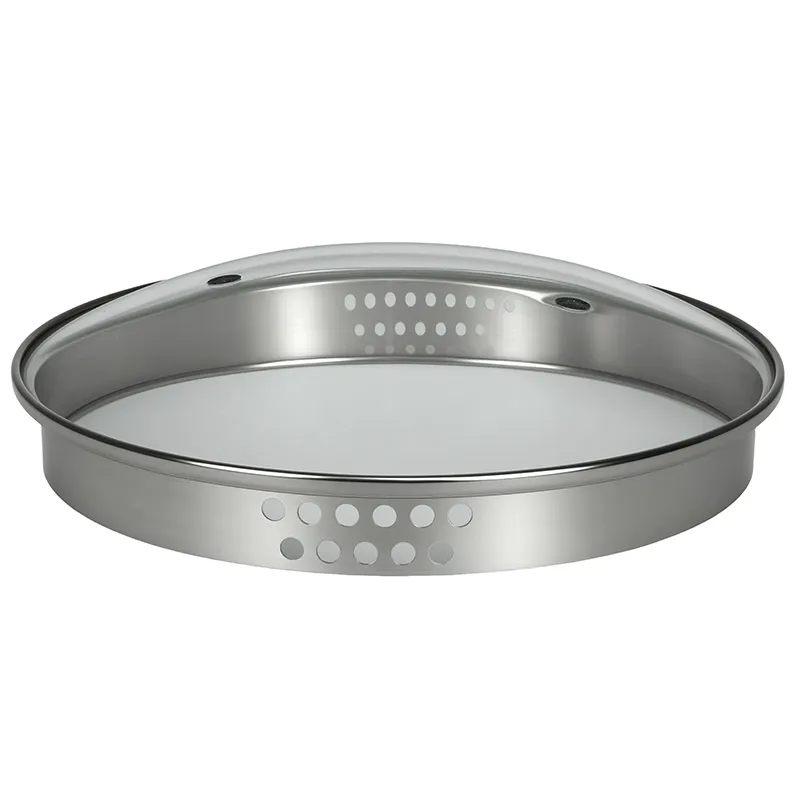
It's not just about holes in a lid. The geometry is everything. The perforation pattern needs to achieve a balance: large enough to drain water quickly without letting small pasta like orzo escape, yet distributed to prevent a vacuum seal that makes lifting a pot of boiling water dangerous. I've seen lids where the holes are only in the center, which is practically useless—water pools at the edges. A good design, like some I've seen from German suppliers, uses a radial or grid pattern that extends nearly to the rim.
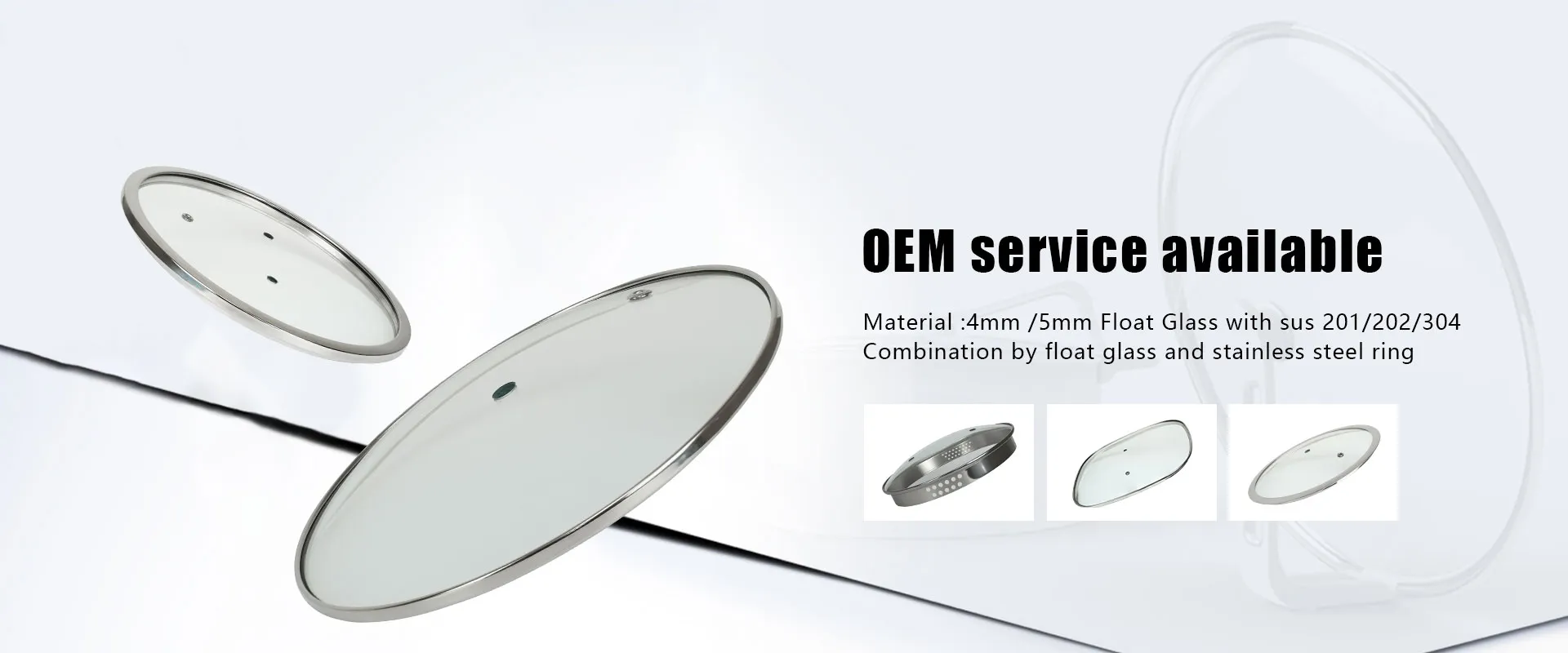
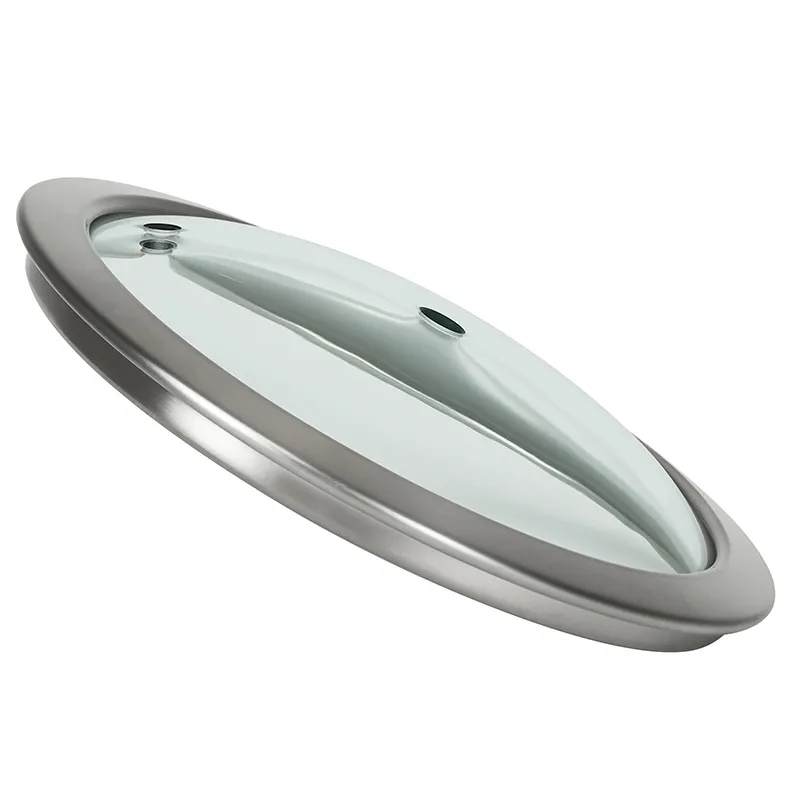
Then there's the material. Tempered glass is the undisputed champion here for the lid body. It allows visual monitoring without lifting the lid and losing heat, which is half the benefit. The strainer component, often a stainless steel insert or the perforated glass itself, must withstand thermal shock. A common failure point in early models was the bonding between the glass and a metal straining ring; differential expansion would cause leaks or outright failure. This is where manufacturing expertise, like that at a specialized facility such as EUR-ASIA COOKWARE CO.,LTD, becomes critical. Their focus on tempered glass for lids means they understand the stress points. You can check their approach at glass-lid.com—their export volume to European markets suggests they've solved these engineering challenges for demanding clients.
The handle is another subtle detail. It must be ergonomic for a secure, possibly wet, grip during straining, and it must be mounted in a way that doesn't compromise the lid's integrity or create a cleaning nightmare. A riveted handle over the straining area? That's a design flaw I've called out before.
In the Wild: Practical Scenarios and Pitfalls
So, where does this tool earn its keep? The obvious one is pasta. But it's more than that. Blanching vegetables becomes a one-pot operation. You can steam broccoli in a shallow layer of water, then lift the lid to drain it instantly, preserving color and nutrients. I use mine for parcooking potatoes for roasting, or even for draining canned beans—though you have to be cautious about the smaller beans like black beans with certain hole sizes.
The pitfall most home cooks don't anticipate is starchy water. After boiling potatoes or pasta, that residual starch can create a film that clogs the holes. The immediate impulse is to poke them with a knife—don't. You'll scratch the surface or, worse, chip tempered glass. The move is to rinse the lid under hot water immediately, using a soft brush if needed. Some higher-end cookware with strainer lids now feature a non-stick coating on the straining surface, which helps, but adds another layer of cost and potential wear.
There's also the issue of matching the lid to the pot. A universal fit is a myth. Even a slight gap can turn straining into a messy, splashy affair. The best systems are sold as a set, or the lid is specifically designed for its companion pot, ensuring a flush fit at the rim. This is a key advantage of buying a dedicated straining pot versus a universal lid add-on.
The Manufacturing Perspective and Material Truths
From a production standpoint, creating a reliable strainer lid is a lesson in precision. Take the company EUR-ASIA COOKWARE CO.,LTD. Their specialization in tempered glass lids for a global market means they're dealing with strict EU and Asian safety standards. Tempering the glass after the holes are drilled or molded is crucial; doing it before risks shattering the entire piece. Their annual output of over 15 million pieces, as noted in their company intro, isn't just a number—it implies a refined, scalable process that has passed the quality audits of distributors in Germany, Italy, and Japan. That's a credible benchmark.
But material choice dictates everything. Low-end products might use soda-lime glass with minimal tempering or even plastic. These will cloud over time, warp, and can't handle direct high-heat straining. The mid-to-high tier sticks with borosilicate or properly tempered soda-lime glass. The strainer part should be 18/10 stainless steel, not a chrome-plated or mystery metal that will react with acids and pit. If you're sourcing or recommending products, the material spec sheet is the first thing to ask for.
When It Doesn't Work: Learning from Failures
Not every application is a win. I tried to use a strainer lid for draining ground beef after browning. Big mistake. The fine particles immediately clogged every hole, and the grease made cleanup a chore. It's a tool best suited for water-based cooking with discrete, larger food items. Similarly, for grains like quinoa or millet, the holes must be exceptionally fine, which then affects draining speed and increases clog risk. There's a limit to its universality.
I've also tested prototypes where the lid was too heavy. When you add the mass of water-logged food, lifting a 2kg cast iron lid with one hand is a wrist injury waiting to happen. The ideal weight is a compromise between durability (thick glass) and maneuverability. This is a tangible difference you only feel after a dozen uses, not in a showroom.
The Verdict: A Niche Justified
So, is cookware with strainer lids a must-have for every kitchen? No. But for anyone who regularly boils, blanches, or steams, it's a legitimate space and time-saver that reduces gadget clutter. It consolidates two tools (pot + colander) into one, with the added benefit of a viewing window. The key is to avoid the cheap, poorly thought-out versions. Look for robust tempered glass, intelligent hole patterning, secure handle attachment, and a proven manufacturer—often those supplying professional or demanding international markets.
It's a product category that has matured past its gimmicky phase. The real ones aren't just pots with holed lids; they're integrated systems designed around a specific cooking workflow. When you find a well-executed version, you stop thinking about the lid as a separate feature. It just becomes how you cook those things, and that's the mark of a genuinely useful tool.
Related Products
Related Products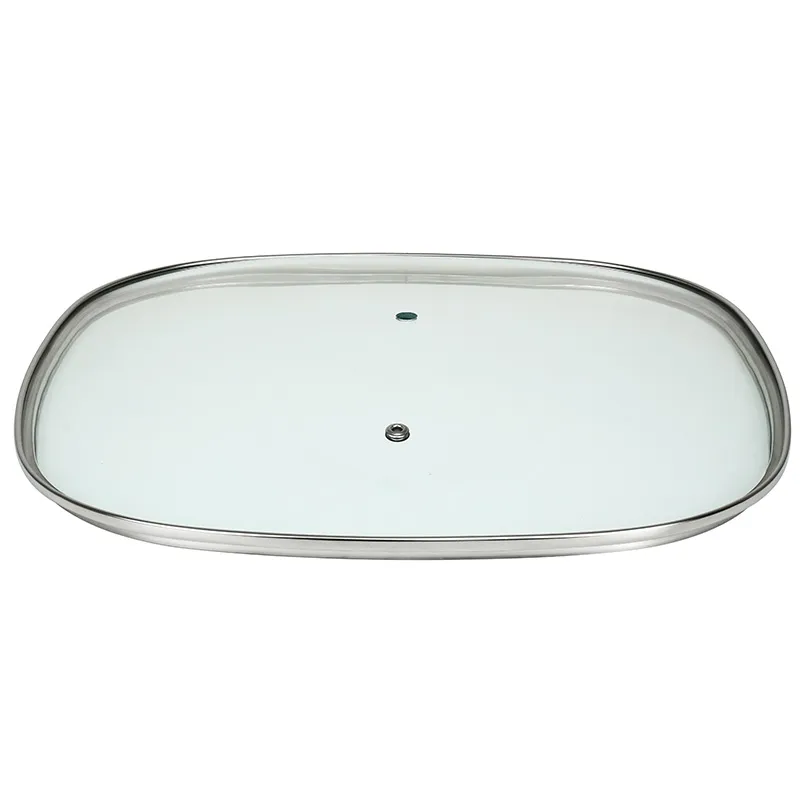
Best Selling Products
Best Selling Products
Related Search
Related Search- C type glass lid manufacturing
- gotham steel clear tempered glass vented lid
- tempred glass lid supplier of China
- wide rim glass cover
- glass lid distributior
- powerxl smokeless grill with tempered glass lid
- instant pot tempered glass lid
- glass pot with lid for cooking
- glass decanter with lid
- silicone glass cover made in China


