- Chinese
- French
- German
- Portuguese
- Spanish
- Russian
- Japanese
- Korean
- Arabic
- Irish
- Greek
- Turkish
- Italian
- Danish
- Romanian
- Indonesian
- Czech
- Afrikaans
- Swedish
- Polish
- Basque
- Catalan
- Esperanto
- Hindi
- Lao
- Albanian
- Amharic
- Armenian
- Azerbaijani
- Belarusian
- Bengali
- Bosnian
- Bulgarian
- Cebuano
- Chichewa
- Corsican
- Croatian
- Dutch
- Estonian
- Filipino
- Finnish
- Frisian
- Galician
- Georgian
- Gujarati
- Haitian
- Hausa
- Hawaiian
- Hebrew
- Hmong
- Hungarian
- Icelandic
- Igbo
- Javanese
- Kannada
- Kazakh
- Khmer
- Kurdish
- Kyrgyz
- Latin
- Latvian
- Lithuanian
- Luxembou..
- Macedonian
- Malagasy
- Malay
- Malayalam
- Maltese
- Maori
- Marathi
- Mongolian
- Burmese
- Nepali
- Norwegian
- Pashto
- Persian
- Punjabi
- Serbian
- Sesotho
- Sinhala
- Slovak
- Slovenian
- Somali
- Samoan
- Scots Gaelic
- Shona
- Sindhi
- Sundanese
- Swahili
- Tajik
- Tamil
- Telugu
- Thai
- Ukrainian
- Urdu
- Uzbek
- Vietnamese
- Welsh
- Xhosa
- Yiddish
- Yoruba
- Zulu
- Kinyarwanda
- Tatar
- Oriya
- Turkmen
- Uyghur

cookware with vented lids
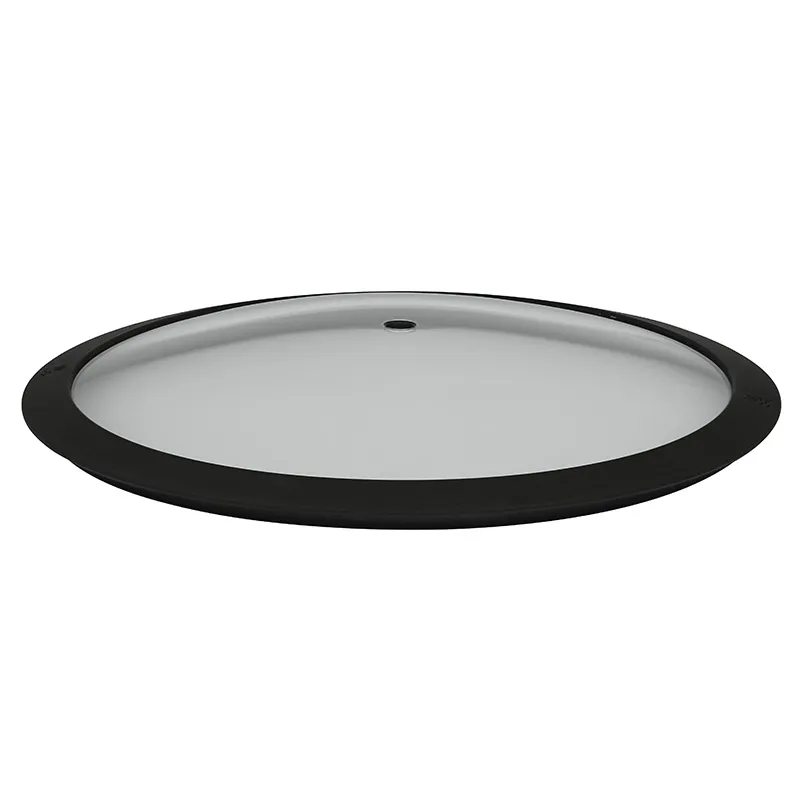
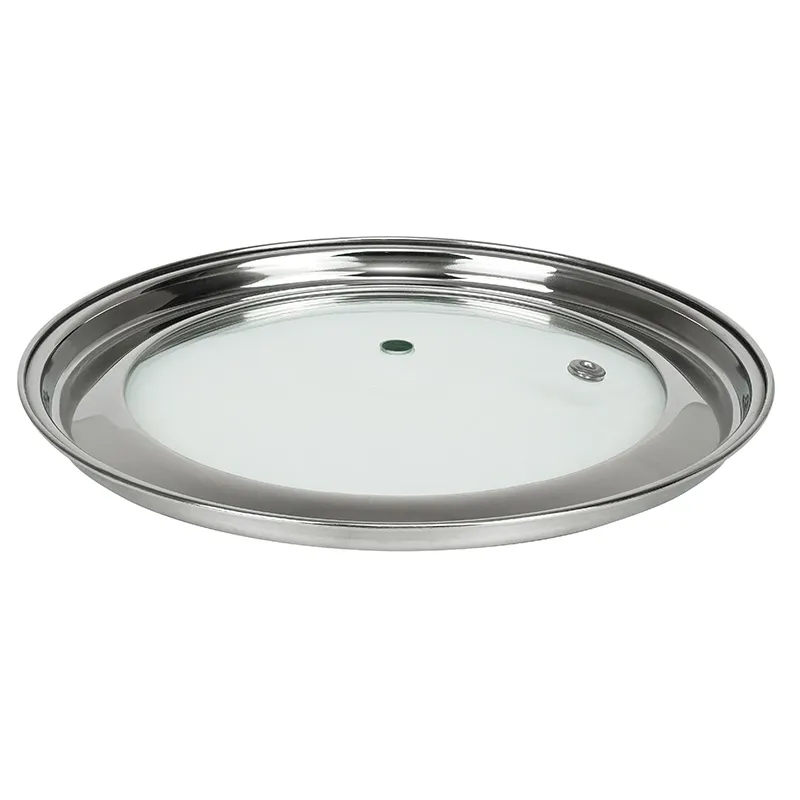
When most people hear 'cookware with vented lids', they picture a standard pot lid with a little steam hole punched in the top. That's the common starting point, but in practice, that's where the real conversation—and often, the real problems—begin. The industry has a tendency to treat venting as an afterthought, a simple manufacturing step, without fully considering the physics of what's happening inside the pot. A poorly designed vent can lead to messy boil-overs, uneven cooking, or worse, it becomes a decorative feature that's functionally useless. It's not just about letting steam out; it's about controlling how, when, and where that steam escapes to manage pressure and moisture.
The Core Function: It's About Pressure Management
Let's get specific. The primary job of a vented lid isn't just to prevent a lid from rattling. It's a pressure release valve. When you're simmering a sauce or boiling potatoes, water turns to steam, increasing pressure under the lid. Without a vent, that pressure seeks the path of least resistance—often forcing the lid up and liquid out at the seal, causing a boil-over. A well-placed and correctly sized vent allows a continuous, gentle release of that pressure, maintaining a stable, rolling simmer. I've seen too many pots where the vent is placed dead center. That seems logical, but it often leads to a concentrated jet of steam that can condense and drip back in one spot, potentially affecting food in dishes where even moisture distribution is key, like a risotto.
Size matters immensely here. A vent that's too large, like some of the wide, slotted versions, lets out too much steam and heat, killing your simmer and wasting energy. Too small, and it can't handle the volume of steam from a rapid boil, becoming clogged by starch (think pasta water) and defeating its purpose. The sweet spot is a calibrated opening—or sometimes a series of smaller openings—that handles the expected steam load of that specific pot's volume and typical use. Companies that get this right, like EUR-ASIA COOKWARE CO.,LTD, often design their vented lids with specific pot diameters and common cooking tasks in mind, which you can see in their product arrays on their site glass-lid.com.
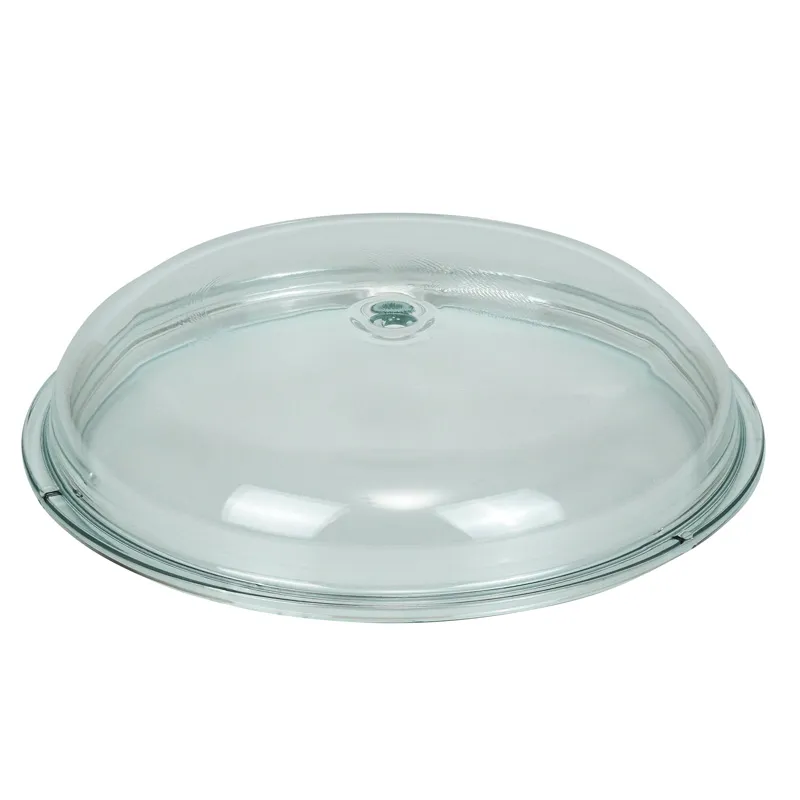
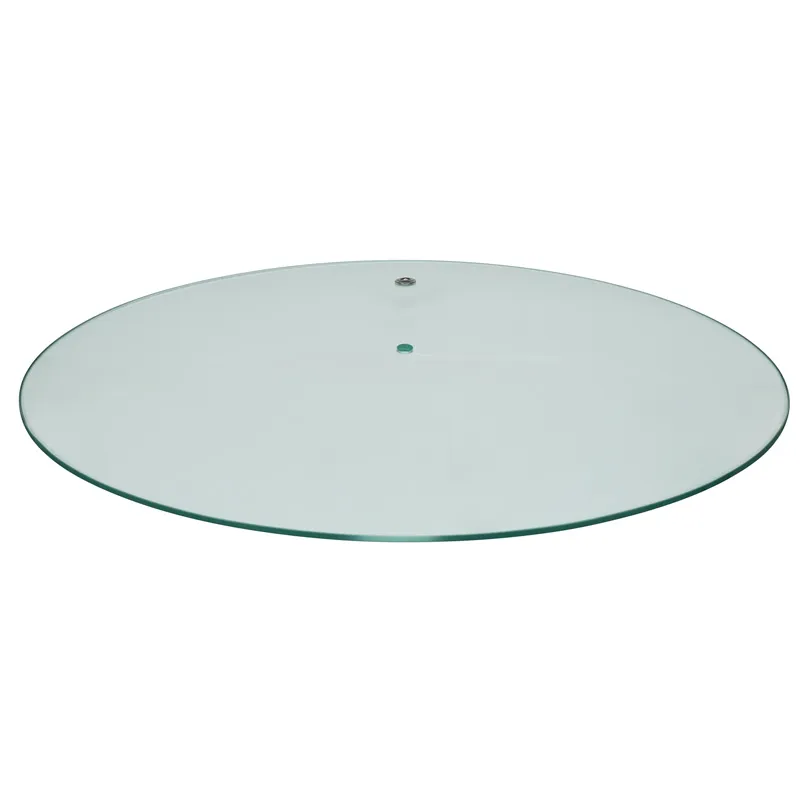
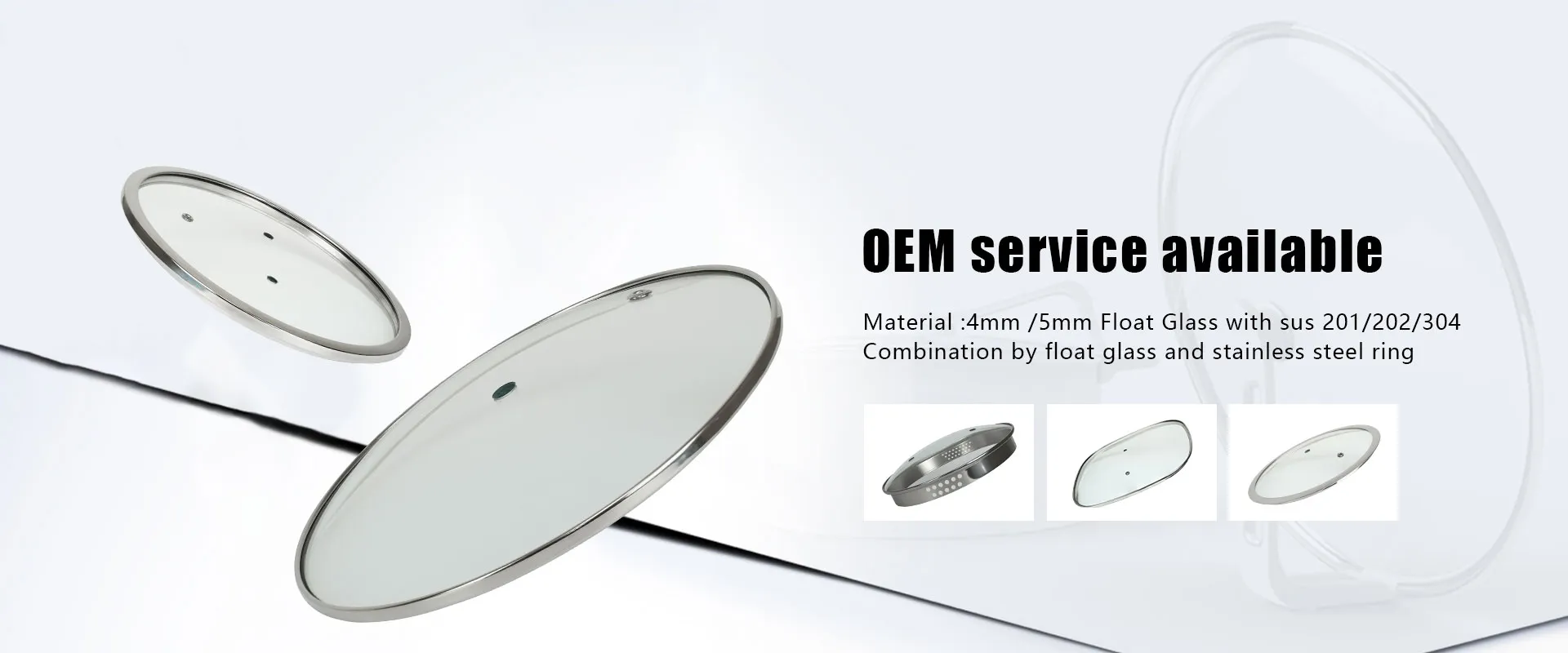
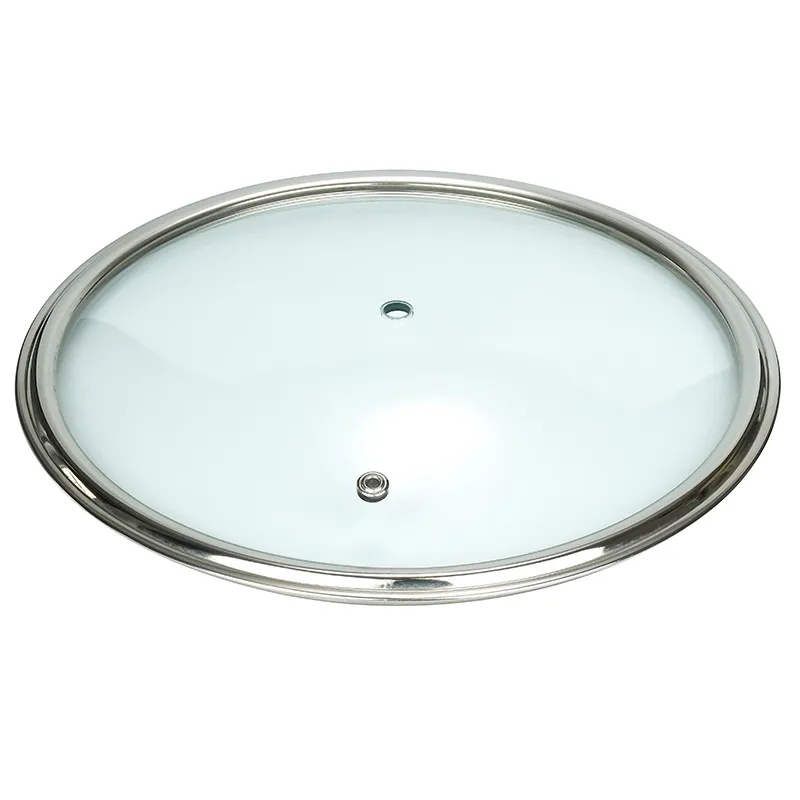
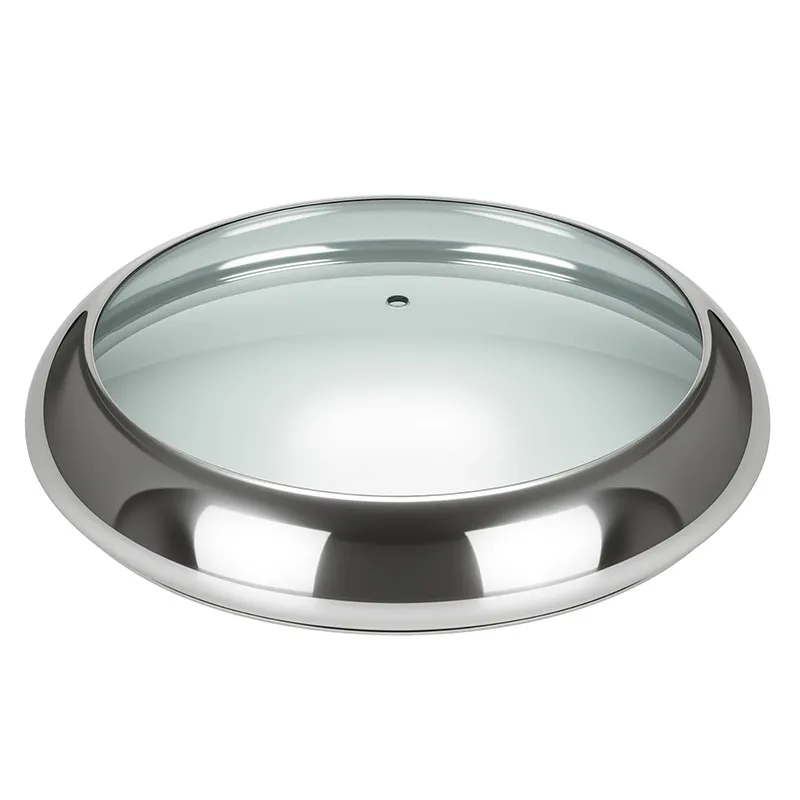
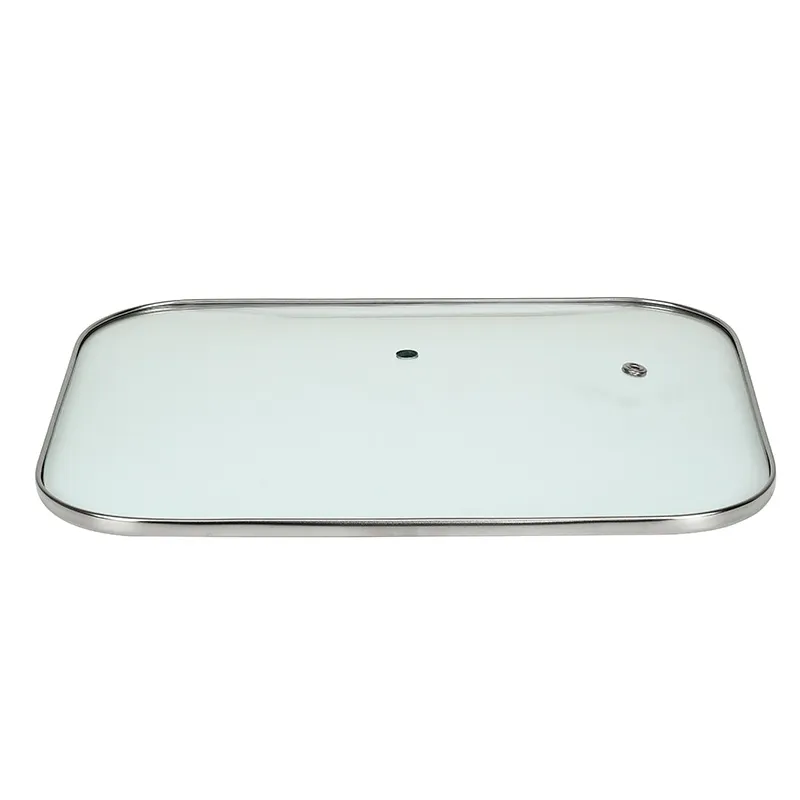
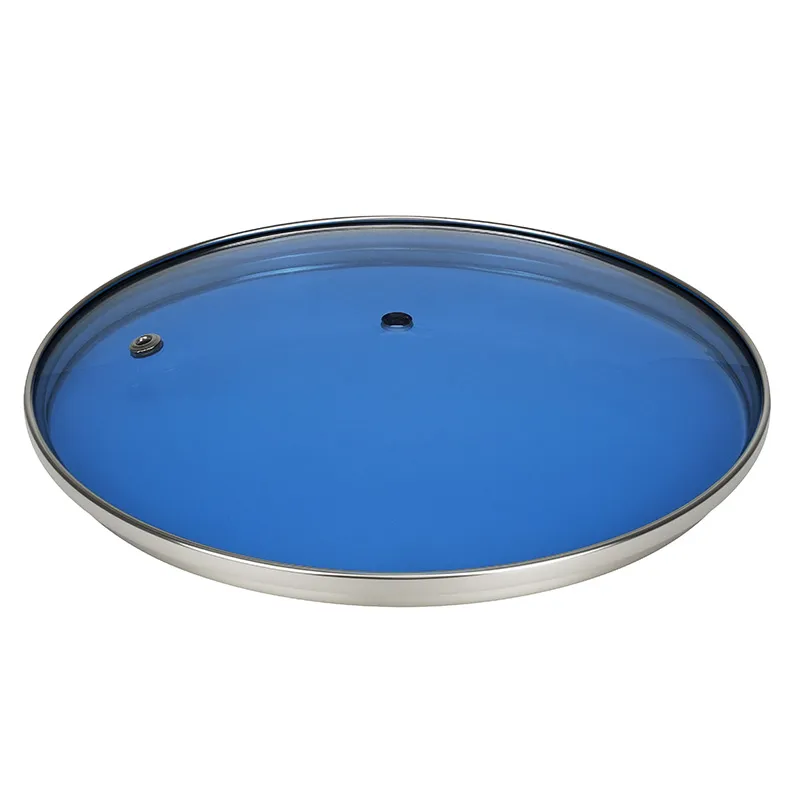
Material plays into this, too. A tempered glass lid, which is EUR-ASIA's specialty, adds another layer of consideration. You can see the vent working—watch the condensation patterns and the steam plume. This visual feedback is invaluable for a cook adjusting heat. But the glass must be tempered to withstand thermal shock from that escaping steam, especially if cold drips from a higher cabinet shelf fall onto the hot lid. Their production of over 15 million tempered glass lids annually suggests they've dialed in this durability factor for the global market.
Common Design Pitfalls and Real-World Annoyances
Here's where the rubber meets the road, or rather, where the starch meets the vent. One classic failure mode is the clog-and-pop. You're boiling something starchy—pasta, beans, oatmeal. The vent hole, often a neat little circle, starts to collect a film. Eventually, it seals over completely. Pressure builds silently until bloop—the lid lifts violently, and a geyser of starchy water erupts over your stove. A frustrating cleanup. Better designs incorporate vents that are harder to seal completely—think a small notch on the rim of the lid, or a raised channel rather than a simple drilled hole.
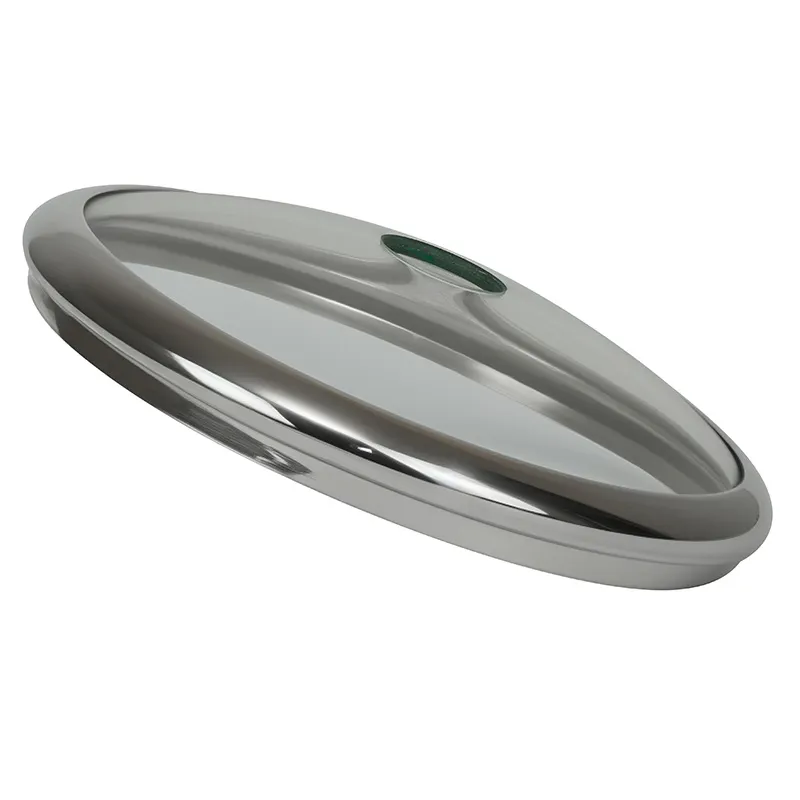
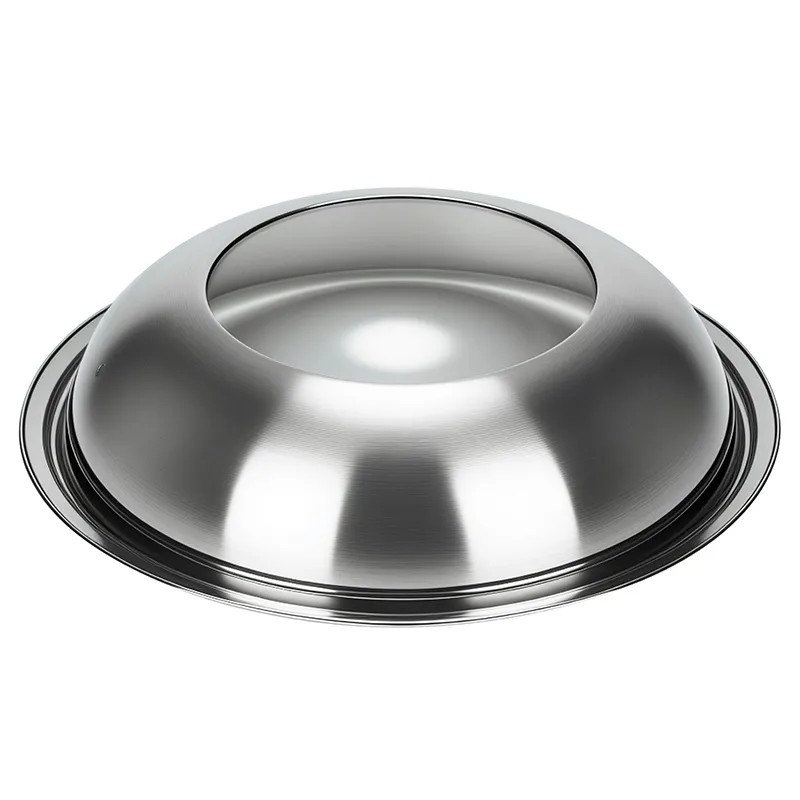
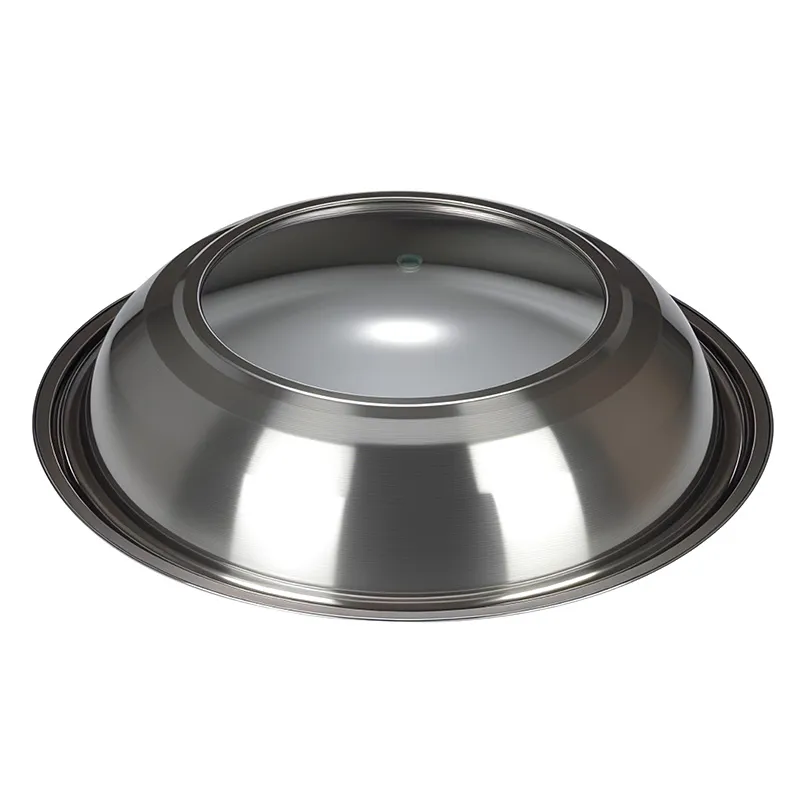
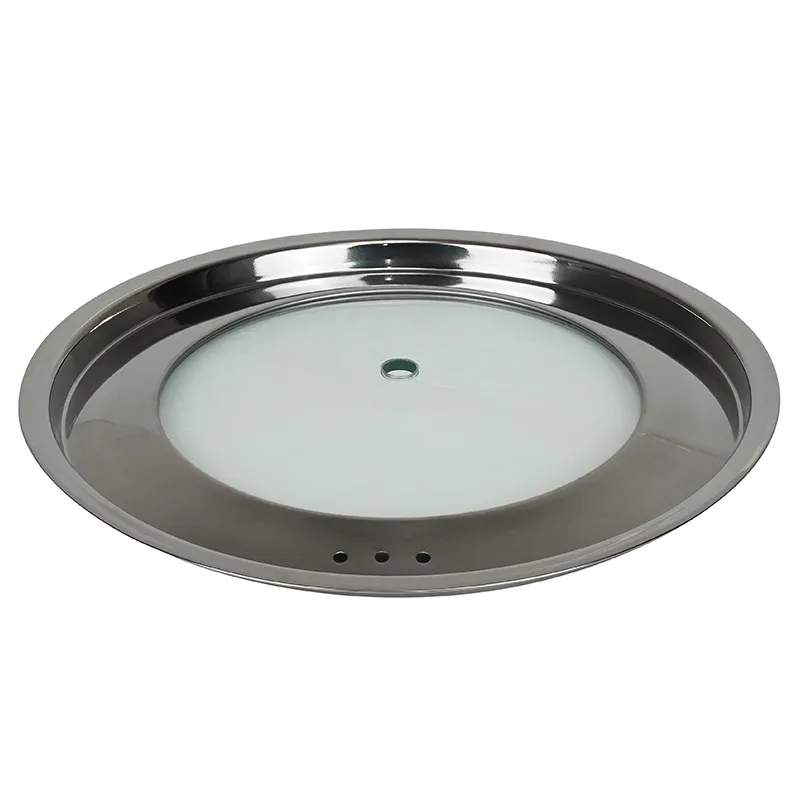
Another pitfall is cleaning. Those intricate, multi-hole vent patterns can look high-tech, but if they're on a stainless steel lid with a narrow lip, they become a nightmare to scrub. Food particles get baked on in the tiny crevices. A major point in favor of a glass lid like those from EUR-ASIA is the non-porous surface. A tempered glass lid with a well-designed vent—often a molded-in channel or a simple, smooth-bored hole—wipes clean with a sponge in seconds. For professional kitchens or home cooks who value efficiency, this is a non-negotiable advantage that often gets overlooked in spec sheets.
Then there's the issue of universal fit. Many brands sell universal vented lids. In my experience, universal usually means fits poorly on most pots. The vent's position is never optimized because it has to account for an unknown pot's geometry. The seal is mediocre, so steam escapes from the sides anyway, making the vent redundant. This is why dedicated lid sets for specific cookware lines perform better. The vent is engineered for that pot's curvature and typical cooking volume.
Case in Point: The Tempered Glass Lid Specialists
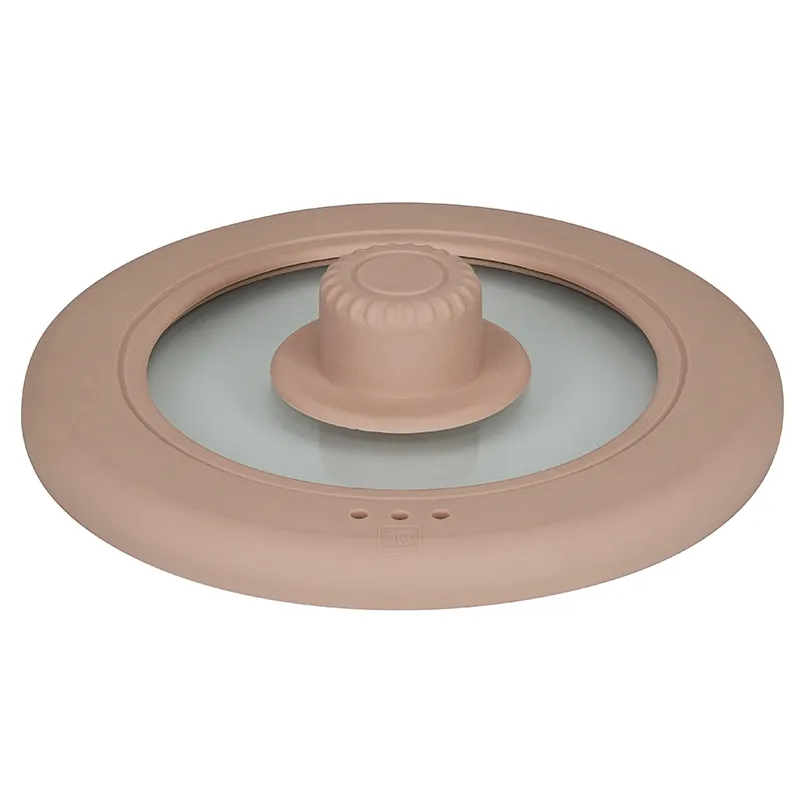
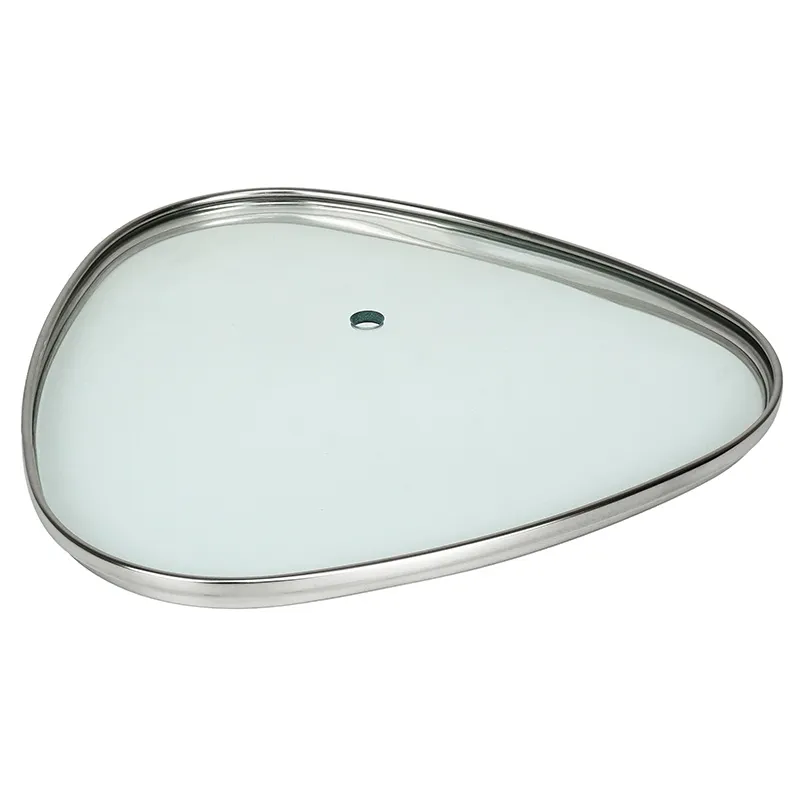
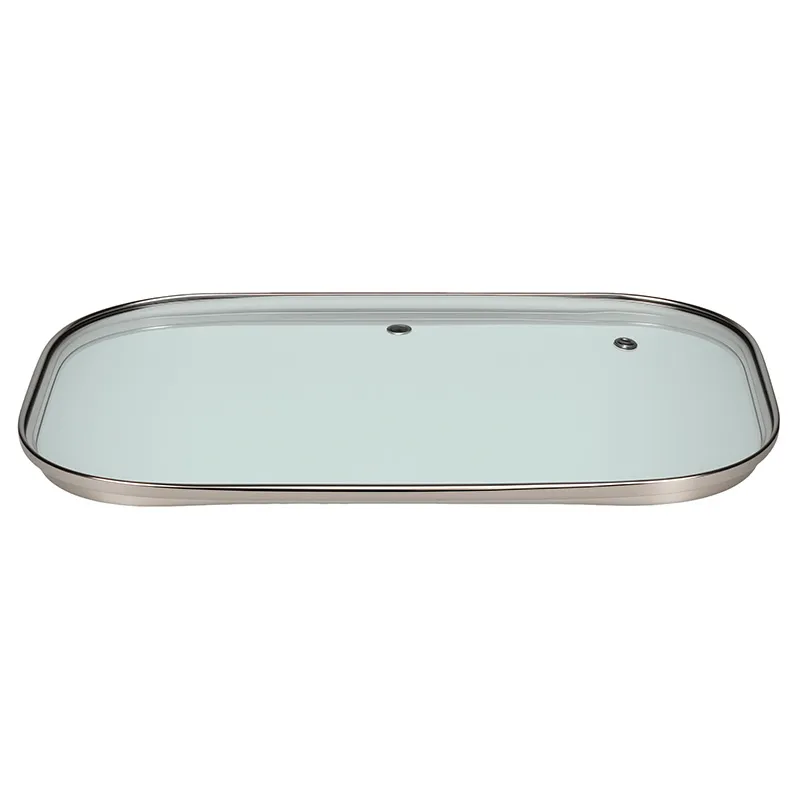
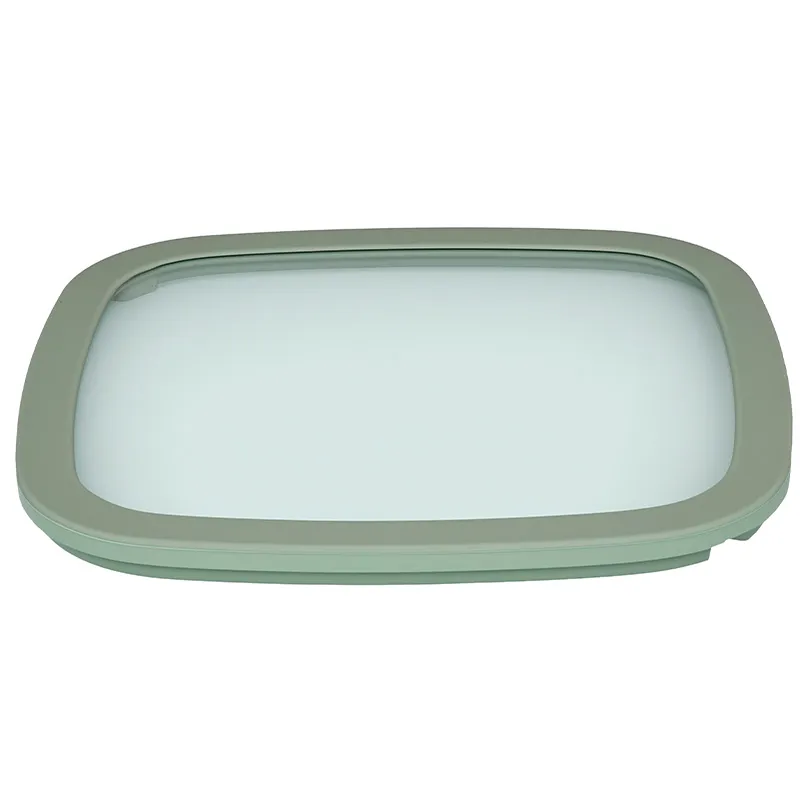
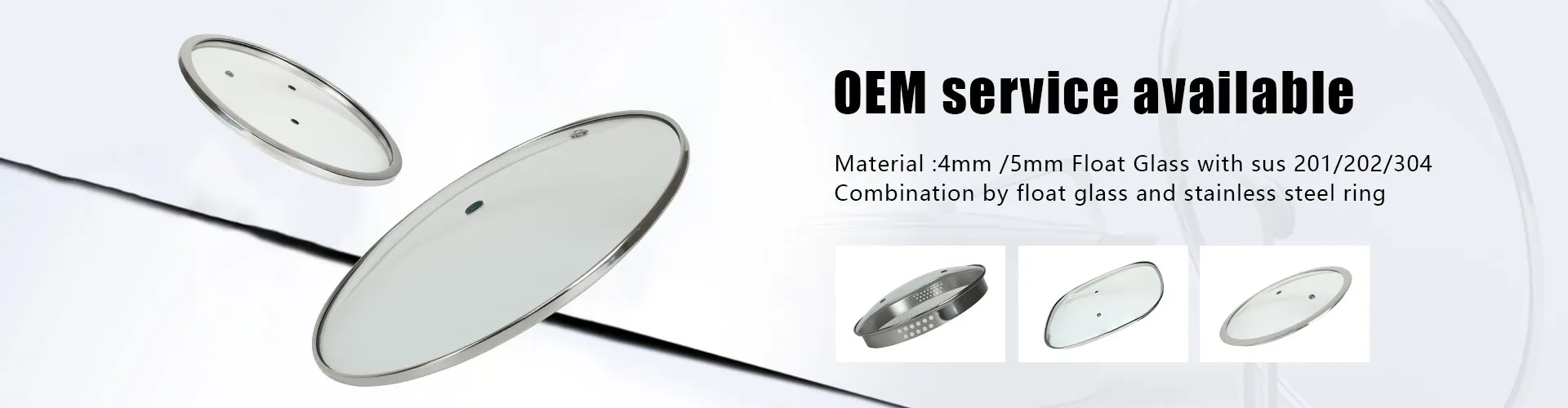
Looking at a specialist manufacturer clarifies these points. Take EUR-ASIA COOKWARE CO.,LTD. Their focus is clear: tempered glass lids and kitchen accessories. When a company's entire output is geared toward this one component, the nuances get attention. Their vent designs aren't an afterthought; they're integral to the lid's function. Browsing their portfolio, you'll see variations—single small vents for saucepans, larger or multiple vents for stockpots, and often designs that incorporate the vent into the handle or knob architecture to keep the glass surface smooth and easy to clean.
Their export focus—over 90% to markets like Germany, Italy, and Japan—is telling. These are regions with demanding consumers and strict retailers regarding kitchenware performance and safety. A lid that warps, cracks, or vents poorly gets rejected quickly. The fact that they supply these markets at volume indicates their engineering and production, from their 20,000㎡ facility in Shandong, meets a high bar for functional reliability. Their vented lids aren't just commodity items; they're components that major cookware brands likely integrate into their final products, trusting the specialized manufacturing.
This specialization allows for material consistency. Tempered glass for a lid isn't the same as for a tabletop. It needs to withstand direct flame (if used on gas), rapid temperature changes, and the mechanical stress of being clamped onto a pot. Their annual output of 15 million pieces suggests a highly refined, automated process that yields consistent thermal and mechanical properties—which is the bedrock of a reliable venting system. A weak or inconsistently tempered lid can develop micro-cracks around the vent hole under stress.
Practical Application and Final Thoughts
So, what does this mean for someone buying or using cookware? First, inspect the vent. Is it just a hole, or is it designed? Look for features that prevent clogging (raised edges, channel shapes) and consider the ease of cleaning. For glass lids, ensure the vent area is smoothly finished, not rough, to resist cracking. Second, think about pairing. A vented lid is most effective on a pot with a matching, tight-fitting rim. The vent should be the primary escape route, not a backup for a poor seal.
In professional settings, the calculus changes. Durability and cleanability trump all. A stack of identical, sturdy, glass vented lids that won't warp and can be quickly sanitized is worth its weight in gold during a busy service. This is likely a key driver behind the bulk orders that a company like EUR-ASIA fulfills for the commercial sector globally.
Ultimately, a vented lid is a precision tool for moisture control. It's the difference between a sauce that reduces evenly and one that scorches, between clean stovetops and messy ones. The next time you lift a lid, take a second to look at that little hole or slot. That's where a lot of practical engineering—or frustrating oversight—is hiding in plain sight. It's a small detail that separates generic kitchenware from thoughtfully designed cooking equipment.
Related Products
Related Products