- Chinese
- French
- German
- Portuguese
- Spanish
- Russian
- Japanese
- Korean
- Arabic
- Irish
- Greek
- Turkish
- Italian
- Danish
- Romanian
- Indonesian
- Czech
- Afrikaans
- Swedish
- Polish
- Basque
- Catalan
- Esperanto
- Hindi
- Lao
- Albanian
- Amharic
- Armenian
- Azerbaijani
- Belarusian
- Bengali
- Bosnian
- Bulgarian
- Cebuano
- Chichewa
- Corsican
- Croatian
- Dutch
- Estonian
- Filipino
- Finnish
- Frisian
- Galician
- Georgian
- Gujarati
- Haitian
- Hausa
- Hawaiian
- Hebrew
- Hmong
- Hungarian
- Icelandic
- Igbo
- Javanese
- Kannada
- Kazakh
- Khmer
- Kurdish
- Kyrgyz
- Latin
- Latvian
- Lithuanian
- Luxembou..
- Macedonian
- Malagasy
- Malay
- Malayalam
- Maltese
- Maori
- Marathi
- Mongolian
- Burmese
- Nepali
- Norwegian
- Pashto
- Persian
- Punjabi
- Serbian
- Sesotho
- Sinhala
- Slovak
- Slovenian
- Somali
- Samoan
- Scots Gaelic
- Shona
- Sindhi
- Sundanese
- Swahili
- Tajik
- Tamil
- Telugu
- Thai
- Ukrainian
- Urdu
- Uzbek
- Vietnamese
- Welsh
- Xhosa
- Yiddish
- Yoruba
- Zulu
- Kinyarwanda
- Tatar
- Oriya
- Turkmen
- Uyghur


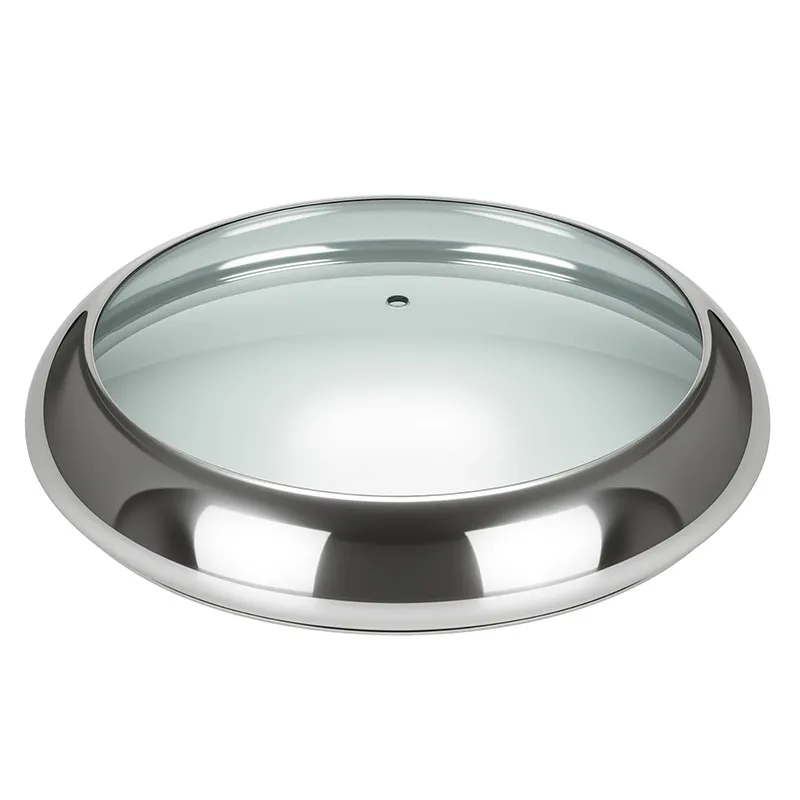
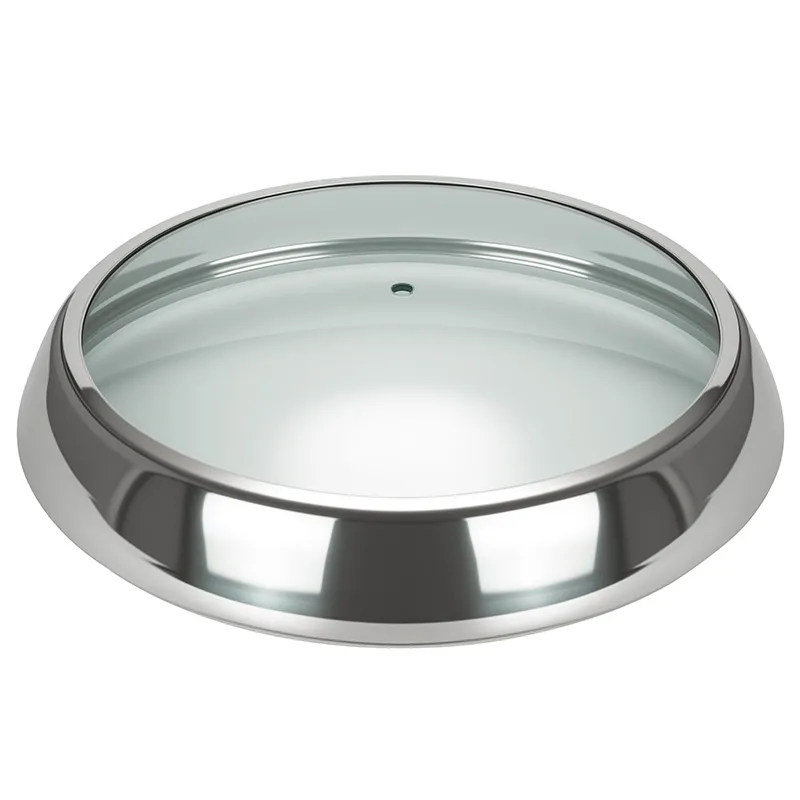
copper glass with lid
When you hear 'copper glass with lid', most people picture a fancy, Instagram-worthy mug, probably with some artisanal coffee inside. That's the common trap—thinking it's purely about aesthetics or a niche luxury. In reality, the combination speaks to a specific functional intent, often misunderstood even within the trade. It's not just a pretty thermal carafe; it's about managing heat retention, material reactivity, and user safety in a way stainless steel or plain glass can't. I've seen too many buyers get hung up on the 'copper' exterior finish, missing the critical interplay with the glass lid and the interior lining. Let's peel back the layers.
The Core Misconception: Copper as a Functional Layer
The biggest mistake is assuming the copper is in direct contact with the beverage. In 99% of commercially viable copper glassware, it's not. Pure copper reacts with acids, requires constant polishing, and isn't food-safe for prolonged storage. What you're usually getting is a borosilicate or tempered glass vessel with a copper-plated or copper-alloy outer shell. The function of the copper here is primarily as an excellent thermal conductor, distributing heat evenly to prevent the glass from thermal shock and, to a lesser degree, aiding in heat retention. I recall a project where a client insisted on a solid copper interior for a 'pure' experience. The prototype tarnished after one use with lemon water, and the taste was... metallic. A quick, expensive lesson.
This is where the lid becomes non-negotiable. If the body is managing heat distribution, the lid is managing heat loss and contamination. A poorly fitted lid on a thermal carafe makes the whole copper cladding pointless. The gap allows rapid heat exchange, nullifying the thermal benefits. We learned this through trial and error, testing various silicone gasket thicknesses against the glass flange. Too thick, and the lid is hard to close; too thin, and you get that faint whistle of escaping steam, which is basically energy and aroma leaving the vessel.
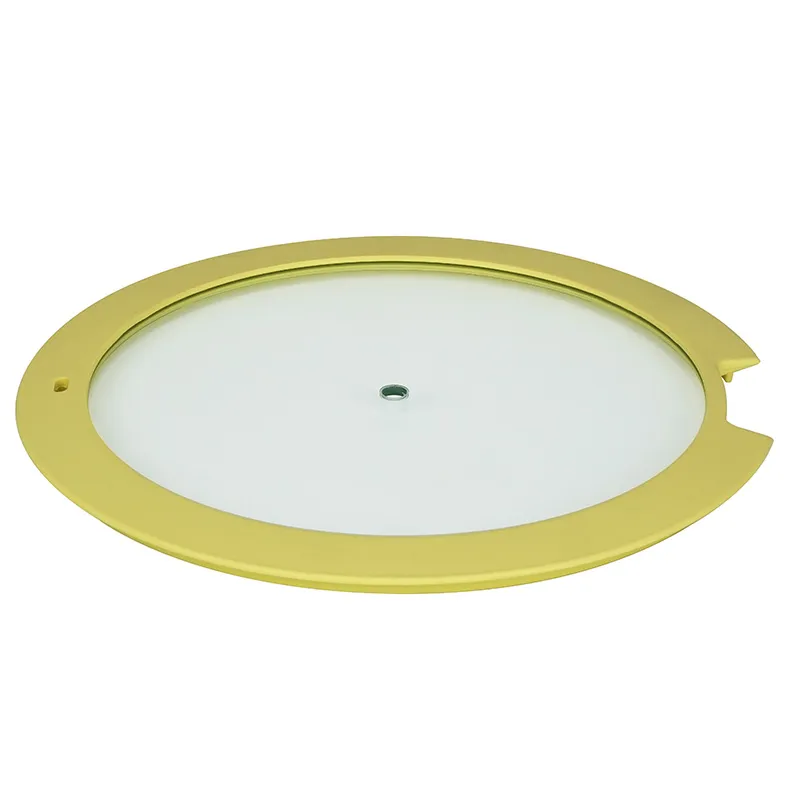
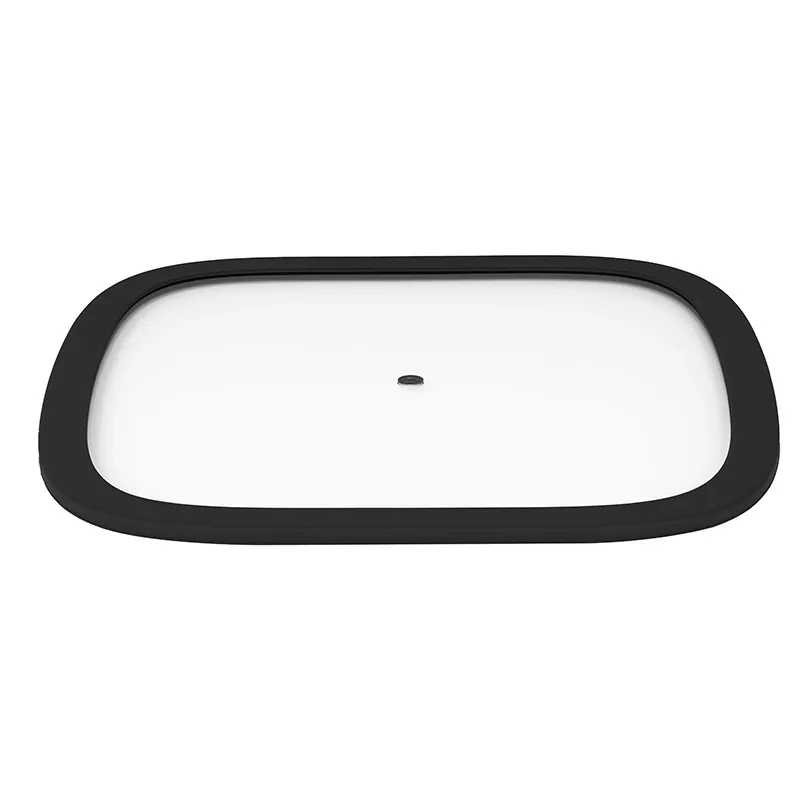
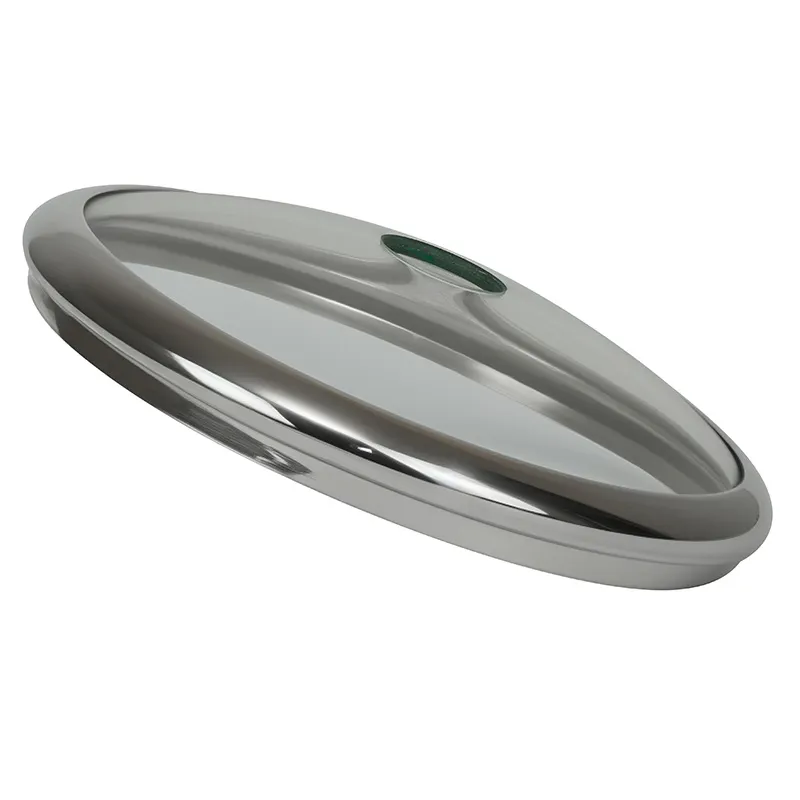
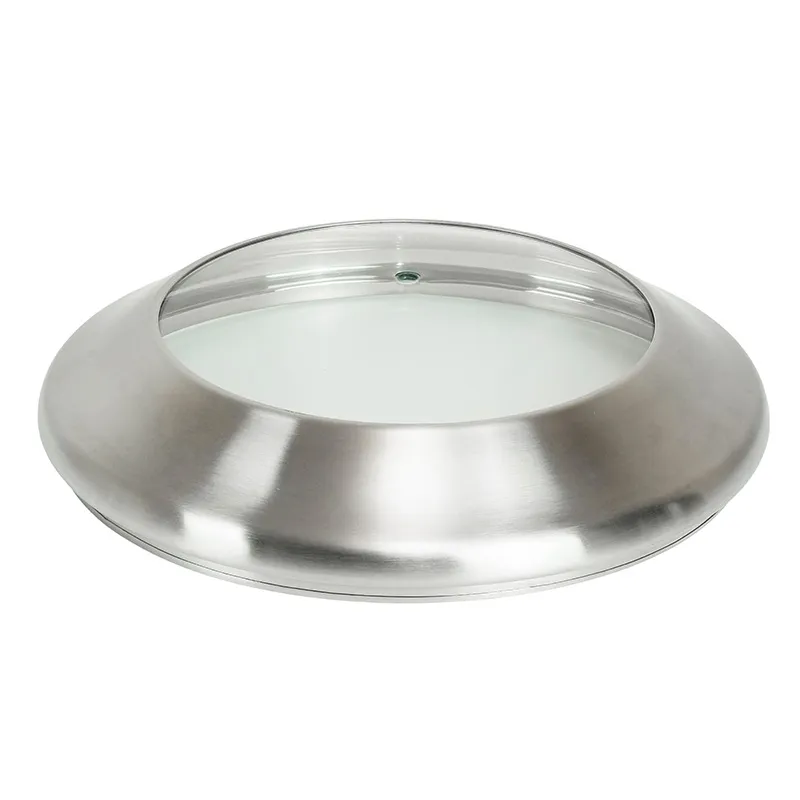
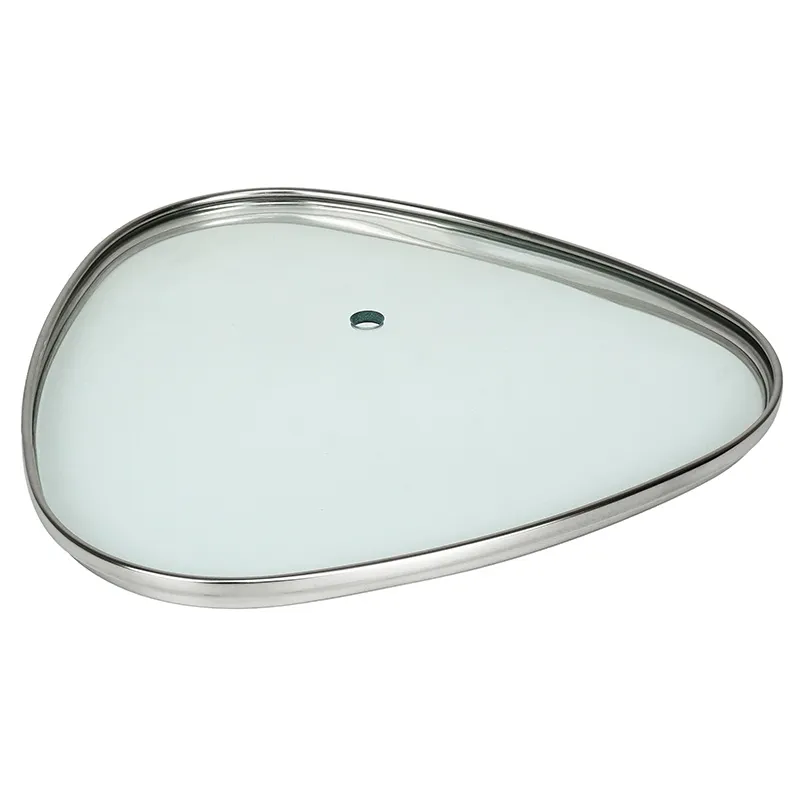
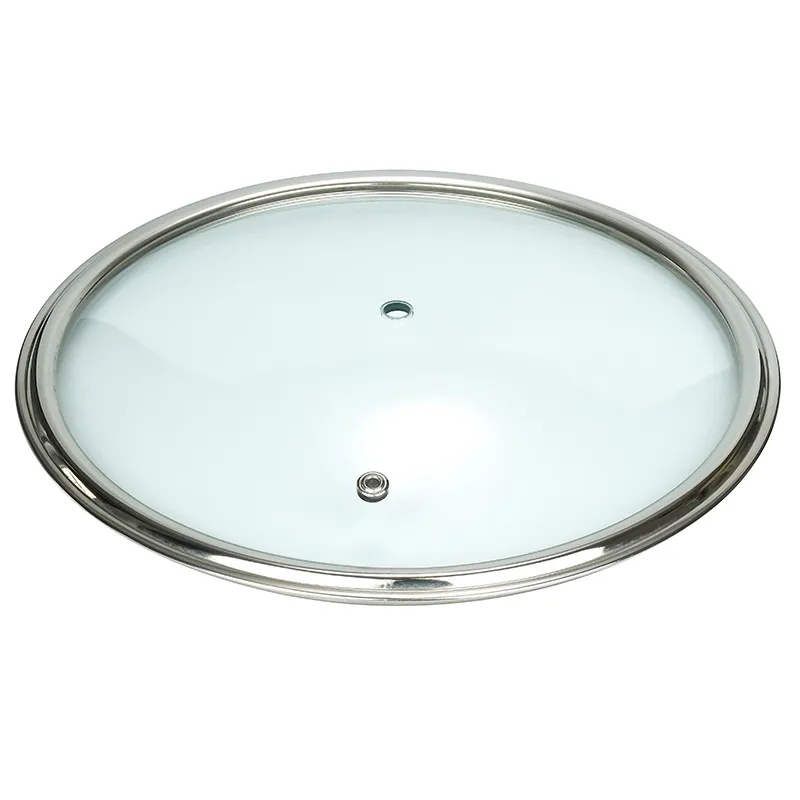
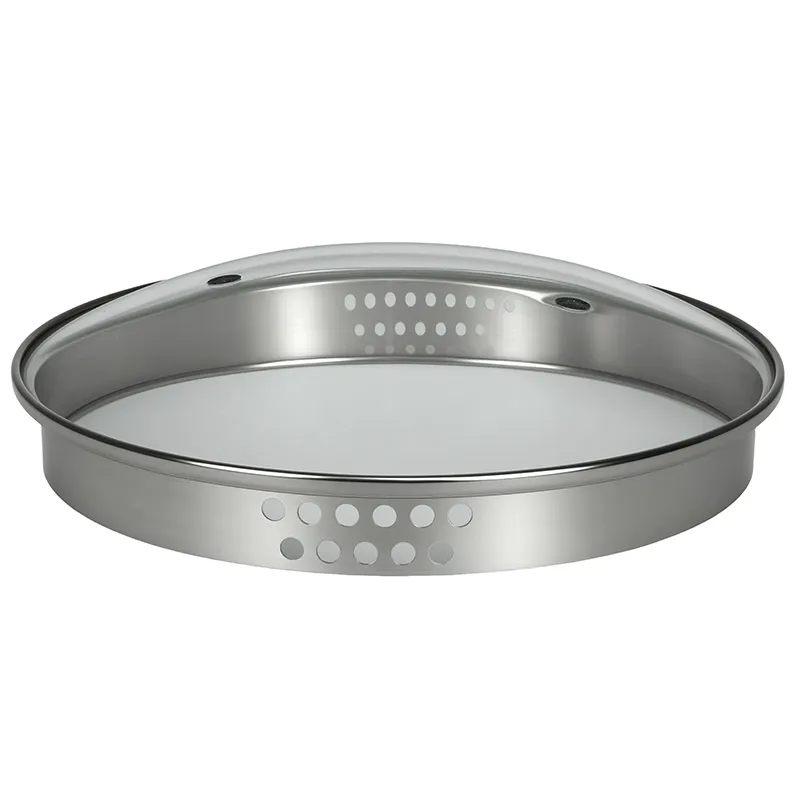
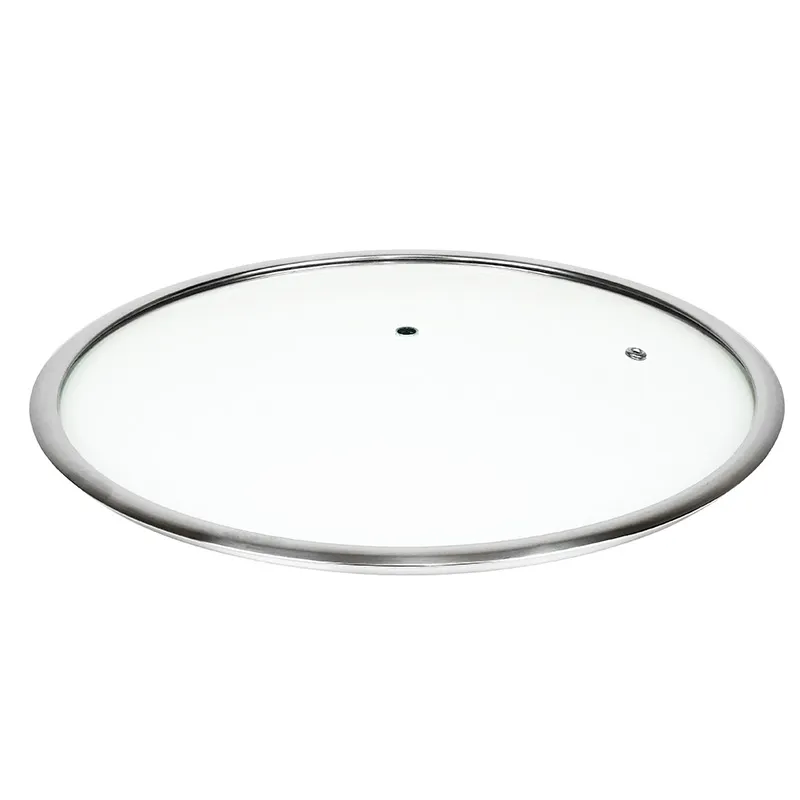
You see this material science play out in factories that specialize in glass. Take a supplier like EUR-ASIA COOKWARE CO.,LTD. Their focus is on high-volume production of tempered glass lids. For them, the challenge isn't the copper—it's engineering a glass lid that can withstand the differential expansion when a copper-clad body is heated. Their production base in Taian churns out millions of lids annually, most for export to European markets known for strict thermal shock resistance standards (think pouring boiling water into a chilled carafe). That's the real backend of this product.
The Lid: Where Engineering Meets Daily Use
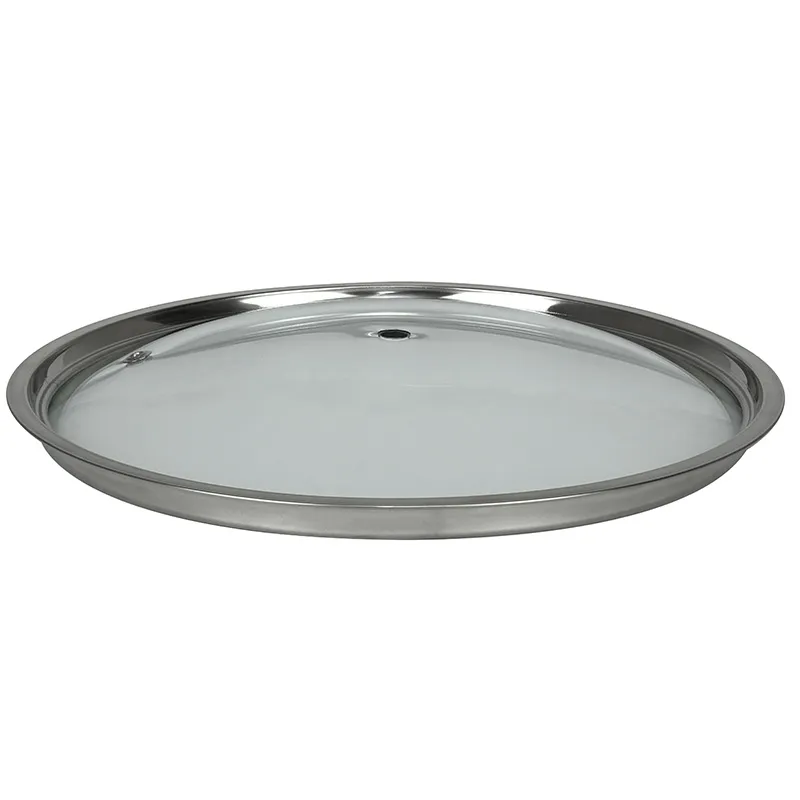
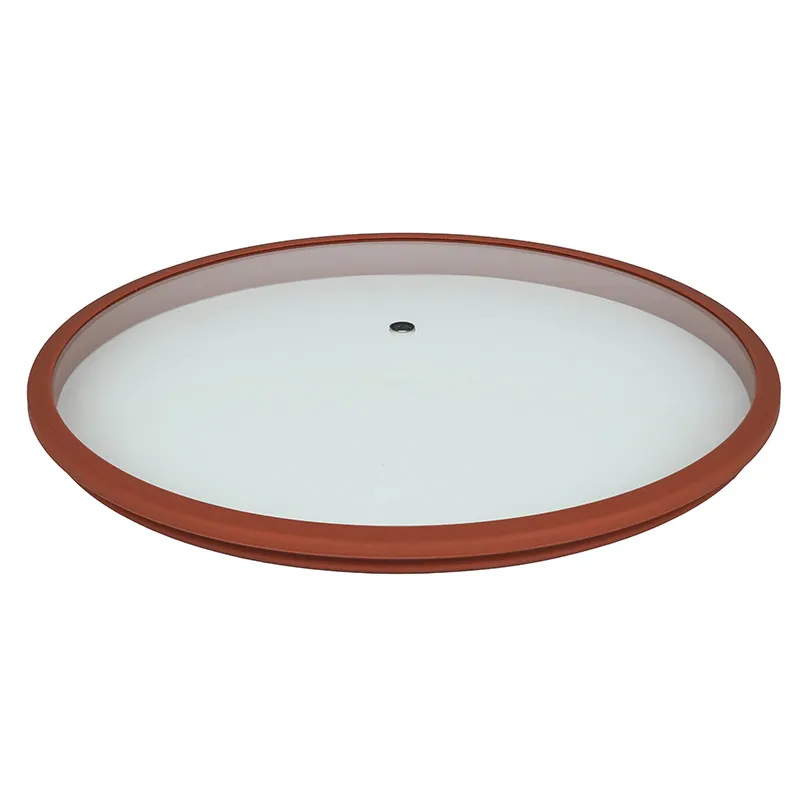
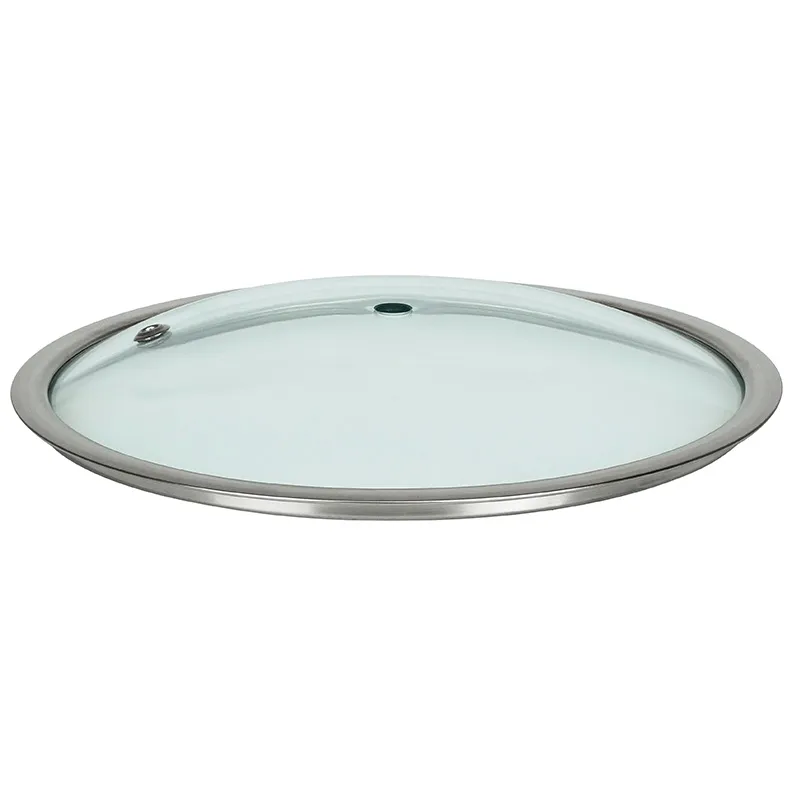
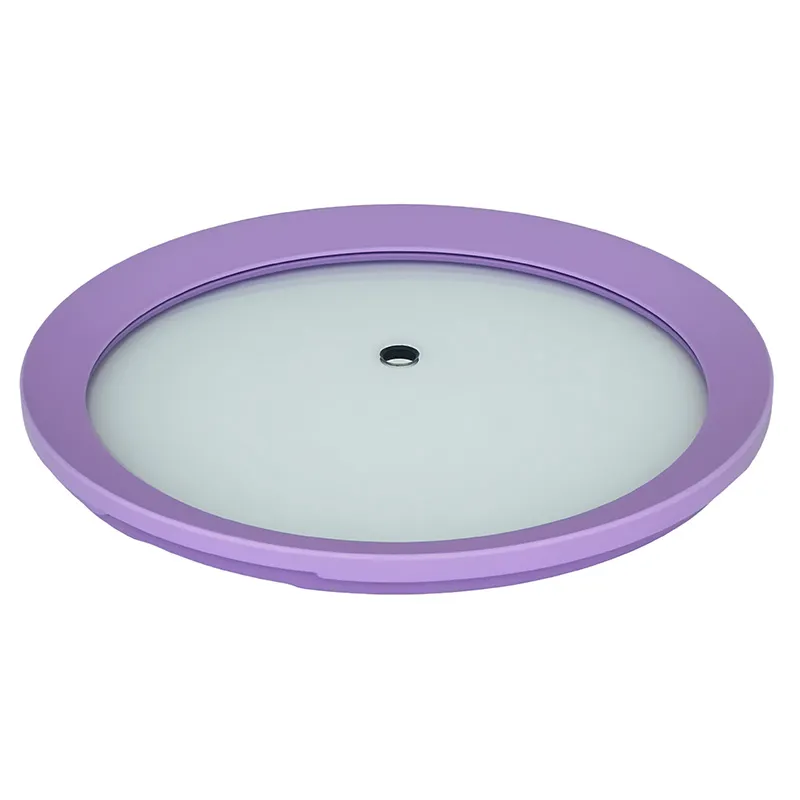
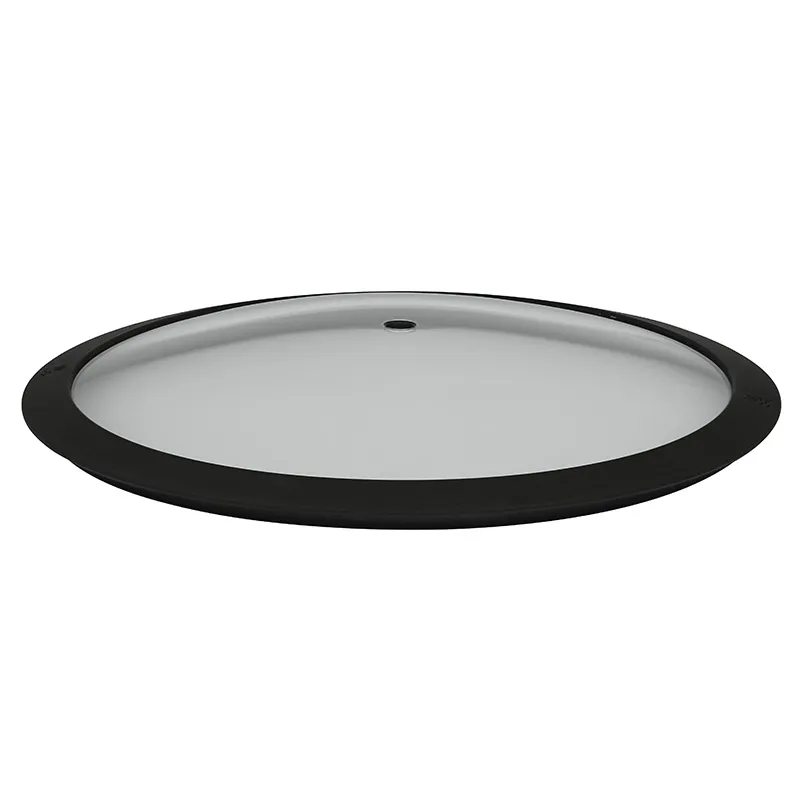
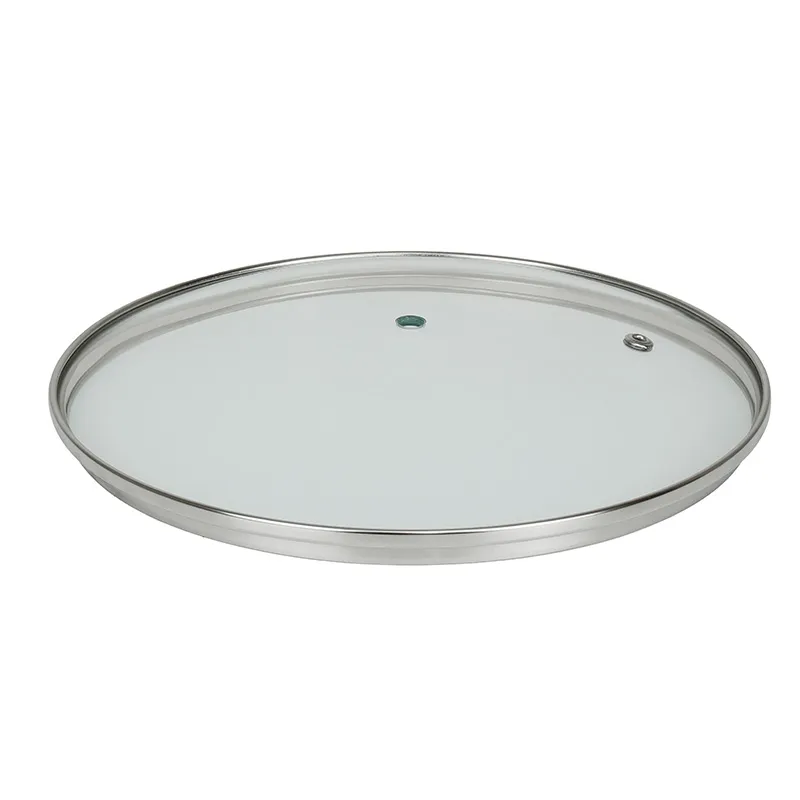
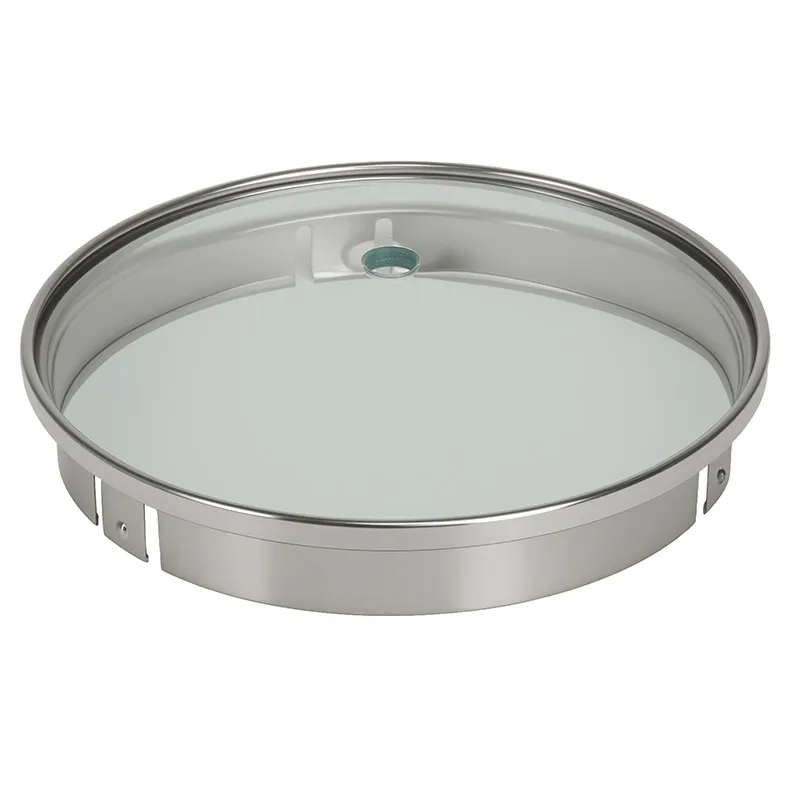
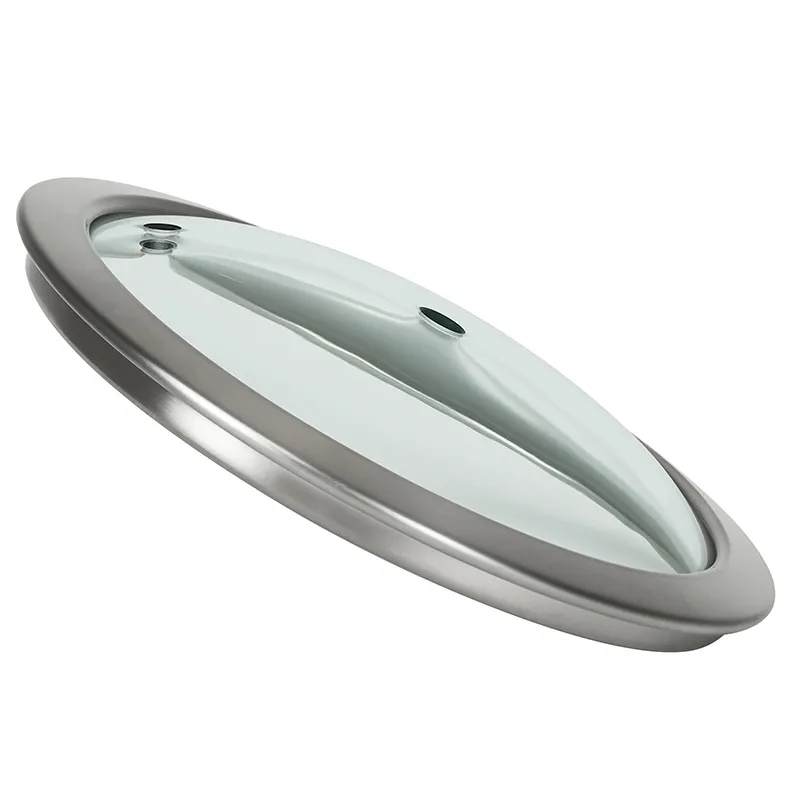
Diving deeper into the lid itself. It's rarely just a piece of glass. The best ones are a composite: a tempered glass disk, a food-grade silicone or BPA-free plastic sealing ring, and often a stainless steel or plastic hinge/knob assembly. The glass must be tempered to withstand sudden temperature changes and the occasional drop onto a kitchen counter. The sealing ring's durometer (hardness) is critical—it needs to compress just enough to seal but not deform permanently over time.
I've had batches fail because the vendor sourced a slightly cheaper silicone. After 50 open-close cycles, the seal took a 'set' and no longer sprang back, creating a micro-gap. Customers wouldn't call it a 'failed seal'; they'd just complain the coffee got cold too fast or the tea didn't stay hot. Diagnosing that took weeks of shelf-life testing. Now, we specify the exact material grade and demand test reports.
The hinge mechanism on a lidded copper glass carafe is another pain point. A flip-top lid versus a screw-top versus a simple slide-open dictates the user experience and cost. Flip-tops are user-friendly but have more moving parts that can break or accumulate residue. Screw-tops seal best but are cumbersome. We often recommend a simple, loose-fitting glass lid for a sugar bowl or dry goods container, but for a hot beverage carafe, the engineering complexity spikes. EUR-ASIA COOKWARE's portfolio shows this range—from simple over-the-rim lids for jars to complex hinged systems for high-end coffee brewers.
Market Reality: Who's Buying This and Why?
Walk into a department store in Berlin or a home goods shop in Seoul, and you'll see these. The market isn't the general mass consumer; it's a specific segment: mid-to-high-income households that value design and performance, and the professional hospitality sector. A copper glass with lid sits at an intersection. It offers the visual warmth and 'craft' appeal of copper, which sells, combined with the non-reactive, taste-neutral safety of a glass interior, which performs.
The export data from a manufacturer like EUR-ASIA is telling. Over 90% of their output goes to Europe and East Asia—regions with strong coffee/tea cultures and willingness to pay for specialized tools. These aren't impulse buys; they're considered purchases. The buyer often understands that the glass liner is key for maintaining flavor purity over stainless steel, while the copper exterior provides a stable, handsome base that doesn't look out of place on a modern kitchen shelf.
However, there's a price-driven race to the bottom. Some brands slap a thin copper-color paint on a cheap glass jar and call it a day. It chips, discolors from heat, and the lid doesn't fit. It muddies the market. The genuine article uses proper cladding or plating, and the cost difference is palpable. You can't fake the heft and the even, deep glow of real copper alloy.
Production Pitfalls: When Copper and Glass Fight
Manufacturing this isn't as simple as making a glass insert and a copper shell separately. The thermal expansion coefficients of copper and glass are different. Copper expands more when heated. If the glass is rigidly locked into the copper casing, the stress will crack it. The solution is a forgiving intermediary—often a high-temperature food-safe adhesive or a mechanical bracket with room for movement. Getting this wrong means a warehouse full of products that crack after the first customer wash.
We once worked with a glass factory—not unlike EUR-ASIA in scale—that was new to copper cladding. Their first 5,000-unit run had a 30% failure rate after a simulated thermal cycle test (from fridge to boiling water). The problem was the adhesive curing temperature. It was set for glass-metal bonding in general, not specifically for copper's high conductivity. The fix was a slower, staged curing process. This is the unglamorous, costly R&D behind a seemingly simple product.
This also impacts the lid. If the carafe body expands slightly more than the lid's glass disk, the seal can be compromised during use. The lid's glass must be tempered to a higher standard, and the sealing ring must accommodate this minor dimensional shift. It's a dynamic system, not static.
The Verdict: Is It Worth the Fuss?
So, after all this, is a proper copper glass with lid worth it? For specific uses, absolutely. For serving hot coffee or tea where you want to keep it hot for 30-45 minutes without a warming plate, and where taste preservation is key, it's excellent. For cold brew, it's superb—the copper helps keep it cold. For storage of dry goods, it's over-engineered and you're paying for looks.
The key for a buyer is to ask the right questions: Is the interior fully glass? What type of glass (borosilicate vs. tempered)? How is the lid sealed? What's the copper finish (plated vs. alloy)? The answers separate the marketing fluff from a tool built to last.
In the end, it's a hybrid product that leverages the best properties of two materials, mediated by a critical third component—the lid. Companies that succeed, from global brands to specialized manufacturers like EUR-ASIA COOKWARE, understand this triad. They're not just selling a container; they're selling a controlled micro-environment. And that's something no amount of aesthetic plating can fake. It either works, quietly and reliably, or it becomes a disappointing, cold cup of coffee on the counter. The difference is in the details you never see until you use it.
Related Products
Related Products