- Chinese
- French
- German
- Portuguese
- Spanish
- Russian
- Japanese
- Korean
- Arabic
- Irish
- Greek
- Turkish
- Italian
- Danish
- Romanian
- Indonesian
- Czech
- Afrikaans
- Swedish
- Polish
- Basque
- Catalan
- Esperanto
- Hindi
- Lao
- Albanian
- Amharic
- Armenian
- Azerbaijani
- Belarusian
- Bengali
- Bosnian
- Bulgarian
- Cebuano
- Chichewa
- Corsican
- Croatian
- Dutch
- Estonian
- Filipino
- Finnish
- Frisian
- Galician
- Georgian
- Gujarati
- Haitian
- Hausa
- Hawaiian
- Hebrew
- Hmong
- Hungarian
- Icelandic
- Igbo
- Javanese
- Kannada
- Kazakh
- Khmer
- Kurdish
- Kyrgyz
- Latin
- Latvian
- Lithuanian
- Luxembou..
- Macedonian
- Malagasy
- Malay
- Malayalam
- Maltese
- Maori
- Marathi
- Mongolian
- Burmese
- Nepali
- Norwegian
- Pashto
- Persian
- Punjabi
- Serbian
- Sesotho
- Sinhala
- Slovak
- Slovenian
- Somali
- Samoan
- Scots Gaelic
- Shona
- Sindhi
- Sundanese
- Swahili
- Tajik
- Tamil
- Telugu
- Thai
- Ukrainian
- Urdu
- Uzbek
- Vietnamese
- Welsh
- Xhosa
- Yiddish
- Yoruba
- Zulu
- Kinyarwanda
- Tatar
- Oriya
- Turkmen
- Uyghur

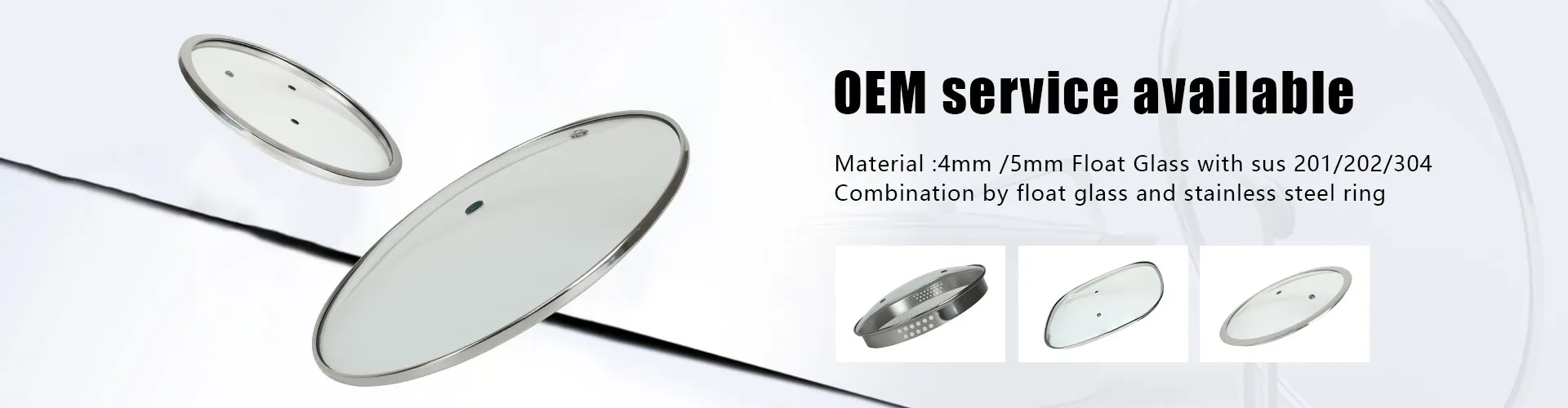
cover manufacturer
When most people hear cover manufacturer, they picture a factory stamping out generic lids. That's the first misconception. In reality, a specialized cover manufacturer, especially for cookware, operates at the intersection of material science, thermal dynamics, and precise mechanical engineering. It's not just about making a piece that fits; it's about creating a component that performs under heat, pressure, and repeated use across diverse global markets. The real expertise lies in understanding that the cover is a critical functional element of the cooking system, not an afterthought.
The Core of Specialization: Material and Process
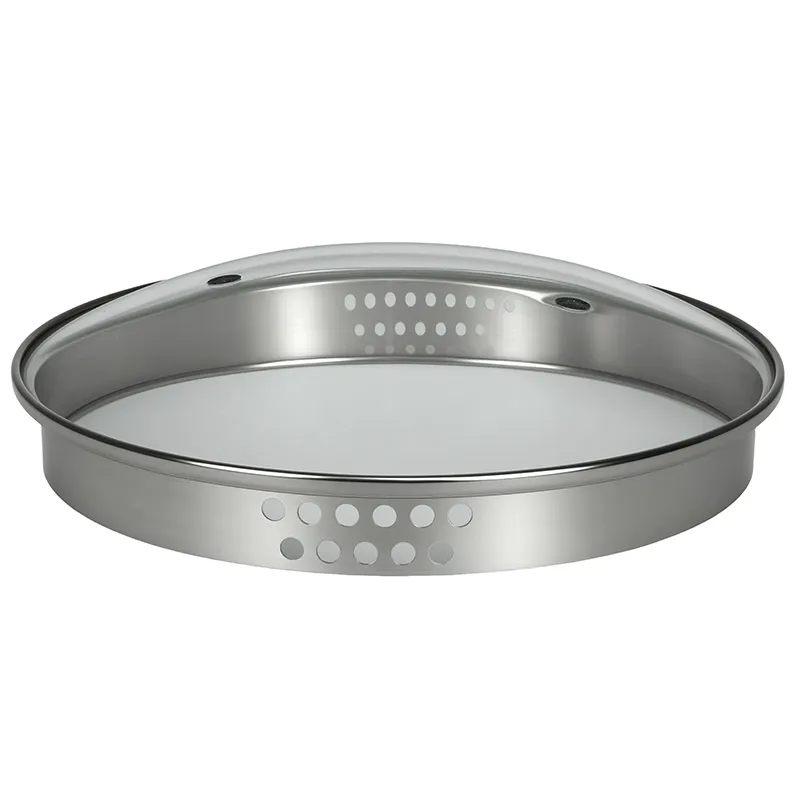
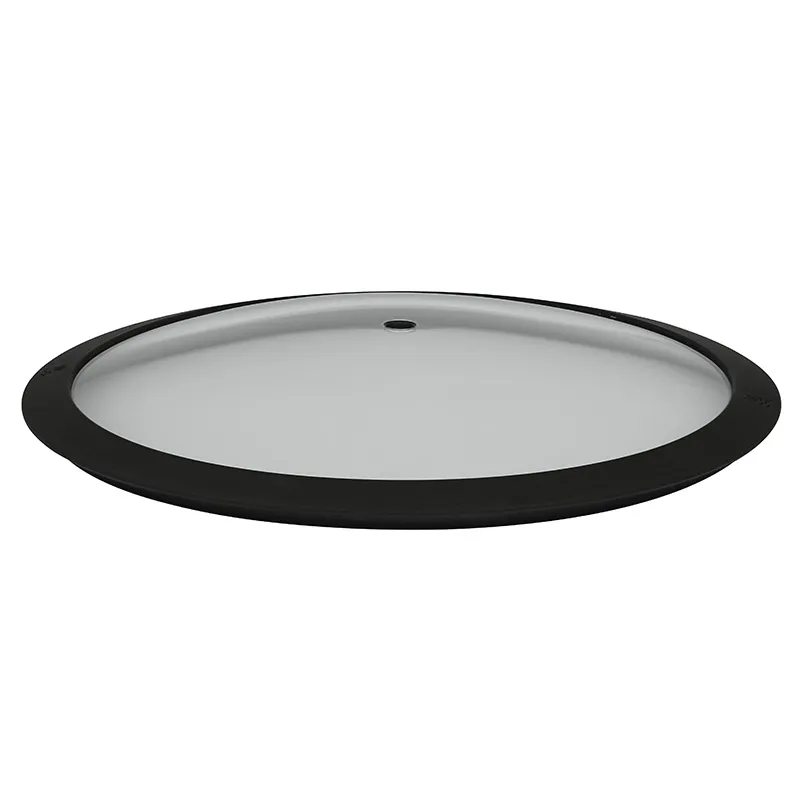
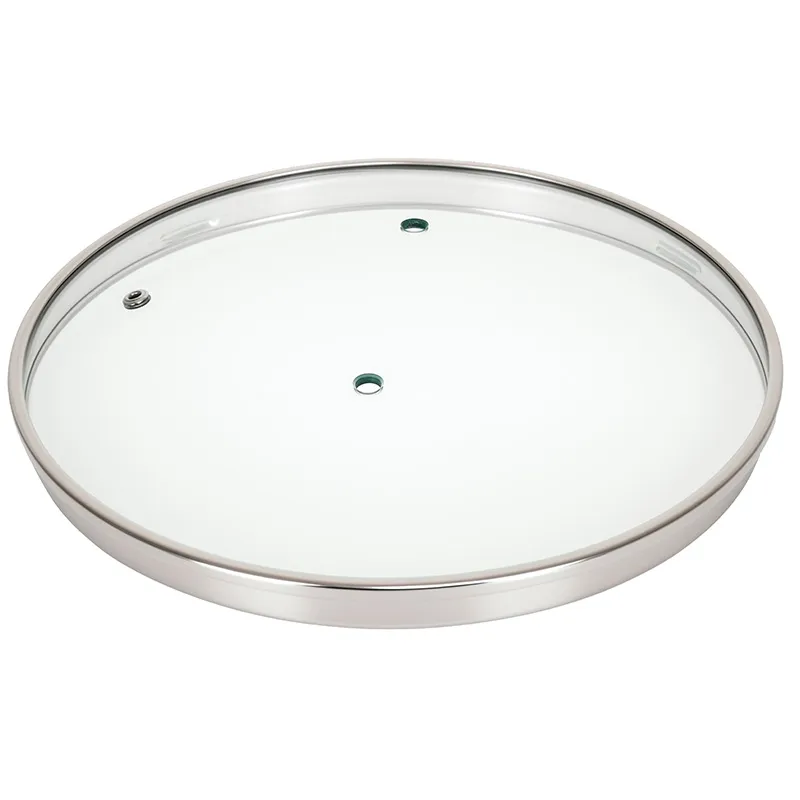
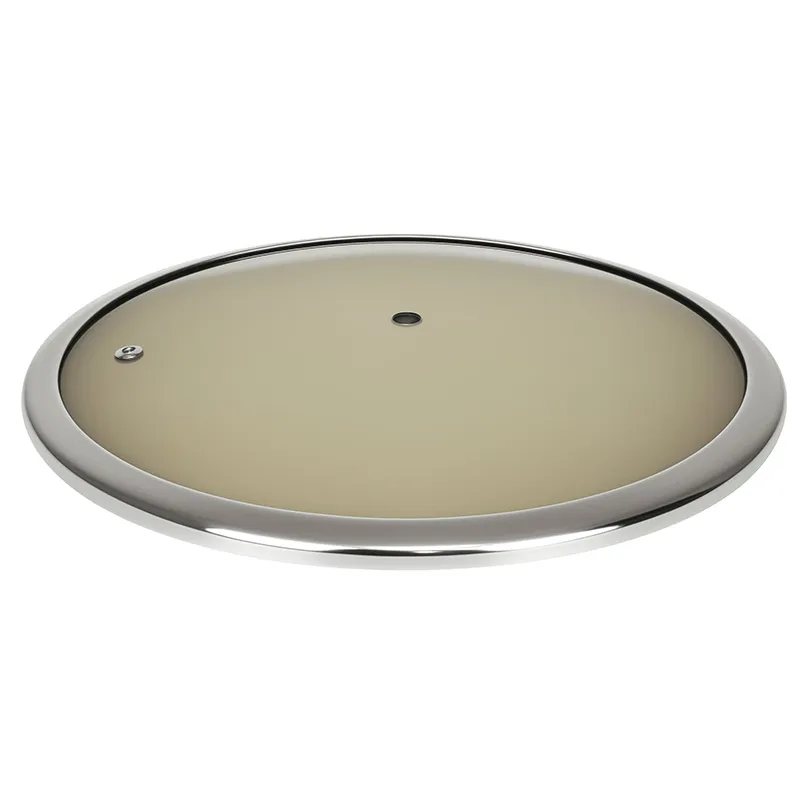
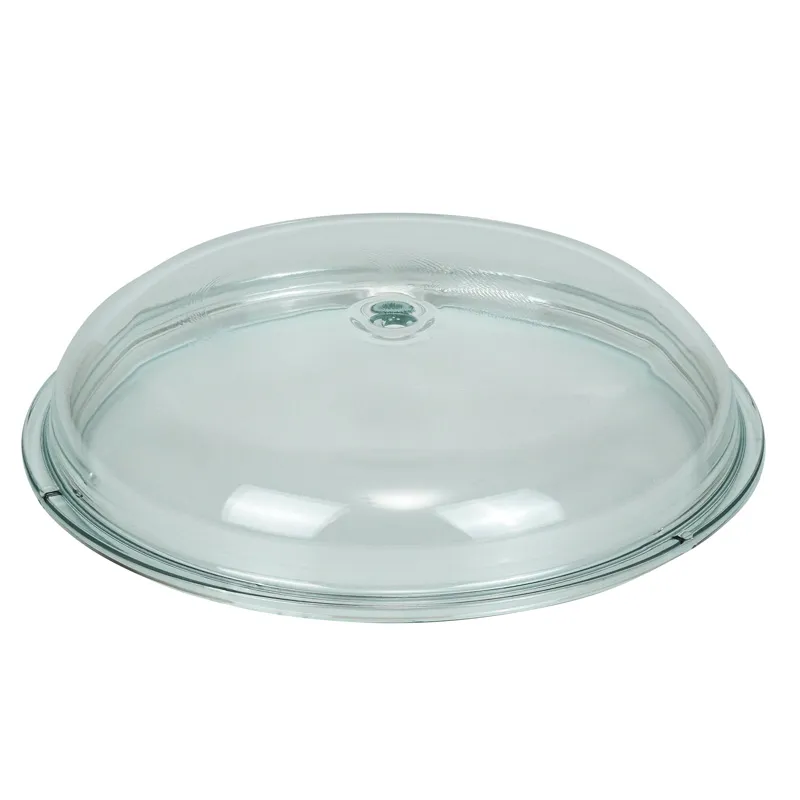
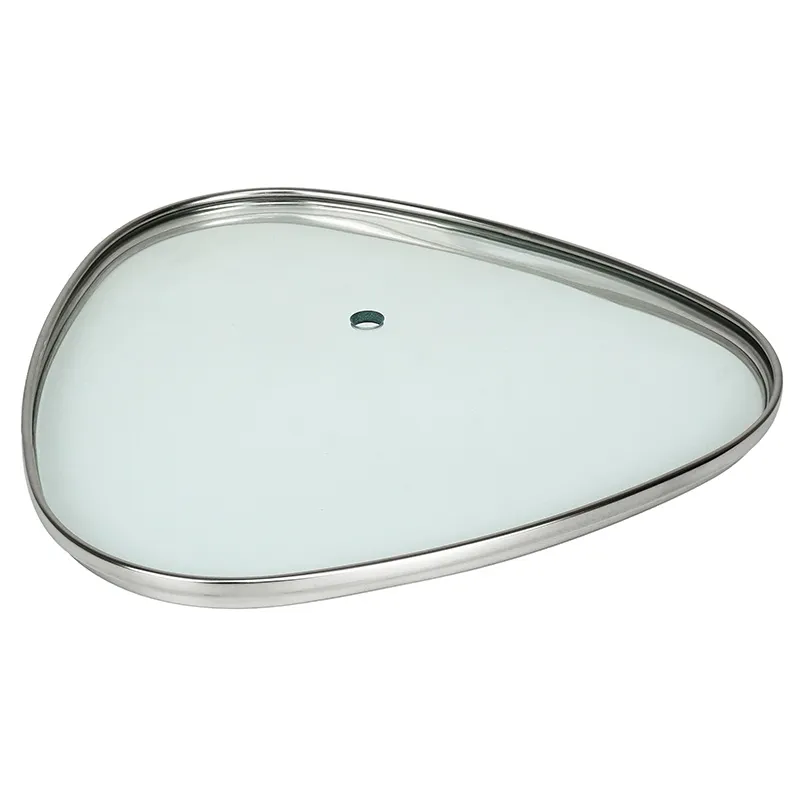
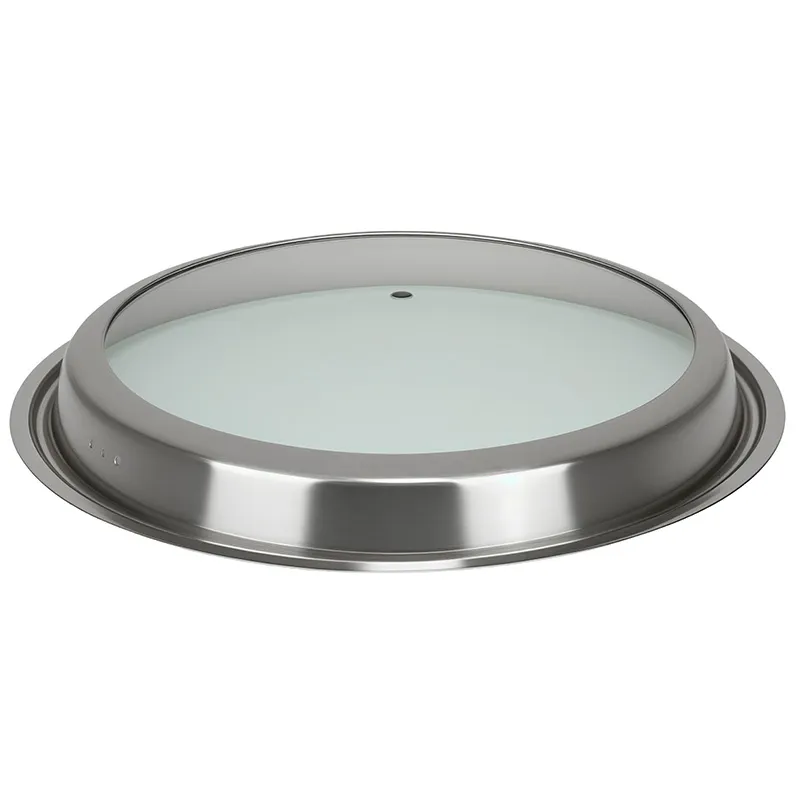
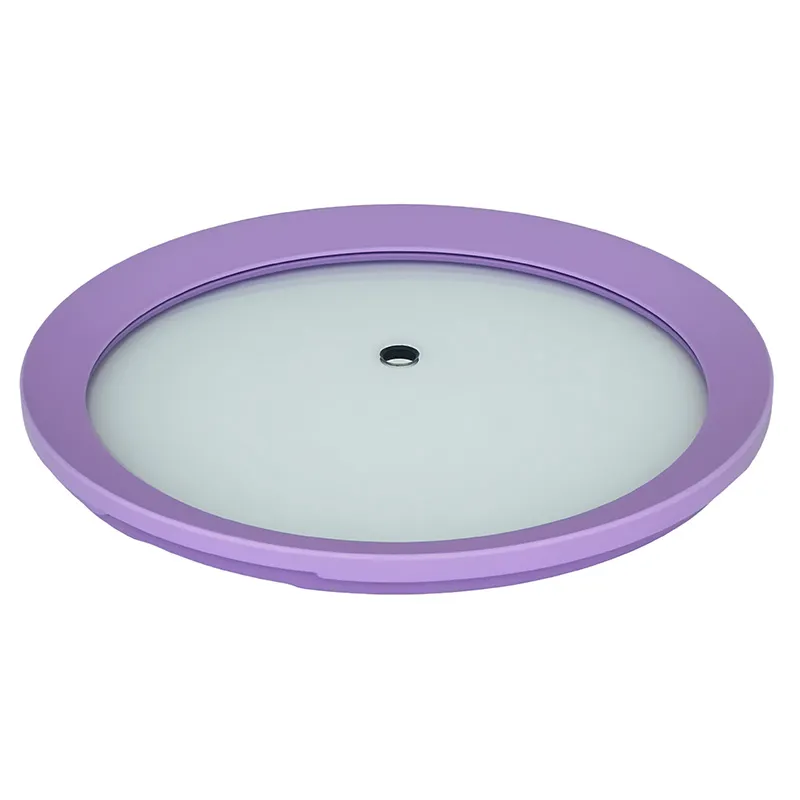
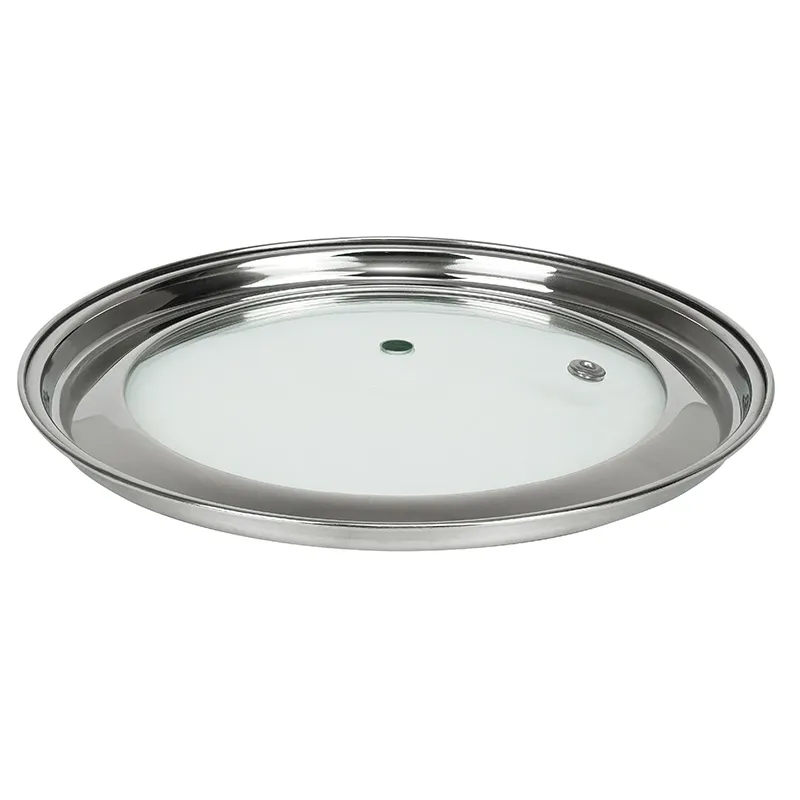
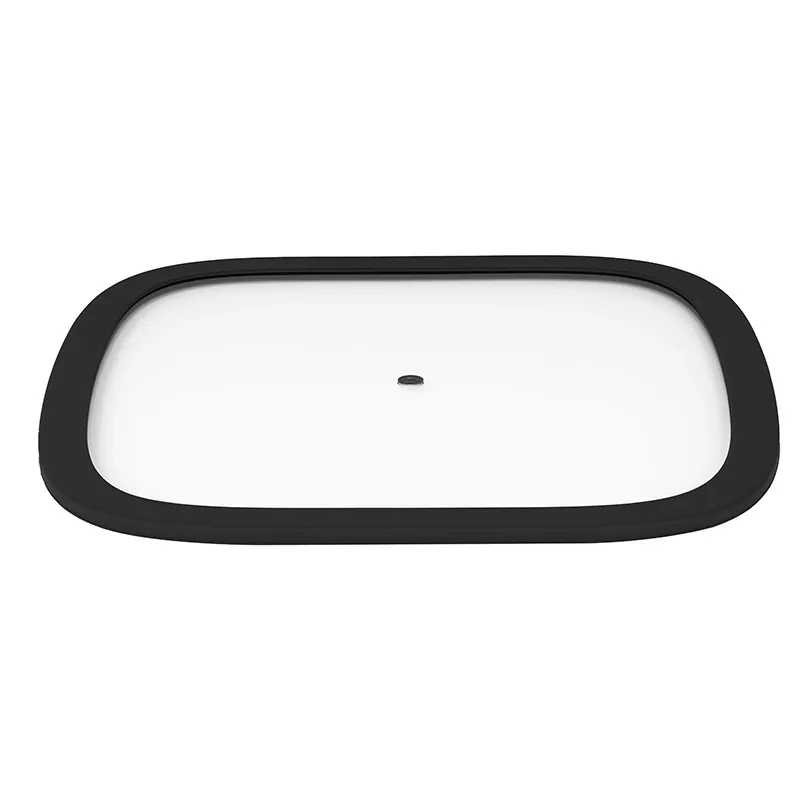
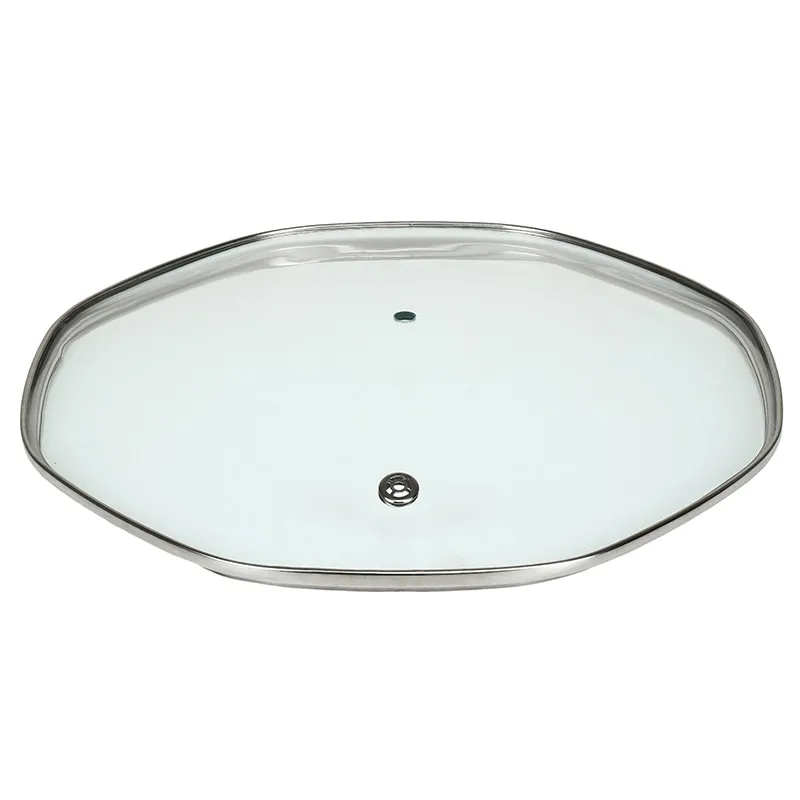
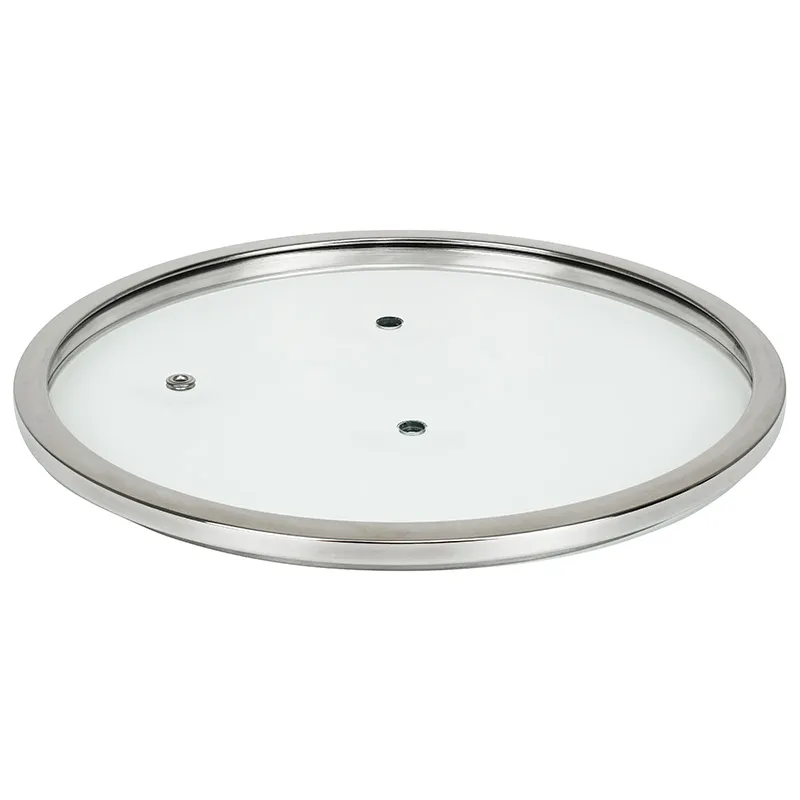
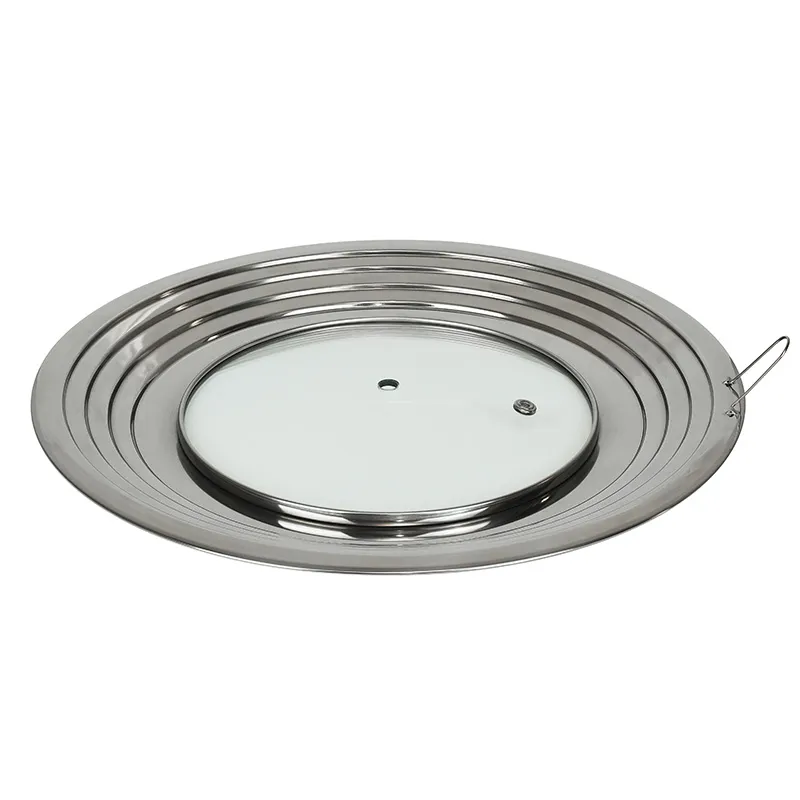
Take tempered glass lids, for instance. This is where the wheat separates from the chaff. Any shop can cut and edge glass. But producing a lid that can withstand thermal shock from an ice bath to a searing hot stovetop? That requires a deep, almost obsessive control over the tempering process. The heating curves, the quenching air pressure—deviate by a few seconds or degrees, and you introduce weak points. I've seen batches where the lids looked perfect but failed spectacularly in drop tests because the tempering was uneven. It's a process you can't eyeball; it's all in the data and the technician's feel for the line.
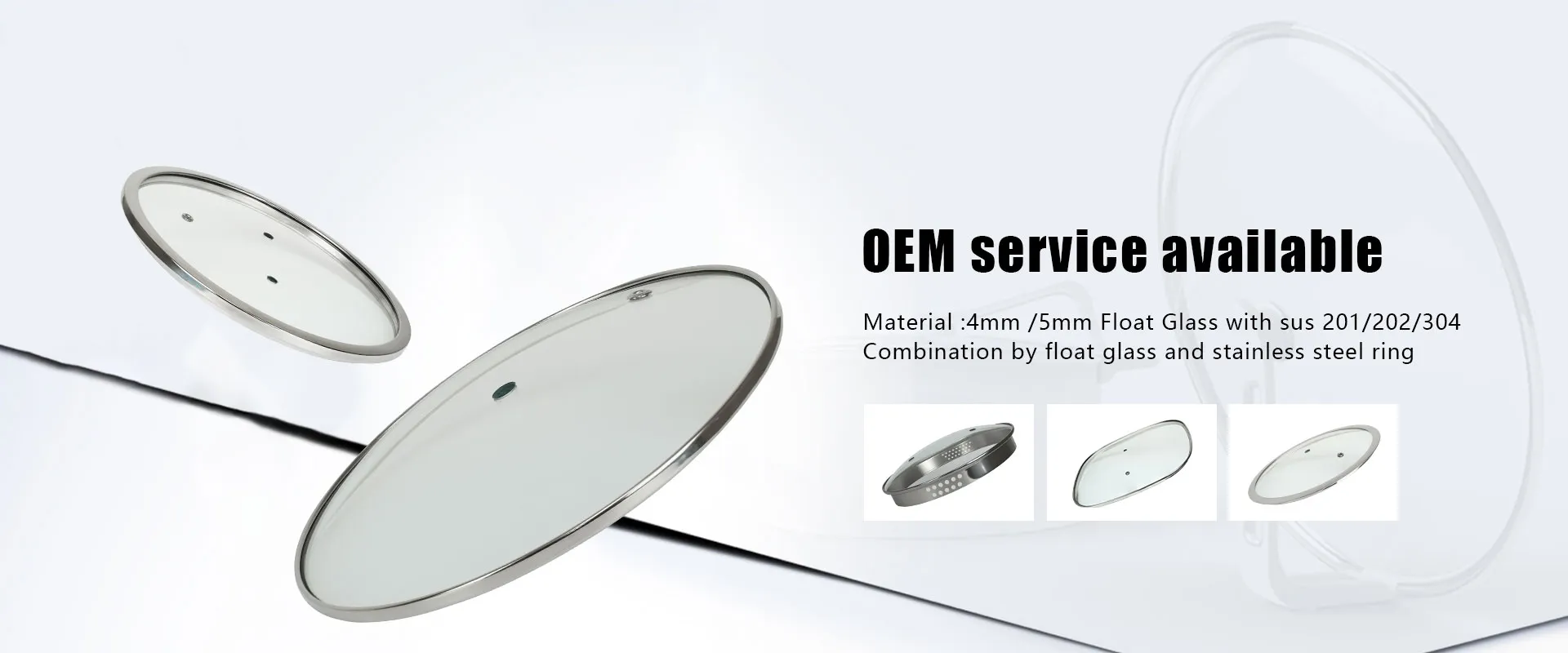
This is where companies with a dedicated focus, like EUR-ASIA COOKWARE CO.,LTD, carve out their space. Their entire operation, as noted on their portal glass-lid.com, is built around this specialization. A production base sprawling over 20,000㎡ dedicated to household glass and kitchen accessories isn't just a facility; it's an ecosystem for precision. When a cover manufacturer commits to an annual output of over 15 million pieces of tempered glass lids, it speaks to a mastered, scalable process, not just capacity.
The choice of material is the first major judgment call. Borosilicate vs. soda-lime? Each has trade-offs. Borosilicate offers superior thermal shock resistance, which is fantastic, but cost and machining complexity go up. For many European markets, where cookware is used on high-heat induction tops, this might be non-negotiable. Soda-lime, properly tempered, can meet most standards at a more accessible price point, crucial for high-volume segments. The manufacturer's skill is in guiding clients through this maze, based on the target market's actual usage patterns and regulatory environment, not just textbook specs.
Export Realities and The Fit Challenge
Here's a practical headache that defines a true export-oriented cover manufacturer: handle and knob compatibility. A lid destined for a German saucepan has to mate perfectly with a handle made in Italy for a body produced in Poland. The tolerances are unforgiving. We're talking about sub-millimeter gaps. A common failure point isn't the glass breaking, but the stainless steel or phenolic knob assembly loosening over time because the threading or bonding wasn't specified for the thermal cycling of a glass lid. It sounds minor, but it's a prime reason for returns.
EUR-ASIA's export footprint—over 90% to countries like Germany, Italy, France, and Japan—is a testament to solving this. The Japanese market, for example, has obsessive standards for finish and fit. Supplying there means your quality control isn't just a department; it's a culture permeating the 15,000㎡ building area. It means understanding that a universal lid doesn't exist. A lid for a Brazilian pressure cooker has different structural requirements than one for a Danish sauté pan. The manufacturer's role is to be a chameleon, adapting the core product to these nuanced, regional demands.
I recall a project where we developed a lid for a high-end European line. The design called for an ultra-thin glass profile with a wrapped stainless steel rim. The prototyping phase was a nightmare. The thermal expansion coefficients of glass and steel are different. During tempering, the steel rim would distort just enough to create a wobble. The solution wasn't found in a manual; it was a hybrid approach—a slight pre-forming of the rim and a modified clamping sequence during tempering. It took three weeks of failed batches. That's the hidden R&D cost a competent cover manufacturer absorbs.
Beyond the Lid: The System View
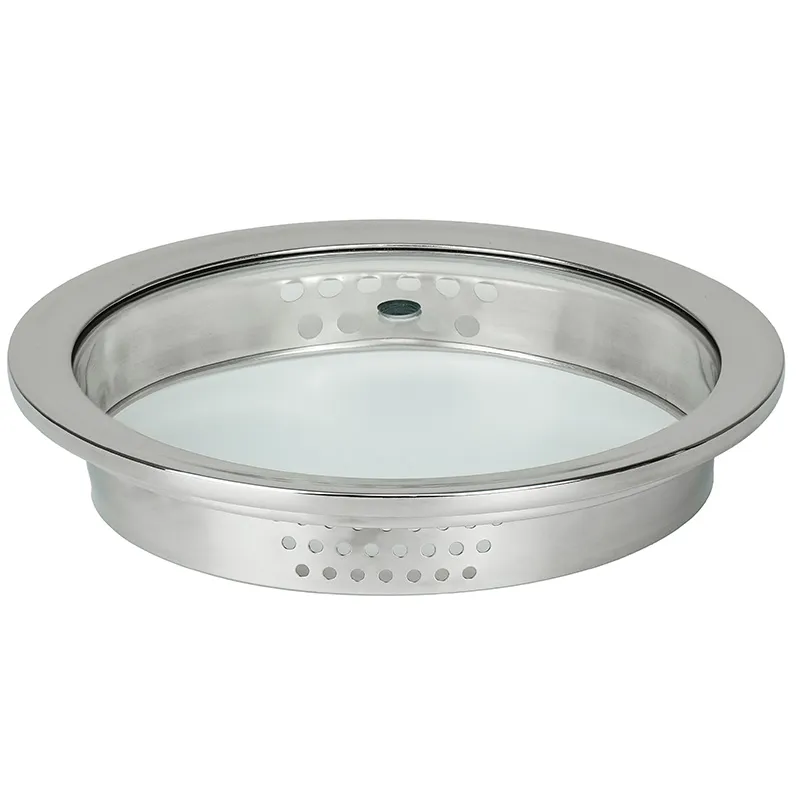
A significant industry blind spot is treating the cover as an isolated item. The real value of a manufacturer emerges when they think in terms of the cooking system. How does the lid interact with the pot's rim? Does the design promote proper vapor condensation and drip-back for moist cooking? Is the steam vent positioned to prevent scalding? These aren't just design questions; they are manufacturing challenges. The angle of the bevel on the glass edge, for instance, affects the seal.
This system thinking is what allows a specialist to move beyond being a mere component supplier to a development partner. Visiting a facility and seeing rows of pots from different brands being used for fit-and-function tests is a good sign. It shows an investment in understanding the end-use. The company intro mentions other kitchen accessories—this often stems from this holistic view. Once you master the physics and manufacturing of a complex item like a tempered glass lid, applying that knowledge to related products like glass oven trays or blender jars becomes a logical, though not trivial, extension.
Scaling Without Sacrificing Consistency
Producing 15 million pieces annually is one thing. Doing it with a defect rate acceptable to the German retail market is another. Scaling a fragile, precision-tempered product is a monumental task. The biggest pitfall is assuming automation solves everything. Automated cutting and edging? Essential. But final inspection, especially for optical clarity and micro-edge flaws, often still requires a trained human eye. I've argued with engineers for hours about implementing AI vision systems, but the variance in flaw types—a barely visible stress fringe vs. a dust inclusion—makes it incredibly difficult to automate fully.
The logistics of scaling also involve the supply chain for raw glass. A color tint or a slight change in composition from a new glass supplier can wreck your established tempering parameters. A seasoned manufacturer has long-term, stable relationships with raw material suppliers and runs small validation batches with every new glass roll. This isn't glamorous work, but it's the bedrock of consistency. It's the kind of detail you manage when you have 90+ employees whose jobs depend on delivering the same quality to Spain, Switzerland, and South Korea, month after month.
The Future: Sustainability and Smart Integration
Looking ahead, the pressure isn't just about cost and quality anymore. It's about environmental impact and added functionality. Can the tempering process be made more energy-efficient? Is the packaging 100% recyclable? These are becoming table-stakes questions from European buyers. A forward-thinking cover manufacturer is already auditing their energy use and exploring partnerships for recycled glass cullet that meets their purity standards.
Then there's the smart kitchen trend. Integrating sensors or indicators into a glass lid is a fascinating engineering challenge. It's not about slapping a gadget on; it's about maintaining thermal integrity, dishwasher safety, and cost. How do you embed a temperature sensor without creating a weak point for thermal stress? How do you power it? These are nascent conversations, but they point to the future where the lid becomes an interactive part of the cooking process. The manufacturers who will lead are those who see the lid not as a static piece of glass, but as a platform for innovation, built upon a foundation of mastered fundamentals.
In the end, the identity of a true cover manufacturer is defined by this duality: a relentless focus on perfecting a seemingly simple object, coupled with the vision to see its evolving role in the kitchen. It's a practice rooted in the tangible—the hum of the tempering furnace, the gleam of a perfectly beveled edge—and stretched toward the possibilities of what that cover can become.
Related Products
Related Products