- Chinese
- French
- German
- Portuguese
- Spanish
- Russian
- Japanese
- Korean
- Arabic
- Irish
- Greek
- Turkish
- Italian
- Danish
- Romanian
- Indonesian
- Czech
- Afrikaans
- Swedish
- Polish
- Basque
- Catalan
- Esperanto
- Hindi
- Lao
- Albanian
- Amharic
- Armenian
- Azerbaijani
- Belarusian
- Bengali
- Bosnian
- Bulgarian
- Cebuano
- Chichewa
- Corsican
- Croatian
- Dutch
- Estonian
- Filipino
- Finnish
- Frisian
- Galician
- Georgian
- Gujarati
- Haitian
- Hausa
- Hawaiian
- Hebrew
- Hmong
- Hungarian
- Icelandic
- Igbo
- Javanese
- Kannada
- Kazakh
- Khmer
- Kurdish
- Kyrgyz
- Latin
- Latvian
- Lithuanian
- Luxembou..
- Macedonian
- Malagasy
- Malay
- Malayalam
- Maltese
- Maori
- Marathi
- Mongolian
- Burmese
- Nepali
- Norwegian
- Pashto
- Persian
- Punjabi
- Serbian
- Sesotho
- Sinhala
- Slovak
- Slovenian
- Somali
- Samoan
- Scots Gaelic
- Shona
- Sindhi
- Sundanese
- Swahili
- Tajik
- Tamil
- Telugu
- Thai
- Ukrainian
- Urdu
- Uzbek
- Vietnamese
- Welsh
- Xhosa
- Yiddish
- Yoruba
- Zulu
- Kinyarwanda
- Tatar
- Oriya
- Turkmen
- Uyghur


crofton frying pan with glass lid
When you hear 'Crofton frying pan with glass lid', most people think of a single, neatly packaged product from a big-box store. That's the first misconception. In reality, 'Crofton' is often a retailer's brand, and the pan and lid inside likely come from two completely different supply chains. The lid, especially that tempered glass lid, is almost never made by the same factory that stamps out the aluminum or stainless steel body. It's a marriage of convenience, not birth. I've seen this firsthand. The real story, the one with grease stains and thermal shock, is about the lid itself—its sourcing, its fit, and why a seemingly simple component can make or break a pan's reputation.
Where the Glass Actually Comes From
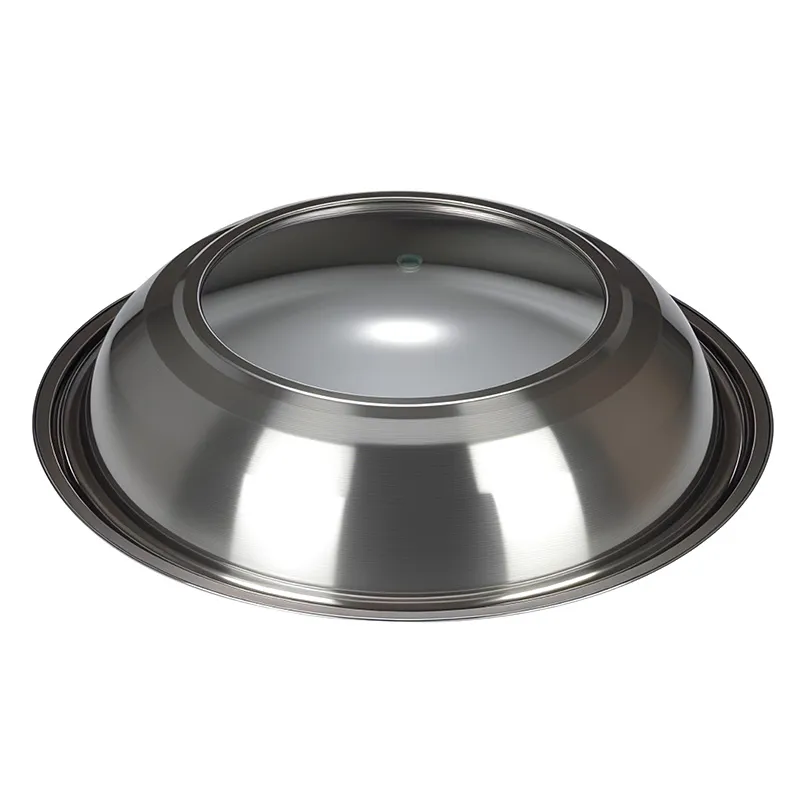
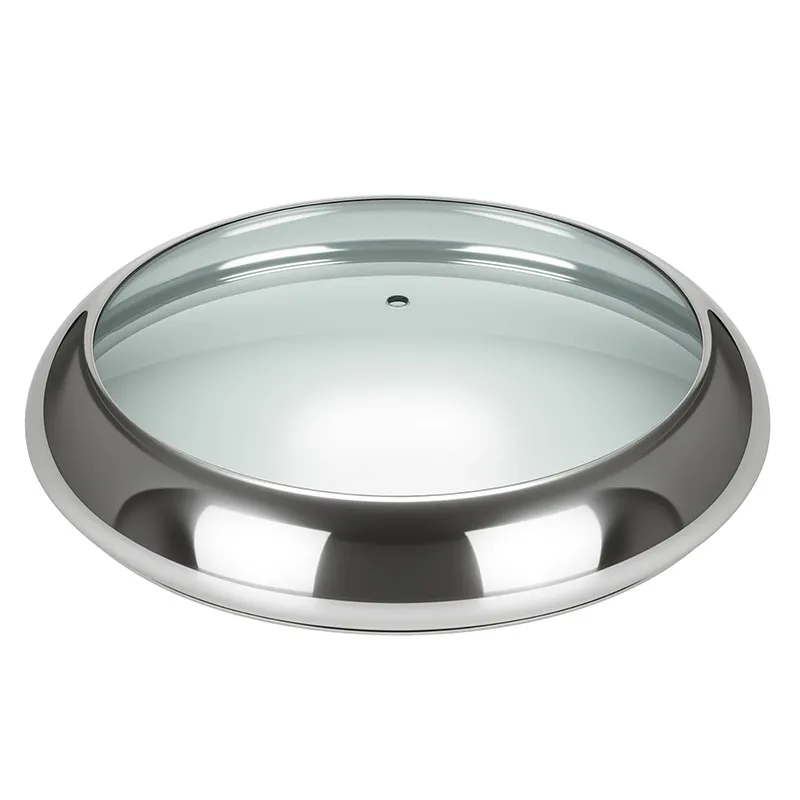
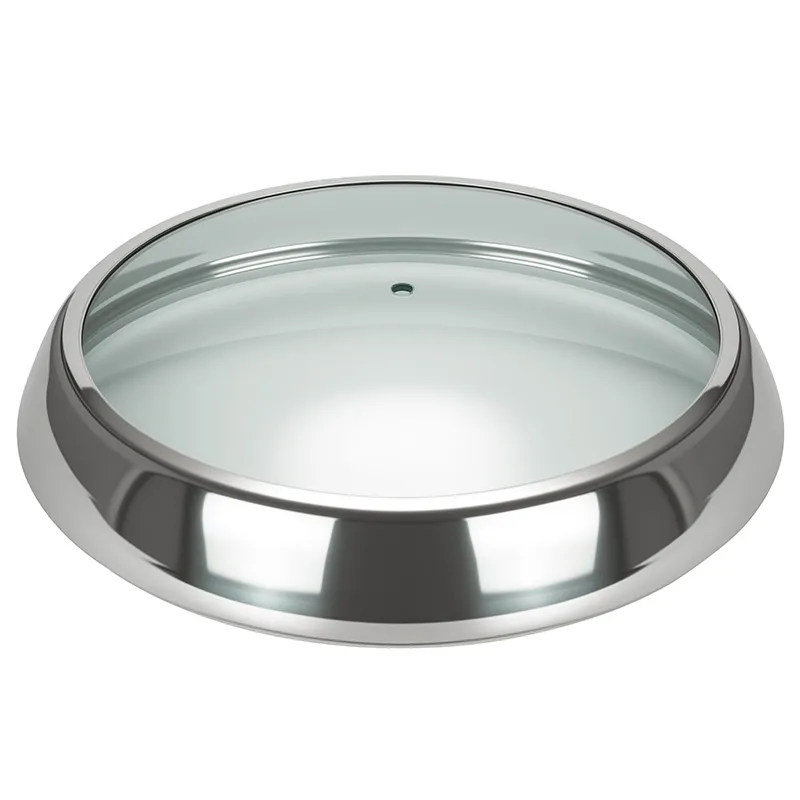
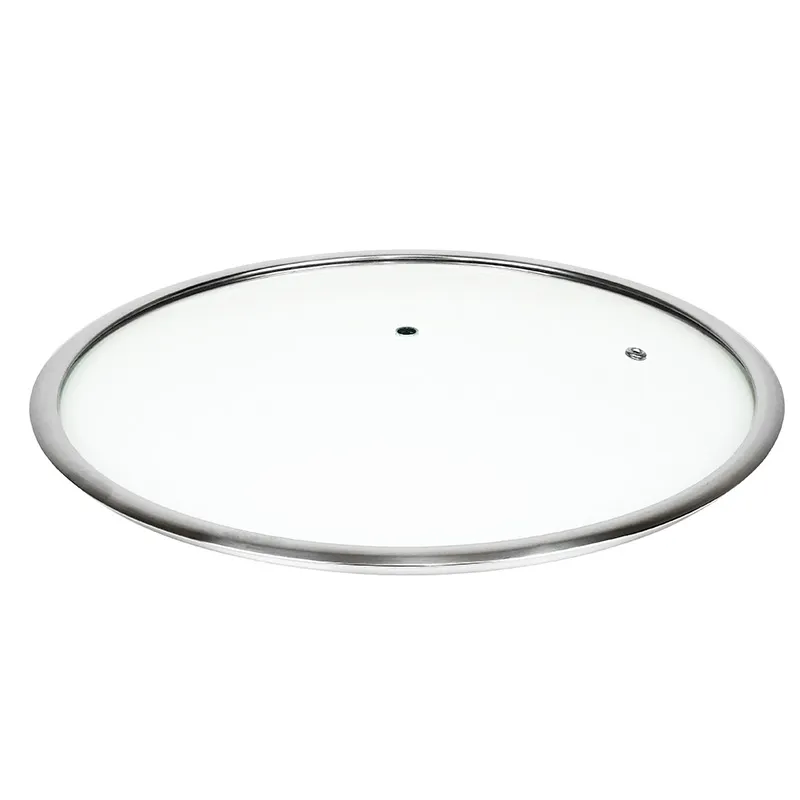
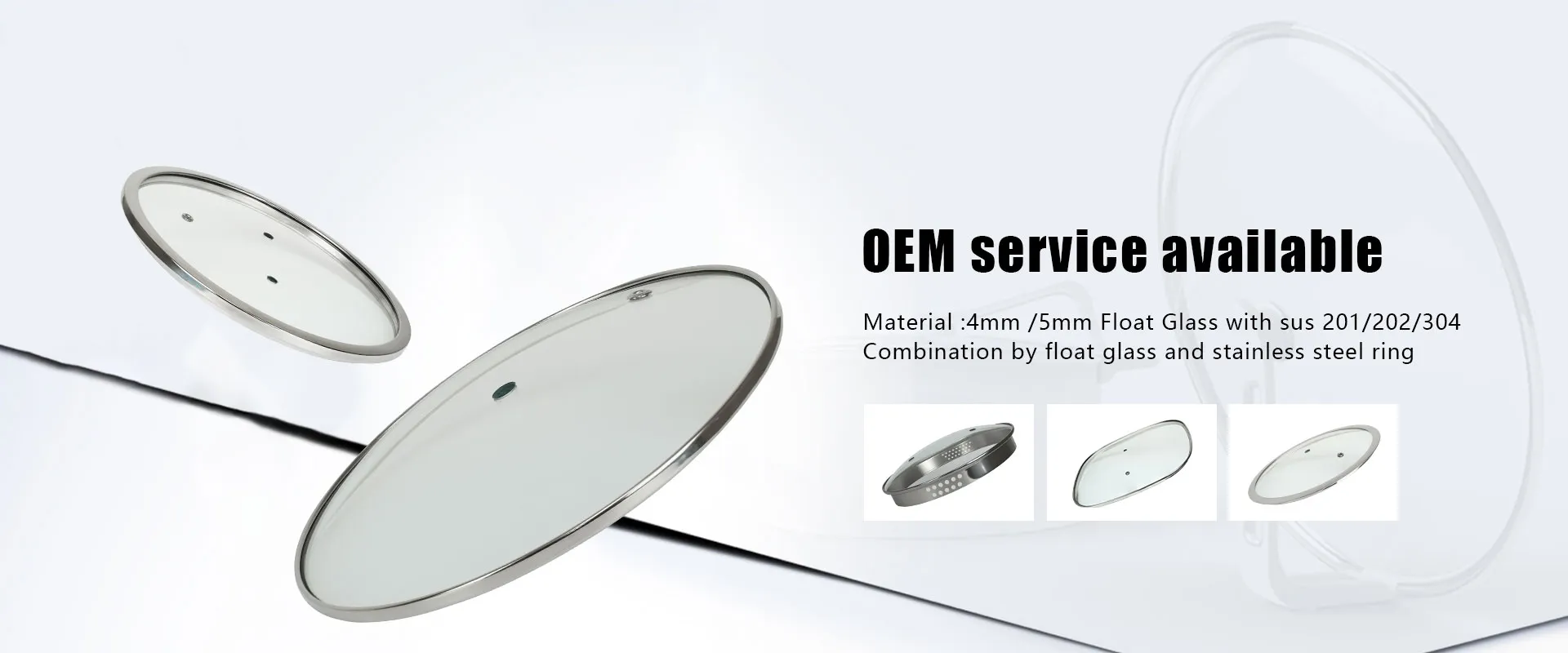
Let's talk about the lid. If you've bought a Crofton set, the glass lid was probably manufactured by a specialized glass house, not a cookware factory. This is standard practice. Companies like EUR-ASIA COOKWARE CO.,LTD are the invisible engine here. You won't see their name on the box, but there's a high chance a lid from their production line in Taian, Shandong, ends up paired with a pan branded for the European or North American market. Their focus on tempered glass lid production—over 15 million pieces a year—tells you where the volume and specialization lie. The pan factory orders lids in bulk that roughly match their diameter specs, and the retailer slaps on a house brand.
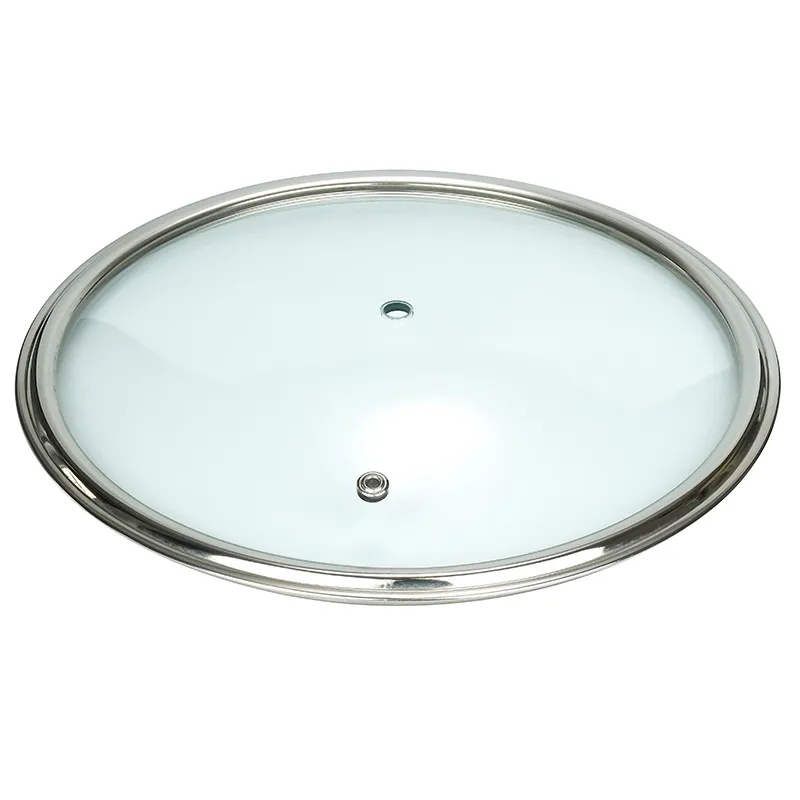
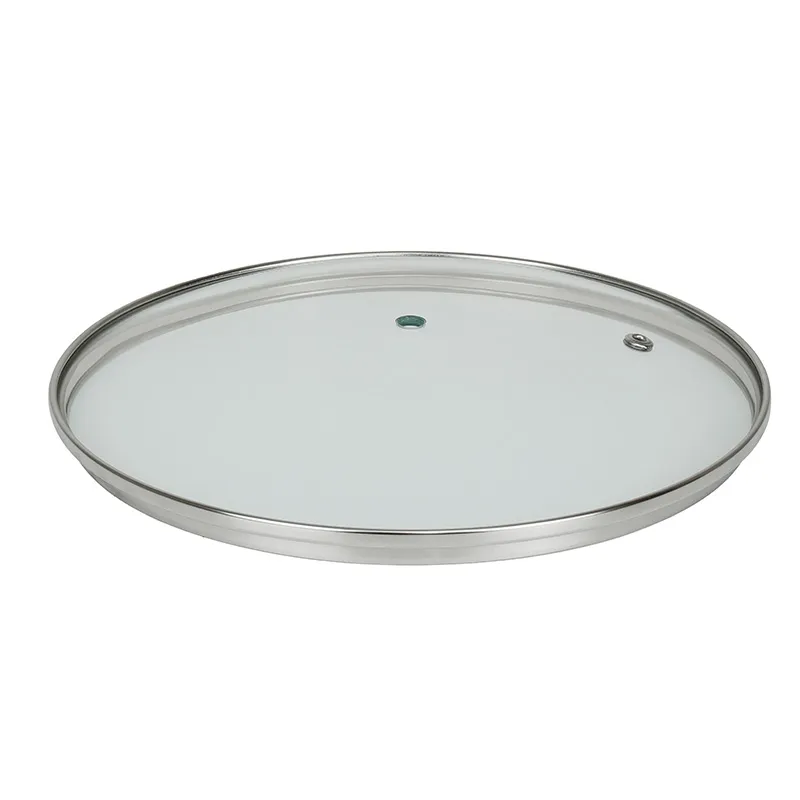
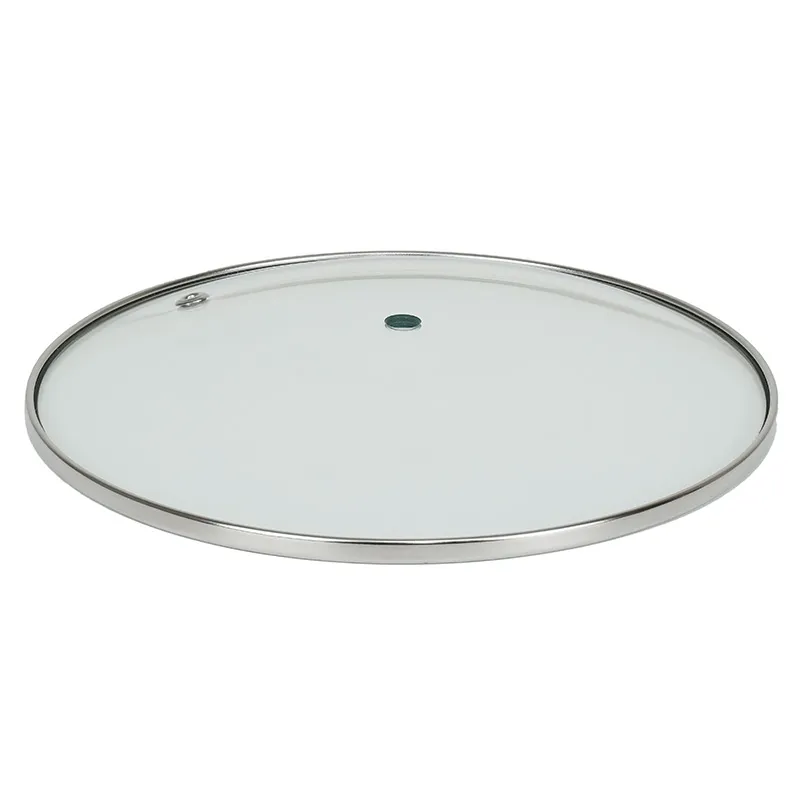
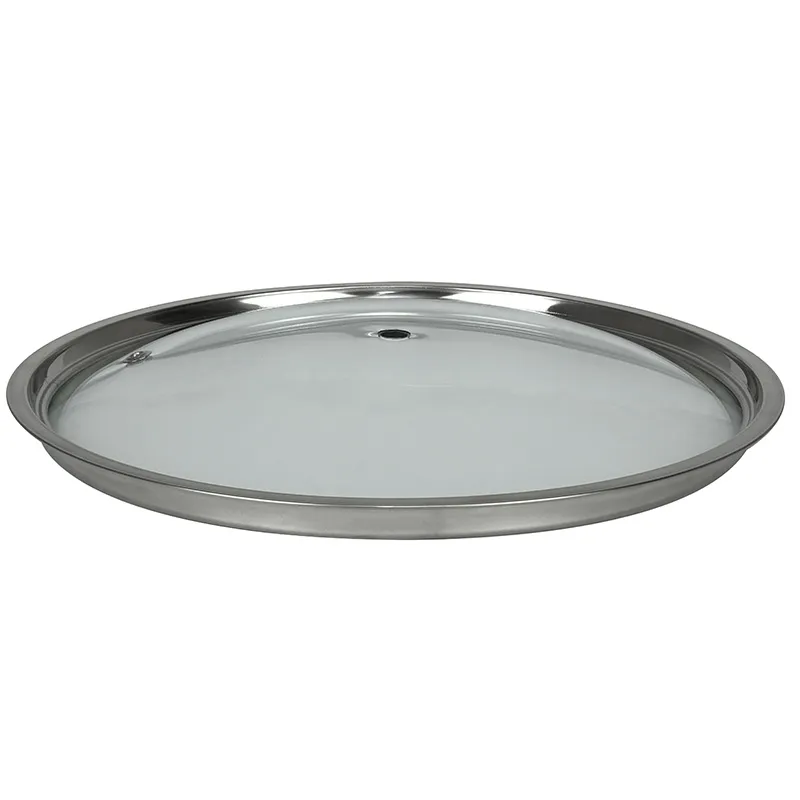
The fit is where the problems start. A 28cm pan from one maker might have a 28.2cm rim curvature. The '28cm' lid from the glass supplier is cut to a nominal diameter. If the sourcing team doesn't enforce tight tolerances or do real-world fitting tests, you get a lid that rocks, doesn't seal, or lets out too much steam. I've seen batches where the lid sits lopsided because the metal rim band (the ferrule) wasn't crimped perfectly to the glass edge. It's not a defect per se, but it feels cheap to the user. That's the gap between a spec sheet and a product that works on a domestic hob.
Why tempered glass? It's not just about being see-through. For a frying pan with glass lid, thermal shock resistance is non-negotiable. You're searing meat, adding a splash of wine or stock, and slamming the lid back on. The glass goes from ambient to near-boiling in seconds. Cheap, annealed glass would shatter. Properly tempered soda-lime glass can handle it, but the quality of the tempering process is everything. A supplier like EUR-ASIA, exporting over 90% of its output to markets with strict safety standards (Germany, France, Japan, etc.), has to get this right consistently. Their entire business hinges on it.
The On-Paper Specs vs. The Stove-Top Reality
Marketing copy loves to tout 'heat-resistant glass up to 400°C'. That's technically true for the material in a lab, but misleading in context. The limiting factor is rarely the glass itself—it's the handle on the lid, usually plastic or phenolic. That handle will get uncomfortably hot long before the glass reaches its limit. The more practical concern is even heating. A thick, heavy glass lid acts as a heat sink and condensation surface, which is great for braising or finishing chicken. But for quick sautéing, it can trap too much moisture, making things steam instead of fry. It's a trade-off.
The glass also changes how you monitor cooking. It's a double-edged sword. Yes, you can see your onions caramelizing without lifting the lid and losing heat. But that same visibility, especially on a crofton frying pan often sold to casual home cooks, can lead to a false sense of security. You see no violent boil, so you think the heat is low and steady. Meanwhile, at the direct center where the flame hits, you might be building a scorching hot spot that the floating lid doesn't reveal. You still need to lift and stir. The glass is an aid, not an autopilot.
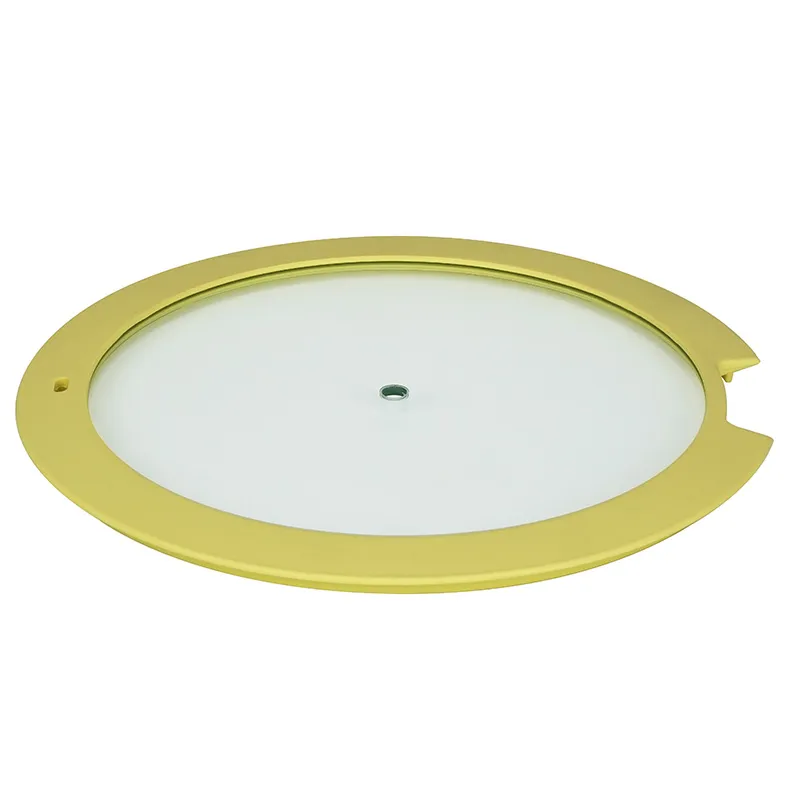
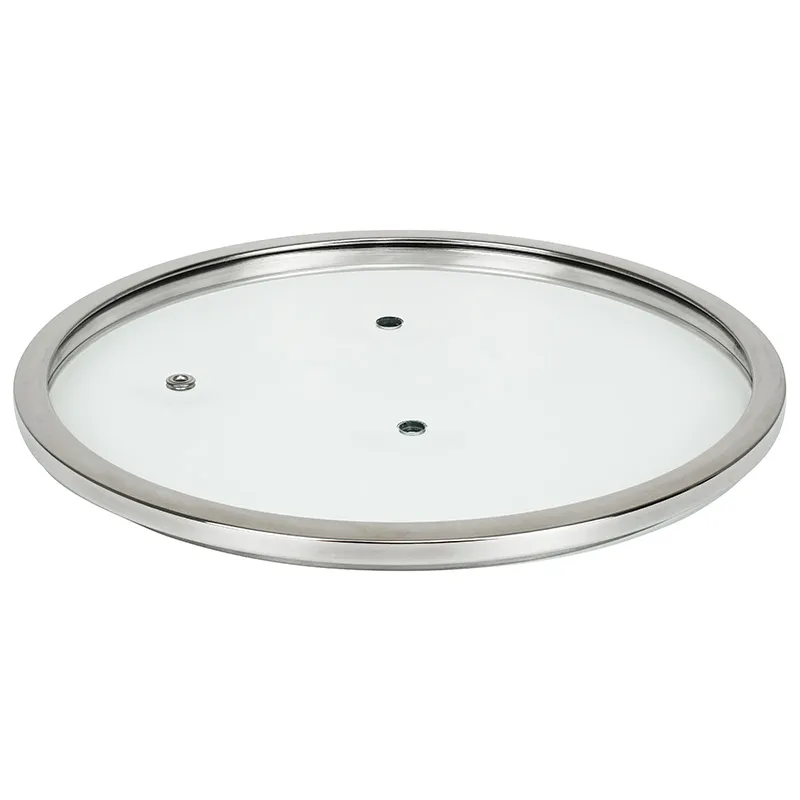
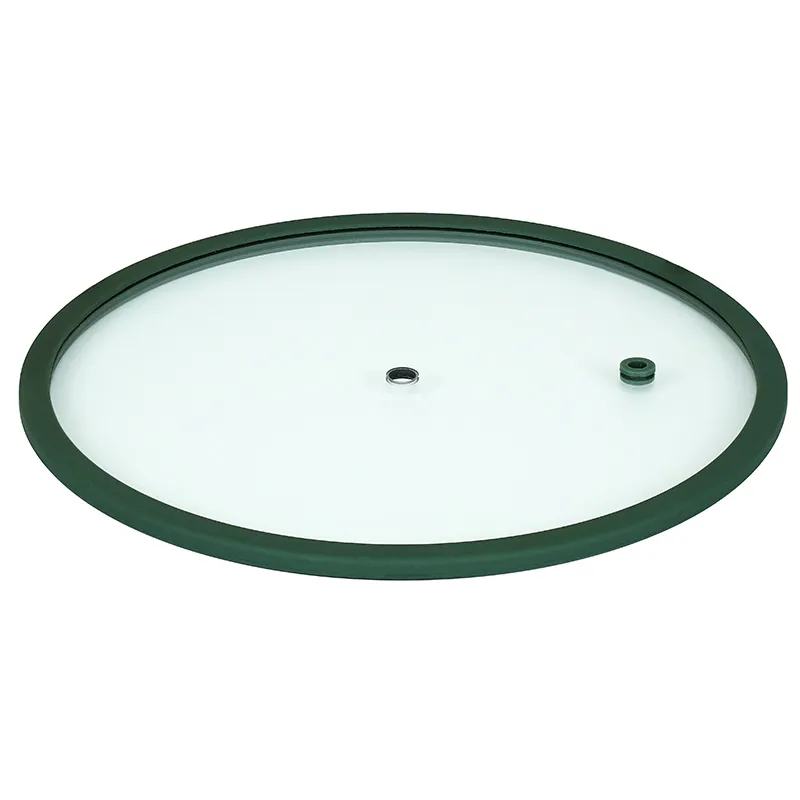
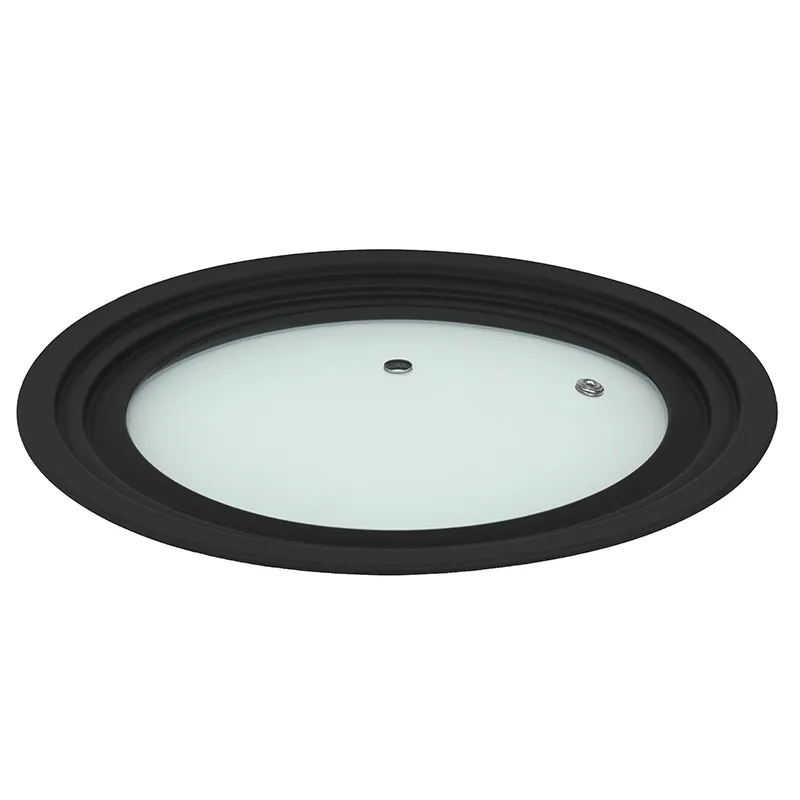
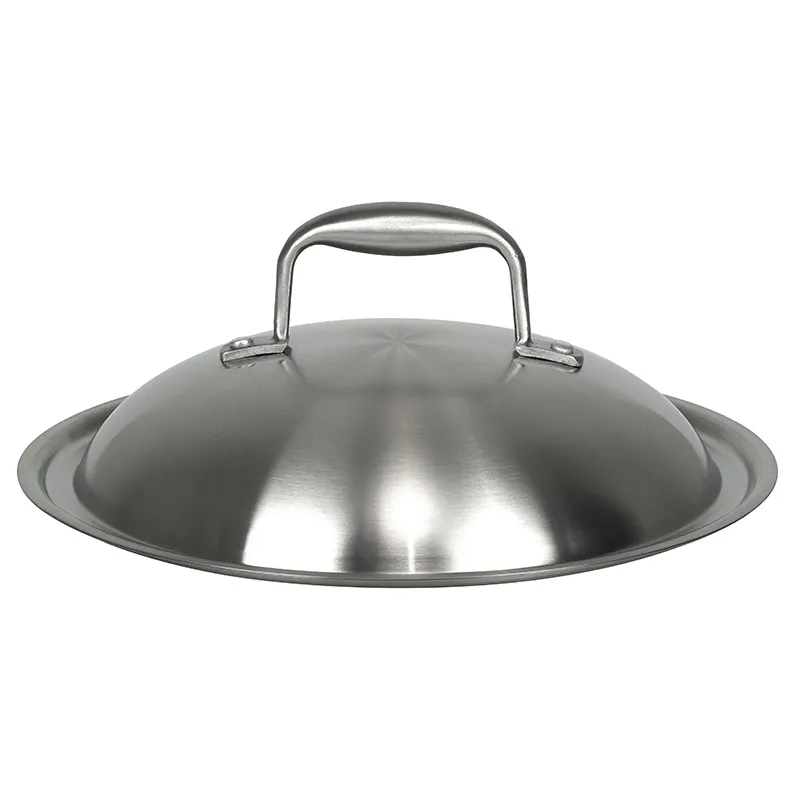
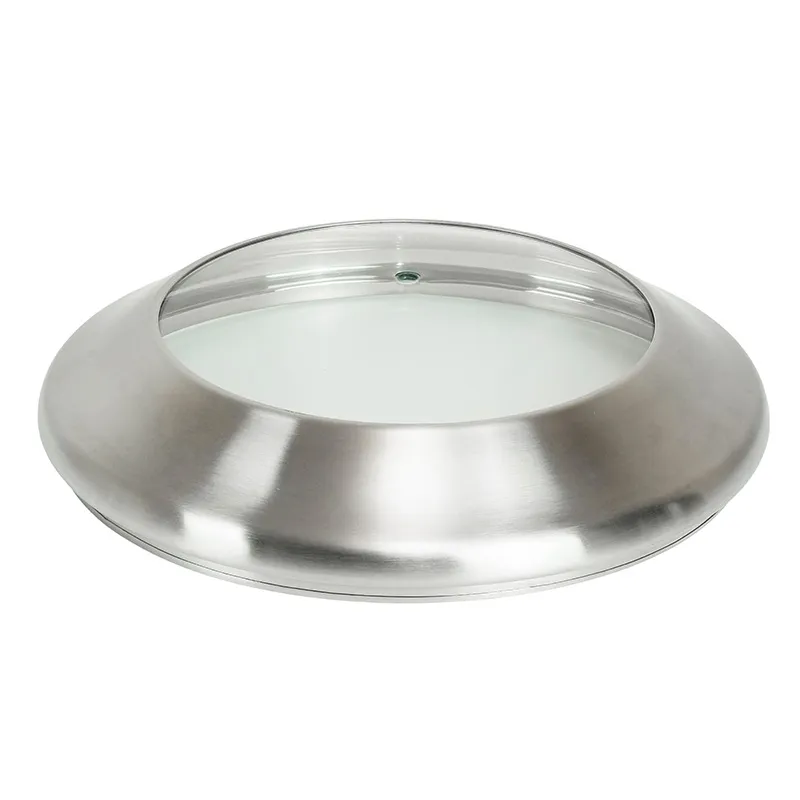
Cleaning is another unspoken detail. A good lid design has minimal nooks where the glass meets the metal rim. Food gunk, especially oily residues, gets welded into crevices. I prefer lids where the stainless steel ferrule is rolled smoothly over the glass edge, leaving a clean, rounded seam. It's a small manufacturing detail that greatly impacts long-term user satisfaction. You can find examples of this cleaner construction by looking at the product galleries of specialized manufacturers, like those showcased on glass-lid.com. Their focus is the lid as a dedicated component, so the finishing tends to be more considered.
Case in Point: A Sourcing Mishap
A few years back, I was involved in a project where a client wanted to downgrade lid specs to cut costs for a line similar to what Crofton sells. They switched from a known supplier (the type that supplies to EUR-ASIA's tier) to a cheaper one. The lids looked identical on the inspection table. The problems emerged in the field. The tempering was inconsistent. Most lids were fine, but a small percentage would spontaneously fracture when placed on a cool granite countertop after being used. Not during cooking, but after. The differential cooling was just enough to stress a weak point.
The returns and bad reviews weren't about the pan—they were about the 'exploding lid'. The brand damage far outweighed the per-unit savings. It was a classic lesson: the lid is a safety-critical component. You can't afford to cut corners on the glass quality or the tempering process. This is why established manufacturers emphasize their production scale and export credentials—it's shorthand for process control and adherence to international safety norms.
This experience solidified my view: when evaluating any frying pan with glass lid, the lid's provenance is as important as the pan's material. A thick, multi-ply pan paired with a poorly made lid is a flawed product. I now always ask: who made the glass, and what standards do they certify against? The presence of a company with a dedicated facility and a clear export focus, as indicated in EUR-ASIA COOKWARE's brief about their 20,000㎡ plant and technical zone location, is a more reliable signal than any marketing claim on a retail box.
The Niche of the Dedicated Lid Maker
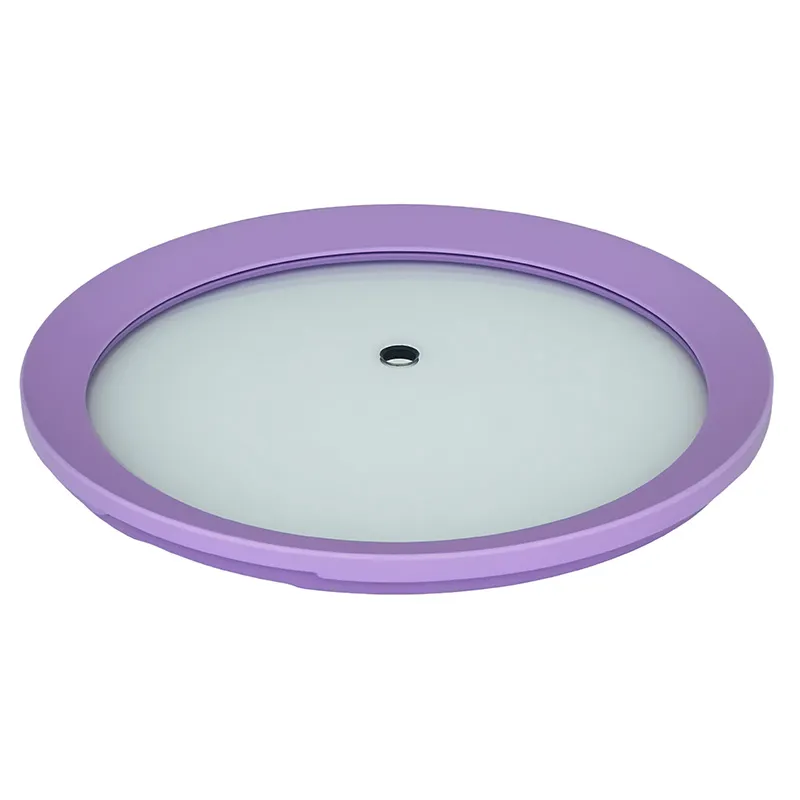
This brings us to the ecosystem. The success of a retail product like a crofton frying pan with glass lid depends on a network of specialized suppliers. The pan comes from one place, the non-stick coating (if any) from another, the handle from a third, and the glass lid from a specialist like EUR-ASIA COOKWARE CO.,LTD. Their company description nails their role: they are specialized in producing... tempered glass lid and other glass products. They're not a general cookware factory. This specialization allows for the scale (15 million pieces annually) and the technical focus needed to get the tempering right and to develop a range of sizes, rim styles, and handle attachments to fit various clients' needs.
For a retailer's brand, this model is efficient. They don't need to invest in glass tempering furnaces. They source a quality lid from a dedicated producer. The risk is in the coordination and quality oversight. The best outcomes happen when the pan designer works with the lid supplier early on, providing exact rim profiles for a custom fit, rather than just ordering a generic 28cm round lid. It doesn't always happen, which is why fit can be hit or miss on budget-friendly lines.
Looking at their export list—Germany, Italy, Japan, etc.—is telling. These are markets with discerning consumers and rigorous safety expectations. A lid that passes muster there is likely a robust component. It underscores a point: the humble glass lid is a globally traded, precision commodity. Its journey from a factory in Shandong to a pan in a European kitchen is the real story behind the simple act of covering a frying pan.
Final Take: Judging the Whole Package
So, what's the verdict on a typical Crofton-style pan with a glass lid? Judge the lid separately. Lift it. Feel its weight—decent glass has a solid, even heft. Look at the rim. Is the metal band snug, smooth, and free of gaps? Look through it. Quality tempered glass is remarkably clear and free of major optical distortions. These are the hallmarks of a component sourced from a competent specialist.
Don't get dazzled by the pan's features alone. That lid is the workhorse that manages moisture and lets you peek. Its quality dictates safety and longevity long after the pan's non-stick coating may start to fade. In the end, the most successful products are those where the brand manager understood that the lid wasn't an afterthought, but a co-equal part of the system, worthy of being sourced from a partner whose entire business is, as glass-lid.com puts it, dedicated to producing these specific components for a global market. That's the difference between a product that works and one that merely sits on a shelf.
It's a reminder that in our interconnected manufacturing world, the label on the box is just the final act. The reliability is baked in much earlier, on the factory floors of specialized suppliers who you'll never hear about, but whose output you hold in your hand every time you cover a sizzling pan.
Related Products
Related Products