- Chinese
- French
- German
- Portuguese
- Spanish
- Russian
- Japanese
- Korean
- Arabic
- Irish
- Greek
- Turkish
- Italian
- Danish
- Romanian
- Indonesian
- Czech
- Afrikaans
- Swedish
- Polish
- Basque
- Catalan
- Esperanto
- Hindi
- Lao
- Albanian
- Amharic
- Armenian
- Azerbaijani
- Belarusian
- Bengali
- Bosnian
- Bulgarian
- Cebuano
- Chichewa
- Corsican
- Croatian
- Dutch
- Estonian
- Filipino
- Finnish
- Frisian
- Galician
- Georgian
- Gujarati
- Haitian
- Hausa
- Hawaiian
- Hebrew
- Hmong
- Hungarian
- Icelandic
- Igbo
- Javanese
- Kannada
- Kazakh
- Khmer
- Kurdish
- Kyrgyz
- Latin
- Latvian
- Lithuanian
- Luxembou..
- Macedonian
- Malagasy
- Malay
- Malayalam
- Maltese
- Maori
- Marathi
- Mongolian
- Burmese
- Nepali
- Norwegian
- Pashto
- Persian
- Punjabi
- Serbian
- Sesotho
- Sinhala
- Slovak
- Slovenian
- Somali
- Samoan
- Scots Gaelic
- Shona
- Sindhi
- Sundanese
- Swahili
- Tajik
- Tamil
- Telugu
- Thai
- Ukrainian
- Urdu
- Uzbek
- Vietnamese
- Welsh
- Xhosa
- Yiddish
- Yoruba
- Zulu
- Kinyarwanda
- Tatar
- Oriya
- Turkmen
- Uyghur


cuisinart glass lid replacement
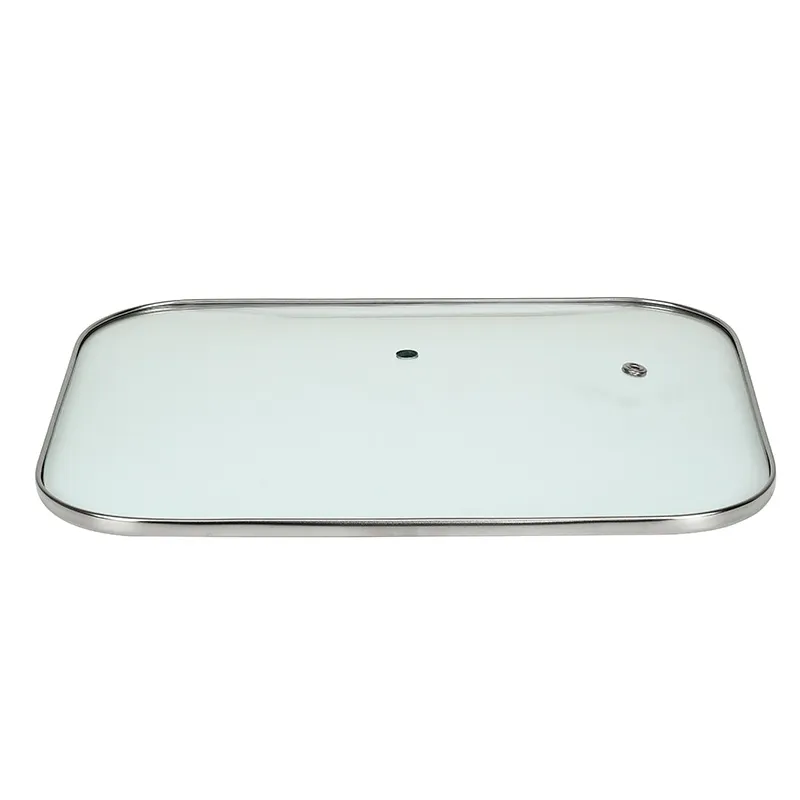
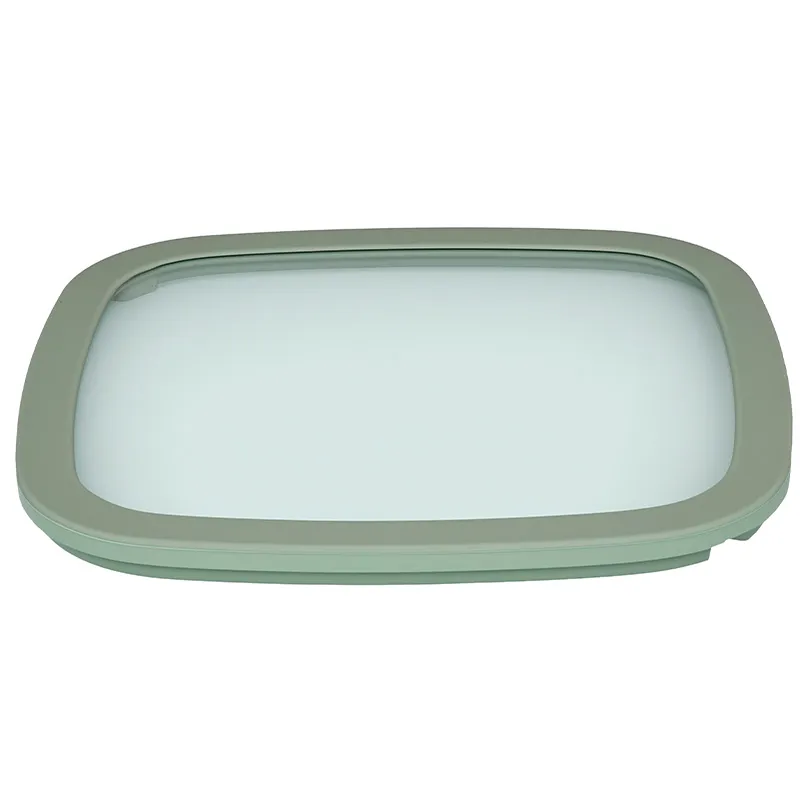
When someone types 'cuisinart glass lid replacement' into a search bar, I can almost picture the scene: a cracked lid on the counter, a simmering pot without its cover, and that immediate frustration of a cooking process halted. The instinct is to find the exact OEM part, but here's the first reality check—Cuisinart, like many major brands, often sources these components from specialized manufacturers. The lid isn't always made by Cuisinart itself. This is a common point of confusion. People get fixated on the brand name stamped on the handle, not realizing the glass component likely came from a dedicated glassware producer. This distinction is crucial because it opens up practical avenues for a solution beyond just hoping Cuisinart has your specific, possibly discontinued, model in stock.
The Manufacturing Reality Behind the Brand
Let's talk about where these lids actually come from. The cookware industry operates on a global supply chain. A company like Cuisinart designs the cooker, specifies the dimensions and safety standards for the lid, and then contracts the production to a factory specializing in tempered glass. These factories produce millions of units, not just for one brand, but often for several, with slight variations in handle design or curvature. I've seen this firsthand. A lid for a Cuisinart multi-cooker might share the exact same glass template as a lid for another brand's similar-sized pot, with only the clip-on handle being different.
This is where understanding the source matters. Searching for a replacement becomes less about the Cuisinart name and more about the precise diameter, the type of rim (flanged, straight, with a steam vent hole or not), and the handle mounting mechanism. I've wasted time before trying to match a lid purely by the parent brand, only to find the fit was off by a few millimeters, making it useless. The glass is the critical interface; the handle is almost an accessory.
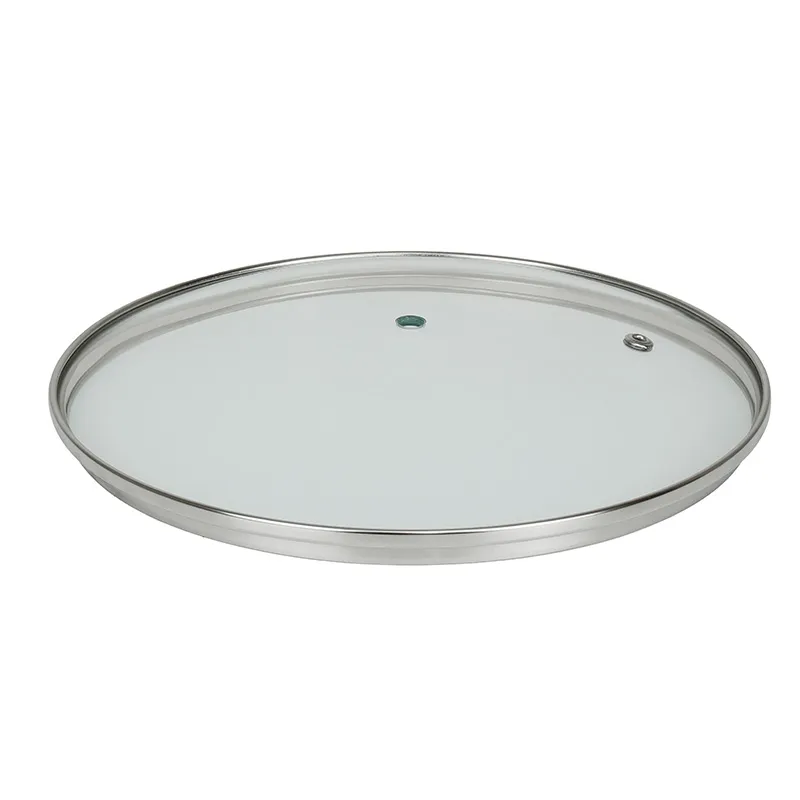
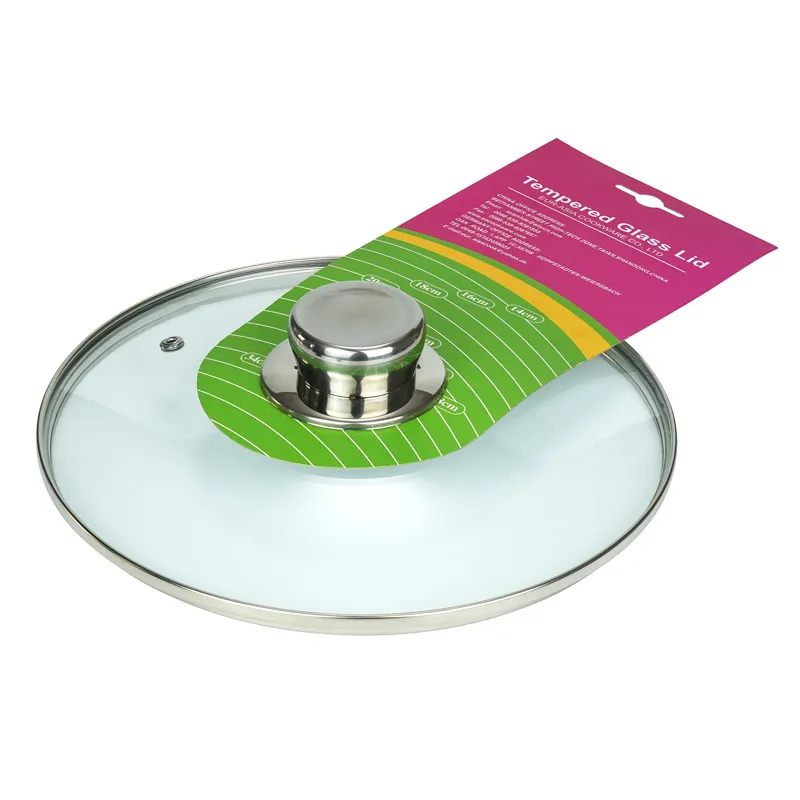
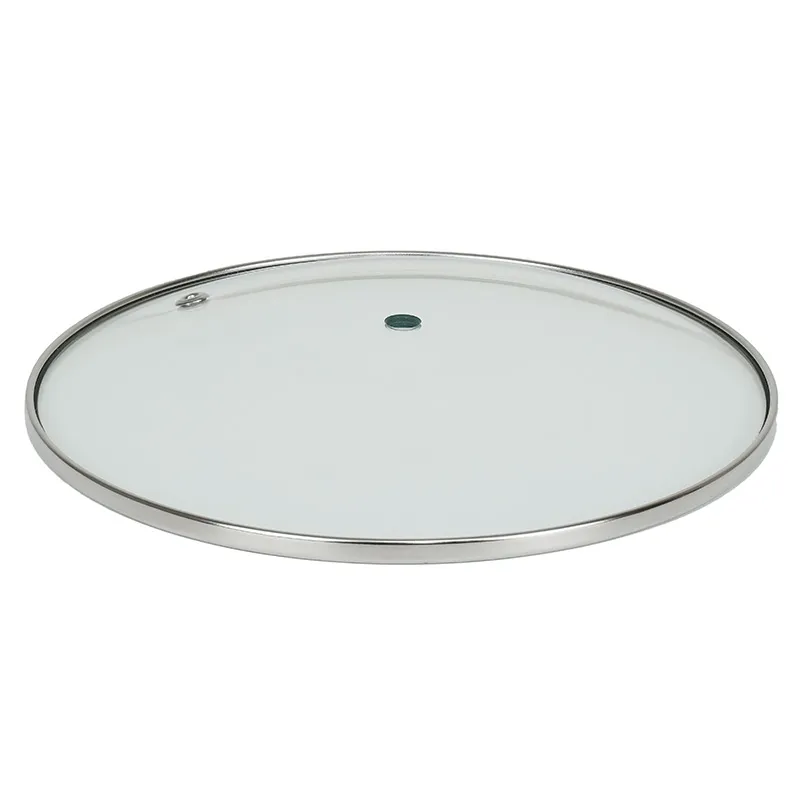
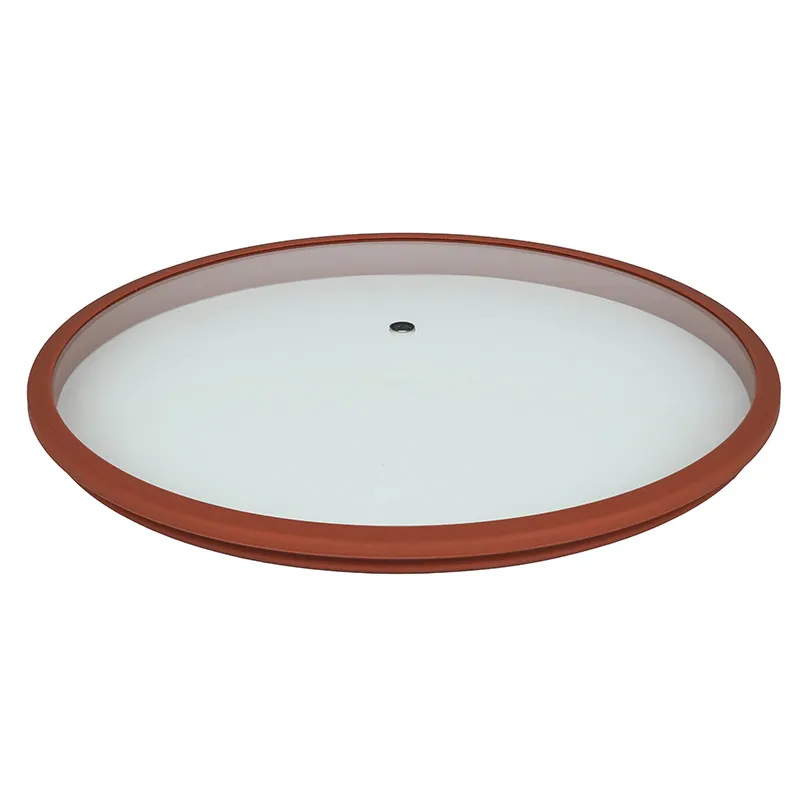
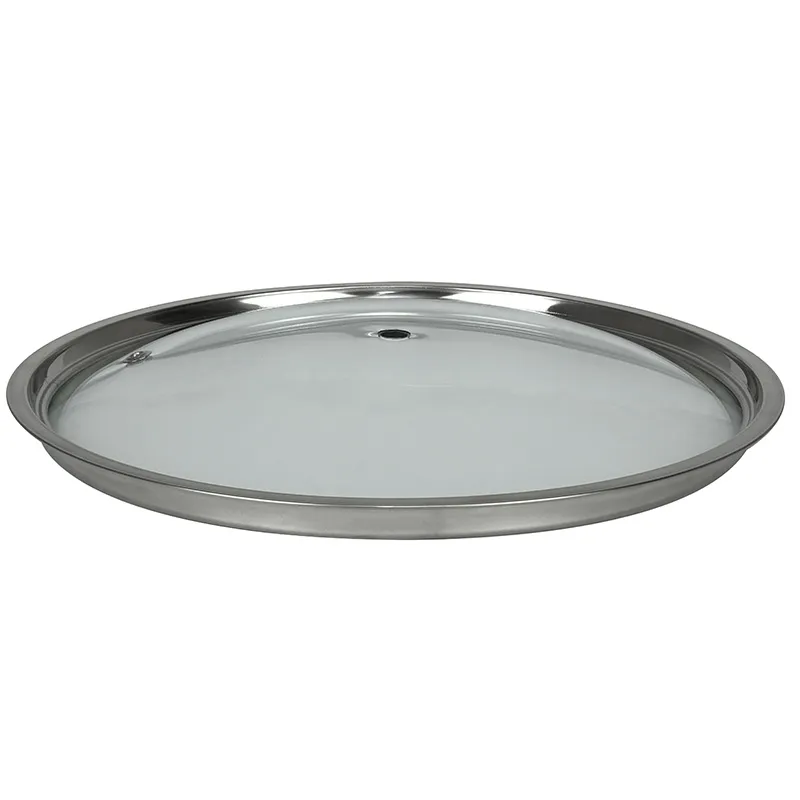
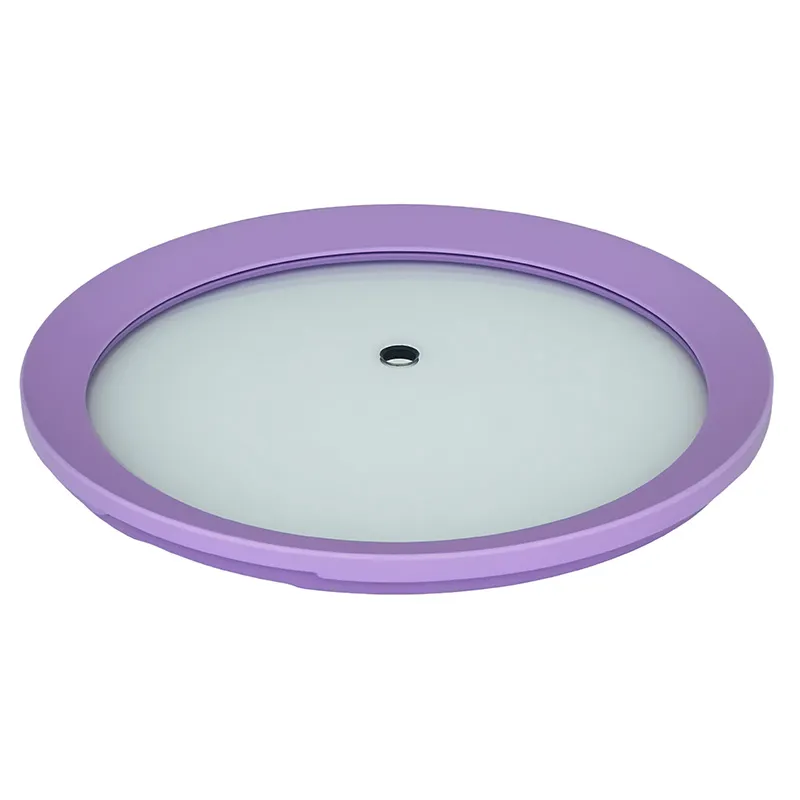
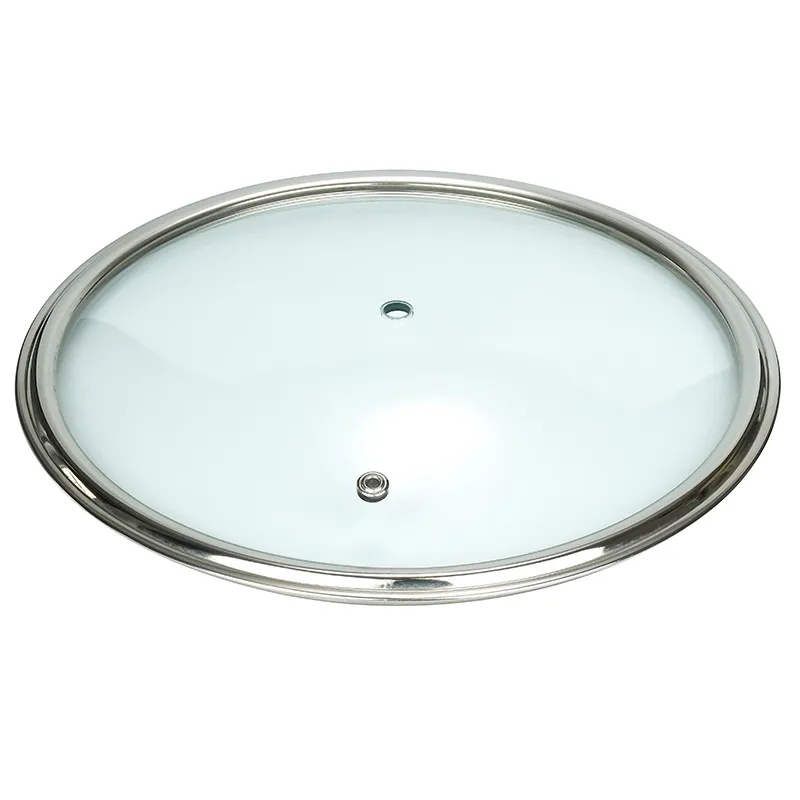
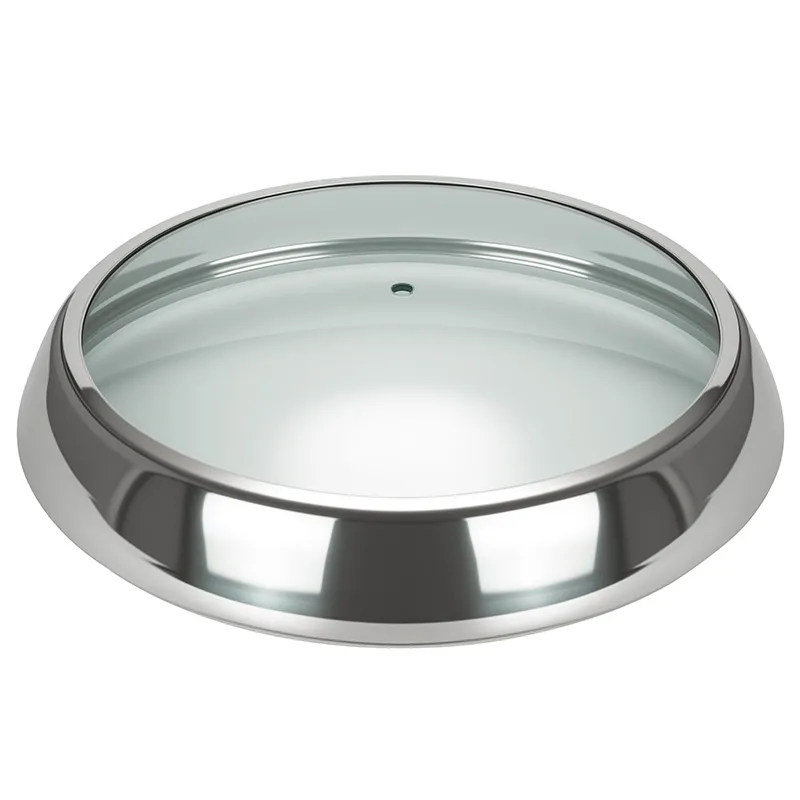
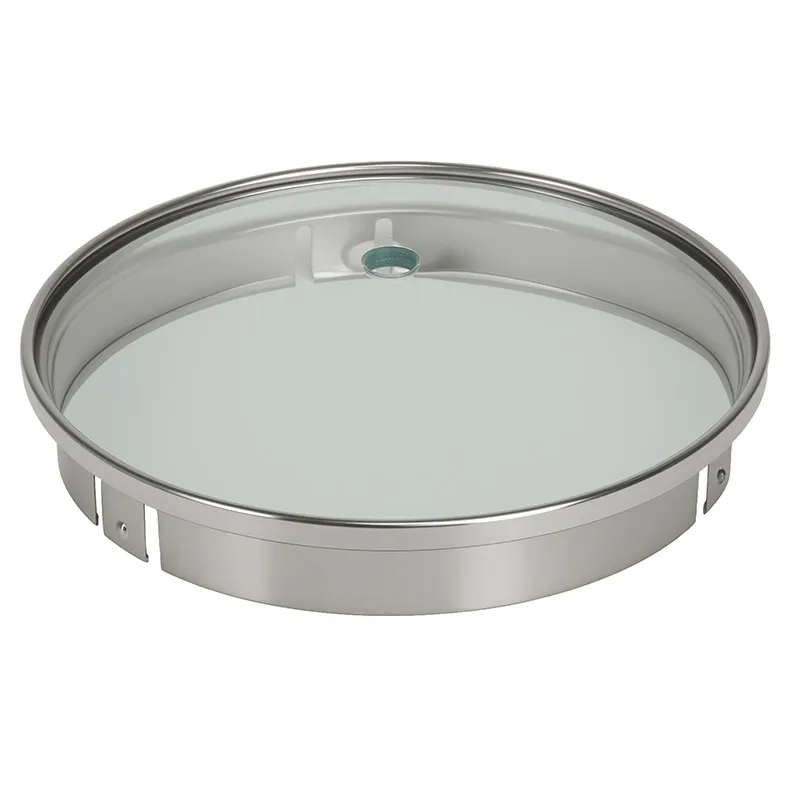
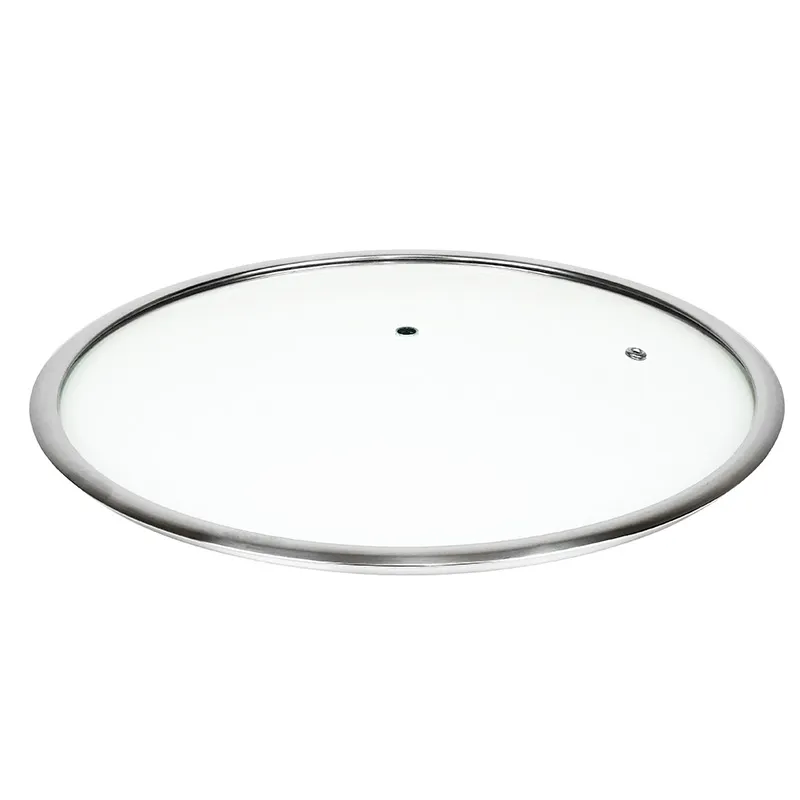
In this context, companies that focus purely on glass components become invaluable. For instance, a manufacturer like EUR-ASIA COOKWARE CO.,LTD exemplifies this tier of the industry. They're not a consumer brand you'd see on a store shelf. Instead, they are the upstream source, producing tempered glass lids at scale. Their operation, based in Shandong, China, with an annual output in the millions, supplies to various markets globally. When you have a specialized need for a glass lid replacement, connecting with or purchasing from such a specialized producer or their distributors can be a more direct path than navigating the brand's official parts channel, which can be slow or out of stock.
Key Measurements and the Almost Fit Trap
So, you've accepted you need to hunt by specs, not just brand. The first step is measuring. And I mean precise measuring. Outer diameter, inner diameter if there's a flange, the diameter of any steam vent hole, and the thickness of the glass. Use calipers if you can. A standard ruler often leads to the almost fit scenario—the lid sits on top but doesn't seal, or it's too tight and risks chipping. I learned this the hard way early on, assuming a 24cm lid was a 24cm lid. Not true. A 24cm lid for a sauté pan has a different curvature than one for a stockpot. The radius of the dome matters.
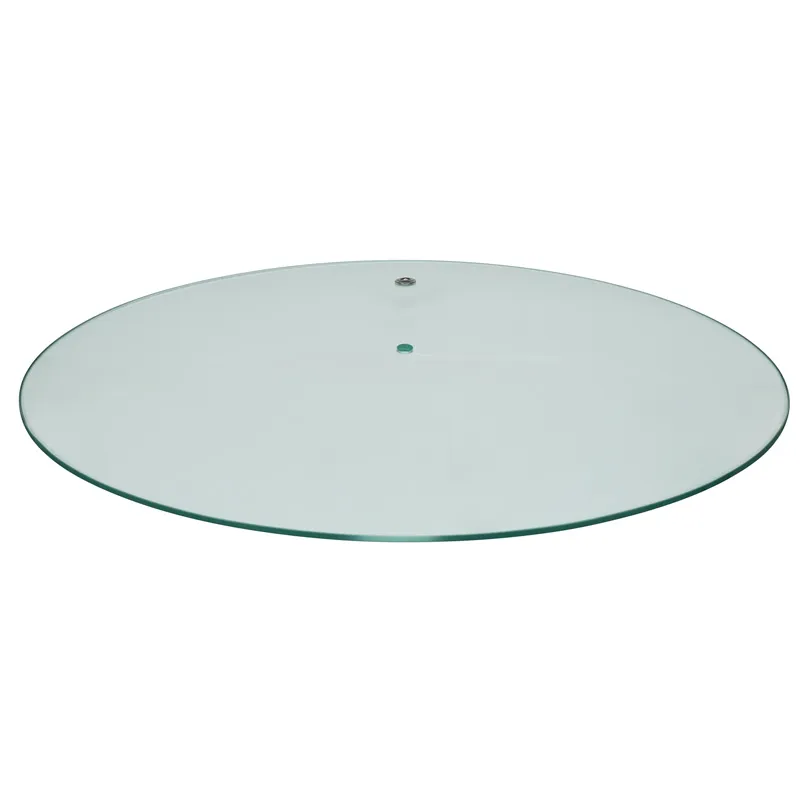
Then there's the handle. Is it a screw-on, a clip-on, or a wraparound metal band? For screw-on types, the hole pattern distance is critical. I keep a template of common patterns in my workshop. For clip-ons, you need to see if the replacement glass has the notches or grooves in the right place. Sometimes, you can salvage the original handle and attach it to a new glass blank, which is a great workaround if you can find a supplier that sells the glass alone. This is a nuance most generic replacement parts sites gloss over.
Another pitfall is assuming all tempered glass is equal. The tempering process and the quality of the glass edge finishing affect durability and safety. A poorly finished edge is a stress point. When evaluating a potential replacement, I always look closely at product photos for the edge polish. A sharp, rough edge is a red flag. Suppliers like the aforementioned EUR-ASIA COOKWARE, with their focus on export markets with strict standards (like Germany and Japan), typically adhere to higher finishing and safety protocols, which is a good proxy for quality when you can't inspect the item in person.
Sourcing and the Distributor Labyrinth
Where do you actually buy one? The official Cuisinart parts website is the obvious first stop, but stock is inconsistent, especially for older models. Then you have the big online marketplaces. Here, caution is key. Listings with stock photos and vague descriptions like fits most 5-quart pots are usually a gamble. You want listings with real photos, detailed dimensions, and a clear return policy. I've had better luck with niche kitchenware parts sites, though their markup can be high.
The more professional route, if you're replacing lids often (say, for a commercial kitchen or a repair business), is to engage with wholesale suppliers or manufacturers directly. A company with a production base like the one at https://www.glass-lid.com represents this level. They might not sell you a single lid, but they illustrate the scale and specialization involved. Their product range likely includes the very type of tempered glass lid that ends up on branded cookware. Finding a local distributor who imports from such factories is the real hack. It cuts out layers of resellers.
I recall a project for a local restaurant that used vintage Cuisinart stockpots. The lids were shattered. Cuisinart no longer made them. By providing the exact measurements and a sketch of the handle bracket, a distributor was able to cross-reference with their inventory from a Chinese glass specialist and find a blank that matched. We then modified the original handles to fit. It wasn't plug-and-play, but it worked perfectly. This is the kind of problem-solving that a pure buy the OEM part mindset doesn't accommodate.
Practical Fitting and Long-Term Considerations
Let's say the new lid arrives. The fit test is nerve-wracking. Don't force it. It should sit evenly with a slight, gentle resistance when you rotate it. Listen for a clean, low sound when you tap the center—a high-pitched ring can sometimes indicate thinner glass or poor tempering. Check the steam vent alignment if applicable. If it's a clip-on handle, ensure the clips engage securely without putting undue stress on a single point of the glass rim.
For long-term care, avoid thermal shock. Don't take a lid from a boiling pot and place it on a cold granite countertop. That's a prime cause of micro-fractures that lead to eventual failure. Also, be mindful of the handle hardware. Over-tightening screws can crack the glass. Use a little food-safe lubricant on the hinge points of bail handles to keep them moving smoothly and prevent users from applying torque to the glass itself when opening.
Finally, consider buying a spare if you find a perfect match for a workhorse pot. Given the production cycles of these components, a specific size and style might not be available in two years. It's a small insurance policy. The goal of a cuisinart glass lid replacement isn't just to cover a pot again; it's to restore the functionality and safety of the entire cooking system for the long haul. Sometimes that means looking past the logo and understanding the industrial ecosystem that actually builds the parts we rely on every day.
Related Products
Related Products