- Chinese
- French
- German
- Portuguese
- Spanish
- Russian
- Japanese
- Korean
- Arabic
- Irish
- Greek
- Turkish
- Italian
- Danish
- Romanian
- Indonesian
- Czech
- Afrikaans
- Swedish
- Polish
- Basque
- Catalan
- Esperanto
- Hindi
- Lao
- Albanian
- Amharic
- Armenian
- Azerbaijani
- Belarusian
- Bengali
- Bosnian
- Bulgarian
- Cebuano
- Chichewa
- Corsican
- Croatian
- Dutch
- Estonian
- Filipino
- Finnish
- Frisian
- Galician
- Georgian
- Gujarati
- Haitian
- Hausa
- Hawaiian
- Hebrew
- Hmong
- Hungarian
- Icelandic
- Igbo
- Javanese
- Kannada
- Kazakh
- Khmer
- Kurdish
- Kyrgyz
- Latin
- Latvian
- Lithuanian
- Luxembou..
- Macedonian
- Malagasy
- Malay
- Malayalam
- Maltese
- Maori
- Marathi
- Mongolian
- Burmese
- Nepali
- Norwegian
- Pashto
- Persian
- Punjabi
- Serbian
- Sesotho
- Sinhala
- Slovak
- Slovenian
- Somali
- Samoan
- Scots Gaelic
- Shona
- Sindhi
- Sundanese
- Swahili
- Tajik
- Tamil
- Telugu
- Thai
- Ukrainian
- Urdu
- Uzbek
- Vietnamese
- Welsh
- Xhosa
- Yiddish
- Yoruba
- Zulu
- Kinyarwanda
- Tatar
- Oriya
- Turkmen
- Uyghur


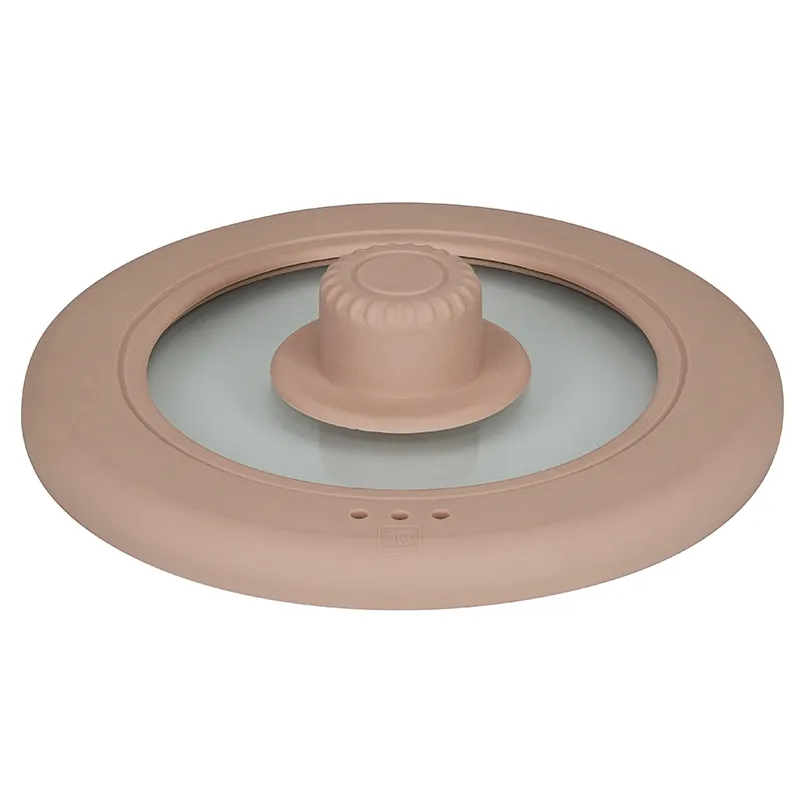
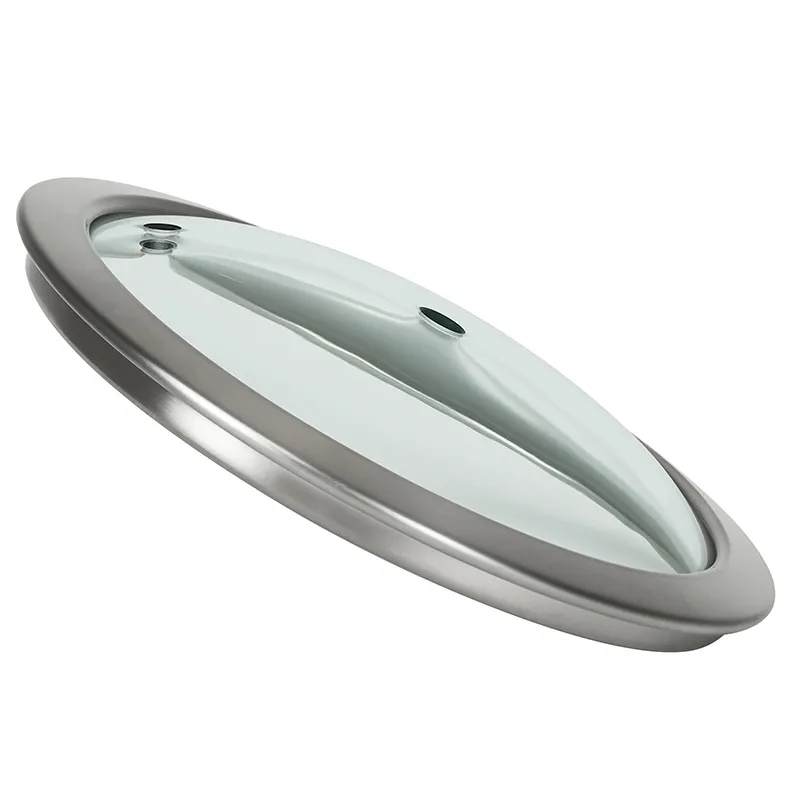
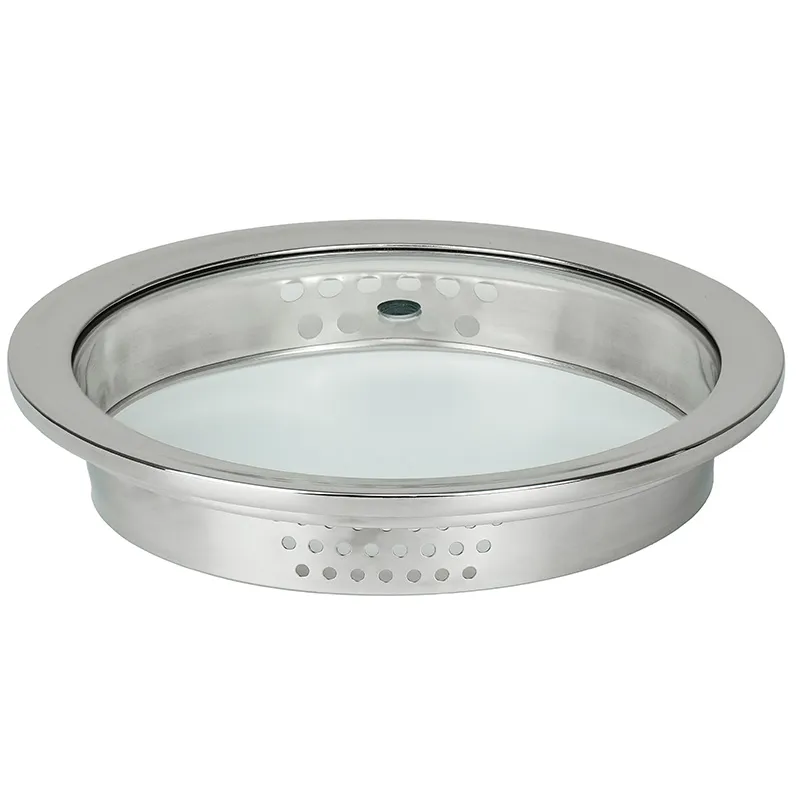
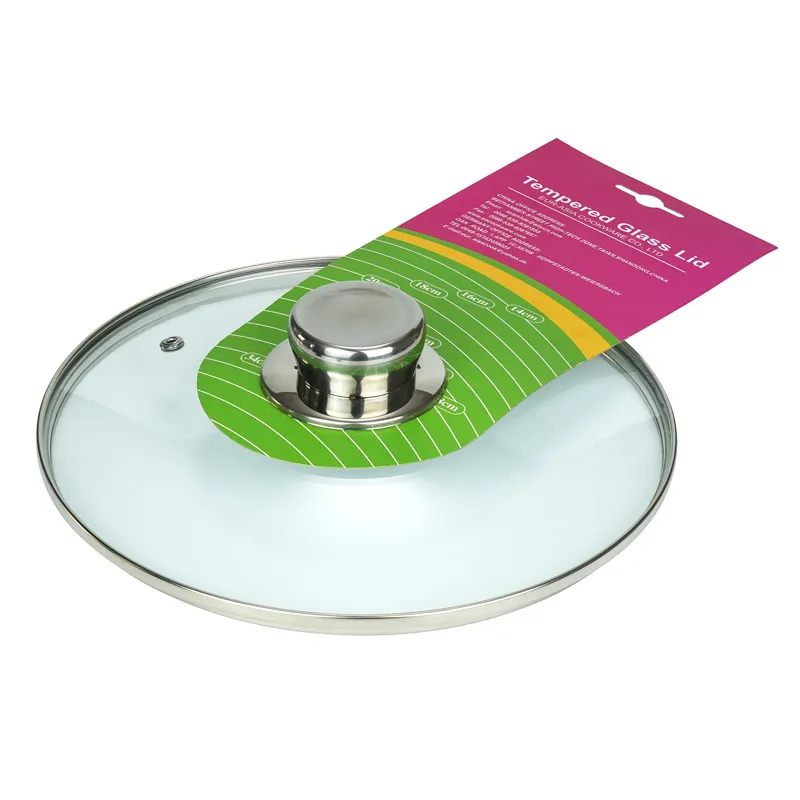
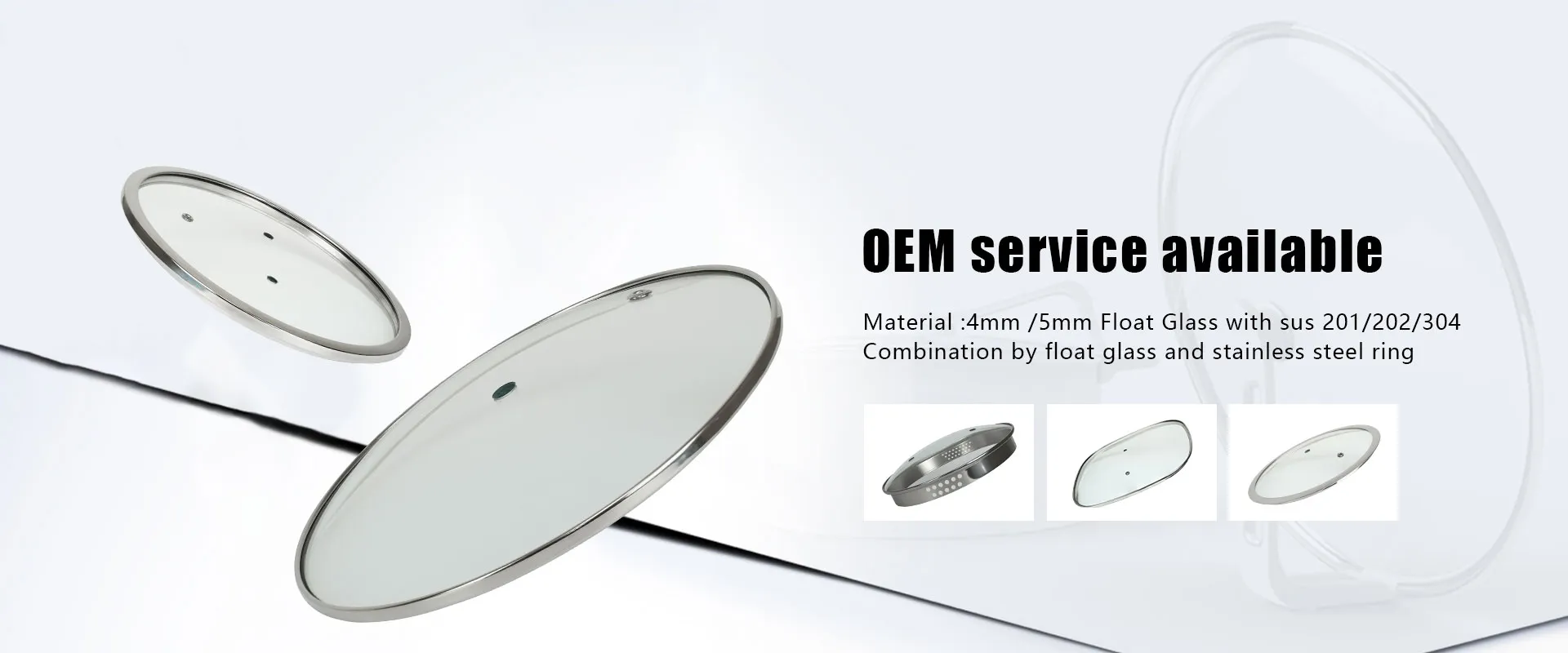
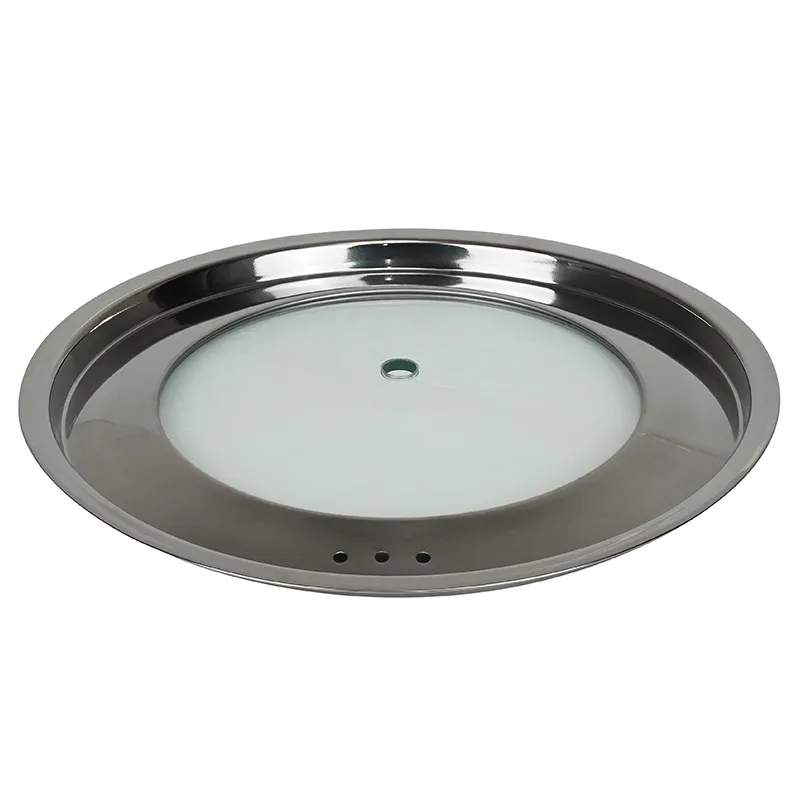
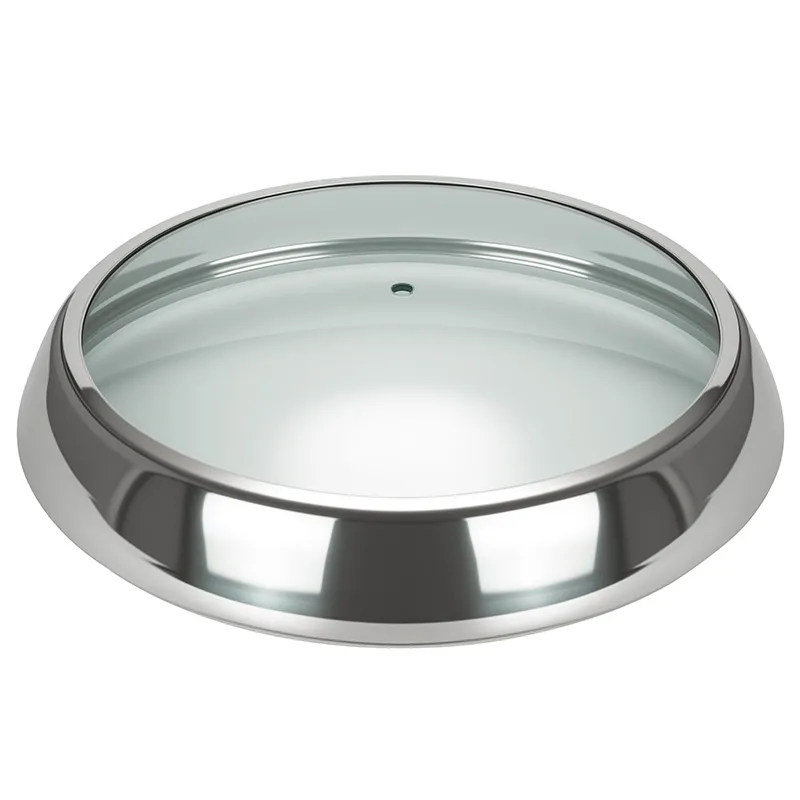
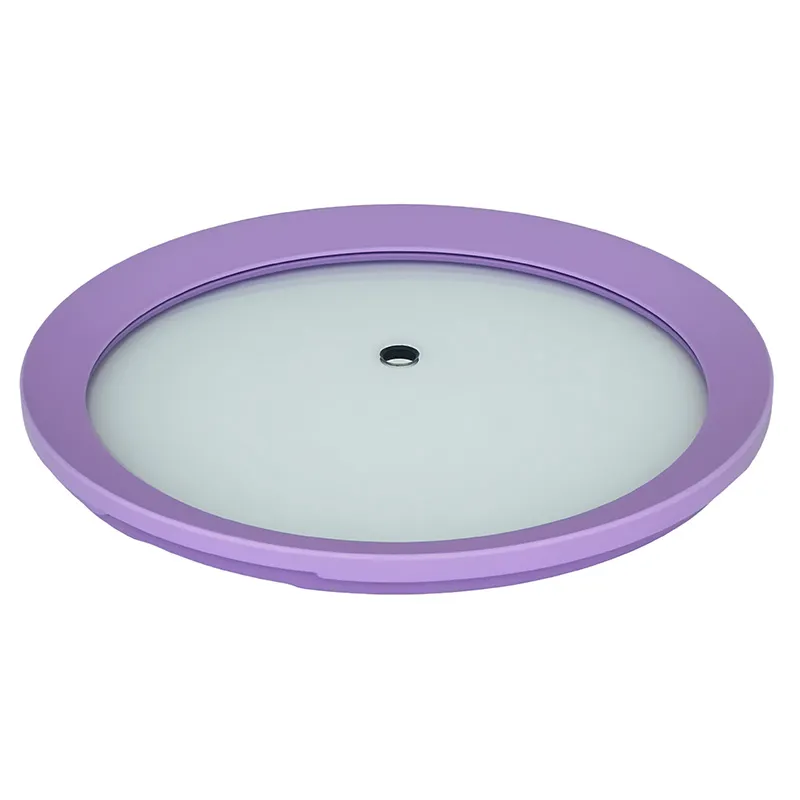
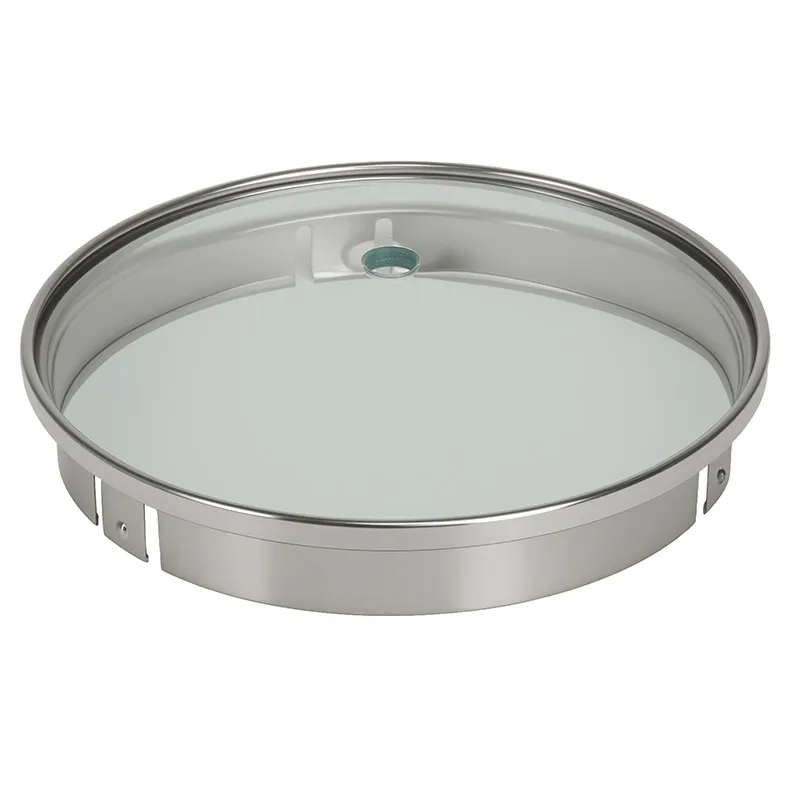
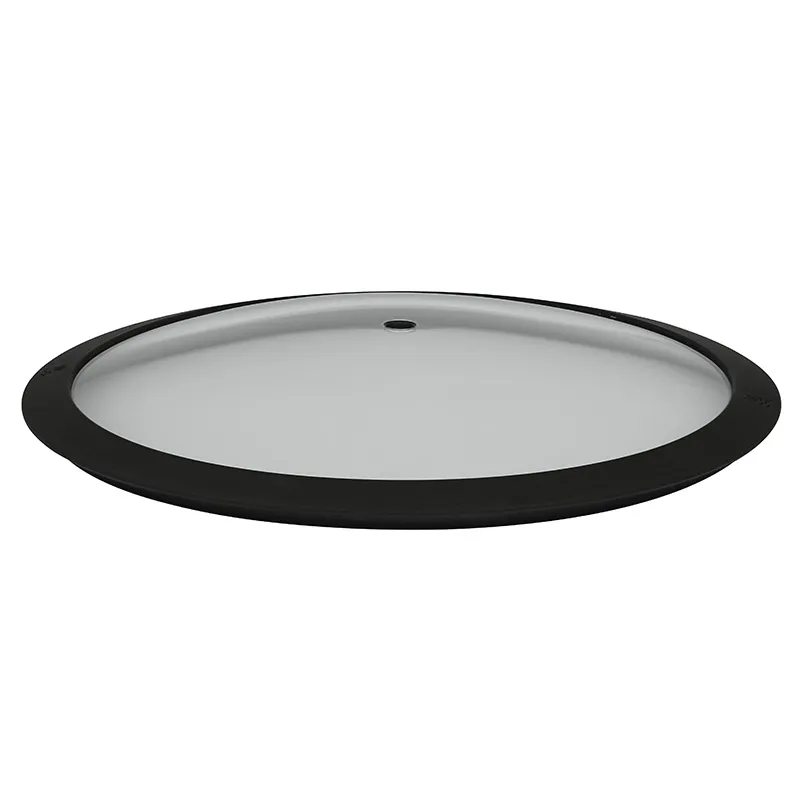
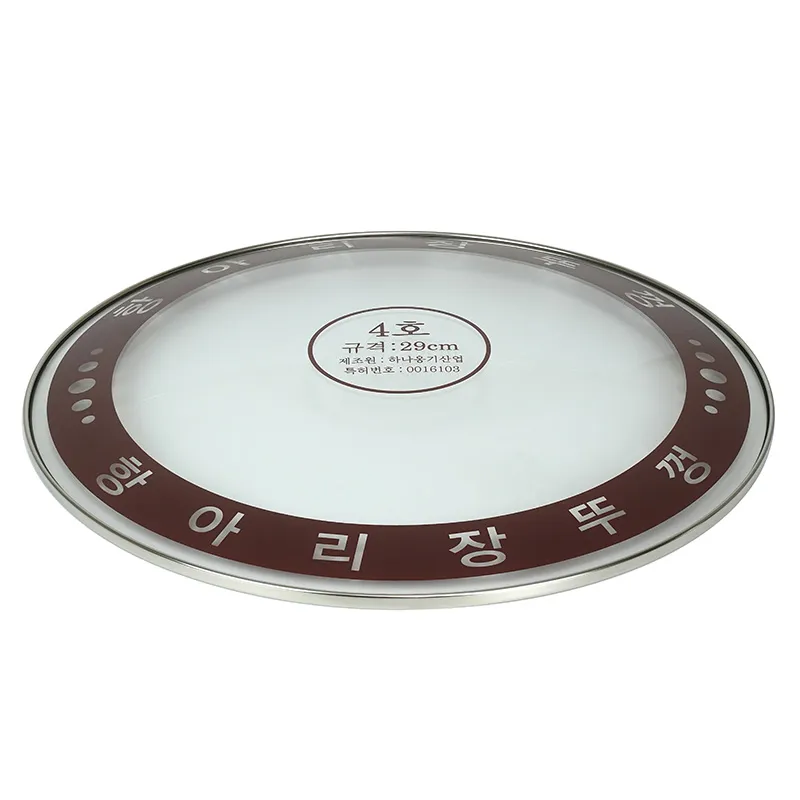
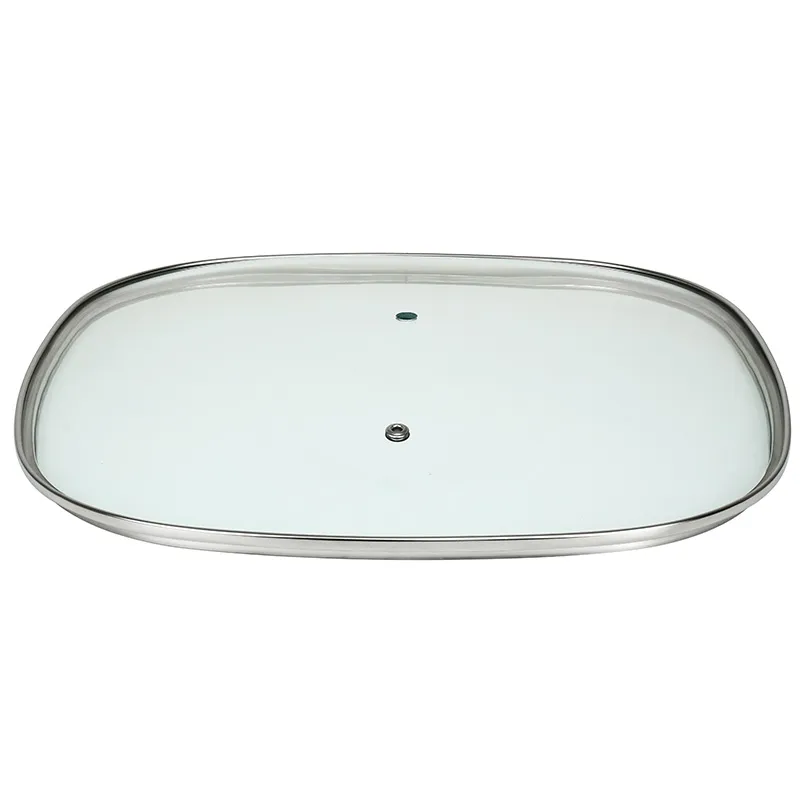
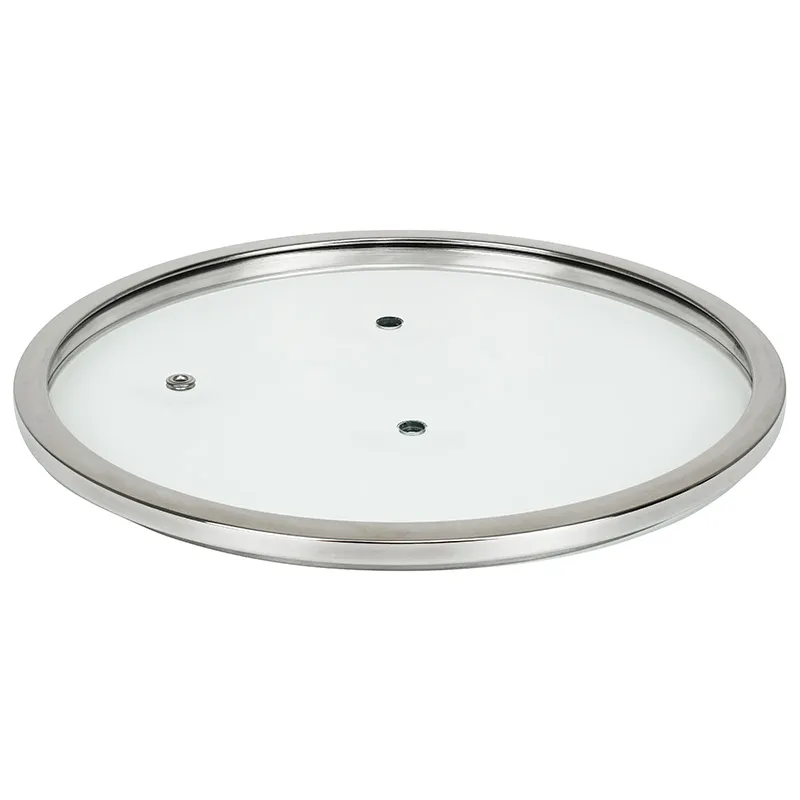
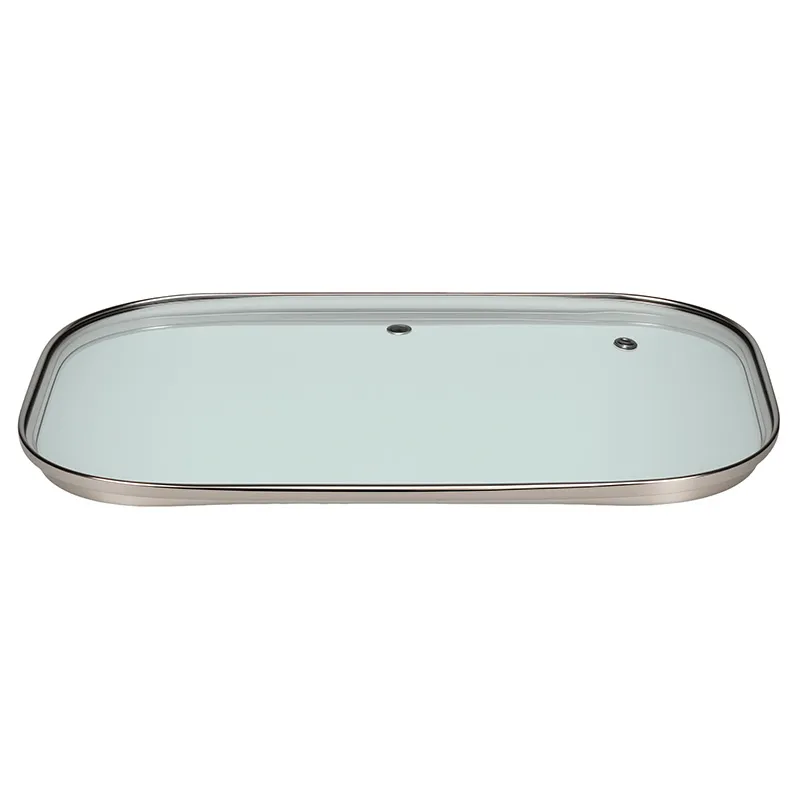
customized C type glass cover
When you hear 'customized C type glass cover', most buyers immediately jump to dimensions and thickness. That's the first mistake. The real customization isn't just about fitting a pot; it's about navigating the unspoken gap between a drawing and a mass-produced item that survives a dishwasher for years. I've seen too many projects stall because everyone focused on the CAD file, forgetting that the glass, especially the C-type or cloverleaf shape for multi-handle cookware, behaves differently under heat and stress than a simple round lid. The 'C' shape itself is a stress concentrator at those inner corners—if the radius isn't right in the tempering process, you're just making a beautiful crack waiting to happen.
The Devil in the Production Details
Take a company like EUR-ASIA COOKWARE CO.,LTD. They list an annual output of over 15 million tempered glass lids. That scale tells you they've got the grinding, tempering, and inspection cycles down to a science. But 'customized' work here means interrupting that flow. For a new C-type cover, the first hurdle is the mold for the glass blank. It's not just steel; it's about the thermal expansion coefficient matching the glass during forming. We once worked on a project for a German client who wanted a very flat, low-profile customized C type glass cover for a new induction cookware line. The initial samples from a standard mold bowed slightly after tempering—unacceptable for induction contact. The fix wasn't in the tempering oven; it was back at the mold design, adding a subtle pre-camber. That's the kind of detail a generic supplier might miss, but a specialized producer like EUR-ASIA would catch in their pilot run.
Then there's the edge work. A C-type lid has a long, sweeping curved edge and those two inward curves. Automated grinding and polishing lines are set for efficiency on high-volume shapes. A custom edge profile, say a specific bevel or a smoother finish for a 'premium feel', requires adjusting machine heads, belts, and even the slurry mix. It eats into line time. This is where you see if a factory is truly flexible. Their website, https://www.glass-lid.com, highlights their export focus to Europe and Japan—markets notorious for strict finish standards. That implies their standard for edge quality is already high, which becomes the baseline for any customization.
Another often-overlooked point is the glass composition itself. It's usually soda-lime, but for lids destined for high-end markets or specific safety standards, the iron content (which gives a greenish tint) needs to be lower for clearer, 'whiter' glass. This isn't always a given. If you're not specifying 'low-iron' or 'ultra-clear' glass, you'll get the standard batch. For a customized C type glass cover meant to showcase food, that clarity is part of the product value. I recall a batch for a French retailer where the glass had a slight hue under certain lights. The retailer's QC rejected it. The root cause? A new batch of raw silica sand with marginally higher iron content. The factory had to segregate that material line for other products. It's a supply chain detail that becomes your problem.
Tempering: Where Theory Meets Reality
Tempering is the make-or-break step. The physics is simple: heat and rapid, uniform quenching to create surface compression. The practice for a C-shape is anything but. The uneven mass distribution—thicker at the handle hinge points, thinner along the curves—cools at different rates. If the quenching air nozzles aren't adjusted for this asymmetry, you get uneven stress, leading to spontaneous breakage later or optical distortion (waviness).
Many factories will run your custom shape through their standard oven settings. A good one will do a tempering trial. They'll place thermal stickers on different sections of a sample lid and run it through, then check the temperature curve. The goal is a uniform core temperature before quenching. For EUR-ASIA, with their volume in tempered glass lids, their ovens are likely computer-controlled with profiles for different shapes. Adding a new profile for your customized C type glass cover is part of the development cost. It's not just a line item; it's a necessary step. Skipping it to save a few thousand dollars is the classic false economy.
Post-tempering, you have the fragmentation test. European standards (like EN 12150) require specific fragmentation patterns. For a lid, especially one that might shatter from a fall, this is critical. The shards should be small and relatively blunt. I've witnessed tests where a lid tempered at too high a temperature produced overly dense, 'dice-like' fragments—technically passing the count but being more hazardous. The adjustment was to lower the heating temperature slightly, extending the cycle time. It reduced daily output but made a safer product. This kind of judgment call separates a competent factory from a box-mover.
The Handle and Hardware Integration Headache
A lid isn't just glass. The metal handle, knob, or hinge bracket is where most field failures occur. The bonding—usually with a high-temperature silicone adhesive—is a science. The glass surface must be perfectly cleaned and primed. The adhesive must cure under the right pressure and temperature. For a C-type cover, the handle placement is critical for balance. We had a case where the client insisted on a large, cast-iron knob for aesthetic reasons. The weight, off-center on the C-shape, made the lid prone to tipping when placed on a counter. The solution was to use a lighter, hollow stainless steel knob and internally adjust the balance by slightly varying the glass thickness during forming (a costly change). Sometimes, the 'customization' needs to extend to the hardware specs, not just the glass.
Furthermore, the hole drilling for handle screws or hinge pins must happen before tempering. Once tempered, you cannot drill or cut the glass. So, the drilling jig for your custom shape must be dead accurate. A misaligned hole by half a millimeter means the handle sits crooked, or worse, the stress from the screw can initiate a crack. I've seen an entire shipment held up at a Polish distributor because the handles were visibly misaligned. The fault traced back to a worn guide bushing in the drilling machine during that production run. It's these minute, wear-and-tear aspects of production that a good factory's QC should catch in-process, not post-production.
For a producer like EUR-ASIA, exporting to Germany and Switzerland, I'd expect their hardware sourcing and bonding process to be robust. These markets have rigorous testing for repeated thermal shock (moving from freezer to oven) and dishwasher durability. The adhesive must withstand not just heat, but alkaline detergents over hundreds of cycles. Their long-term presence in these markets is a proxy for having solved these integration challenges.
Logistics and the Cost of Being Unique
Customization affects packaging. A standard round lid stacks neatly. A customized C type glass cover has an irregular footprint. You need custom die-cut foam or paper pulp inserts. This adds cost and complicates warehouse storage and picking. For a mixed container load to Brazil or Turkey, where EUR-ASIA ships, if your custom lid is a small part of a larger order, it can get misplaced or damaged if not packed correctly. I always advise clients to approve not just the product sample, but the packed shipping sample. How it arrives matters as much as how it's made.
Minimum Order Quantities (MOQs) are another reality check. For a truly custom glass lid, the MOQ is often tied to the cost of the mold, the oven time for profile development, and setting up the grinding/polishing line. It's rarely below 5,000 pieces, and can easily be 10,000 or more for a complex spec. This is where many small or medium brands get stuck. They want uniqueness but can't absorb the volume. Sometimes, the solution is to adapt an existing 'C' type mold the factory has, only modifying the edge or thickness. This semi-custom approach is more common than starting from a blank page.
Lead time is equally stretched. Don't expect four weeks. From final drawing approval to first shipment, a new customized C type glass cover can take 12-16 weeks. This includes mold fabrication, sample rounds (which often go through 2-3 iterations), reliability testing, and then production scheduling. Rushing any of these stages introduces risk. A reputable factory will be transparent about this timeline, not promise the moon.
Final Thoughts: Customization as Partnership
So, what does a successful customized C type glass cover project look like? It's less a purchase order and more a technical collaboration. It starts with clear, feasible drawings that consider glass behavior. It involves trusting but verifying the factory's process at key stages—asking for photos of the mold, data from the tempering trial, and pre-shipment inspection reports on fragmentation and handle bond strength.
Working with a specialized manufacturer like EUR-ASIA COOKWARE CO.,LTD. offers advantages. Their core business is glass lids. They've seen the pitfalls. Their production base, with its dedicated area and output volume, suggests a level of industrialization that can handle complexity without falling apart. Their export footprint to demanding markets is a testament to consistent quality systems.
Ultimately, the goal isn't just a lid that fits. It's a component that performs invisibly for the life of the cookware. It withstands thermal shocks, cleans easily, feels secure in the hand, and never surprises the end-user with a failure. Achieving that with a custom shape requires moving beyond the spec sheet and into the gritty, iterative, sometimes frustrating details of making glass behave. That's where the real customization happens.
Related Products
Related Products