- Chinese
- French
- German
- Portuguese
- Spanish
- Russian
- Japanese
- Korean
- Arabic
- Irish
- Greek
- Turkish
- Italian
- Danish
- Romanian
- Indonesian
- Czech
- Afrikaans
- Swedish
- Polish
- Basque
- Catalan
- Esperanto
- Hindi
- Lao
- Albanian
- Amharic
- Armenian
- Azerbaijani
- Belarusian
- Bengali
- Bosnian
- Bulgarian
- Cebuano
- Chichewa
- Corsican
- Croatian
- Dutch
- Estonian
- Filipino
- Finnish
- Frisian
- Galician
- Georgian
- Gujarati
- Haitian
- Hausa
- Hawaiian
- Hebrew
- Hmong
- Hungarian
- Icelandic
- Igbo
- Javanese
- Kannada
- Kazakh
- Khmer
- Kurdish
- Kyrgyz
- Latin
- Latvian
- Lithuanian
- Luxembou..
- Macedonian
- Malagasy
- Malay
- Malayalam
- Maltese
- Maori
- Marathi
- Mongolian
- Burmese
- Nepali
- Norwegian
- Pashto
- Persian
- Punjabi
- Serbian
- Sesotho
- Sinhala
- Slovak
- Slovenian
- Somali
- Samoan
- Scots Gaelic
- Shona
- Sindhi
- Sundanese
- Swahili
- Tajik
- Tamil
- Telugu
- Thai
- Ukrainian
- Urdu
- Uzbek
- Vietnamese
- Welsh
- Xhosa
- Yiddish
- Yoruba
- Zulu
- Kinyarwanda
- Tatar
- Oriya
- Turkmen
- Uyghur


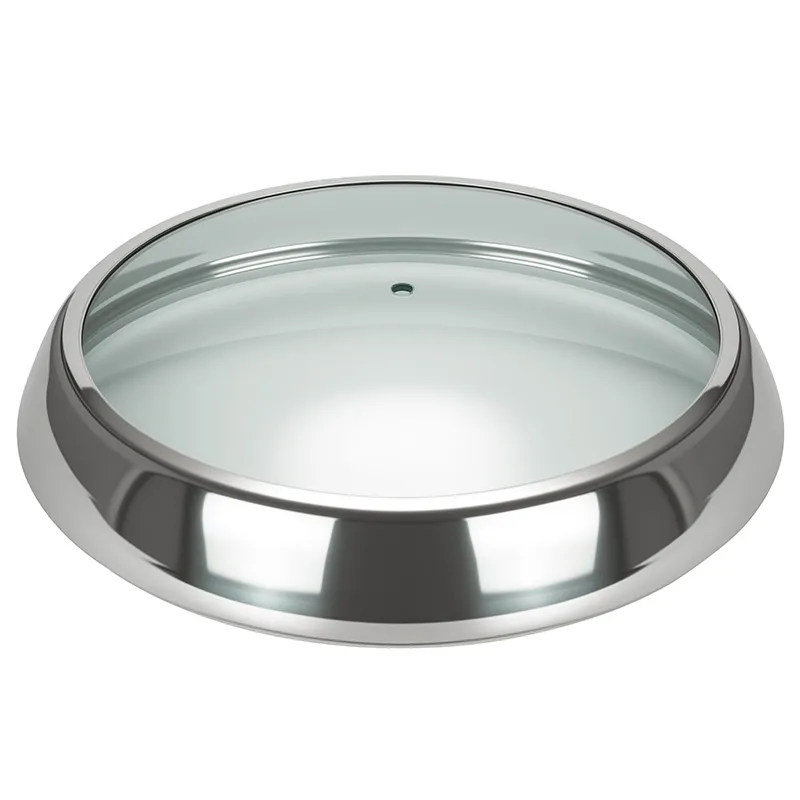
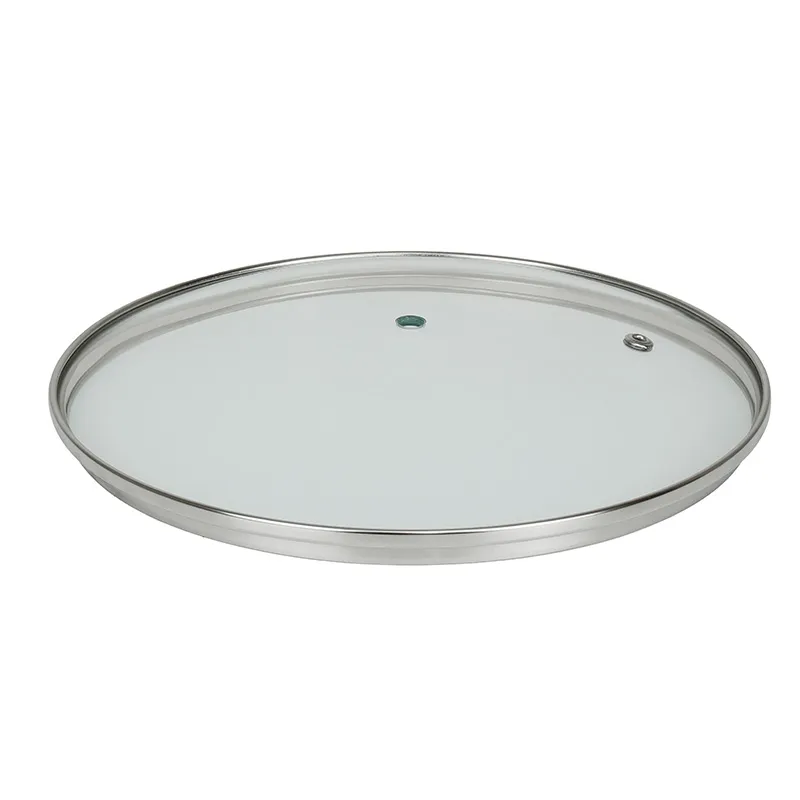
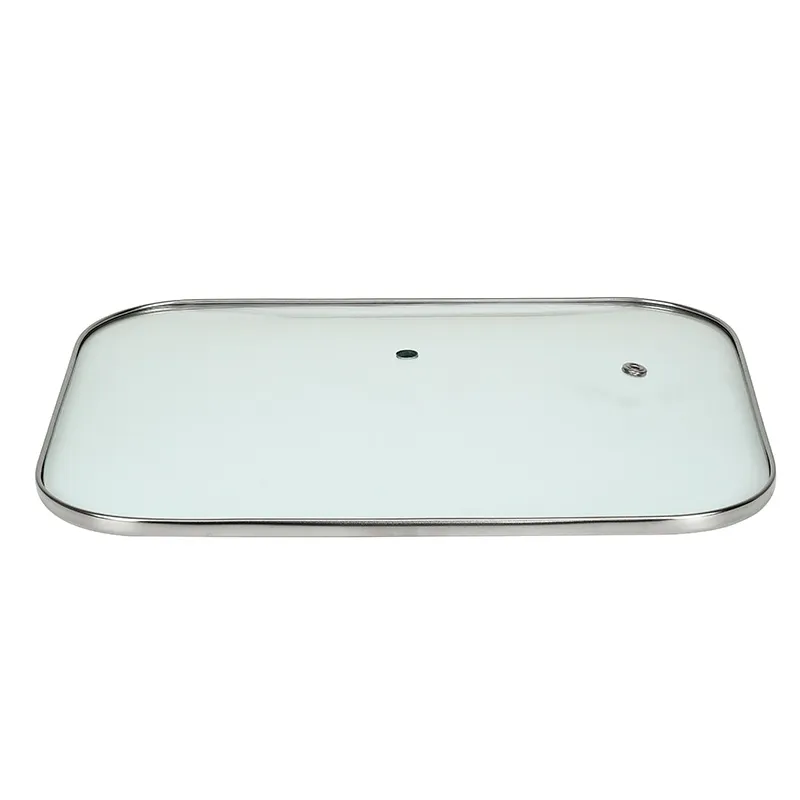
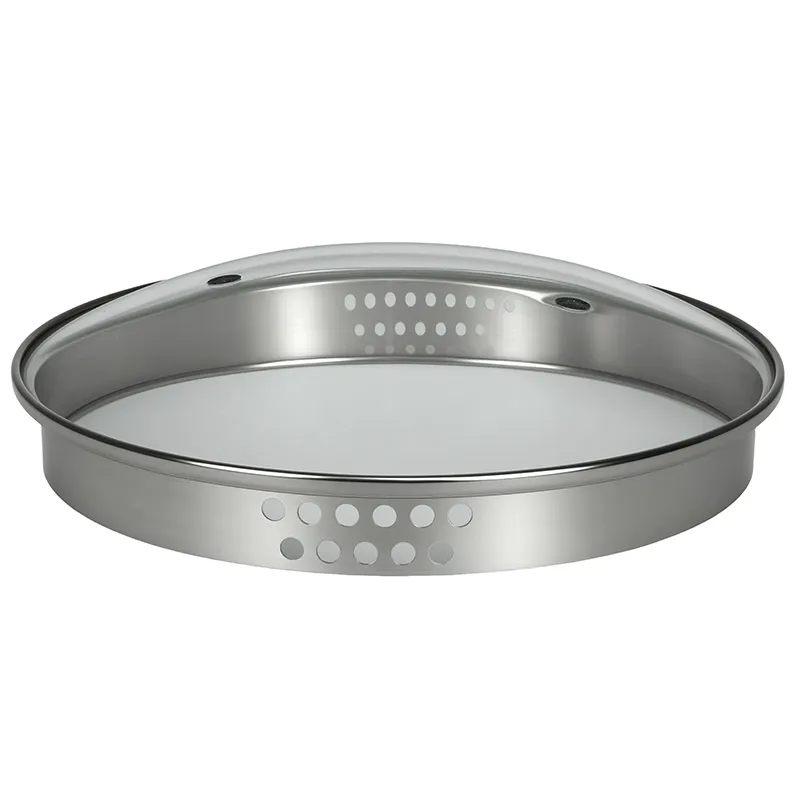
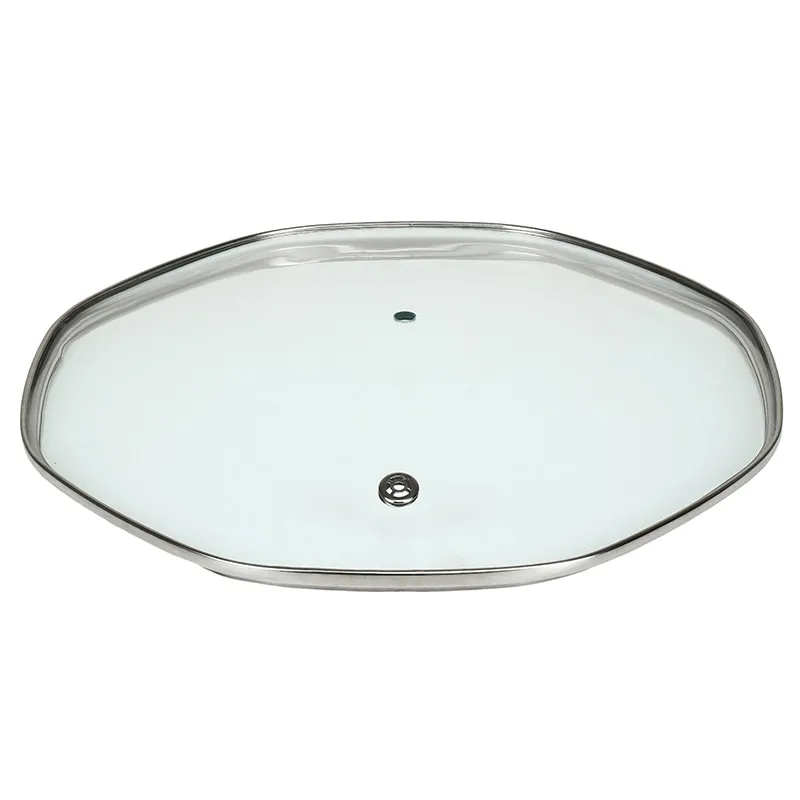
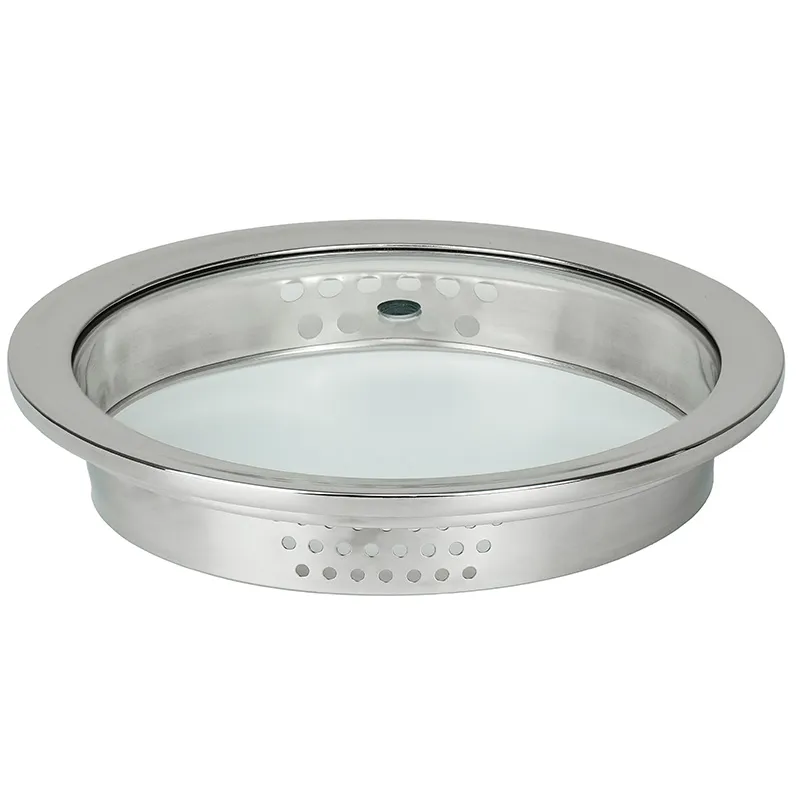
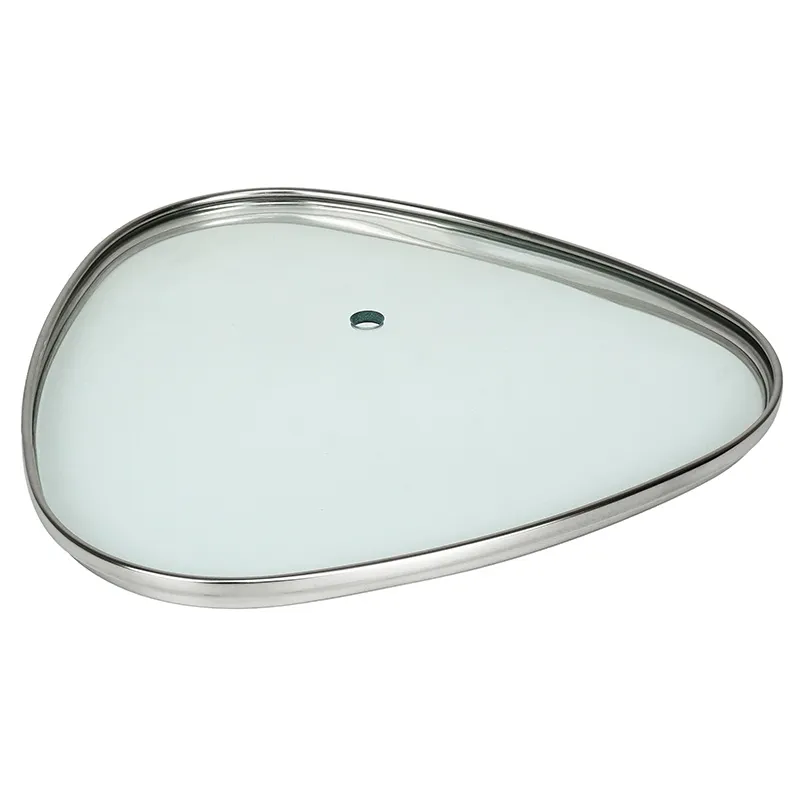
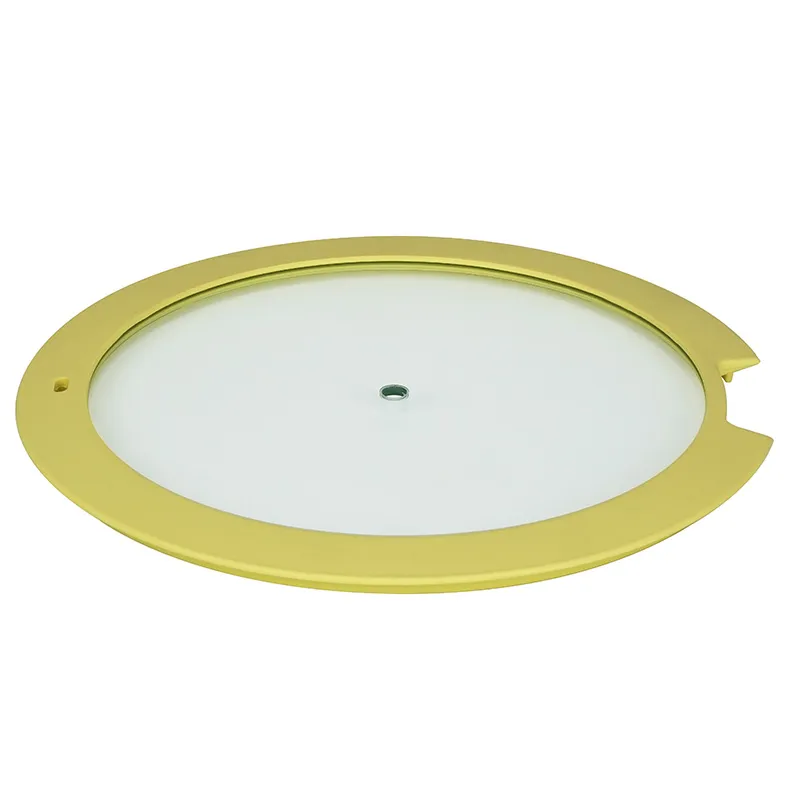
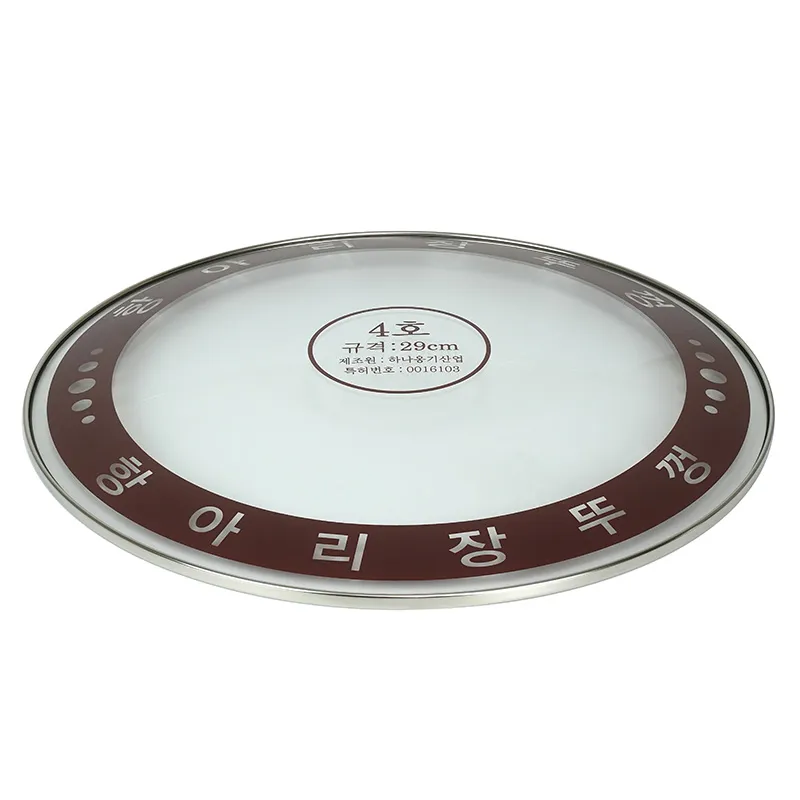
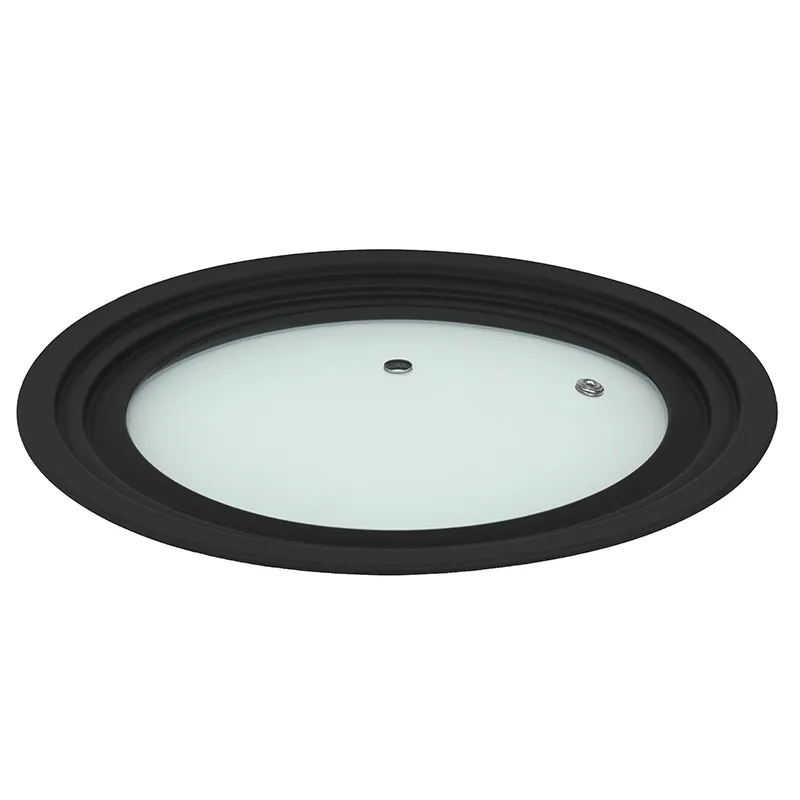
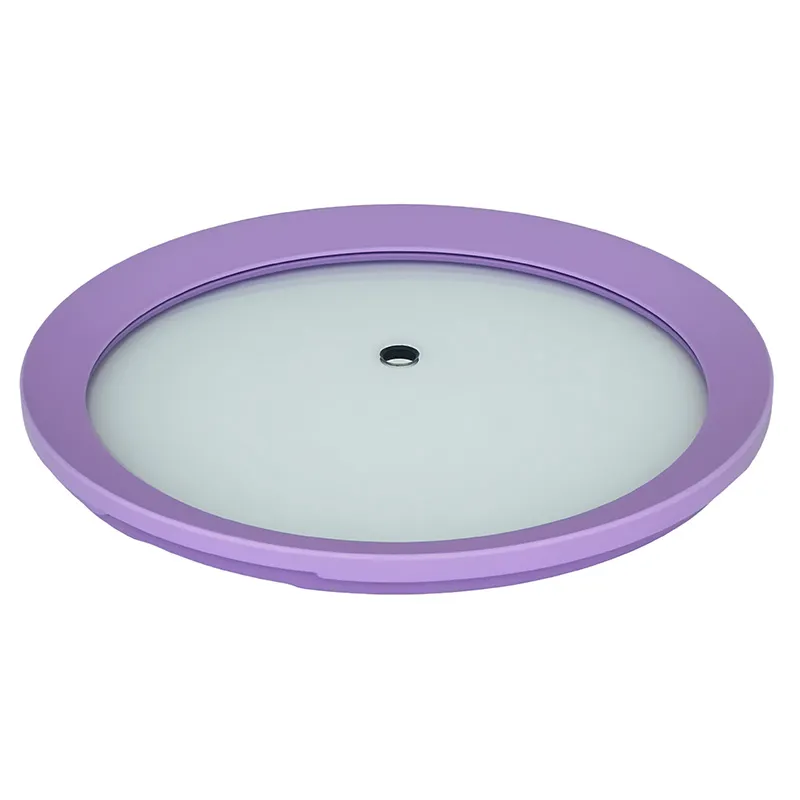
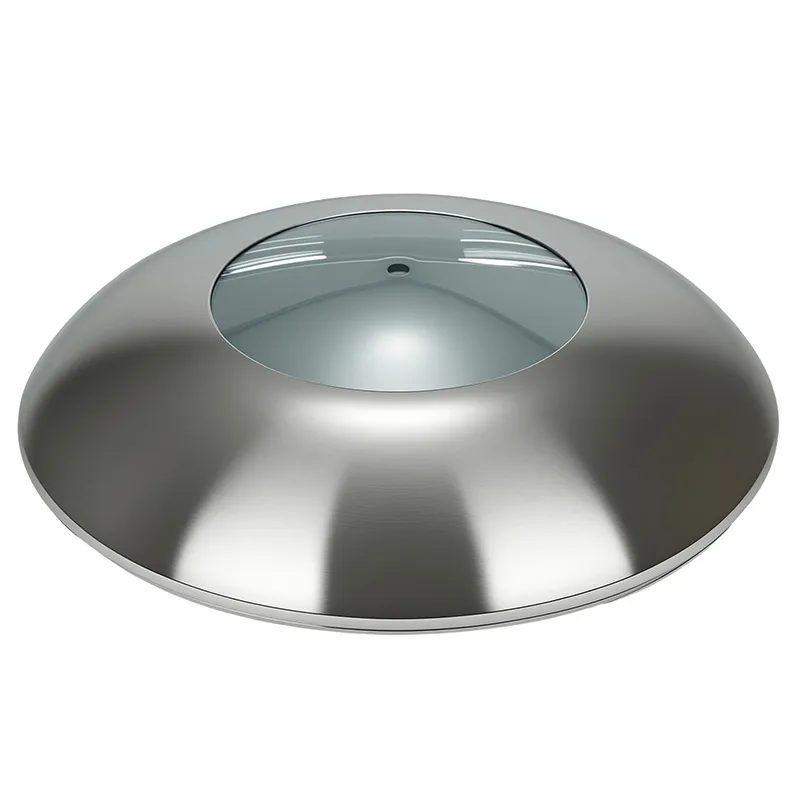
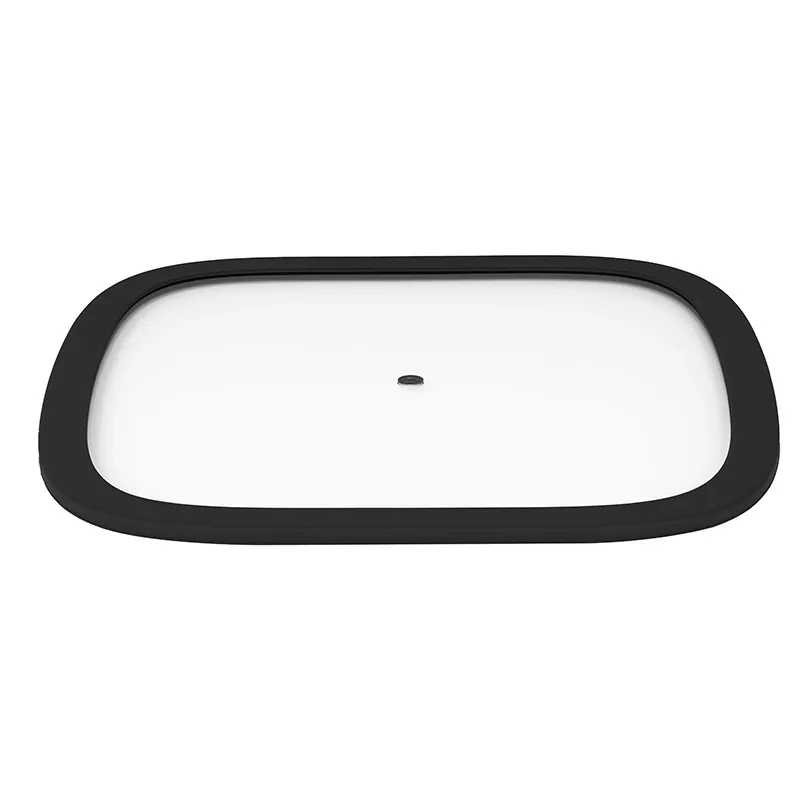
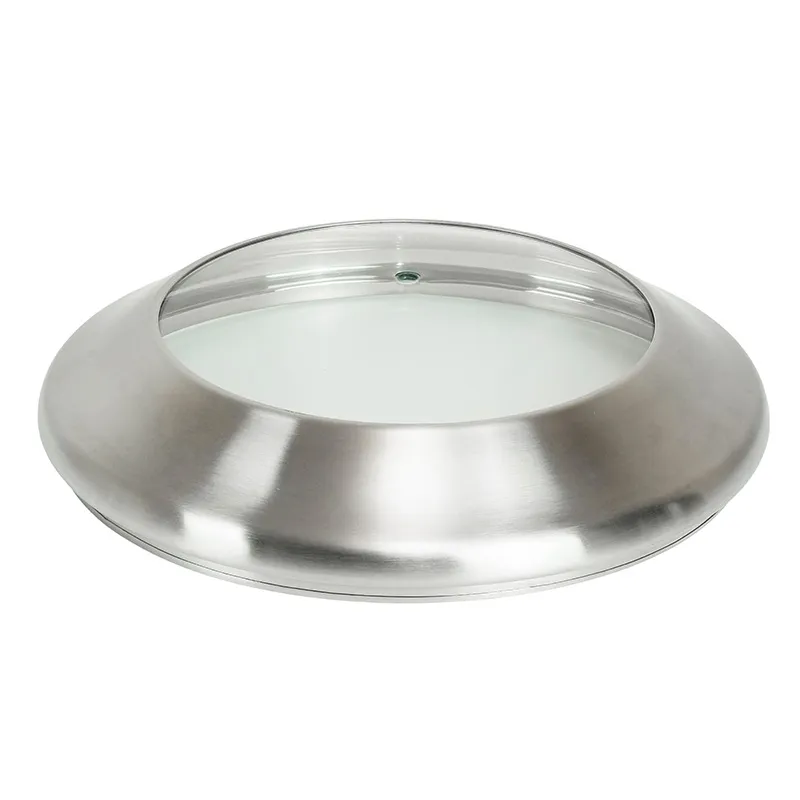
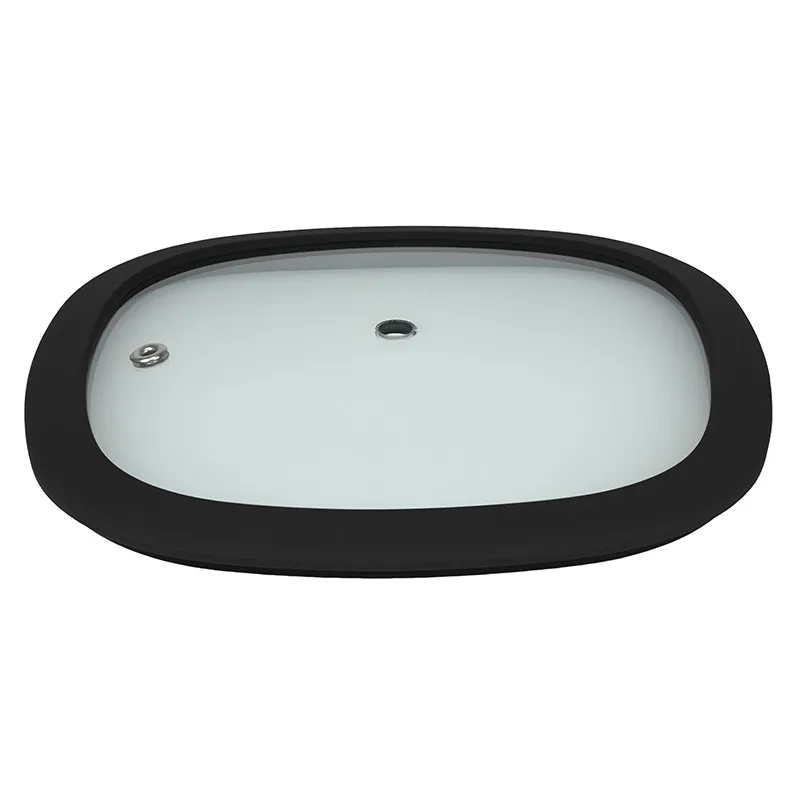
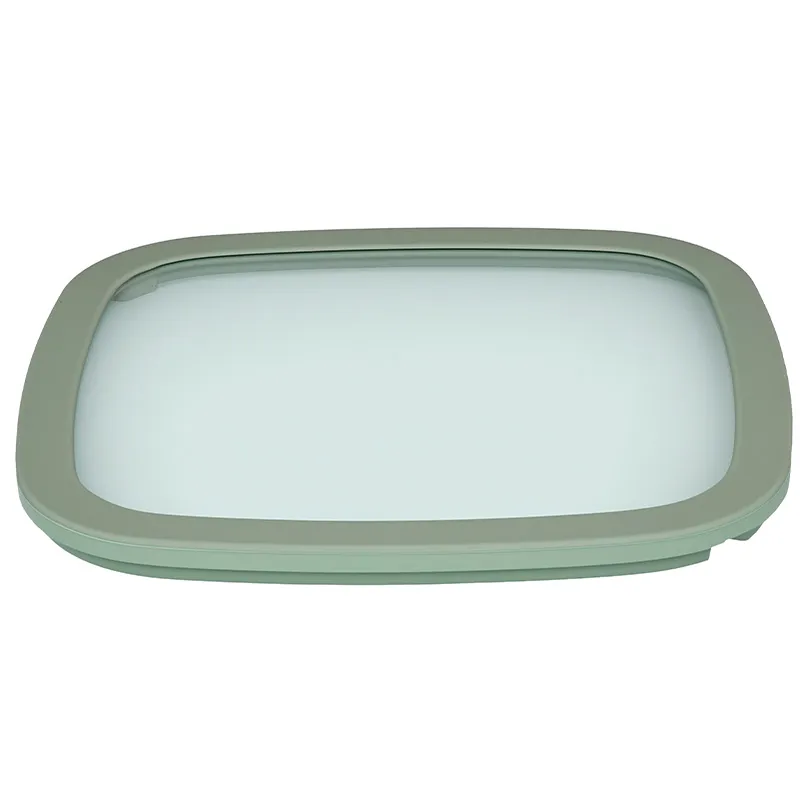
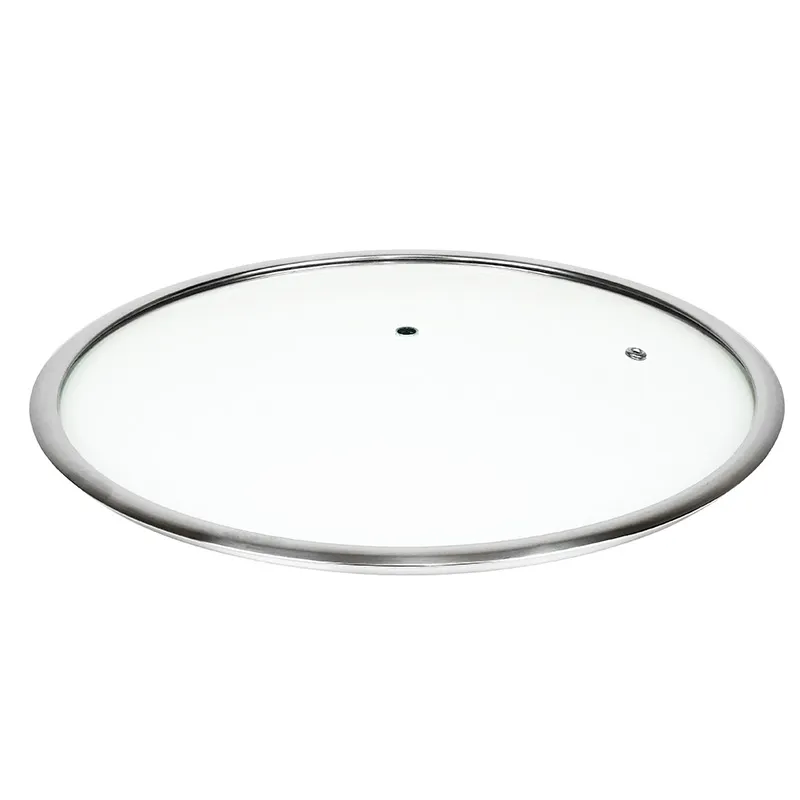
customized G type glass cover
When you hear 'customized G type glass cover', it's easy to just picture a generic piece of tempered glass cut to a specific shape. That's the first and most common misconception. In reality, the 'G type' isn't just a shape code; it often refers to a specific structural profile common in European-style cookware lids, involving a particular curvature and flange design for sealing. The customization part is where the real complexity begins—it's not merely about dimensions, but about how the glass interacts with the metal frame, the thermal expansion coefficients, and the end-user's habitual use, which can vary wildly from Germany to Brazil.
Beyond the Drawing: The Reality of Specs
We learned this the hard way early on. A client, let's say a mid-tier cookware brand sourcing through a partner like EUR-ASIA COOKWARE CO.,LTD., sent us a CAD file for a customized G type glass cover. The specs looked standard: 5mm toughened soda-lime glass, radius on the edges, drilling holes for a knob. We produced a batch that matched the drawing perfectly. The failure came post-assembly. The lids were chipping at the rim after just a few thermal cycles in ovens. The drawing didn't specify the edgework finish with enough granularity—it needed a specific seaming process post-tempering to relieve micro-stresses that only become apparent under the constraint of a metal handle bracket. The glass cover was technically in-spec, but practically flawed.
This is where a production base with real volume, like the one EUR-ASIA operates in Taian, shows its value. They've seen enough of these failures to build procedural checks. It's not just about having 15,000㎡ of building area; it's about having the jigs and fixtures for a dozen different edge-polishing sequences for what outwardly looks like the same G type glass profile. The annual output of 15 million pieces isn't just a big number; it represents a vast library of empirical data on what works and what cracks.
The key detail often missed is the 'low- medium- high level' distinction in their portfolio. A customized glass cover for a high-level line isn't just clearer glass. It involves stricter bubble-class inspection, often a different chemical formulation for better clarity and thermal shock resistance (closer to borosilicate traits, but not quite), and a more labor-intensive inspection for optical distortion. For a mid-level line, the focus shifts to consistency and cost-effectiveness—achieving 95% of the performance at 70% of the cost. That's the real customization.
Export Realities and Material Behavior
Exporting over 90% of products to markets from Germany to Japan means you're not dealing with one standard, but a mosaic of them. A G type cover destined for the German market might need to pass a specific impact test from the base of a saucepan dropped from a height. The same physical product shipped to South Korea might face different consumer expectations around the 'feel' of the knob attachment. The customization, therefore, extends into the qualification and testing phase. It's not uncommon to have three slightly different tempering recipes for the same dimensional glass cover based on the primary destination's testing norms.
Material sourcing becomes critical. The soda-lime glass used must have a consistent batch-to-batch composition. A shift in the iron content, which affects the greenish tint, might be negligible for a low-level product but cause a rejection from a French buyer for their medium-level line. We've had to work with suppliers like EUR-ASIA to establish a 'color passport' for raw glass sheets, especially for their high-level products. It sounds trivial, but when you're producing millions, color mismatch between a lid and its corresponding pot base is a major return reason.
Then there's logistics. A customized glass cover with a complex shape is fragile. The packaging isn't an afterthought; it's part of the product specification. Designing a pulp mold that holds the lid securely not just at the center but supports the specific G-type flange during a sea freight journey to Brazil requires its own prototyping. Failure here means you deliver a perfect product that's already cracked in the box.
The Assembly Interface: Where Theory Meets Practice
This is the most hands-on part. The G type glass cover is almost always part of a system. It sits in a stamped or cast metal rim. The tolerance here is brutal. Too tight a fit, and the glass stresses the metal (or itself) when heated. Too loose, and it rattles or leaks steam. The 'customized' aspect often involves creating a matched set of tooling for the glass and the metal partner component. I recall a project where we had the glass dimensions perfect, but the metal supplier changed their painting thickness by 50 microns. Suddenly, the assembly force was too high. The solution wasn't to re-cut the glass, but to adjust the final polishing stage of the glass edge to effectively increase the clearance by those critical microns.
Knob attachment is another rabbit hole. The holes drilled in the glass cover are typically countersunk. The angle and depth of that countersink must match the screw head perfectly. If it's off, the clamping force is uneven, creating a focal point for stress. We've moved from simple mechanical drilling to diamond-tool CNC machining for high-volume, high-quality lines to control this. It's a cost adder, but it drops the field failure rate to near zero. For a company with EUR-ASIA's output scale, investing in such CNC lines makes economic sense—the capital expenditure is amortized over millions of units, ensuring consistency.
Sometimes, the fix is low-tech. For a line of lids going to a Mediterranean market, we had persistent complaints about knob loosening. The issue traced back to vigorous scrubbing with abrasive cleaners that wore down the nylon insert in the knob. The customization wasn't in the glass itself, but in specifying a different, more chemical-resistant insert material for that regional batch and adding a simple pictorial warning label. Problem solved.
Failures as a Learning Tool
You haven't truly worked with customized glass covers until you've stood on a production line looking at a pile of rejects. One memorable failure involved 'spontaneous' breakage in warehouse storage. The lids passed all in-line tests but would crack weeks later. After ruling out handling, we dug deeper. The issue was seasonal. The warehouse in Northern China would get cold at night, and the daytime sun would heat the south-facing pallets rapidly. The temperature gradient across the glass cover, still under residual stress from tempering, was enough to trigger a break. The solution involved modifying the storage protocol—keeping pallets away from direct sunlight and improving air circulation. It had nothing to do with manufacturing and everything to do with physics.
Another case involved a beautiful, deeply curved G-type design for a high-end Italian brand. The prototype was stunning. In mass production, the yield was terrible. The deep curve caused inconsistent heating in the tempering furnace, leading to optical distortion (waviness) and variable strength. We had to work back with the designer to slightly flatten the curvature—a change of less than 3mm in arc height. It was visually indistinguishable but made the process stable. The lesson: the most aesthetic design might be unproducible at a consistent quality level. True customization requires this dialogue between design intent and manufacturing reality.
These experiences are what separate a catalog supplier from a specialized producer. When you look at the profile of EUR-ASIA COOKWARE, their specialization across low, medium, and high levels, and their export footprint, it suggests they've navigated these exact kinds of problems. Their website might list products, but the real asset is that embedded knowledge of what makes a customized G type glass cover actually work in a saucepan in Munich, a casserole dish in S?o Paulo, or a steamer in Seoul.
Looking Ahead: The Subtle Evolution
The future of the customized G type glass cover isn't about radical change; it's about refinement. Think thinner but stronger glass via chemical strengthening techniques, allowing for larger viewing areas without weight penalty. Or improved anti-fog coatings that are durable enough to withstand dishwasher cycles—a perennial challenge. The customization will delve deeper into surface engineering.
Another trend is traceability. With high output volumes, being able to trace a batch of lids back to the raw glass lot, the tempering furnace run, and the polishing shift is becoming a quality requirement. This moves customization from just the physical product to its digital twin—each cover, in theory, could have a unique production history log.
Ultimately, it always circles back to the fundamentals: understanding stress, heat, and human use. The glass cover is a passive component until it's not—until it's sealing in flavors, withstanding a slam, or providing a window into a simmering stew. Getting it right is a quiet, detail-obsessed craft. The real goal of customization isn't to make something different, but to make something that disappears perfectly into its intended function, anywhere in the world. That's the unspoken benchmark the entire industry, from designers in Italy to production lines in Shandong, is quietly chasing.
Related Products
Related Products