- Chinese
- French
- German
- Portuguese
- Spanish
- Russian
- Japanese
- Korean
- Arabic
- Irish
- Greek
- Turkish
- Italian
- Danish
- Romanian
- Indonesian
- Czech
- Afrikaans
- Swedish
- Polish
- Basque
- Catalan
- Esperanto
- Hindi
- Lao
- Albanian
- Amharic
- Armenian
- Azerbaijani
- Belarusian
- Bengali
- Bosnian
- Bulgarian
- Cebuano
- Chichewa
- Corsican
- Croatian
- Dutch
- Estonian
- Filipino
- Finnish
- Frisian
- Galician
- Georgian
- Gujarati
- Haitian
- Hausa
- Hawaiian
- Hebrew
- Hmong
- Hungarian
- Icelandic
- Igbo
- Javanese
- Kannada
- Kazakh
- Khmer
- Kurdish
- Kyrgyz
- Latin
- Latvian
- Lithuanian
- Luxembou..
- Macedonian
- Malagasy
- Malay
- Malayalam
- Maltese
- Maori
- Marathi
- Mongolian
- Burmese
- Nepali
- Norwegian
- Pashto
- Persian
- Punjabi
- Serbian
- Sesotho
- Sinhala
- Slovak
- Slovenian
- Somali
- Samoan
- Scots Gaelic
- Shona
- Sindhi
- Sundanese
- Swahili
- Tajik
- Tamil
- Telugu
- Thai
- Ukrainian
- Urdu
- Uzbek
- Vietnamese
- Welsh
- Xhosa
- Yiddish
- Yoruba
- Zulu
- Kinyarwanda
- Tatar
- Oriya
- Turkmen
- Uyghur


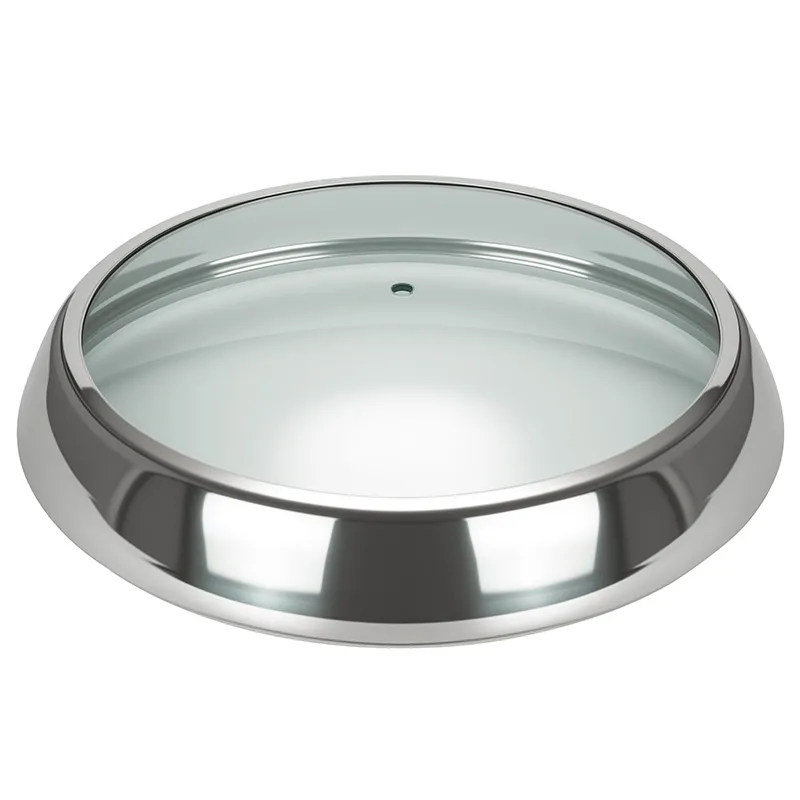
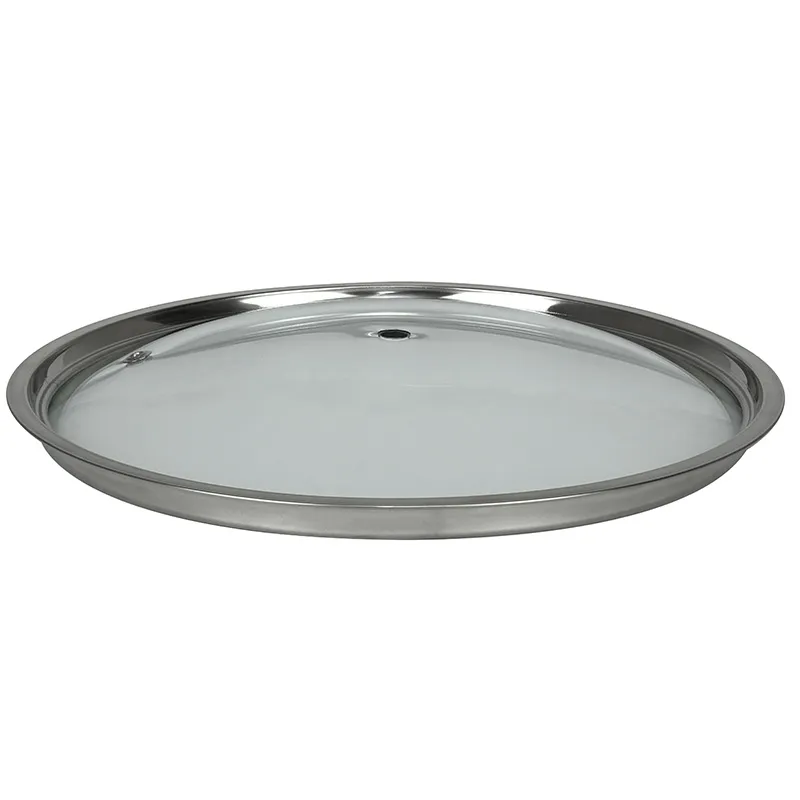
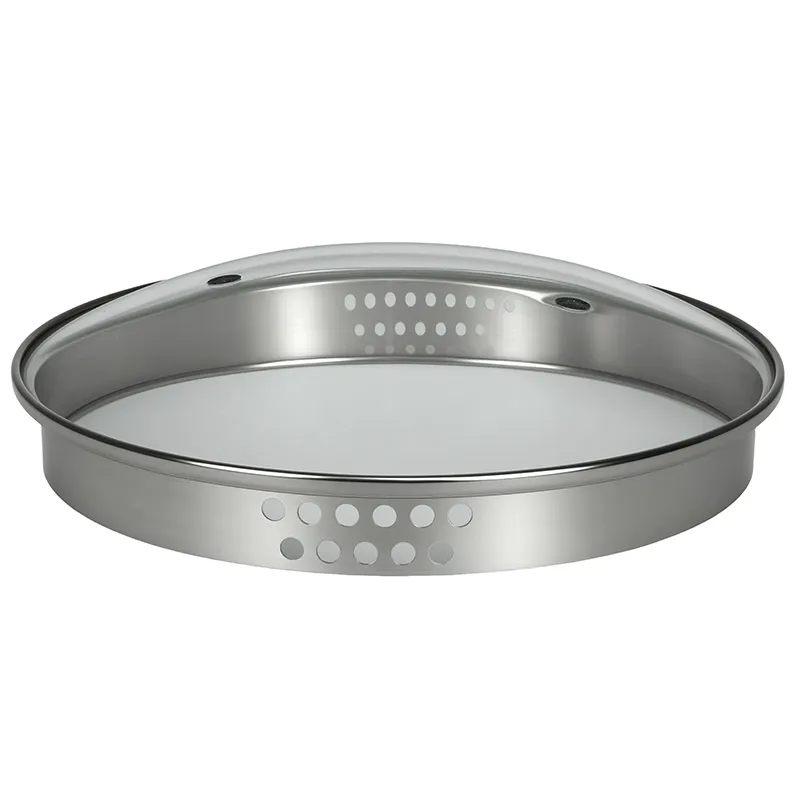
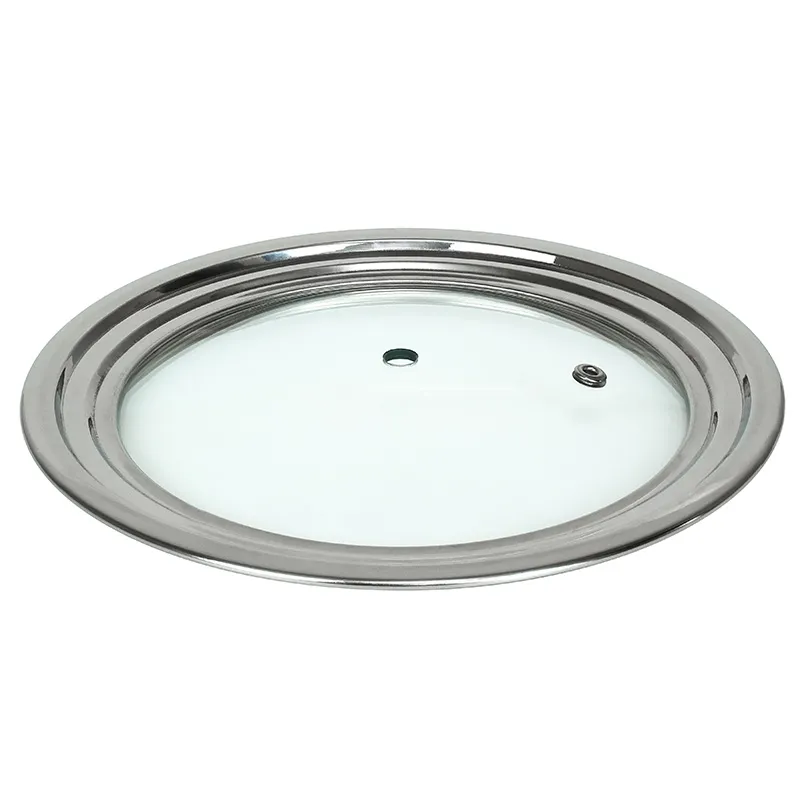
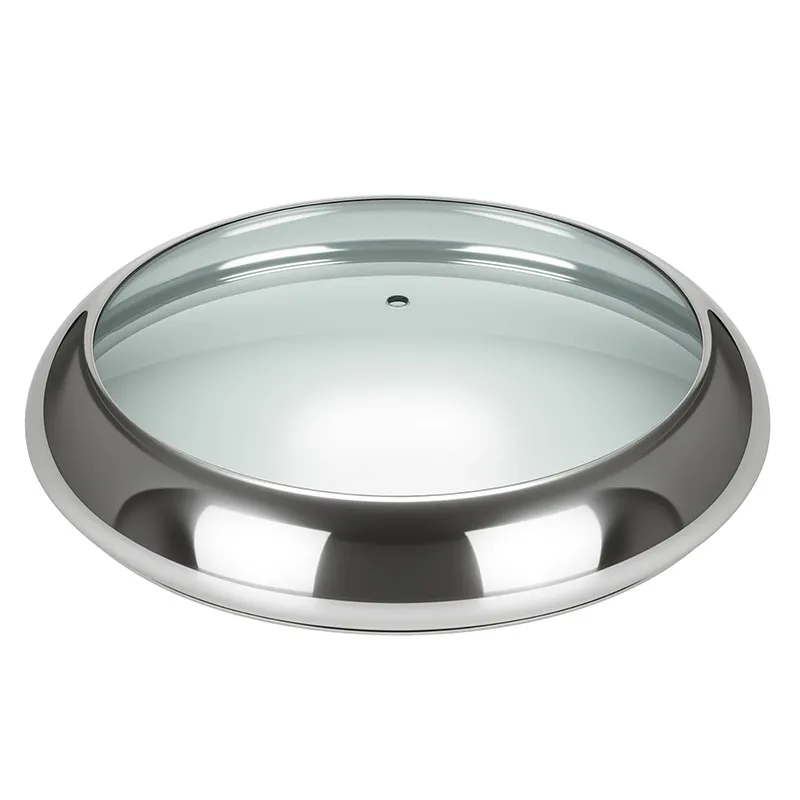
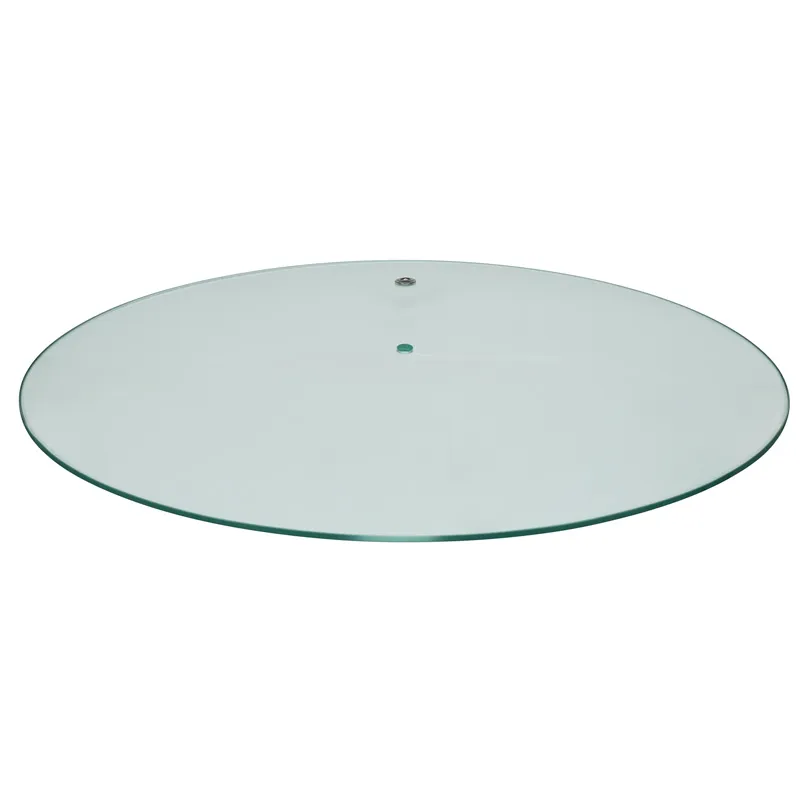
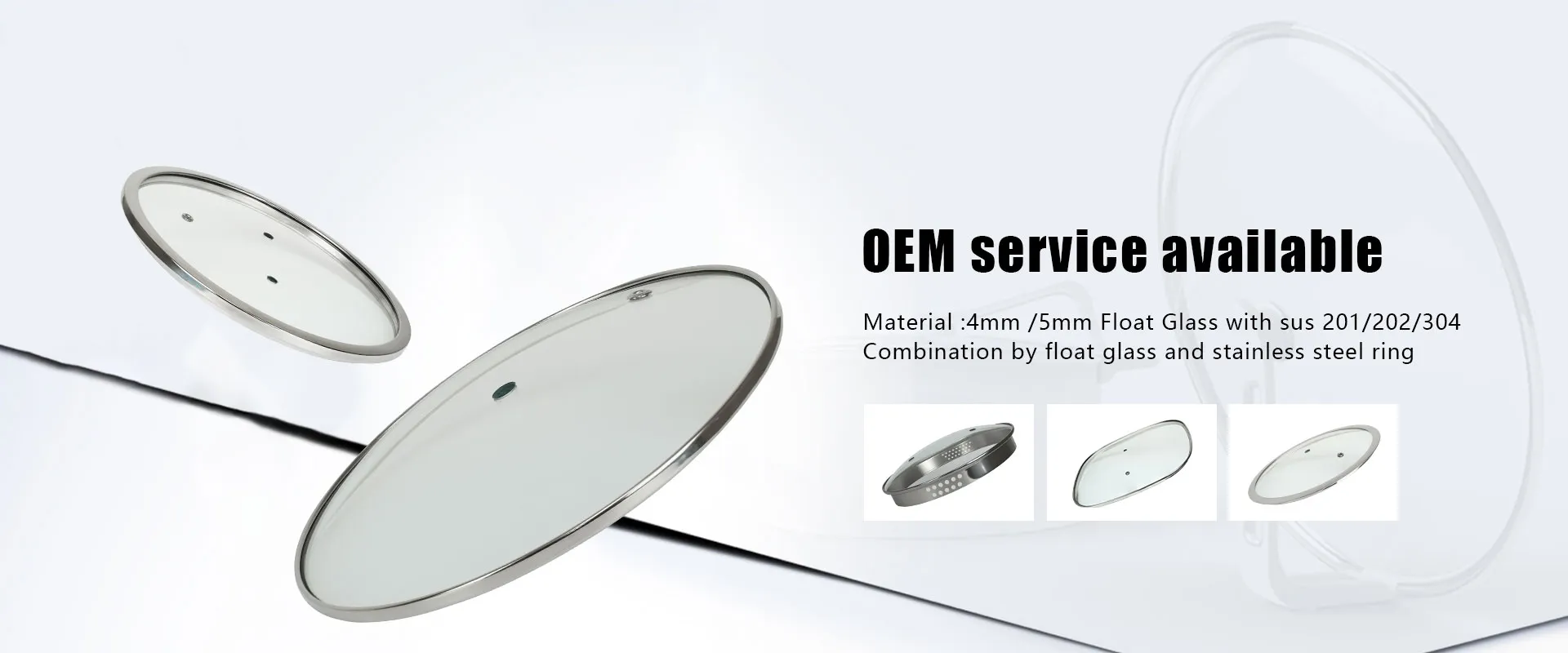
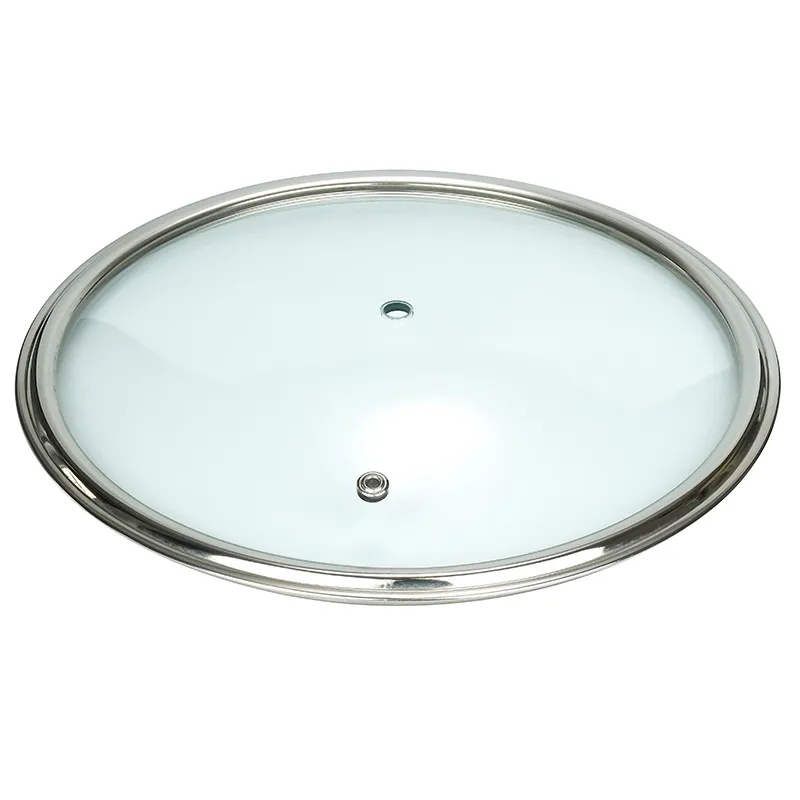
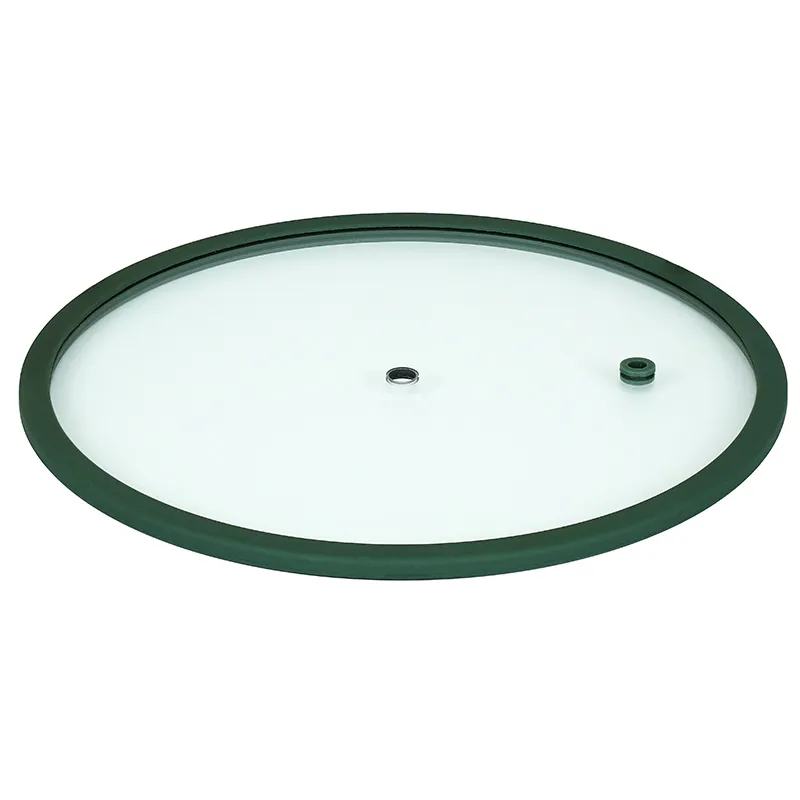
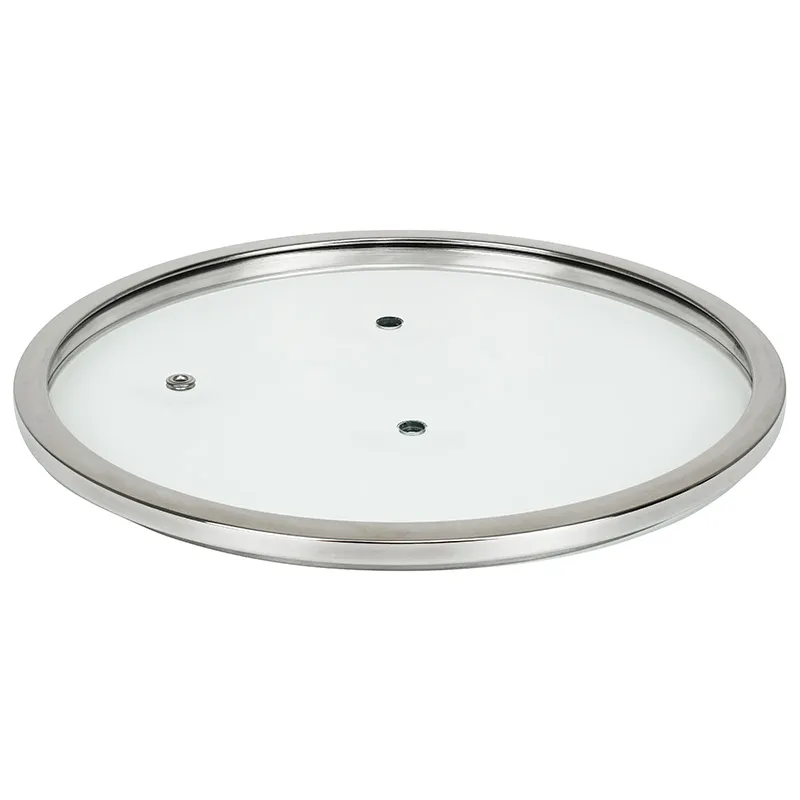
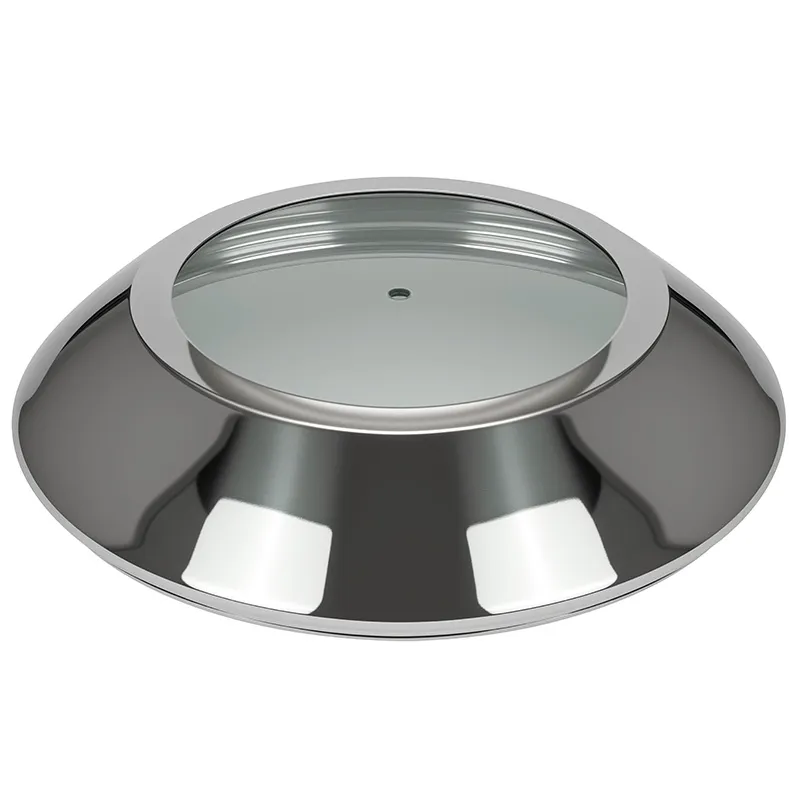
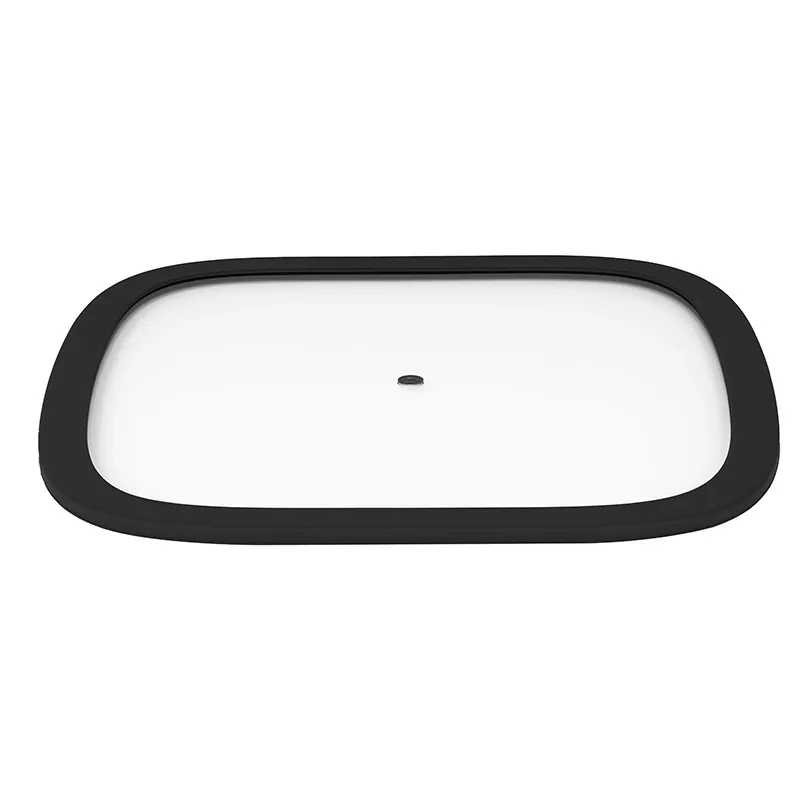
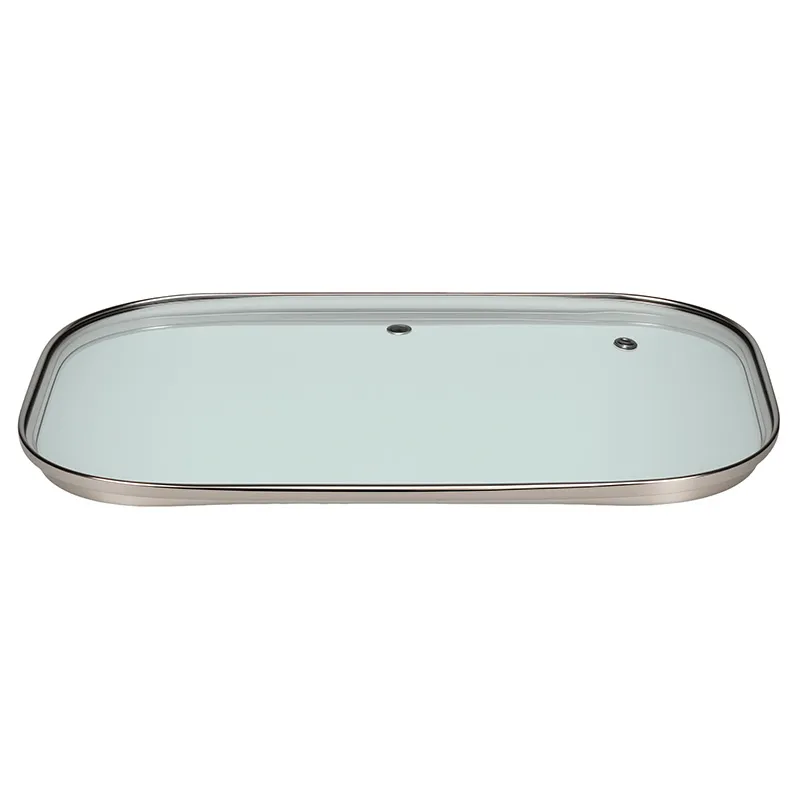
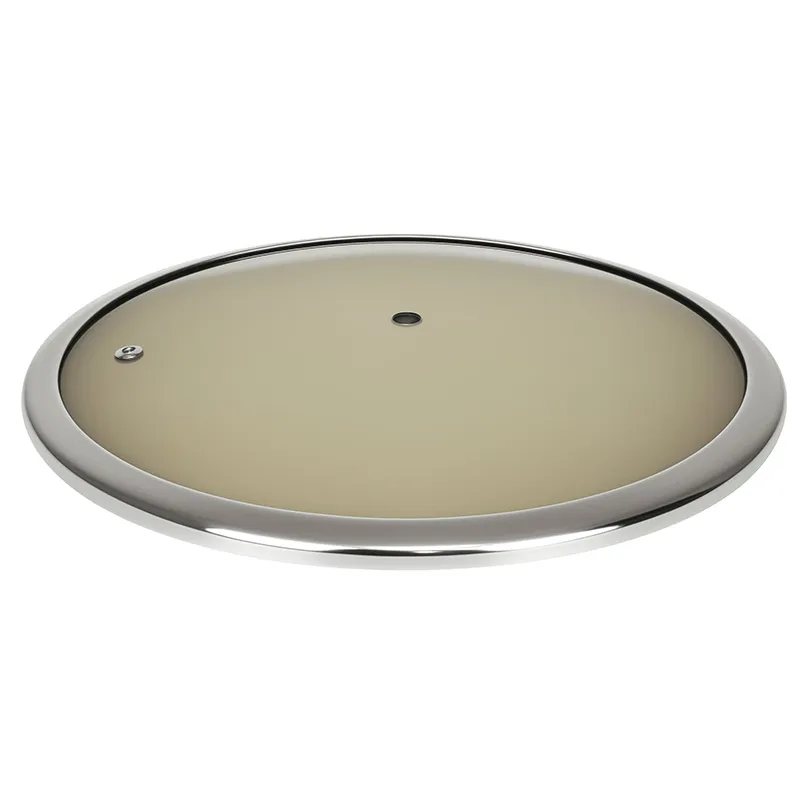
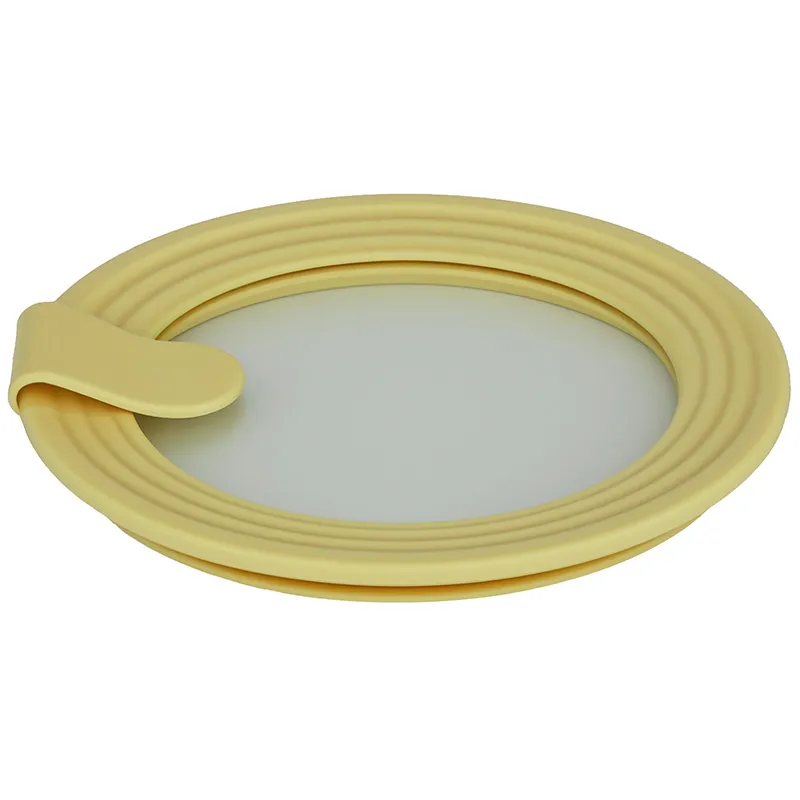
customized glass cover
When you hear 'customized glass cover', the immediate thought for many, even some buyers in our industry, jumps to simple size variation or a logo etch. That's the surface-level trap. True customization, especially for functional kitchenware like lids for pots, pans, and casseroles, is a negotiation between design intent, thermal physics, manufacturing constraints, and cost. It's not just about making a unique shape; it's about engineering a component that must survive thermal shock, maintain a seal, handle repeated cleaning, and do so consistently across hundreds of thousands of units. The gap between a sketch and a production-ready sample is where the real story is.
Beyond the Drawing: The Engineering Translation
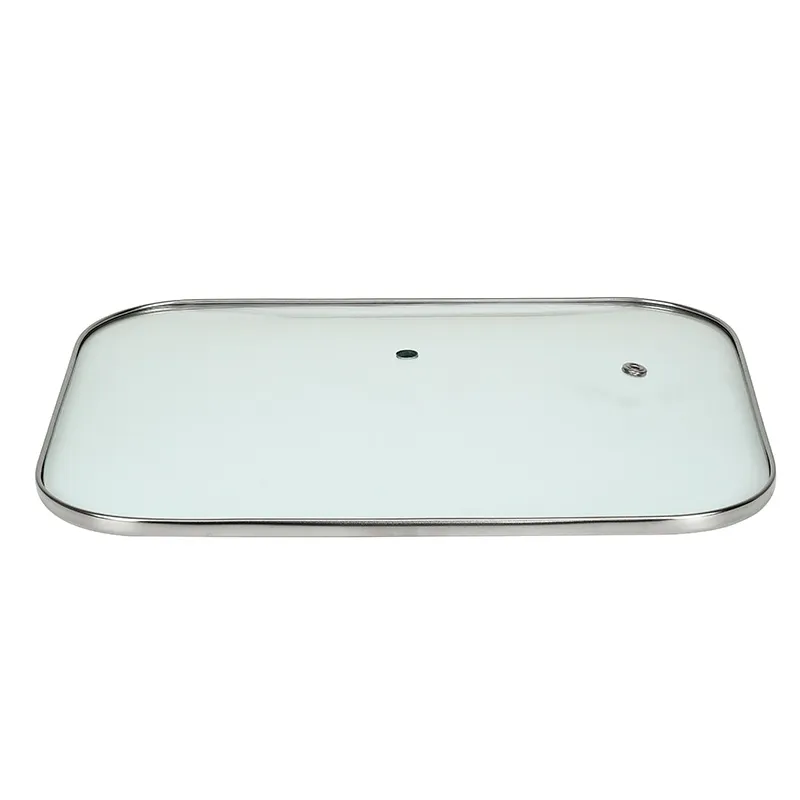
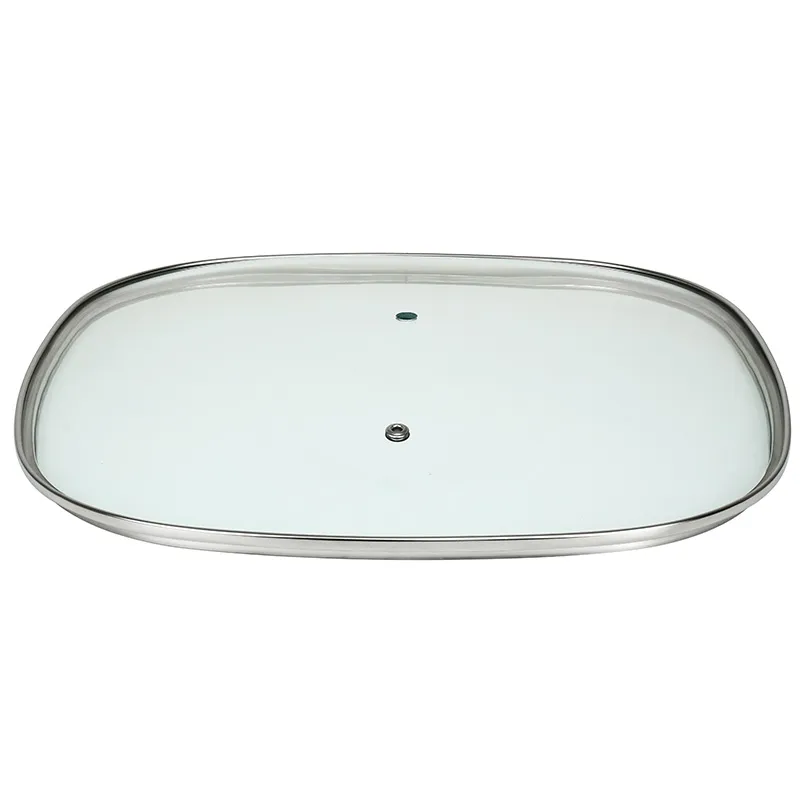
I recall a project a few years back. A European client wanted a beautifully large, rectangular glass lid for a ceramic baking dish. Their design had sharp, 90-degree corners. Looks great on paper, a nightmare in tempered glass. Tempering requires heating and then rapidly cooling the glass to create surface compression. Sharp corners become stress concentrators; during tempering or later during use, that stress can find a release point—a crack. We had to guide them towards a radius, a gentle curve at each corner. It wasn't a rejection of their design, but a translation of it into the language of the material. The final product was stunning and robust, but the first step was managing expectations about what 'custom' means in a physical world.
This is where a partner's production philosophy matters. Take a company like EUR-ASIA COOKWARE CO.,LTD. With an annual output pushing 15 million pieces, they've seen every shape and requirement. Their specialization isn't just in making glass, but in making it work. When you operate at that scale for export markets with stringent standards (Germany, Switzerland, Japan are no joke), your process has to be dialed in. Customization for them isn't a sideline; it's integrated into a high-volume system. That's a different beast than a small artisanal shop. The challenge is maintaining that flexibility within a framework built for millions.
Another layer is the handle or knob. It seems trivial, but its attachment is critical. Is it a metal clamp, a silicone ring, or a bonded polymer? Each has implications for oven-safe temperature limits, dishwasher durability, and assembly line efficiency. A client might want a sleek, all-glass look with a bonded handle, but that introduces a new material with a different coefficient of thermal expansion. Will that bond hold after 500 cycles in a dishwasher? We've had to prototype and test these specifics, sometimes leading to a compromise—like opting for a high-grade stainless steel clamp that, while visible, guarantees performance. The customized glass cover is never just the glass.
The Prototype Phase: Where Assumptions Meet Reality
You never really know until you have a physical sample in hand. We always insist on a prototype phase, even for what seems like a minor tweak. I remember working on a lid for a high-end pressure cooker line. The requirement was for exceptional clarity and a specific curvature to match the pot's rim. The first prototypes from the factory met the dimensional specs perfectly. But under the intense lighting of the client's quality inspection, they noticed minute, almost wave-like distortions in the glass—an optical issue stemming from the heating cycle during tempering. It didn't affect function at all, but it affected perception. For a premium product, that was a deal-breaker.
The factory, in this case, it was a partner with deep experience like the one behind glass-lid.com, had to adjust their heating parameters and the glass' positioning in the furnace. It took three more iterations. This is the unglamorous side of customization: tweaking time-temperature curves, not just drawing shapes. The fact that their base is in a national high-tech development zone in Shandong isn't just an address; it often means access to better process engineering and quality control infrastructure, which is vital for solving these nuanced problems.
Failure is a data point here. We once tried to create a lid with an integrated steam vent—a small, molded glass nub with a hole. The idea was elegance, fewer parts. The molding was complex, and the tempering process kept causing micro-fractures around the vent hole. After months, we shelved it. The elegant solution became a separate, high-temperature plastic vent insert. It taught us that sometimes, the most customized solution is a hybrid one, leveraging the best properties of different materials. Purity of vision often yields to practicality.
Volume, Consistency, and the Real Cost of Unique
Here's a hard truth many startups or small brands don't initially grasp: a truly unique customized glass cover often requires custom tooling. For glass, this usually means the molds or forms used during cutting and shaping. That's a significant NRE (Non-Recurring Engineering) cost. A company producing over 15 million pieces annually has likely amortized the cost of standard tooling across vast production runs. When you ask for a new shape, you're asking them to invest in new tooling for your, presumably, smaller volume. This cost has to land somewhere.
The expertise of a manufacturer like EUR-ASIA COOKWARE becomes crucial here. They can often suggest modifications to a design that allow it to be made with minimal new tooling, or by adapting existing setups. Maybe a slight change in bend angle allows use of a standard bending mold. This isn't about limiting creativity; it's about finding a path to a viable, cost-effective product. Their experience across so many export markets means they have a vast library of what's been done before and what's possible. Leveraging that institutional knowledge is half the battle.
Then comes consistency. Making one perfect sample is easy. Making 10,000 identical ones is the profession. The 90+ employees and the 15,000㎡ facility aren't just numbers; they represent a system. Consistency in glass thickness, tempering strength, edge finishing, and packaging—this is what separates a reliable supplier from a risky one. When 90% of output is exported to markets with zero tolerance for splintered edges or thermal shock failures, their processes are built to meet that bar. Your custom lid must pass through that same rigorous system.
Material Specs: It's Not Just Glass
Specifying the glass itself is a minefield of assumptions. Use good quality tempered glass is meaningless. Are we talking about soda-lime silicate? Borosilicate? The former is standard for most cookware lids—it tempers well, is clear, and cost-effective. The latter, often called borosilicate glass (think old Pyrex), has higher thermal shock resistance but is more expensive and harder to temper into complex shapes. Most of the high-volume production, like the millions of pieces from major production bases, uses high-quality, fully-tempered soda-lime glass. It's more than sufficient for lid applications if designed correctly.
Then there's the tempering standard. The minimum requirement is usually that it passes a thermal shock test (like going from a 220°C oven to a 20°C wet surface) and a impact test. But the real spec is the surface compression, measured in megapascals (MPa). A higher number means a stronger lid. A professional manufacturer will know their average and range. You should ask for the test reports. This is the boring, technical backbone of a customized glass cover that actually works in a home kitchen for years.
Edge work is another silent quality marker. The grinding and polishing of the perimeter isn't just for safety; it affects the seal and the feel. A poorly finished edge will feel rough, can chip more easily, and might not sit flush. It's a detail you only notice when it's done badly. In visits to facilities, I always run my finger along the edges of random samples from the line. It tells you more than a spec sheet sometimes.
The Unspoken: Logistics, Packaging, and Lead Times
Customization disrupts the smooth flow of a production line. Your special order with its unique packaging inserts needs to be slotted in. This affects lead times dramatically. A standard lid might have a 30-day lead time from order confirmation. A custom one, with new samples, approved materials, and special packaging, can easily stretch to 90 or 120 days. Planning for this is part of the professional process. The company's location in Taian City, Shandong—a major industrial and logistics hub—does provide an advantage in getting raw materials in and finished goods out to ports, but the time is in the making, not just the moving.
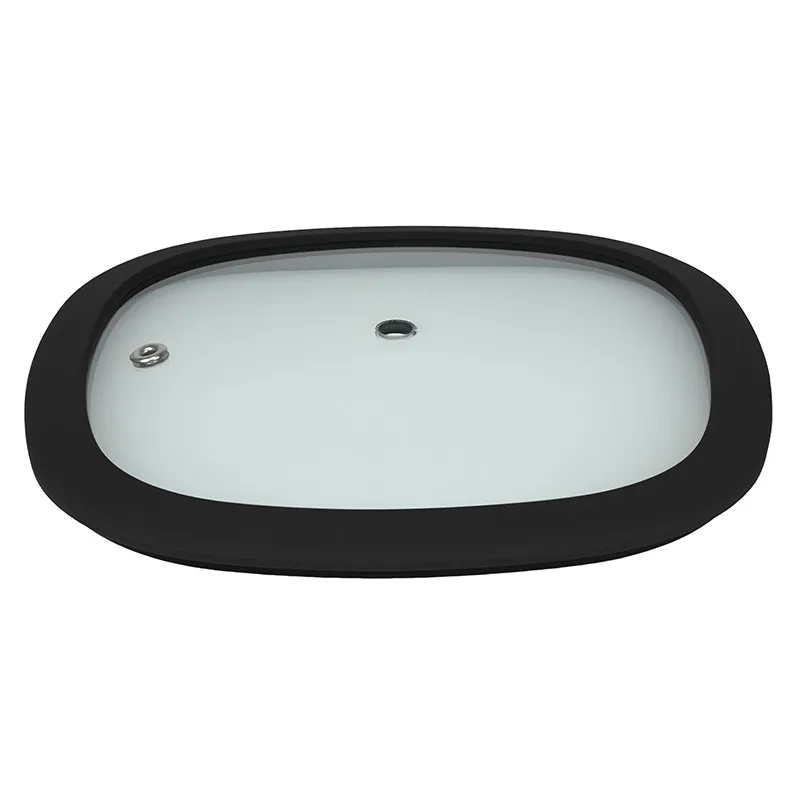
Packaging for a fragile, custom-shaped item is its own science. A standard round lid can be packed efficiently in a standard carton. An odd-shaped customized glass cover might require custom foam inserts or partitions. This adds cost and complexity. We learned this the hard way when a shipment of oval lids arrived with a 5% breakage rate because we used a carton designed for rounds. The slight movement during shipping was enough. The solution was a cheap, custom-cut cardboard divider, but it had to be designed and sourced. Every detail cascades.
So, when you look at a site like glass-lid.com, behind the product listings is this entire ecosystem—from the high-tech zone factory floor with its tempering furnaces, through the quality control checks, to the packaging lines preparing goods for Brazil, Poland, or South Korea. The custom glass cover is the final, visible artifact of that system. Getting it right means engaging with that system, not just sending a CAD file. It's a collaboration where your design vision is filtered through the hard realities of physics, chemistry, and economics. The best results come when both sides speak that language.
Related Products
Related Products