- Chinese
- French
- German
- Portuguese
- Spanish
- Russian
- Japanese
- Korean
- Arabic
- Irish
- Greek
- Turkish
- Italian
- Danish
- Romanian
- Indonesian
- Czech
- Afrikaans
- Swedish
- Polish
- Basque
- Catalan
- Esperanto
- Hindi
- Lao
- Albanian
- Amharic
- Armenian
- Azerbaijani
- Belarusian
- Bengali
- Bosnian
- Bulgarian
- Cebuano
- Chichewa
- Corsican
- Croatian
- Dutch
- Estonian
- Filipino
- Finnish
- Frisian
- Galician
- Georgian
- Gujarati
- Haitian
- Hausa
- Hawaiian
- Hebrew
- Hmong
- Hungarian
- Icelandic
- Igbo
- Javanese
- Kannada
- Kazakh
- Khmer
- Kurdish
- Kyrgyz
- Latin
- Latvian
- Lithuanian
- Luxembou..
- Macedonian
- Malagasy
- Malay
- Malayalam
- Maltese
- Maori
- Marathi
- Mongolian
- Burmese
- Nepali
- Norwegian
- Pashto
- Persian
- Punjabi
- Serbian
- Sesotho
- Sinhala
- Slovak
- Slovenian
- Somali
- Samoan
- Scots Gaelic
- Shona
- Sindhi
- Sundanese
- Swahili
- Tajik
- Tamil
- Telugu
- Thai
- Ukrainian
- Urdu
- Uzbek
- Vietnamese
- Welsh
- Xhosa
- Yiddish
- Yoruba
- Zulu
- Kinyarwanda
- Tatar
- Oriya
- Turkmen
- Uyghur


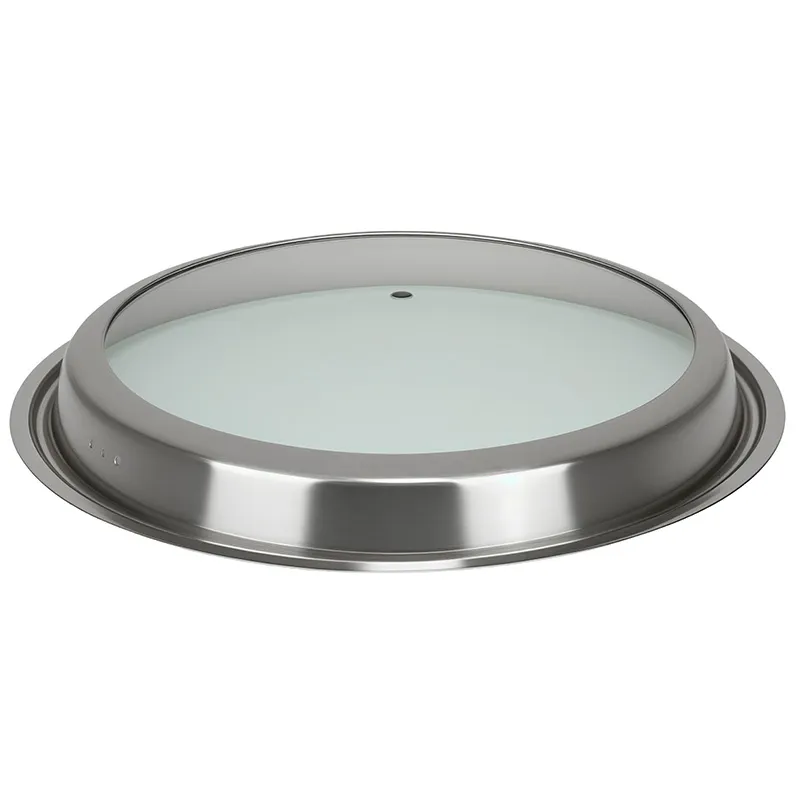
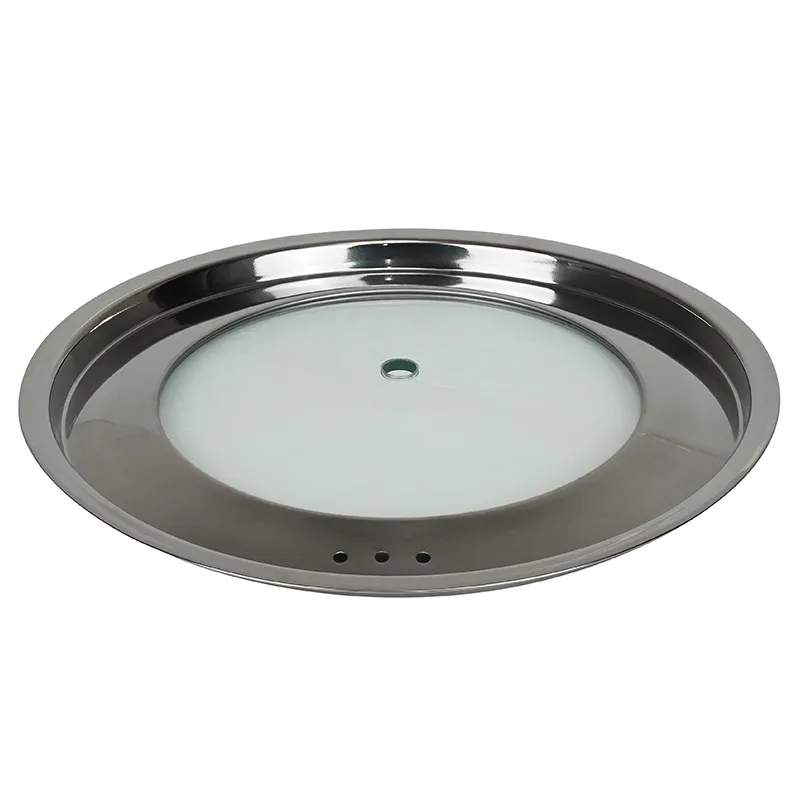
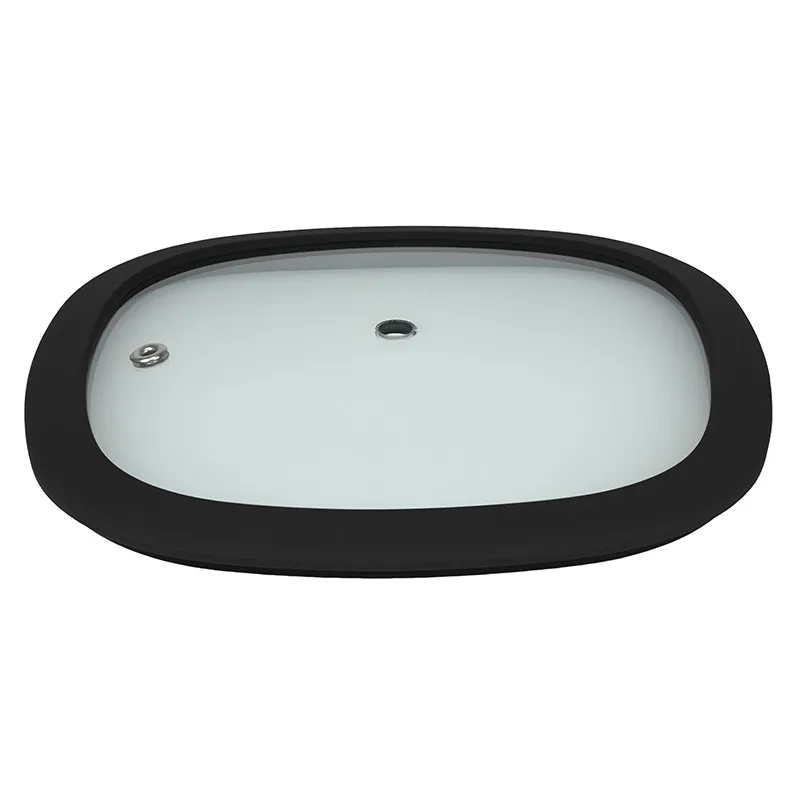
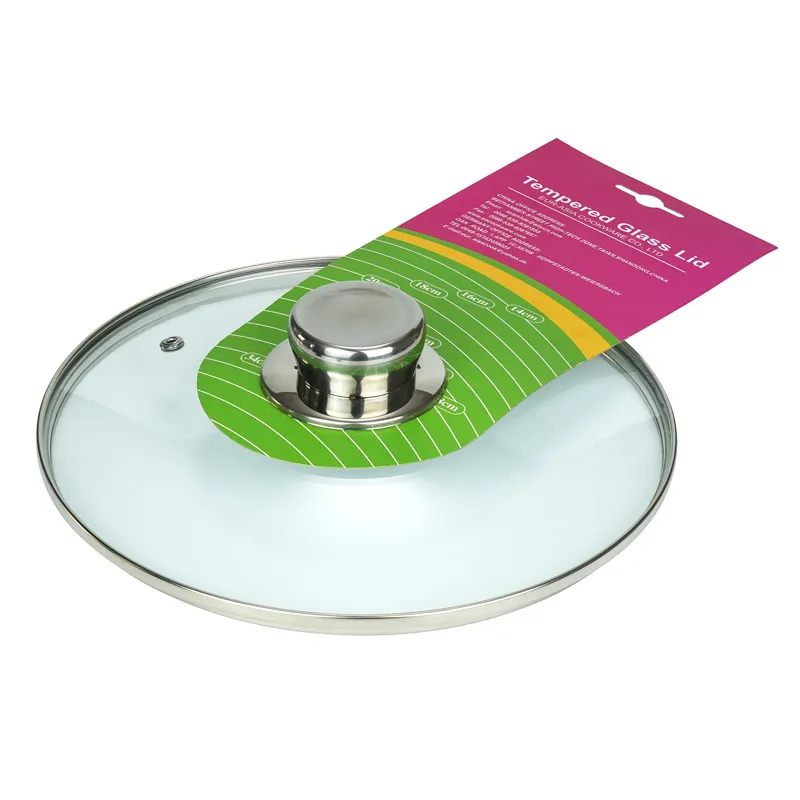
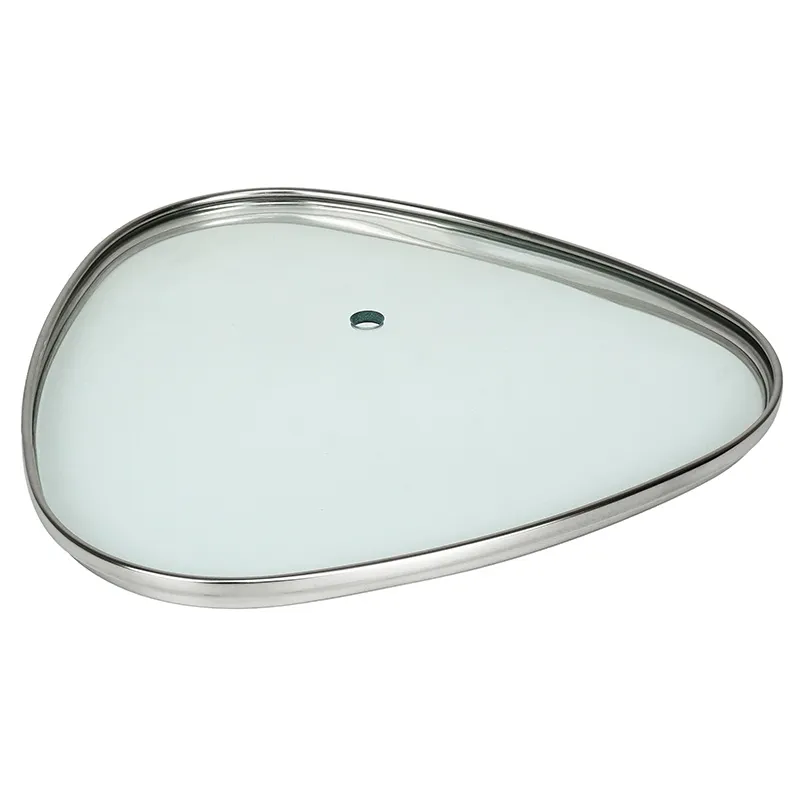
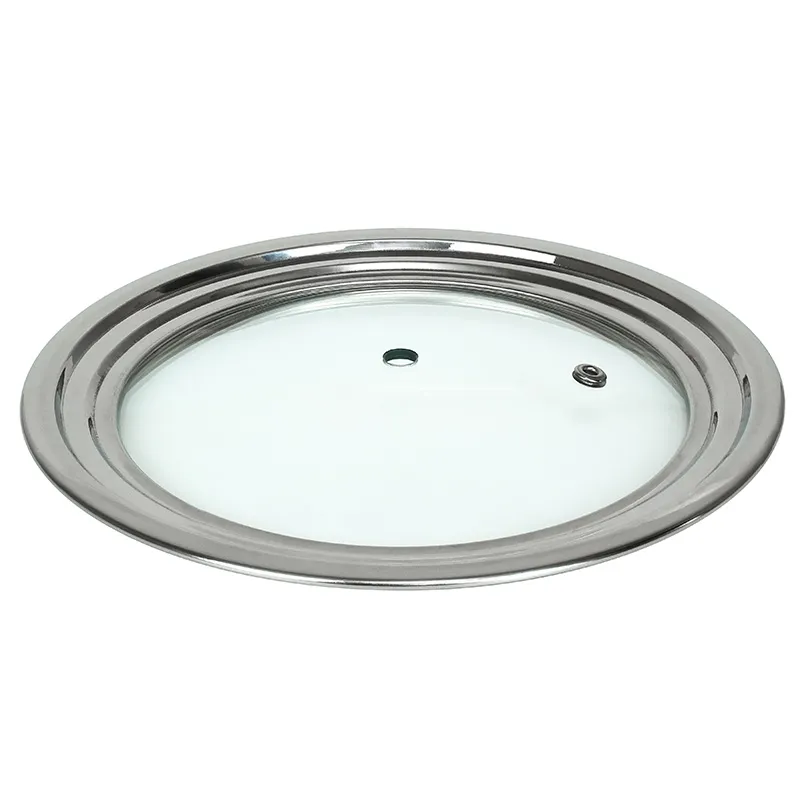
dome glass cover
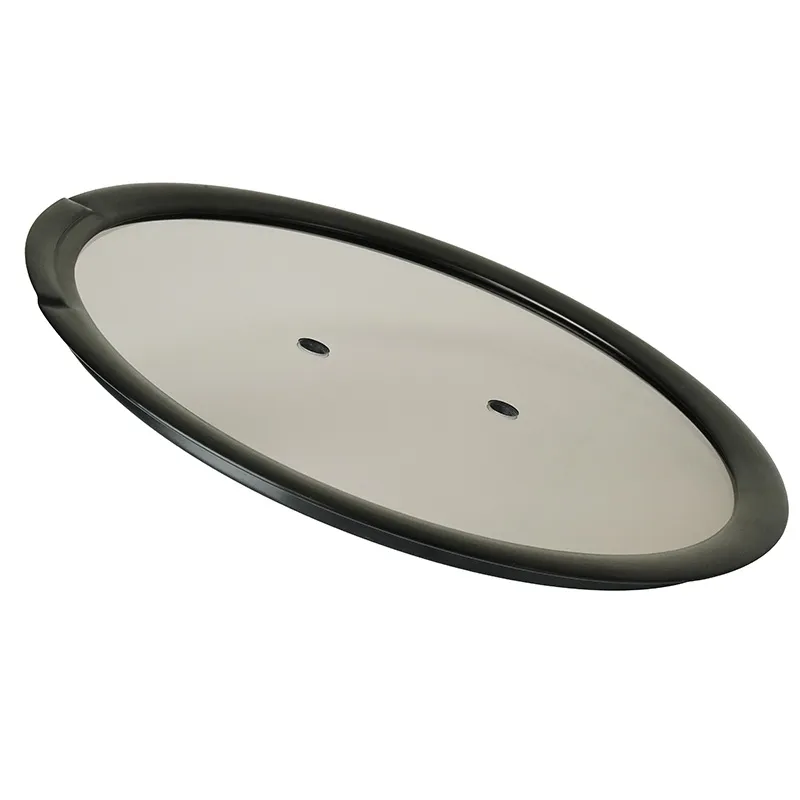
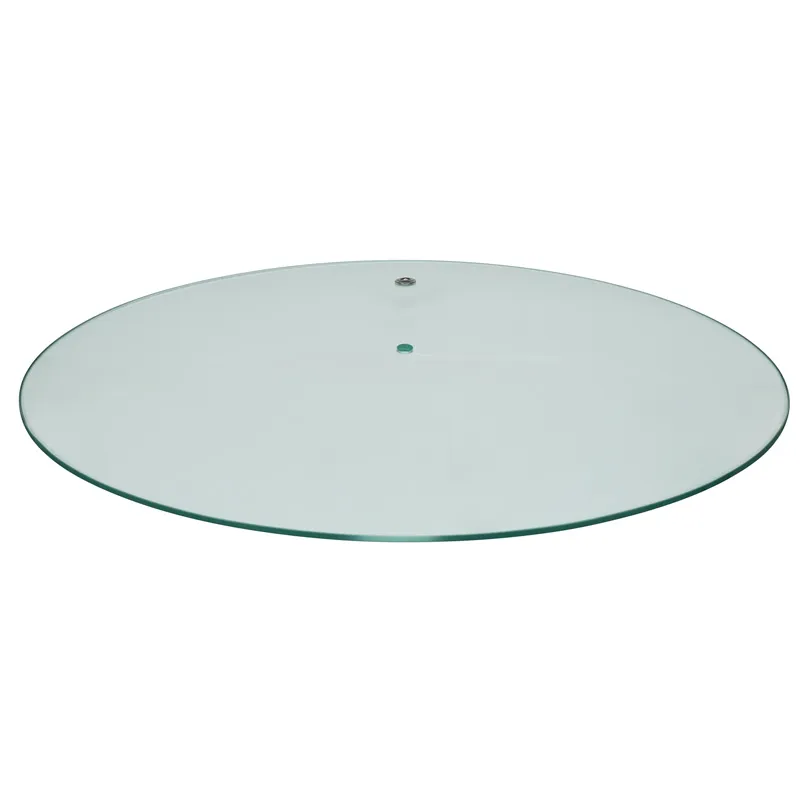
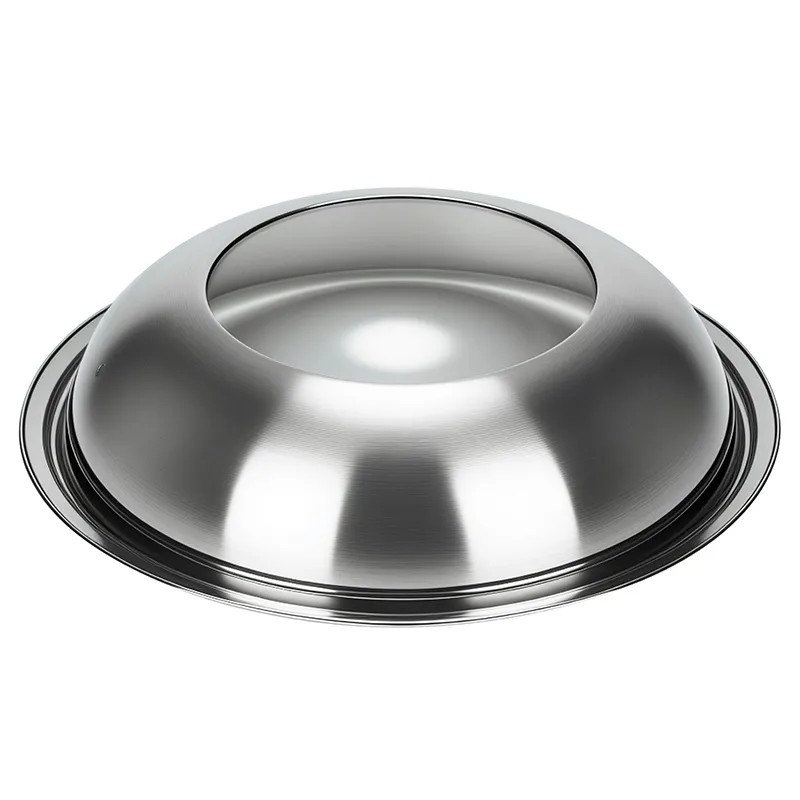
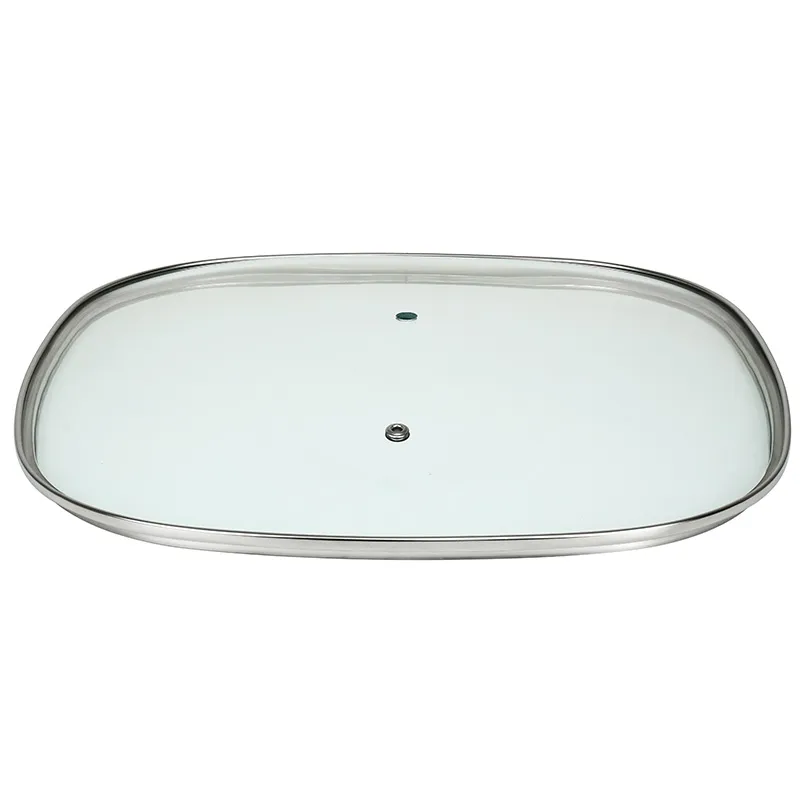
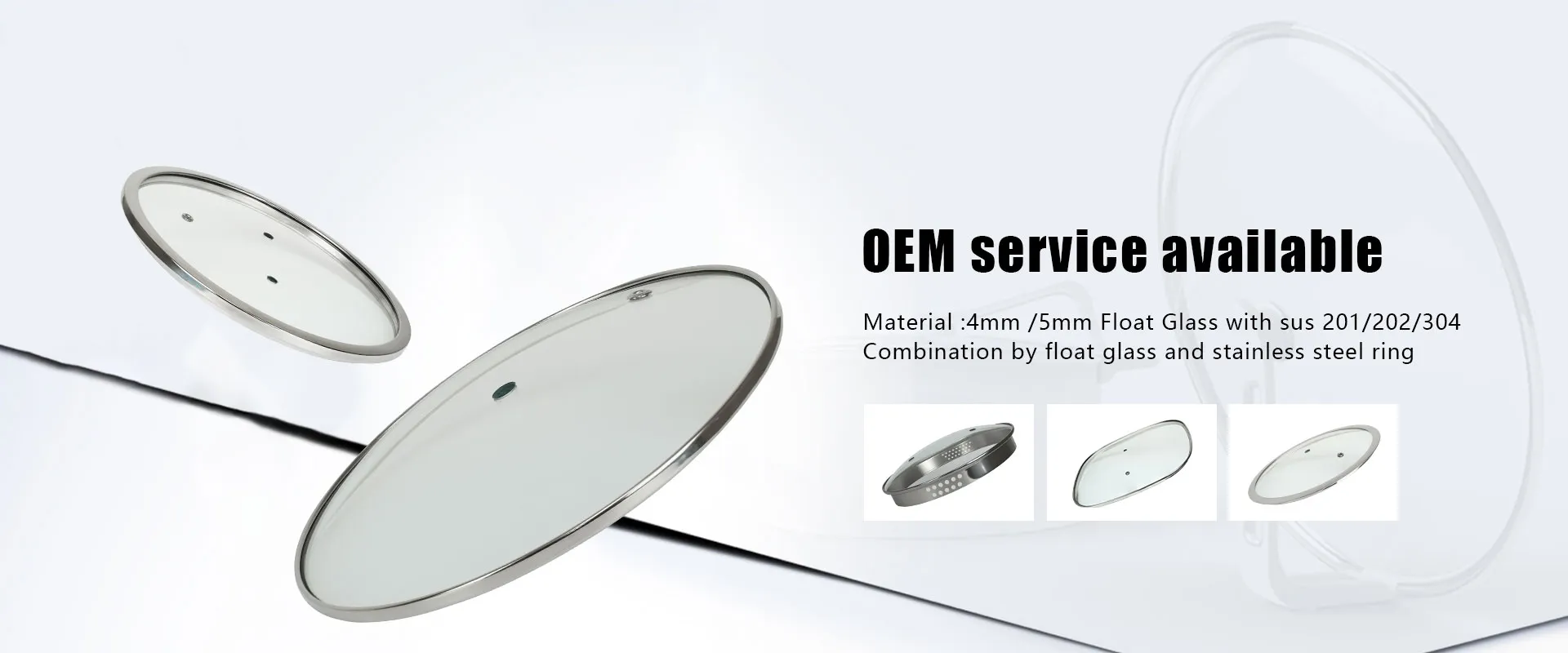
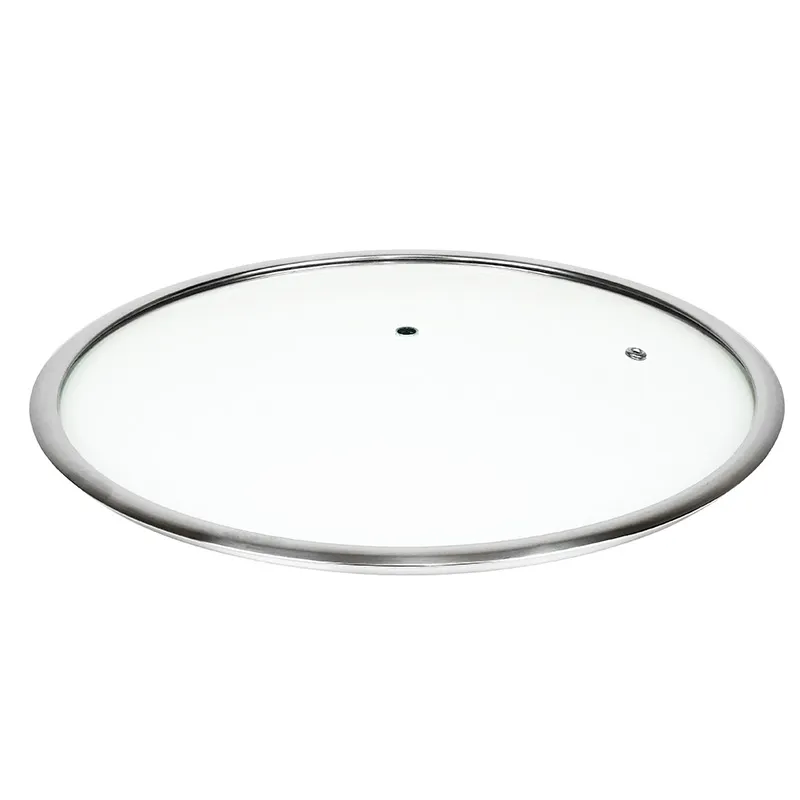
When most people hear 'dome glass cover', they picture a simple, curved piece of glass sitting on a pot. That's the biggest misconception. In our line of work, it's not just a cover; it's a critical component of the cooking system, balancing thermal shock resistance, optical clarity, and ergonomic safety. Many think any tempered glass will do, but the dome shape introduces unique stress points during both manufacturing and use that a flat lid never encounters. I've seen too many projects stall because they treated the dome as an afterthought.
The Manufacturing Reality: It's All About the Curve
Producing a consistent, reliable dome glass cover starts with the mold. The radius of the curve isn't just for aesthetics; it directly impacts heat distribution and condensation runoff. A shallow dome might look sleek, but it can cause excessive dripping back into the food. A steeper dome improves this but increases the risk of thinning during the hot-forming process. At facilities like the one run by EUR-ASIA COOKWARE CO.,LTD in Taian, getting this right is a daily challenge. Their production of over 15 million tempered glass lids annually means they've likely iterated through hundreds of mold designs to find the optimal balance for different markets.
Then comes tempering. This is where batches can go wrong. The glass must be heated uniformly, but the varying thickness of a dome means some sections reach temperature faster. If the quench isn't perfectly synchronized, you get uneven stress. I recall a shipment for a German client where we had a 5% failure rate in thermal shock tests—the covers would crack when going from a freezer to a hot stove. The root cause? An inconsistency in the quench air pressure across the curved surface. It wasn't a material flaw; it was a process flaw specific to the dome geometry.
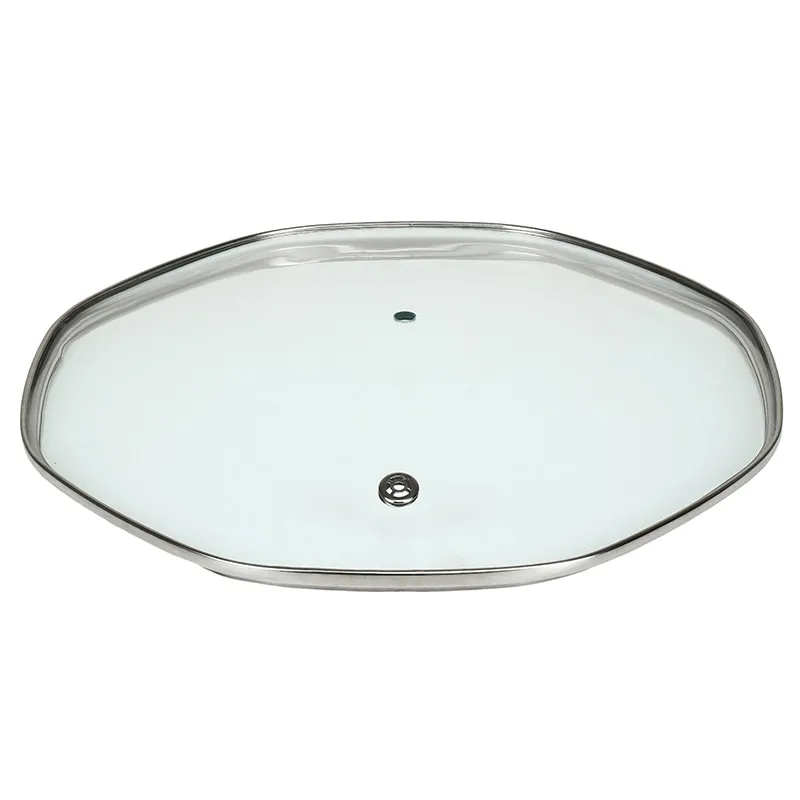
Finishing the edge is another subtle art. A ground and polished edge on a curved lid is more expensive than a seamed edge. But for a premium product, that smooth feel is non-negotiable. It’s a detail that companies exporting to markets like Switzerland or Japan, as EUR-ASIA does, can't afford to overlook. A rough edge feels cheap and can be a magnet for chips during handling.
Material Selection and the Clarity Trade-Off
Everyone wants crystal-clear glass. But the highest clarity soda-lime glass often has slightly different thermal expansion properties. For a dome glass cover that needs to withstand a 400°F oven and then a cold granite countertop, you sometimes have to accept a minute, almost imperceptible, greenish tint from the iron content in more resilient glass compositions. It's a practical compromise for durability. The spec sheets don't always talk about this.
Borosilicate is the gold standard for thermal shock, yes. But for large-diameter dome lids, the cost jumps dramatically, and the forming process becomes even trickier. For most household applications, a properly tempered, high-quality soda-lime glass is sufficient. The key is the quality of the raw glass slab. Impurities are the enemy—they become failure points under stress. A reliable supplier's QA on incoming materials is half the battle won.
We experimented with a coated glass once—an anti-fog treatment applied to the interior dome. It worked wonderfully in the lab, preventing condensation from obscuring the view of the food. But in real-world dishwasher testing over 50 cycles, the coating began to degrade unevenly, creating a blotchy appearance. The project was shelved. Sometimes, the simplest solution—the inherent clarity of the glass itself—is the most robust.
Fit and Function: The Interface with the Pot
The dome doesn't exist in a vacuum. Its function is defined by its seal (or lack thereof) with the cookware. A tight-sealing dome for braising needs a different rim design than a vented cover for boiling. The tolerance between the glass rim and the pot's metal rim is critical—too tight, and it sticks or cracks from expansion; too loose, and it rattles and loses steam. I've measured microns of difference that made a whole production run unacceptable.
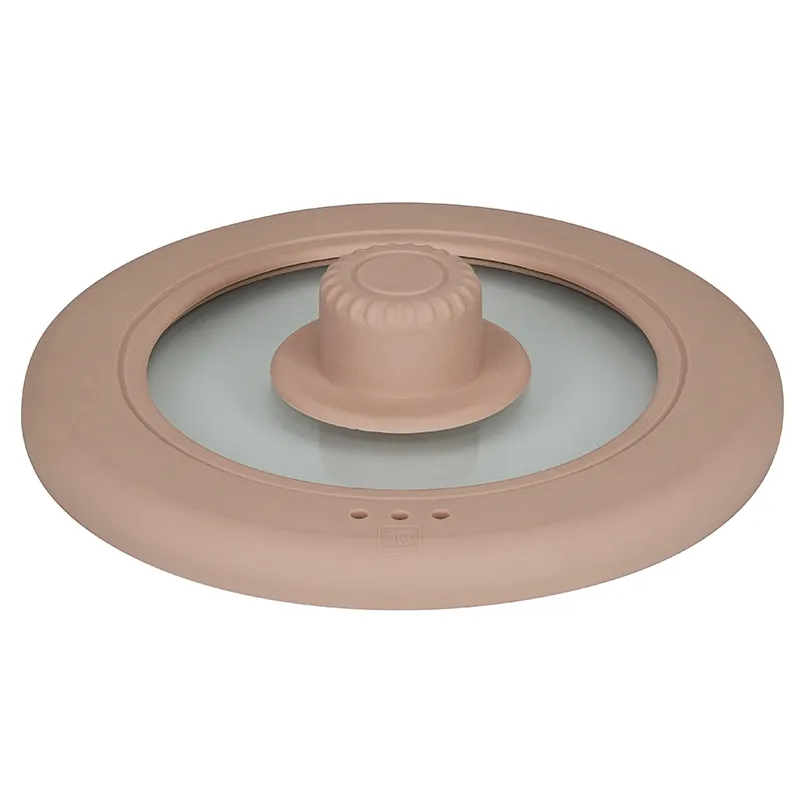
The handle is its own saga. It must be attached in a way that survives the tempering process. Many use stainless steel rivets or clamps. The heat differential between the metal and the glass during cooking is a constant stress. We once had a series of handles loosen after repeated dry-heat tests. The fix wasn't a stronger rivet, but a redesign of the clamping bracket to allow for a tiny amount of flex, accommodating the expansion without transferring sheer force to the glass. It's these unglamorous details that separate a product that lasts from one that gets returned.
For companies like EUR-ASIA COOKWARE, which exports to diverse markets from Brazil to South Korea, these specs aren't universal. A handle comfortable for one market might be considered too small or too large in another. The one-size-fits-all dome cover is largely a myth at the professional OEM level. Customization is the norm.
Logistics and the Fragile Geometry
Packing a dome is exponentially harder than packing a flat lid. You can't stack them like plates. They need individual cradling in molded pulp or foam. The empty space in a shipping container becomes a cost factor. A pallet of dome covers contains far fewer units than a pallet of flat lids. This logistics math fundamentally affects the landed cost, something clients often don't factor in initially when comparing unit prices on a spreadsheet.
During transit, the stress points are the apex of the dome and the rim. Even in excellent packaging, a severe jolt can create a hairline crack that doesn't manifest until the first thermal cycle. I've been on the receiving end of those angry calls. The solution is often more about packaging design and container loading than about strengthening the glass itself. You have to assume the shipment will be handled roughly.
The End-User Truth: What Actually Matters
After all the engineering, what does the customer care about? First, it doesn't break unexpectedly. Second, it stays clear enough to see the food. Third, it's easy to clean. The weight is a subtle factor—a lid that's too heavy is awkward for a large pot; too light, and it feels flimsy. The ideal dome glass cover has a heft that conveys quality without being burdensome.
Most failures I've analyzed stem from misuse—placing a hot lid on a cold, wet surface is a classic—but a well-designed product anticipates some of that. A slightly raised rim or integrated feet on the handle can prevent the glass from sitting directly in a puddle of cold water. It's these small, thoughtful design additions that you see on products destined for demanding European markets.
In the end, a successful dome glass cover is a testament to controlled compromise. It's balancing optical properties with physical resilience, manufacturing efficiency with meticulous quality control, and ideal design with real-world cost and logistics. It's never just a lid. It's the result of a thousand small decisions made by people who have seen what happens when you get even one of them wrong. Looking at the volume and export reach of a specialist like EUR-ASIA COOKWARE, you can bet they've internalized most of these lessons through sheer, repetitive production experience. That's what you're really paying for.
Related Products
Related Products