- Chinese
- French
- German
- Portuguese
- Spanish
- Russian
- Japanese
- Korean
- Arabic
- Irish
- Greek
- Turkish
- Italian
- Danish
- Romanian
- Indonesian
- Czech
- Afrikaans
- Swedish
- Polish
- Basque
- Catalan
- Esperanto
- Hindi
- Lao
- Albanian
- Amharic
- Armenian
- Azerbaijani
- Belarusian
- Bengali
- Bosnian
- Bulgarian
- Cebuano
- Chichewa
- Corsican
- Croatian
- Dutch
- Estonian
- Filipino
- Finnish
- Frisian
- Galician
- Georgian
- Gujarati
- Haitian
- Hausa
- Hawaiian
- Hebrew
- Hmong
- Hungarian
- Icelandic
- Igbo
- Javanese
- Kannada
- Kazakh
- Khmer
- Kurdish
- Kyrgyz
- Latin
- Latvian
- Lithuanian
- Luxembou..
- Macedonian
- Malagasy
- Malay
- Malayalam
- Maltese
- Maori
- Marathi
- Mongolian
- Burmese
- Nepali
- Norwegian
- Pashto
- Persian
- Punjabi
- Serbian
- Sesotho
- Sinhala
- Slovak
- Slovenian
- Somali
- Samoan
- Scots Gaelic
- Shona
- Sindhi
- Sundanese
- Swahili
- Tajik
- Tamil
- Telugu
- Thai
- Ukrainian
- Urdu
- Uzbek
- Vietnamese
- Welsh
- Xhosa
- Yiddish
- Yoruba
- Zulu
- Kinyarwanda
- Tatar
- Oriya
- Turkmen
- Uyghur

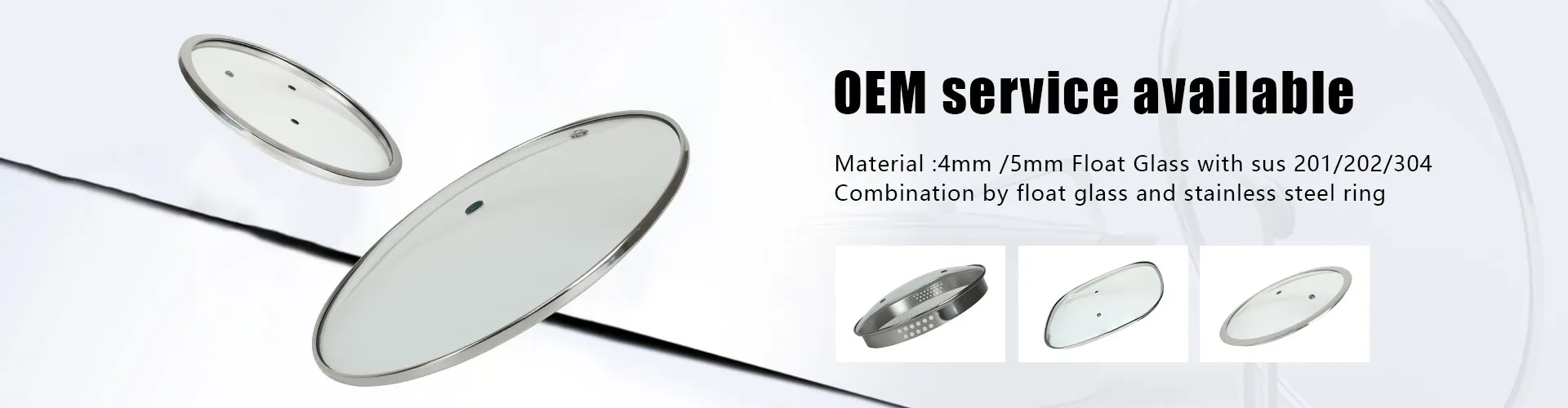
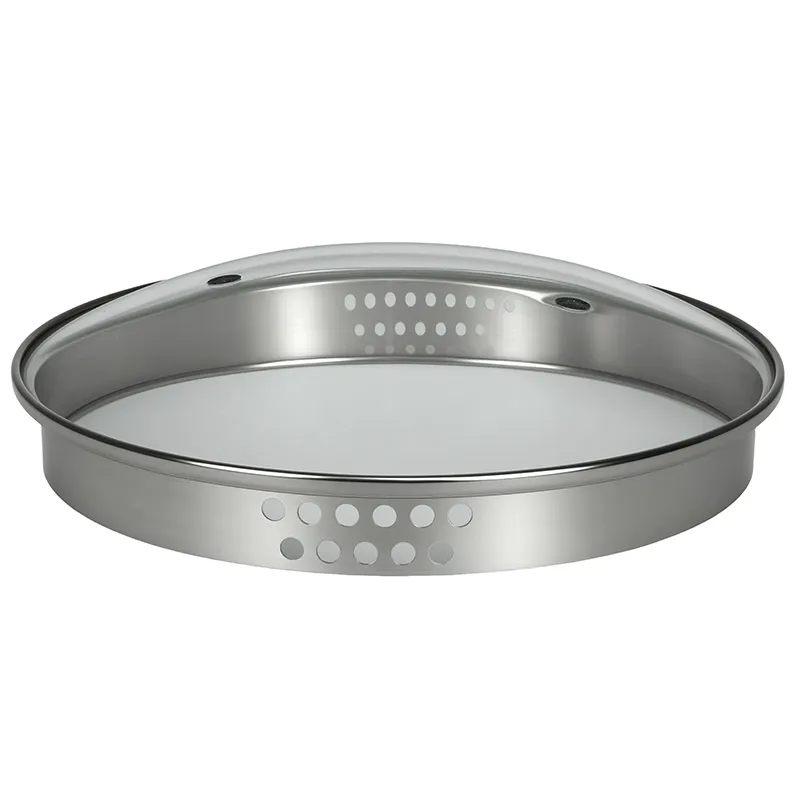
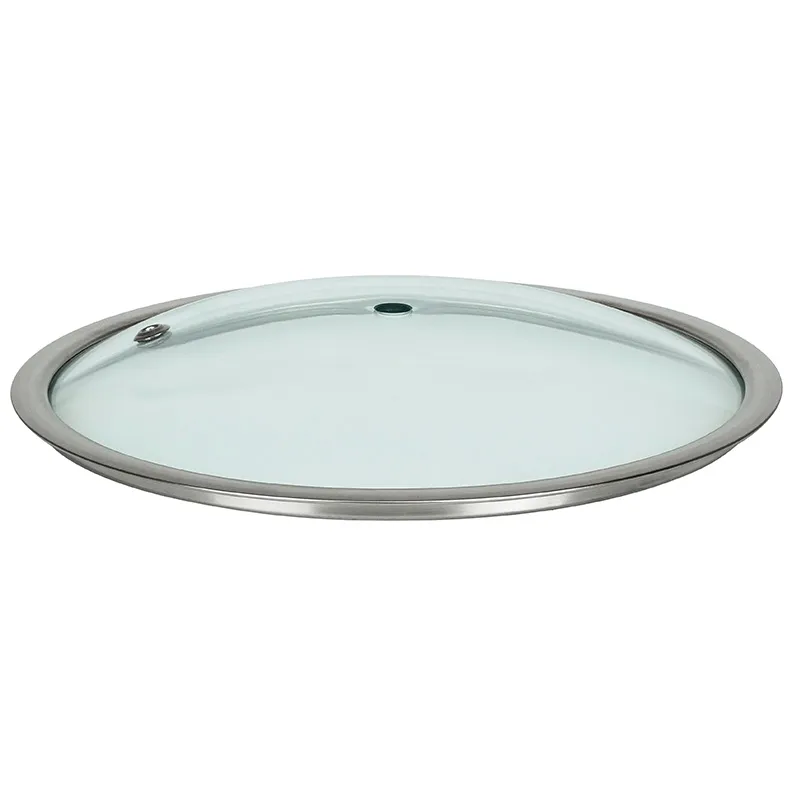
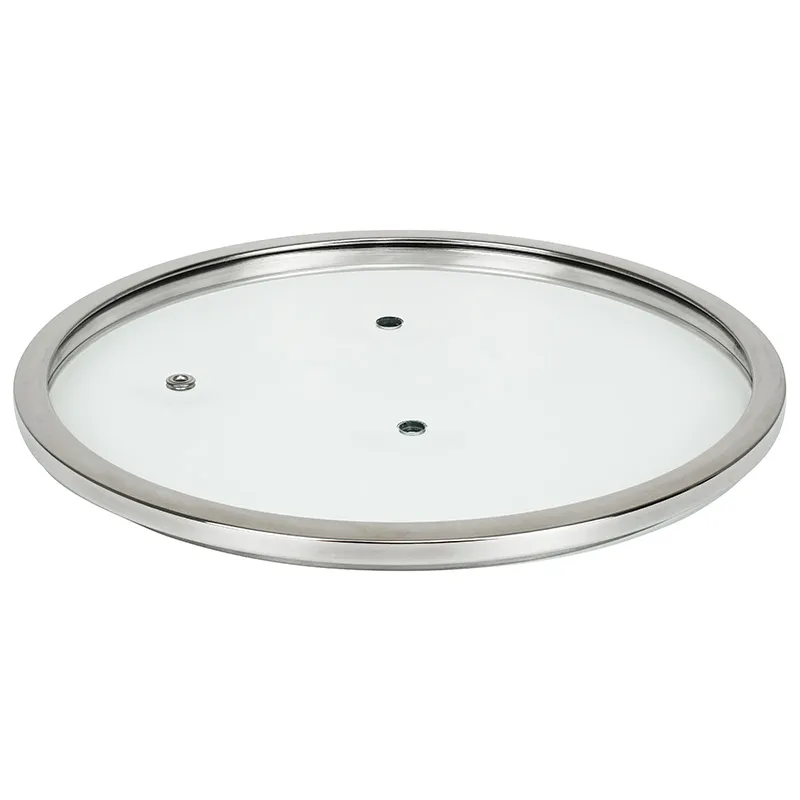
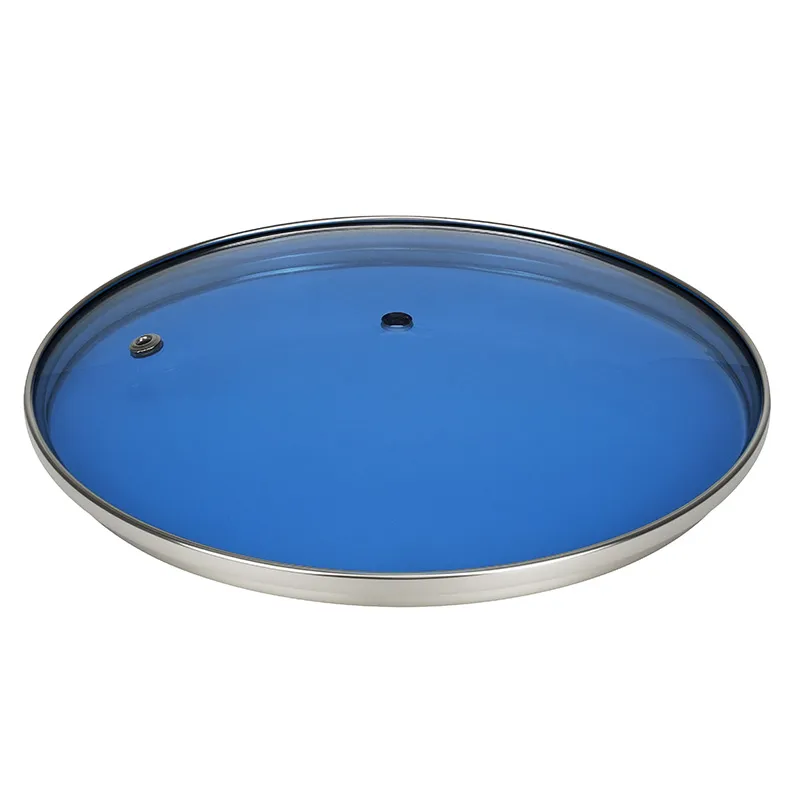
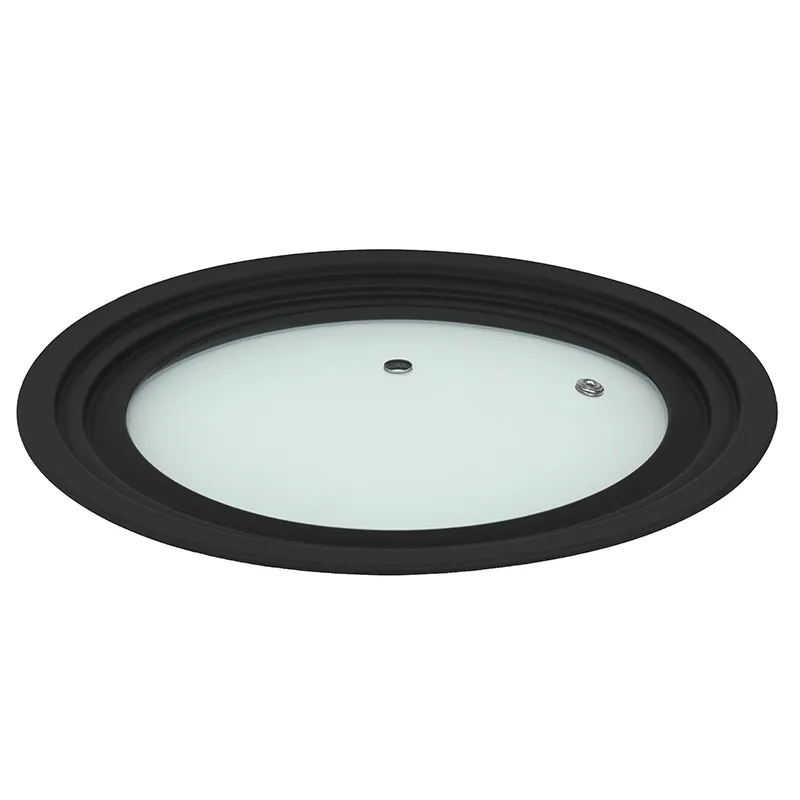
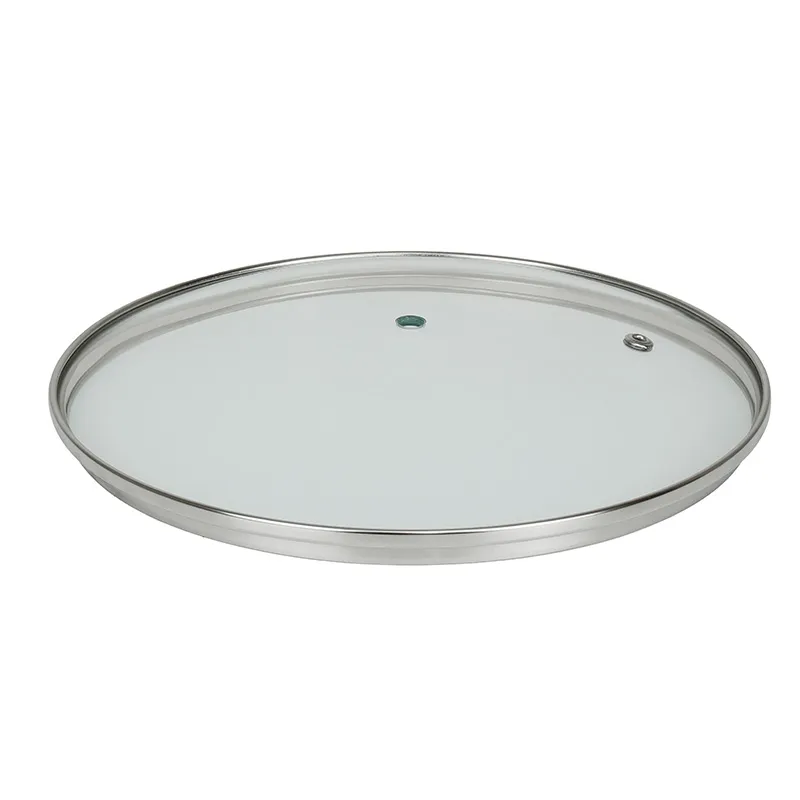
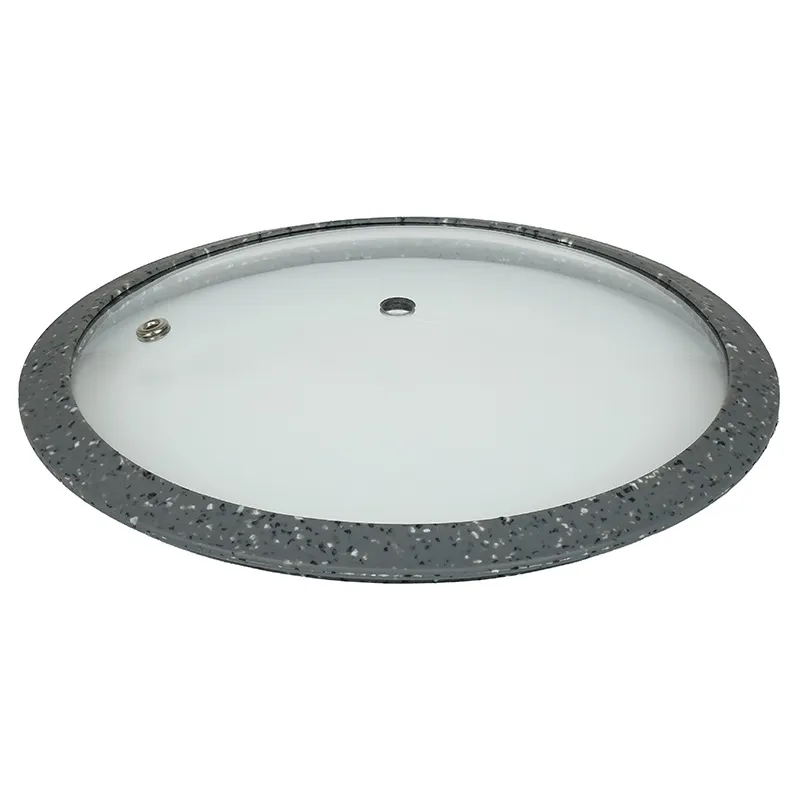
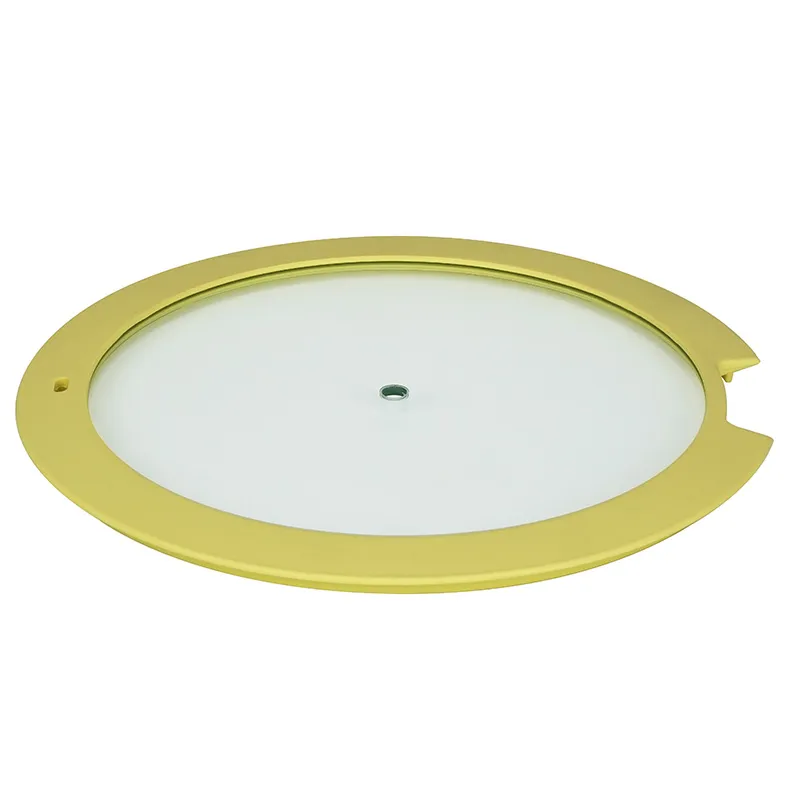
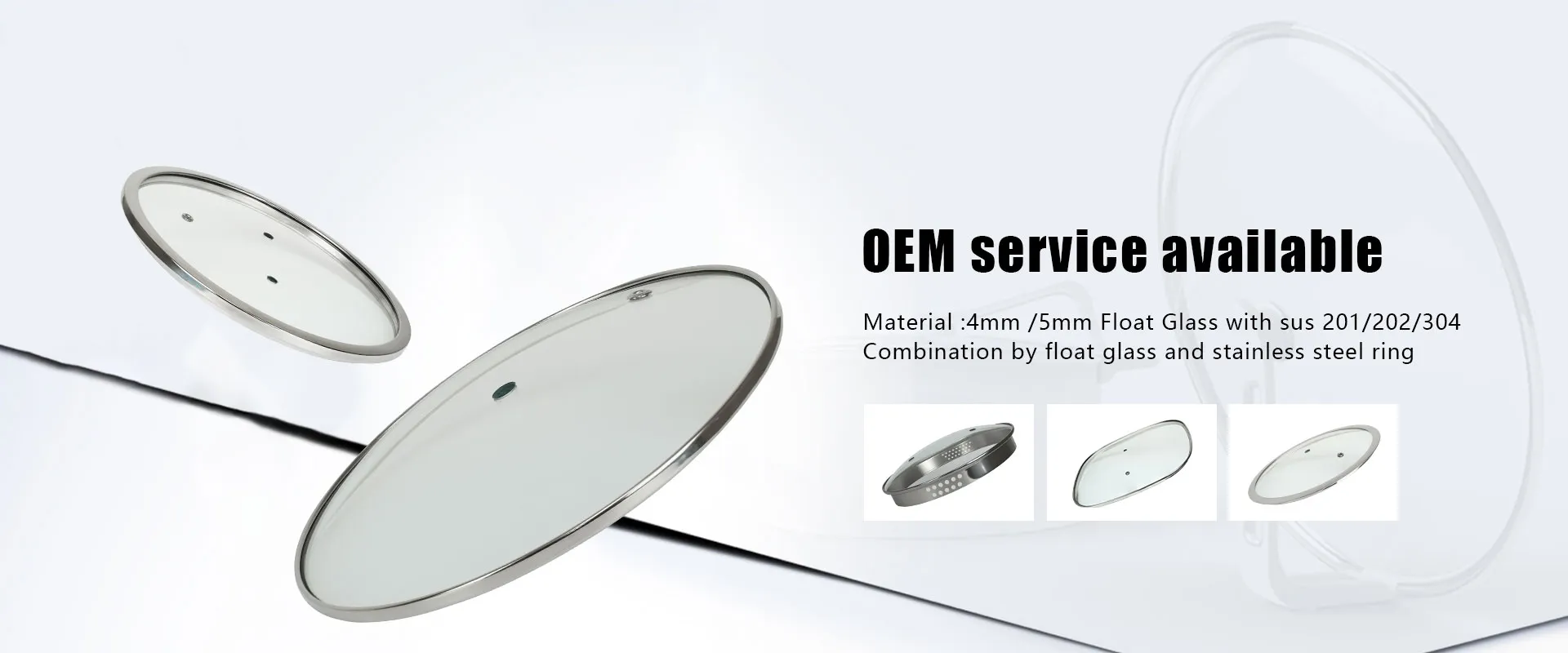
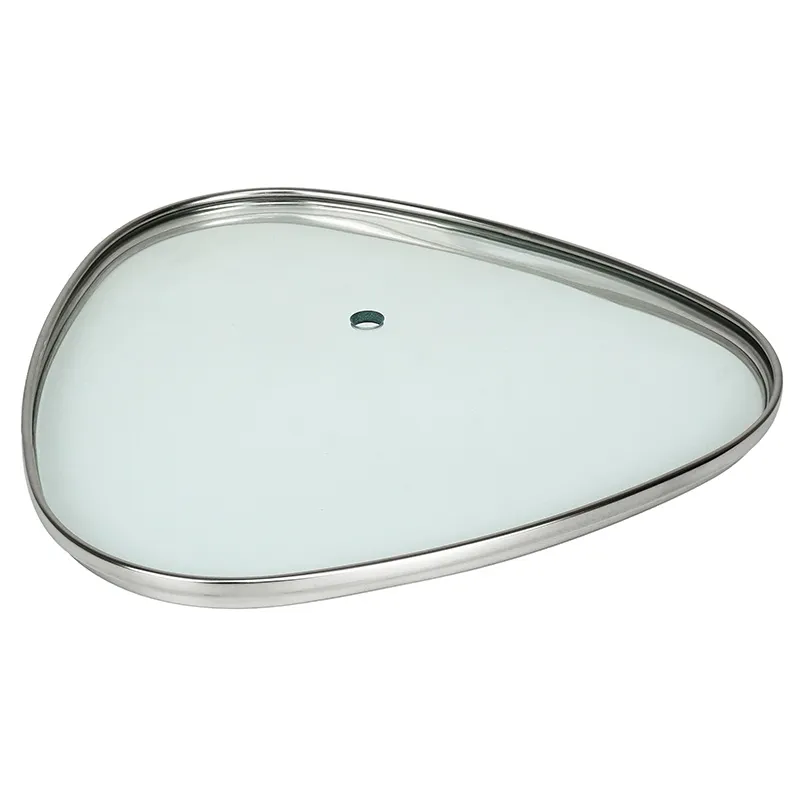
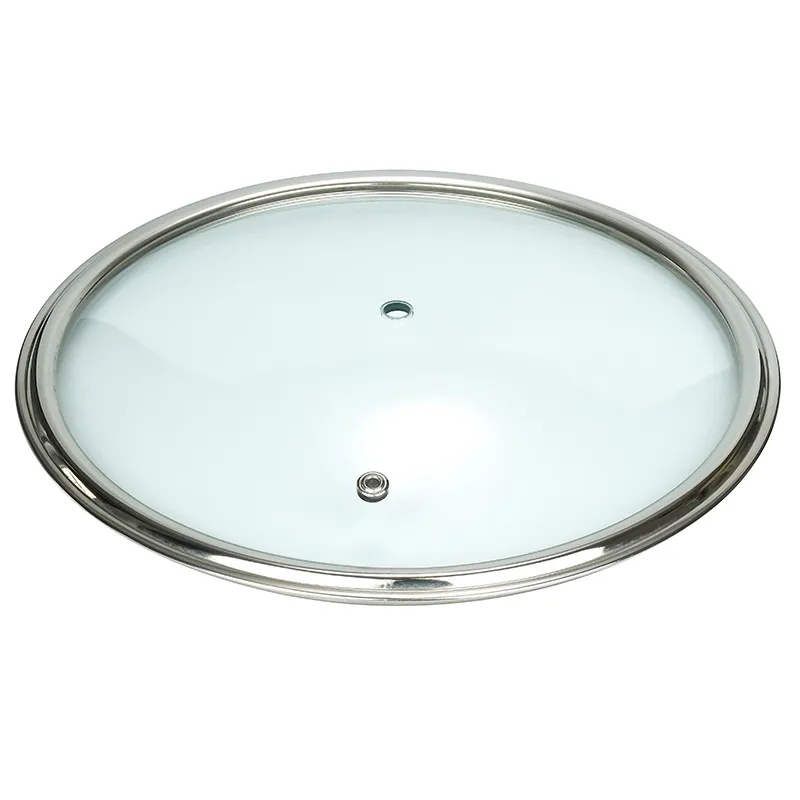
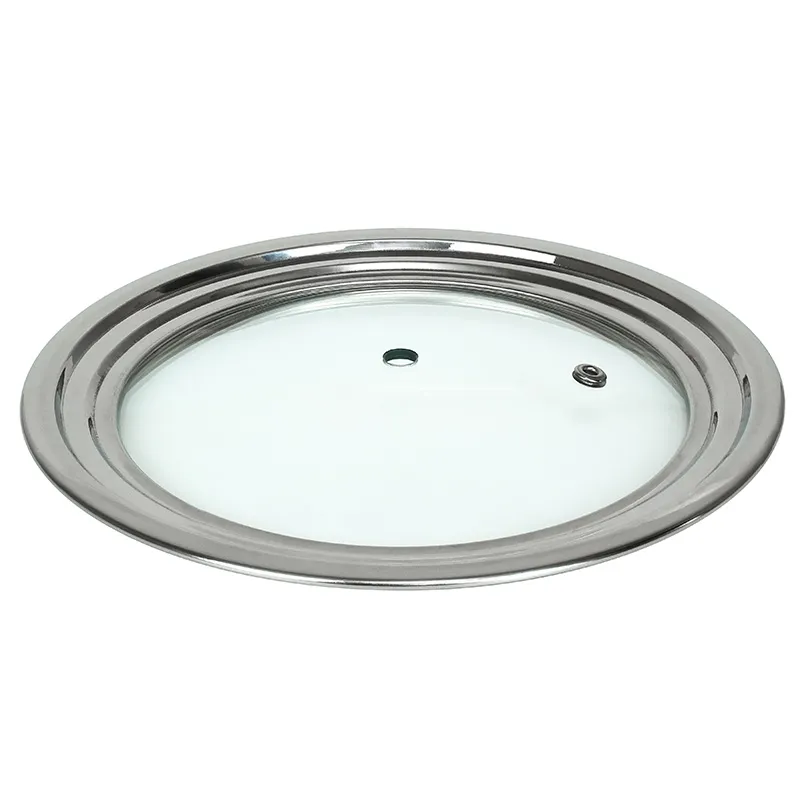
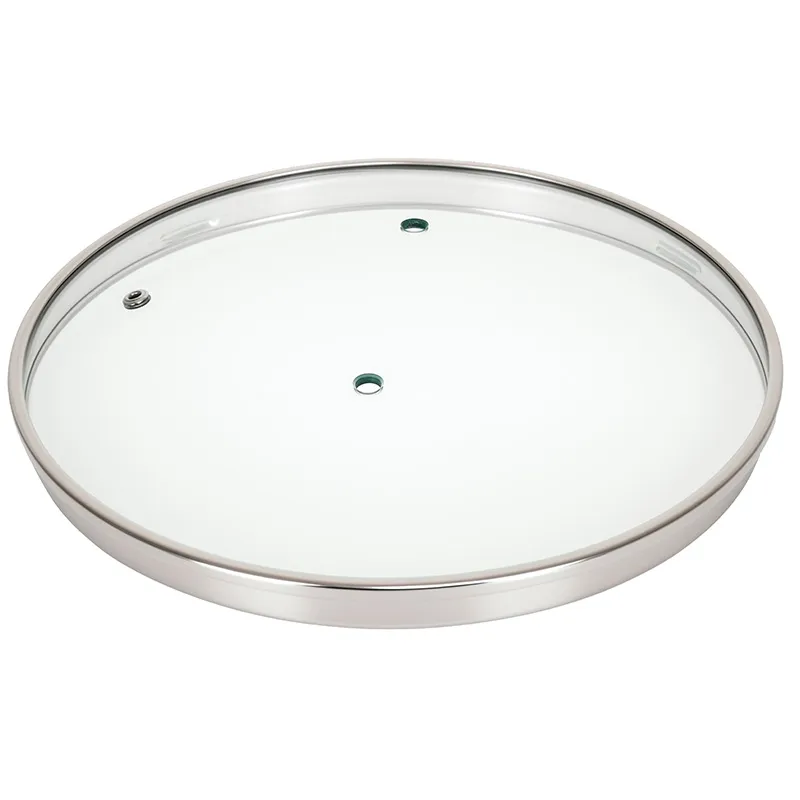
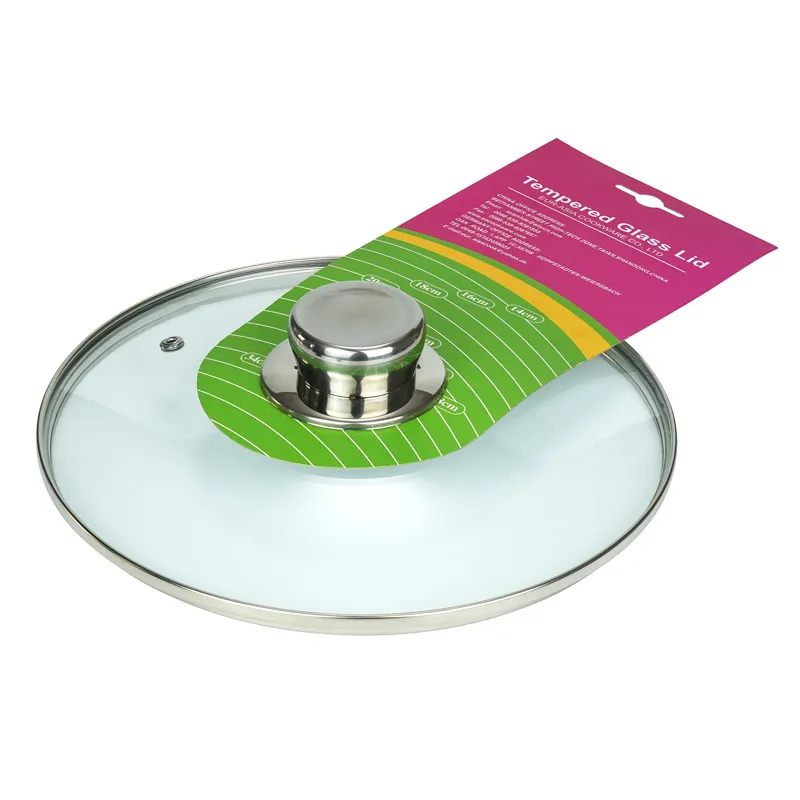
dome glass lid
When you hear 'dome glass lid', the immediate image is often just a clear top for a pot. That's the first misconception. It's not merely a passive cover; it's a critical component that dictates moisture retention, heat distribution, and even the success of a braise. Many think any tempered glass will do, but the curvature, the thickness at the rim versus the apex, and the fit tolerance—these are where the real engineering hides. I've seen too many projects stumble by treating it as an afterthought.
The Geometry of Steam and Sight
The dome isn't arbitrary. A shallow dome does little. A high, pronounced dome creates a larger internal volume for steam to circulate and condense, basting the food more effectively. But go too high, and you risk instability and increased thermal stress on the glass. We learned this through a series of failed thermal shock tests for a European client. Their design was aesthetically perfect but the steep angle from the rim created a weak point. Every single lid in the batch cracked at 220°C when cold water was sprinkled. Back to the drawing board.
That's where the specs from a dedicated manufacturer matter. I recall reviewing the production capabilities at EUR-ASIA COOKWARE CO.,LTD. Their focus on tempered glass lids shows in the details. They understand that for a dome glass lid destined for the European market, the curvature radius needs to align with common pot diameters and depth standards. It's not just making a bubble; it's matching a culinary ecosystem.
The clarity of the glass is another under-sung hero. It's not about being 'see-through'. It's about providing a distortion-free view of the simmering point without having to lift the lid and lose heat. A poor-quality lid will have optical waves that make judging a rolling boil versus a gentle simmer nearly impossible. You end up guessing, which defeats half the purpose.
Material and Tempering: The Invisible Line
All tempered glass is not created equal. The base glass composition affects its thermal expansion coefficient. Then comes the tempering process. The goal is to create uniform compressive stress on the surface. An uneven temper, which can happen if the heating is inconsistent or the quenching air flow isn't perfectly calibrated, leads to spontaneous breakage—the kind where a lid just shatters on the stove one day.
EUR-ASIA COOKWARE mentions an annual output of over 15 million pieces. That volume suggests a highly automated tempering line. The consistency required for that scale, especially exporting to markets like Germany and Japan known for rigorous safety standards, implies a serious investment in process control. A lid that passes a 300°C to 20°C thermal shock test reliably is a product of that control.
I've handled lids where the tempering was too strong. They were incredibly resistant to impact, but the internal stress was so high that any minute chip on the edge, something that can happen during shipping or handling, became a focal point for the entire lid to explode. It's a balance. The temper must be robust yet forgiving. The rim, often ground smooth after tempering, is a critical area. A sharp edge is a fracture initiator waiting for a tiny knock.
The Fit: Where Theory Meets the Pot
This is the most common point of failure in practice. A lid can be perfectly tempered, beautifully domed, and optically clear, but if it doesn't sit right on the pot, it's useless. The industry talks about 'diameter tolerance', but it's more nuanced. It's about the contact angle of the rim. A flat rim on a curved pot top will rock. A slightly beveled rim can create a seal that's just right—not airtight (which you don't want for most cooking), but vapor-tight enough.
We once sourced a batch of dome glass lids for a line of stainless steel casseroles. The diameters matched on paper. But the supplier had used a standard rim profile, while our pot had a very slight inward roll on the top edge. The result was a persistent, faint rattle during simmering. Customers noticed. They perceived it as 'cheap' or 'ill-fitting'. The lesson was profound: you must provide the pot's exact lip profile to the lid maker, or better yet, work with a maker who can engineer the rim to match.
Looking at the export list of EUR-ASIA COOKWARE—Germany, Italy, France, Poland—these are markets with entrenched cookware brands, each with their own subtle profiles. Supplying them means having the tooling and flexibility to adapt rim designs. It's a detail that separates a commodity supplier from a solutions partner.
Handles, Knobs, and the Human Touch
The glass itself is one thing; how you attach the handle is another world of problems. The knob must withstand oven temperatures, resist torque when a user twists it to adjust the lid, and remain cool enough to touch. The bonding material—usually a high-temp silicone or a mechanical metal clamp—is a potential failure point.
Metal clamp-on knobs are reliable but cost more. They can also create a thermal bridge, making the knob hotter. Silicone-bonded knobs are cleaner looking but have a lifespan. I've seen silicone degrade and discore after years of dishwasher cycles and high heat, leading to the knob loosening. The best designs I've seen use a small, stainless steel clamp that's then overmolded with a phenolic or other heat-resistant resin. It's expensive, but it lasts.
For a high-volume producer, standardizing the knob attachment process is key. It's a manual or semi-automated step that greatly affects quality. A misaligned clamp can stress the glass. Too much adhesive can ooze out and be visible. It's these finishing touches that often get flagged in final quality inspection before shipment to, say, Switzerland or Denmark.
From Factory to Stove: The Real-World Test
Ultimately, all the specs and tests converge in a home kitchen. The user doesn't care about tempering curves. They care if it's heavy or light, if it's easy to clean, if it doesn't stain, and if it survives being dropped into a sink. The weight of a dome glass lid is interesting. A heavier lid sits more securely and theoretically seals better. But a very heavy, thick glass lid becomes cumbersome, especially for larger diameters. It's a trade-off.
Cleaning is huge. A good lid should have a surface that resists clouding from hard water and mineral deposits. Some cheaper lids develop a permanent haze after a few months in areas with hard water. The glass composition and the quality of the surface polishing affect this. A lid that stays clear after hundreds of dishwasher cycles is a well-made lid.
Finally, there's the unsung test: the accidental 'clink'. When a user sets the lid down on a granite countertop or taps it against the pot. The sound it makes—a clear, high-pitched ring versus a dull thud—subconsciously signals quality. It's a tiny detail, but it speaks to the integrity of the tempering. A well-tempered lid has a distinctive, resonant sound. It's one of the first things I check when evaluating a sample. You can learn a lot just by listening to it.
Related Products
Related Products