- Chinese
- French
- German
- Portuguese
- Spanish
- Russian
- Japanese
- Korean
- Arabic
- Irish
- Greek
- Turkish
- Italian
- Danish
- Romanian
- Indonesian
- Czech
- Afrikaans
- Swedish
- Polish
- Basque
- Catalan
- Esperanto
- Hindi
- Lao
- Albanian
- Amharic
- Armenian
- Azerbaijani
- Belarusian
- Bengali
- Bosnian
- Bulgarian
- Cebuano
- Chichewa
- Corsican
- Croatian
- Dutch
- Estonian
- Filipino
- Finnish
- Frisian
- Galician
- Georgian
- Gujarati
- Haitian
- Hausa
- Hawaiian
- Hebrew
- Hmong
- Hungarian
- Icelandic
- Igbo
- Javanese
- Kannada
- Kazakh
- Khmer
- Kurdish
- Kyrgyz
- Latin
- Latvian
- Lithuanian
- Luxembou..
- Macedonian
- Malagasy
- Malay
- Malayalam
- Maltese
- Maori
- Marathi
- Mongolian
- Burmese
- Nepali
- Norwegian
- Pashto
- Persian
- Punjabi
- Serbian
- Sesotho
- Sinhala
- Slovak
- Slovenian
- Somali
- Samoan
- Scots Gaelic
- Shona
- Sindhi
- Sundanese
- Swahili
- Tajik
- Tamil
- Telugu
- Thai
- Ukrainian
- Urdu
- Uzbek
- Vietnamese
- Welsh
- Xhosa
- Yiddish
- Yoruba
- Zulu
- Kinyarwanda
- Tatar
- Oriya
- Turkmen
- Uyghur


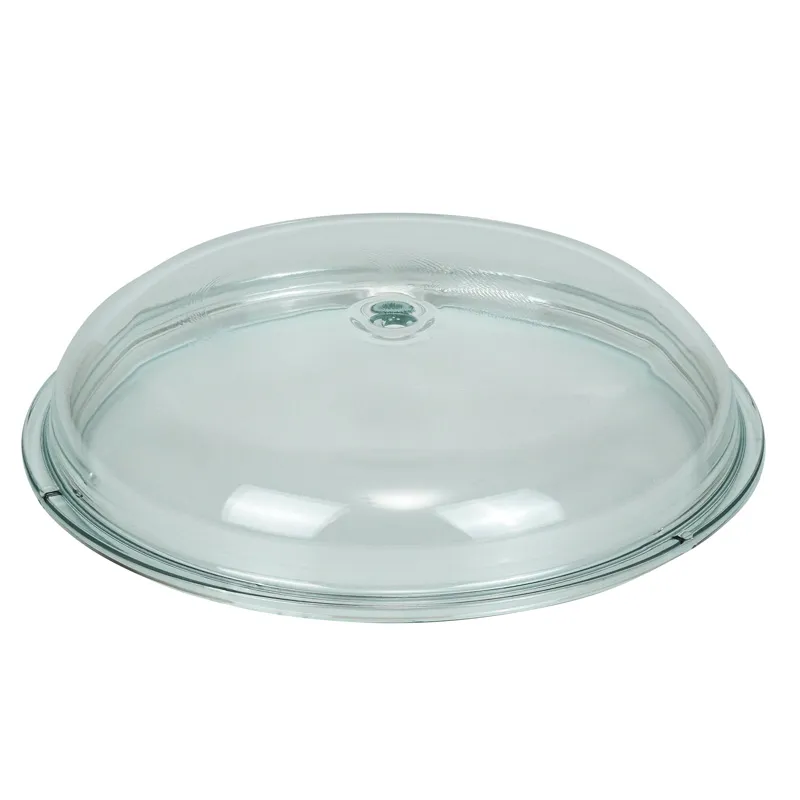
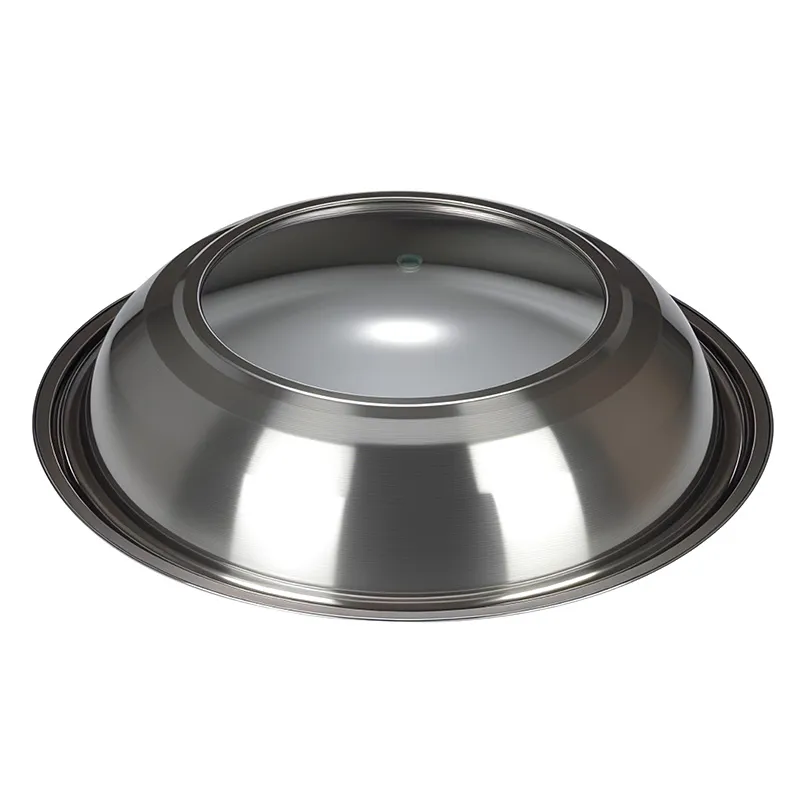
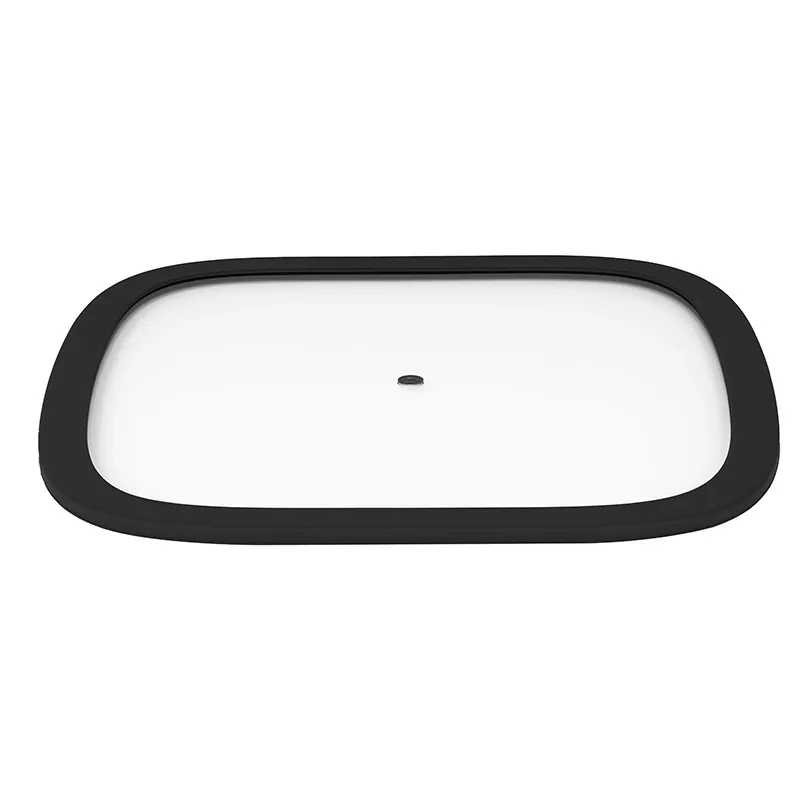
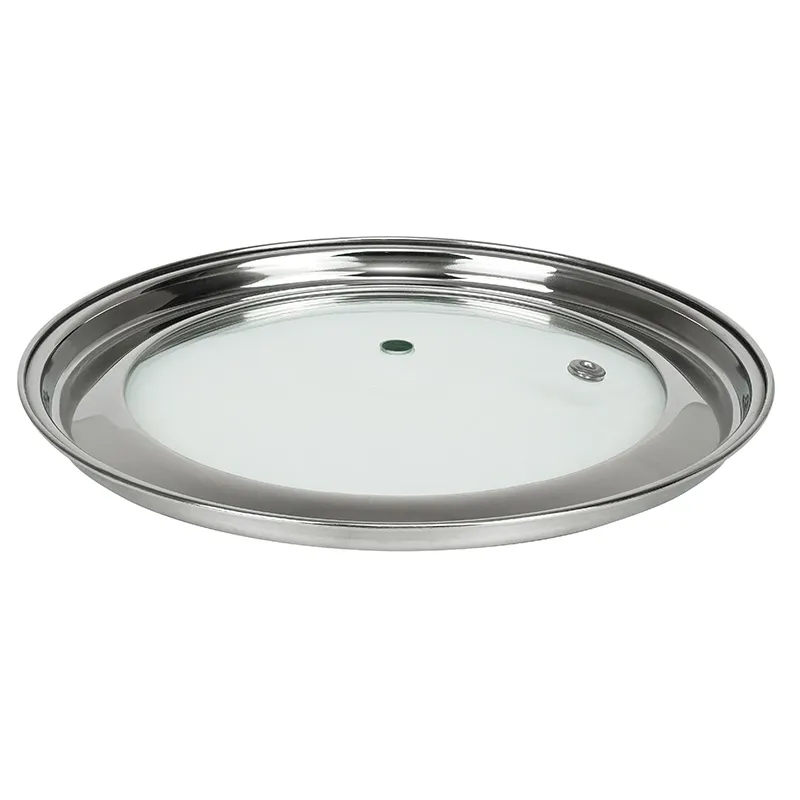
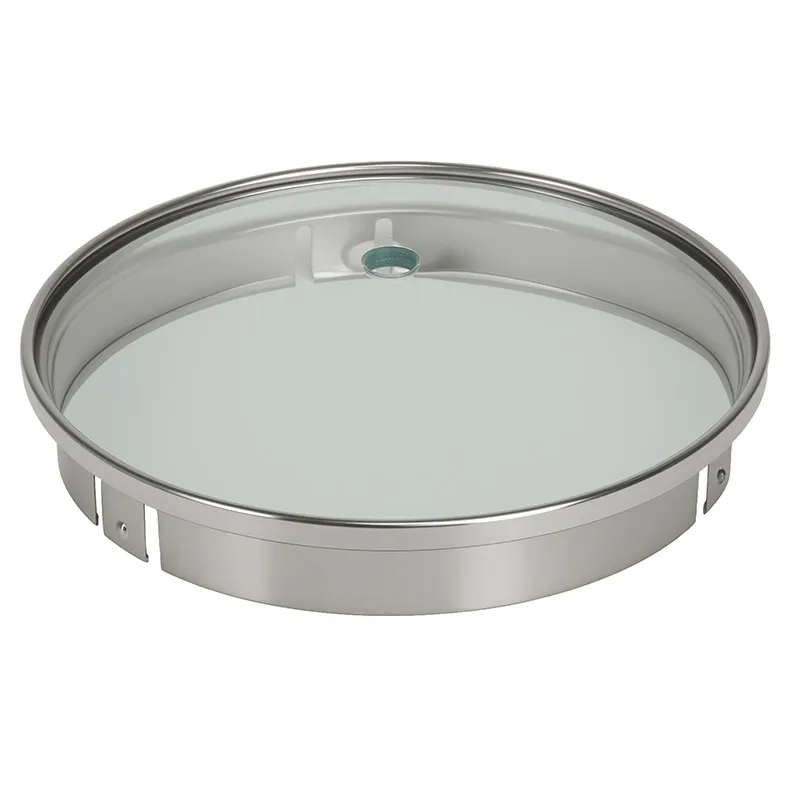
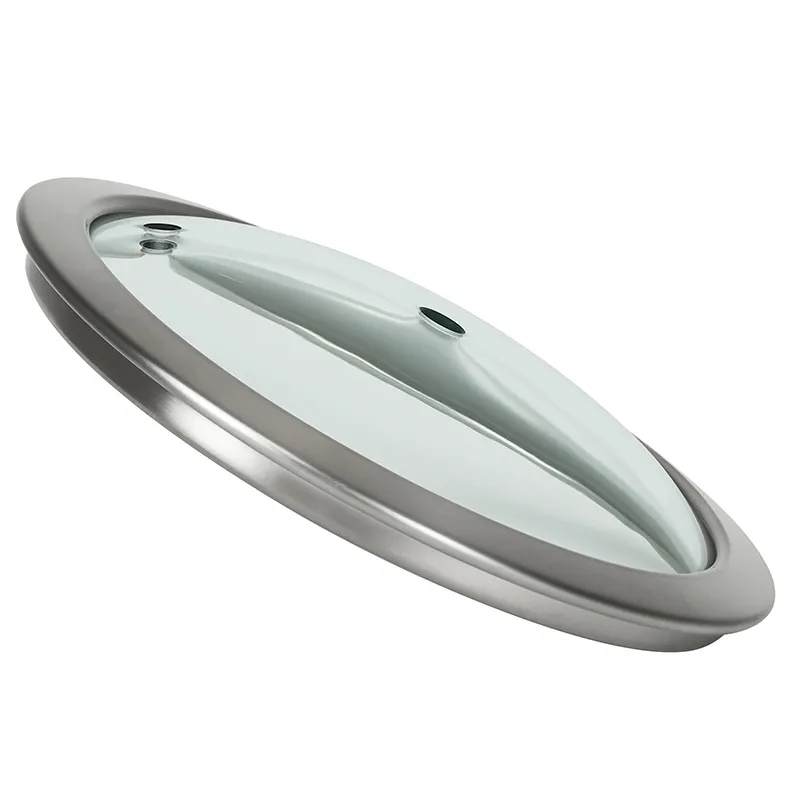
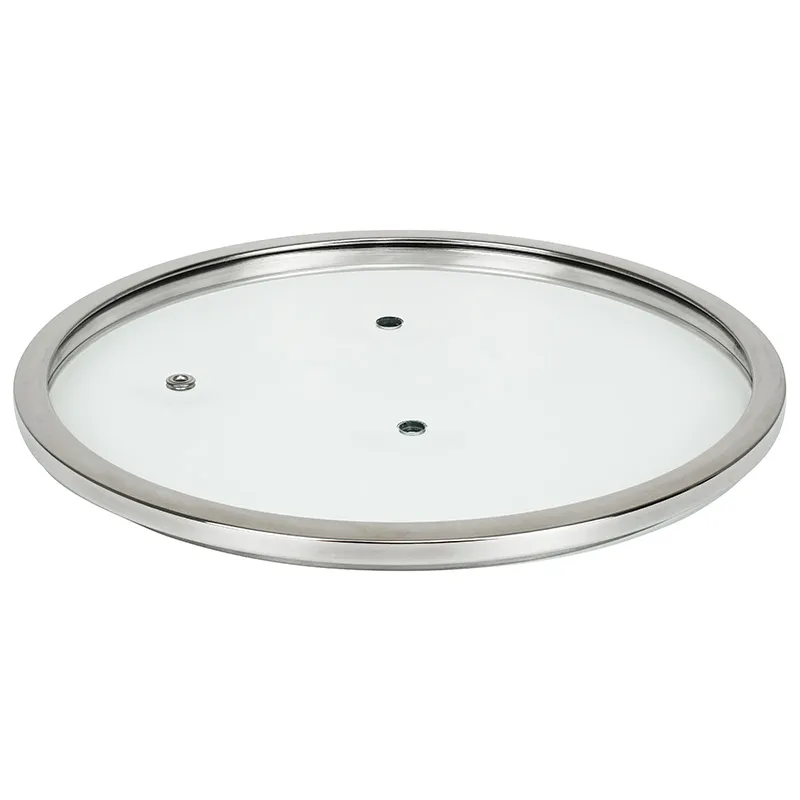
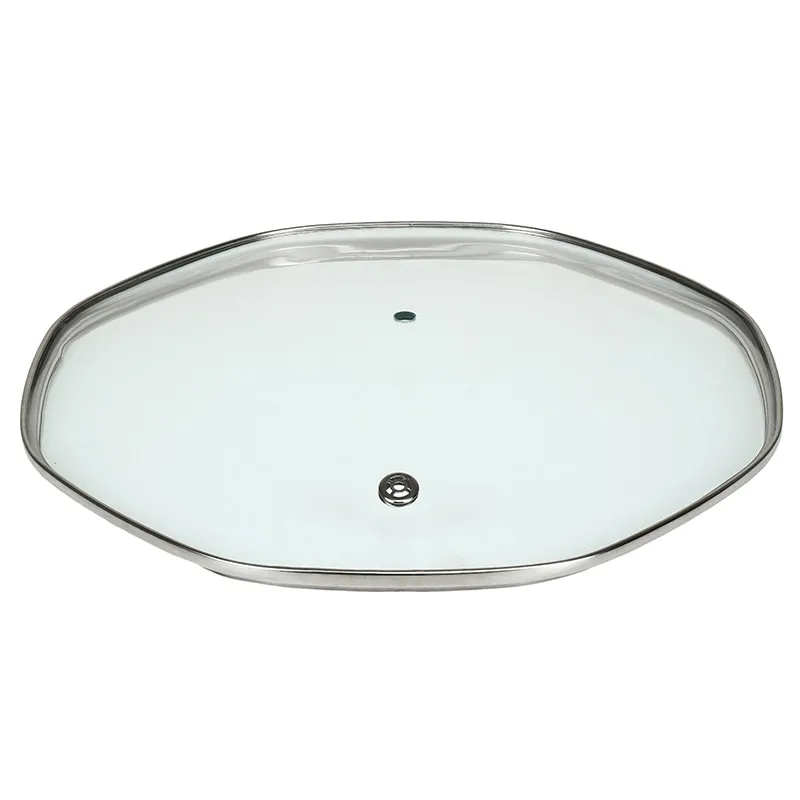
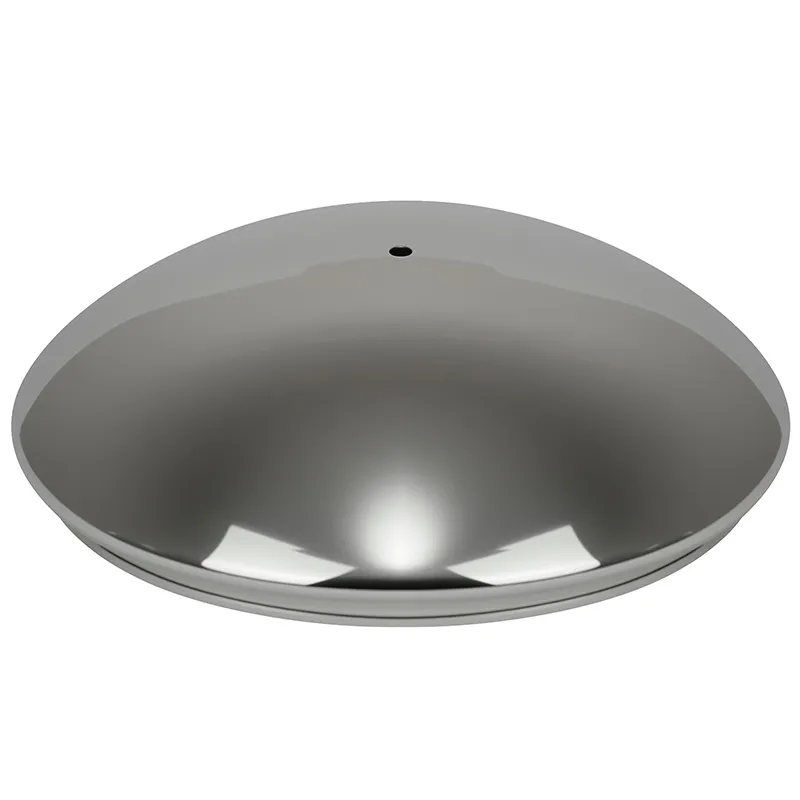
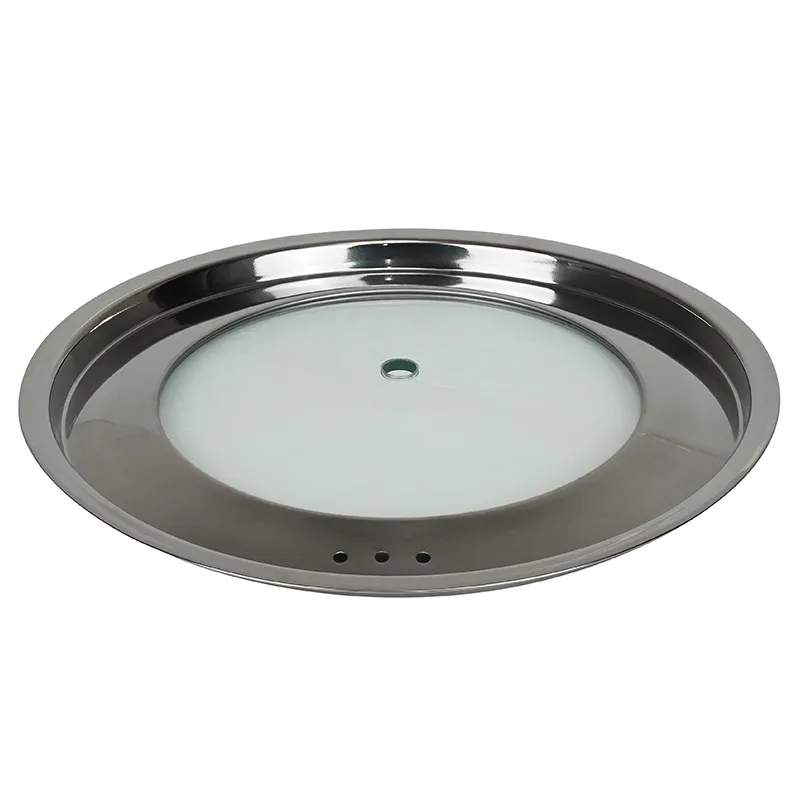
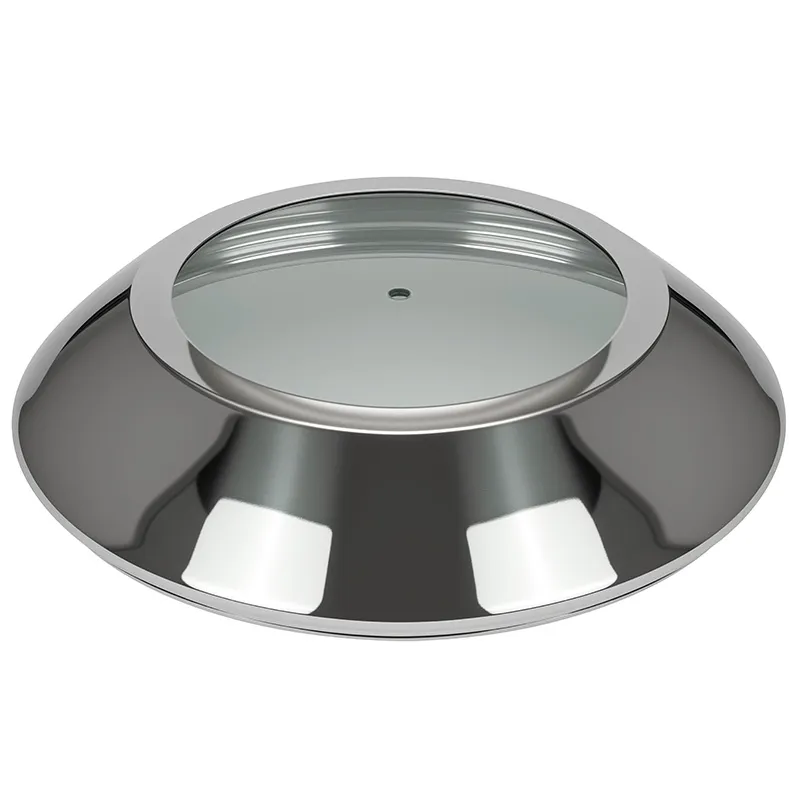
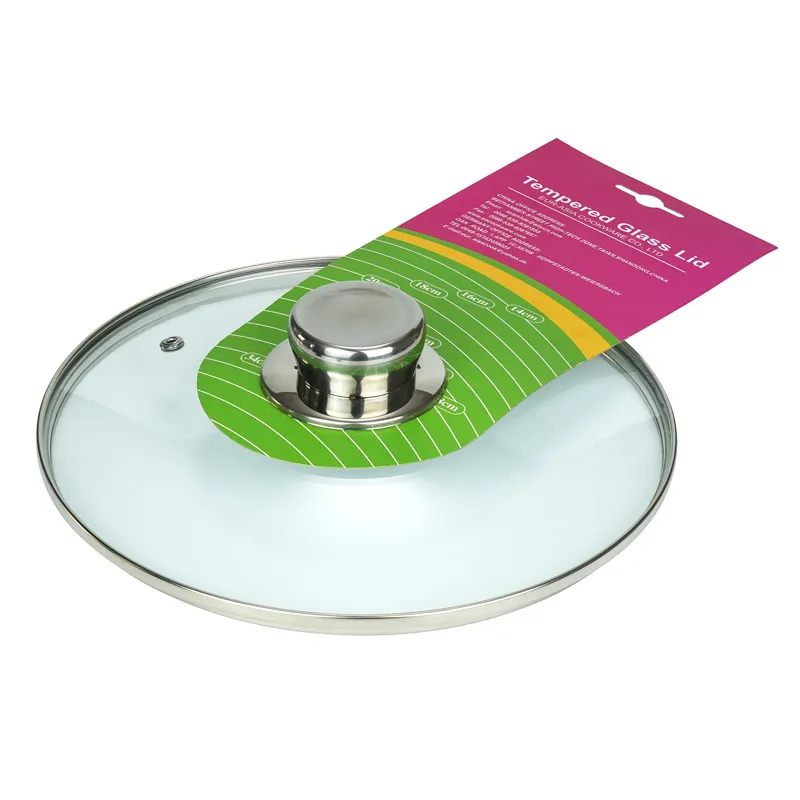
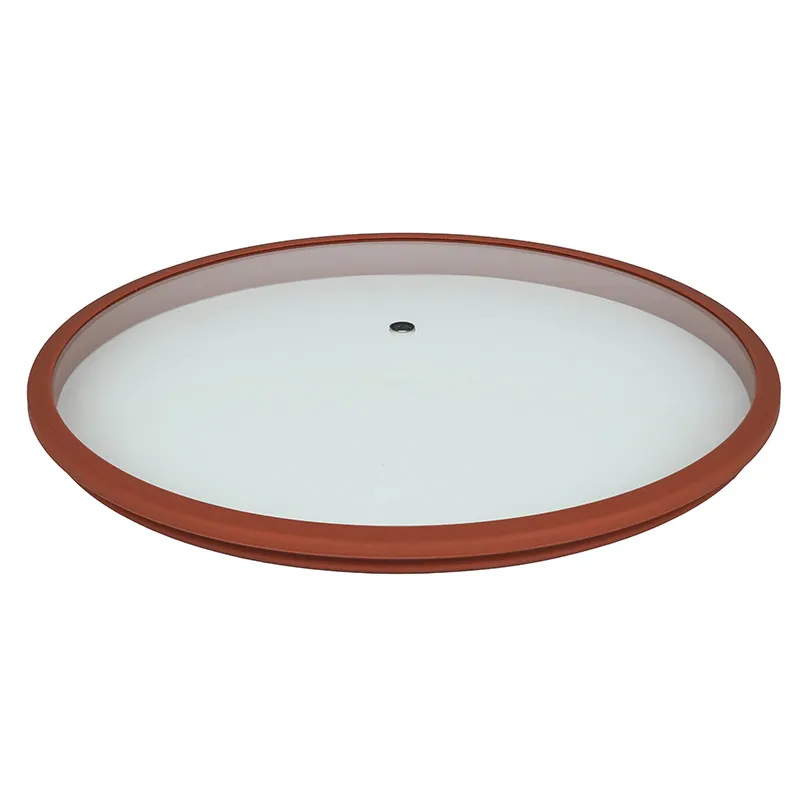
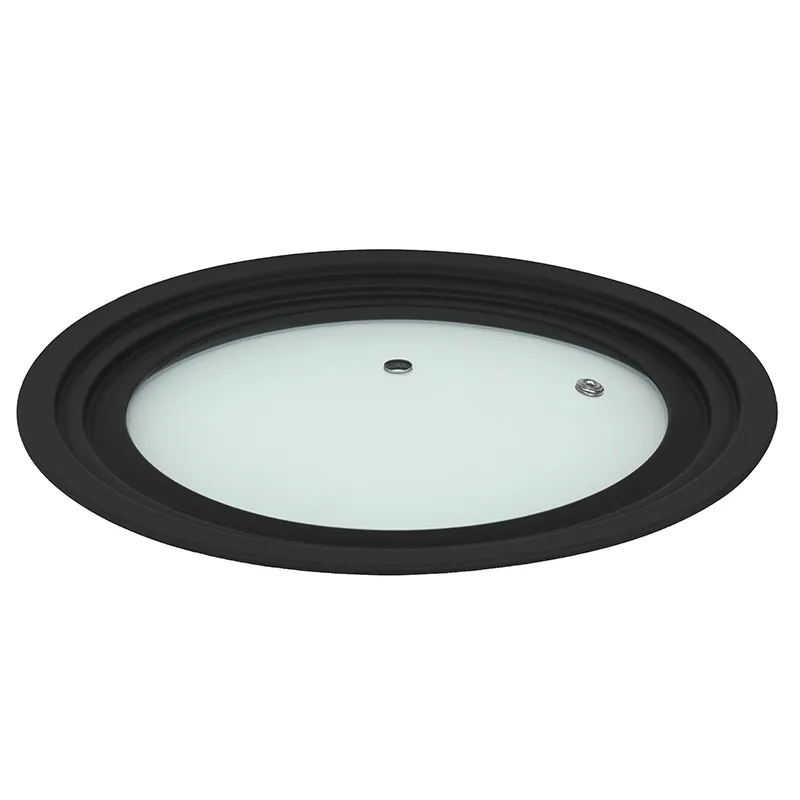
dome silicone glass cover
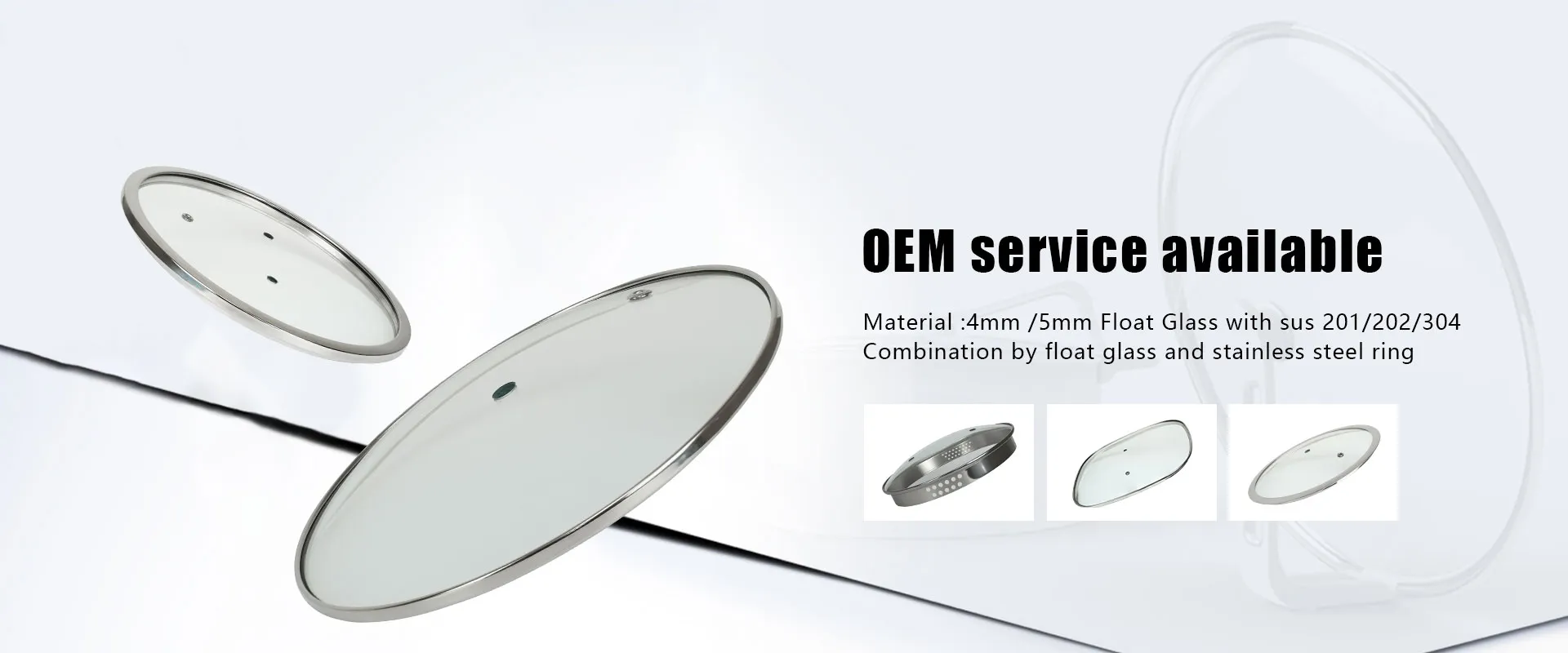
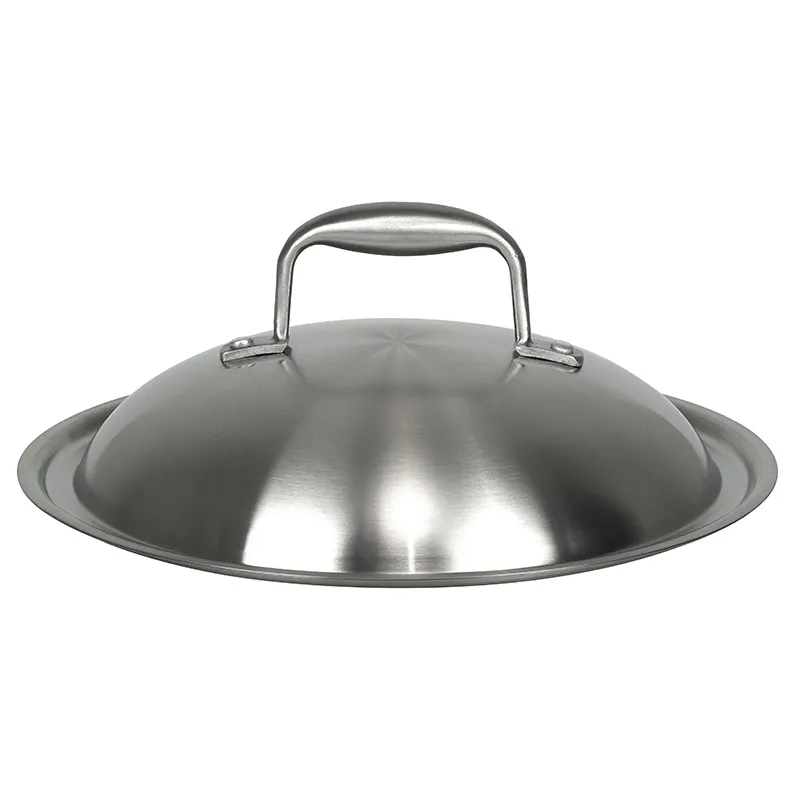
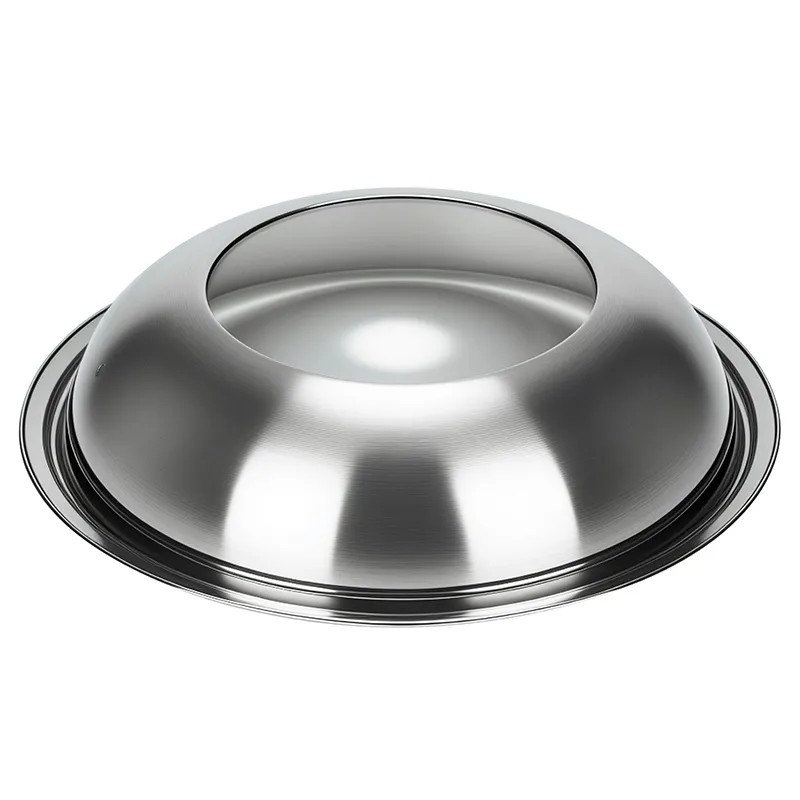
When you hear 'dome silicone glass cover', most think it's just a fancy lid. That's the first mistake. In reality, it's a specific solution for a specific problem: bridging the gap between a standard flat glass lid and a domed, often metal, steamer or stockpot. The 'dome' part is critical—it's not just a shape, it's about accommodating food volume and steam circulation. The silicone isn't just a gimmick for sealing; it's the shock absorber and the thermal expansion joint. I've seen too many buyers, even some manufacturers, treat it as a simple composite product, leading to failures in thermal shock resistance or poor fit. The real challenge is getting the tempering of the glass, the durometer of the silicone, and the curvature of the dome to work in concert. It's not as straightforward as slapping a silicone ring on a bent piece of glass.
The Anatomy of a Functional Dome Cover
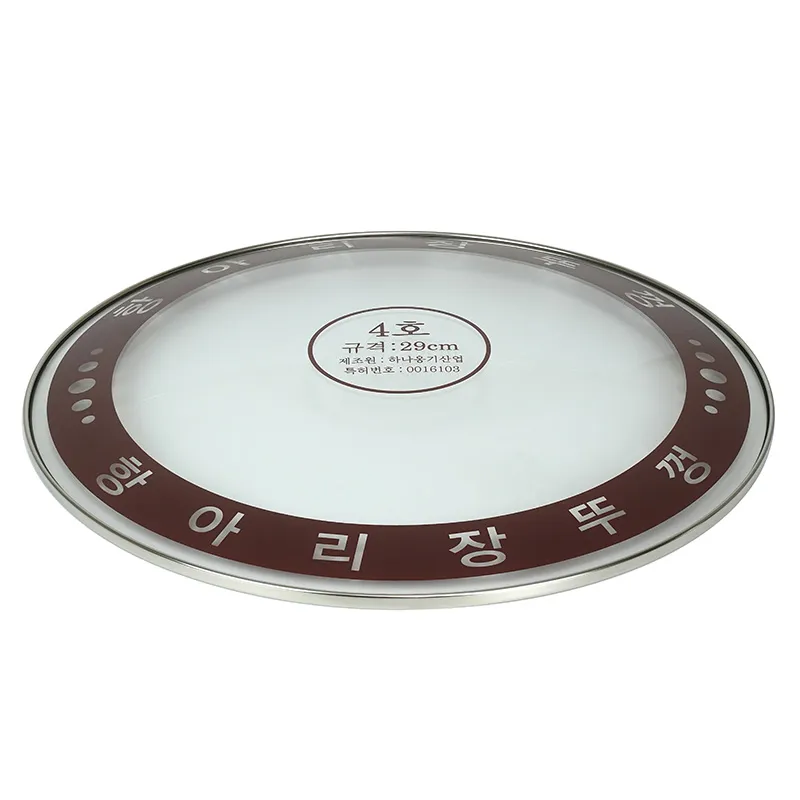
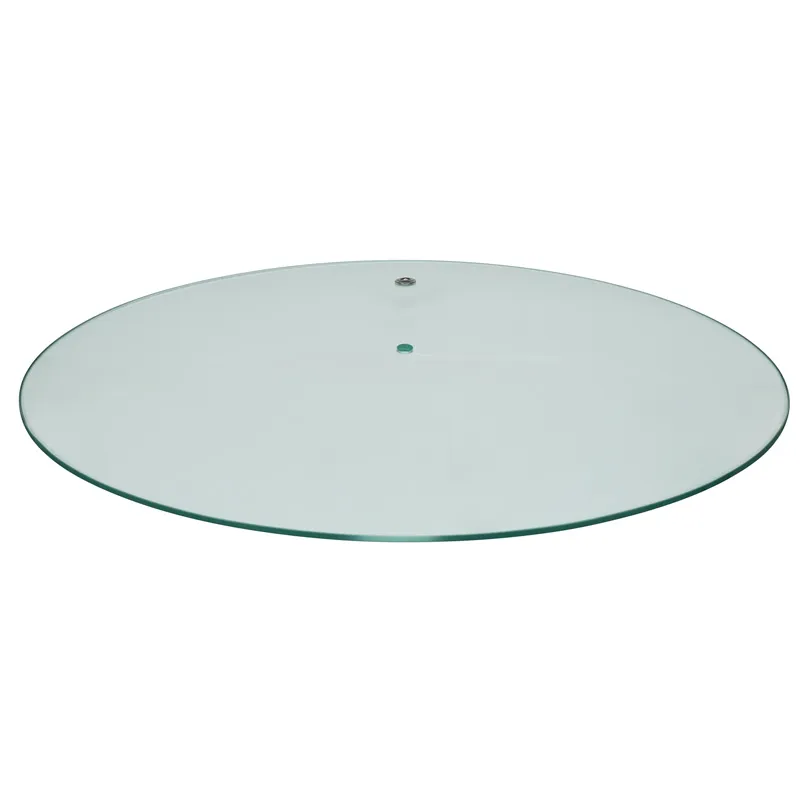
Let's break it down. The glass core is almost always tempered, for safety and thermal stress reasons. But for a dome, the tempering process is trickier. You're dealing with a curved surface, which can create uneven stress patterns if the quenching isn't perfectly uniform. I recall a batch from a supplier a few years back where the failure rate in cold-to-hot shock tests was nearly 30%. The issue? Inconsistent air flow during quenching on the curved surface, leading to weak spots. The glass has to be strong enough to handle the dome's structural load—a large, flat lid is under less tension. This is where a specialized producer makes a difference. A company like EUR-ASIA COOKWARE CO.,LTD, with their stated annual output of over 15 million tempered glass lids, likely has the jigs and furnace profiles dialed in for consistent curved tempering. Their production scale suggests they've iterated through these engineering challenges.
The silicone component is another beast. It's not just a seal; it's the primary interface with the pot's rim. The hardness (Shore A) needs to be just right—too soft, and it deforms under heat, losing its seal and potentially slipping off. Too hard, and it doesn't conform to minor imperfections in the pot's rim, again breaking the seal. The silicone also has to be food-grade and high-temp stable, resisting degradation and odor transfer over repeated use. I've tested covers where the silicone started to develop a slight tackiness after 50 or so dishwasher cycles, a sign of material breakdown. The bonding between the silicone and the glass is the most common point of failure. A proper mechanical interlock, often a groove in the glass edge that the silicone is vulcanized or bonded into, is non-negotiable. A simple glued-on ring will separate.
Then there's the fit. The term 'universal' is often a compromise. A true well-designed dome silicone glass cover will specify a range of rim diameters it's designed for, say 24cm to 28cm. The silicone's flexibility allows for this range, but the dome's height and curvature must be calculated to ensure it doesn't sit too high (becoming unstable) or too low (touching the food) across that range. I've had to send back samples because the dome height was calculated for a 24cm pot, and when used on a 28cm pot, the silicone was stretched so thin it provided almost no clamping force. It's a geometry puzzle.
Practical Pitfalls and Field Observations
In a commercial kitchen or even for serious home cooks, the handling is key. A large dome cover can be awkward. The silicone edge should provide enough grip, especially when wet. Some designs add small silicone tabs or handles, which are invaluable. Without them, you're fumbling with a hot, smooth, curved surface. Another observation: condensation management. On a perfectly sealing flat lid, water drips down the sides. On a dome, it runs to the center and drips off the apex inside, which can sometimes lead to sogginess if it's dripping directly back onto a roast, for instance. Some high-end designs subtly texture the interior apex to break up the water droplet and disperse the drip. It's a small detail that shows deep user insight.
Durability in real-world abuse is the final test. It's not just about surviving the oven or dishwasher. It's about surviving being knocked against a sink, stacked with other pots, or stored with weight on it. The tempered glass, if done right, is incredibly tough against impacts. But I've seen the silicone edge get pinched and torn during storage if not designed with a protective lip. Also, the color of the silicone matters for perception. Clear or light silicone shows stains from turmeric or tomato sauce over time, which users interpret as uncleanliness, even if it's just cosmetic. Darker shades like black or gray are more practical from a maintenance perception standpoint.
Looking at the export focus of a manufacturer like EUR-ASIA COOKWARE, whose products go to markets like Germany, Japan, and Switzerland, tells you something. These are markets with high standards for material safety, precision fit, and durability. A dome silicone glass cover destined for Germany likely has to pass stringent LFGB or similar compliance tests for food contact and thermal shock. This external pressure forces a higher baseline quality than for less regulated markets. Their website, https://www.glass-lid.com, positions them in the low-to-high level household product spectrum, which aligns with this—they're likely producing both cost-optimized and premium versions of these covers, with the key differences lying in the silicone quality, tolerance control, and perhaps additional features like stainless steel handles or reinforced bonding.
The Manufacturing Reality Check
Visiting factories that make these, you see the bottlenecks. The tempering line for curved glass is a significant capital investment. Not every glass lid factory has one. Many source pre-tempered curved glass blanks, which adds cost and reduces control. Then, the silicone molding and bonding station is often semi-automated. Workers place the glass dome into a mold, the liquid silicone is injected, and it's cured. The skill is in the mold design to ensure no bubbles and perfect adhesion. A facility with 15,000㎡ of building area and 90+ employees, as EUR-ASIA notes, has the scale to dedicate lines to this specific product type, which generally improves consistency.
One failure mode I've witnessed firsthand is called silicone pull-away. After repeated thermal cycles, the differential expansion between the glass and the silicone can cause the bond to weaken, and the silicone starts to detach, usually at the point of greatest curvature stress. The fix is either a better bonding agent/primer system or a redesign of the mechanical lock. It's a problem that might not show up in initial quality checks but appears after months of use. This is the kind of issue a long-term supplier to the EU market would have had to solve to avoid returns.
Another point is packaging. A dome cover is fragile and bulky. It requires custom foam or cardboard inserts to prevent contact during shipping. Poor packaging leads to breakage, not from drops, but from vibration during transit causing glass-to-glass contact in the carton. Any supplier exporting 90% of their output globally has to have mastered this logistics challenge. The cost of a broken lid is not just the product, but the entire shipping cost and relationship hit.
Where the Market is Heading
The trend I'm seeing is integration. The dome silicone glass cover is no longer just a passive lid. Some now incorporate a steam vent with a adjustable silicone plug, which is brilliant for controlling braising liquid reduction. Others have integrated spoon rests or temperature sensor ports. The challenge with adding features is it complicates the manufacturing, introduces new potential failure points (like a leaky vent), and increases cost. But for the high-end segment, it's a way to add value.
Material innovation is slow but present. Some are experimenting with co-polyester or reinforced tritan for the transparent part instead of glass, claiming better impact resistance. However, they often sacrifice some heat resistance and that premium, heavy feel that glass provides. The silicone side is seeing more use of platinum-cure silicone for even higher purity and temperature stability, though at a cost premium. For a company focused on a broad market range, offering both standard and premium material tiers is a smart strategy.
Ultimately, a good dome silicone glass cover feels like a single, cohesive tool, not two materials stuck together. When you pick it up, the weight distribution feels right. When you place it on a pot, it settles with a quiet, confident sigh, not a clatter. It seals well enough to contain splatters but might allow a wisp of steam to escape, telling you what's happening inside. It's a piece that, when done right, becomes indispensable. And getting it right is a testament to a manufacturer's understanding of materials, ergonomics, and real cooking processes—something that's only earned through volume, iteration, and responding to tough international market feedback, much like the trajectory you'd infer from a specialized exporter like EUR-ASIA COOKWARE.
Related Products
Related Products