- Chinese
- French
- German
- Portuguese
- Spanish
- Russian
- Japanese
- Korean
- Arabic
- Irish
- Greek
- Turkish
- Italian
- Danish
- Romanian
- Indonesian
- Czech
- Afrikaans
- Swedish
- Polish
- Basque
- Catalan
- Esperanto
- Hindi
- Lao
- Albanian
- Amharic
- Armenian
- Azerbaijani
- Belarusian
- Bengali
- Bosnian
- Bulgarian
- Cebuano
- Chichewa
- Corsican
- Croatian
- Dutch
- Estonian
- Filipino
- Finnish
- Frisian
- Galician
- Georgian
- Gujarati
- Haitian
- Hausa
- Hawaiian
- Hebrew
- Hmong
- Hungarian
- Icelandic
- Igbo
- Javanese
- Kannada
- Kazakh
- Khmer
- Kurdish
- Kyrgyz
- Latin
- Latvian
- Lithuanian
- Luxembou..
- Macedonian
- Malagasy
- Malay
- Malayalam
- Maltese
- Maori
- Marathi
- Mongolian
- Burmese
- Nepali
- Norwegian
- Pashto
- Persian
- Punjabi
- Serbian
- Sesotho
- Sinhala
- Slovak
- Slovenian
- Somali
- Samoan
- Scots Gaelic
- Shona
- Sindhi
- Sundanese
- Swahili
- Tajik
- Tamil
- Telugu
- Thai
- Ukrainian
- Urdu
- Uzbek
- Vietnamese
- Welsh
- Xhosa
- Yiddish
- Yoruba
- Zulu
- Kinyarwanda
- Tatar
- Oriya
- Turkmen
- Uyghur

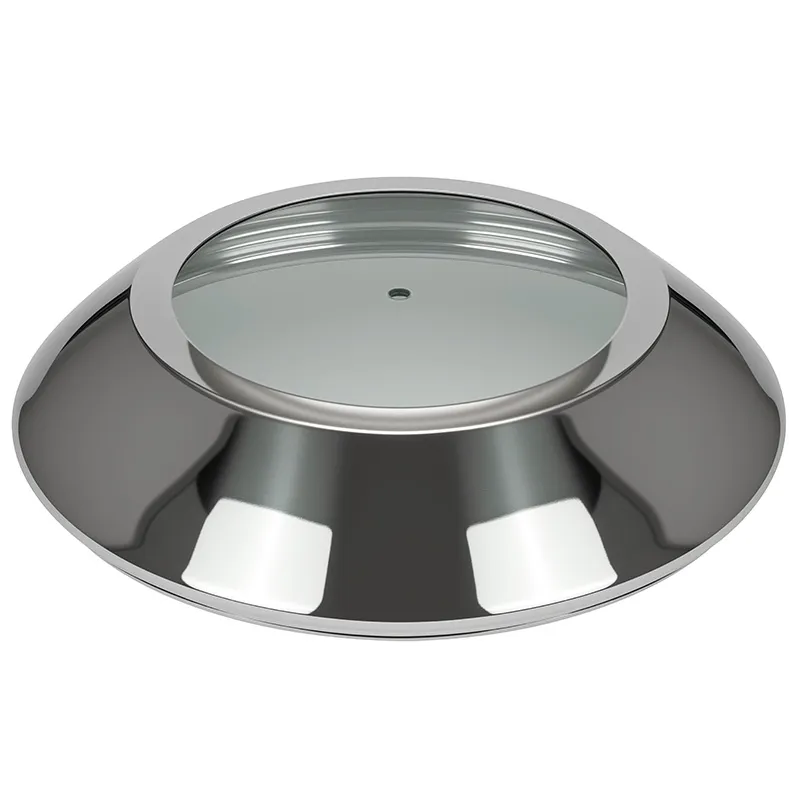
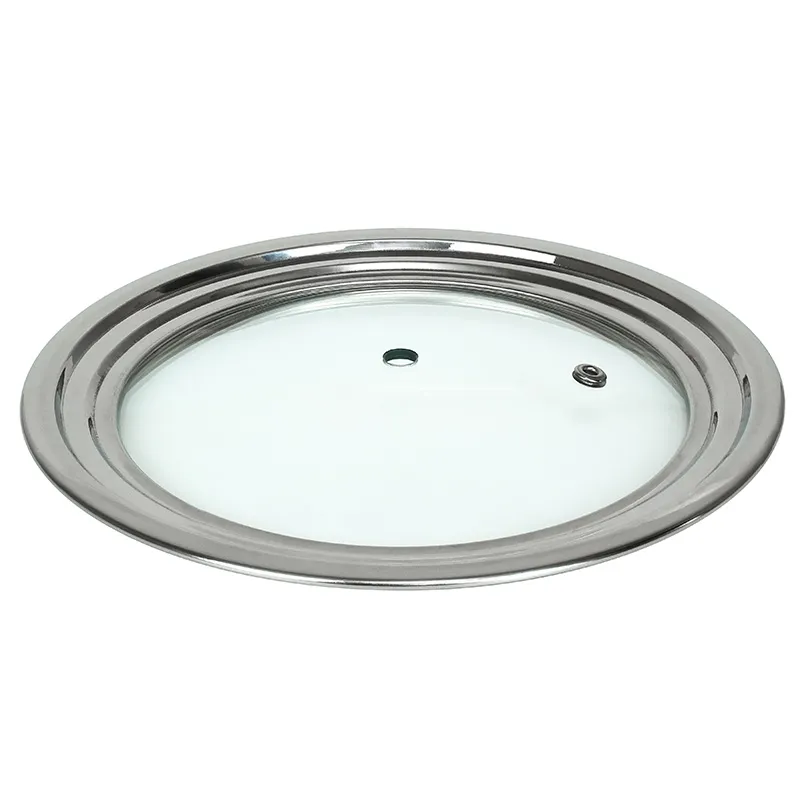
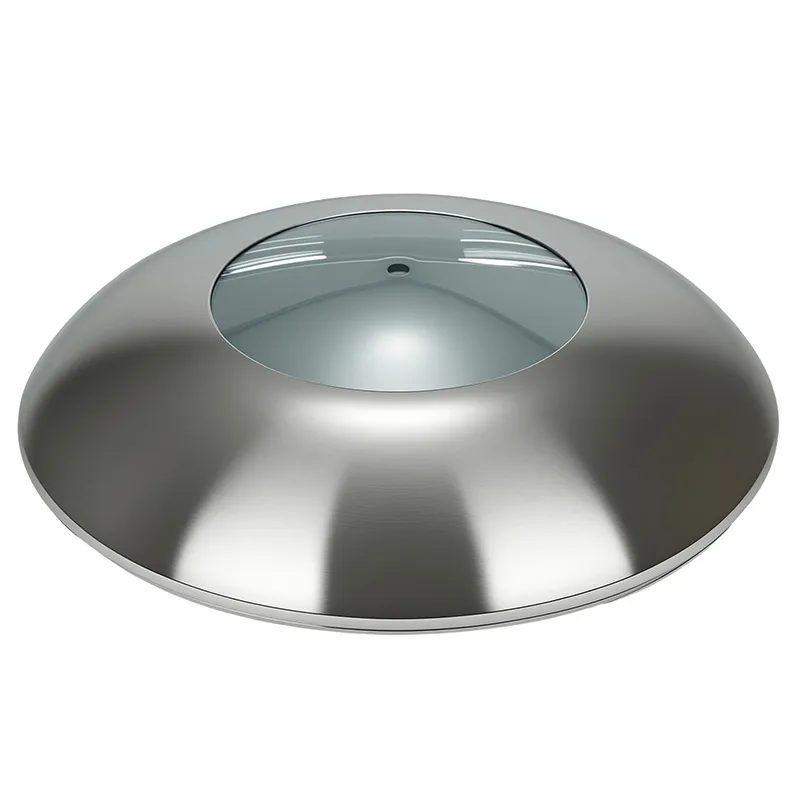
dome silicone glass lid
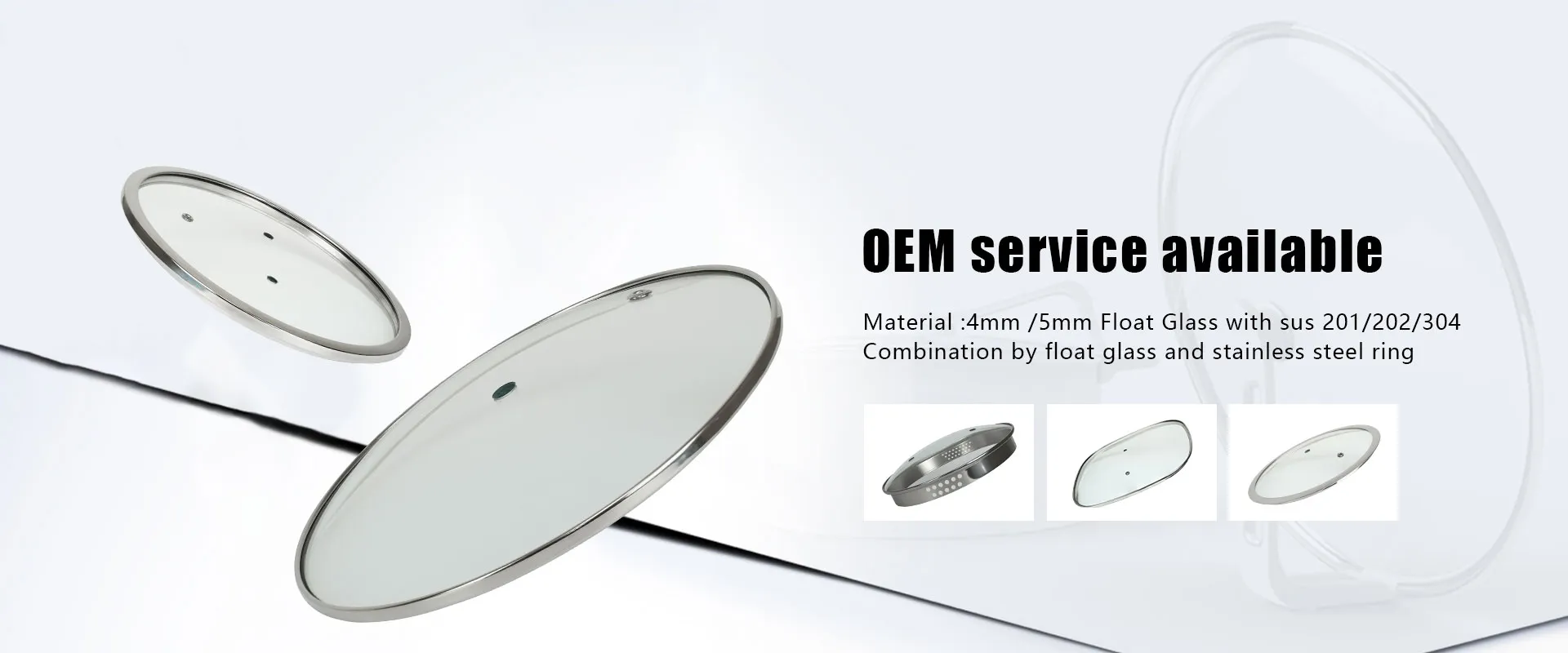
When you hear 'dome silicone glass lid,' the immediate image is a simple cover. But in practice, that term bundles a critical intersection of material science, thermal dynamics, and user ergonomics that most sourcing specs or marketing blurbs completely miss. The common pitfall is treating it as a commodity—just a piece of tempered glass with a silicone ring slapped on. The reality, especially when you're dealing with high-volume production for markets like Germany or Japan, is that the devil is in the tolerances, the compound formulation, and the often-overlooked 'dome' geometry itself. I've seen too many projects stall because the focus was solely on the glass tempering grade while the silicone component was an afterthought, leading to warping, poor seal, or worse, off-gassing at high temperatures. It's not just a lid; it's a pressure management system for everyday pots.
The Material Conundrum: Glass Meets Silicone
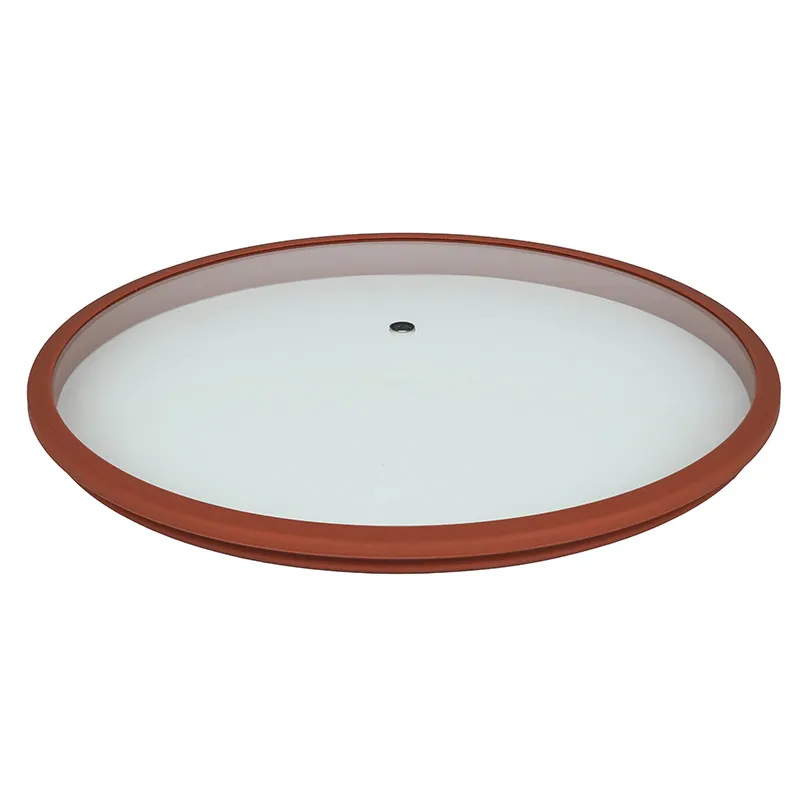
The core challenge starts with marriage of materials. Tempered glass from a reputable base like what you'd find at EUR-ASIA COOKWARE CO.,LTD. provides the structure and clarity. But that dome silicone glass lid functionality hinges entirely on the silicone gasket. Not all food-grade silicone is equal. For a true dome lid—the kind that needs to handle boiling over or slow simmering—the silicone must have a specific compression set and thermal expansion coefficient that matches the glass. We learned this the hard way on an early batch for a Scandinavian client. The lids sealed perfectly at room temp, but during a rolling boil, the silicone expanded slightly more than the glass rim, creating a subtle lift that broke the seal and let all the steam out. The pots boiled dry. The fix wasn't a thicker gasket, but a reformulated silicone compound with a different filler ratio to control expansion.
This is where a manufacturer's process control shows. A facility with an annual output in the millions, like the one in Taian, has to have the compounding and vulcanization stages dialed in. The silicone isn't just extruded and cut; its cross-linking during curing must be consistent to ensure it returns to shape after repeated heat cycles. If the curing is off, the ring takes a 'set' and no longer springs back, turning your dome silicone glass lid into a wobbly, ineffective cover after a few months of use. You can't inspect this into a product; it's baked into the production recipe.
Then there's the adhesion. The silicone is typically bonded to the glass perimeter. This seems trivial, but a poor adhesive choice leads to the ring detaching in the dishwasher. The bond line needs to withstand thermal shock (from freezer to oven, for instance) and aggressive detergents. We moved from a standard silicone adhesive to a primer-enhanced, platinum-cure system for high-end lines, which added cost but eliminated warranty returns from European retailers. It's a detail most buyers don't think to specify.
The Dome is Not Just Aesthetics
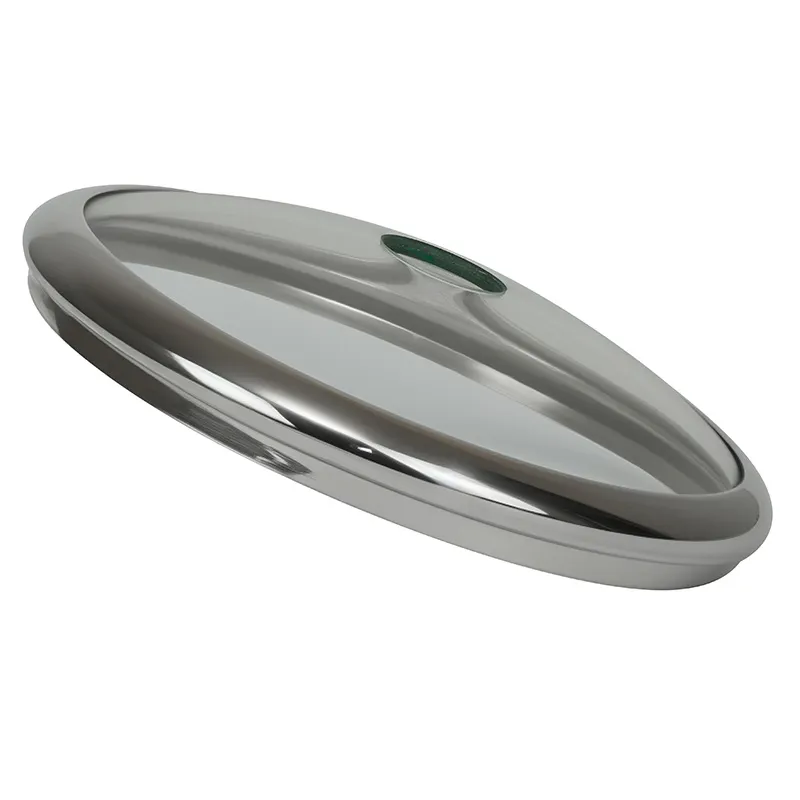
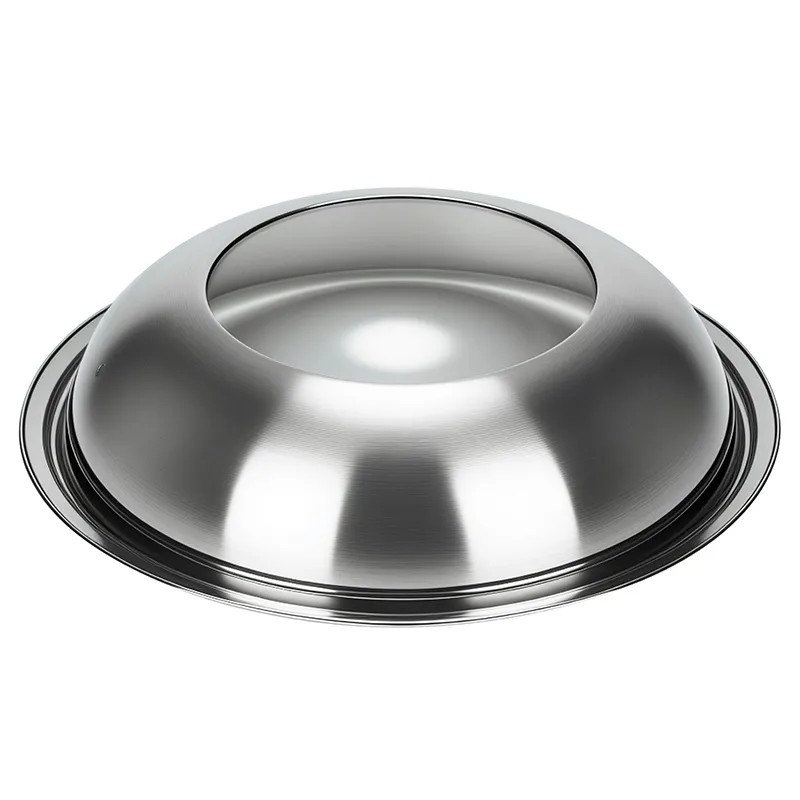
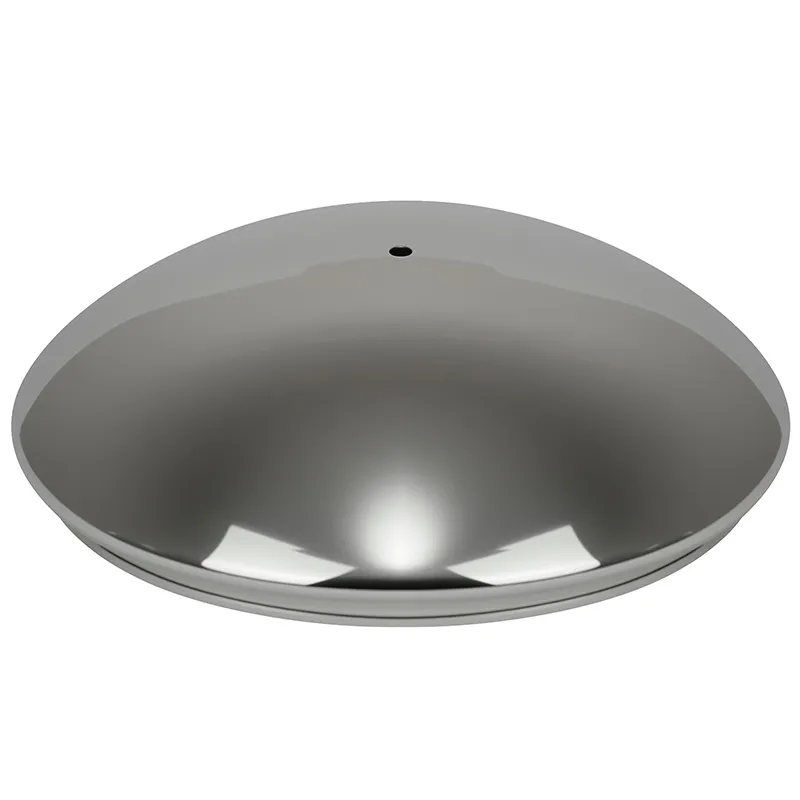
The dome shape is the first thing you notice, but its purpose is often misunderstood. It's not merely for visual appeal or to fit over a pile of vegetables. The primary engineering reason is condensate management. A flat glass lid would cause condensation to form into large droplets that fall directly back into the food, often diluting sauces or causing splattering. A steep dome encourages the condensate to run down the sides in a controlled sheet, channeling it back to the pot's rim. This seems minor, but for braising or making delicate sauces, it matters.
However, the dome height and curvature are a balancing act. Too steep, and you lose usable stovetop stacking space—a major logistics issue for consumers with small kitchens. Too shallow, and you lose the condensate control benefit. The optimal profile, which many of the better dome silicone glass lid products from exporters to the EU seem to have converged on, is a parabolic curve that peaks roughly 1.5 to 2 inches above the rim for a standard 10-inch lid. This also provides just enough headspace for a moderate boil without lifting the lid.
I recall a specific design iteration for a French cookware brand. Their chef consultants insisted on an extra 5mm in dome height for their braisers. This required a new set of glass molds and a recalculation of the tempering process, as the stress distribution on the curved surface changed. The project with the factory (one much like EUR-ASIA, with a focus on tempered glass lid specialization) took three months longer than planned, but the resulting product had noticeably better performance for confit and slow reductions. The brand's product managers were initially frustrated by the delay, but the sales data later justified it. It was a lesson in not underestimating a few millimeters of geometry.
Production Realities and Export Imperatives
Scaling the production of a seemingly simple item reveals all the hidden constraints. A company producing over 15 million pieces annually, as their intro states, isn't just pressing glass. It's a dance of mold maintenance, furnace temperature profiles, and silicone batch consistency. For export to markets like Germany or Switzerland, the compliance paperwork alone is a full-time job—REACH, LFGB, FDA. The silicone must be tested for volatile organic compounds (VOCs) and heavy metals, and the glass must pass not just thermal shock tests but also impact tests from specific heights.
The location in a National High-tech Development Zone in Shandong isn't a random detail. It often implies better access to skilled technicians for maintaining the automated tempering furnaces and injection molding machines for the silicone components. Labor costs are one thing, but technical oversight is another. A visit to such a plant shows the critical points: the annealing lehr where glass slowly cools to relieve stress, and the clean area where the silicone is bonded. If those areas are sloppy, the final product will be unreliable.
Export dominance to over 90% of production means the factory's quality benchmarks are set by external, often very strict, auditors. A Polish distributor might demand a different gasket durometer (hardness) than a South Korean one, based on their typical stove types (induction vs. gas heat intensity). This forces a flexible production line. The website glass-lid.com for EUR-ASIA COOKWARE, for instance, likely showcases a standard range, but the real work happens in developing these custom variants. The ability to tweak the dome silicone glass lid specs—glass thickness, silicone color and hardness, handle material—without blowing up the lead time is what separates a true specialist from a generic glass processor.
Failure Points and Field Lessons
You only truly understand a product by its failures. One memorable batch had issues with 'silicone bloom'—a whitish, powdery residue appearing on the surface after a few weeks in storage. It was harmless but looked defective. The cause? An excess of releasing agent used in the molding process migrating to the surface. It wasn't a material flaw, but a process one. The solution involved adjusting the mold release protocol and adding a post-curing wash. This kind of problem never shows up in a lab test but will trigger a whole container rejection from a meticulous German importer.
Another common, subtle failure is handle attachment. The knob or handle, often made of phenolic or stainless steel, is attached with a bolt through the glass. The thermal expansion difference between the metal bolt, the glass, and the silicone washer used as a buffer is critical. Overtightening during assembly can create a stress point that causes the glass to crack during rapid heating. We standardized using a torque wrench on the assembly line for any lid over 8 inches. It sounds excessive, but it cut down installation-related breakage by about 70%. It's these minutiae that define durability.
Then there's packaging. A dome silicone glass lid is fragile and has an awkward shape. Standard cardboard partitions often aren't enough for long sea freight to Brazil or Turkey, where containers can get rough handling. We had to switch to a thermoformed PET plastic cradle that suspended the lid by its rim, not putting pressure on the dome center. This increased packaging cost by 15% but reduced transit damage to near zero. The cost-benefit was clear when calculating the chargebacks from retailers for damaged goods.
The Unseen Evolution
The product hasn't stood still. The current frontier isn't about new shapes, but about integration and material hybrids. Some high-end lines are experimenting with a silicone perimeter that has a secondary, softer lip on the very edge to create an absolutely silent seal—no more rattling when water is at a hard boil. Others are looking at incorporating a tiny, heat-resistant silicone valve into the dome apex for very precise pressure release in specialty cooking, blurring the line between a simple lid and a specialty tool.
Furthermore, the rise of induction cooking has forced a re-think. While the glass itself is non-reactive, the intense and direct heat from an induction hob can create a more localized hot spot on the glass center. This demands even higher uniformity in the glass tempering to prevent spontaneous breakage from thermal stress. Manufacturers serving the European market, where induction is king, have necessarily upgraded their quenching processes to meet this. It's an invisible spec improvement driven entirely by the change in home appliance technology.
Looking at a company portfolio like EUR-ASIA's, the sheer volume—15 million pieces—tells you they've navigated these evolutions. They're not just making a lid; they're solving a series of interconnected material and engineering puzzles, batch after batch, for markets that won't accept compromises. The next time you see a dome silicone glass lid sitting on a pot, there's a lot more going on under the rim, quite literally, than meets the eye. It's a testament to refined, if often unglamorous, manufacturing precision.
Related Products
Related Products