- Chinese
- French
- German
- Portuguese
- Spanish
- Russian
- Japanese
- Korean
- Arabic
- Irish
- Greek
- Turkish
- Italian
- Danish
- Romanian
- Indonesian
- Czech
- Afrikaans
- Swedish
- Polish
- Basque
- Catalan
- Esperanto
- Hindi
- Lao
- Albanian
- Amharic
- Armenian
- Azerbaijani
- Belarusian
- Bengali
- Bosnian
- Bulgarian
- Cebuano
- Chichewa
- Corsican
- Croatian
- Dutch
- Estonian
- Filipino
- Finnish
- Frisian
- Galician
- Georgian
- Gujarati
- Haitian
- Hausa
- Hawaiian
- Hebrew
- Hmong
- Hungarian
- Icelandic
- Igbo
- Javanese
- Kannada
- Kazakh
- Khmer
- Kurdish
- Kyrgyz
- Latin
- Latvian
- Lithuanian
- Luxembou..
- Macedonian
- Malagasy
- Malay
- Malayalam
- Maltese
- Maori
- Marathi
- Mongolian
- Burmese
- Nepali
- Norwegian
- Pashto
- Persian
- Punjabi
- Serbian
- Sesotho
- Sinhala
- Slovak
- Slovenian
- Somali
- Samoan
- Scots Gaelic
- Shona
- Sindhi
- Sundanese
- Swahili
- Tajik
- Tamil
- Telugu
- Thai
- Ukrainian
- Urdu
- Uzbek
- Vietnamese
- Welsh
- Xhosa
- Yiddish
- Yoruba
- Zulu
- Kinyarwanda
- Tatar
- Oriya
- Turkmen
- Uyghur


dome silicone lid
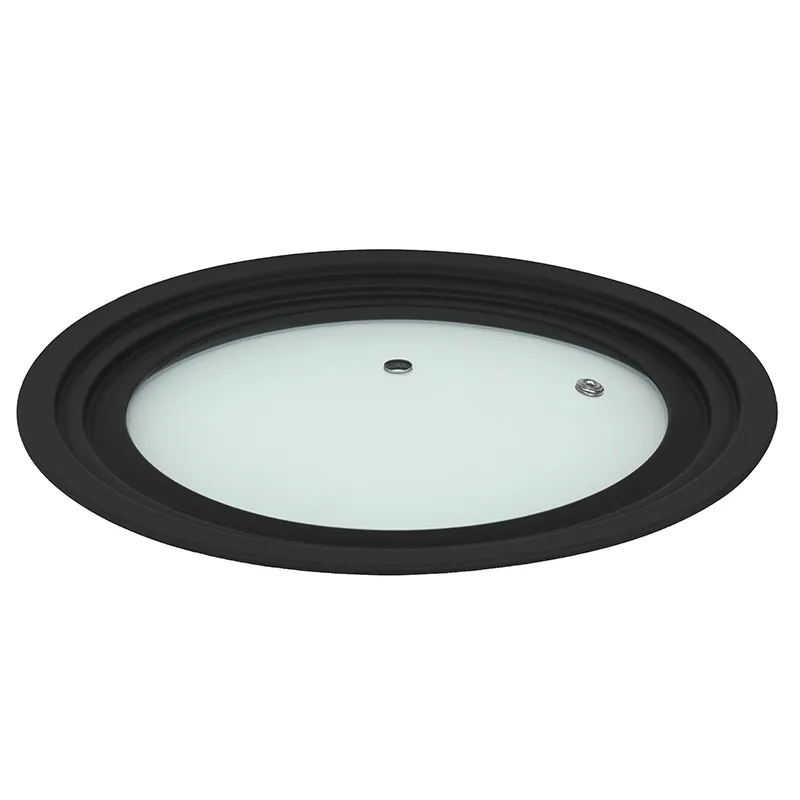
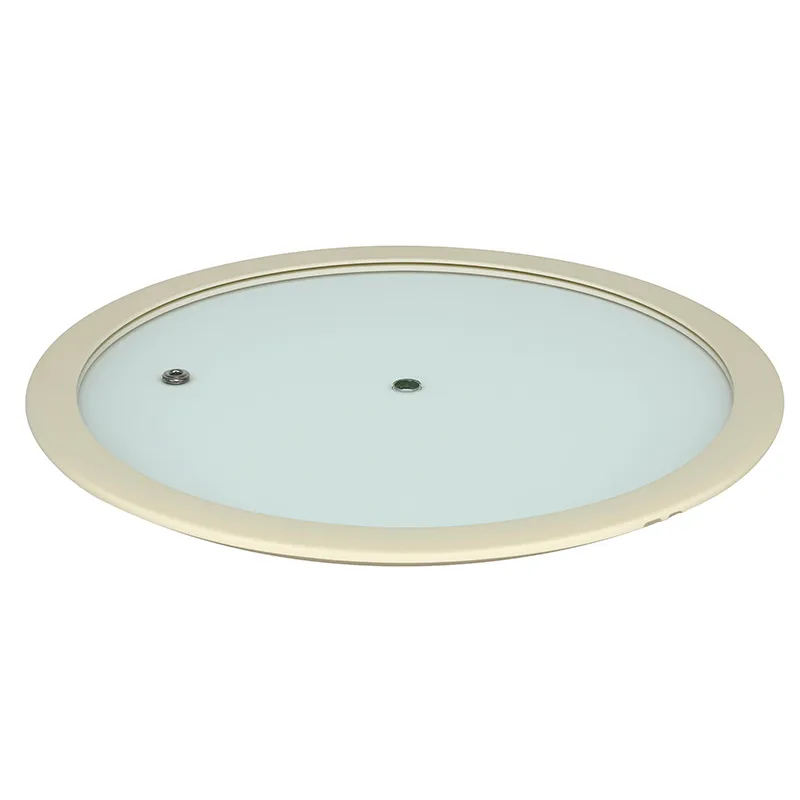
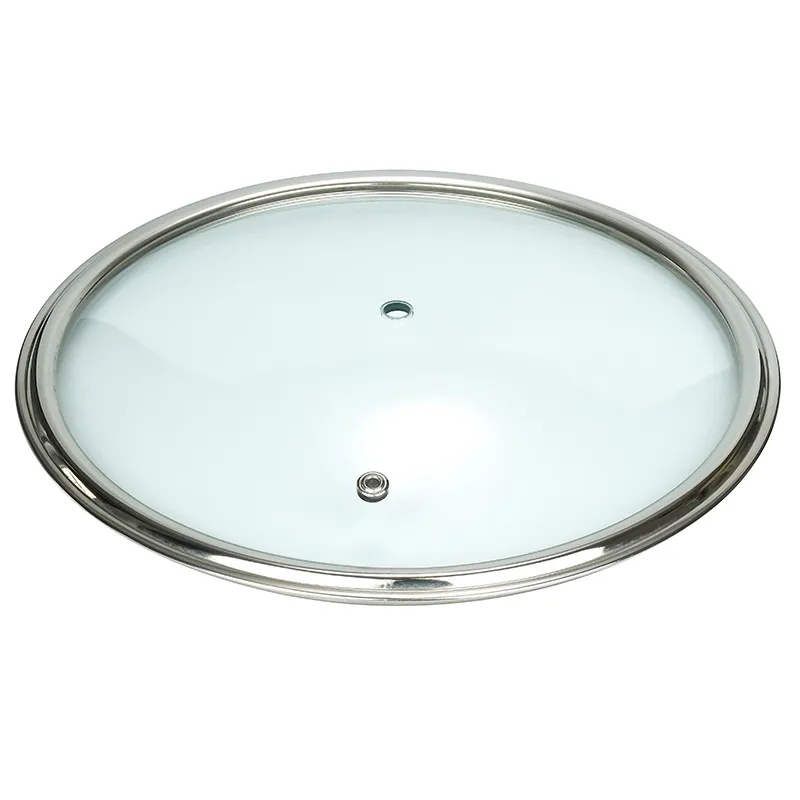
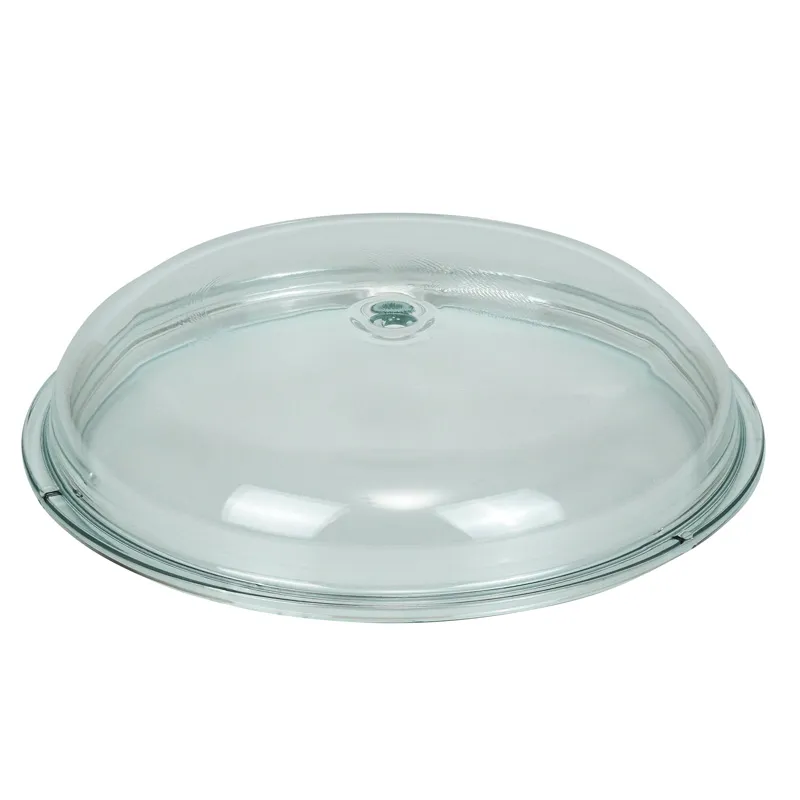
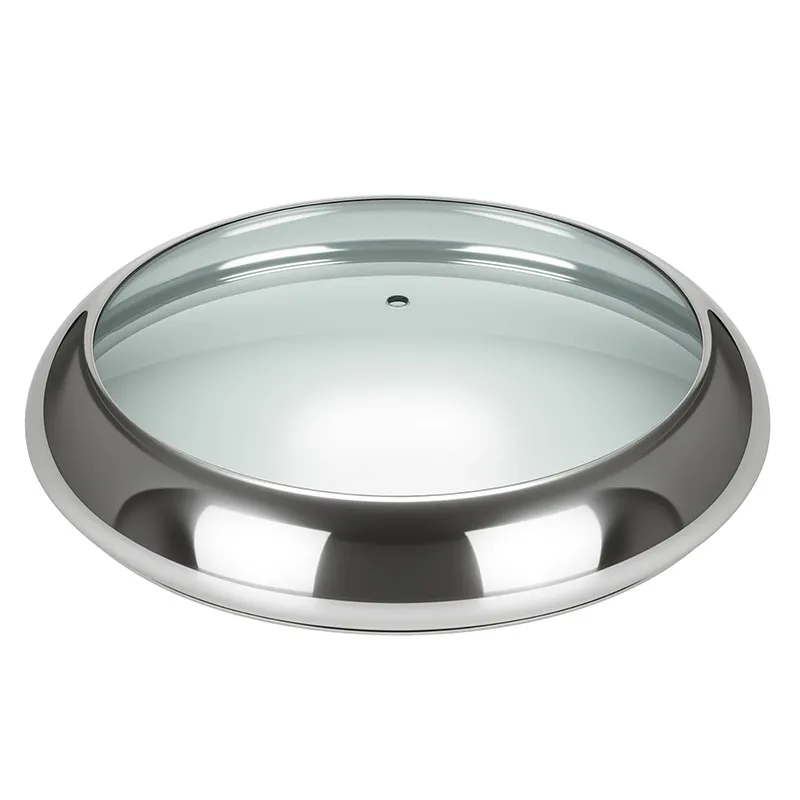
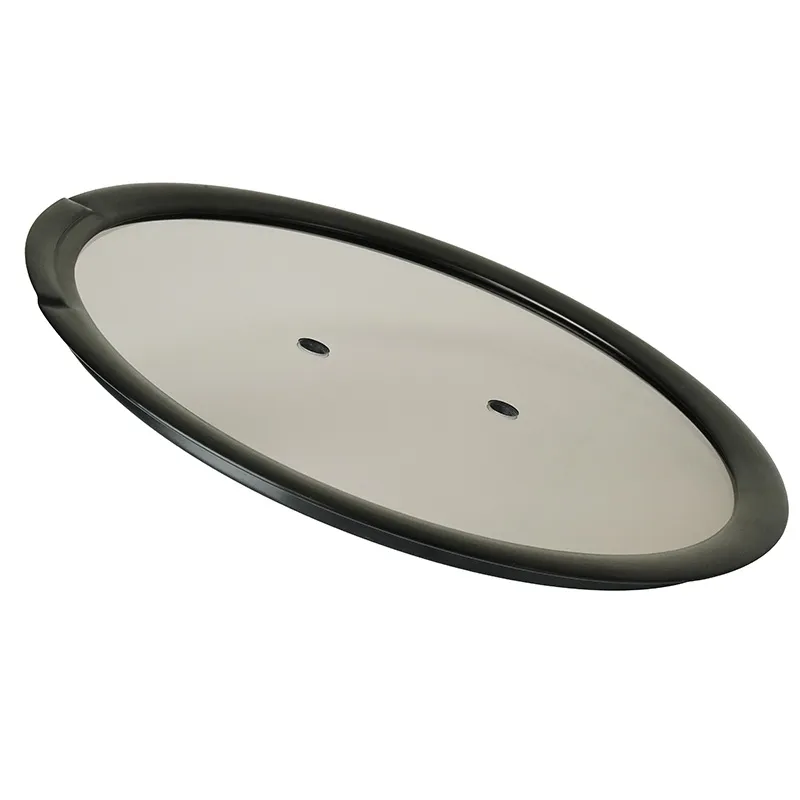
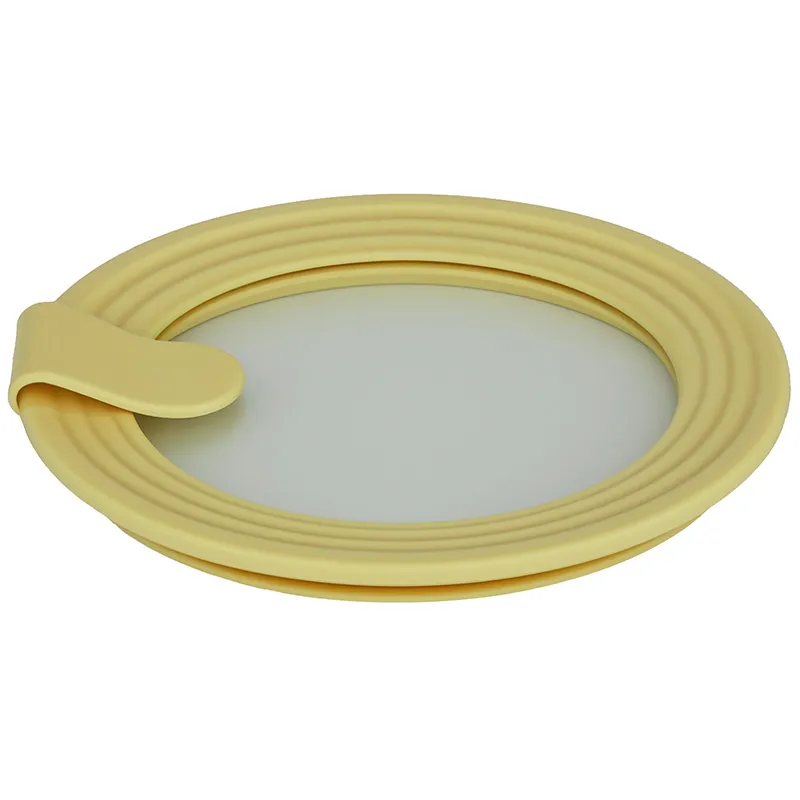
Let's talk about dome silicone lids. The term gets thrown around a lot, but in the cookware trade, it often leads to a fundamental misunderstanding. People tend to picture a single, universal product, but the reality is a spectrum of quality defined by material grade, molding precision, and, critically, its integration with the primary vessel—often a glass lid. This isn't just about a flexible cover; it's about creating a functional seal for pots, pans, and storage bowls that actually works under heat and stress.
The Core Misconception: Silicone as an Afterthought
Many buyers, even some distributors, focus solely on the glass component when sourcing lidded cookware. The dome silicone lid is treated as a cheap accessory. This is a mistake I've seen lead to product returns. A low-grade silicone ring might pass initial inspection, but after 20 dishwasher cycles or repeated exposure to simmering heat, it warps, loses elasticity, or worse, off-gasses an odor. The seal fails, steam escapes, and the core cooking function is compromised. It's the first thing a home cook notices.
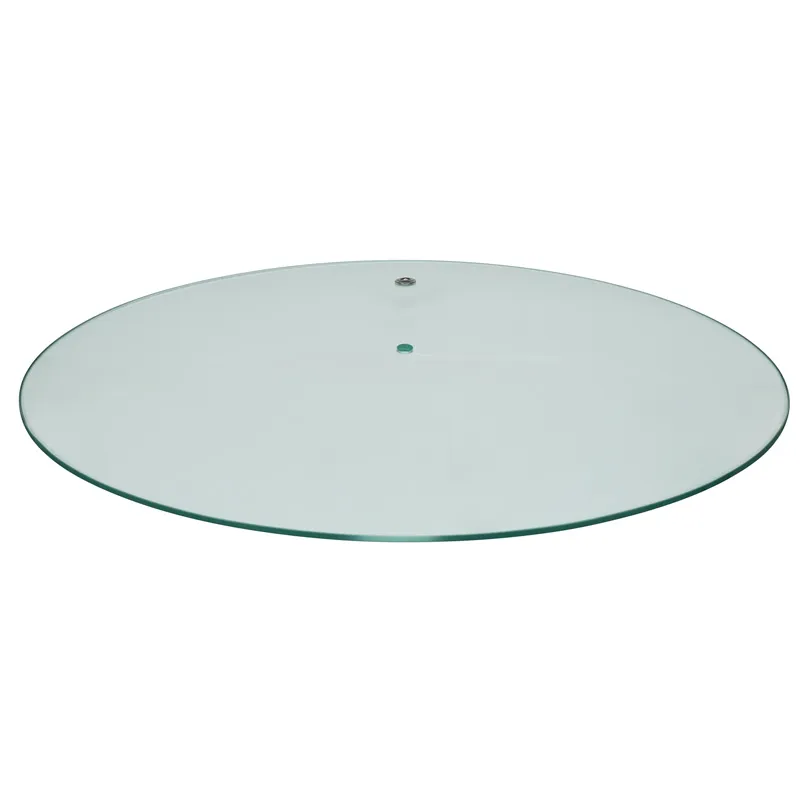
At our production base, like the one operated by EUR-ASIA COOKWARE CO.,LTD in Taian, the integration point is key. Their focus on tempered glass lids for export means the silicone component must meet equally stringent EU kitchenware standards. The silicone isn't just glued on; it's engineered to fit the specific curvature—the dome—of the hardened glass. A mismatch of even half a millimeter in the channel can cause buckling or gaps.
I recall a batch for the Polish market a while back. The glass lids were perfect, but the silicone supplier had changed their compound formula slightly. The result? The lids developed a slight tackiness after dry-heat tests, a condition that wouldn't appear until the product was in use. We caught it, but it required scrapping an entire run of silicone rings. That's the cost of treating it as an afterthought.
Material Science and the Feel of Quality
Food-grade platinum-cure silicone versus peroxide-cure silicone—this is where the professional judgment comes in. The former is more expensive, but it's odorless, maintains clarity and flexibility over a wider temperature range (-60 to 220°C), and has superior aging resistance. For high-end exports to markets like Germany or Japan, this is non-negotiable. You can literally feel the difference: a premium dome silicone lid has a dense, smooth texture that snaps back instantly when twisted.
Peroxide-cure is cheaper and can be fine for low-heat storage applications, but under the sustained heat of a stovetop, it's more prone to hardening and cracking over time. I've dissected failed samples from returns, and the cross-section tells the story: peroxide-cure silicone often degrades from the inside out when stressed. For a company producing over 15 million glass lids annually, as EUR-ASIA does, specifying the right material for each market segment is a critical supply chain decision. Their product listings on https://www.glass-lid.com often hint at this tiering, though the specs are what you need to dig for.
The molding process is another subtle art. Flash—the thin ridge of excess material at the seam—is a dead giveaway of low-tier production. A high-quality mold and a precise liquid injection molding process minimize this. Trimming flash manually adds cost and can create micro-tears that become failure points. A clean seam isn't just about aesthetics; it's about durability and easy cleaning.
Integration and Real-World Testing
The true test is in the application. A dome silicone lid isn't used in isolation. It sits in a machined channel on the underside of a tempered glass lid. The thermal expansion coefficients of glass and silicone are different. A good design accounts for this, allowing the silicone to expand and contract without pulling away from the glass or deforming permanently.
We run brutal cyclic tests: freezer to oven, over and over. The failure mode is instructive. Does the silicone pop out of its channel? Does it become brittle? Does it bond to the glass? I've seen all three. The successful design, often seen in products destined for European OEMs, uses a slightly undercut channel profile and a silicone bead with a specific durometer (shore hardness) that grips without being impossible to remove for cleaning.
Another practical headache is condensation management. A perfectly sealed dome lid will trap all steam, which then condenses on the cool glass and drips. Some designs now incorporate a minute, engineered vent in the silicone—not a gap, but a controlled channel—to allow minimal vapor exchange and prevent waterlogging the food beneath. It's a small detail that separates a commodity cover from a considered kitchen tool.
The Supply Chain Reality
Working with a manufacturer like EUR-ASIA COOKWARE CO.,LTD highlights a key industry dynamic. They are glass specialists. It's highly likely they source the silicone components from a dedicated polymer factory. The expertise lies in their quality control upon receipt and their assembly process. This is common. The risk point is in that handoff. A change in the sub-supplier's raw material can cascade down without warning.
For a buyer, the due diligence question isn't just Can you make a glass lid with silicone? It's What are the exact specifications of the silicone compound (ISO, FDA LFGB standards), who is your approved supplier, and what are your incoming QC checks? The answers separate serious producers from assemblers. Given their export volume to strict markets, a professional factory will have this data on hand, often tied to a specific material code for each product line.
Cost pressure constantly pushes against these standards. The temptation to downgrade the silicone to shave a few cents off the bill of materials is immense, especially for large orders. I've been in meetings where that was proposed. The counter-argument is always long-term brand damage and return rates. A failed lid ruins the entire product's reputation.
Final Thoughts: Beyond the Spec Sheet
So, what's the takeaway for someone evaluating these products? Look beyond the catalog image. Request a physical sample and torture it. Boil water with it for an hour. Run it through a dishwasher 30 times. Freeze it with something inside. Check for odor. Assess the seam. Does it lie perfectly flat on a counter, or does it rock, indicating warping?
The dome silicone lid is a deceptively simple component. Its success hinges on material integrity, precision manufacturing, and thoughtful integration with the primary lid. It's an area where true quality is felt in use, not just seen on a spec sheet. For manufacturers serving discerning global markets, getting these humble rings right is as crucial as tempering the glass itself. It's the difference between a product that functions and one that endures.
In the end, the best ones disappear from your notice—they just work, seal after seal, year after year. And achieving that invisible reliability is the whole game.
Related Products
Related Products