- Chinese
- French
- German
- Portuguese
- Spanish
- Russian
- Japanese
- Korean
- Arabic
- Irish
- Greek
- Turkish
- Italian
- Danish
- Romanian
- Indonesian
- Czech
- Afrikaans
- Swedish
- Polish
- Basque
- Catalan
- Esperanto
- Hindi
- Lao
- Albanian
- Amharic
- Armenian
- Azerbaijani
- Belarusian
- Bengali
- Bosnian
- Bulgarian
- Cebuano
- Chichewa
- Corsican
- Croatian
- Dutch
- Estonian
- Filipino
- Finnish
- Frisian
- Galician
- Georgian
- Gujarati
- Haitian
- Hausa
- Hawaiian
- Hebrew
- Hmong
- Hungarian
- Icelandic
- Igbo
- Javanese
- Kannada
- Kazakh
- Khmer
- Kurdish
- Kyrgyz
- Latin
- Latvian
- Lithuanian
- Luxembou..
- Macedonian
- Malagasy
- Malay
- Malayalam
- Maltese
- Maori
- Marathi
- Mongolian
- Burmese
- Nepali
- Norwegian
- Pashto
- Persian
- Punjabi
- Serbian
- Sesotho
- Sinhala
- Slovak
- Slovenian
- Somali
- Samoan
- Scots Gaelic
- Shona
- Sindhi
- Sundanese
- Swahili
- Tajik
- Tamil
- Telugu
- Thai
- Ukrainian
- Urdu
- Uzbek
- Vietnamese
- Welsh
- Xhosa
- Yiddish
- Yoruba
- Zulu
- Kinyarwanda
- Tatar
- Oriya
- Turkmen
- Uyghur


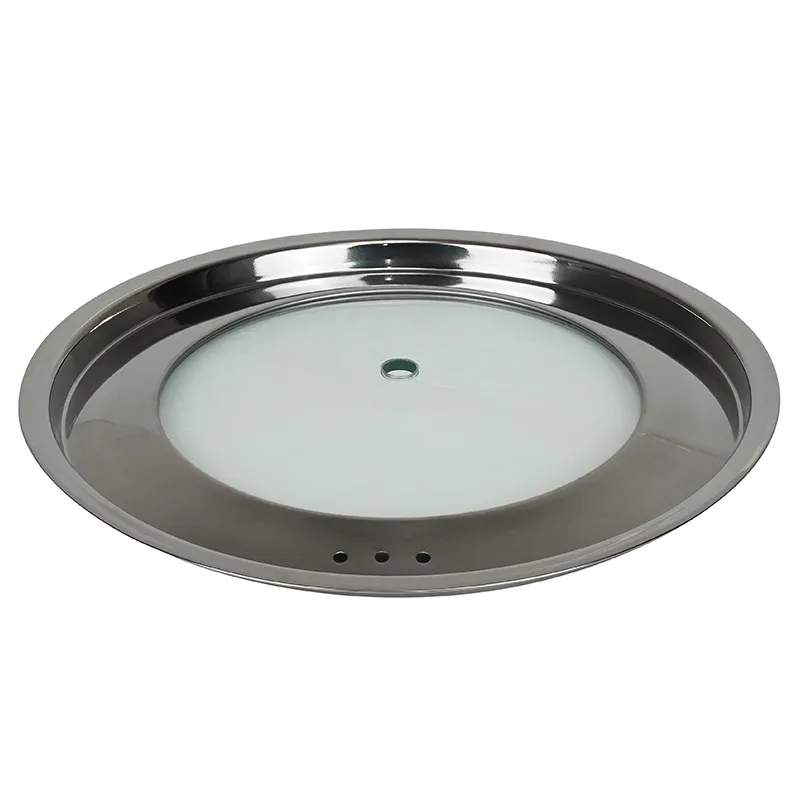
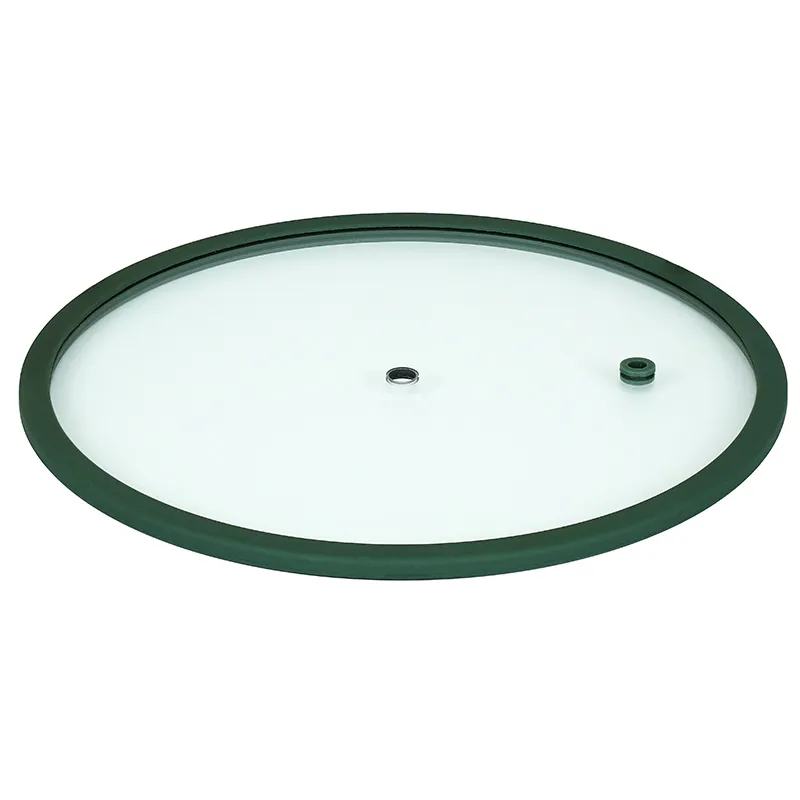
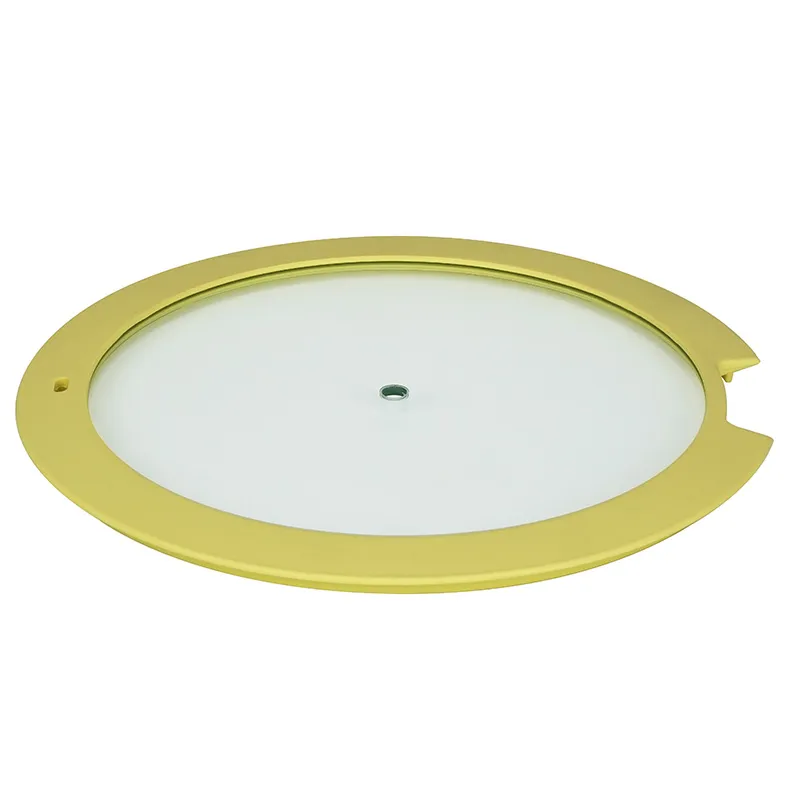
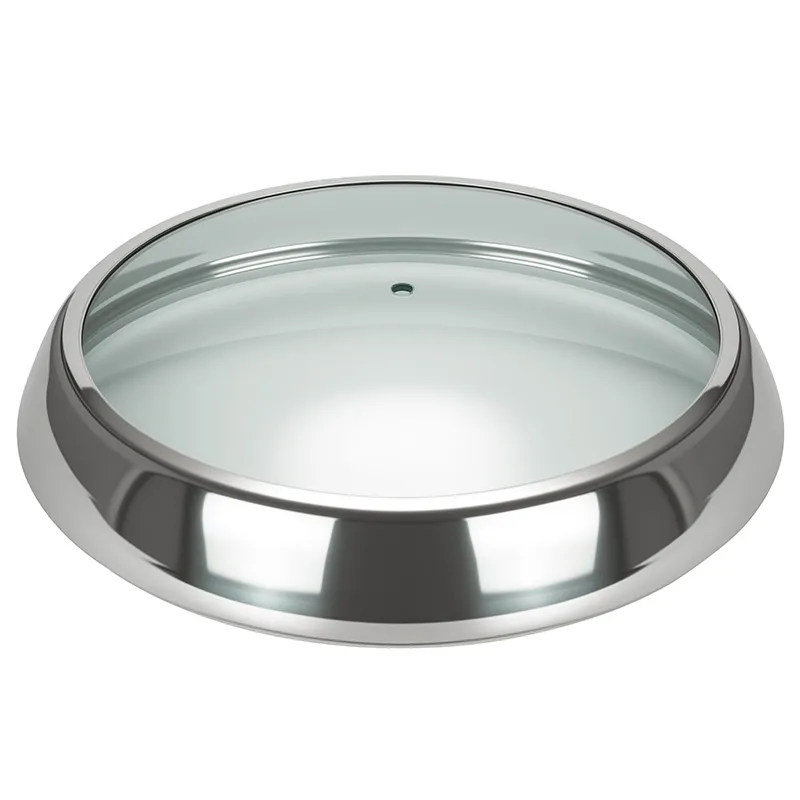
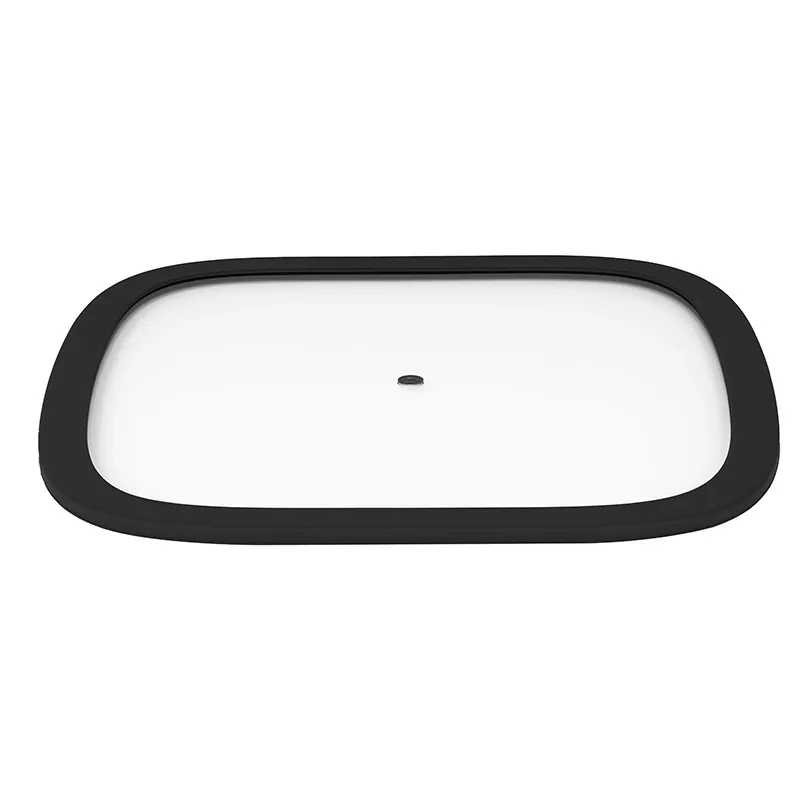
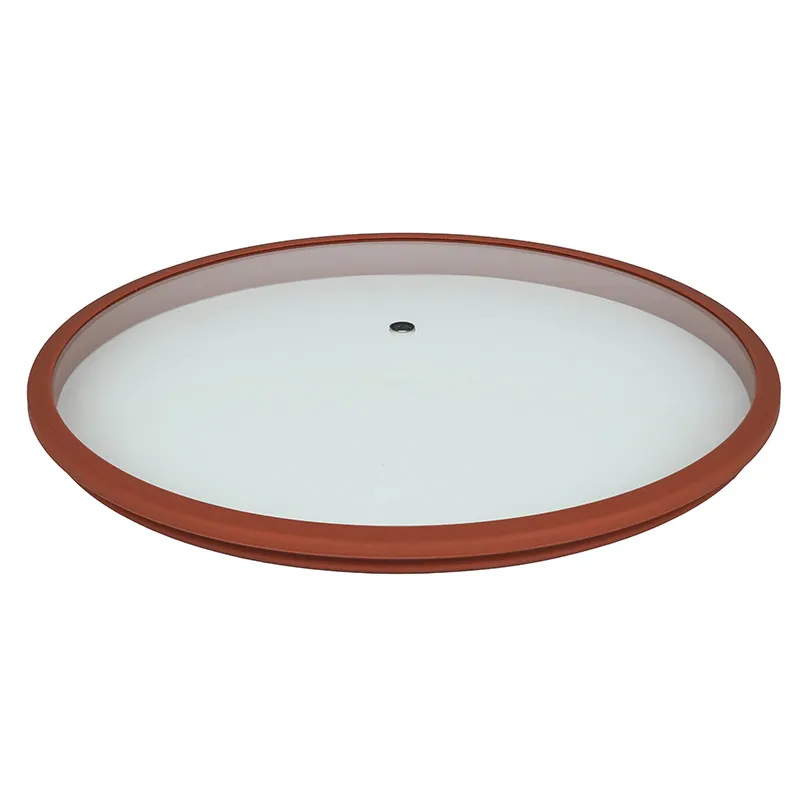
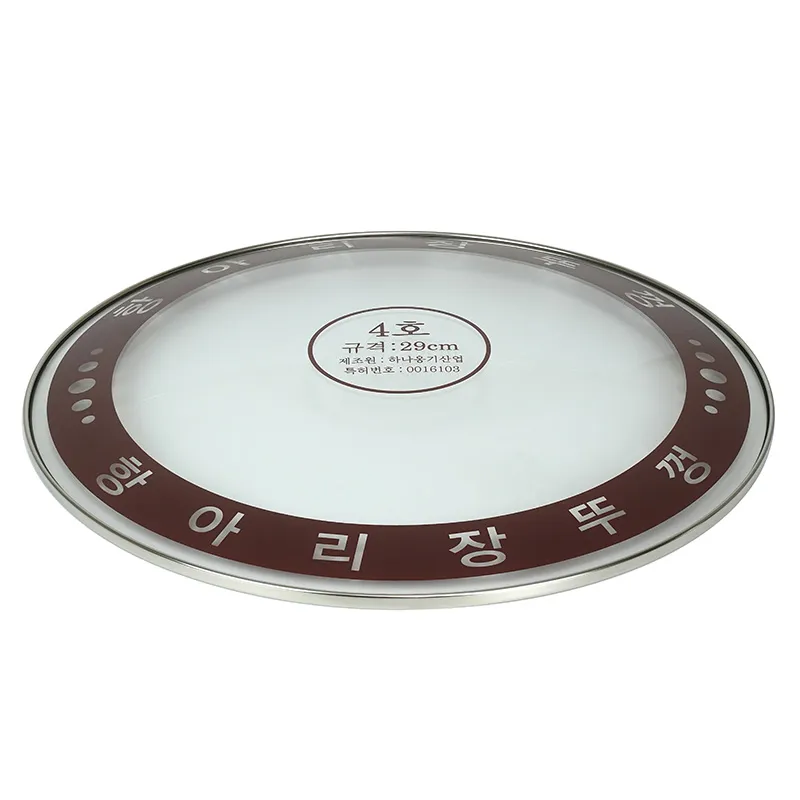
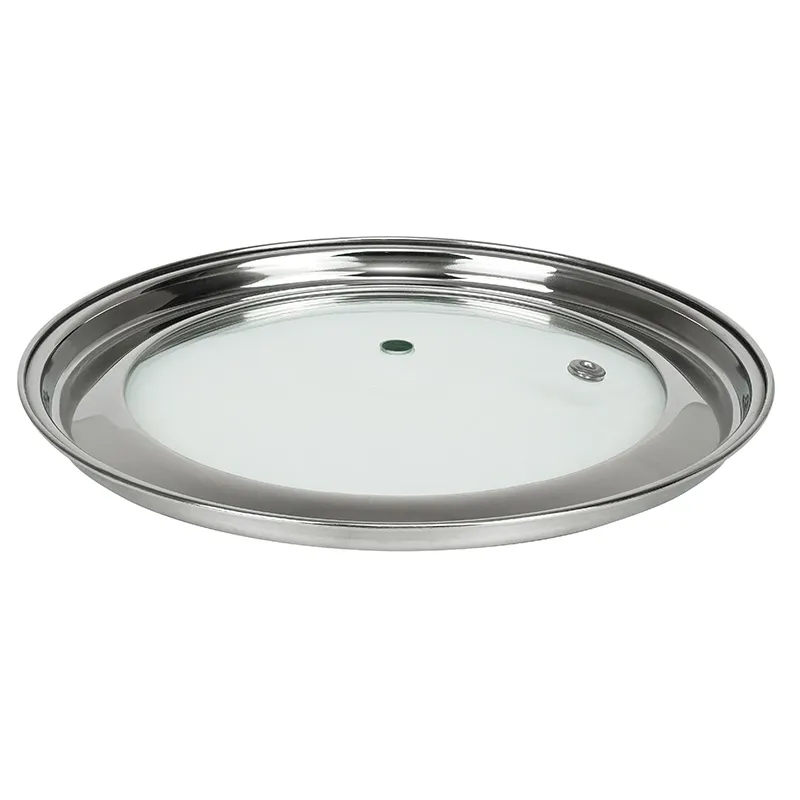
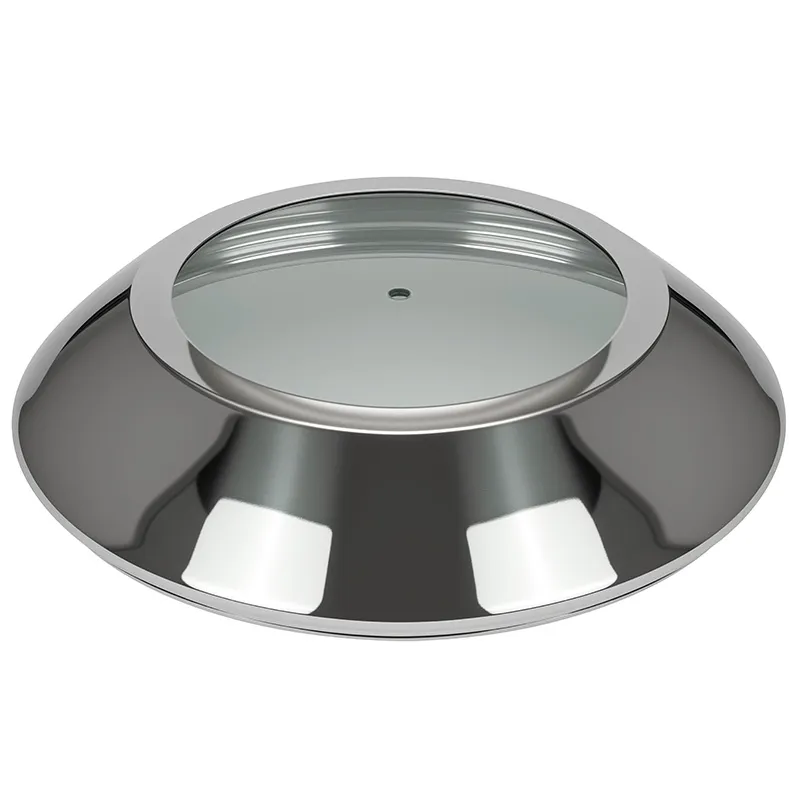
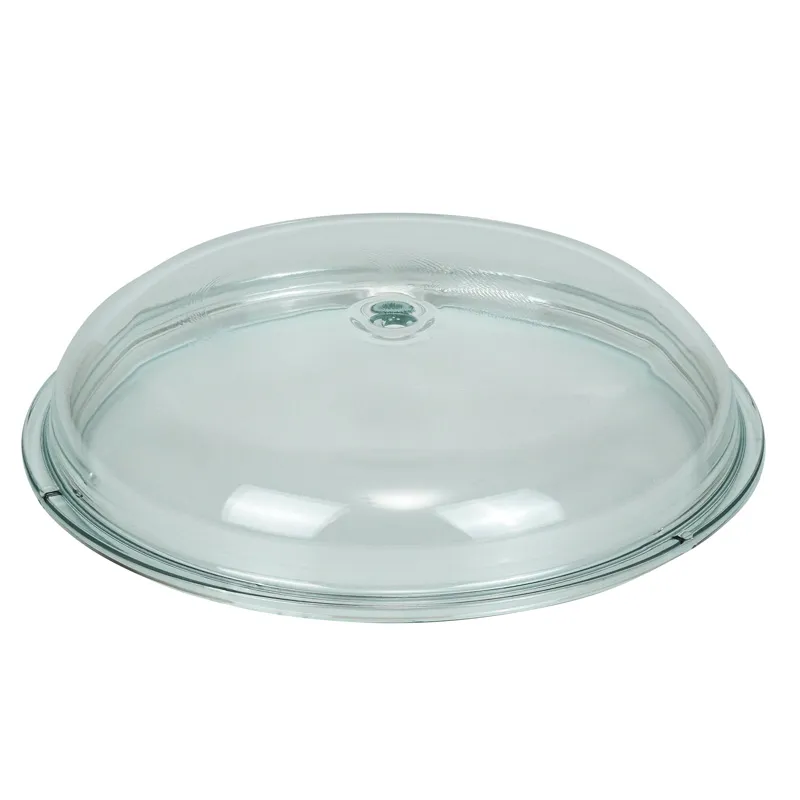
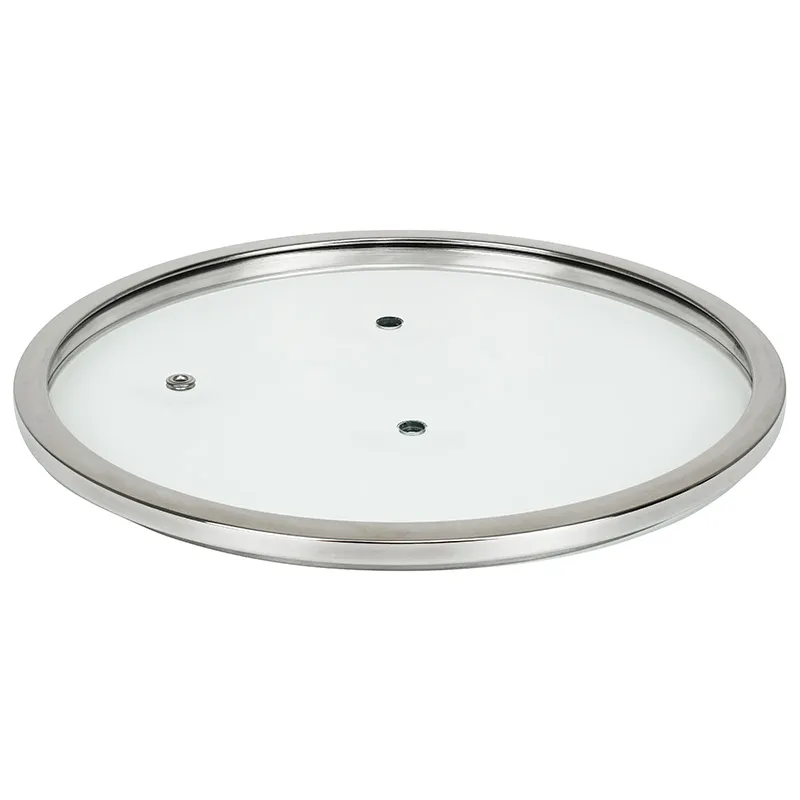
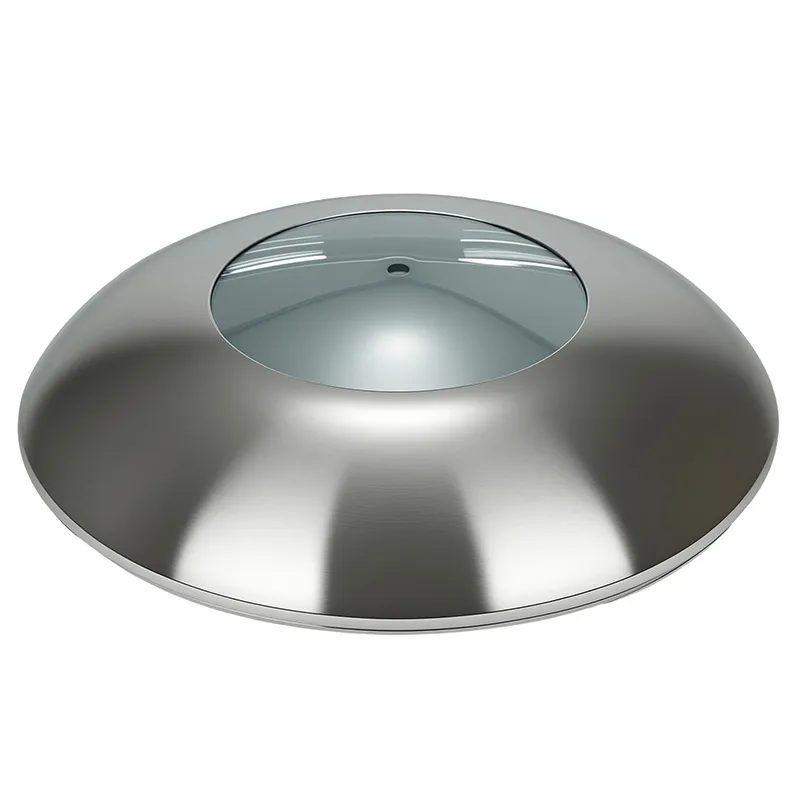
dome tempered glass cover
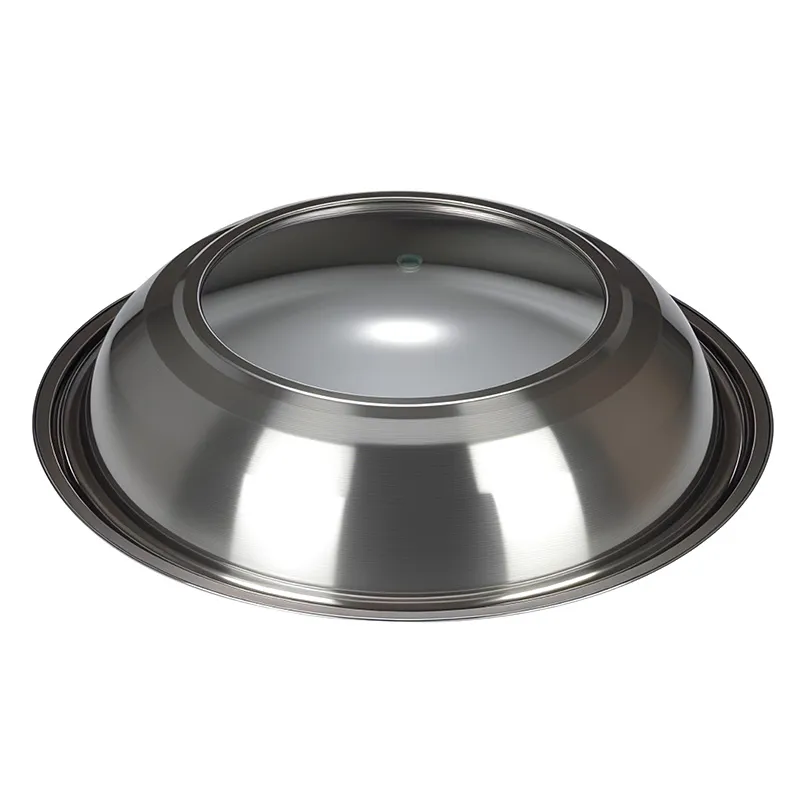
When you hear 'dome tempered glass cover', most folks picture a simple, curved glass lid for a pot. That's not wrong, but it's where the misconceptions start. The real story isn't just about covering food; it's about managing heat, steam, and pressure in a way that flat or plastic lids simply can't. I've seen too many designs fail because someone treated the dome as an aesthetic afterthought rather than a critical functional component. The curvature isn't just for looks—it creates a specific internal environment. Get the radius wrong by a few millimeters, and you've got condensation dripping straight into the dish instead of rolling back to the edges. That's the kind of detail you only learn after seeing a batch come back from a test kitchen, or worse, from a customer.
Beyond the Basic Curve: Engineering the Dome
The manufacturing leap from a flat tempered glass lid to a dome tempered glass cover is significant. It's not just about heating and bending. Tempering itself—the process of rapidly cooling the surface to create compressive stress—becomes trickier with a compound curve. If the heating isn't perfectly even during the bending phase, you'll get weak spots or optical distortions. I recall a project where we sourced from a new supplier; the glass looked flawless until you put it on a pot over high heat. The uneven stress distribution caused spontaneous breakage for about 5% of the units. A costly lesson in why not all tempering ovens are built for domes.
This is where companies with a dedicated focus pull ahead. Take a producer like EUR-ASIA COOKWARE CO.,LTD. You can see their specialization on their portal at glass-lid.com. Their entire operation, as noted in their brief, is geared toward volume production of these specific items—over 15 million pieces annually. That scale suggests they've likely ironed out those fundamental engineering challenges. When you're exporting to markets like Germany and Japan, where kitchenware standards are brutally high, you can't afford a 5% failure rate. Their product line likely spans from simple low-profile domes to high-dome versions for stockpots, each requiring a different mold and tempering recipe.
The material choice is another layer. It's not just glass. For a dome that will face thermal shock from boiling and possible impacts from utensils, the glass composition matters. A good cover uses a borosilicate or similar formula with low thermal expansion. The handle attachment point is a critical failure zone. Is it a stainless steel knob bonded with a high-temp silicone? Is it a molded glass loop formed as part of the lid itself? The latter is more durable but far more difficult to manufacture without creating stress points. I've seen knobs pop off after a few dishwasher cycles because the adhesive couldn't handle the differential expansion between metal and glass.
The Fit and Function in Real Kitchens
Specs on paper mean nothing if the cover doesn't perform on a real stove. The fit is paramount. A common issue is the rocking dome—it doesn't sit flush on the pot rim. Sometimes it's a design flaw; other times, it's tolerance stacking between the pot's rim (which might be slightly out-of-round) and the glass lid. A well-designed dome tempered glass cover will have a calculated overhang and sometimes a subtle, ground flat spot on the rim to stabilize it. You learn to check this not with calipers, but by placing it on a variety of demo pots and giving it a gentle nudge.
Then there's the steam vent. To have one or not? A solid dome creates a superb braising environment, trapping all moisture and flavor. But for boiling pasta or making soup, you need pressure release. Some designs incorporate a small hole in the glass knob, which seems elegant but clogs with starch easily. Others have a notch cut out of the glass rim itself. This is a manufacturing headache—cutting and grinding after tempering is risky—but it's often more functional. I prefer the notch. It's simpler for the user to clean and less likely to fail.
Cleaning is the unglamorous final test. The smooth, curved surface of tempered glass should be easy, right? Not always. If the dome is too shallow, food particles get baked onto the upper curve over direct heat. A taller dome keeps most splatter on the lower, vertical sides where it's easier to reach. Also, that high-gloss finish? It needs to resist the abrasives in common cleansers. I've seen lids go cloudy after a year of aggressive scrubbing because the surface treatment was too thin.
Supply Chain and Market Realities
Working with a volume manufacturer like EUR-ASIA COOKWARE reveals the trade-offs. Their strength, as their intro states, is in producing low-to-high level products for a global export market. This means they have the molds and processes for consistency. For a buyer, that's reliability. But it also means customization can be limited. Want a specific diameter that's not in their catalog? The minimum order quantity might be prohibitive. Their 90% export rate to Europe and Asia tells you they're tuned into different regional preferences—perhaps heavier, more substantial knobs for the European market, sleeker profiles for Korea and Japan.
Lead times are another practical consideration. A dome tempered glass cover isn't a commodity you pull off a generic shelf. Even with a large stock, the specific size, color (usually just clear or smoked), and handle type need to be matched. Their production base in Shandong's High-tech Development Zone implies a setup for efficiency, but shipping and customs for 15 million pieces globally is a logistics chain that can snag. You build buffer time into your project schedule.
Finally, the level of product. Their mention of low, medium, and high levels is industry shorthand. Low might be for discount retailers—perfectly safe and functional, but perhaps with less polished edges or a simpler knob. High-level covers are for premium brands, with laser-etched logos, flawless optical clarity, and packaging that feels luxurious. The core tempered safety glass is the same, but the finishing and inspection standards are worlds apart. You get what you pay for, and a professional buyer knows which level matches their brand's positioning.
Concluding Thoughts from the Factory Floor
So, what's the takeaway? A dome tempered glass cover is a deceptively complex piece of kitchen tooling. It sits at the intersection of material science, thermal engineering, ergonomics, and mass manufacturing. The successful ones—the ones that don't get returned—are born from countless iterations and a deep understanding of how food is actually cooked and cleaned up.
Companies that survive in this niche, like EUR-ASIA COOKWARE, do so by mastering these granular details at scale. Visiting a facility that produces millions, you see the focus: the quality checks for bubbles or distortions, the stress-test samples in a corner, the different packing lines for different markets. It's not glamorous, but it's real.
For anyone specifying or sourcing these, look beyond the catalog image. Ask about the tempering method for domes. Request a sample and subject it to your own brutal test: boil water, let it cool, slam it in a dishwasher cycle, check the fit. The difference between a good cover and a great one is in those mundane, rigorous details. That's the real dome story.
Related Products
Related Products