- Chinese
- French
- German
- Portuguese
- Spanish
- Russian
- Japanese
- Korean
- Arabic
- Irish
- Greek
- Turkish
- Italian
- Danish
- Romanian
- Indonesian
- Czech
- Afrikaans
- Swedish
- Polish
- Basque
- Catalan
- Esperanto
- Hindi
- Lao
- Albanian
- Amharic
- Armenian
- Azerbaijani
- Belarusian
- Bengali
- Bosnian
- Bulgarian
- Cebuano
- Chichewa
- Corsican
- Croatian
- Dutch
- Estonian
- Filipino
- Finnish
- Frisian
- Galician
- Georgian
- Gujarati
- Haitian
- Hausa
- Hawaiian
- Hebrew
- Hmong
- Hungarian
- Icelandic
- Igbo
- Javanese
- Kannada
- Kazakh
- Khmer
- Kurdish
- Kyrgyz
- Latin
- Latvian
- Lithuanian
- Luxembou..
- Macedonian
- Malagasy
- Malay
- Malayalam
- Maltese
- Maori
- Marathi
- Mongolian
- Burmese
- Nepali
- Norwegian
- Pashto
- Persian
- Punjabi
- Serbian
- Sesotho
- Sinhala
- Slovak
- Slovenian
- Somali
- Samoan
- Scots Gaelic
- Shona
- Sindhi
- Sundanese
- Swahili
- Tajik
- Tamil
- Telugu
- Thai
- Ukrainian
- Urdu
- Uzbek
- Vietnamese
- Welsh
- Xhosa
- Yiddish
- Yoruba
- Zulu
- Kinyarwanda
- Tatar
- Oriya
- Turkmen
- Uyghur


double wall glass with lid
When you hear 'double wall glass with lid', most people just think 'insulated mug'. That's the surface level. The reality is more layered, and frankly, where a lot of importers and even designers get tripped up. It's not just about trapping air; it's about managing thermal stress, achieving a consistent vacuum seal, and pairing that with a lid that doesn't compromise the whole system. I've seen too many projects where the glass body is engineered to perfection, only to be let down by a poorly spec'd lid that leaks, warps, or just feels cheap. The lid isn't an accessory; it's a critical component of the thermal performance equation.
The Core Principle: It's a System, Not Parts
The magic, and the headache, of a true double wall glass vessel lies in the hermetic seal. You're fusing two layers of borosilicate or tempered soda-lime glass at a high temperature, evacuating the air to create a vacuum. That's the textbook part. The practical challenge is the opening—the rim. This is where the thermal bridge occurs, and where your lid makes first contact. If the rim's finish isn't laser-level even after the high-heat fusion process, no lid in the world will seal properly. You'll get condensation between the walls, which is a death sentence for the product. I recall a batch from a new supplier a few years back where we had a 30% failure rate on condensation tests post-shipment. Root cause? Inconsistent rim grinding before the final annealing. The lids were fine; the glass wasn't.
This brings me to the lid itself. For hot drinks, you're often looking at a polypropylene (PP) or Tritan plastic lid with a silicone gasket. The gasket's durometer (hardness) and cross-section design are everything. Too hard, and it won't conform to micro-imperfections on the glass rim. Too soft, and it deforms under heat, losing its seal. The goal is a 'dry seal'—no liquid contact with the gasket is ideal for hygiene, but that's incredibly hard to achieve without a precision-engineered swing lid or screw-top mechanism. Most commercial-grade double wall glass with lid products opt for a simple press-fit lid with a sip-hole, trading absolute leak-proofing for cost and user convenience.
And then there's material compatibility. The coefficient of thermal expansion for the glass, the plastic lid, and the silicone gasket are all different. They expand and contract at different rates when you pour in 95°C water. A good design accounts for this, ensuring the gasket remains under compression even as the materials move. A bad design leads to a lid that's tight when cold but pops loose when hot, or vice versa. It's a physics puzzle you solve on the factory floor, not just in CAD software.
Sourcing and Manufacturing Realities
This is where the rubber meets the road. You can design a perfect double wall glass beaker in SolidWorks, but getting it produced at scale with consistent quality is another beast. The production of the glass body is capital and energy-intensive. It requires high-precision molds, controlled annealing ovens, and rigorous light-box inspection for stress points. The lid production, often seen as secondary, needs injection molding tools with tight tolerances, especially for the gasket seat.
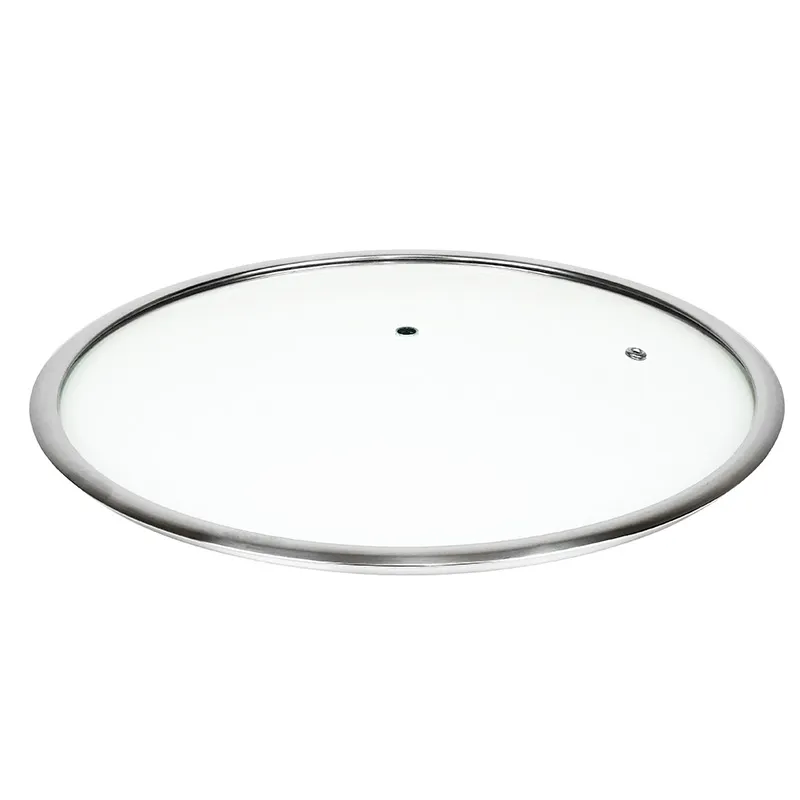
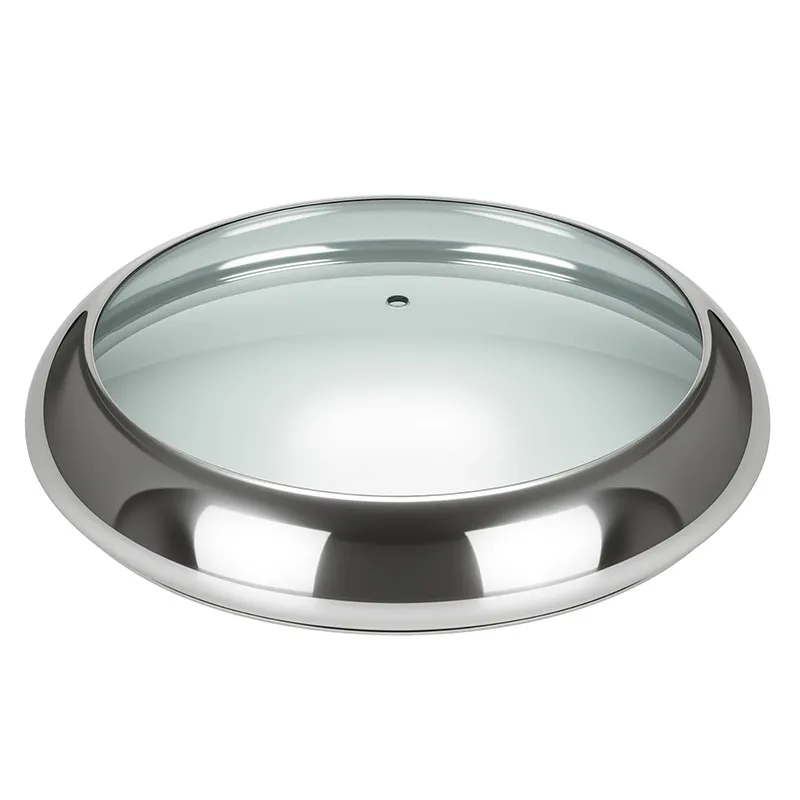
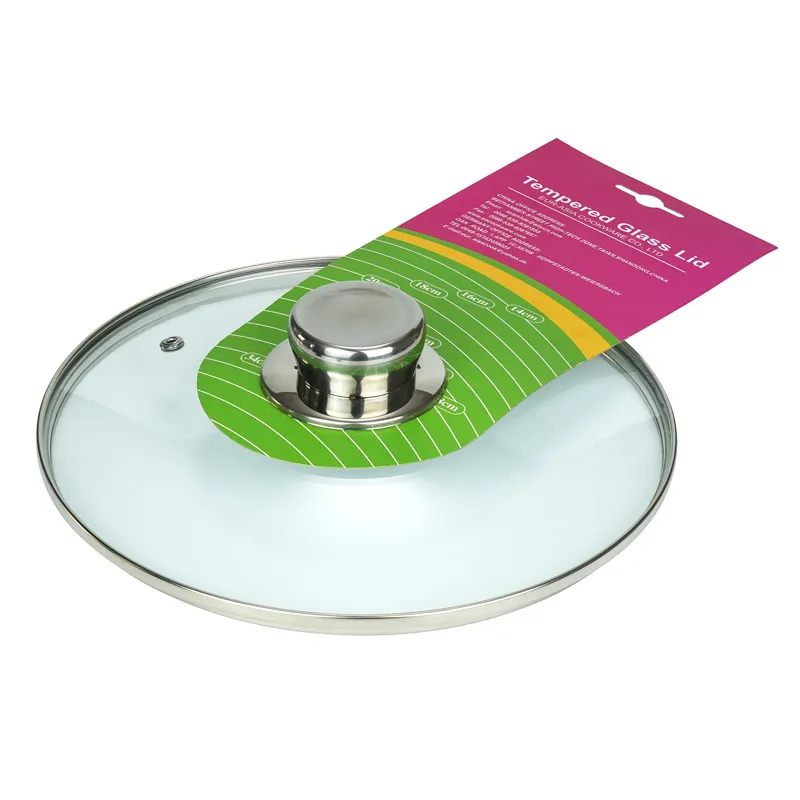
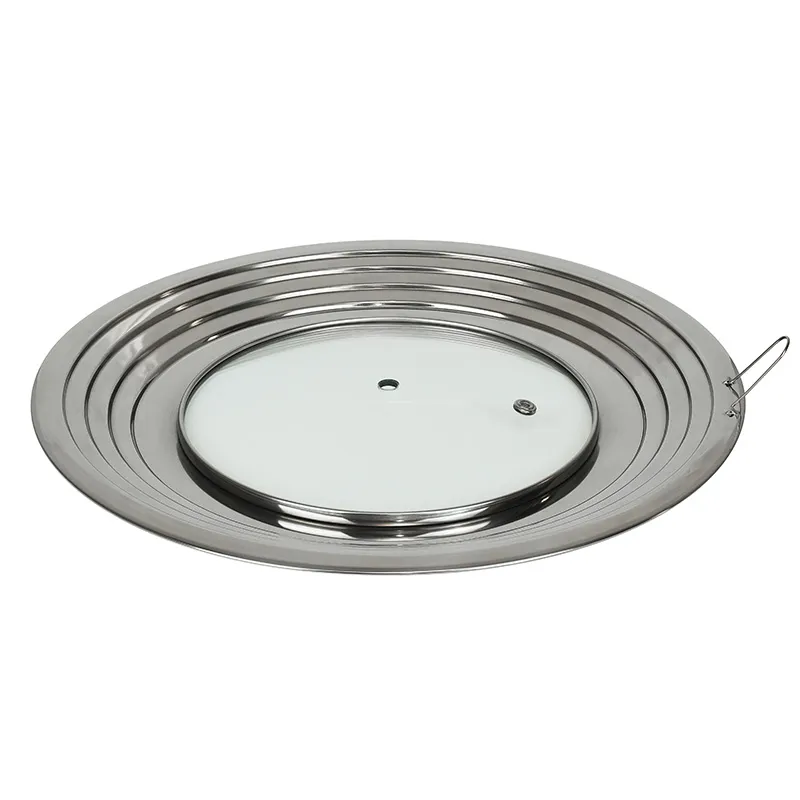
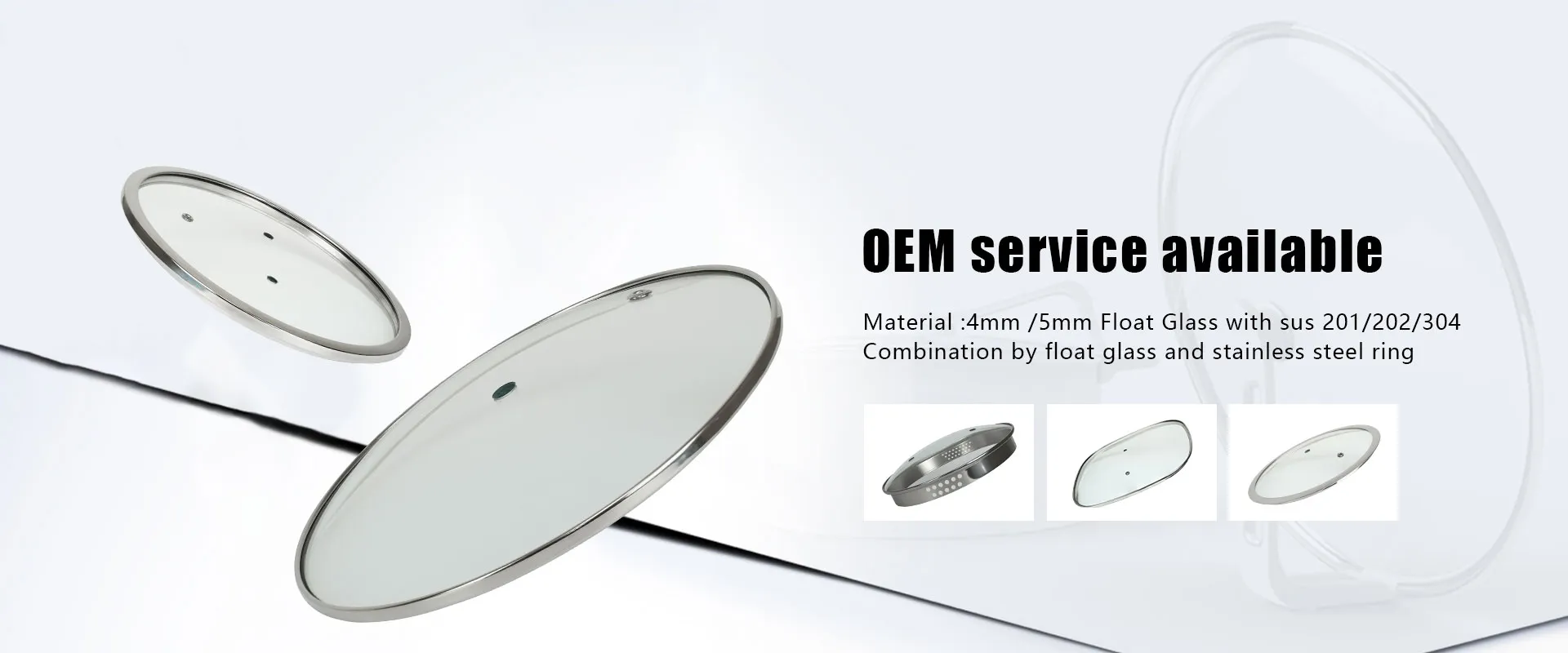
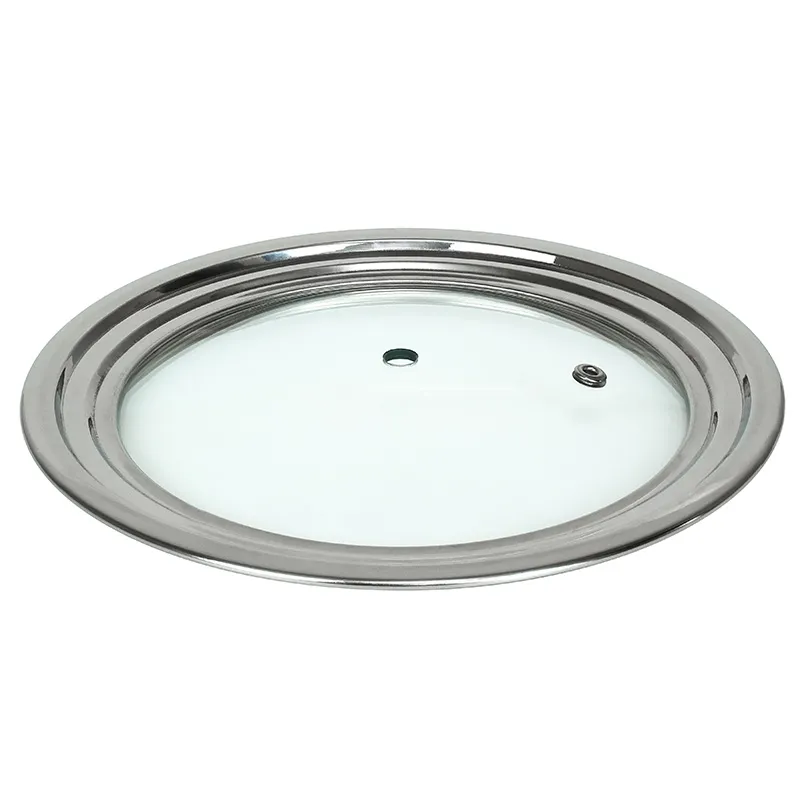
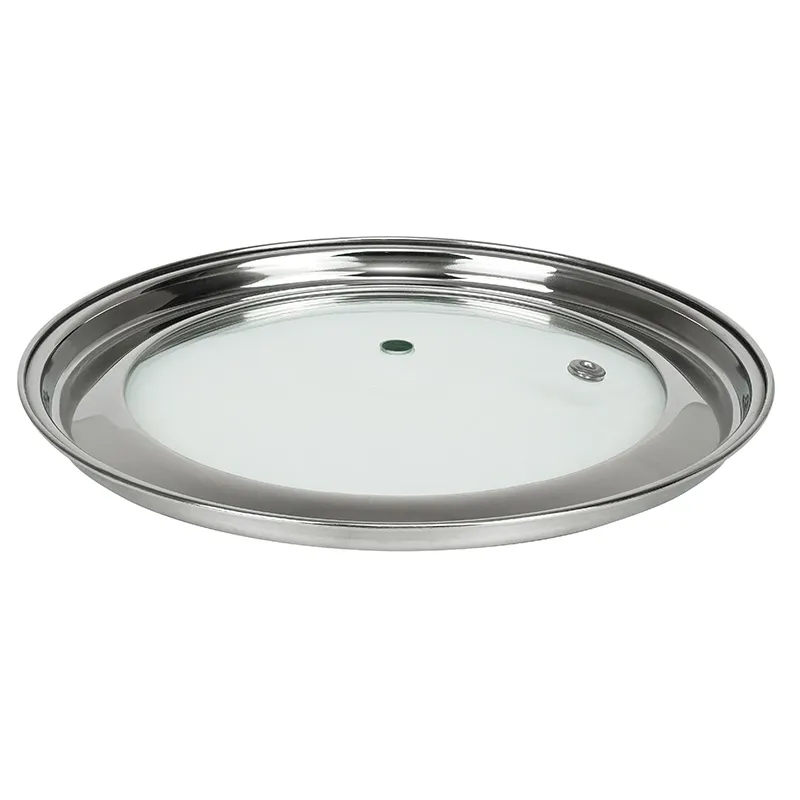
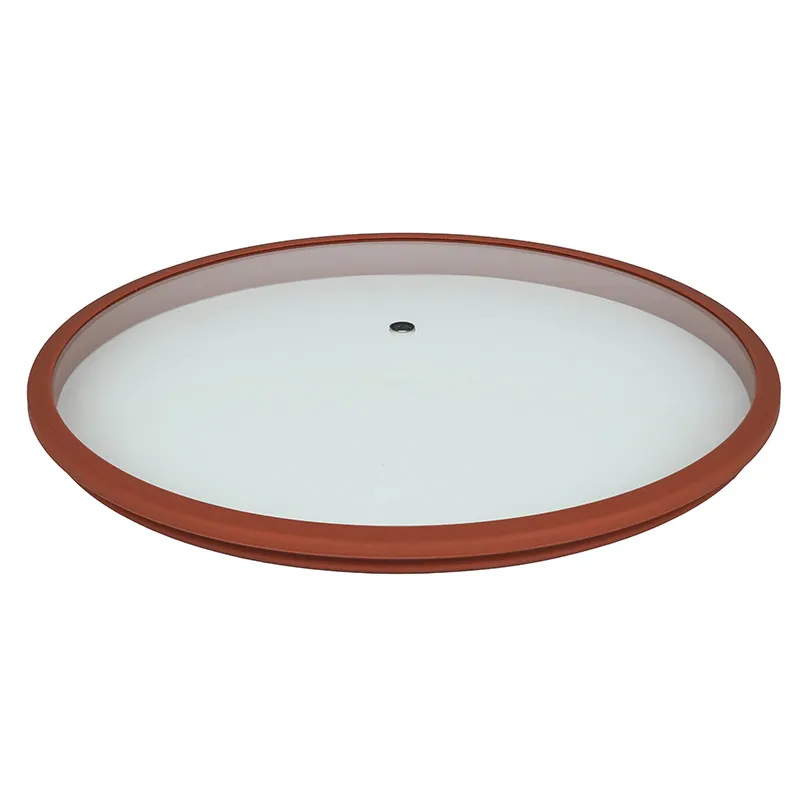
I've worked with factories that specialize in this. One that comes to mind is EUR-ASIA COOKWARE CO.,LTD. Their focus, as seen on their portal glass-lid.com, is specifically on glass lids and kitchen glassware. That specialization matters. A factory that does everything often masters nothing. Their stated capacity of over 15 million tempered glass lids annually indicates a focus on volume and standardization, which for a component like a lid, is crucial. Their export footprint across Europe and Asia suggests they're familiar with the varying safety and material standards in those markets—REACH compliance for plastics in the EU, for instance, which is non-negotiable.
However, specialization has its limits. A lid specialist like EUR-ASIA might source the actual double wall glass bodies from a partner furnace. This isn't inherently bad, but it adds a layer of supply chain coordination. The key is their ability to quality-check the incoming glass rims and ensure their lid specs match perfectly. This hand-off point between the glass producer and the lid assembler is a classic failure point. The most successful projects I've managed were where one facility, or two tightly integrated partners, controlled both the glass forming and the final lid assembly and sealing. It minimizes blame games when something goes wrong.
Common Pitfalls in Design and Use
Let's talk about some real-world failures, the kind you only learn from getting returns. One classic is the 'sweating' bottom. Even with a perfect vacuum, if the external bottom of the mug is a single, thick layer of glass (for stability), it becomes a thermal bridge. Condensation forms on the outside, making it look like the vacuum failed. The fix is often a separate, adhered insulating base or a different bottom geometry. Another is lid odor. Low-grade PP or recycled plastic used for the lid can impart a smell, especially when exposed to hot liquids. It fades, but the customer's first impression doesn't.
User error is a big one. Many double wall glass with lid products are marketed as microwave-safe. The glass often is, but the lid almost certainly is not (unless it's specifically marked). We've all seen the melted lid disaster. Similarly, dishwasher safety is conditional. The alkaline detergents and high heat can cloud the glass over time and degrade the silicone gasket, making it brittle. The product might survive 100 cycles, but it won't perform like new. This is a communication gap between engineering, marketing, and the end-user manual.
Then there's the feel. The weight distribution between the glass and the lid. A heavy, thick lid on a light glass feels top-heavy and cheap. A flimsy lid on a substantial glass feels insecure. The click or snap of the lid fitting into place is a huge sensory detail that signals quality. Getting that right is more art than science, involving subtle drafts on the plastic mold and the gasket compression force. It's one of the last things tuned in pre-production sampling, but it's the first thing a customer notices.
The Market Niche and Future Tweaks
So who's getting it right? The market is bifurcated. On one end, you have the ultra-premium brands using lab-grade borosilicate, machined stainless steel lids with magnetic closures, and selling to a design-conscious audience. Their double wall glass product is a statement. On the other end, you have the high-volume, reliable commercial grade from suppliers like the aforementioned EUR-ASIA COOKWARE. Their products are the workhorses in hotel rooms, cafes, and as promotional items. They prioritize durability, stackability, and cost-effectiveness. The lid might be a simple, durable PP press-fit, but it will perform its core function—containing spills and providing a drinking aperture—reliably for years.
The innovation now isn't so much in the glass—that process is mature. It's in the lid systems and secondary features. I'm seeing more integrated tea infusers that slot neatly into the rim, lid-mounted digital temperature displays (which create a whole new sealing challenge), and even silicone sleeve designs that provide grip and allow for different lid options. The double wall glass with lid is becoming a platform.
For someone sourcing these, the advice is simple but hard-earned: never, ever approve a sample without a full thermal cycle test (ice water to boiling water, repeated) and a leak test (lay it on its side with hot liquid for hours). Audit the factory's final inspection process for the glass rim. And critically, define your lid requirements clearly—is it leak-proof for travel, or just spill-resistant for desk use? That single decision dictates about 70% of your component cost and design complexity. It's a deceptively simple product category where the details make all the difference between a star seller and a warehouse full of returns.
Concluding Thoughts from the Workshop
In the end, a successful double wall glass with lid product is a testament to controlled compromise. You compromise between absolute thermal perfection and cost, between leak-proof security and easy usability, between aesthetic minimalism and functional robustness. The factories that understand these trade-offs, like those with a focused output on components as EUR-ASIA COOKWARE CO.,LTD demonstrates with its volume in glass lid production, are the ones that deliver consistent value.
The trend I'm watching is the move towards more sustainable materials. Can the silicone gasket be replaced with a food-grade thermoplastic elastomer that's easier to recycle? Can the PP lid incorporate a higher percentage of post-consumer recycled content without sacrificing structural integrity or clarity? These are the next-generation challenges. The basic physics of the double wall won't change, but the materials wrapping that core idea will have to evolve.
So next time you pick one up, give the lid a close look. Snap it on, feel the seal. That interface, that simple piece of molded plastic and rubber, is where a thousand small decisions in a factory far away converged to solve a very simple, yet physically tricky, problem. It's never just a lid. It's the gatekeeper for the vacuum inside.
Related Products
Related Products