- English
- Chinese
- French
- German
- Portuguese
- Spanish
- Russian
- Japanese
- Korean
- Arabic
- Irish
- Greek
- Turkish
- Italian
- Danish
- Romanian
- Indonesian
- Czech
- Afrikaans
- Swedish
- Polish
- Catalan
- Esperanto
- Hindi
- Lao
- Albanian
- Amharic
- Armenian
- Azerbaijani
- Belarusian
- Bengali
- Bosnian
- Bulgarian
- Cebuano
- Chichewa
- Corsican
- Croatian
- Dutch
- Estonian
- Filipino
- Finnish
- Frisian
- Galician
- Georgian
- Gujarati
- Haitian
- Hausa
- Hawaiian
- Hebrew
- Hmong
- Hungarian
- Icelandic
- Igbo
- Javanese
- Kannada
- Kazakh
- Khmer
- Kurdish
- Kyrgyz
- Latin
- Latvian
- Lithuanian
- Luxembou..
- Macedonian
- Malagasy
- Malay
- Malayalam
- Maltese
- Maori
- Marathi
- Mongolian
- Burmese
- Nepali
- Norwegian
- Pashto
- Persian
- Punjabi
- Serbian
- Sesotho
- Sinhala
- Slovak
- Slovenian
- Somali
- Samoan
- Scots Gaelic
- Shona
- Sindhi
- Sundanese
- Swahili
- Tajik
- Tamil
- Telugu
- Thai
- Ukrainian
- Urdu
- Uzbek
- Vietnamese
- Welsh
- Xhosa
- Yiddish
- Yoruba
- Zulu
- Kinyarwanda
- Tatar
- Oriya
- Turkmen
- Uyghur

Buy All-Clad 12 Inch Glass Lid: OEM Wholesale Price
2026-10-18
- Understanding the All-Clad 12 Inch Glass Lid Specification
- Why Tempered Glass is the Standard for Premium Cookware Lids
- OEM and Wholesale Sourcing: Strategic Advantages
- Compatibility Guide: Ensuring the Perfect Fit
- Maintenance and Care for Longevity
- Industry Trends and Future Outlook
- Frequently Asked Questions (FAQ)
- Conclusion: Choosing the Right Partner for Glass Lid Solutions
Looking for a reliable All-Clad 12 inch glass lid replacement or OEM manufacturing partner? This comprehensive guide covers specifications, material standards, and wholesale sourcing strategies for high-performance tempered glass lids. Whether you need a direct fit for premium cookware lines or custom OEM solutions, understanding the technical nuances of 12-inch lid compatibility is crucial. At EUR-ASIA COOKWARE CO.,LTD., we specialize in producing precision-engineered glass lids that meet rigorous international safety standards, including LFGB and TUV certifications. Our facility in Shandong Province delivers over 15 million units annually, ensuring consistent quality for global B2B buyers seeking durable, heat-resistant, and aesthetically pleasing kitchen accessories.
Understanding the All-Clad 12 Inch Glass Lid Specification
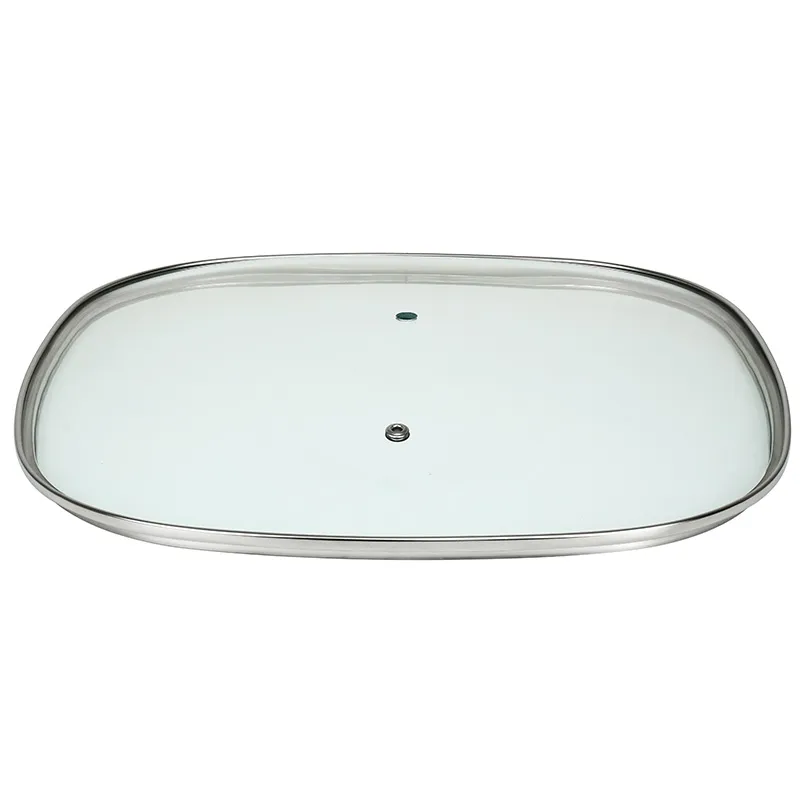
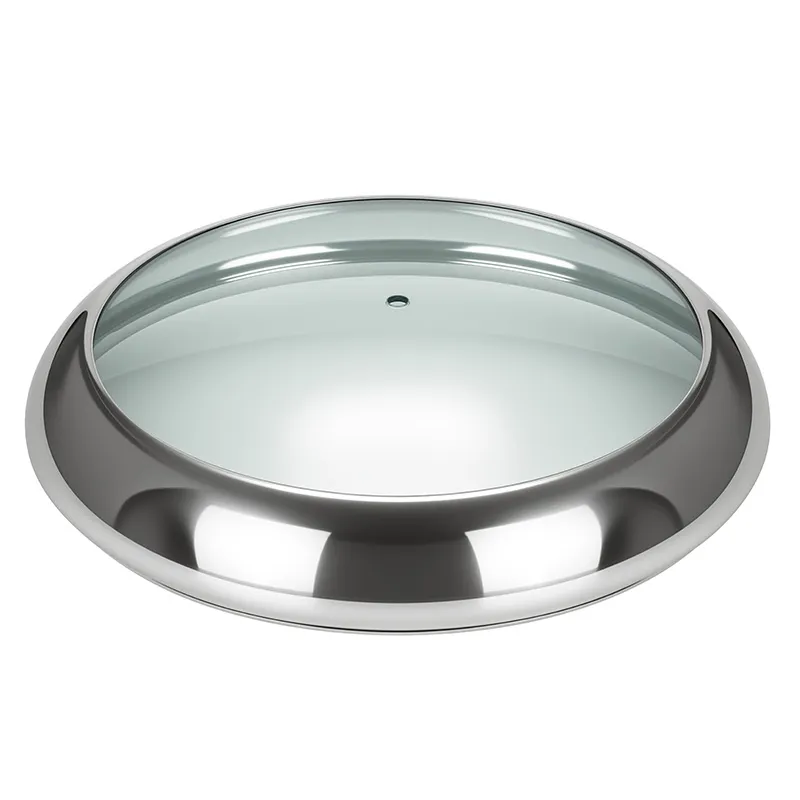
The term “All-Clad 12 inch glass lid” refers to a specific category of cookware accessories designed to fit 12-inch diameter pots and pans. In the context of professional kitchenware and high-end home cooking, the lid is not merely a cover; it is a critical component for heat retention, moisture control, and energy efficiency. A 12-inch lid typically corresponds to large sauté pans, deep skillets, or stockpots used in both commercial and residential settings.
When sourcing or replacing these lids, precision is paramount. The diameter must match the cookware rim exactly to ensure a proper seal. A gap of even a few millimeters can lead to significant heat loss and compromised cooking performance. Therefore, manufacturers must adhere to strict tolerance levels during the molding and tempering processes. High-quality glass lids are engineered to withstand thermal shock, allowing them to transition from high-heat stovetops to cooler environments without shattering.
Key Technical Parameters for 12-Inch Glass Lids
To ensure compatibility and safety, any glass lid intended for 12-inch cookware must meet specific technical criteria. These parameters define the product’s durability and functional performance:
- Diameter: Precisely 12 inches (approx. 30.48 cm) at the outer edge, with inner dimensions calibrated to fit specific rim profiles.
- Material: High-borosilicate or tempered soda-lime glass, capable of withstanding temperature differences up to 120°C–150°C.
- Thickness: Typically ranges from 4mm to 6mm, balancing weight and thermal resistance.
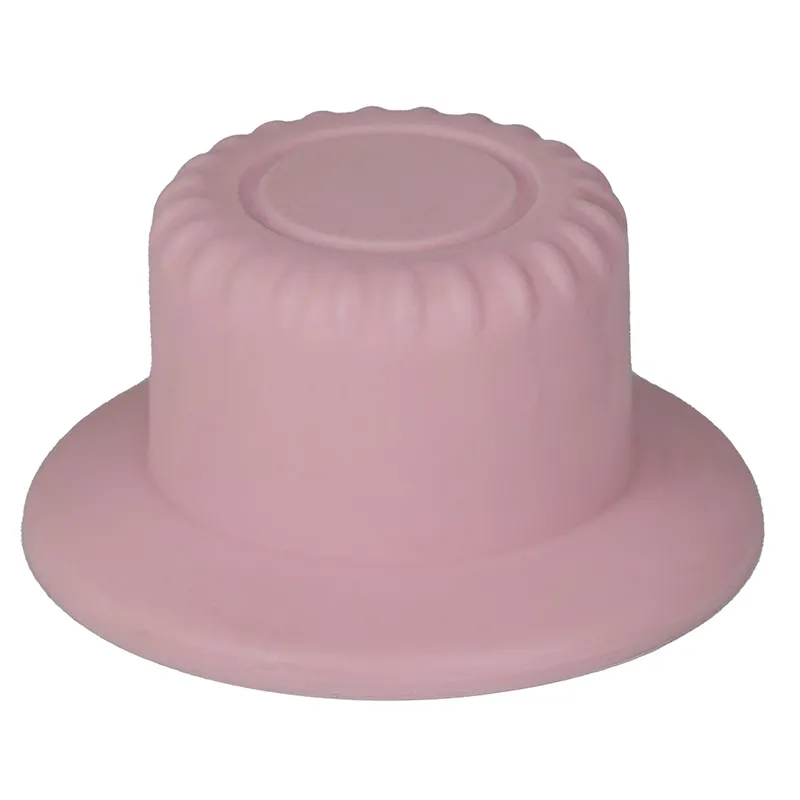
- Handle/Knob Material: Heat-resistant stainless steel, silicone, or Bakelite, securely attached to withstand oven temperatures up to 200°C–230°C.
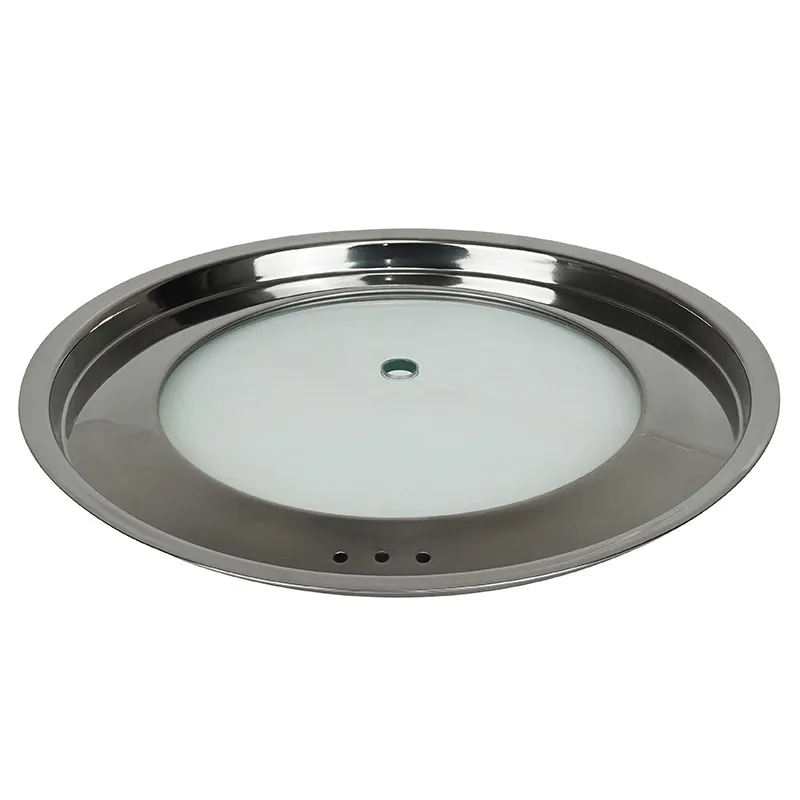
- Steam Vent: Optional but recommended for pressure regulation during simmering or boiling.
These specifications are not arbitrary. They are derived from industry standards and user experience data. For instance, a thicker glass panel provides better insulation but adds weight, which may affect user handling. Conversely, a thinner lid may be lighter but more prone to breakage under rapid temperature changes. Manufacturers like EUR-ASIA COOKWARE CO.,LTD. optimize these variables to produce lids that offer the best balance of durability and usability.
Why Tempered Glass is the Standard for Premium Cookware Lids
Glass has become the preferred material for cookware lids in the modern kitchen, particularly for brands associated with high performance like All-Clad. The primary advantage of tempered glass is visibility. Chefs and home cooks can monitor the cooking process without lifting the lid, which preserves heat and moisture. This feature is essential for techniques such as braising, steaming, and simmering, where consistent temperature is key.
Thermal Shock Resistance and Safety
Tempered glass undergoes a rigorous heating and cooling process that increases its strength compared to standard annealed glass. This treatment makes it highly resistant to thermal shock. In practical terms, this means the lid can handle the sudden temperature changes common in cooking environments. For example, adding cold ingredients to a hot pan covered with a glass lid will not cause the glass to crack if it is properly tempered.
Safety is another critical factor. If tempered glass does break, it shatters into small, blunt pieces rather than sharp shards. This characteristic significantly reduces the risk of injury, making it a safer choice for households and professional kitchens. Compliance with safety standards such as LFGB (Germany) and TUV ensures that the glass meets stringent health and safety requirements, protecting consumers from potential hazards.
Aesthetic and Functional Benefits
Beyond functionality, glass lids contribute to the aesthetic appeal of cookware. They provide a sleek, modern look that complements stainless steel and copper cores. The transparency allows for visual presentation, which is particularly valued in open-kitchen concepts and culinary demonstrations. Furthermore, glass is non-porous and does not react with acidic foods, ensuring that flavors remain pure and uncontaminated.
For B2B buyers, offering glass lids enhances the perceived value of the cookware set. It signals quality and attention to detail, attributes that resonate with discerning consumers. By partnering with experienced manufacturers who understand these nuances, brands can ensure their products meet market expectations for both form and function.
OEM and Wholesale Sourcing: Strategic Advantages
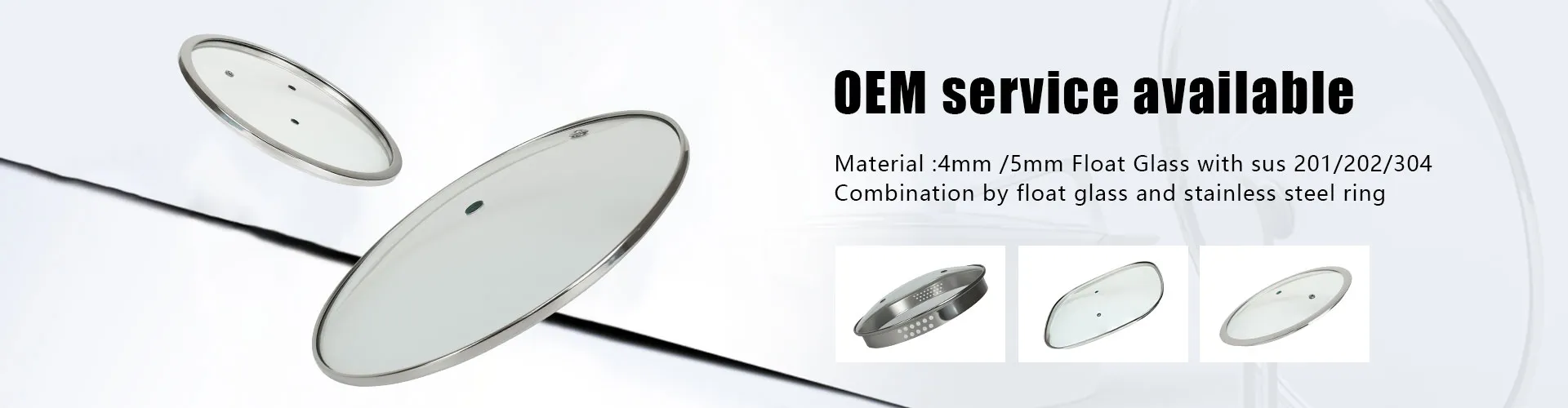
Sourcing All-Clad 12 inch glass lid replacements or creating private-label equivalents requires a strategic approach to manufacturing. Original Equipment Manufacturer (OEM) partnerships allow businesses to customize products according to specific brand requirements. This includes adjustments in design, material composition, and branding elements such as logos and packaging.
Customization Capabilities in Modern Manufacturing
Modern manufacturing facilities, such as the production base of EUR-ASIA COOKWARE CO.,LTD. in Taian City, Shandong Province, offer extensive customization options. With an annual output exceeding 15 million pieces, the facility is equipped to handle large-scale orders while maintaining high quality standards. Customization can include:
- Shape Variations: Production of high curvature, tall, flat, and special-shaped glass covers to fit unique cookware designs.
- Logo Printing: Direct printing of brand logos on the glass or handle, enhancing brand visibility and recognition.
- Handle Design: Selection of handle materials and styles that align with the overall aesthetic of the cookware line.
- Packaging Solutions: Custom packaging that protects the product during transit and enhances unboxing experiences for end-users.
These capabilities enable brands to differentiate their products in a competitive market. By leveraging the expertise of established manufacturers, companies can introduce innovative features that appeal to specific consumer segments. For instance, ergonomic handles designed for comfort and safety can be a significant selling point for home cooks who prioritize ease of use.
Quality Assurance and Certifications
Quality assurance is a cornerstone of successful OEM partnerships. Reputable manufacturers adhere to international standards such as ISO9001, which certifies consistent quality management practices. Additionally, product-specific certifications like LFGB and TUV validate the safety and durability of the glass lids. These certifications are particularly important for exporting to markets in Europe, North America, and Asia, where regulatory compliance is strictly enforced.
EUR-ASIA COOKWARE CO.,LTD. has successfully exported more than 90 percent of its products to countries including Germany, Russia, Italy, France, Poland, Denmark, Spain, Switzerland, Brazil, Turkey, South Korea, and Japan. This global reach demonstrates the company’s ability to meet diverse regulatory requirements and consumer preferences. For buyers, choosing a certified manufacturer minimizes risks associated with product liability and ensures long-term reliability.
Compatibility Guide: Ensuring the Perfect Fit
One of the most common challenges when buying replacement lids is ensuring compatibility. Not all 12-inch lids fit all 12-inch pans. Variations in rim design, thickness, and curvature can affect the fit. Understanding these differences is essential for avoiding purchasing errors and ensuring customer satisfaction.
Rim Profiles and Fit Types
Cookware rims generally fall into two categories: rolled rims and flat rims. Rolled rims have a curved edge that requires a lid with a corresponding inner contour. Flat rims, on the other hand, provide a surface for the lid to rest on directly. Glass lids are often designed with a universal fit that accommodates both types, but precision engineering is required to ensure a snug seal.
| Rim Type | Lid Requirement | Common Issues |
|---|---|---|
| Rolled Rim | Lid with curved inner edge or flexible silicone ring | Gap between lid and rim causing steam escape |
| Flat Rim | Flat-bottomed lid with precise diameter | Lid sliding off if diameter is slightly off |
| Irregular Rim | Custom-molded lid | Standard lids do not fit; requires OEM solution |
For brands developing new cookware lines, working closely with manufacturers to prototype lids that match specific rim profiles is crucial. This collaborative approach ensures that the final product performs as intended, providing a seamless user experience. EUR-ASIA COOKWARE CO.,LTD. supports this process by offering custom molding services based on customer drawings and samples.
Measuring for Replacement
When sourcing replacement lids, accurate measurement is vital. Users should measure the inner diameter of the pot or pan, not the outer diameter. This measurement determines the size of the lid required. Additionally, checking the height of the rim helps determine if a standard flat lid or a deeper, curved lid is needed. Providing these details to suppliers ensures that the correct product is delivered, reducing return rates and enhancing customer trust.
Maintenance and Care for Longevity
Proper maintenance extends the lifespan of glass lids and maintains their clarity and functionality. While tempered glass is durable, it is not indestructible. Educating users on best practices for care can prevent damage and ensure safe usage.
Cleaning Best Practices
- Avoid Thermal Shock: Do not place a hot glass lid directly into cold water. Allow it to cool to room temperature before washing.
- Use Non-Abrasive Cleaners: Harsh scouring pads can scratch the glass surface, weakening its structure over time. Use soft sponges and mild detergents.
- Dishwasher Safety: Most tempered glass lids are dishwasher safe, but check manufacturer guidelines. Place lids securely to prevent them from knocking against other items.
- Inspect Regularly: Check for chips, cracks, or loose handles. Discard any lid showing signs of damage to prevent accidents.
Storage Recommendations
Store glass lids in a way that prevents chipping. Using lid organizers or placing a soft cloth between stacked lids can protect the edges. Avoid hanging lids by their handles if the handle attachment is not designed for suspension, as this can stress the connection point. Proper storage not only preserves the aesthetic appeal of the lids but also ensures they remain safe for use.
Industry Trends and Future Outlook
The cookware accessories market is evolving, driven by consumer demand for sustainability, smart features, and multifunctionality. Glass lids are adapting to these trends through innovations in material science and design.
Sustainability and Eco-Friendly Materials
Consumers are increasingly conscious of environmental impact. Manufacturers are exploring eco-friendly production methods and recyclable materials. Tempered glass is inherently recyclable, making it a sustainable choice compared to plastic alternatives. Highlighting this attribute can enhance brand appeal among environmentally conscious buyers.
Integration with Smart Cooking
While still emerging, smart cookware integrates sensors into lids to monitor temperature and cooking progress. Glass lids provide an ideal platform for such technologies due to their transparency and heat resistance. As smart kitchens become more prevalent, the demand for compatible, high-tech glass lids is expected to grow. Manufacturers who invest in R&D for these applications will be well-positioned to capture future market share.
Frequently Asked Questions (FAQ)
Can I use an All-Clad 12 inch glass lid in the oven?
Yes, most tempered glass lids are oven-safe up to a certain temperature, typically between 200°C and 230°C (400°F–450°F). However, always check the specific rating provided by the manufacturer. Ensure that the handle material is also oven-safe, as some plastic or rubber components may have lower heat tolerance.
What is the difference between tempered glass and regular glass lids?
Tempered glass is treated with heat to increase its strength and resistance to thermal shock. It is significantly stronger than regular annealed glass and breaks into harmless blunt pieces if shattered. Regular glass is more prone to breaking from temperature changes and forms sharp shards, posing a safety risk.
How do I know if a glass lid fits my 12-inch pan?
Measure the inner diameter of your pan’s opening. If it measures exactly 12 inches, a standard 12-inch lid should fit. Check the rim profile (rolled or flat) to ensure the lid sits securely. If unsure, consult the cookware manufacturer’s specifications or contact the lid supplier for compatibility advice.
Is it safe to put a hot glass lid on a cold countertop?
No, placing a hot glass lid on a cold or wet surface can cause thermal shock, leading to breakage. Always place hot lids on a dry, heat-resistant surface such as a wooden cutting board or a trivet. Allow the lid to cool gradually before cleaning or storing.
Can custom logos be printed on glass lids?
Yes, many manufacturers, including EUR-ASIA COOKWARE CO.,LTD., offer logo printing services. This can be done using screen printing or laser etching techniques. Custom branding enhances product identity and is a valuable feature for B2B buyers looking to establish their brand presence.
Conclusion: Choosing the Right Partner for Glass Lid Solutions
Selecting the right All-Clad 12 inch glass lid or OEM manufacturing partner involves more than just comparing prices. It requires a deep understanding of material quality, manufacturing capabilities, and compliance with international safety standards. For businesses seeking reliable, high-volume production, partnering with an experienced manufacturer like EUR-ASIA COOKWARE CO.,LTD. offers significant advantages.
With a state-of-the-art facility in Taian City, Shandong Province, and a proven track record of exporting to over 20 countries, EUR-ASIA combines technical expertise with scalable production. Their ISO9001, LFGB, and TUV certifications provide assurance of quality and safety, while their customization options allow brands to create unique, market-ready products. Whether you need standard replacements or bespoke OEM solutions, their team is equipped to meet your specific requirements.
Investing in high-quality glass lids enhances the value of your cookware offerings and ensures customer satisfaction. By prioritizing durability, safety, and aesthetic appeal, you can build a reputable brand in the competitive kitchenware market. For detailed specifications, custom quotes, or to discuss your project needs, reach out to our team today.
→ Explore our full range of tempered glass lids and OEM solutions