- English
- Chinese
- French
- German
- Portuguese
- Spanish
- Russian
- Japanese
- Korean
- Arabic
- Irish
- Greek
- Turkish
- Italian
- Danish
- Romanian
- Indonesian
- Czech
- Afrikaans
- Swedish
- Polish
- Catalan
- Esperanto
- Hindi
- Lao
- Albanian
- Amharic
- Armenian
- Azerbaijani
- Belarusian
- Bengali
- Bosnian
- Bulgarian
- Cebuano
- Chichewa
- Corsican
- Croatian
- Dutch
- Estonian
- Filipino
- Finnish
- Frisian
- Galician
- Georgian
- Gujarati
- Haitian
- Hausa
- Hawaiian
- Hebrew
- Hmong
- Hungarian
- Icelandic
- Igbo
- Javanese
- Kannada
- Kazakh
- Khmer
- Kurdish
- Kyrgyz
- Latin
- Latvian
- Lithuanian
- Luxembou..
- Macedonian
- Malagasy
- Malay
- Malayalam
- Maltese
- Maori
- Marathi
- Mongolian
- Burmese
- Nepali
- Norwegian
- Pashto
- Persian
- Punjabi
- Serbian
- Sesotho
- Sinhala
- Slovak
- Slovenian
- Somali
- Samoan
- Scots Gaelic
- Shona
- Sindhi
- Sundanese
- Swahili
- Tajik
- Tamil
- Telugu
- Thai
- Ukrainian
- Urdu
- Uzbek
- Vietnamese
- Welsh
- Xhosa
- Yiddish
- Yoruba
- Zulu
- Kinyarwanda
- Tatar
- Oriya
- Turkmen
- Uyghur

Buy Glass Food Storage with Bamboo Lid | Wholesale Price
2026-10-18
- What Is Glass Food Storage with Bamboo Lid?
- Why Choose Glass Over Plastic for Food Storage?
- Technical Specifications and Quality Standards
- Comparison: Glass-Bamboo Containers vs. Alternatives
- Applications and Use Cases
- Sourcing and Manufacturing: The EUR-ASIA Advantage
- How to Choose the Right Glass Food Storage Supplier
- Maintenance and Care Instructions for End Users
- Frequently Asked Questions (FAQ)
- Conclusion: Elevate Your Product Line with Premium Glass-Bamboo Solutions
Glass food storage with bamboo lid offers a sustainable, non-toxic, and aesthetically pleasing solution for modern kitchen organization and bulk food preservation. By combining high-transparency borosilicate or tempered glass bodies with natural, antimicrobial bamboo covers, these containers provide an airtight seal that maintains food freshness while eliminating plastic contact. For B2B buyers, wholesalers, and retail brands, sourcing high-quality glass-bamboo hybrid products requires understanding material grades, sealing mechanisms, and manufacturing compliance standards such as LFGB and ISO9001.
This comprehensive guide details the technical advantages, procurement strategies, and quality benchmarks for glass food storage with bamboo lid units. It addresses common buyer questions regarding durability, customization, and supply chain reliability, leveraging the manufacturing expertise of established producers like EUR-ASIA COOKWARE CO.,LTD. to ensure informed decision-making for international trade partners.
What Is Glass Food Storage with Bamboo Lid?
Glass food storage with bamboo lid refers to kitchen containers constructed from durable glass—typically tempered soda-lime or borosilicate glass—paired with lids made from natural bamboo fiber or solid bamboo wood. The design intent is to merge the inert, hygienic properties of glass with the renewable, lightweight characteristics of bamboo.
Unlike traditional plastic containers, which may leach chemicals when heated or stained by strong pigments, glass remains chemically stable. The bamboo lid serves multiple functions: it acts as a physical barrier against contaminants, provides a natural aesthetic that appeals to eco-conscious consumers, and often incorporates a silicone gasket to ensure an airtight seal. This combination is increasingly preferred in both residential kitchens and commercial food service environments due to its safety profile and visual appeal.
Key Components and Material Structure
- The Glass Body: Made from high-quality tempered glass, offering resistance to thermal shock and mechanical impact. It is transparent, allowing for easy content identification without opening the container.
- The Bamboo Lid: Crafted from sustainably sourced bamboo, known for its natural antimicrobial properties and rapid renewability. The lid is often treated with food-safe oils to prevent moisture absorption and cracking.
- The Sealing Mechanism: A food-grade silicone ring is typically embedded in the lid or the glass rim. This component is critical for creating an airtight environment that extends the shelf life of perishable goods.
- Locking Clips (Optional): Some designs include stainless steel or plastic locking clips to secure the lid tightly during transport, enhancing leak resistance.
Why Choose Glass Over Plastic for Food Storage?
The shift from plastic to glass food storage with bamboo lid solutions is driven by health concerns, environmental regulations, and consumer preference for premium materials. Understanding the comparative advantages helps retailers and distributors position these products effectively in the market.
Health and Safety Benefits
Glass is non-porous and impermeable. It does not absorb odors, stains, or flavors from stored foods, ensuring that each meal tastes fresh. More importantly, high-quality glass is free from Bisphenol A (BPA), phthalates, and other endocrine-disrupting chemicals commonly found in polycarbonate plastics. When paired with a natural bamboo lid, the entire contact surface is free from synthetic polymers, reducing the risk of microplastic ingestion.
Environmental Sustainability
Bamboo is one of the fastest-growing plants on Earth, requiring minimal water and no pesticides. Using bamboo for lids reduces reliance on petroleum-based plastics. Furthermore, glass is 100% recyclable indefinitely without loss in quality or purity. For brands targeting the European and North American markets, where sustainability certifications are increasingly mandatory, this material combination offers a compelling eco-friendly narrative.
Durability and Longevity
While glass is heavier than plastic, tempered glass used in professional cookware is designed to withstand significant stress. It is resistant to scratching and can transition from freezer to oven (excluding the bamboo lid), offering versatility that plastic cannot match. Bamboo, when properly maintained, is highly durable and resistant to warping, outlasting many composite plastic lids that become brittle over time.
Technical Specifications and Quality Standards
For wholesale buyers and importers, verifying the technical specifications of glass food storage with bamboo lid products is essential to ensure compliance with international safety standards and customer expectations. High-quality manufacturing involves precise control over glass thickness, tempering processes, and bamboo treatment methods.
Glass Type: Tempered vs. Borosilicate
Two primary types of glass are used in food storage:
- Tempered Soda-Lime Glass: This is the most common type for general food storage. It is processed by controlled thermal or chemical treatments to increase its strength compared with normal glass. It is cost-effective and suitable for cold storage and moderate heating.
- Borosilicate Glass: Known for its low coefficient of thermal expansion, this glass is highly resistant to thermal shock. It is ideal for products intended for direct oven use or extreme temperature changes. However, it is generally more expensive to produce.
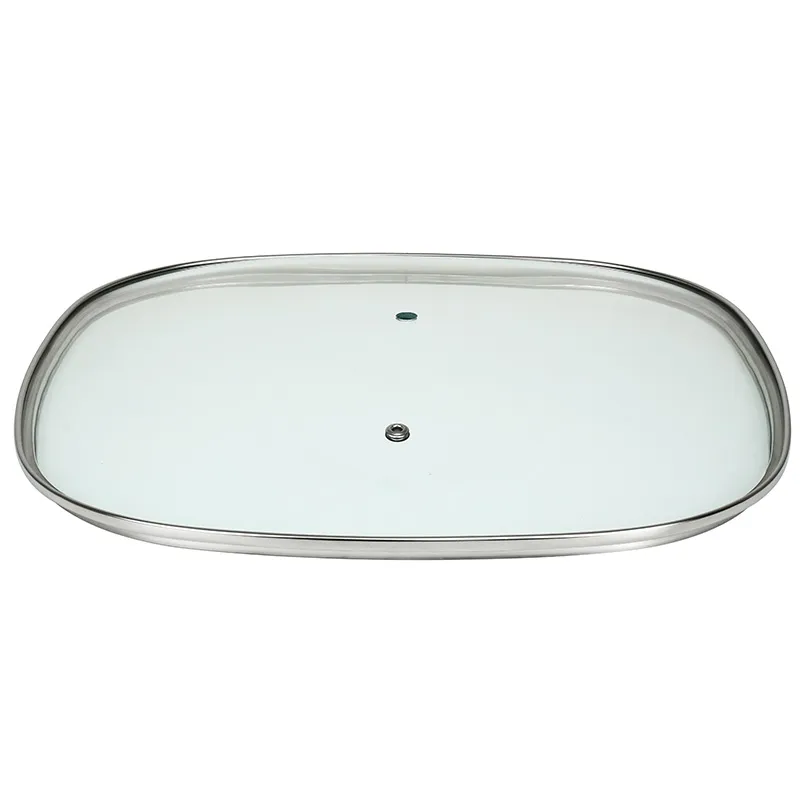
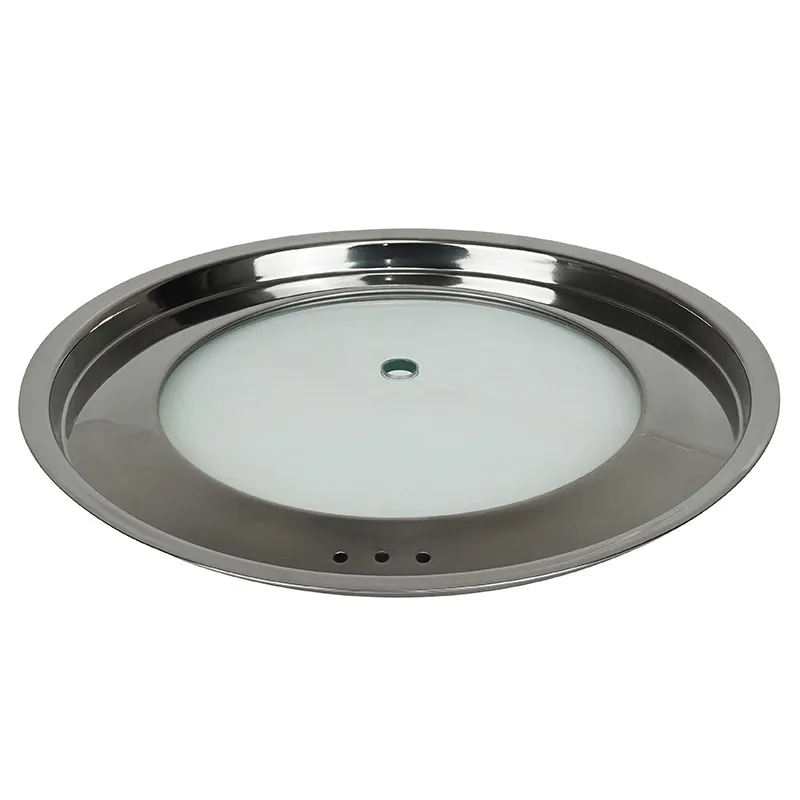
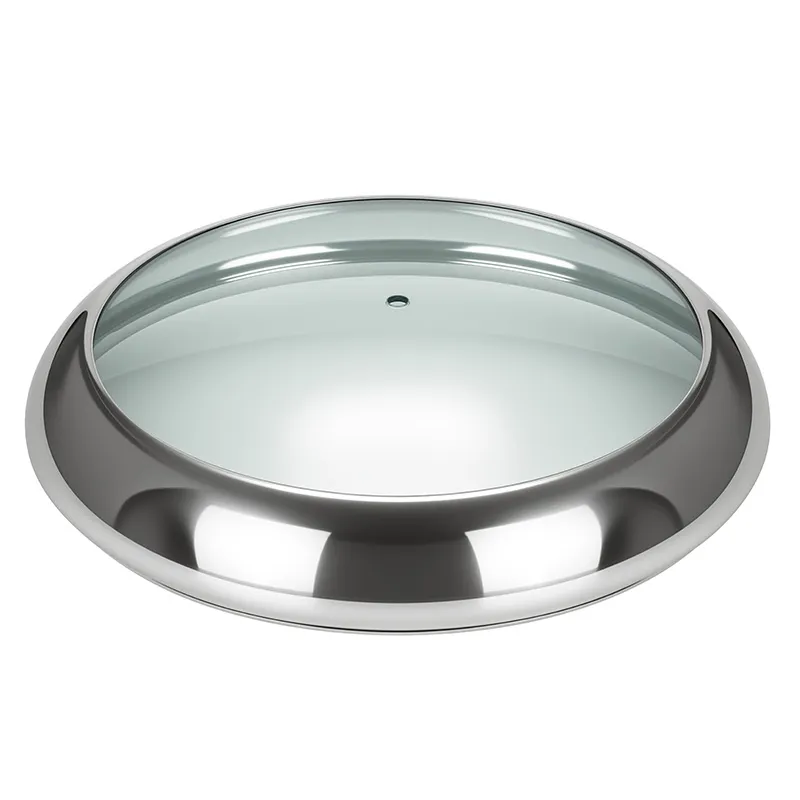
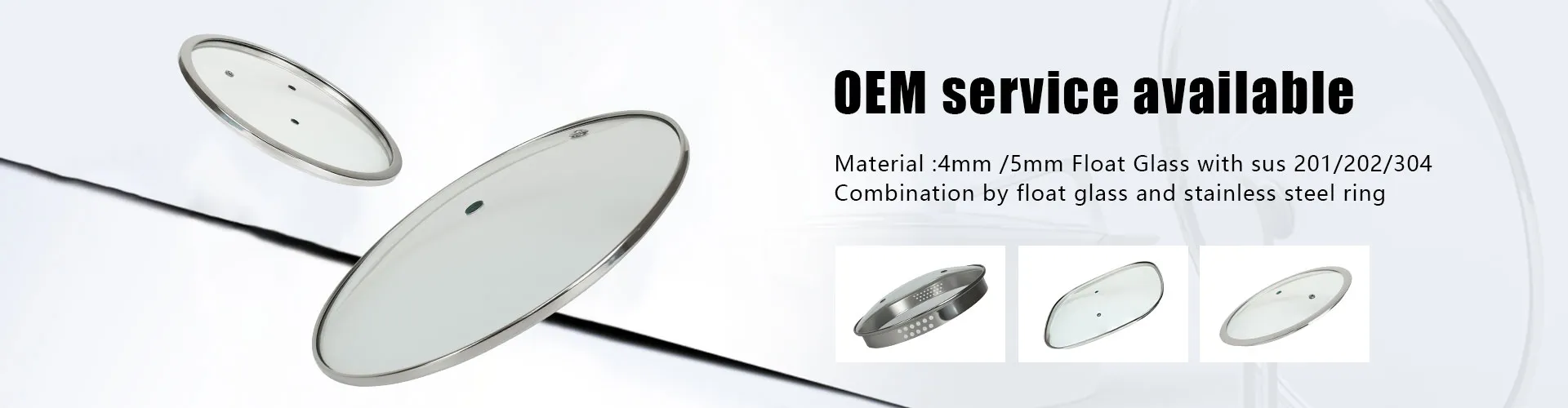
EUR-ASIA COOKWARE CO.,LTD. specializes in producing various levels of household glass products, including high-curvature and special-shaped tempered glass lids. Their annual output of over 15 million pieces demonstrates the capacity to handle large-scale orders while maintaining consistent quality across both standard and customized specifications.
Bamboo Lid Treatment and Safety
Natural bamboo is porous and can harbor bacteria if not treated correctly. High-quality manufacturers apply food-safe mineral oils or beeswax finishes to seal the bamboo fibers. Additionally, the bamboo must be tested for formaldehyde emissions, especially if adhesives are used in the lamination process. Compliance with LFGB (Germany) and TUV certifications ensures that the bamboo lids meet rigorous European safety standards for food contact materials.
Sealing Integrity and Airtightness
The effectiveness of a food storage container relies on its seal. The silicone gasket must be made from food-grade silicone that is resistant to degradation from acids and fats. The fit between the bamboo lid and the glass rim must be precise. Irregularities in the glass mouth or warping in the bamboo can compromise the seal. Advanced manufacturing facilities, such as those in the Taian City National High-tech Development Zone, utilize precision molding and quality control checks to ensure every unit meets airtightness standards.
Comparison: Glass-Bamboo Containers vs. Alternatives
To assist in product selection and marketing positioning, the following table compares glass food storage with bamboo lid containers against other common storage solutions.
| Feature | Glass with Bamboo Lid | Plastic (PP/PET) | Glass with Plastic Lid | Stainless Steel |
|---|---|---|---|---|
| Material Safety | High (Non-toxic, BPA-free) | Low (Potential leaching) | Medium (Glass safe, lid synthetic) | High (Inert) |
| Eco-Friendliness | High (Recyclable & Biodegradable) | Low (Petroleum-based) | Medium (Partial recyclability) | High (Recyclable) |
| Aesthetic Appeal | Premium, Natural, Warm | Functional, Cheap | Standard | Industrial, Modern |
| Microwave Safe | Body only (Remove lid) | Yes (Check rating) | Body only (Remove lid) | No |
| Oven Safe | Body only (Remove lid) | No | Body only (Remove lid) | Yes (Specific types) |
| Dishwasher Safe | Hand wash lid recommended | Yes | Yes | Yes |
| Weight | Heavier | Light | Heavy | Light/Medium |
| Cost | Medium-High | Low | Medium | High |
Applications and Use Cases
The versatility of glass food storage with bamboo lid containers makes them suitable for a wide range of applications, from home kitchens to commercial hospitality sectors. Understanding these use cases helps buyers tailor their product offerings to specific market segments.
Residential Kitchen Organization
Home users utilize these containers for meal prep, leftover storage, and pantry organization. The transparency of glass allows for quick identification of contents, reducing food waste. The aesthetic appeal of bamboo lids makes them suitable for open-shelf storage, turning functional items into decorative kitchen elements. Common items stored include grains, nuts, spices, salads, and cooked meals.
Commercial Food Service and Catering
Restaurants and catering companies value the hygiene and durability of glass. These containers are ideal for storing ingredients in prep kitchens, where visibility and cleanliness are paramount. The ability to go from fridge to oven (with lid removal) streamlines cooking processes. Additionally, the premium look aligns with high-end dining establishments that prioritize presentation and sustainability.
Retail and Gift Markets
Due to their attractive design, glass-bamboo sets are popular in the gift market, particularly during holiday seasons. Retailers often bundle different sizes into curated sets for housewarmings, weddings, and corporate gifts. The perceived value of natural materials supports higher retail margins compared to standard plastic ware.
Sourcing and Manufacturing: The EUR-ASIA Advantage
When sourcing glass food storage with bamboo lid products, partnering with a manufacturer that combines technical expertise with scalable production is crucial. EUR-ASIA COOKWARE CO.,LTD. exemplifies the capabilities required for successful international supply chains.
Production Capacity and Infrastructure
Located in the Taian City National High-tech Development Zone in Shandong Province, EUR-ASIA operates a substantial production base covering 20,000 square meters, with a building area of 15,000 square meters. With over 90 employees, the company achieves an annual output of more than 15 million pieces of tempered glass lids and related glass products. This scale ensures that large wholesale orders can be fulfilled efficiently, minimizing lead times for international buyers.
Customization and OEM Services
Modern retail demands differentiation. EUR-ASIA offers extensive customization options to meet specific brand requirements. This includes:
- Shape Customization: Ability to produce high curvature, tall, flat, and other special-shaped glass covers and bodies according to customer demand.
- Logo Printing: Brands can have their logos printed directly on the product or packaging, enhancing brand visibility and recognition.
- Size Variations: From small spice jars to large meal-prep containers, the manufacturing line supports a diverse range of dimensions.
Quality Certifications and Compliance
Trustworthiness in B2B transactions is built on verified quality. EUR-ASIA has passed ISO9001 certification, ensuring consistent quality management systems. Furthermore, their products have passed LFGB and TUV certifications. These certifications are particularly vital for exporters targeting the European market, where food contact material regulations are stringent. Over 90 percent of the company’s products are exported to countries including Germany, Russia, Italy, France, Poland, Denmark, Spain, Switzerland, Brazil, Turkey, South Korea, and Japan, demonstrating a proven track record of meeting diverse international standards.
How to Choose the Right Glass Food Storage Supplier
Selecting the right supplier for glass food storage with bamboo lid involves evaluating several critical factors beyond just price. Buyers should consider the following criteria to ensure a successful partnership.
1. Verify Certifications
Ensure the supplier holds relevant certifications for your target market. For Europe, LFGB and TUV are essential. For the US, FDA compliance is necessary. ISO9001 indicates a structured quality management system. Request copies of these certificates and verify their validity.
2. Assess Manufacturing Capabilities
Visit the factory if possible, or request virtual tours. Evaluate the production line’s automation level, quality control checkpoints, and storage conditions. A supplier like EUR-ASIA, with a large footprint and high annual output, suggests robust infrastructure capable of handling volume fluctuations.
3. Evaluate Customization Flexibility
Determine if the supplier can accommodate custom molds, shapes, and branding. Flexible manufacturers can help you create unique products that stand out in a crowded market. Ask about minimum order quantities (MOQs) for customized items versus standard stock.
4. Check Export Experience
Experience in exporting to your region implies familiarity with logistics, packaging requirements, and regulatory nuances. A supplier with a broad export portfolio, such as EUR-ASIA’s reach across Europe, Asia, and South America, is likely to navigate shipping and customs challenges more effectively.
Maintenance and Care Instructions for End Users
To maximize the lifespan of glass food storage with bamboo lid containers, end users should follow specific care guidelines. Providing these instructions with product packaging can reduce return rates and enhance customer satisfaction.
- Glass Care: The glass body is dishwasher safe. However, avoid sudden extreme temperature changes, such as placing a hot glass container directly into cold water, to prevent thermal shock breakage.
- Bamboo Lid Care: Hand wash bamboo lids with mild soap and warm water. Do not soak them for extended periods, as this can cause swelling or cracking. Dry thoroughly immediately after washing.
- Oiling: Periodically apply a thin layer of food-safe mineral oil or beeswax to the bamboo lid to maintain its moisture barrier and prevent drying out.
- Storage: Store containers in a dry, well-ventilated area. Avoid stacking heavy items on top of bamboo lids to prevent deformation.
- Heating: Never microwave or oven-heat the bamboo lid. Remove the lid before heating the glass container.
Frequently Asked Questions (FAQ)
Is glass food storage with bamboo lid airtight?
Yes, when designed correctly, these containers are airtight. The key component is the food-grade silicone gasket seated between the bamboo lid and the glass rim. This seal prevents air and moisture from entering, keeping food fresh for longer periods. However, the airtightness depends on the precision of the manufacturing and the condition of the silicone ring.
Can I put the bamboo lid in the dishwasher?
It is generally recommended to hand wash bamboo lids. Dishwashers expose bamboo to high heat and prolonged moisture, which can cause the wood to warp, crack, or lose its finish. Hand washing with mild soap and immediate drying preserves the integrity and appearance of the bamboo.
Is the glass safe for oven use?
The tempered glass body is typically oven-safe, but the bamboo lid is not. Always remove the bamboo lid before placing the container in the oven. Check the specific temperature limits provided by the manufacturer, as tempered glass usually withstands temperatures up to 400°F (200°C), but sudden temperature changes should be avoided.
How do I prevent the bamboo lid from molding?
Molding occurs when moisture is trapped in the bamboo fibers. To prevent this, always dry the lid thoroughly after washing. Store the container with the lid slightly ajar or off to allow air circulation if not in immediate use. Regularly applying food-safe oil helps seal the pores and repel moisture.
What is the minimum order quantity (MOQ) for wholesale?
MOQs vary by supplier and product customization. Standard stock items may have lower MOQs, while customized shapes or logo-printed products often require higher volumes to justify setup costs. Suppliers like EUR-ASIA COOKWARE CO.,LTD. can negotiate terms based on order size and long-term partnership potential. It is best to contact the supplier directly for specific quotes.
Can I customize the shape of the glass container?
Yes, many manufacturers offer OEM services. EUR-ASIA COOKWARE CO.,LTD., for instance, can produce high curvature, tall, flat, and other special-shaped glass covers and bodies according to customer demand. Custom molds may incur additional costs and lead times, so planning ahead is essential.
Conclusion: Elevate Your Product Line with Premium Glass-Bamboo Solutions
The demand for glass food storage with bamboo lid continues to grow as consumers prioritize health, sustainability, and aesthetics. For B2B buyers, wholesalers, and retailers, offering high-quality, certified products is key to capturing this market segment. The combination of durable tempered glass and natural bamboo provides a superior alternative to plastic, aligning with global trends towards eco-friendly living.
Partnering with an experienced manufacturer like EUR-ASIA COOKWARE CO.,LTD. ensures access to premium products that meet international safety standards. With a robust production capacity, ISO9001, LFGB, and TUV certifications, and a proven export track record to over 90% of global markets, EUR-ASIA offers the reliability and flexibility needed for successful international trade. Whether you require standard shapes or custom-designed solutions, their expertise in glass manufacturing can help elevate your brand and satisfy discerning customers.
Ready to source high-quality glass food storage solutions? Contact our team today to discuss your specific requirements, request samples, or learn more about our customization options. Let us help you build a sustainable and profitable product line.