- English
- Chinese
- French
- German
- Portuguese
- Spanish
- Russian
- Japanese
- Korean
- Arabic
- Irish
- Greek
- Turkish
- Italian
- Danish
- Romanian
- Indonesian
- Czech
- Afrikaans
- Swedish
- Polish
- Catalan
- Esperanto
- Hindi
- Lao
- Albanian
- Amharic
- Armenian
- Azerbaijani
- Belarusian
- Bengali
- Bosnian
- Bulgarian
- Cebuano
- Chichewa
- Corsican
- Croatian
- Dutch
- Estonian
- Filipino
- Finnish
- Frisian
- Galician
- Georgian
- Gujarati
- Haitian
- Hausa
- Hawaiian
- Hebrew
- Hmong
- Hungarian
- Icelandic
- Igbo
- Javanese
- Kannada
- Kazakh
- Khmer
- Kurdish
- Kyrgyz
- Latin
- Latvian
- Lithuanian
- Luxembou..
- Macedonian
- Malagasy
- Malay
- Malayalam
- Maltese
- Maori
- Marathi
- Mongolian
- Burmese
- Nepali
- Norwegian
- Pashto
- Persian
- Punjabi
- Serbian
- Sesotho
- Sinhala
- Slovak
- Slovenian
- Somali
- Samoan
- Scots Gaelic
- Shona
- Sindhi
- Sundanese
- Swahili
- Tajik
- Tamil
- Telugu
- Thai
- Ukrainian
- Urdu
- Uzbek
- Vietnamese
- Welsh
- Xhosa
- Yiddish
- Yoruba
- Zulu
- Kinyarwanda
- Tatar
- Oriya
- Turkmen
- Uyghur

Buy Staub 4 Quart Enameled Cast Iron Cocotte with Glass Lid
2026-10-23
- Understanding the Staub 4 Quart Enameled Cast Iron Cocotte with Glass Lid
- The Advantage of the Glass Lid Design
- Material Science: Why Enameled Cast Iron?
- Culinary Applications for the 4 Quart Size
- Operational Best Practices and Maintenance
- Common Mistakes to Avoid
- Selection Guide: Is the 4 Quart Glass Lid Model Right for You?
- Frequently Asked Questions (FAQ)
- Industry Insight: The Manufacturing Behind Premium Glass Lids
- Conclusion: Investing in Culinary Excellence
The Staub 4 Quart Enameled Cast Iron Cocotte with Glass Lid is a premium, versatile cookware solution designed for professional chefs and serious home cooks who require precise heat retention and visual monitoring capabilities. This specific model combines the superior thermal mass of French-made cast iron with a transparent tempered glass lid, allowing users to track braising, simmering, and roasting processes without lifting the lid and losing heat. Ideal for dishes requiring moderate liquid volumes, such as stews, soups, and small roasts, this cocotte offers exceptional durability, even heat distribution, and aesthetic versatility for both stovetop and oven use.
Understanding the Staub 4 Quart Enameled Cast Iron Cocotte with Glass Lid
Selecting the right cookware involves more than just aesthetics; it requires an understanding of material science and cooking dynamics. The Staub 4 Quart Enameled Cast Iron Cocotte with Glass Lid represents a strategic intersection of traditional craftsmanship and modern functional design. Unlike standard cast iron pots that rely solely on heavy, opaque lids, this variant integrates a high-quality glass lid to enhance user control during the cooking process.
Cast iron is renowned for its ability to absorb and retain heat efficiently. However, the addition of enamel coating transforms the maintenance profile of the material. The black matte enamel interior, a signature feature of Staub products, is designed to withstand high temperatures and develop a natural non-stick patina over time. This eliminates the need for seasonal seasoning required by raw cast iron, while still providing the superior searing capabilities associated with the material.
The 4-quart capacity is particularly significant in culinary applications. It is large enough to accommodate a whole chicken, a substantial cut of beef for braising, or a family-sized portion of soup, yet compact enough to fit comfortably on standard residential stovetops and within typical oven racks. This size strikes a balance between utility and storage efficiency, making it a cornerstone piece for diverse cooking methodologies.
Key Technical Specifications
To evaluate the suitability of this cocotte for specific culinary needs, it is essential to review its technical parameters. These specifications determine compatibility with heat sources, capacity limits, and operational safety.
| Specification | Details |
|---|---|
| Material | Cast Iron with Porcelain Enamel Coating |
| Capacity | 4 Quarts (Approx. 3.8 Liters) |
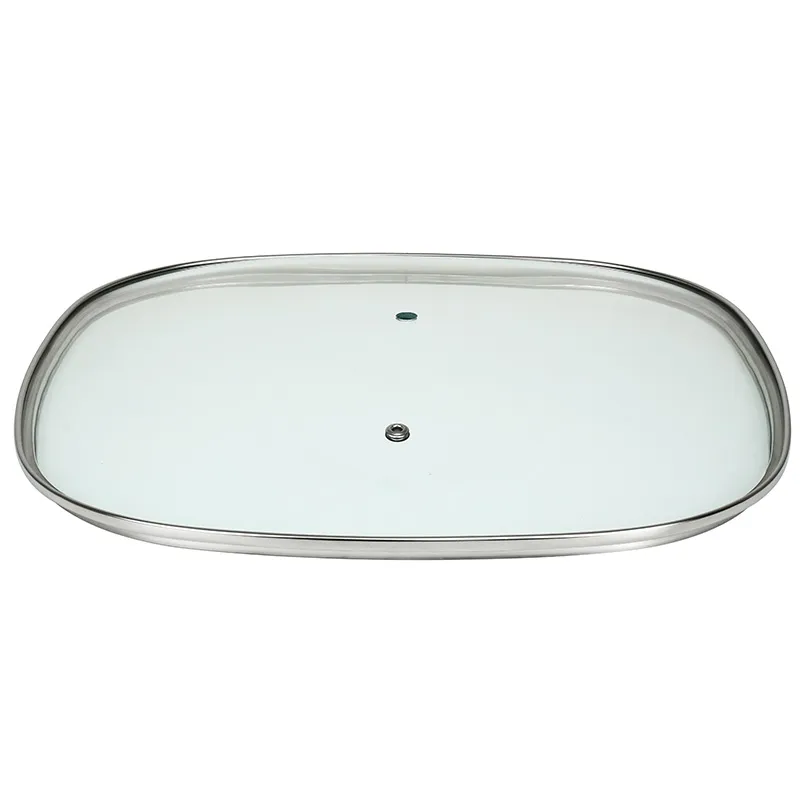
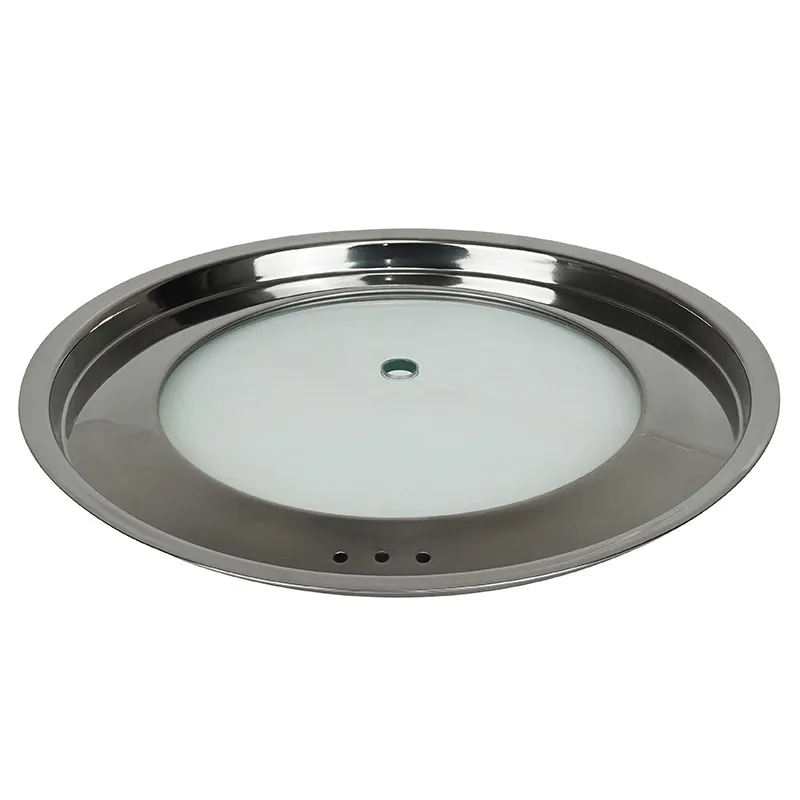
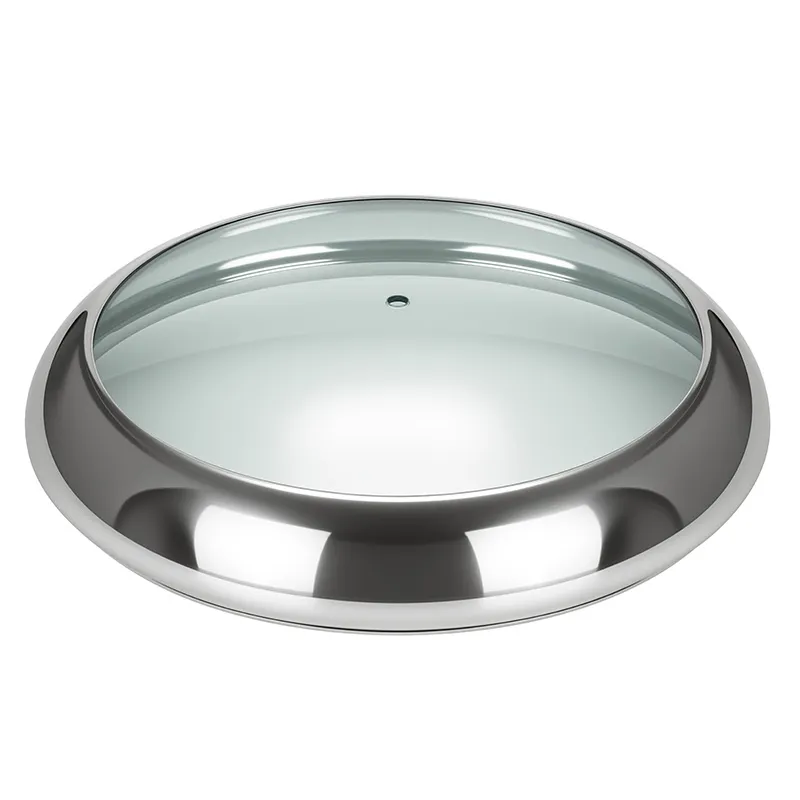
| Lid Type | Tempered Glass with Stainless Steel Rim |
| Interior Finish | Black Matte Enamel (No pre-seasoning required) |
| Exterior Finish | Glossy or Satin Enamel (Color dependent) |
| Oven Safety | Up to 500°F (260°C) – Check lid specific rating |
| Compatibility | Gas, Electric, Ceramic, Halogen, Induction |
| Origin | Made in France |
| Weight | Approx. 10-12 lbs (varies by specific finish) |
The compatibility with induction cooktops is a critical feature for modern kitchens. The ferromagnetic properties of cast iron make it inherently suitable for induction heating, ensuring rapid and efficient energy transfer. The glass lid, typically rated for high temperatures, allows for seamless transition from stovetop searing to oven finishing without the need to swap lids, provided the temperature limits are respected.
The Advantage of the Glass Lid Design
The decision to choose a cocotte with a glass lid over the traditional heavy cast iron lid is often driven by the desire for visual monitoring. In professional culinary environments, minimizing heat loss is paramount. Every time a lid is lifted, significant thermal energy escapes, potentially disrupting the cooking equilibrium, especially in low-and-slow braising techniques.
Thermal Efficiency and Monitoring
The tempered glass lid on the Staub 4 Quart Cocotte allows cooks to observe the reduction of sauces, the browning of meats, and the bubbling of liquids without interrupting the cooking process. This visibility is crucial for dishes that require precise timing, such as risottos or delicate poached items. By maintaining a sealed environment, the cocotte ensures that steam circulates internally, keeping meats moist and tenderizing tough cuts effectively.
Furthermore, the stainless steel rim around the glass lid adds structural integrity and durability. It protects the glass from chipping and provides a secure fit on the pot’s rim. This design choice reflects an engineering approach that balances transparency with robustness, ensuring the lid can withstand the rigors of daily commercial or heavy residential use.
Comparison: Glass Lid vs. Traditional Cast Iron Lid
Understanding the trade-offs between lid types helps in making an informed purchase decision. While both lids serve the primary function of trapping heat and moisture, their operational characteristics differ significantly.
| Feature | Glass Lid | Traditional Cast Iron Lid |
|---|---|---|
| Visibility | High – Allows continuous monitoring | None – Requires lifting to check |
| Heat Retention | Excellent, but slightly less than heavy iron | Superior – Maximum thermal mass |
| Weight | Lighter – Easier to handle | Heavier – Can be cumbersome |
| Durability | High (Tempered), but risk of breakage if dropped | Extremely High – Virtually unbreakable |
| Self-Basting | Standard condensation return | Often features self-basting spikes (depending on model) |
| Best Use Case | Soups, stocks, monitoring braises, boiling | Long slow roasts, baking bread, maximum searing |
For the Staub 4 Quart model, the glass lid is particularly advantageous for liquid-heavy preparations. When making stocks or soups, the ability to gauge the evaporation rate visually ensures that the final consistency meets expectations without unnecessary intervention. This feature reduces the cognitive load on the cook, allowing for a more relaxed and controlled cooking experience.
Material Science: Why Enameled Cast Iron?
The core value proposition of the Staub 4 Quart Cocotte lies in its material composition. Cast iron and enamel work synergistically to provide a cooking surface that is both durable and chemically stable. Understanding this relationship highlights why this product is a preferred choice for health-conscious consumers and professional chefs alike.
Heat Distribution and Retention
Cast iron has a high thermal mass, meaning it takes longer to heat up but holds that heat for an extended period. This characteristic is ideal for searing meats, as the pot maintains a consistent temperature even when cold ingredients are added. The even heat distribution prevents hot spots, ensuring that food cooks uniformly. In the context of a 4-quart cocotte, this means that stews and curries develop deep, complex flavors as ingredients simmer gently over time.
The enamel coating acts as a barrier between the iron and the food. This prevents the metallic taste sometimes associated with raw cast iron and eliminates the risk of iron leaching into acidic foods like tomato-based sauces or wine reductions. The black matte enamel interior is specifically engineered to be porous enough to allow for slight absorption of oils, which enhances its non-stick properties over time, yet smooth enough to prevent food from sticking during initial uses.
Durability and Longevity
Staub cookware is designed to last a lifetime. The enamel bonding process involves firing the porcelain at extremely high temperatures, creating a glass-like surface that is resistant to staining, scratching, and chipping under normal use. Unlike non-stick coatings that degrade over time and require replacement, enameled cast iron maintains its integrity indefinitely. This longevity makes it a sustainable choice, reducing waste and long-term costs for both households and commercial kitchens.
The exterior enamel also contributes to the pot’s structural integrity. It protects the iron from rust and corrosion, ensuring that the cocotte remains aesthetically pleasing and hygienic. The variety of colors available allows for personalization, enabling the cookware to serve as both a functional tool and a decorative element in the kitchen.
Culinary Applications for the 4 Quart Size
The 4-quart capacity is a versatile middle ground in cookware sizing. It is not so large that it becomes unwieldy for everyday meals, nor so small that it restricts the types of dishes that can be prepared. This section explores specific culinary applications where the Staub 4 Quart Enameled Cast Iron Cocotte with Glass Lid excels.
Braising and Stewing
Braising involves searing meat at a high temperature and then simmering it in a covered pot with liquid. The Staub cocotte is ideally suited for this technique. The heavy base ensures a perfect sear, locking in juices, while the tight-fitting glass lid traps steam, creating a moist environment that breaks down connective tissues in tougher cuts of meat. Dishes like Beef Bourguignon, Coq au Vin, and Osso Buco benefit immensely from this process, resulting in tender, flavorful outcomes.
The glass lid allows the cook to monitor the liquid level, ensuring that the meat remains partially submerged without becoming boiled. This control is vital for achieving the desired texture and flavor concentration. For a 4-quart pot, ideal cuts include chuck roasts, short ribs, and whole chicken legs, which fit comfortably without overcrowding.
Soup and Stock Preparation
Making homemade stock or soup is another primary application. The 4-quart size is perfect for preparing batches for a family of four to six. The even heat distribution prevents scorching at the bottom, a common issue with thinner pots. The glass lid enables the cook to watch for simmering bubbles, adjusting the heat to maintain a gentle boil that extracts flavors from bones and vegetables without clouding the broth.
Vegetarian soups, lentil stews, and chili also perform well in this vessel. The enamel interior does not react with acidic ingredients like tomatoes or vinegar, preserving the true flavor of the dish. Additionally, the cocotte can go directly from the stovetop to the table, serving as an attractive presentation dish that keeps food warm throughout the meal.
Baking and Roasting
While often associated with stovetop cooking, the Staub cocotte is equally capable in the oven. It can be used to bake artisan bread, where the trapped steam creates a crispy crust and a soft interior. The 4-quart size is suitable for smaller loaves or individual bread bowls. For roasting, it can accommodate a whole chicken or a pork loin, allowing for even cooking and juice retention.
When using the cocotte for baking, it is important to note the temperature limits of the glass lid. While the cast iron body can withstand very high temperatures, the glass lid may have a lower threshold. Users should consult the specific product guidelines to ensure safe oven use, particularly when broiling or using high-heat settings.
Operational Best Practices and Maintenance
To maximize the lifespan and performance of the Staub 4 Quart Enameled Cast Iron Cocotte, proper handling and maintenance are essential. While the product is durable, it is not indestructible. Adhering to best practices ensures that the enamel remains intact and the cooking performance remains optimal.
Step-by-Step Usage Guide
- Preheating: Always preheat the cocotte on low to medium heat. Avoid high heat settings, as cast iron retains heat efficiently and excessive temperatures can damage the enamel or cause food to burn. Allow 3-5 minutes for the pot to reach the desired temperature.
- Utensil Selection: Use wooden, silicone, or plastic utensils to avoid scratching the enamel surface. Metal utensils can leave gray marks on the light-colored interiors or chip the enamel over time.
- Cooking Fats: Use adequate oil or butter when searing. The black matte enamel improves with use as oils polymerize slightly, enhancing its non-stick properties. Avoid cooking sprays, which can leave a sticky residue that is difficult to remove.
- Temperature Management: When adding cold ingredients to a hot pot, do so gradually to prevent thermal shock. Sudden temperature changes can cause the enamel to crack or chip.
- Cooling Down: Allow the cocotte to cool completely before washing. Placing a hot pot in cold water can cause thermal shock, leading to enamel damage.
Cleaning and Care Instructions
Proper cleaning is crucial for maintaining the aesthetic and functional quality of the cocotte. The enamel surface is generally easy to clean, but certain habits should be avoided to prevent staining or damage.
- Hand Washing Recommended: While many enameled cast iron pots are labeled dishwasher safe, hand washing is recommended to preserve the gloss and prevent dulling of the exterior enamel. Use warm soapy water and a non-abrasive sponge.
- Removing Stains: For stubborn stains or discoloration inside the pot, create a paste of baking soda and water. Apply it to the stained area, let it sit for a few hours or overnight, and then scrub gently. Boiling water with a little baking soda in the pot can also help lift stuck-on food.
- Avoid Abrasives: Do not use steel wool or harsh abrasive cleaners, as these can scratch the enamel. Scratches can compromise the protective layer and lead to rusting of the underlying iron.
- Drying: Dry the cocotte thoroughly after washing. While the enamel protects against rust, water can accumulate around the rim or lid edges, potentially causing rust on the exposed iron ring. Applying a thin layer of vegetable oil to the rim occasionally can provide additional protection.
- Storage: Store the cocotte with the lid slightly ajar or place a paper towel between the lid and the pot. This allows air circulation and prevents moisture buildup, which can lead to odors or mold.
Common Mistakes to Avoid
Even experienced cooks can make errors when using enameled cast iron. Being aware of common pitfalls can prevent damage to the Staub 4 Quart Cocotte and ensure better cooking results.
Thermal Shock
One of the most common causes of enamel damage is thermal shock. This occurs when the pot experiences a sudden and extreme change in temperature. For example, placing a hot cocotte directly into a sink filled with cold water, or adding ice-cold liquid to a scorching hot pot, can cause the enamel to crack or chip. Always allow the pot to cool naturally before washing, and bring liquids to room temperature before adding them to a hot pot whenever possible.
Using High Heat
Cast iron retains heat exceptionally well, meaning it does not require high heat settings to cook effectively. Using high heat can lead to burning food, damaging the enamel, and creating smoke. It is best to cook on low to medium heat. If a higher temperature is needed for searing, preheat the pot gradually and monitor it closely. Once the desired temperature is reached, reduce the heat to maintain it.
Improper Utensil Use
Using metal utensils can scratch the enamel surface. While minor scratches may not affect performance immediately, they can accumulate over time, leading to a rough surface that is prone to sticking and staining. Always use wood, silicone, or plastic utensils. If metal utensils are necessary, exercise extreme caution and avoid scraping the bottom or sides of the pot.
Neglecting the Rim
The rim of the cocotte, where the lid sits, often has a small ring of exposed iron. If this area is not dried properly after washing, it can rust. This rust can then transfer to the lid or the countertop. Regularly drying the rim thoroughly and applying a tiny amount of oil can prevent this issue. It is a small detail that significantly impacts the longevity of the product.
Selection Guide: Is the 4 Quart Glass Lid Model Right for You?
Choosing the right cookware depends on individual cooking habits, household size, and specific culinary interests. The Staub 4 Quart Enameled Cast Iron Cocotte with Glass Lid is a specialized tool that offers distinct advantages for certain users.
Ideal User Profiles
- The Home Chef: Individuals who enjoy experimenting with complex recipes, such as braises, stews, and homemade stocks, will appreciate the precision and control offered by the glass lid. The 4-quart size is perfect for family meals without generating excessive leftovers.
- Health-Conscious Cooks: Those who prioritize healthy cooking methods, such as steaming, poaching, and low-fat sautéing, will benefit from the even heat distribution and non-reactive enamel surface. The ability to monitor cooking without lifting the lid helps retain nutrients and flavors.
- Small Households or Couples: For those cooking for two to four people, the 4-quart capacity is ideal. It avoids the inefficiency of heating a large pot for a small meal, saving energy and time.
- Aesthetic-Conscious Consumers: The Staub cocotte is a visually striking piece of cookware. Available in various colors, it can serve as a centerpiece on the dining table, appealing to those who value both form and function in their kitchenware.
When to Consider Alternatives
While the Staub 4 Quart Cocotte is highly versatile, it may not be the best choice for every scenario. Users who frequently cook for large groups (6+ people) might find the 4-quart capacity limiting and may prefer a 5.5 or 7-quart model. Similarly, those who primarily fry or stir-fry might prefer a skillet or wok, as the high sides of the cocotte can hinder evaporation and tossing.
Additionally, users who are rough with their cookware or prone to dropping items might prefer a pure cast iron lid, which is less susceptible to breakage than glass. However, for most standard kitchen environments, the tempered glass lid is sufficiently durable.
Frequently Asked Questions (FAQ)
To address common queries and further clarify the features and usage of the Staub 4 Quart Enameled Cast Iron Cocotte with Glass Lid, the following FAQ section provides concise, expert answers.
Can I use metal utensils with the Staub cocotte?
It is strongly recommended to avoid metal utensils. Metal can scratch and chip the enamel coating, compromising its non-stick properties and aesthetic appeal. Use wooden, silicone, or plastic utensils to preserve the integrity of the enamel surface.
Is the glass lid oven-safe?
Yes, the tempered glass lid is oven-safe, typically up to 500°F (260°C). However, it is crucial to verify the specific temperature rating provided by the manufacturer for your specific model. Avoid placing the glass lid under a broiler or directly on a open flame, as extreme direct heat can cause it to shatter.
How do I remove white spots or stains from the interior?
White spots are often mineral deposits from hard water or food residues. To remove them, boil a mixture of water and white vinegar in the cocotte for 10-15 minutes. For stubborn stains, use a paste of baking soda and water, let it sit, and then gently scrub with a non-abrasive sponge.
Can I put the Staub cocotte in the dishwasher?
While Staub states that their enameled cast iron is dishwasher safe, hand washing is highly recommended. Dishwasher detergents can be harsh and may dull the glossy exterior enamel over time. Hand washing ensures the longevity of the finish and prevents potential water spotting.
Does the black matte interior need seasoning?
No, the black matte enamel interior does not require seasoning like raw cast iron. However, its non-stick properties will improve with use as oils naturally polymerize on the surface. Simply cooking with fats and oils will enhance its performance over time.
What is the difference between the 4-quart and 5.5-quart models?
The primary difference is capacity. The 4-quart model is ideal for 2-4 people and fits smaller cuts of meat or smaller batches of soup. The 5.5-quart model is more versatile for larger families or batch cooking, accommodating larger roasts and greater volumes of liquid. The 4-quart model is also lighter and easier to handle.
Why is there a ring of rust on the rim?
The rim of the cocotte has a small area of exposed iron where the enamel does not cover, to ensure a tight fit for the lid. If this area is not dried thoroughly after washing, it can rust. This is normal and can be prevented by drying the rim completely and occasionally applying a thin layer of vegetable oil.
Industry Insight: The Manufacturing Behind Premium Glass Lids
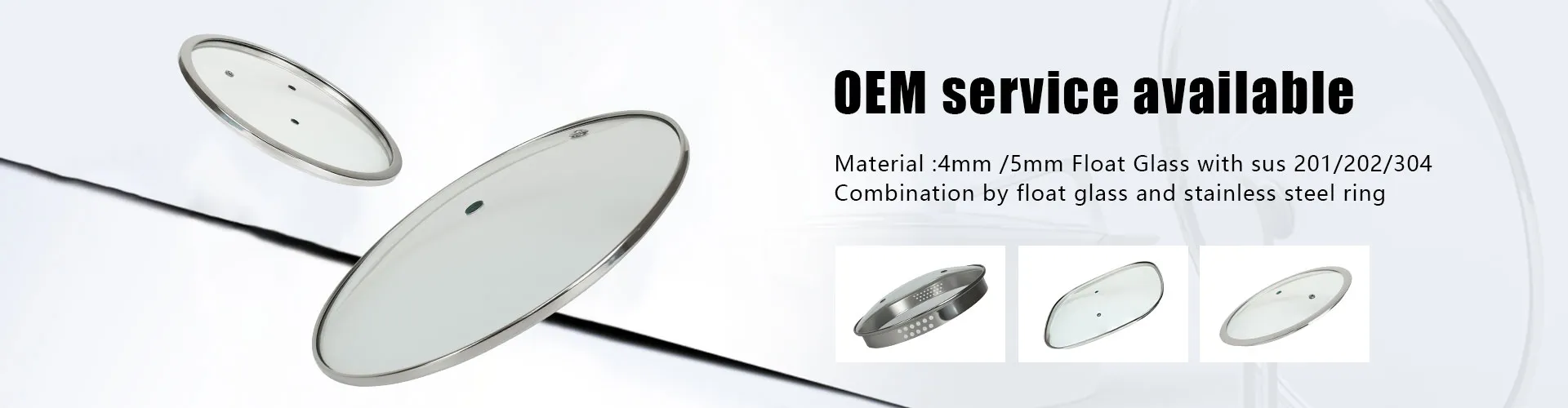
The reliability of a glass-lidded cocotte depends heavily on the quality of its manufacturing. High-end cookware brands often partner with specialized manufacturers who possess the technical expertise to produce tempered glass components that meet rigorous international safety standards. One such leader in the industry is EUR-ASIA COOKWARE CO., LTD., a company specialized in producing and selling low-, medium-, and high-level household glass products and kitchen accessories.
Located in the China National High-tech Development Zone in Taian City, Shandong Province, EUR-ASIA operates a substantial production base covering 20,000 square meters, with a building area of 15,000 square meters. With a workforce of more than 90 employees, the company achieves an annual output of over 15 million pieces of tempered glass lids and other glass products. This scale of production allows for consistent quality control and the ability to meet the demands of global markets.
EUR-ASIA’s commitment to quality is evidenced by its ISO9001 certification, as well as LFGB and TUV certifications for its products. More than 90 percent of their output is exported to demanding markets including Germany, Russia, Italy, France, Poland, Denmark, Spain, Switzerland, Brazil, Turkey, South Korea, and Japan. Their capability to produce high-curvature, tall, flat, and other special-shaped glass covers according to customer demand—along with custom logo printing—makes them a key partner for premium cookware brands seeking bespoke, durable, and safe glass lid solutions. This level of industrial precision ensures that when you purchase a cocotte with a glass lid, you are benefiting from advanced manufacturing processes that prioritize safety, durability, and aesthetic perfection.
Conclusion: Investing in Culinary Excellence
The Staub 4 Quart Enameled Cast Iron Cocotte with Glass Lid is more than just a pot; it is a testament to the enduring value of quality craftsmanship in the kitchen. Its combination of superior heat retention, versatile capacity, and the practical advantage of a glass lid makes it an indispensable tool for anyone serious about cooking. Whether you are braising a tough cut of meat to perfection, simmering a comforting soup, or baking artisan bread, this cocotte delivers consistent, professional-grade results.
By choosing this product, you are investing in durability, health, and culinary versatility. The enameled cast iron construction ensures that it will remain a staple in your kitchen for years to come, resisting wear and maintaining its beauty. The glass lid adds a layer of convenience and control that enhances the cooking experience, allowing you to monitor your creations without compromising heat or moisture.
For professional chefs, home cooks, and culinary enthusiasts alike, the Staub 4 Quart Cocotte offers a balanced solution that meets the demands of modern cooking while honoring traditional techniques. It is a reliable, efficient, and elegant choice for elevating everyday meals into extraordinary dining experiences.
If you are ready to enhance your kitchen repertoire with a piece of cookware that combines functionality, durability, and style, consider the Staub 4 Quart Enameled Cast Iron Cocotte with Glass Lid. Its performance and longevity make it a worthwhile investment for any serious cook.
For more detailed specifications, color options, and purchasing information, please explore our comprehensive catalog. Our team is available to assist you in selecting the perfect cookware to match your culinary needs.