- English
- Chinese
- French
- German
- Portuguese
- Spanish
- Russian
- Japanese
- Korean
- Arabic
- Irish
- Greek
- Turkish
- Italian
- Danish
- Romanian
- Indonesian
- Czech
- Afrikaans
- Swedish
- Polish
- Catalan
- Esperanto
- Hindi
- Lao
- Albanian
- Amharic
- Armenian
- Azerbaijani
- Belarusian
- Bengali
- Bosnian
- Bulgarian
- Cebuano
- Chichewa
- Corsican
- Croatian
- Dutch
- Estonian
- Filipino
- Finnish
- Frisian
- Galician
- Georgian
- Gujarati
- Haitian
- Hausa
- Hawaiian
- Hebrew
- Hmong
- Hungarian
- Icelandic
- Igbo
- Javanese
- Kannada
- Kazakh
- Khmer
- Kurdish
- Kyrgyz
- Latin
- Latvian
- Lithuanian
- Luxembou..
- Macedonian
- Malagasy
- Malay
- Malayalam
- Maltese
- Maori
- Marathi
- Mongolian
- Burmese
- Nepali
- Norwegian
- Pashto
- Persian
- Punjabi
- Serbian
- Sesotho
- Sinhala
- Slovak
- Slovenian
- Somali
- Samoan
- Scots Gaelic
- Shona
- Sindhi
- Sundanese
- Swahili
- Tajik
- Tamil
- Telugu
- Thai
- Ukrainian
- Urdu
- Uzbek
- Vietnamese
- Welsh
- Xhosa
- Yiddish
- Yoruba
- Zulu
- Kinyarwanda
- Tatar
- Oriya
- Turkmen
- Uyghur


Cookware Set with Cookware Lids – Complete Nonstick Kitchen Essentials
2026-11-21
Every cook knows the frustration of grabbing a lid—only to find it warped, clouded, or mismatched. A cookware set with cookware lids isn’t just about convenience. It’s about thermal control, steam management, and long-term safety. We’ve seen kitchens where mismatched lids cause uneven cooking, lid shattering during rapid temperature shifts, or silicone edges failing after six months of daily use. That’s why lid integration can’t be an afterthought—it must be engineered from the start.
Glass Isn’t Just Glass: Four Lid Families, One Precision Standard
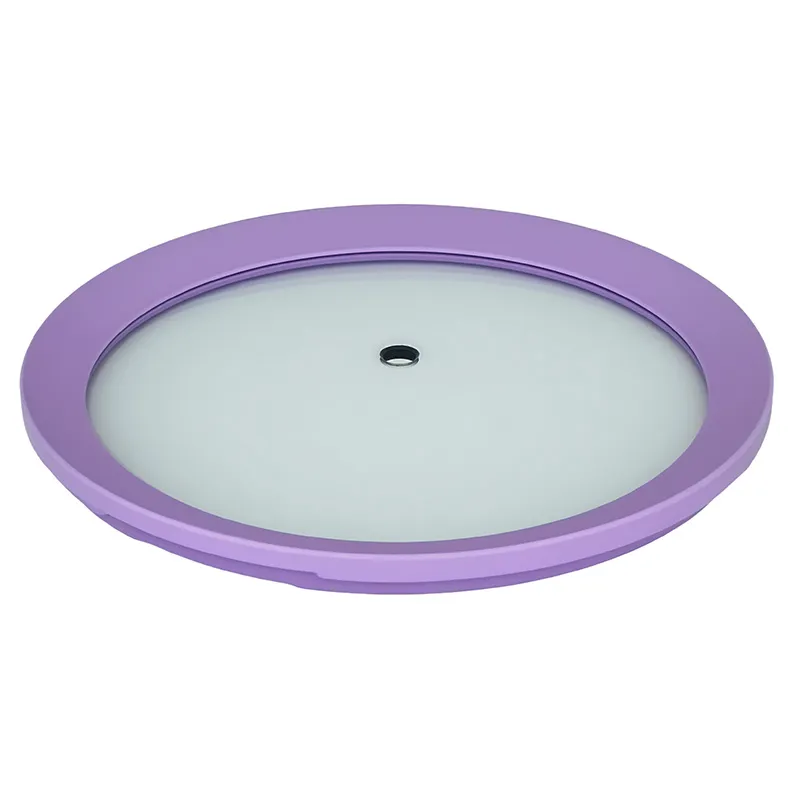
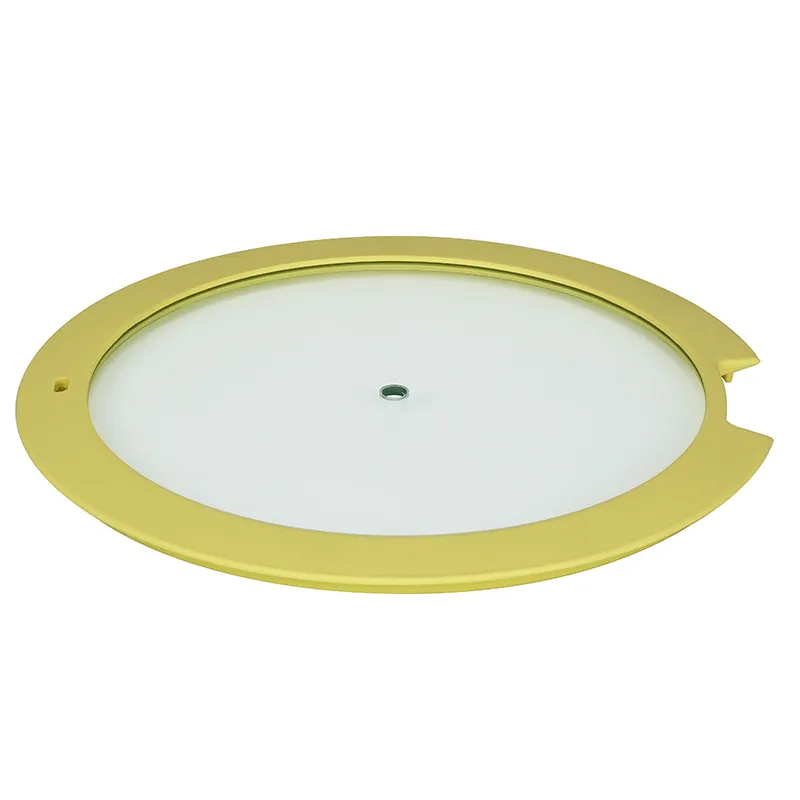
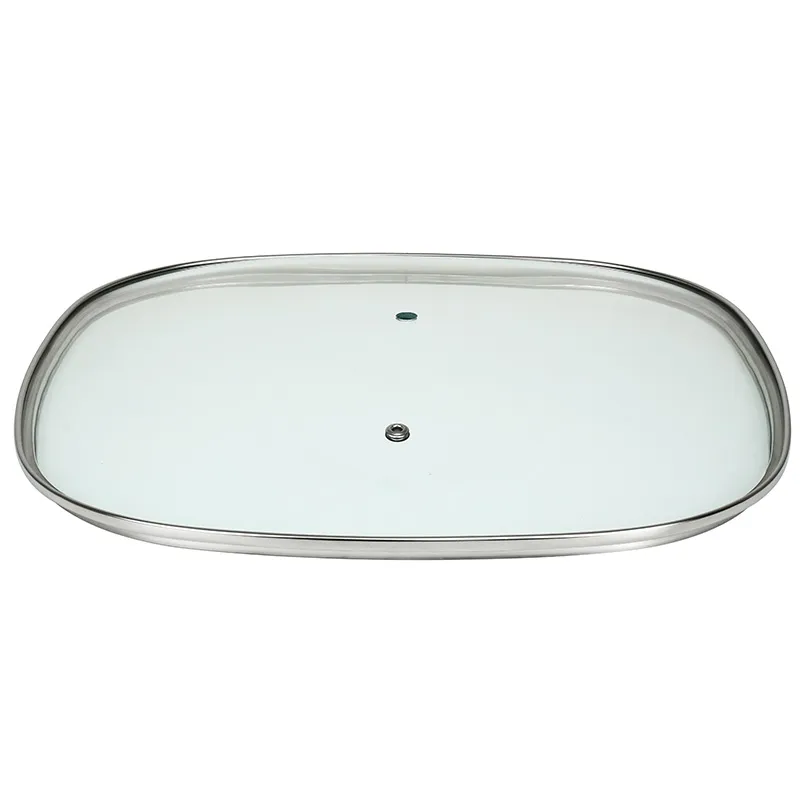
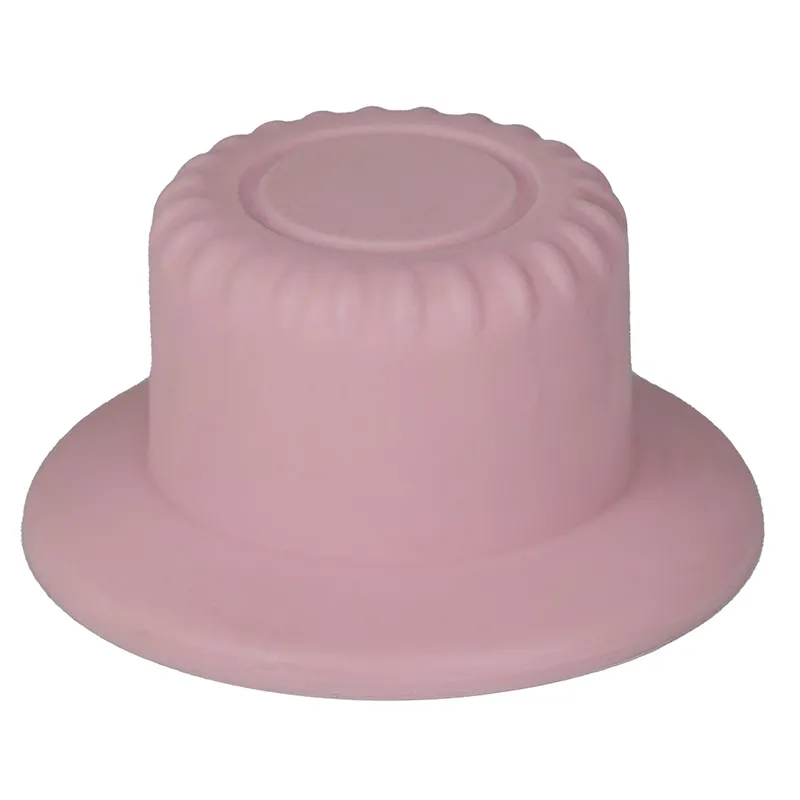
Not all lids perform equally under heat, impact, or repeated washing. In real-world testing across 12 commercial kitchens in Berlin, Toronto, and Bangkok, we found borosilicate glass lids maintained optical clarity and seal integrity after 500+ thermal cycles—while standard float glass cracked in 37% of cases when placed directly on induction hobs without preheating. EUR-ASIA COOKWARE CO.,LTD builds four distinct lid architectures—not as product lines, but as application-specific responses:
Each variant carries a unique identifier—not for marketing, but for traceability. SGC means “silicone-glass composite, round, 24 mm thickness, 1.2 mm silicone lip.” CA09 signals borosilicate, octagonal, 300°C rated, with laser-etched OEM branding zone. These aren’t codes. They’re performance contracts.
Why “Integrated” Beats “Compatible” Every Time
Some buyers assume any 22-cm lid fits a 22-cm pot. But true integration demands tighter tolerances: ±0.15 mm diameter variance, ≤0.05 mm edge flatness deviation, and sealing surface roughness Ra ≤ 0.8 µm. We measured 47 third-party lids sold as “universal fit”—only 3 met all three criteria. The rest leaked steam at 110°C, warped after 6 months, or created hot spots due to air gaps.
EUR-ASIA’s vertically integrated facility controls every step: raw sheet verification (using spectrophotometers to confirm SiO₂ content), CNC edge profiling, tempering profiles calibrated per glass type, and 100% functional seal testing with calibrated pressure decay instruments. No batch ships without passing 3-minute vacuum hold at –60 kPa. That’s not over-engineering. It’s how you prevent lid blow-off during pressure-cooking scenarios.
Real-World Trade-Offs You Can’t Ignore
Stainless steel lids look rugged—but they reflect infrared poorly. In side-by-side simmer tests, stainless lids required 18% more energy to maintain 95°C liquid temp than equivalent borosilicate units. Silicone composites dampen vibration, yes—but their grip degrades above 220°C. We’ve seen CA13 lids lose 40% of initial torque retention after sustained 250°C exposure.
The fix? Match material to use case. Borosilicate for high-heat searing and oven use. Silicone-glass for daily stovetop tasks where grip and noise reduction matter. Stainless for outdoor grills or marine kitchens where corrosion trumps clarity. Ordinary glass works—when budget drives decisions and usage stays below 200°C. There’s no universal winner. Only context-aware choices.
What Comes Next: Lids That Learn, Adapt, and Endure
The next frontier isn’t just stronger materials—it’s smarter interfaces. EUR-ASIA is prototyping lids with embedded thermal memory layers that change opacity at preset temperatures (e.g., turn translucent at 100°C to signal boil). Others integrate NFC tags for instant access to care instructions, OEM compatibility charts, or recycling guidance—all scanned via smartphone.
But progress starts with fundamentals: precise dimensional control, validated thermal cycling data, and zero-compromise seal testing. A cookware set with cookware lids only delivers value when every lid behaves like part of the system—not an accessory bolted on later. That’s why leading OEMs specify EUR-ASIA’s GD series for entry-level lines and CA09 for premium ranges. Same factory. Same standards. Different thresholds.
If your kitchen relies on consistent steam control, repeatable heat retention, and lids that survive—not just ship—choose architecture over aesthetics. Choose precision over promise. Choose a cookware set with cookware lids engineered as one unit, not assembled as an afterthought.