- English
- Chinese
- French
- German
- Portuguese
- Spanish
- Russian
- Japanese
- Korean
- Arabic
- Irish
- Greek
- Turkish
- Italian
- Danish
- Romanian
- Indonesian
- Czech
- Afrikaans
- Swedish
- Polish
- Catalan
- Esperanto
- Hindi
- Lao
- Albanian
- Amharic
- Armenian
- Azerbaijani
- Belarusian
- Bengali
- Bosnian
- Bulgarian
- Cebuano
- Chichewa
- Corsican
- Croatian
- Dutch
- Estonian
- Filipino
- Finnish
- Frisian
- Galician
- Georgian
- Gujarati
- Haitian
- Hausa
- Hawaiian
- Hebrew
- Hmong
- Hungarian
- Icelandic
- Igbo
- Javanese
- Kannada
- Kazakh
- Khmer
- Kurdish
- Kyrgyz
- Latin
- Latvian
- Lithuanian
- Luxembou..
- Macedonian
- Malagasy
- Malay
- Malayalam
- Maltese
- Maori
- Marathi
- Mongolian
- Burmese
- Nepali
- Norwegian
- Pashto
- Persian
- Punjabi
- Serbian
- Sesotho
- Sinhala
- Slovak
- Slovenian
- Somali
- Samoan
- Scots Gaelic
- Shona
- Sindhi
- Sundanese
- Swahili
- Tajik
- Tamil
- Telugu
- Thai
- Ukrainian
- Urdu
- Uzbek
- Vietnamese
- Welsh
- Xhosa
- Yiddish
- Yoruba
- Zulu
- Kinyarwanda
- Tatar
- Oriya
- Turkmen
- Uyghur


Glass Lid Wholesale Buying Guide: MOQ, Packaging, and Lead Times
2026-11-05
Sourcing glass lids at wholesale scale comes with unique challenges for distributors, retail buyers and importers. When partnering with a glass lid wholesaler, unaligned expectations around minimum order quantities, packaging protection, production timelines and commercial terms often lead to broken budgets, damaged stock and delayed inventory restocks. This practical buying guide is built specifically for buyers running glass lid wholesale programs, with actionable frameworks to negotiate terms, plan shipments and lower avoidable sourcing risks.
How the Glass Lid Wholesale Procurement Process Works
Understanding the end-to-end procurement workflow keeps your team aligned on milestones and sets realistic expectations before you lock in an order with a glass lid wholesaler. This sequence applies to both trial bulk orders and full-container shipments for tempered glass lid wholesale.
- Submit a detailed inquiry with your SKU specifications, market requirements and initial order scope.
- Request and approve pre-production samples to verify fit, glass finish, handle assembly and branding placement.
- Negotiate and document all core commercial terms, including MOQ structure, payment terms, packaging specifications and confirmed lead time.
- The supplier secures raw materials, schedules tempering production and completes custom artwork or private label printing.
- A pre-shipment inspection checks for consistency before packaging begins.
- Finished units are packed, palletized and loaded into the container following agreed container loading guidelines.
- Shipping documents are issued, cargo is in transit, and you complete incoming inspection upon arrival to submit breakage or quality claims if required.
Small trial orders often simplify scheduling and inspection steps, while FCL wholesale shipments demand earlier confirmation of packaging footprint and loading plans. This section outlines only the workflow; detailed negotiation guidance for MOQ, packaging and lead time is covered in dedicated chapters below.
5 Preparations Before Contacting a Glass Lid Wholesaler
Vague inquiries produce vague quotes. Completing these five preparations before reaching out helps your glass lid wholesaler deliver pricing and solutions that match your actual wholesale program.
Finalize your glass lid product specification list
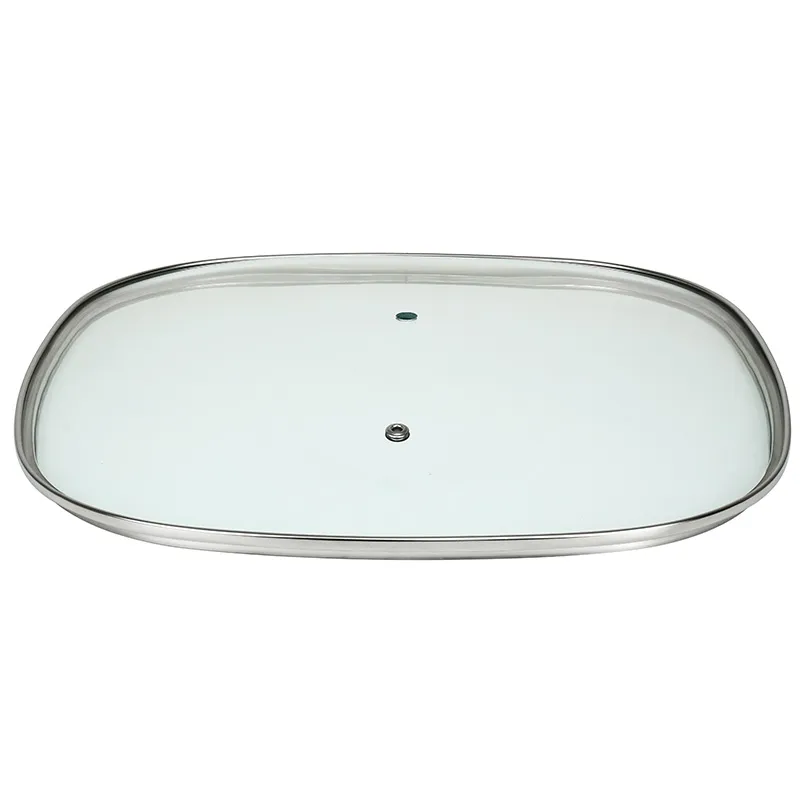
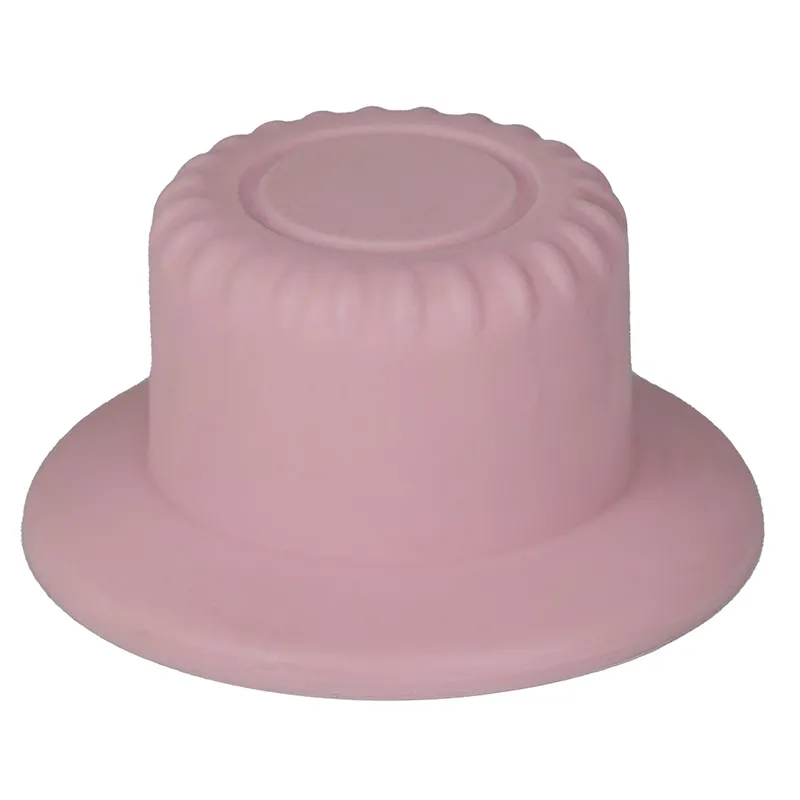
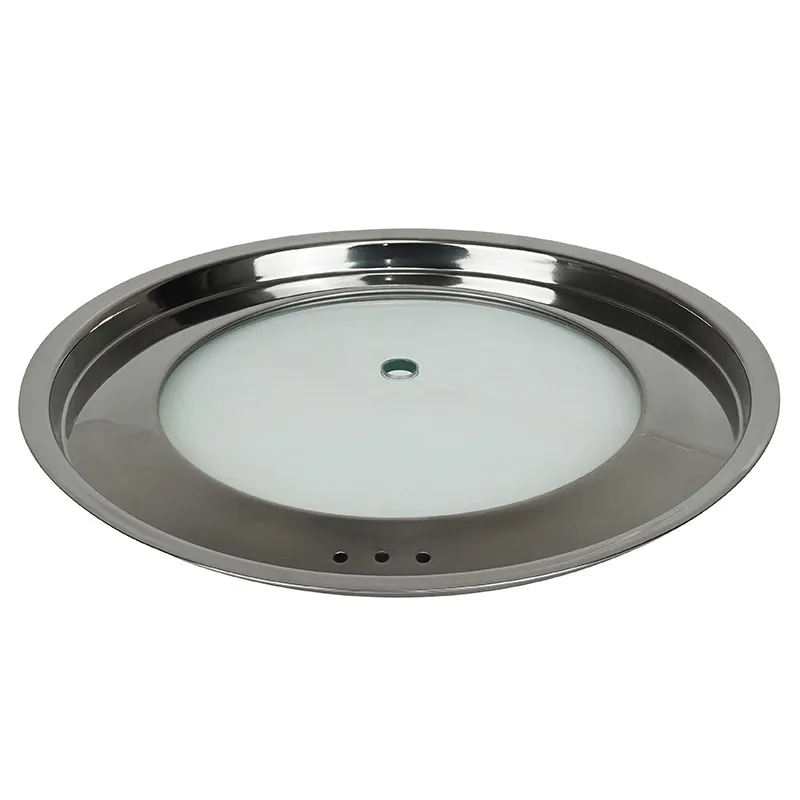
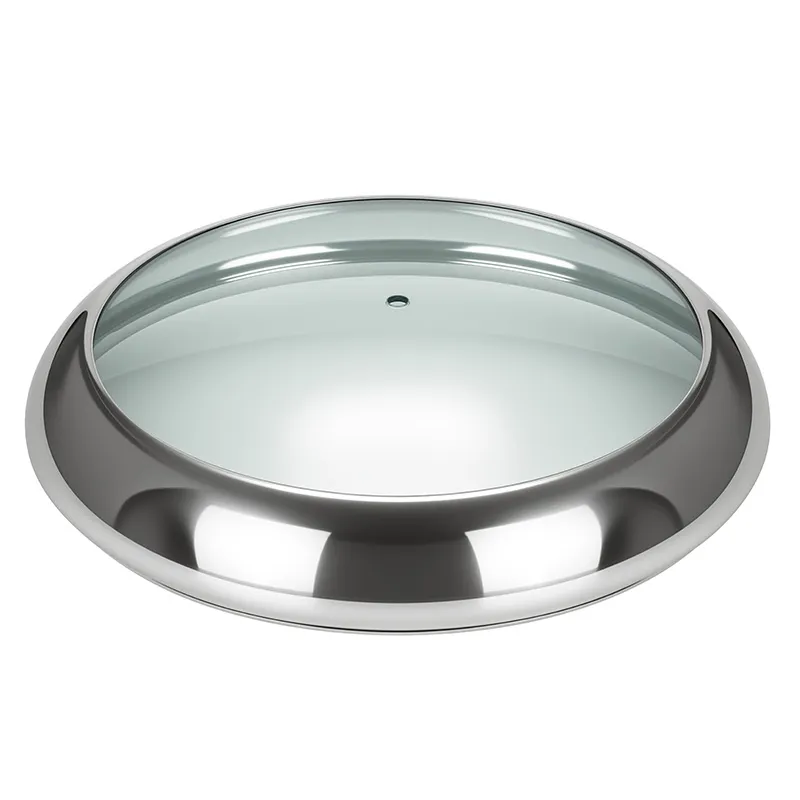
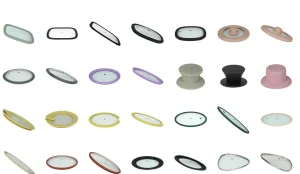
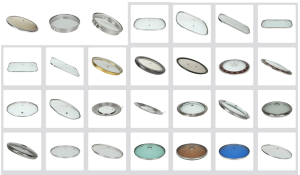
Build a spec sheet for every SKU you intend to purchase. Include lid diameter, glass type (tempered glass is standard for cookware lids), handle design, vent requirements, edge treatment and compatible cookware types.Our silicone glass lid and stainless steel rim options cover most popular cookware styles.Separate specs for different sizes prevent mix-ups when you run mixed-SKU orders.
Clarify requirements for your target sales market
Your destination market dictates compliance rules, consumer expectations and acceptable packaging formats. Large retail chains have different standards than discount or wholesale channels. Many regions enforce strict food-contact safety rules for glass, metal and plastic components attached to cookware lids.
Define packaging and labeling requirements in advance
Decide whether you need plain bulk packaging, individual retail boxes, warning labels, hang tags or branded marking. Packaging choices directly impact landed cost, stacking stability and breakage risk. Never assume the supplier’s default packaging will meet your retail or distribution requirements.
Check local compliance and safety standards
Confirm which material certifications, test reports and labeling rules apply in your target market. Missing required documentation can trigger customs holds long after production finishes and disrupt your restock schedule.
Set up a preliminary wholesale budget framework
A complete budget for glass lid wholesale extends beyond the unit price. Include line items for custom packaging, private label printing, sample charges, inland factory freight, ocean freight, clearance fees and a contingency reserve for transit damage. This structure helps you calculate true landed cost instead of relying only on quoted piece pricing.
Important terminology note: Keep cookware lids labelled consistently as glass lids. Glass cover wholesale refers to a separate category in many supplier catalogs, and mixing these terms can result in mismatched products that do not fit your cookware range.
How to Negotiate MOQ and Order Structure for Tempered Glass Lid Wholesale
MOQ is one of the most frequently discussed variables in tempered glass lid wholesale, and it is not a static number across suppliers or SKUs. Instead of only pushing for a lower minimum, focus on understanding the factors that shape MOQ and how to build flexible order structures with your glass lid wholesaler.
Tempered glass production relies on batch furnace runs, size changeovers, tooling setup and custom print preparation. All of these factors influence a supplier’s willingness to accept smaller production runs. Private label graphics, non-standard handles or special edge finishes commonly raise baseline MOQ expectations.
You can split your purchasing strategy into three distinct order types: validation sample orders, small trial wholesale runs and recurring full-volume container orders. Samples are for fit and quality verification and carry separate pricing from regular bulk orders. Trial runs let you test market response without committing to your largest tier. Stable, repeated large-volume orders open conversations around tiered MOQ and long-term partnership terms.
When negotiating, share your sales forecast alongside your immediate order request. Communicate expected reorder frequency, SKU mix and projected annual volume. This context helps your glass lid wholesaler propose an order structure that works for both parties. Always confirm MOQ rules in writing on your PI or sales contract, and clarify whether the minimum applies per individual SKU or as a combined mixed-container quantity.
Packaging & Shipment for Glass Lid Wholesale Orders
Glass lids are inherently fragile, so packaging design is the primary control for reducing in-transit damage. Your packaging strategy must account for whether you ship LCL (less-than-container load) or FCL (full-container load).
Inner packaging options for tempered glass lids
Inner packaging protects each lid against scratches and impact during handling. Common solutions include custom foam inserts, corrugated dividers, bubble wrap or molded protective trays. Retail-ready units may also be placed into individual color boxes at this stage. Thinner glass or polished decorative surfaces require extra scratch-resistant inner protection.
Outer cartons and palletizing standards
Individually protected lids are grouped into master export cartons. Carton grade, internal divider layout and maximum stack weight are selected based on lid size and weight. Once cartoned, units are stacked onto export pallets and secured with stretch film and strapping. Well-built, stable pallets reduce cargo shifting inside the container.
Damage prevention measures for glass lid shipments
Additional safeguards include capped pallet stack heights, physical separation between dissimilar SKUs and carton corner protectors. LCL shipments carry higher movement risk because cargo is consolidated with goods from other buyers, so LCL orders generally require heavier protective packaging than FCL shipments.
Container loading also impacts breakage rates. The loading plan should distribute weight evenly and block loose pallets to prevent sliding. Confirm loading rules with your glass lid wholesaler before production wraps, as bulkier packaging reduces total container loading capacity. Agree in writing which party is responsible for covering breakage under normal transit conditions.
Lead Time Management & Common Causes of Production Delays
Lead time for glass lid wholesale is a sequence of connected stages rather than a single fixed value. A realistic timeline covers raw material sourcing, glass tempering, handle assembly, private label printing, packaging, palletizing and delivery to the loading port. Private label projects add extra steps for artwork review, screen or plate creation and print validation, which extend overall schedules.
Most delays stem from predictable, avoidable triggers. The most frequent causes include late private label artwork approval, shortages of raw glass or matching handle components, furnace scheduling bottlenecks in peak seasons, packaging material shortages and missed vessel booking cutoffs.
To manage timelines effectively, ask your glass lid wholesaler for progress updates at predefined milestones, not only a final completion date. Build buffer time into your inventory and sales plans. If you have a firm launch or restock deadline, communicate that target early so the supplier can flag conflicts or prioritize your order. Any revised delivery date must be confirmed in writing.
Key Commercial Terms to Confirm With Your Glass Lid Wholesaler
MOQ, packaging and lead time form the backbone of your agreement, but several additional commercial terms require alignment before you place a tempered glass lid wholesale order.
Payment terms define deposit requirements, balance schedules and accepted payment methods. Confirm when the balance is due, which documents trigger payment release, and whether flexible terms are available for repeat high-volume buyers.
Clarify the full scope of private label service: whether it covers logo printing only, custom cartons, hangtags or fully bespoke packaging. Confirm artwork revision limits, screen or plate fees and the turnaround time required for branded pre-production samples.
Settle sample policies upfront as well: sample unit cost, who covers courier freight, and whether sample charges can be credited against your formal wholesale order. Finally, document the time window for damage and quality claims, what supporting evidence the supplier requires, and available remedies such as replacements, partial credit or rework.
Common Pitfalls in Tempered Glass Lid Wholesale Purchasing
Even seasoned buyers run into repeat issues when working with glass lid wholesalers. Recognizing these risks lets you build a pre-order checklist for every glass lid wholesale shipment.
One widespread mistake is assuming default pricing includes heavy-duty export packaging. Many base quotes use low-cost basic packaging, and upgraded anti-breakage protection adds incremental cost. If you fail to specify packaging standards in advance, you may face elevated breakage rates on arrival.
Specification misalignment is another frequent issue. Minor differences in measured diameter, handle height, vent placement or glass thickness can produce lids that do not fit your cookware line. Always test pre-production samples with your pots and pans before mass production begins.
Relying only on verbal promises for lead time, MOQ or artwork approval is risky. Without written confirmation, schedule shifts and scope changes become difficult to resolve.
Terminology confusion between glass lid and glass cover remains an underdiscussed risk. Mixed terminology on your inquiry or PO can result in generic glass covers that are not engineered to fit cookware. Keep all specs and purchasing documents consistent with glass lid for cookware applications.
FAQ
What is the typical MOQ for tempered glass lid wholesale?
There is no universal fixed MOQ for tempered glass lid wholesale. Minimums vary based on SKU dimensions, private label requirements, the supplier’s tempering batch workflow and whether you combine multiple SKUs in one container. Collaborate with your glass lid wholesaler to build tiered order structures aligned with your purchase forecast.
Can I get private label service from a glass lid wholesaler?
Many glass lid wholesalers offer private label support for tempered glass lid wholesale orders. Feasibility, extra charges and extended lead time depend on your branding scope. Confirm artwork rules, plate fees and branded-run minimums before finalizing your order.
How do I reduce breakage during glass lid shipment?
Breakage control starts with packaging selection. Use suitable inner foam or dividers, export-grade master cartons, controlled pallet stacking and corner reinforcement. LCL shipments usually need more robust packaging than FCL cargo. Review the container loading layout with your supplier before shipment departs.
What payment terms are commonly available for glass lid wholesale orders?
Payment terms differ widely between glass lid wholesalers. Common structures include deposit payments before production starts and balance payments linked to shipping documents. Discuss available options early and formalize all payment rules in your sales contract.
What factors will extend the lead time of glass lid orders?
Artwork approval delays for private label, raw material or component shortages, limited furnace capacity during peak demand, custom packaging lead times and missed vessel booking cutoffs can all push back delivery dates. Build a time buffer and schedule regular production check-ins to stay updated.
Get Your Custom Glass Lid Wholesale Quote
You now have a complete framework to prepare specifications, negotiate MOQ, select protective packaging, manage lead times and lock in clear commercial terms with a glass lid wholesaler. When you are ready to submit a formal glass lid wholesale quote request, gather these materials first: your full SKU spec list, target market details, packaging and labeling requirements, private label artwork (if applicable), your estimated order volume and preferred ship window.
Share your requirements via our contact page to receive a customized proposal built for your wholesale or distribution program.