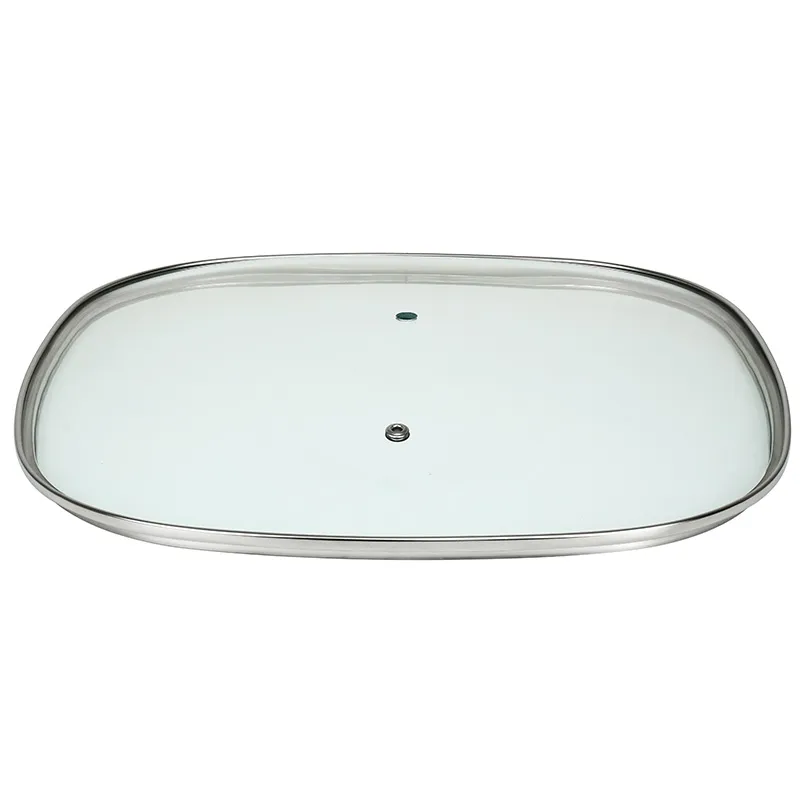
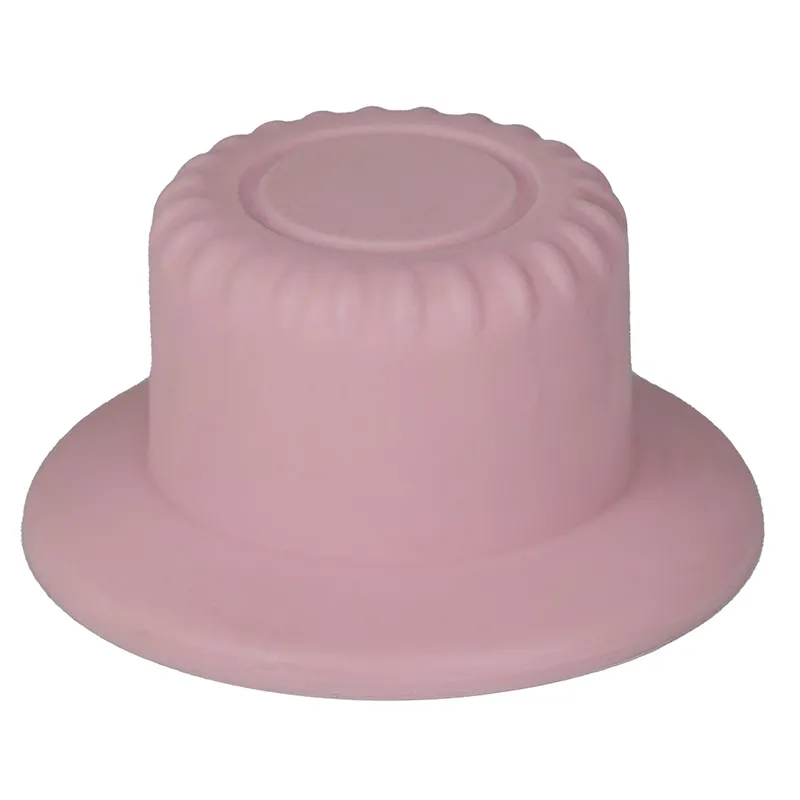
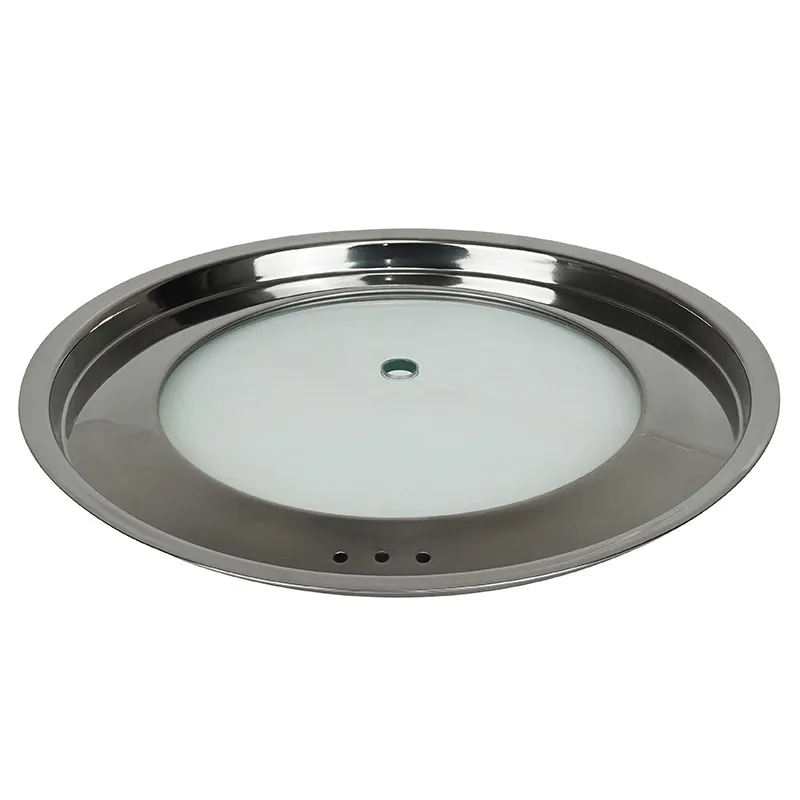
- English
- Chinese
- French
- German
- Portuguese
- Spanish
- Russian
- Japanese
- Korean
- Arabic
- Irish
- Greek
- Turkish
- Italian
- Danish
- Romanian
- Indonesian
- Czech
- Afrikaans
- Swedish
- Polish
- Catalan
- Esperanto
- Hindi
- Lao
- Albanian
- Amharic
- Armenian
- Azerbaijani
- Belarusian
- Bengali
- Bosnian
- Bulgarian
- Cebuano
- Chichewa
- Corsican
- Croatian
- Dutch
- Estonian
- Filipino
- Finnish
- Frisian
- Galician
- Georgian
- Gujarati
- Haitian
- Hausa
- Hawaiian
- Hebrew
- Hmong
- Hungarian
- Icelandic
- Igbo
- Javanese
- Kannada
- Kazakh
- Khmer
- Kurdish
- Kyrgyz
- Latin
- Latvian
- Lithuanian
- Luxembou..
- Macedonian
- Malagasy
- Malay
- Malayalam
- Maltese
- Maori
- Marathi
- Mongolian
- Burmese
- Nepali
- Norwegian
- Pashto
- Persian
- Punjabi
- Serbian
- Sesotho
- Sinhala
- Slovak
- Slovenian
- Somali
- Samoan
- Scots Gaelic
- Shona
- Sindhi
- Sundanese
- Swahili
- Tajik
- Tamil
- Telugu
- Thai
- Ukrainian
- Urdu
- Uzbek
- Vietnamese
- Welsh
- Xhosa
- Yiddish
- Yoruba
- Zulu
- Kinyarwanda
- Tatar
- Oriya
- Turkmen
- Uyghur


How to Match a Glass Lid to a Pot: A Practical Sizing and Fit Guide
2026-11-02
Summary: Learn how to match a glass lid to a pot by measuring the opening, checking rim and lid-edge designs, verifying handle clearance, and testing samples before bulk ordering.
Matching a glass lid to a pot involves more than comparing two diameter measurements. The pot’s opening dimensions, rim profile, lid-edge construction, and component positions all influence how the lid sits and performs on the cookware.
For cookware brands, importers, wholesalers, and product developers, these details are particularly important when developing a new cookware series or sourcing glass lids for existing pot designs. A lid that appears suitable based on its nominal diameter may still have an unsuitable edge profile, unstable seating, or interference with other components.
A reliable matching process should therefore start with accurate pot measurements and continue through structural checks and physical sample testing. This guide explains what to measure, which design details to compare, and what to confirm with a glass lid supplier before placing a bulk order.
1. Why Pot and Glass Lid Compatibility Matters
A glass lid must correspond to the actual opening and rim structure of the pot. Even when two pots have the same stated diameter, their rim designs and lid-seating areas may differ.
Understanding these differences helps buyers reduce fitting problems during product development and avoid unnecessary adjustments after samples or bulk orders arrive.
1.1 Why Nominal Pot Diameter Is Not Enough
A pot’s nominal diameter is useful for identifying its general size, but it does not necessarily describe every dimension needed to match a glass lid.
For example, the following measurements refer to different parts of the cookware:
- Inner diameter: The distance across the inside of the pot opening.
- Outer diameter: The distance across the outside of the pot rim.
- Lid seating area: The area where the lid edge rests on or interacts with the pot.
- Maximum body diameter: The widest measurement across the pot body, which may be different from the opening diameter.
These measurements should not be treated as interchangeable.
Two pots with the same nominal diameter may have different rolled rims, flat edges, or outward-flared profiles. Their lid contact areas may also differ. As a result, a glass lid that fits one pot may not sit correctly on another pot with a similar stated size.
Buyers should identify the actual measuring position before requesting a matching lid. The relevant dimension depends on how the pot and lid are designed to meet.
1.2 What Can Happen When a Lid Does Not Fit Properly
An unsuitable lid may create several problems during product evaluation or everyday use.
Common fitting issues include:
- The lid does not sit evenly on the pot.
- Part of the lid edge remains unsupported or sits above the rim.
- The lid rocks or shifts when placed on the cookware.
- The edge construction interferes with the pot rim.
- The handle or knob conflicts with another component or surrounding structure.
- The lid’s overall appearance does not match the intended cookware design.
For manufacturers and buyers, these problems can also affect sample approval and production planning. If the mismatch is discovered only after a large order has been placed, correcting it may require additional sampling, specification changes, or product replacement.
Checking dimensions and structural compatibility before bulk production is therefore an important part of cookware sourcing.
2. How to Measure a Pot Opening Before Matching a Glass Lid
Accurate measurement is the starting point for matching a glass lid to a pot. Before recording dimensions, buyers should identify the part of the pot that the lid is designed to contact or cover.
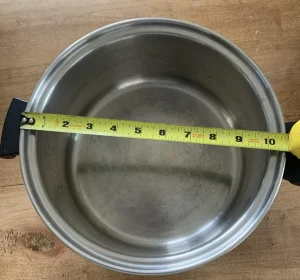
The correct measuring position depends on the pot’s rim structure and the intended lid design.
2.1 Identify the Correct Measuring Position
Start by examining the pot opening from above and from the side. Determine whether the lid is intended to rest on the top of the rim, overlap the outside edge, or fit against another specially designed contact area.
Depending on the construction, the relevant measurements may include:
| Measurement | What It Describes | Why It Matters |
|---|---|---|
| Inner diameter | Distance across the inside of the opening | Helps describe the clear opening size |
| Outer diameter | Distance across the outside of the rim | Helps identify the external rim dimensions |
| Lid seating area | The region where the lid rests or makes contact | Helps determine the actual fitting relationship |
| Rim thickness | Thickness of the pot edge, where relevant | May affect clearance and edge compatibility |
| Maximum body diameter | Widest part of the pot body | Provides general product information but may not define lid fit |
Not every project requires all these measurements. The important point is to record the dimensions that correspond to the actual lid-to-pot interface.
For example, measuring the widest part of a pot body will not necessarily provide the information needed to design a lid edge. The opening and rim should be measured separately whenever their dimensions differ.
2.2 Measure the Opening of a Round Pot
For a pot with a regular circular opening, measure across the opening at the specified reference position.
A practical measurement process includes:
- Place the pot on a stable, level surface.
- Identify the exact rim or opening position to be measured.
- Measure across the opening using an appropriate measuring instrument.
- Record the measurement and identify whether it represents the inner diameter, outer diameter, or another dimension.
- If the opening may be slightly irregular, take additional measurements in different directions.
- Record the measurement unit and any relevant observations.
For product development, it is useful to retain the original measurements rather than recording only one rounded nominal size.
If several measurements are taken, identify their positions clearly. This allows the supplier or product engineer to understand whether the opening is consistently circular or has noticeable dimensional variation.
2.3 Measure Pots with Rolled, Flared, or Irregular Rims
Not all pots have a simple, flat opening. Rim construction can change the location and shape of the lid contact area, so the measurement approach should reflect the actual design.
Rolled rims
A rolled rim has a curved or folded edge. Buyers should identify the outer contour of the rolled section and determine where the lid is expected to rest. Measuring only the inside opening may not describe the full rim geometry.
Flared rims
A flared rim extends outward from the pot body. Its external shape may affect how far a lid edge can overlap or sit around the opening. Buyers should record the relevant outer dimensions and provide a side-view photograph.
Irregular or non-round openings
If the opening is not consistently circular, a single diameter measurement may not describe its shape accurately. Record dimensions in multiple directions and provide a top-view photograph or outline drawing where possible.
Special seating structures
Some cookware designs use a specially shaped rim or contact area. In these cases, the supplier needs to understand the actual seating structure rather than relying on a general pot diameter.
The goal is not to apply one measuring method to every pot. It is to identify the dimensions that describe the specific pot and its intended lid connection.
2.4 Record Measurements in a Clear Specification Sheet
Once the relevant measurements have been taken, organize them in a clear record. This makes it easier to compare samples, communicate with suppliers, and review changes during product development.
A basic pot measurement record can include:
| Item | Measurement or Description | Reference |
|---|---|---|
| Pot model | Model or reference number | Product identification |
| Opening shape | Round or other shape | Top-view photograph |
| Inner diameter | Measured value, if relevant | Measurement position |
| Outer diameter | Measured value, if relevant | Measurement position |
| Rim profile | Rolled, flat, flared, or other | Side-view photograph |
| Rim thickness | Measured value, if relevant | Engineering drawing or sample |
| Lid seating area | Description or dimensions | Contact-area reference |
| Measurement unit | mm or inch | Specification record |
Use the same measurement references when comparing different pot models. If a dimension is not relevant to a particular design, it can be marked as not applicable rather than estimated.
3. Check the Pot Rim and Glass Lid Edge Design
Dimensions are only one part of compatibility. The pot rim and glass lid edge must also work together as a physical structure.
A lid may have an appropriate overall diameter but still be unsuitable if its edge profile does not correspond to the pot’s rim.
3.1 Understand Different Pot Rim Structures
Pot rims can have different shapes depending on the cookware design and construction.
Common examples include:
- Rolled rims: The edge is curved or folded, creating a rounded external profile.
- Flat rims: The upper edge is relatively flat and may provide a defined seating surface.
- Flared rims: The upper part of the pot extends outward from the body.
- Reinforced or specially shaped rims: The edge includes additional structural features that may affect lid contact.
These differences influence where the lid can rest and how its edge should be designed.
When evaluating a pot, buyers should examine both its top view and side profile. A top-view photograph helps show the opening shape, while a side-view photograph provides information about rim height, curvature, and external projection.
This information is particularly useful when a supplier is developing a lid for a cookware model that has not previously been matched with an existing lid design.
3.2 Match the Lid Edge Profile to the Pot Rim
The edge of a glass lid may use different construction approaches, including exposed glass edges or designs incorporating additional rim components.
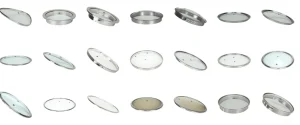
Depending on the product design, these may include stainless steel or silicone components. However, the suitability of a particular construction depends on the actual dimensions and geometry of both the lid and the pot.
When reviewing a proposed design, consider:
- The overall shape of the lid edge.
- The dimensions of any surrounding rim component.
- The position where the lid contacts or rests on the pot.
- Whether the edge can sit in the intended position without interfering with the pot rim.
- Whether the lid provides the intended coverage.
For example, a lid with a surrounding edge component may have different external dimensions from the glass body itself. Buyers should therefore avoid using the glass panel diameter as the only reference when evaluating the complete lid assembly.
The supplier should review the relevant edge dimensions together with the pot’s rim profile.
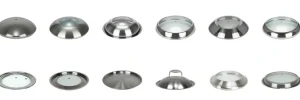
3.3 Consider the Lid Profile and Overall Shape
The overall profile of a glass lid also matters when matching it to cookware.
Common design considerations include:
- Flat profiles: The glass surface has a relatively low or flat overall shape.
- Dome-shaped profiles: The central part of the lid rises above the edge.
- Raised or stepped structures: The lid includes additional changes in height or shape around its profile.
These designs affect the lid’s overall height and the space available inside the covered pot. They may also influence the product’s appearance and storage requirements.
However, the lid profile and the lid-to-pot connection should be evaluated separately. A dome-shaped lid is not automatically more compatible with a particular pot, and a flat lid is not automatically suitable for every opening.
For a round glass lid for cookware, buyers should confirm both the circular dimensions and the edge structure. The overall shape should be reviewed against the intended cookware design rather than selected by appearance alone.
4. Check Handle, Knob, and Steam Vent Clearance
A lid may match the pot opening but still require adjustments to its components. Handle or knob placement and steam vent position should therefore be included in the design review.
4.1 Confirm Handle or Knob Position
The handle or knob is usually attached to the glass lid through a mounting structure. Its position should correspond to the lid design and the intended cookware configuration.
Buyers should confirm:
- The mounting-hole position.
- The relationship between the mounting hole and the lid center.
- The intended handle or knob orientation.
- Whether the installed component interferes with the pot or other cookware parts.
If the lid is being developed for a new cookware series, the mounting position should be checked against the product drawing rather than estimated from a photograph.
The supplier should receive the relevant design information before producing samples.
4.2 Check Handle Height and Clearance
The height and shape of a handle or knob can influence the overall lid profile and how the cookware is stored or handled.
Relevant considerations include:
- Installed handle or knob height.
- The shape and projection of the handle.
- Clearance from nearby cookware components.
- Space requirements when lids or pots are stored together.
For cookware sets with several pot sizes, it may also be useful to review how the handle design relates to the overall product range.
Specific height and clearance requirements should be confirmed through the project drawing or sample. There is no single handle-height specification that applies to every glass lid design.
4.3 Verify Steam Vent Position and Orientation
If the glass lid includes a steam vent, its position should be checked against the product design.
Buyers should confirm:
- Whether a steam vent is required.
- Its intended position on the lid.
- Whether surrounding components could obstruct it.
- Whether its orientation is consistent with the approved design.
The steam vent should be reviewed as part of the complete lid assembly, not treated as an unrelated accessory.
Specific hole dimensions, quantities, and positions should come from the approved design requirements. A conventional steam vent should not be described as a pressure-control component unless the product has been specifically designed and validated for that purpose.
5. How to Check Glass Lid Stability and Fit on a Pot
After checking the dimensions and structural details, the next step is to evaluate the lid on the actual pot.
A physical fit check can reveal problems that may not be obvious from separate drawings or nominal dimensions.
5.1 Check Whether the Lid Sits Evenly
Place the lid on the pot in its intended position and observe how the edges meet.
Check whether:
- The lid rests naturally on the pot.
- The edge makes the intended contact with the rim.
- Any part of the lid appears noticeably raised or unsupported.
- One side sits differently from the opposite side.
A lid that does not sit evenly may indicate a mismatch in dimensions, rim geometry, or edge construction.
Photographs taken from above and from the side can help document the fitting condition.
5.2 Check for Rocking, Sliding, or Unstable Seating
Next, examine whether the lid remains stable in its intended resting position.
Look for:
- Noticeable rocking when the lid is placed on the pot.
- Unintended movement or shifting.
- Interference between the lid edge and pot rim.
- Uneven contact around the seating area.
The inspection should be gentle and should follow the intended use of the product. Do not force the lid into position, press it down excessively, or rotate it in a way that could damage the glass or cookware.
There is no universal allowable rocking distance or clearance value for every lid design. If the project requires numerical acceptance criteria, these should be established through the relevant engineering specifications and approved samples.
5.3 Check the Lid-to-Pot Appearance and Functional Fit
In addition to stability, review the complete appearance of the assembled cookware.
Confirm that:
- The lid provides the intended coverage.
- Its edge profile corresponds to the pot rim.
- The handle or knob is positioned as specified.
- The steam vent, if present, is in the intended location.
- The overall appearance matches the approved product design.
The purpose of this check is to confirm that the lid and pot function as the intended product combination. Visual similarity alone is not enough to establish compatibility.
6. What to Check When Evaluating Glass Lid Samples
Sample evaluation is an important step when developing a new glass lid for a pot. It allows buyers and suppliers to compare the proposed lid with the actual cookware before finalizing the design.
6.1 Prepare the Correct Pot Sample and Measurement Information
Before sending a sample request, buyers should prepare the information needed to identify the target cookware.
Useful materials include:
- The actual pot sample, where available.
- Pot opening measurements.
- Rim structure photographs.
- Top-view and side-view photographs.
- Engineering drawings, if available.
- Required lid profile and edge construction.
- Handle, knob, and steam vent requirements.
All information should refer to the same pot model or product version. Mixing dimensions from different cookware models can lead to incorrect conclusions during sample development.
If the physical pot cannot be provided, clear photographs and engineering drawings become especially important. However, the final fitting condition should still be evaluated using the actual cookware whenever possible.
6.2 Perform a Physical Fit Test
Once the sample lid is available, conduct a structured fit check.
A practical sequence is:
- Confirm that the pot sample matches the supplied measurement records.
- Review the lid’s overall dimensions and edge construction.
- Place the lid naturally on the pot.
- Examine the contact between the lid edge and pot rim.
- Check for noticeable rocking, shifting, or structural interference.
- Verify the handle or knob position.
- Confirm the steam vent position, if applicable.
- Photograph the assembled product and record any issues.
If the lid does not fit as intended, identify the specific problem rather than describing it only as an incorrect size.
For example, the issue may relate to the outer edge dimension, rim profile, seating area, or component position. Identifying the cause makes it easier to communicate the required adjustment to the supplier.
6.3 Record Sample Approval Results
After testing, document the sample evaluation results.
A sample approval record can include:
| Item | Information to Record |
|---|---|
| Pot model | Cookware model or reference number |
| Lid model | Sample or product reference number |
| Measured dimensions | Relevant pot and lid measurements |
| Rim compatibility | Observations about the contact area |
| Stability | Results of the placement and movement check |
| Component positions | Handle, knob, and steam vent observations |
| Fit-test photos | Top view, side view, and relevant detail images |
| Required changes | Any adjustments identified during testing |
| Approval status | Approved, requires revision, or pending review |
The approved sample and its corresponding drawing should be clearly identified. This helps both parties refer to the same product version when discussing later changes or preparing a bulk order.
7. What Specifications to Confirm Before Bulk Ordering
After the sample has been evaluated, buyers should confirm the final product specifications before placing a bulk order.
The objective is to ensure that the production reference matches the approved pot-and-lid combination.
7.1 Confirm the Pot and Lid Dimensions
The final specification should identify the dimensions relevant to the fitting relationship.
Depending on the project, these may include:
- Pot opening dimensions.
- Lid overall dimensions.
- Lid edge or rim dimensions.
- Relevant contact or seating dimensions.
- Glass thickness, if specified.
- Measurement units and reference positions.
Do not rely on a single nominal diameter when the design requires several separate dimensions.
Any dimensional tolerances should come from the approved engineering drawing or product specification. Buyers should not assume that one general tolerance applies to every glass lid or cookware design.
7.2 Confirm the Lid Structure and Components
The complete lid assembly should also be identified.
Review the approved requirements for:
- Glass body shape and profile.
- Edge or rim material and construction.
- Handle or knob design.
- Mounting-hole position.
- Steam vent location.
- Other components required by the project.
For example, a tempered glass lid for a pot may have additional edge or handle components that affect its overall dimensions. The final specification should describe the complete assembly rather than the glass panel alone.
Any material or component selection should be based on the actual product requirements and confirmed supplier specifications.
7.3 Confirm Sample Approval and Production References
Before bulk production, establish which sample and drawing represent the approved design.
Confirm that:
- The approved sample has a clear identification number.
- The final engineering drawing is available.
- The specification sheet matches the approved sample.
- Any revisions have been recorded.
- Both parties understand which version will be used as the production reference.
If the pot design or lid structure changes after approval, the fitting relationship should be reviewed again. Even a change that appears minor may affect the contact area or overall dimensions.
7.4 Confirm Order Identification Requirements
For orders involving several cookware models or lid sizes, clear product identification is important.
Buyers should confirm:
- Product model and order reference numbers.
- The corresponding pot and lid specifications.
- How different sizes or structures will be identified.
- Packaging labels or identification requirements, where applicable.
This is particularly useful when several glass lid designs are being sourced for one cookware collection. Clear identification reduces the risk of confusing similar-looking products during order handling and inspection.
8. How to Provide Accurate Pot and Lid Matching Requirements to a Supplier
Clear communication helps suppliers understand the actual cookware design and develop a suitable glass lid.
Instead of sending only a nominal diameter, buyers should provide the relevant dimensions, structural details, and product references.
8.1 Provide a Complete Pot Specification
Start with information about the target cookware.
A useful supplier reference package may include:
- Pot model or product reference.
- Pot opening measurements.
- Inner and outer rim dimensions, where relevant.
- Rim profile and contact-area description.
- Pot shape.
- Pot material, if relevant to the design.
- Top-view, side-view, and rim-detail photographs.
- Engineering drawings, if available.
If the project involves several pot models, provide separate identification and measurement records for each one.
8.2 Describe the Required Glass Lid Design
Next, explain the intended lid construction.
Relevant information may include:
- Required lid dimensions.
- Flat or dome-shaped profile.
- Edge or rim construction.
- Glass requirements.
- Handle or knob design.
- Mounting-hole position.
- Steam vent requirements.
- Appearance and finish requirements.
If the buyer already has an approved reference sample or an existing lid design, provide its identification and supporting drawings.
This helps the supplier understand which features must be matched and which parts may be open to development.
8.3 Share the Intended Application and Project Requirements
The cookware’s intended application and product range can also help clarify the matching requirements.
For example, buyers may need to explain:
- Which pot model or cookware series the lid is intended for.
- Whether the project involves an existing pot or a newly developed design.
- Whether OEM or ODM customization is required.
- Which sample evaluation steps are expected.
- Whether several lid sizes or structures are included in the project.
This information provides useful context for discussing the design and sample process without relying on assumptions about the final product.
8.4 Use a Matching Specification Checklist Before Sending an Inquiry
Before contacting a glass lid supplier, buyers can use the following checklist to review their information.
| Information | Prepared? |
|---|---|
| Pot model or reference number | Yes / No |
| Pot opening measurements | Yes / No |
| Inner and outer rim dimensions, where relevant | Yes / No |
| Rim profile photographs | Yes / No |
| Pot top-view and side-view photographs | Yes / No |
| Engineering drawing, if available | Yes / No |
| Required lid dimensions and profile | Yes / No |
| Edge or rim construction requirements | Yes / No |
| Handle or knob requirements | Yes / No |
| Steam vent requirements, if applicable | Yes / No |
| Sample evaluation requirements | Yes / No |
The more clearly these details are documented, the easier it is for both parties to review the proposed lid design and identify missing information before sample development.
Conclusion: Confirm the Complete Fit Before Bulk Production
Matching a glass lid to a pot requires more than checking the nominal diameter. Buyers should identify the correct pot opening dimensions, understand the rim structure, and review how the lid edge and other components fit the cookware.
A reliable process includes measuring the actual opening, recording the relevant dimensions, checking the lid profile and component positions, and testing a sample on the intended pot. Before bulk ordering, the approved sample, engineering drawing, and final specifications should all refer to the same product design.
For cookware brands and sourcing teams, providing clear measurements, photographs, and technical drawings is an effective way to communicate matching requirements to a supplier. It also creates a more reliable reference for sample approval and subsequent production.