- English
- Chinese
- French
- German
- Portuguese
- Spanish
- Russian
- Japanese
- Korean
- Arabic
- Irish
- Greek
- Turkish
- Italian
- Danish
- Romanian
- Indonesian
- Czech
- Afrikaans
- Swedish
- Polish
- Catalan
- Esperanto
- Hindi
- Lao
- Albanian
- Amharic
- Armenian
- Azerbaijani
- Belarusian
- Bengali
- Bosnian
- Bulgarian
- Cebuano
- Chichewa
- Corsican
- Croatian
- Dutch
- Estonian
- Filipino
- Finnish
- Frisian
- Galician
- Georgian
- Gujarati
- Haitian
- Hausa
- Hawaiian
- Hebrew
- Hmong
- Hungarian
- Icelandic
- Igbo
- Javanese
- Kannada
- Kazakh
- Khmer
- Kurdish
- Kyrgyz
- Latin
- Latvian
- Lithuanian
- Luxembou..
- Macedonian
- Malagasy
- Malay
- Malayalam
- Maltese
- Maori
- Marathi
- Mongolian
- Burmese
- Nepali
- Norwegian
- Pashto
- Persian
- Punjabi
- Serbian
- Sesotho
- Sinhala
- Slovak
- Slovenian
- Somali
- Samoan
- Scots Gaelic
- Shona
- Sindhi
- Sundanese
- Swahili
- Tajik
- Tamil
- Telugu
- Thai
- Ukrainian
- Urdu
- Uzbek
- Vietnamese
- Welsh
- Xhosa
- Yiddish
- Yoruba
- Zulu
- Kinyarwanda
- Tatar
- Oriya
- Turkmen
- Uyghur


Le Creuset Glass Lid: Complete Guide for Buyers
2026-07-21
- What Is a Le Creuset Glass Lid?
- Compatibility and Sizing Guide
- Benefits of Choosing a Glass Lid
- Detailed Comparison: Glass vs. Enameled Steel Lids
- Safety Guidelines and Thermal Shock Prevention
- Maintenance and Care Instructions
- Common Issues and Troubleshooting
- Frequently Asked Questions (FAQ)
- Scenarios: When to Use a Glass Lid
- Buying Guide: How to Choose the Right Model
- Conclusion and Final Recommendations
A Le Creuset glass lid is a transparent, heat-resistant cover designed specifically for Le Creuset cookware, allowing users to monitor cooking progress without releasing heat or steam. Unlike standard metal lids, these tempered glass options provide superior visibility while maintaining the brand’s signature durability and enamel compatibility. This guide details compatibility, safety features, care instructions, and purchasing considerations to ensure you select the correct model for your specific pot or pan.
What Is a Le Creuset Glass Lid?
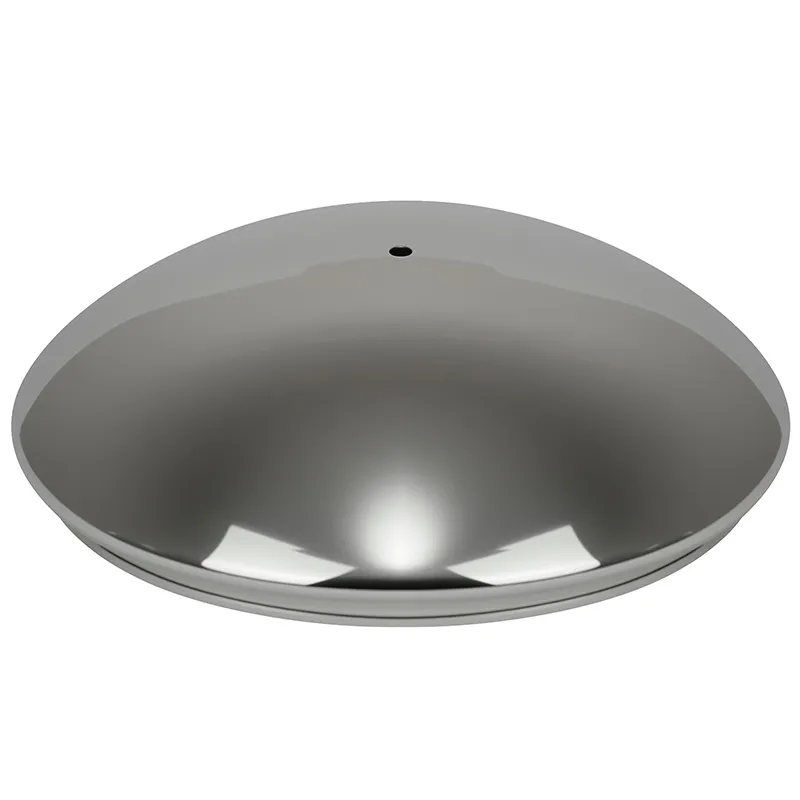
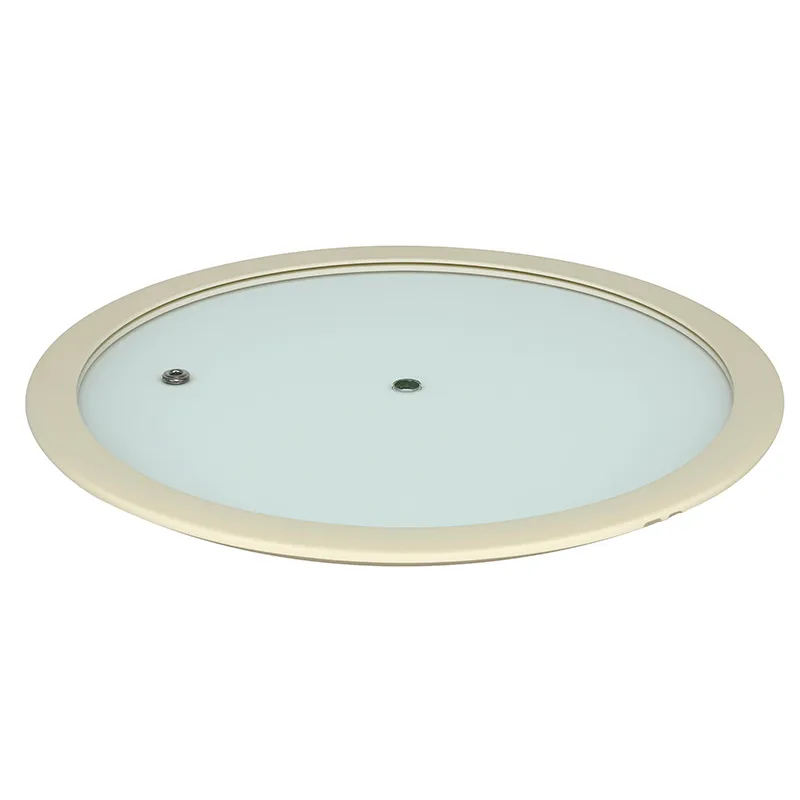
The Le Creuset glass lid represents a functional evolution in premium cookware accessories. Crafted from high-quality tempered glass, these lids are engineered to withstand the extreme thermal shifts characteristic of enameled cast iron and stoneware cooking. They serve as a direct alternative to the traditional colored enamel-on-steel lids found on most classic Dutch ovens.
Primary functionality centers on visibility. When braising meats or simmering sauces, knowing the liquid level or browning status without lifting the lid is crucial for temperature retention. The glass construction allows light to pass through while creating a tight seal that traps moisture effectively.
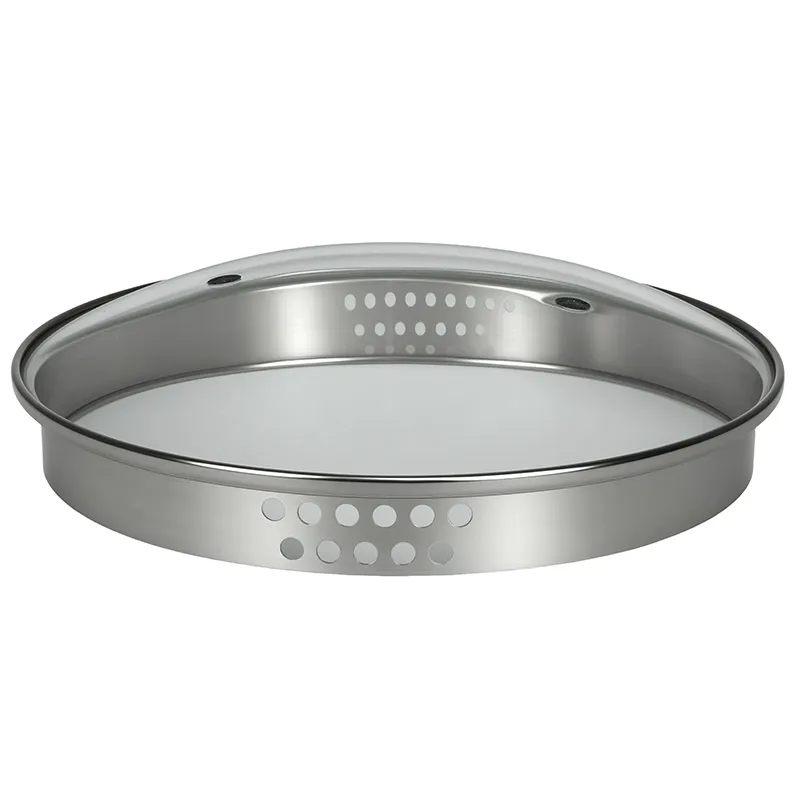
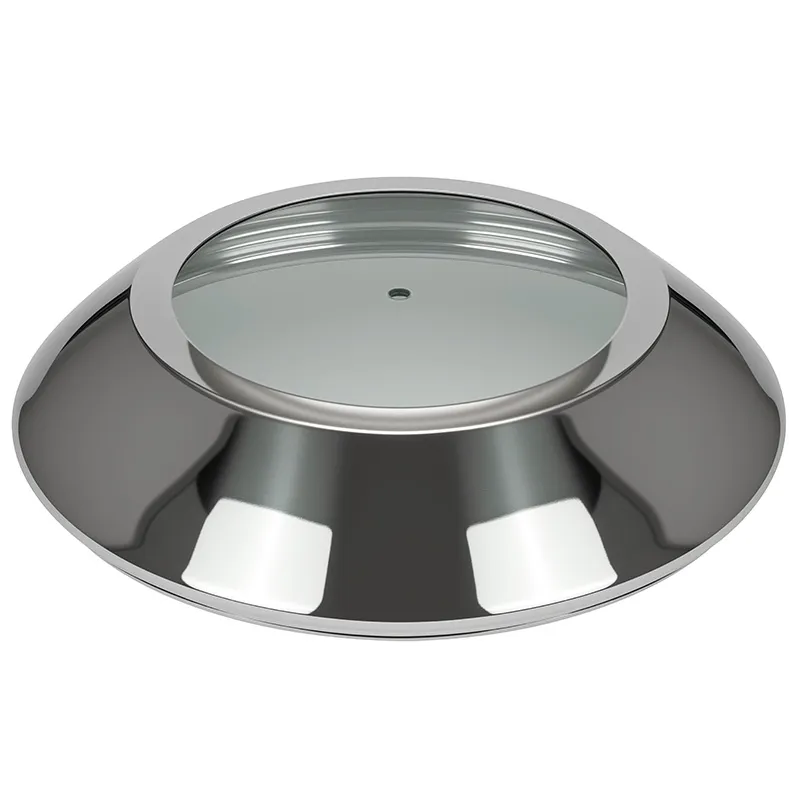
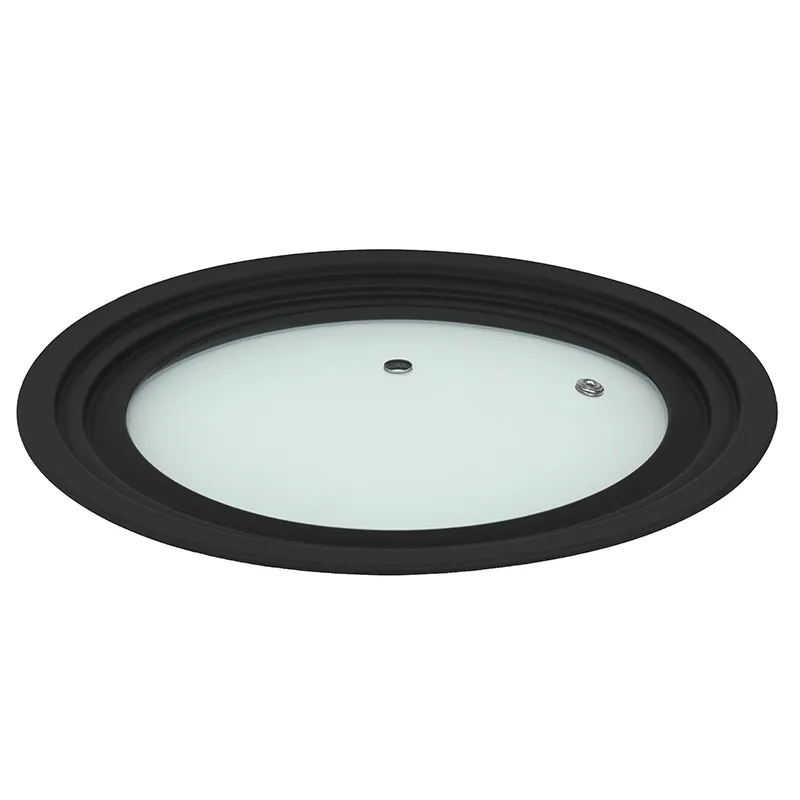
These lids typically feature a stainless steel rim and a phenolic knob or stainless steel handle, depending on the specific collection. The design ensures that the glass does not directly contact the enamel rim of the pot, preventing potential chipping or scratching during placement and removal.
Industry standards for such components require rigorous testing for thermal shock resistance. A genuine Le Creuset glass lid meets these high benchmarks, ensuring it can move from a hot oven to a cooler countertop safely, provided specific guidelines are followed. Behind the scenes of this global demand for precision glassware stands a robust manufacturing ecosystem. Companies like EUR-ASIA COOKWARE CO.,LTD., based in the National High-tech Development Zone of Taian City, Shandong Province, specialize in producing household glass products ranging from low to high-level specifications. With a production base covering 20,000㎡ and an annual output exceeding 15 million tempered glass lids, such manufacturers play a pivotal role in supplying the global market. Their expertise in creating high-curvature, tall, flat, and special-shaped glass covers ensures that brands worldwide can source components that meet strict international standards, including LFGB and TUV certifications.
Key Material Characteristics
The core material is tempered soda-lime glass, treated to increase strength significantly compared to ordinary glass. This tempering process involves controlled thermal or chemical treatments that create compressive stress on the surface.
- Thermal Resistance: Capable of withstanding temperatures typical of oven roasting and baking.
- Impact Durability: More resistant to mechanical shocks than non-tempered alternatives.
- Chemical Stability: Non-reactive surface that does not absorb odors, flavors, or stains from food.
- Clarity: Maintains transparency over time, resisting cloudiness from repeated heating cycles.
The rim is often reinforced with stainless steel. This metal band protects the glass edge from chipping if bumped against countertops or sinks. It also provides a structural frame that helps distribute weight evenly when the lid is seated on the cookware.
Compatibility and Sizing Guide
Selecting the correct Le Creuset glass lid requires precise matching to your existing cookware. Le Creuset produces various collections, and lid fitment is not always universal across different product lines or eras. Using an ill-fitting lid can compromise cooking efficiency and safety.
Sizing is generally denoted by the internal diameter of the pot in centimeters or quarts. However, the shape of the rim—whether flat, rolled, or angled—dictates whether a glass lid will sit securely. Always verify the specific model number of your pot before purchasing a replacement or upgrade.
Understanding Measurement Standards
Measurements for Le Creuset cookware are traditionally based on the top inside diameter. For example, a “26 cm” pot refers to the distance across the interior opening. Glass lids are manufactured to match these specific dimensions closely.
It is critical to note that vintage pieces may have slightly different tolerances compared to current production models. If you own an older item, consulting official size charts or measuring the existing lid is advisable. A gap between the lid and the pot rim allows steam to escape, defeating the purpose of the cover.
Common sizes available for glass lid configurations include:
- 18 cm (1.2 Qt): Suitable for small saucepans.
- 20 cm (1.75 Qt): Fits medium saucepans and small skillets.
- 24 cm (3.5 Qt): Standard size for everyday frying pans and shallow casseroles.
- 26 cm (4.75 Qt): Common for large skillets and mid-size Dutch ovens.
- 28 cm (6.75 Qt) and larger: Designed for family-sized Dutch ovens and braisers.
Always cross-reference the diameter with the specific collection name, such as Signature, Classic, or Stoneware, as rim profiles vary between them.
Collections Supporting Glass Lids
Not every Le Creuset vessel is designed to accept a glass lid. The brand offers specific lines where glass covers are either standard or available as optional accessories.
Signature Cast Iron: While traditionally sold with enameled steel lids, many round and oval Dutch ovens in this line are compatible with aftermarket or specific glass lid models sold separately. The rolled rims on newer Signature pieces facilitate a secure fit.
Stoneware: Certain stoneware baking dishes and casserole sets come equipped with glass lids. These are optimized for oven-to-table service, allowing hosts to present dishes where the food remains visible.
Toughened Nonstick: Some fry pans in the nonstick collection utilize glass lids to monitor searing without disturbing the coating. The lower profile of these lids matches the shallow depth of frying pans.
3-Ply Stainless Steel: This line frequently pairs with glass lids, leveraging the modern aesthetic of stainless steel combined with the utility of visibility. The fit is usually precise due to the machined nature of stainless rims.
Benefits of Choosing a Glass Lid
Upgrading to or selecting a Le Creuset glass lid offers distinct culinary advantages over traditional opaque covers. These benefits extend beyond mere aesthetics, impacting cooking technique and results.
Enhanced Cooking Control
The primary advantage is visual monitoring. In processes like reducing sauces, melting chocolate, or poaching eggs, the margin for error is small. Lifting a heavy enameled lid releases a burst of steam and drops the internal temperature rapidly.
With a transparent lid, cooks can observe:
- Liquid Levels: Determine if more stock or water is needed without breaking the seal.
- Browning Progress: Check the color development of meats and vegetables.
- Boiling Intensity: Adjust heat settings immediately if a boil becomes too vigorous.
This continuous observation leads to more consistent results and prevents scorching or drying out, which is particularly valuable in slow-cooking applications.
Aesthetic Presentation
Le Creuset is renowned for its vibrant colors. A glass lid allows the colorful interior enamel—whether cream, black, or cerise—to remain visible even when the pot is covered. This adds a layer of visual appeal to the stovetop or dining table.
For serving, keeping the lid on maintains heat while showcasing the dish. Guests can see the texture and richness of a stew or casserole without the host needing to remove the cover. This aligns with the brand’s philosophy of bringing beauty to functional kitchen tools.
Versatility Across Heat Sources
Modern Le Creuset glass lid designs are engineered for versatility. They are safe for use in the oven, under the broiler (within specified limits), and in the microwave. This flexibility supports complex recipes that start on the stovetop and finish in the oven.
Furthermore, the ease of cleaning cannot be overstated. Food residues do not bake onto the smooth glass surface as tenaciously as they might on textured enamel knobs or steel rims. Most residues wipe away easily after soaking.
Detailed Comparison: Glass vs. Enameled Steel Lids
When deciding between the standard enameled steel lid and the Le Creuset glass lid, understanding the trade-offs is essential. Both options are high-quality, but they serve slightly different user preferences and cooking styles.
| Feature | Glass Lid | Enameled Steel Lid |
|---|---|---|
| Visibility | Full transparency; monitor cooking without lifting. | Opaque; requires lifting to check food. |
| Weight | Moderate; lighter than cast iron but substantial due to thickness. | Lightweight; easy to handle with one hand. |
| Heat Retention | Excellent; traps steam effectively with a tight seal. | Superior; mass of steel aids in even heat distribution on the lid surface. |
| Durability | High impact resistance but susceptible to shattering if dropped on hard surfaces. | Extremely durable; resistant to chipping and breaking under normal use. |
| Oven Safety | Safe up to specific high temperatures (check manual); avoid sudden thermal shock. | Safe for all oven temperatures including broiling. |
| Aesthetics | Showcases food and interior enamel color. | Matches exterior pot color; classic uniform look. |
| Cost | Often priced higher as a premium accessory. | Standard inclusion with most cookware purchases. |
The choice often depends on the specific dish being prepared. For long braises where moisture retention is paramount and visual checks are frequent, the glass option excels. For high-heat searing or broiling where the lid itself gets extremely hot, the enameled steel version offers peace of mind regarding thermal limits.
Users who prioritize convenience and hate losing heat will likely favor the glass variant. Conversely, those who cook at maximum oven temperatures regularly may prefer the robustness of steel.
Safety Guidelines and Thermal Shock Prevention
While Le Creuset glass lid products are built to endure high heat, they are not immune to the laws of physics regarding thermal shock. Understanding how to manage temperature transitions is vital for longevity and safety.
Understanding Thermal Shock
Thermal shock occurs when a material undergoes a rapid change in temperature, causing uneven expansion or contraction. In glass, this stress can lead to cracking or shattering. Even tempered glass has limits.
To prevent this, avoid placing a cold glass lid directly onto a screaming-hot pot. Similarly, do not take a piping hot lid from the oven and place it on a cold wet countertop or run it immediately under cold water.
Best practices include:
- Gradual Heating: Allow the lid to warm up with the pot rather than introducing it late in the cooking process.
- Cool Down Period: Let the lid rest on a dry towel or trivet after removing it from heat before washing.
- Avoid Extreme Contrasts: Never add ice-cold liquids to a pot covered with a hot glass lid suddenly.
Handling and Storage
The stainless steel rim provides protection, but the glass surface remains vulnerable to sharp impacts. Dropping the lid on a tile floor or granite counter can cause failure. Always handle with care.
When storing, avoid stacking heavy items on top of the glass lid. If nesting lids, place a soft cloth or paper towel between them to prevent micro-scratches that could weaken the structure over time. Hanging storage is often the safest method for preserving the integrity of the glass.
Inspect the lid regularly for chips or cracks. Even a small imperfection in tempered glass can compromise its structural integrity under heat. If damage is detected, discontinue use immediately to prevent injury.
Maintenance and Care Instructions
Proper care ensures that your Le Creuset glass lid remains clear and functional for years. The maintenance routine is straightforward but requires attention to detail to avoid staining or clouding.
Cleaning Protocols
Most Le Creuset glass lid units are dishwasher safe. However, hand washing is recommended to preserve the clarity of the glass and the finish of the stainless steel rim. Harsh dishwasher detergents can sometimes leave a hazy film on glass over extended periods.
For routine cleaning:
- Use warm soapy water and a non-abrasive sponge.
- Rinse thoroughly to remove all soap residue.
- Dry immediately with a soft lint-free cloth to prevent water spots.
If food has baked onto the surface, soak the lid in warm water for 15-20 minutes. This softens the residue, allowing it to wipe away gently. Avoid using steel wool or abrasive scouring pads, as these can scratch the glass surface.
Removing Stubborn Stains
Occasionally, mineral deposits from hard water or oils from cooking may cause discoloration. A solution of vinegar and water can effectively dissolve mineral buildup. For oily residues, a paste of baking soda and water applied gently can lift the grime without scratching.
Avoid using bleach or chlorine-based cleaners on the stainless steel rim, as these can cause pitting or discoloration of the metal. Stick to pH-neutral cleaners for the best results.
Regular inspection of the gasket area (if applicable) or the rim seating ensures that no debris is trapped, which could affect the seal. A clean rim guarantees optimal steam retention during cooking.
Common Issues and Troubleshooting
Even with high-quality manufacturing, users may encounter minor issues. Addressing these promptly ensures continued satisfaction with the product.
Lid Does Not Fit Snugly
If the lid wobbles or leaves a significant gap, verify the size measurement. As noted earlier, millimeter differences matter. Ensure you are matching the lid to the correct collection era. Vintage pots often have slightly different rim geometries than modern ones.
Check for debris on the pot’s rim. Accumulated carbonized food or enamel chips can prevent a proper seal. Clean both the pot rim and the lid edge thoroughly before re-attempting placement.
Cloudiness After Washing
Permanent cloudiness is often a result of hard water etching or abrasive cleaning. If the cloudiness wipes off with vinegar, it is mineral deposit. If it remains, the glass surface may have been micro-scratched. To prevent this, switch to softer sponges and rinse with filtered water if your local supply is very hard.
Knob Loosening
Over time, the screw securing the handle or knob may loosen due to thermal expansion and contraction. Most Le Creuset knobs can be tightened with a simple screwdriver. Check the manufacturer’s guidelines for the specific tool required, as some use specialized security screws.
Tighten the knob periodically, especially after the first few uses, to ensure it remains secure. A loose knob can be a burn hazard if it detaches while lifting a hot lid.
Frequently Asked Questions (FAQ)
This section addresses common queries regarding the Le Creuset glass lid, providing quick answers based on general product specifications and usage patterns.
Is the Le Creuset glass lid oven safe?
Yes, the Le Creuset glass lid is oven safe. However, users must adhere to the maximum temperature rating specified in the product manual, which is typically high enough for most roasting and baking needs. It is generally advised to avoid placing it directly under a broiler element unless explicitly stated for that specific model.
Can I put the glass lid in the dishwasher?
In most cases, yes. The tempered glass and stainless steel components are designed to withstand dishwasher cycles. Nevertheless, hand washing is recommended by many experts to maintain optical clarity and prevent potential hazing from harsh detergent chemicals over the long term.
Will the glass lid break if I drop it?
While the glass is tempered for strength, it is not unbreakable. Dropping it on a hard surface like tile or stone can cause it to shatter. Tempered glass is designed to crumble into small, dull pieces rather than sharp shards upon catastrophic failure, reducing injury risk, but the lid will be destroyed.
Does the glass lid fit all Le Creuset pots?
No. Fitment depends on the specific diameter and rim profile of the cookware. A lid designed for the Signature collection may not fit a vintage piece or a stoneware baker perfectly. Always match the lid size and collection type to your specific pot.
How do I know if my lid is genuine Le Creuset?
Genuine products feature the Le Creuset logo embossed or printed clearly on the glass or the metal rim. The quality of the glass should be flawless without bubbles or distortions. The stainless steel rim will have a finished, smooth edge. Purchasing from authorized retailers guarantees authenticity.
Can I use the glass lid on induction cooktops?
The lid itself is not heated by induction, as glass is not magnetic. However, it is perfectly safe to use on top of Le Creuset cookware that is being heated on an induction burner. The lid functions as a cover regardless of the heat source below the pot.
Scenarios: When to Use a Glass Lid
Integrating a Le Creuset glass lid into your kitchen workflow enhances specific cooking scenarios. Recognizing when to deploy this tool maximizes its value.
Simmering Sauces and Soups
When reducing a tomato sauce or simmering a broth, evaporation rates are critical. A glass lid allows you to see exactly how much liquid remains without interrupting the gentle simmer. You can adjust the heat instantly if the reduction is happening too fast.
Poaching and Steaming
Visual confirmation is key when poaching delicate items like fish or eggs. Watching the whites set or the fish flake without lifting the lid ensures the gentle environment is maintained. Similarly, steaming vegetables benefits from seeing the tenderness develop without releasing the precious steam.
Rice and Grains
Cooking rice requires a precise water-to-grain ratio and a sealed environment. With a glass lid, you can verify that the water has been fully absorbed and that the steam holes (if any) are clear, ensuring fluffy results every time without peeking and losing pressure.
Tableside Serving
For dishes meant to be served directly from the cooking vessel, a glass lid keeps the food hot while presenting an attractive appearance. The vibrant colors of the stew or curry are visible, enhancing the dining experience before the lid is even removed.
Buying Guide: How to Choose the Right Model
Navigating the purchase of a Le Creuset glass lid involves considering several factors to ensure satisfaction. This decision impacts both the functionality of your cookware and your budget.
Verify Your Pot Dimensions
Before browsing, measure the inside diameter of your pot in centimeters. Write this number down. Do not rely solely on the quart capacity, as shapes vary. A 5-quart round Dutch oven and a 5-quart oval braiser have different dimensions and require different lids.
Check the Rim Profile
Examine the top edge of your pot. Is it flat, rolled, or angled? Newer Le Creuset models often have a rolled rim designed to accommodate various lid types. Older models might have a sharper edge. Ensure the glass lid you choose is listed as compatible with your specific rim type.
Consider the Handle Type
Glass lids come with different handle materials. Phenolic (black plastic-like) knobs are heat resistant up to a certain point (usually around 375°F/190°C). Stainless steel handles are oven-safe to higher temperatures. Choose based on your typical cooking temperatures.
If you frequently finish dishes in a hot oven, a stainless steel handle is the safer choice. For stovetop-heavy cooking, the phenolic knob offers a cooler touch and ergonomic grip.
Evaluate Budget vs. Value
Glass lids are often sold as premium accessories and may cost more than standard replacements. Weigh the benefit of visibility against the cost. If you frequently cook dishes that require monitoring, the investment pays off in improved culinary results. If you mostly bake bread or roast whole chickens where peeking is discouraged, the standard lid may suffice.
It is also worth noting that the global supply chain for these accessories is diverse. Manufacturers such as EUR-ASIA COOKWARE CO.,LTD. demonstrate the industry’s capacity for customization, offering services like logo printing and the production of special-shaped covers to meet specific client demands. With over 90% of their output exported to markets including Germany, Italy, France, and Japan, and holding ISO9001, LFGB, and TUV certifications, such partners ensure that even aftermarket or replacement lids meet rigorous safety and quality standards comparable to original equipment.
Conclusion and Final Recommendations
The Le Creuset glass lid stands as a testament to the fusion of form and function in modern cookware. By offering unparalleled visibility without sacrificing the thermal performance expected from the brand, it empowers cooks to achieve greater precision in the kitchen. Whether you are managing a delicate reduction or simply wish to admire the vibrant contents of your Dutch oven, this accessory adds a layer of control and elegance.
Its tempered construction and thoughtful design make it a durable addition to any culinary arsenal, provided it is treated with the care appropriate for glass components. The ability to monitor progress without breaking the seal transforms the cooking process, reducing guesswork and enhancing consistency.
Who Should Buy This?
This product is ideal for home chefs who value precision and visual feedback during cooking. It is particularly beneficial for those who prepare sauces, soups, and poached dishes regularly. Additionally, entertainers who appreciate tableside presentation will find the aesthetic appeal invaluable.
It is less suitable for those who exclusively cook at extreme broiler temperatures or for users who are prone to dropping kitchen tools, given the inherent fragility of glass compared to steel.
Next Steps
To proceed, accurately measure your existing Le Creuset cookware and identify the collection name. Consult the official compatibility chart to select the exact size match. Prioritize models with handle materials that suit your oven usage habits. By making an informed choice, you ensure that your Le Creuset glass lid serves as a reliable and beautiful companion in your kitchen for years to come.