- English
- Chinese
- French
- German
- Portuguese
- Spanish
- Russian
- Japanese
- Korean
- Arabic
- Irish
- Greek
- Turkish
- Italian
- Danish
- Romanian
- Indonesian
- Czech
- Afrikaans
- Swedish
- Polish
- Catalan
- Esperanto
- Hindi
- Lao
- Albanian
- Amharic
- Armenian
- Azerbaijani
- Belarusian
- Bengali
- Bosnian
- Bulgarian
- Cebuano
- Chichewa
- Corsican
- Croatian
- Dutch
- Estonian
- Filipino
- Finnish
- Frisian
- Galician
- Georgian
- Gujarati
- Haitian
- Hausa
- Hawaiian
- Hebrew
- Hmong
- Hungarian
- Icelandic
- Igbo
- Javanese
- Kannada
- Kazakh
- Khmer
- Kurdish
- Kyrgyz
- Latin
- Latvian
- Lithuanian
- Luxembou..
- Macedonian
- Malagasy
- Malay
- Malayalam
- Maltese
- Maori
- Marathi
- Mongolian
- Burmese
- Nepali
- Norwegian
- Pashto
- Persian
- Punjabi
- Serbian
- Sesotho
- Sinhala
- Slovak
- Slovenian
- Somali
- Samoan
- Scots Gaelic
- Shona
- Sindhi
- Sundanese
- Swahili
- Tajik
- Tamil
- Telugu
- Thai
- Ukrainian
- Urdu
- Uzbek
- Vietnamese
- Welsh
- Xhosa
- Yiddish
- Yoruba
- Zulu
- Kinyarwanda
- Tatar
- Oriya
- Turkmen
- Uyghur


Silicone Glass Lid Manufacturer in China | Wholesale & OEM Silicone Rim Glass Lids
2026-11-08
Choosing a silicone glass lid manufacturer in China involves more than comparing product prices. For cookware brands, retailers, wholesalers, and OEM buyers, important considerations include silicone material selection, food-contact compliance, temperature resistance, color customization, product durability, and consistent bulk supply.
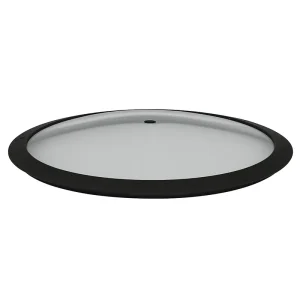
A silicone rim glass lid combines a glass lid body with a silicone component fitted around its outer edge. This design gives cookware buyers additional options for product appearance and rim configuration. However, the glass dimensions, silicone material, rim structure, and assembly quality must all meet the requirements of the intended application.
This guide explains what to consider when sourcing silicone rim glass lids from China, including material selection, LFGB and FDA-related documentation, customization options, durability evaluation, quality control, and wholesale ordering.
What Is a Silicone Rim Glass Lid?
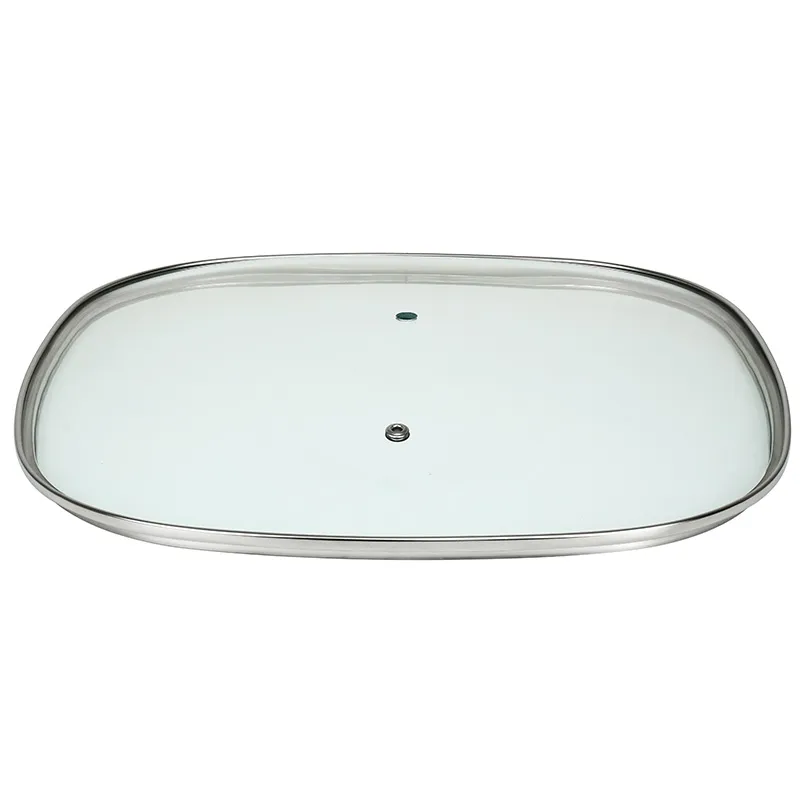
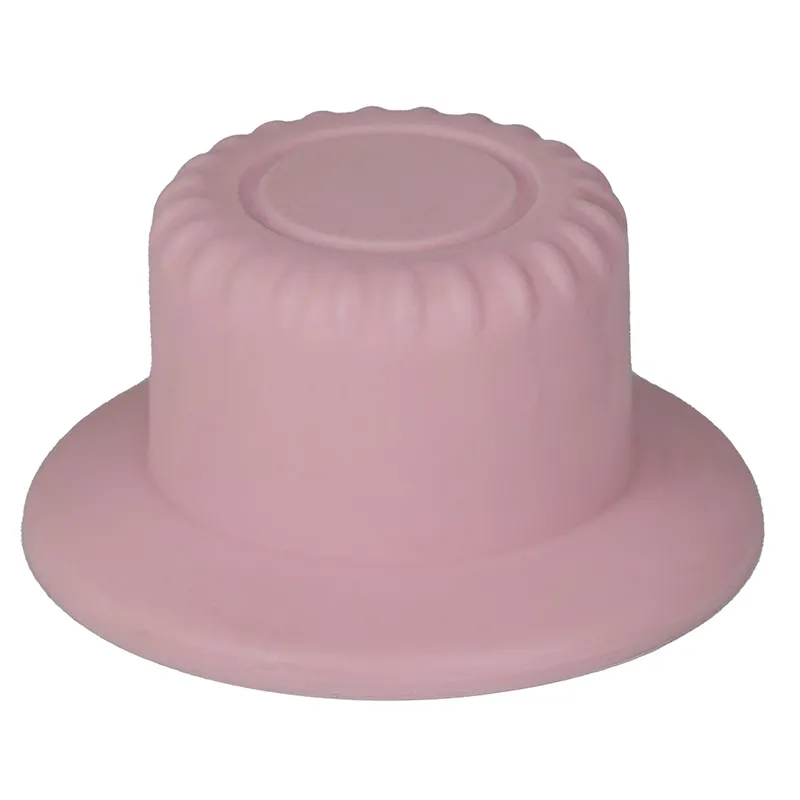
A silicone rim glass lid is a cookware lid that uses a glass body with a silicone component fitted around its outer edge. Depending on the product design, it may also include a handle, steam vent, or other accessories.
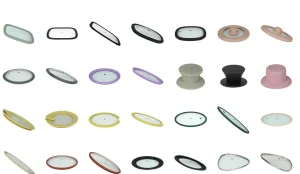
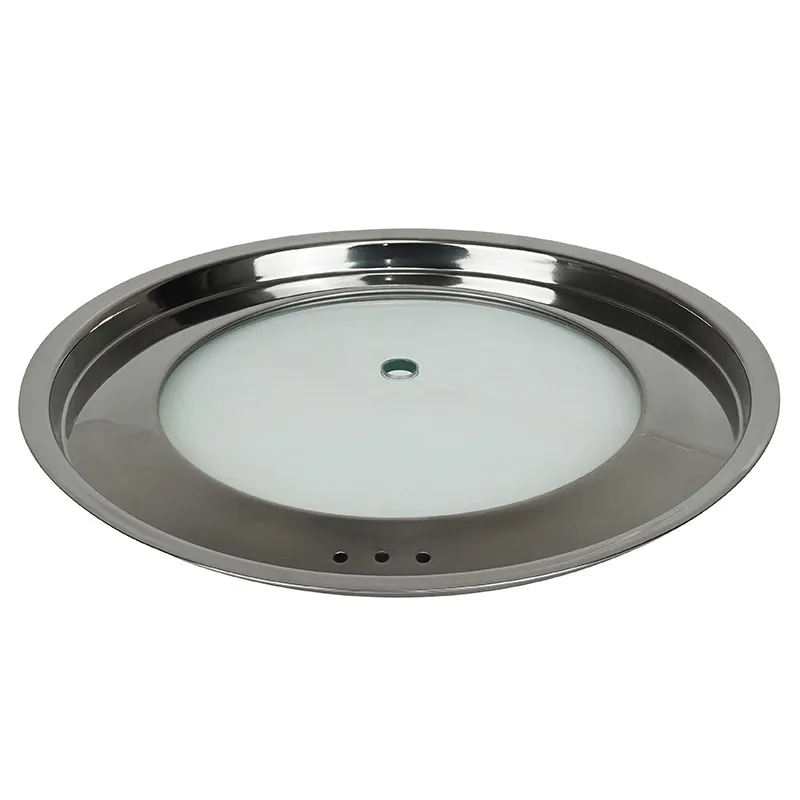
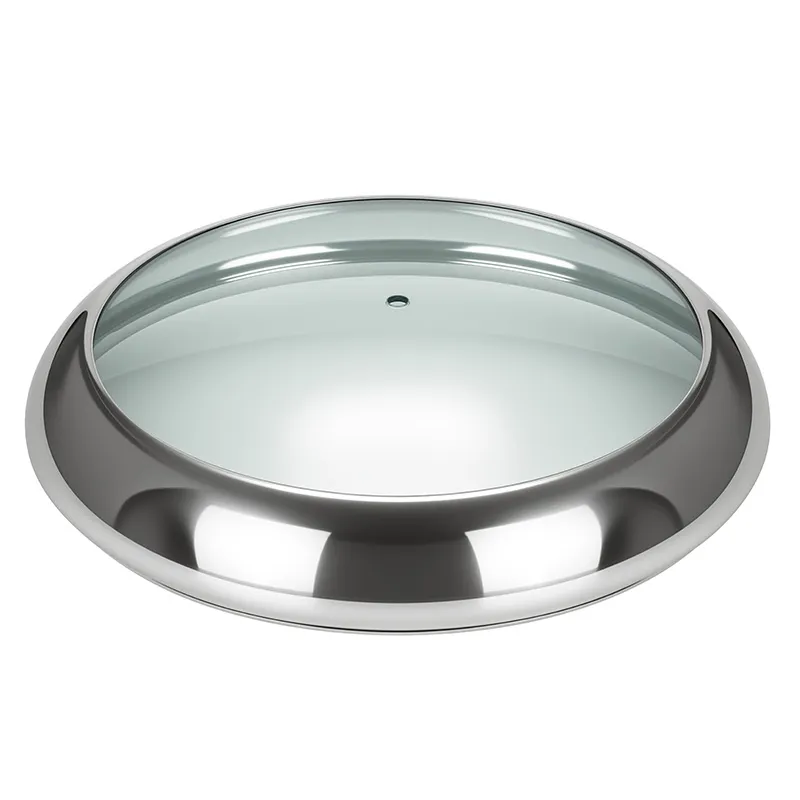
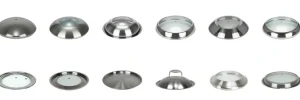
Unlike a conventional glass lid with a stainless steel rim, this design uses silicone around the glass edge. The two configurations have different material and appearance characteristics, so buyers should evaluate the complete product structure rather than considering the rim material alone.
Structure of a Glass Lid with a Silicone Rim
A silicone rim glass lid generally consists of several components:
- Glass body: The main lid component. Its diameter, thickness, shape, and edge profile should match the intended cookware.
- Silicone rim: The component fitted around the glass edge. Its material, dimensions, cross-sectional design, and color should be compatible with the glass body.
- Handle: The component used to lift the lid. Its design and material depend on the product configuration.
- Additional components: Depending on the design, the lid may include a steam vent or other accessories.
The relationship between the glass edge and silicone rim is particularly important. Buyers should check whether the rim fits the glass as intended, whether the dimensions are consistent, and whether the finished assembly has an acceptable appearance.
A silicone rim should not automatically be treated as a sealing gasket. Its actual function depends on the product design. If a buyer requires a specific sealing or fitting function, this requirement should be confirmed through drawings and sample evaluation.
Silicone Rim Glass Lids vs. Stainless Steel Rim Glass Lids
Silicone and stainless steel rims offer different design and material characteristics. The appropriate option depends on the cookware design, target market, product positioning, and buyer requirements.
| Comparison factor | Silicone rim glass lid | Stainless steel rim glass lid |
|---|---|---|
| Outer-edge material | Silicone | Stainless steel |
| Appearance | Can support different silicone colors, subject to production capabilities | Usually has a metallic appearance |
| Design flexibility | Offers options for color and rim configuration | Depends on the metal profile and finishing |
| Material considerations | Requires evaluation of silicone properties and applicable food-contact requirements | Requires evaluation of metal grade, finish, and construction |
| Customization | May include color and rim design customization | May include metal profile and finishing customization |
| Main purchasing considerations | Material documentation, fit, color consistency, and durability | Metal specifications, edge construction, finishing, and assembly |
Neither design is automatically suitable for every cookware product. Buyers should compare product samples and specifications based on their intended application instead of choosing solely by appearance or price.
How to Choose the Right Silicone Material for Glass Lids
Silicone material selection is one of the most important considerations when sourcing silicone rim glass lids. Material formulation and specifications may affect flexibility, hardness, appearance, temperature performance, and suitability for the intended application.
Buyers should request material information and supporting documentation before approving a bulk order.
Food-Contact Silicone and Material Documentation
When a silicone rim glass lid is intended for a food-contact application, buyers should establish the applicable requirements for the target market and intended conditions of use.
A supplier’s description of a material as “food grade silicone” is not sufficient by itself to demonstrate compliance. Buyers should review the relevant material specifications and supporting documentation.
Useful information to request may include:
- Silicone material identification and technical specifications.
- Material supplier documentation, where available.
- Applicable food-contact declarations or test reports.
- The tested material formulation and color, where specified.
- Test conditions and the scope of the reported results.
- Information showing whether the documentation applies to raw material, silicone components, or the finished product.
It is important to distinguish between documentation for silicone raw materials and test results for finished products. A report covering one material or color should not automatically be treated as evidence for every product configuration.
Buyers should also confirm whether the silicone rim itself is intended to contact food under normal or foreseeable conditions. The applicable requirements and testing scope should reflect the actual product design and use.
LFGB and FDA Requirements for Silicone Rim Glass Lids
LFGB-related requirements and FDA food-contact regulations are important considerations for buyers sourcing silicone components for cookware products. However, they should not be treated as interchangeable product certifications.
For products intended for the European market, Regulation (EC) No 1935/2004 establishes general requirements for food-contact materials. Good Manufacturing Practice requirements under Regulation (EC) No 2023/2006 are also relevant. In Germany, the BfR Recommendation XV on Silicones is an important technical reference for evaluating silicone materials, although BfR recommendations are not legally binding regulations.
For the US market, FDA food-contact compliance depends on the substances used, applicable regulatory authorizations or other relevant pathways, and the intended conditions of use. A general statement that a product is “FDA approved” should not replace evidence covering the actual material and application.
Before placing an order, buyers should ask the manufacturer:
- Which food-contact requirements are relevant to the intended sales market?
- Are material declarations, compliance statements, or test reports available?
- Which silicone formulation and product configuration do the documents cover?
- Do the documents cover the selected color and any relevant additives?
- Are the documents based on raw materials, individual components, or the finished product?
- Are the stated test conditions consistent with the intended use of the product?
For products intended for different markets, buyers may need different supporting documentation. The appropriate assessment should be based on the destination market and the actual product specifications.
Silicone Hardness, Flexibility, and Material Selection
Silicone hardness and flexibility can influence the design and fit of a rim around a glass lid.
A material that is too hard or too soft for a particular design may create challenges during assembly or affect how the rim fits the glass body. The appropriate specification therefore needs to be evaluated together with the rim geometry and glass dimensions.
When discussing material selection with a supplier, buyers can ask about:
- Available silicone hardness specifications, such as Shore A values.
- Material flexibility and dimensional stability.
- Compatibility with the intended rim design.
- Available material colors and formulation options.
- Whether the proposed material has been evaluated under the intended use conditions.
Rather than selecting a hardness value without considering the product structure, buyers should review samples and confirm the material specification before production.
Customization Options for Silicone Rim Glass Lids
Customization is important for cookware brands and OEM buyers that need products to match their own designs, product ranges, and market positioning.
The available customization options depend on the manufacturer’s actual production and sourcing capabilities. Buyers should confirm each requirement before assuming it can be included in a quotation.
Custom Silicone Colors and Appearance
One potential advantage of a silicone rim design is the opportunity to customize its appearance through color selection.
Depending on the available materials and production process, buyers may request colors that coordinate with cookware bodies, handles, or brand identity.
A practical color-confirmation process should include:
- Providing a Pantone reference, physical color sample, or other clear color specification.
- Asking the supplier to confirm whether the requested color can be produced with the proposed silicone material.
- Reviewing a physical sample before approving mass production.
- Confirming acceptable color variation and the inspection method for bulk orders.
Color consistency should be considered during both sample approval and mass production. Buyers should not rely only on digital images because screen displays and lighting conditions can affect perceived color.
For food-contact applications, buyers should also confirm whether the selected color formulation is covered by the relevant material documentation or test reports.
Glass Lid Dimensions and Silicone Rim Design
The glass body and silicone rim must be designed as compatible components.
Important specifications may include:
- Glass lid diameter.
- Glass thickness.
- Glass shape and edge profile.
- Silicone rim dimensions and cross-sectional design.
- Rim color and surface appearance.
- Handle and accessory configuration.
Buyers should provide accurate drawings, product samples, or dimensional specifications when requesting customized silicone rim glass lids.
The supplier should confirm the compatibility of the proposed rim design with the glass body before mass production. Any changes to glass dimensions or rim geometry should be reviewed because they may affect the fit and assembly of the finished product.
Logo, Handle, and OEM/ODM Customization
OEM and ODM projects may involve more than changing the silicone rim color. Depending on the supplier’s capabilities, buyers may also discuss handle configurations, product appearance, branding, and packaging.
Before starting a customized project, prepare the following information:
- Product drawings or reference samples.
- Required glass dimensions and thickness.
- Silicone material and color requirements.
- Handle design and material requirements.
- Logo or branding specifications, if applicable.
- Target market and relevant compliance requirements.
- Packaging and labeling requirements.
A written specification helps both parties confirm the same product requirements. It also provides a reference for sample approval, production inspection, and future repeat orders.
Heat Resistance and Durability of Silicone Rim Glass Lids
Temperature resistance and durability are important considerations when evaluating silicone rim glass lids for cookware applications.
However, buyers should distinguish between the temperature properties of a silicone material and the performance of the complete glass lid. The finished product includes multiple components, and its suitability depends on the design, materials, assembly, and intended conditions of use.
Temperature Resistance of Silicone Materials
Silicone materials are used in applications that require specific temperature-related properties. Nevertheless, the acceptable temperature range varies according to the material formulation, product design, and test conditions.
A temperature value provided for raw silicone material should not automatically be interpreted as the approved operating range of a finished glass lid.
When evaluating a supplier, buyers should request:
- The stated temperature range of the proposed silicone material.
- The technical data sheet or other supporting material information.
- Relevant test conditions and methods.
- Any available test results for the finished product.
- Instructions or limitations related to the intended application.
Buyers should also consider the complete product configuration. The glass body, silicone rim, handle, and assembly structure may have different performance limitations.
The final product requirements should be established according to the intended cookware application rather than relying on a general material description.
Aging and Durability Testing
Long-term performance is another important consideration when sourcing silicone components.
Depending on the intended application, buyers may want to evaluate changes in the silicone rim after exposure to specified environmental or temperature conditions.
Potential inspection areas include:
- Visible changes in color or surface appearance.
- Changes in hardness or flexibility.
- Cracking, deformation, or other visible damage.
- Changes in the fit between the silicone rim and glass body.
- Separation or assembly issues observed during evaluation.
Heat-aging tests may be useful when their conditions reflect the intended application. However, a test result is meaningful only when the testing method, temperature, duration, sample configuration, and acceptance criteria are clearly defined.
Buyers should request actual test records when available instead of relying on general statements such as “high durability” or “long service life.”
Practical Checks Before Bulk Production
Before approving a bulk order, buyers should evaluate samples against the agreed product specifications.
A practical sample review may include:
- Dimensional inspection: Check the glass diameter, thickness, rim dimensions, and other specified measurements.
- Appearance inspection: Look for visible defects, inconsistent colors, scratches, or surface irregularities.
- Assembly inspection: Check whether the silicone rim fits the glass body as intended.
- Material verification: Confirm that the material information matches the agreed specification.
- Application-related evaluation: Conduct appropriate tests based on the intended use and agreed requirements.
The inspection criteria should be documented before mass production. This helps avoid disagreements about acceptable product quality after the order has been manufactured.
Quality Control for Wholesale Silicone Glass Lids
For wholesale and OEM orders, consistent product quality is as important as the specifications of an individual sample.
Buyers should understand how a supplier manages incoming materials, assembly, finished-product inspection, and packaging. A clear quality-control process can help identify issues before products are shipped.
Incoming Material and Component Inspection
The quality of a silicone rim glass lid depends on the materials and components used in its construction.
Incoming inspection may cover:
- Glass dimensions and visible appearance.
- Silicone material identification and specifications.
- Silicone color and surface condition.
- Handle and accessory specifications.
- Relevant material documentation and batch information.
Buyers should ask how the supplier checks incoming components and whether material information can be linked to the relevant production batches.
Silicone Rim Assembly and Appearance Inspection
The connection between the silicone rim and glass body requires attention during product assembly and inspection.
Depending on the product design, inspection points may include:
- Compatibility between the glass dimensions and rim structure.
- Rim fit and assembly condition.
- Visible gaps, deformation, or other assembly defects.
- Silicone surface appearance.
- Color consistency between products in the same batch.
The actual acceptance criteria should be agreed upon according to the product drawings, approved sample, and intended application.
Final Inspection, Packaging, and Batch Consistency
Before shipment, finished products should be checked against the confirmed specifications.
A final inspection plan may include:
- Product dimensions and appearance.
- Silicone rim fit and assembly condition.
- Handle and accessory configuration.
- Product quantity and packaging details.
- Identification of visible defects according to agreed acceptance criteria.
Packaging also matters because glass lids can be damaged during handling and transportation. Buyers should confirm the packaging structure, protective materials, carton specifications, and labeling requirements before production.
For repeat orders, maintaining consistent specifications and approved samples is especially important. Buyers should retain product drawings, sample approvals, and inspection requirements as references for future purchases.
How to Choose a Reliable Silicone Glass Lid Manufacturer in China
Finding a suitable silicone glass lid manufacturer in China requires evaluating more than a website, product photograph, or quotation.
A reliable sourcing decision should consider product experience, material documentation, customization capabilities, quality management, and the ability to meet the buyer’s order requirements.
Verify Product Experience and Manufacturing Capabilities
Start by confirming whether the supplier has relevant experience with silicone rim glass lids.
Useful information to request includes:
- Current product specifications and photographs.
- Available samples and customization examples.
- Information about the glass and silicone components.
- An explanation of the production or sourcing process.
- Details about which manufacturing operations are performed in-house and which involve external suppliers, where applicable.
Buyers should distinguish between a manufacturer, a trading company, and a supplier that coordinates production through external factories. Each business model may have different implications for communication, quality control, and order management.
The important point is to understand who is responsible for each stage of the supply process.
Check Material Compliance and Quality Documentation
A supplier should be able to explain the material specifications and provide relevant documentation when available.
Before approving an order, review:
- Silicone material specifications.
- Applicable food-contact documentation.
- Relevant test reports and their scope.
- Product inspection procedures.
- Sample and batch inspection records, where available.
Do not assume that a document for one silicone material automatically covers every color, formulation, or finished product.
If the product is intended for a regulated market, buyers should confirm the applicable requirements with the relevant compliance professionals or testing organizations.
Evaluate OEM, MOQ, Lead Time, and Supply Capacity
Commercial terms and supply arrangements are essential when comparing wholesale suppliers.
Buyers should clarify the following points before placing an order:
| Purchasing factor | Questions to ask |
|---|---|
| OEM/ODM support | Can the supplier work with product drawings, samples, and customized specifications? |
| MOQ | Is there a different minimum order quantity for standard and customized products? |
| Sample arrangements | Are samples available, and what are the costs and expected lead times? |
| Production lead time | How long does production take after specifications and samples are approved? |
| Supply capacity | Can the supplier support the expected order quantity and repeat-order schedule? |
| Packaging | Are export packaging and customized packaging options available? |
| Quality documentation | What inspection records and product documents can be provided? |
Buyers should compare suppliers using the same product specifications and order quantities. Otherwise, differences in quotations may reflect different materials, structures, packaging, or service arrangements rather than actual price competitiveness.
Wholesale and OEM Ordering Process for Silicone Rim Glass Lids
A clear ordering process helps reduce misunderstandings between buyers and suppliers, especially when a product involves customized glass dimensions, silicone colors, or material requirements.
Step 1 – Submit Product Specifications and Requirements
Start by providing the information needed for an accurate quotation.
This may include:
- Required glass lid diameter and thickness.
- Glass shape and edge requirements.
- Silicone rim design and color.
- Silicone material requirements.
- Handle and accessory specifications.
- Target order quantity.
- Intended sales market and relevant compliance requirements.
- Packaging and branding requirements.
Drawings, reference products, and physical samples can help clarify details that may be difficult to communicate through text alone.
Step 2 – Confirm Samples, Materials, and Compliance Documents
Before approving production, review the proposed sample and relevant material information.
Check whether the sample matches the agreed dimensions, color, rim structure, and accessory configuration.
For food-contact applications, also confirm whether the available documents cover the actual materials and product configuration being purchased.
Any differences between the requested design and the supplied sample should be resolved before moving to the next stage.
Step 3 – Approve Pricing, MOQ, and Production Details
Once the product specification is confirmed, review the commercial and production terms.
Important details include:
- Unit price and order quantity.
- MOQ and any customization-related conditions.
- Sample charges, if applicable.
- Payment terms.
- Production lead time.
- Packaging requirements.
- Inspection and acceptance criteria.
- Shipping arrangements and responsibilities.
The final product specification should be recorded in an approved document or order confirmation so that both parties work from the same requirements.
Step 4 – Inspect and Arrange Bulk Shipment
During and after production, buyers should confirm that the products meet the approved specifications and sample requirements.
Before shipment, review the agreed inspection results, quantities, packaging details, and shipping documents.
For repeat orders, retaining the approved sample and specification records can make it easier to maintain consistency and manage future production.
FAQs About Silicone Rim Glass Lids
What Is the Difference Between a Silicone Rim and a Silicone Gasket?
A silicone rim generally refers to the silicone component fitted around the outer edge of a glass lid. A silicone gasket usually refers to a sealing component designed for a particular connection or sealing function.
The two terms should not be treated as interchangeable without checking the actual product structure. Buyers should review product drawings or samples to understand the design.
Are Silicone Rim Glass Lids Food-Safe?
Food-contact suitability depends on the silicone formulation, other product materials, intended use, and applicable requirements in the target market.
Buyers should request relevant material documentation and test reports. They should also confirm whether the documents cover the actual product, selected color, and intended application.
A general “food grade” description alone does not establish compliance with every market’s requirements.
Can Silicone Rim Glass Lids Be Customized in Different Colors?
Color customization may be possible depending on the manufacturer’s materials and production capabilities.
Buyers can provide a Pantone reference or physical sample and request a production sample for approval. The final color specification and acceptable variation should be agreed upon before mass production.
How Can Buyers Check the Heat Resistance of Silicone Glass Lids?
Buyers should review the silicone material’s technical specifications and any available test reports.
It is also important to distinguish between the stated temperature properties of raw silicone and the performance of the complete glass lid. Test conditions and intended application should be considered when evaluating suitability.
What Should Buyers Confirm Before Placing a Wholesale Order?
Before placing a wholesale order, buyers should confirm:
- Glass dimensions and specifications.
- Silicone material and color.
- Rim structure and assembly requirements.
- Applicable food-contact documentation.
- Relevant temperature and durability information.
- Sample approval and inspection criteria.
- MOQ, pricing, and production lead time.
- Packaging and shipping arrangements.
Confirming these details in writing can reduce misunderstandings during production and delivery.
Contact a Silicone Glass Lid Manufacturer in China for Wholesale and OEM Orders
Selecting a silicone glass lid manufacturer in China requires a clear understanding of product structure, silicone material, food-contact documentation, customization options, durability, and quality control.
For cookware brands, wholesalers, and OEM buyers, the most effective approach is to establish detailed product specifications, review relevant material documents, evaluate samples, and agree on inspection criteria before placing a bulk order.
When comparing potential suppliers, focus on their actual product experience, documented capabilities, communication, and ability to meet your order requirements.
If you are sourcing silicone rim glass lids for a cookware project, prepare your required dimensions, silicone color, material specifications, target quantity, and destination market before requesting a quotation. These details will help suppliers assess your requirements and provide a more relevant proposal.