- Chinese
- French
- German
- Portuguese
- Spanish
- Russian
- Japanese
- Korean
- Arabic
- Irish
- Greek
- Turkish
- Italian
- Danish
- Romanian
- Indonesian
- Czech
- Afrikaans
- Swedish
- Polish
- Basque
- Catalan
- Esperanto
- Hindi
- Lao
- Albanian
- Amharic
- Armenian
- Azerbaijani
- Belarusian
- Bengali
- Bosnian
- Bulgarian
- Cebuano
- Chichewa
- Corsican
- Croatian
- Dutch
- Estonian
- Filipino
- Finnish
- Frisian
- Galician
- Georgian
- Gujarati
- Haitian
- Hausa
- Hawaiian
- Hebrew
- Hmong
- Hungarian
- Icelandic
- Igbo
- Javanese
- Kannada
- Kazakh
- Khmer
- Kurdish
- Kyrgyz
- Latin
- Latvian
- Lithuanian
- Luxembou..
- Macedonian
- Malagasy
- Malay
- Malayalam
- Maltese
- Maori
- Marathi
- Mongolian
- Burmese
- Nepali
- Norwegian
- Pashto
- Persian
- Punjabi
- Serbian
- Sesotho
- Sinhala
- Slovak
- Slovenian
- Somali
- Samoan
- Scots Gaelic
- Shona
- Sindhi
- Sundanese
- Swahili
- Tajik
- Tamil
- Telugu
- Thai
- Ukrainian
- Urdu
- Uzbek
- Vietnamese
- Welsh
- Xhosa
- Yiddish
- Yoruba
- Zulu
- Kinyarwanda
- Tatar
- Oriya
- Turkmen
- Uyghur

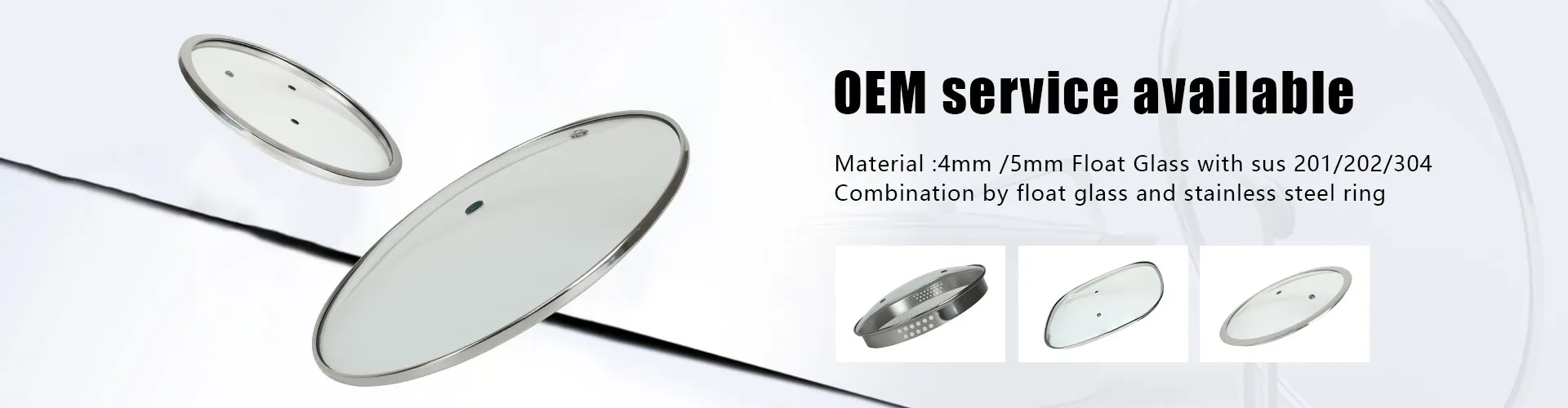
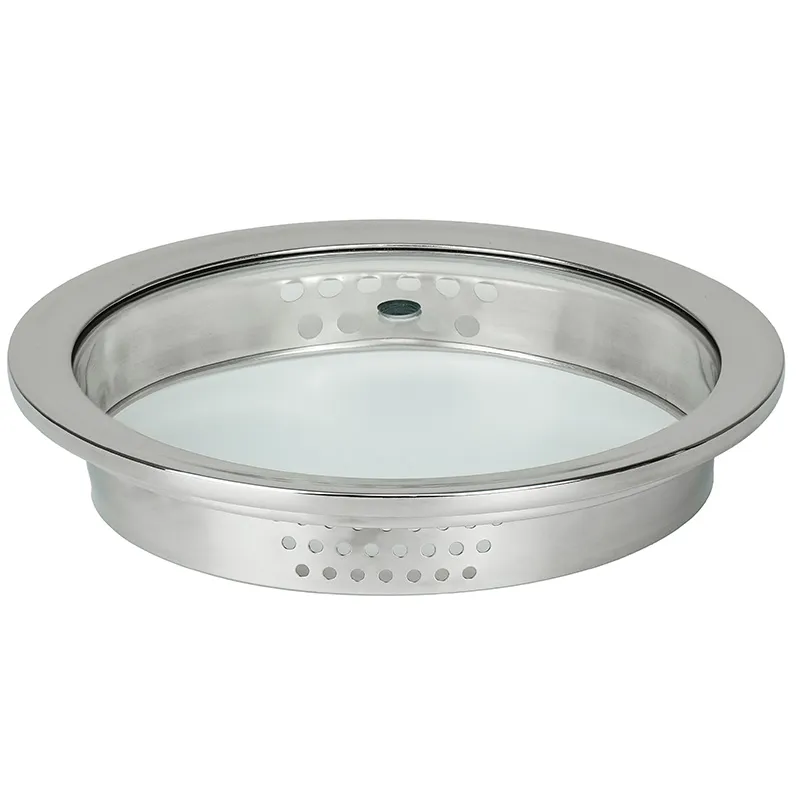
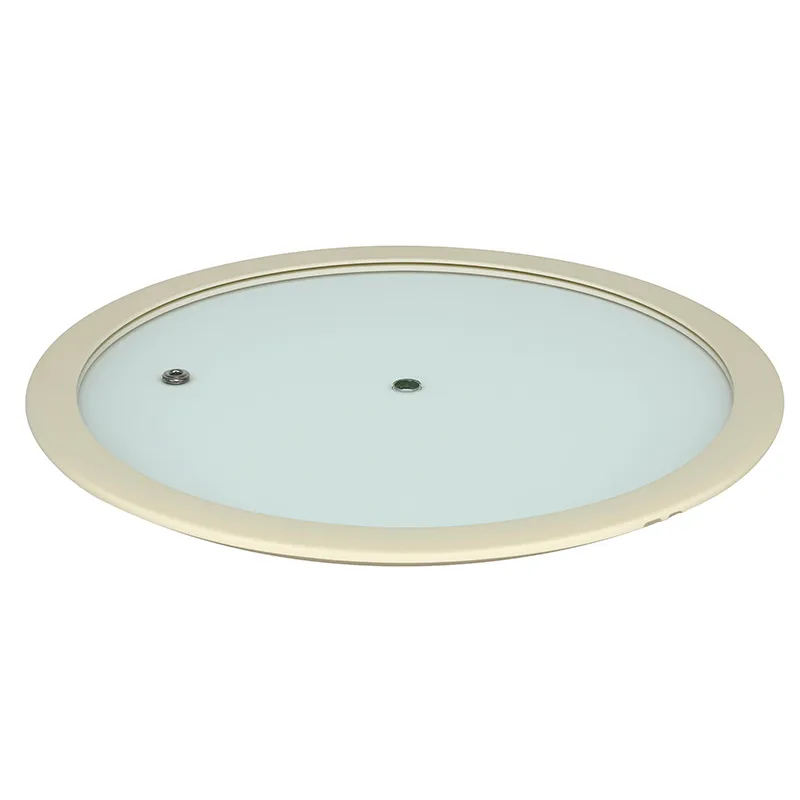
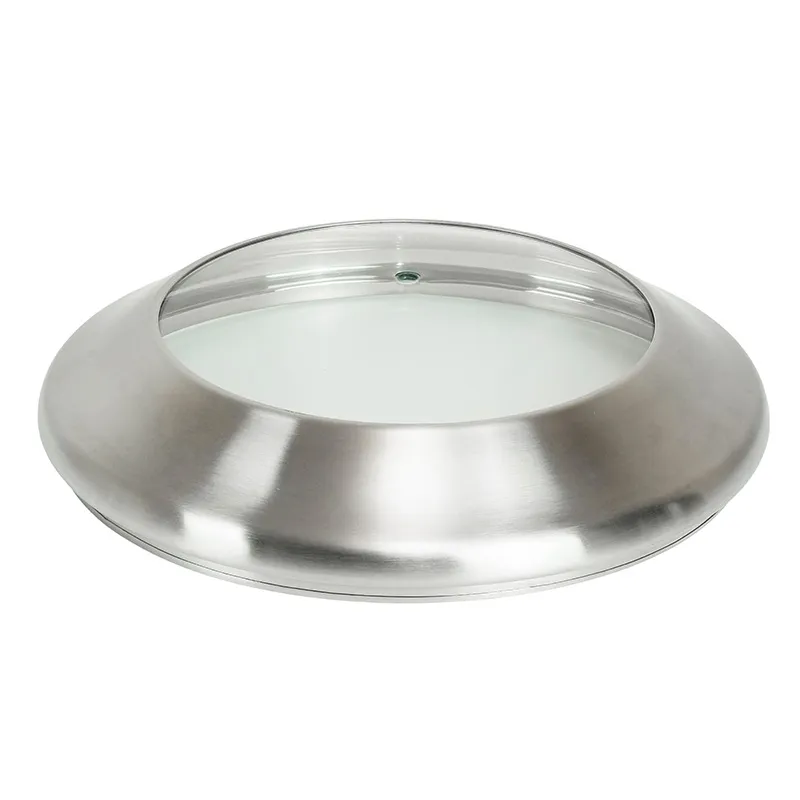
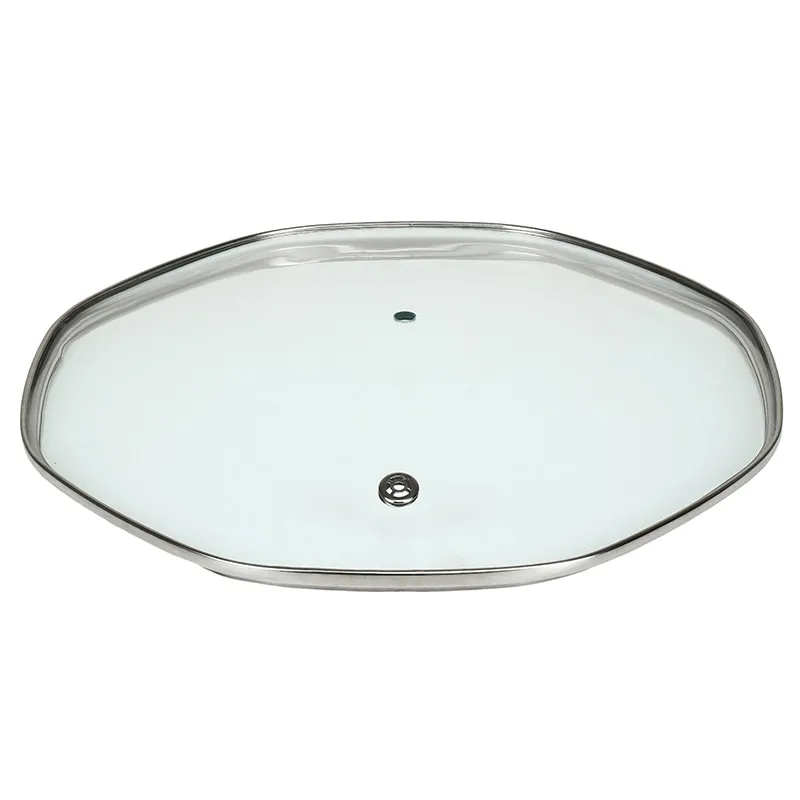
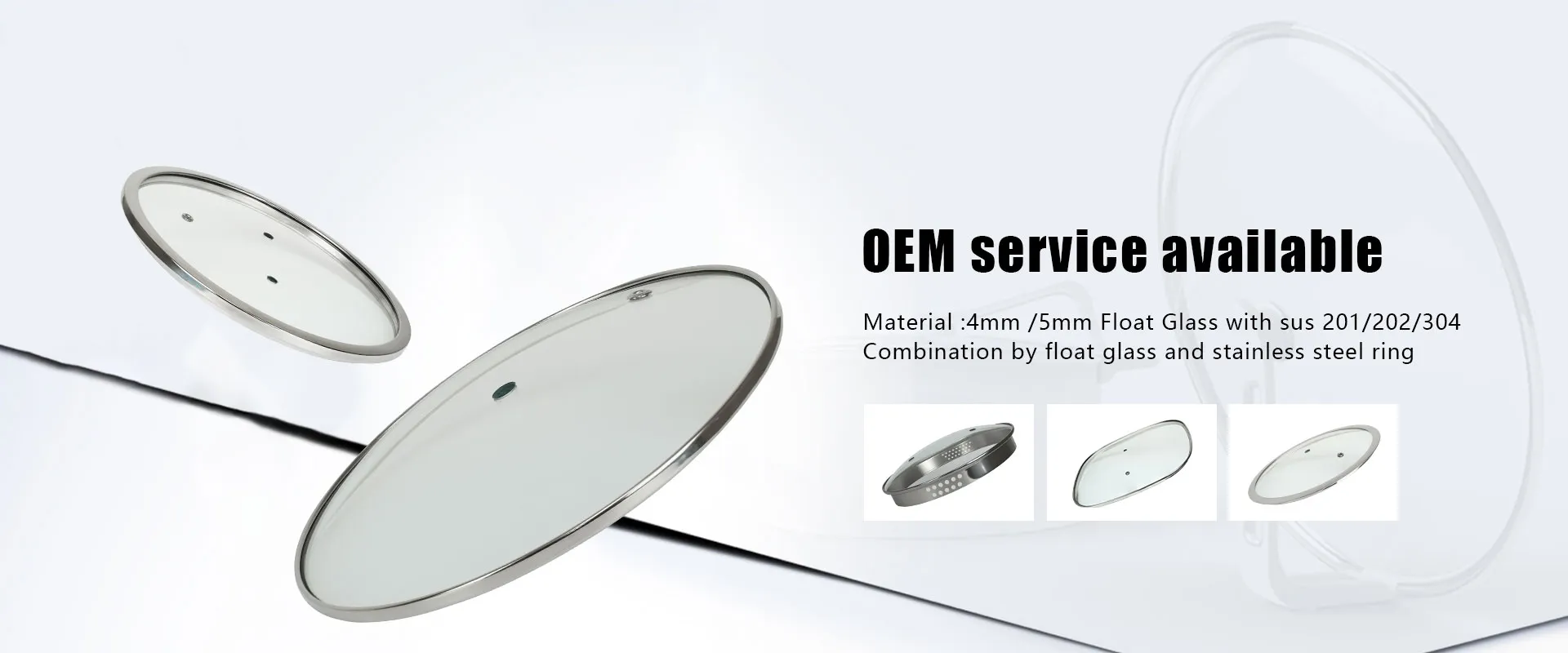
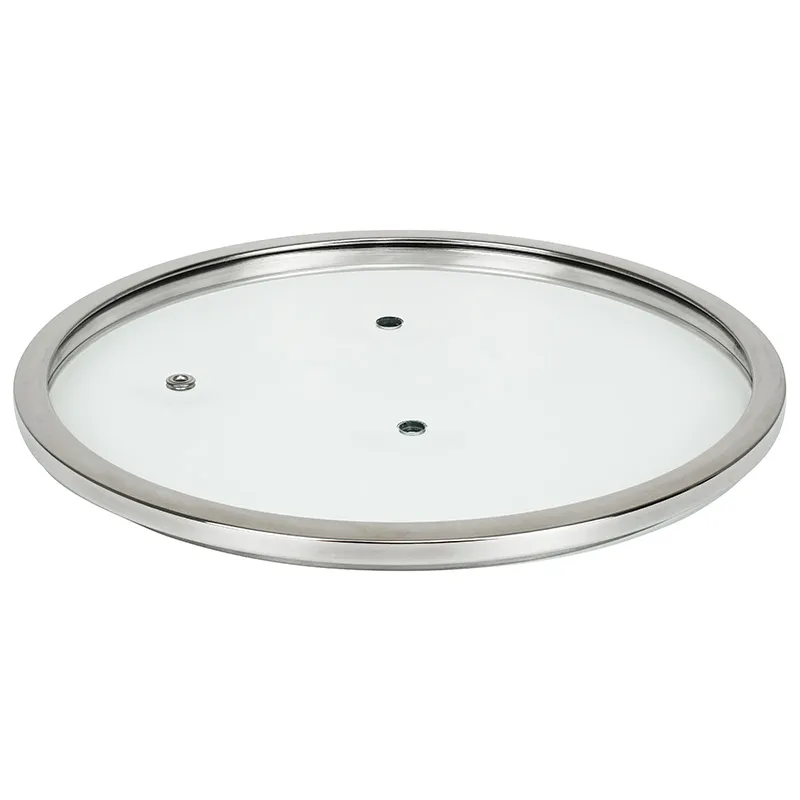
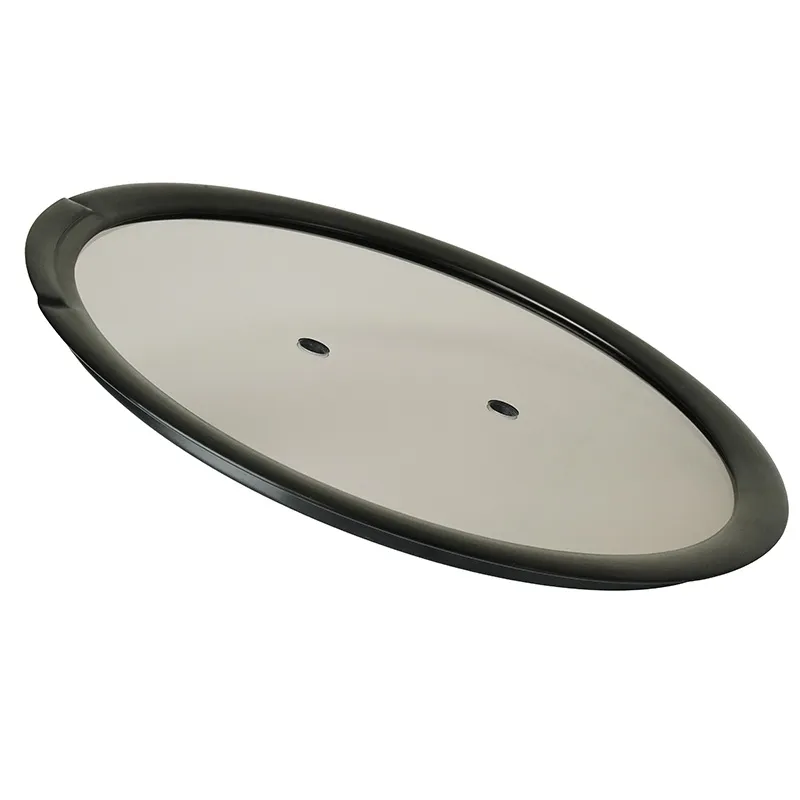
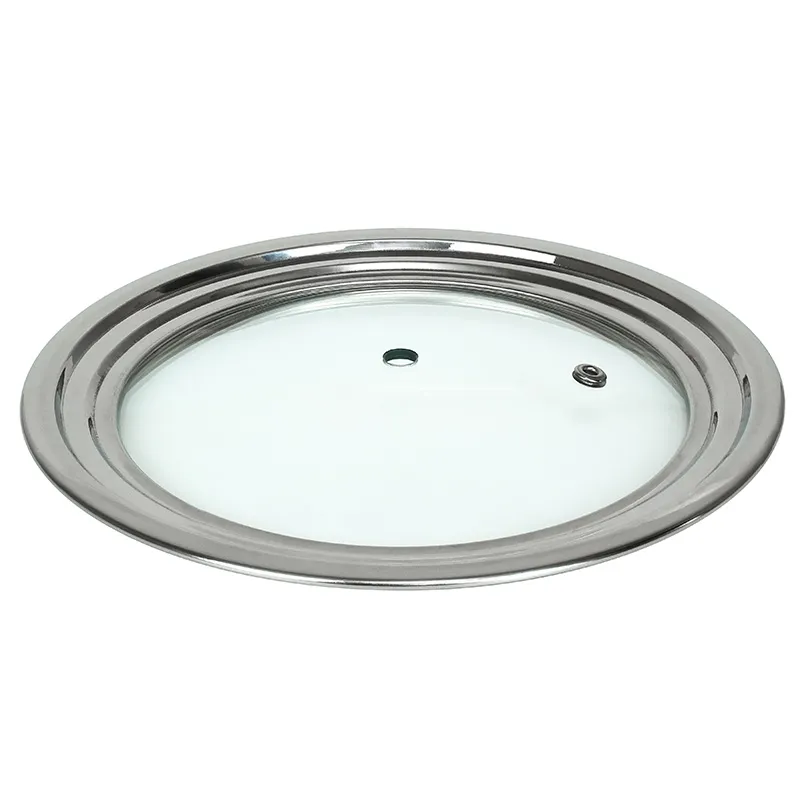
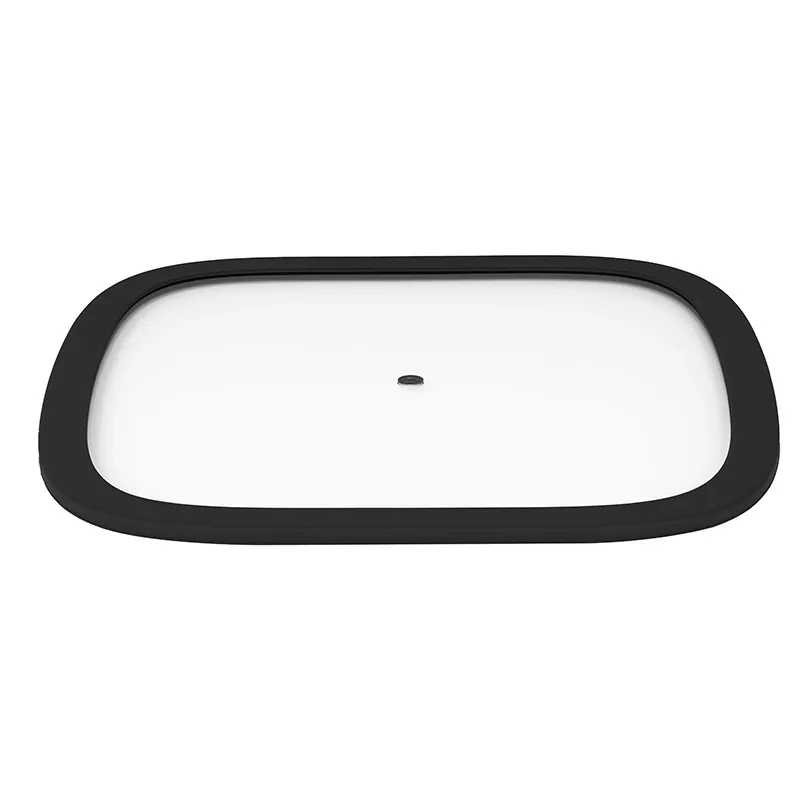
flat glass cover
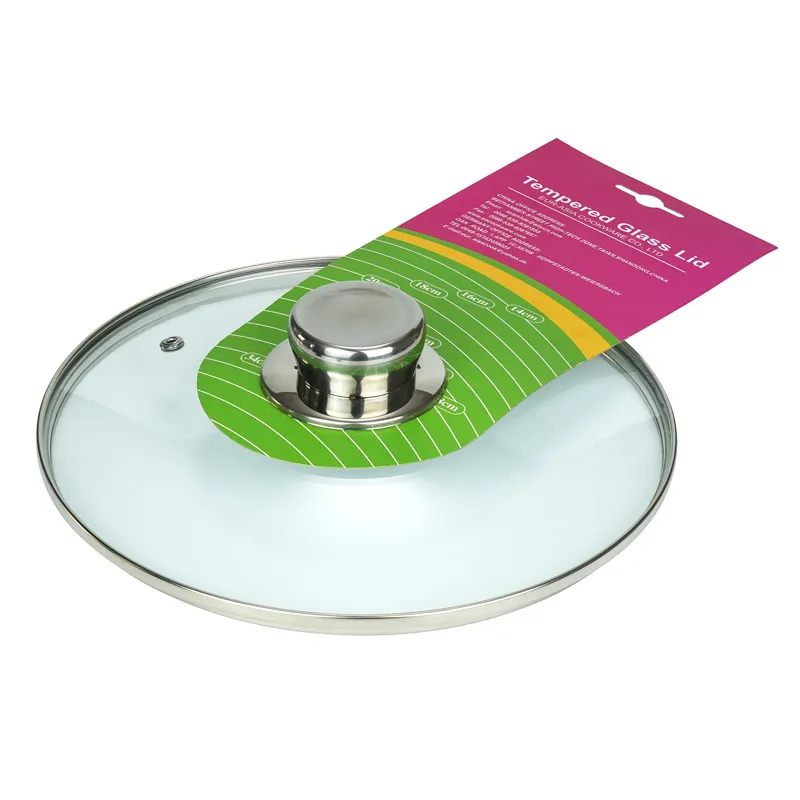
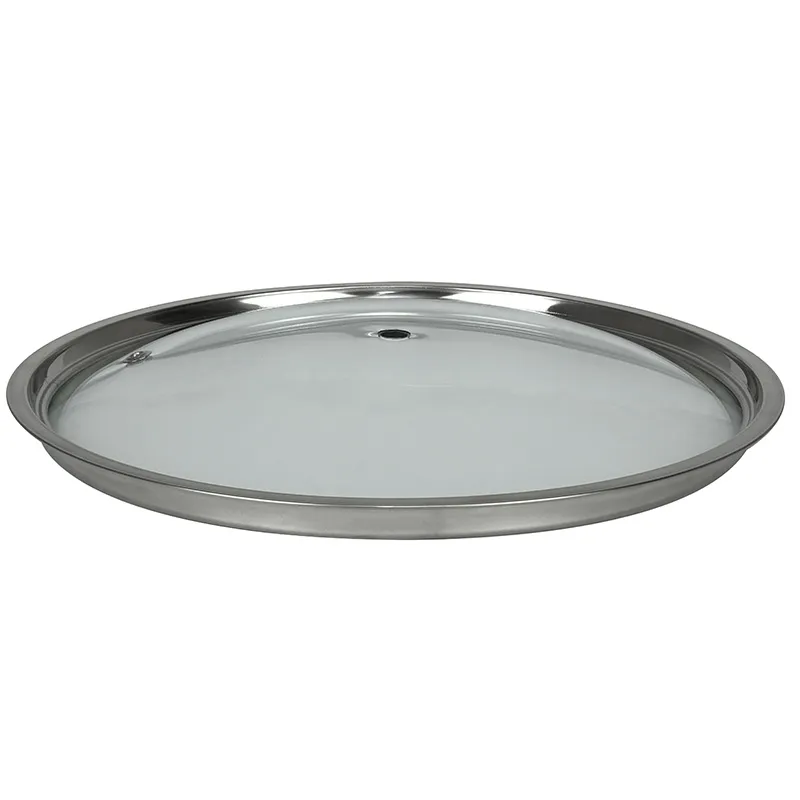
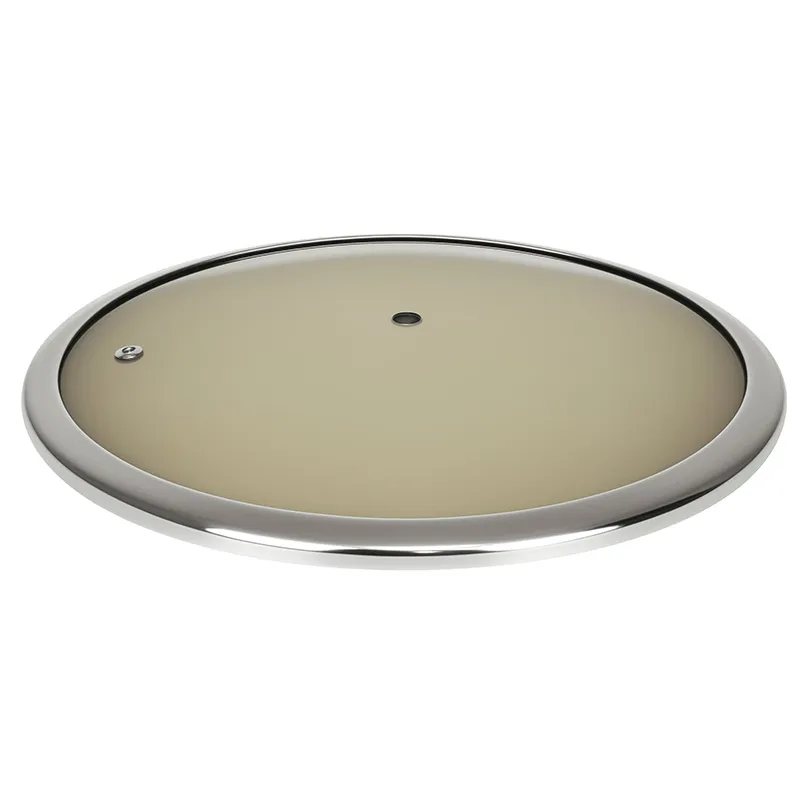
When you hear 'flat glass cover', you probably picture a simple pane of glass sitting on a pot. That's the common misconception. In reality, its function, especially in commercial kitchens or high-end cookware, is far more nuanced. It's not just about containing steam; it's about thermal management, safety, and user interaction. Many think any tempered glass will do, but the flatness itself introduces unique stress points during tempering that a domed lid doesn't face. I've seen too many projects stall because this was treated as a commodity item rather than an engineered component.
The Criticality of Flatness and Stress Distribution
The manufacturing challenge with a true flat glass cover is counterintuitive. Tempering glass requires it to be heated uniformly and then quenched rapidly. For a curved piece, the stresses distribute more evenly along the curve. A perfectly flat piece, however, can develop uneven stress zones if the heating or air quenching isn't perfectly symmetrical. This isn't just theory; I've inspected batches where slight variations in the roller hearth furnace conveyor speed led to a higher incidence of spontaneous breakage—not during impact, but during thermal shock from hot to cool surfaces.
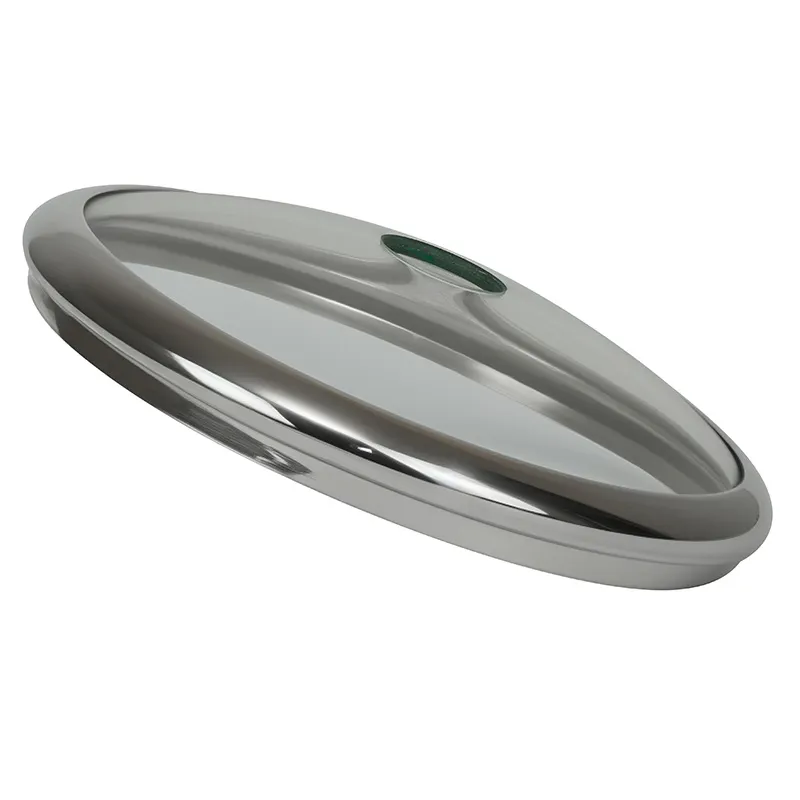
This is where the geometry of the edge comes in. A seamed or ground flat edge behaves differently under stress than a polished one. For a company like EUR-ASIA COOKWARE CO.,LTD., which produces millions of these annually, mastering this balance between edge processing and tempering parameters is their bread and butter. Their product pages often don't shout about these specifics, but you can infer it from their consistency. A lid that survives thousands of cycles in a restaurant dishwashing machine isn't an accident.
We once spec'd a cover for a sous-vide water bath circulator. The requirement was a perfectly flat, clear lid to minimize evaporation and allow visibility. The first samples from a generic supplier failed spectacularly under repeated steam condensation and cooling cycles. The failure analysis pointed to microscopic surface imperfections from the cutting process that became stress concentrators. The solution wasn't a thicker glass, but a more controlled grinding and polishing phase before tempering—a step that outfits like EUR-ASIA have optimized for volume.
Material Selection Beyond Basic Tempering
Not all glass is created equal for this application. The standard is soda-lime silica, but its coefficient of thermal expansion is relatively high. For covers that might go from a freezer to a oven (think for a Dutch oven), you start looking at borosilicate options. However, borosilicate is more expensive and can be trickier to temper in large, flat formats. The trade-off is weight, cost, and that characteristic blue-ish tint versus thermal shock resistance.
I recall a project with a European cooker brand that wanted a ultra-clear, low-iron glass cover for their high-end line to make the food 'pop' visually. The low-iron glass melted at a slightly different temperature, requiring a recalibration of the entire tempering cycle. It was a headache, but the result was a cover that virtually disappeared, highlighting the food. This is the kind of detail that moves a product from the big-box store to a specialty kitchen retailer. Visiting a factory floor, like the one described for EUR-ASIA in Taian, you see the different lines—one for the standard clear, another for the premium low-iron batches.
The thickness is another rabbit hole. 3mm is common, but for larger covers (think for a paella pan or a large braiser), 4mm or even 5mm might be needed to resist warping from its own weight when handled. But thicker glass changes the heat soak profile in the furnace. It's a calibration game. Their annual output of 15 million pieces suggests they've segmented their production to handle these variables efficiently across low, medium, and high-tier products.
The Unsung Hero: The Handle and Vent
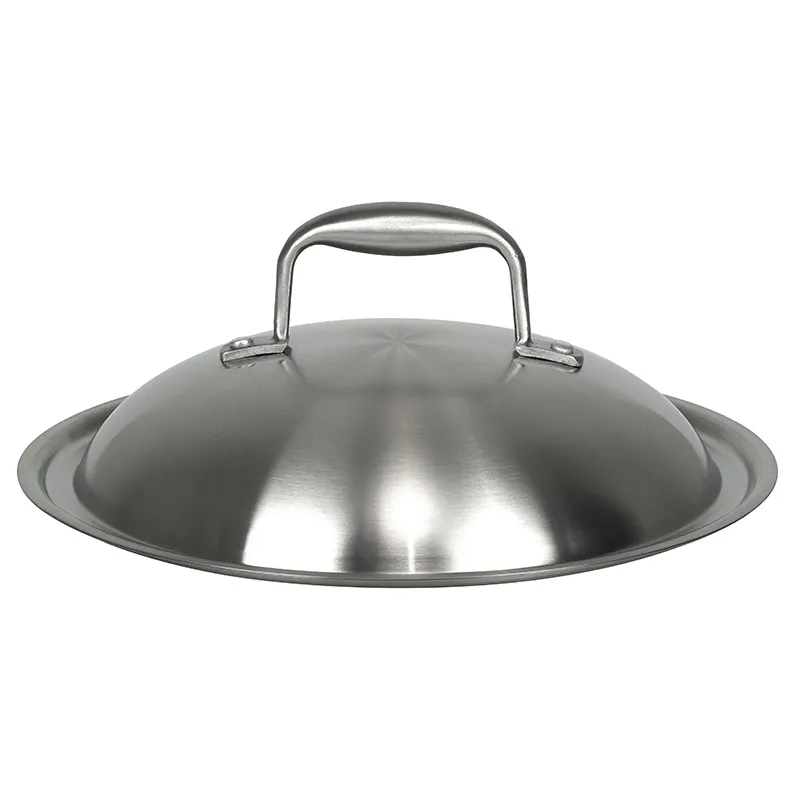
The glass itself is only half the system. The attachment of the handle is a major point of failure. Epoxy is common, but the differential expansion between metal, epoxy, and glass over hundreds of heating cycles will eventually fatigue it. The better designs use a mechanical clamp or a bolted-on stainless steel bracket that allows for movement without transferring shear stress to the glass. A poorly designed handle mount will cause the glass to crack around the mounting point long before the glass itself fails from thermal or impact stress.
Then there's the vent. A simple hole changes everything. Drilling after tempering is impossible—it would shatter the glass. So the hole must be cut before the tempering process. This creates a massive stress concentration point. The quality of the cut and the subsequent fire-polishing of that hole's edge is critical. A rough micro-edge here is a guaranteed failure point. I've seen suppliers cut corners here, literally, using cheaper drills that leave micro-fractures, leading to a lid that cracks radially out from the steam vent after a few months of use.
For export-focused manufacturers, meeting various regional safety standards (like those in Germany or France) for handle pull strength and thermal shock cycles is non-negotiable. The fact that EUR-ASIA's products are exported to markets like Germany, Switzerland, and Japan tells you their assembly process for handles and vents is likely robust and audited. These markets don't mess around with consumer goods safety.
Logistics and the Reality of High-Volume Production
Producing 15 million pieces a year, as their intro states, isn't just about making glass. It's about packaging. A flat glass cover is incredibly vulnerable in transit. They can't be stacked directly on each other without protective interleaving, or you'll get microscopic scratching (called sleeking) that weakens the surface. The packaging cost per unit can sometimes rival the manufacturing cost. Good suppliers use molded pulp or rigid foam that cradles the lid by its edges, not its surface.
Warehousing is another issue. They take up more space than nested domed lids. For a company with 15,000㎡ of building area, a significant portion is dedicated to storing these flat, space-inefficient items before they are boxed with their corresponding cookware. This logistics overhead is a hidden cost that many buyers don't appreciate when they compare a $2 lid to a $4 lid. The cheaper one likely cuts corners on packaging and in-process handling, leading to higher breakage rates upon arrival.
Their export footprint to over a dozen countries implies a sophisticated logistics and quality documentation system. Each market might have slightly different labeling or safety certification requirements. Managing that for hundreds of SKUs of glass lids, from simple replacement covers to bespoke designs for major brands, is a operational feat in itself.
Final Thoughts: It's a Component, Not an Accessory
The biggest shift in thinking is to stop viewing the flat glass cover as a simple accessory. In the ecosystem of a piece of cookware, it's a critical component that affects cooking performance, safety, and product lifespan. Its specification needs to be considered alongside the pot material and heating source.
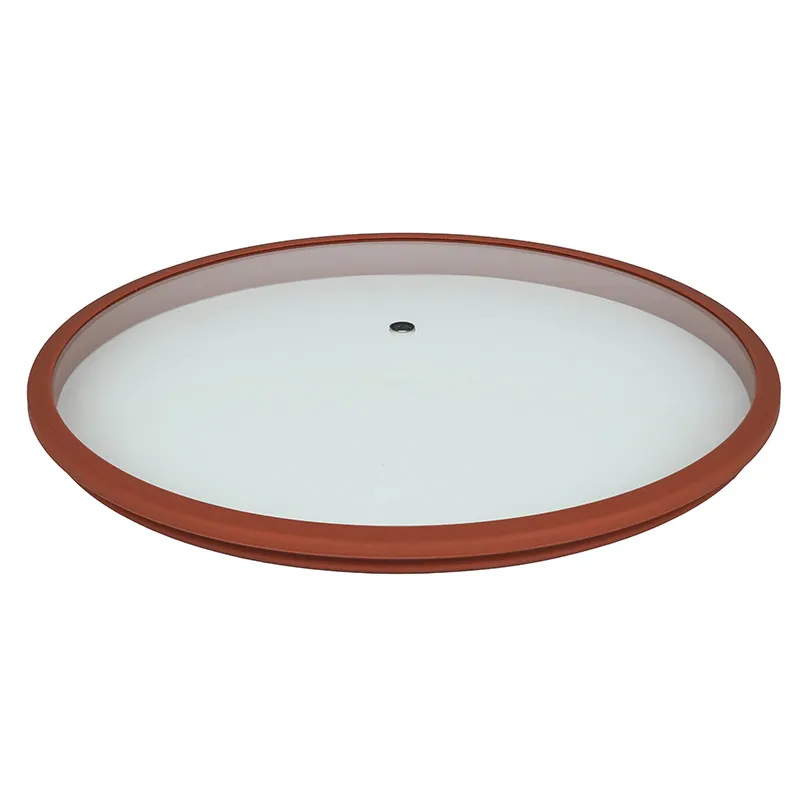
The industry has moved on. The best ones now often feature integrated silicone gaskets on the underside for a better seal, or measurement markings for liquid volumes. These aren't gimmicks; they're responses to real user needs observed in kitchens. The development cycle for these integrated features again comes back to stress points—how do you bond silicone to tempered glass reliably?
So next time you evaluate a flat glass cover, look past its clarity. Press gently on it to check for deflection, inspect the edge finish, examine how the handle is anchored, and check the vent hole. That will tell you more about its quality and the manufacturer's expertise than any product description. Companies that survive on volume exports, like the one mentioned, have typically baked these lessons into their process through sheer repetition and feedback from demanding markets. Their website, https://www.glass-lid.com, is a catalog of that accumulated, quiet competence.
Related Products
Related Products