- Chinese
- French
- German
- Portuguese
- Spanish
- Russian
- Japanese
- Korean
- Arabic
- Irish
- Greek
- Turkish
- Italian
- Danish
- Romanian
- Indonesian
- Czech
- Afrikaans
- Swedish
- Polish
- Basque
- Catalan
- Esperanto
- Hindi
- Lao
- Albanian
- Amharic
- Armenian
- Azerbaijani
- Belarusian
- Bengali
- Bosnian
- Bulgarian
- Cebuano
- Chichewa
- Corsican
- Croatian
- Dutch
- Estonian
- Filipino
- Finnish
- Frisian
- Galician
- Georgian
- Gujarati
- Haitian
- Hausa
- Hawaiian
- Hebrew
- Hmong
- Hungarian
- Icelandic
- Igbo
- Javanese
- Kannada
- Kazakh
- Khmer
- Kurdish
- Kyrgyz
- Latin
- Latvian
- Lithuanian
- Luxembou..
- Macedonian
- Malagasy
- Malay
- Malayalam
- Maltese
- Maori
- Marathi
- Mongolian
- Burmese
- Nepali
- Norwegian
- Pashto
- Persian
- Punjabi
- Serbian
- Sesotho
- Sinhala
- Slovak
- Slovenian
- Somali
- Samoan
- Scots Gaelic
- Shona
- Sindhi
- Sundanese
- Swahili
- Tajik
- Tamil
- Telugu
- Thai
- Ukrainian
- Urdu
- Uzbek
- Vietnamese
- Welsh
- Xhosa
- Yiddish
- Yoruba
- Zulu
- Kinyarwanda
- Tatar
- Oriya
- Turkmen
- Uyghur


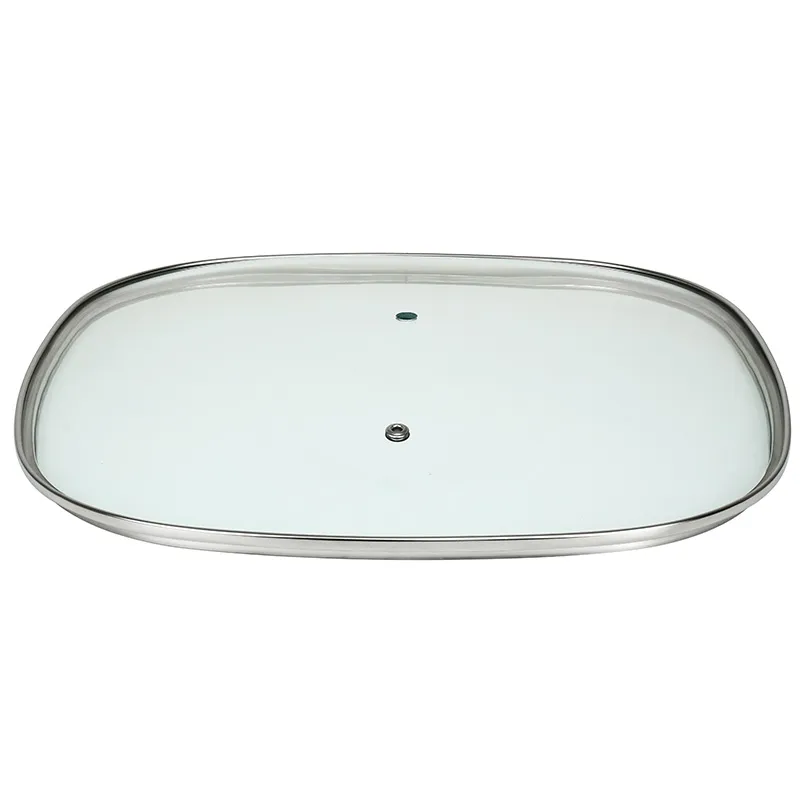
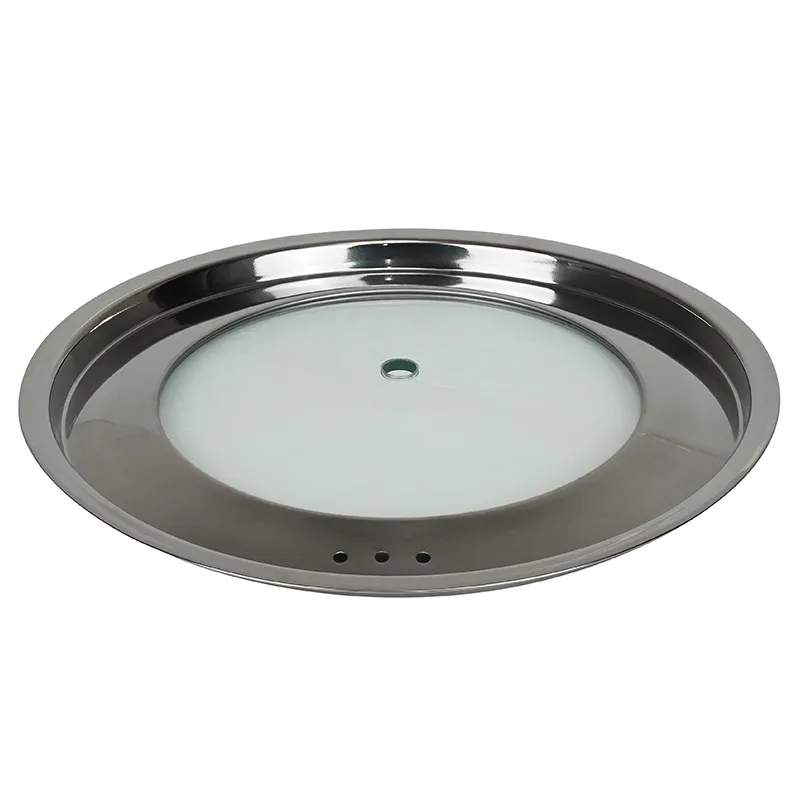
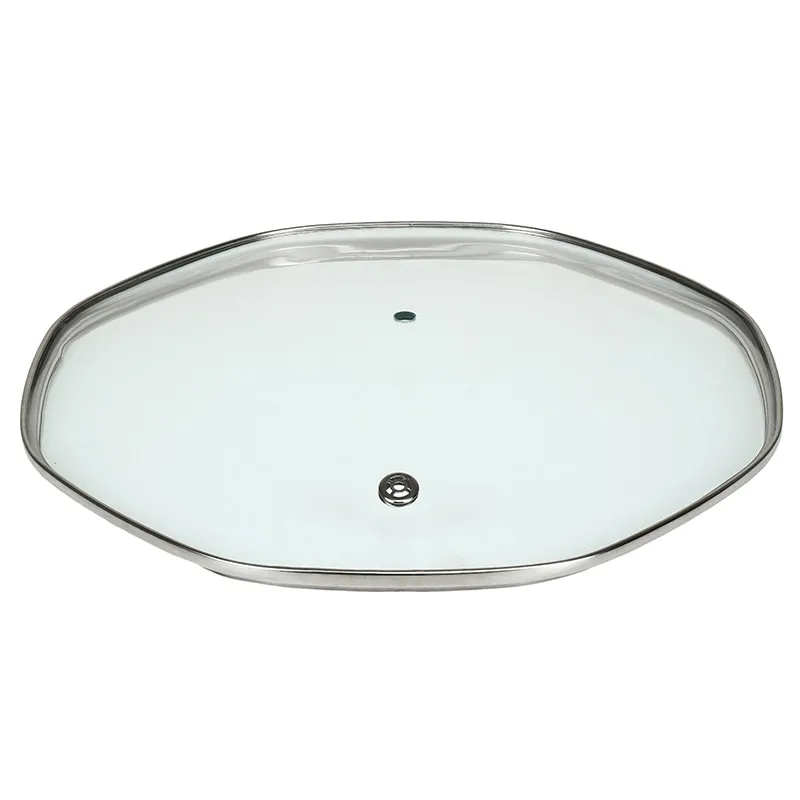
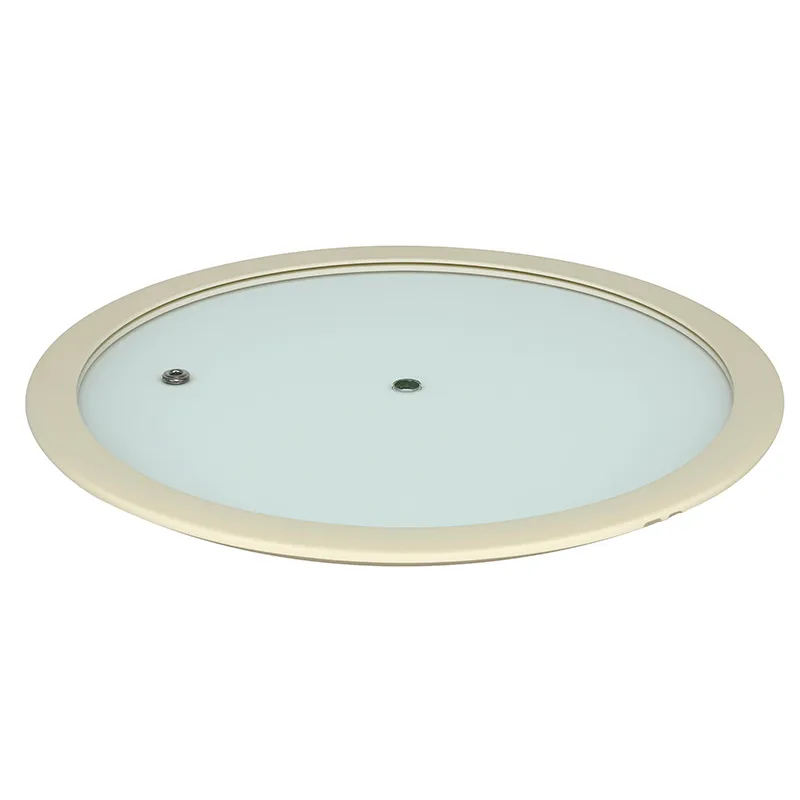
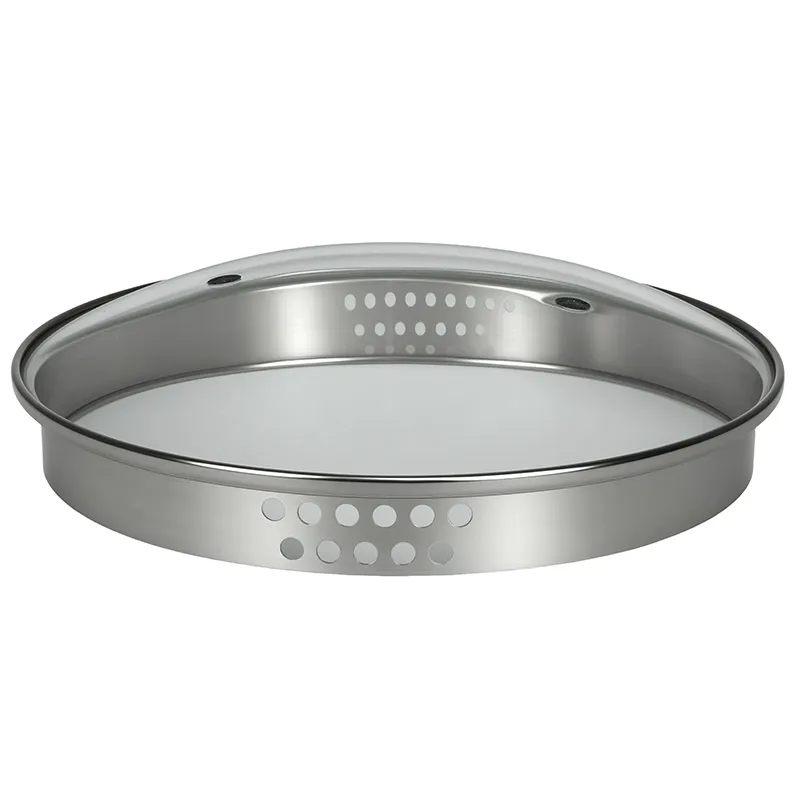
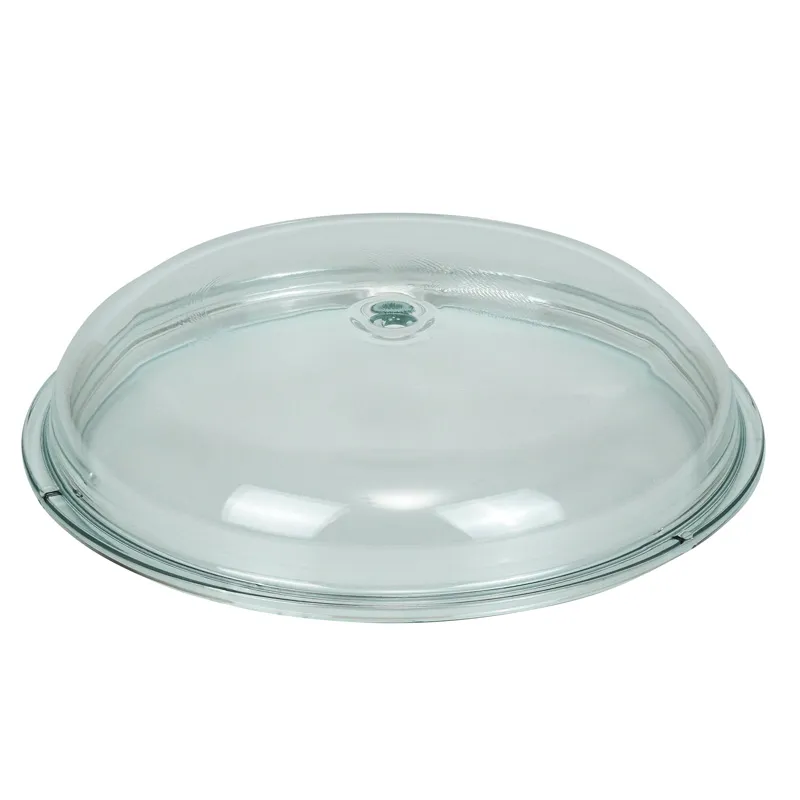
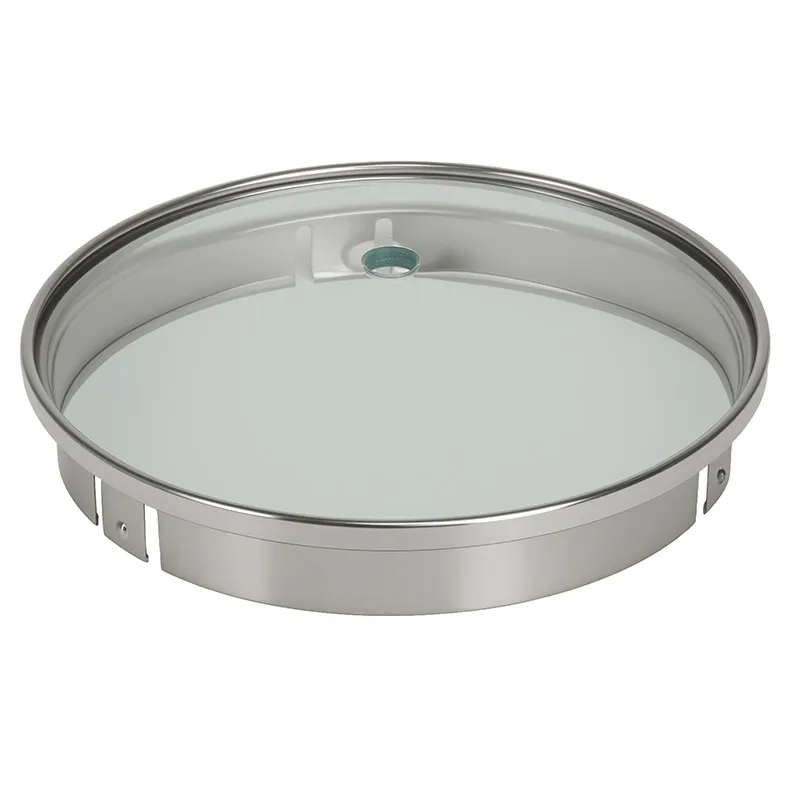
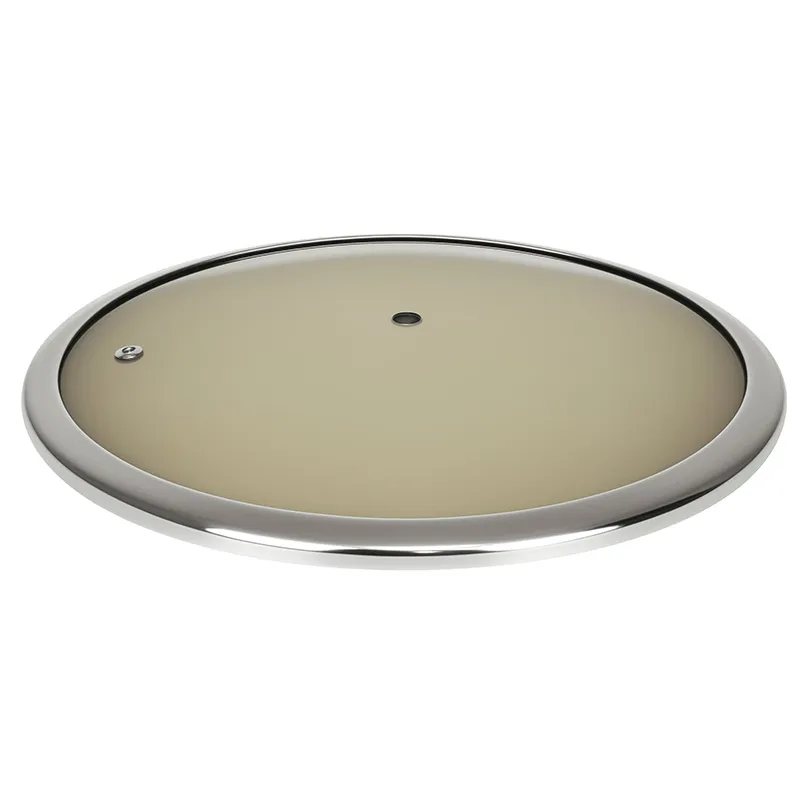
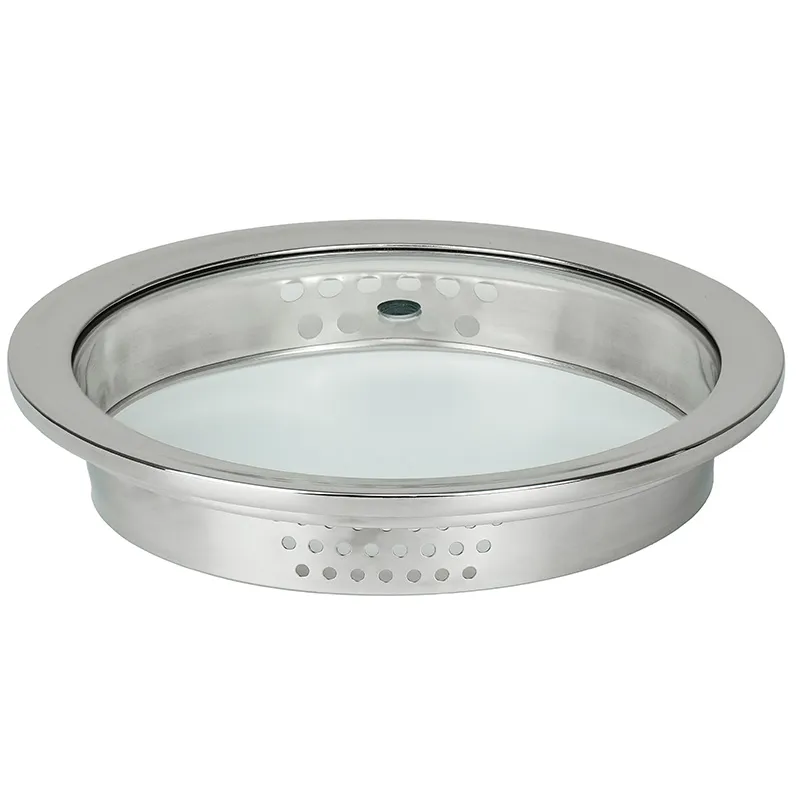
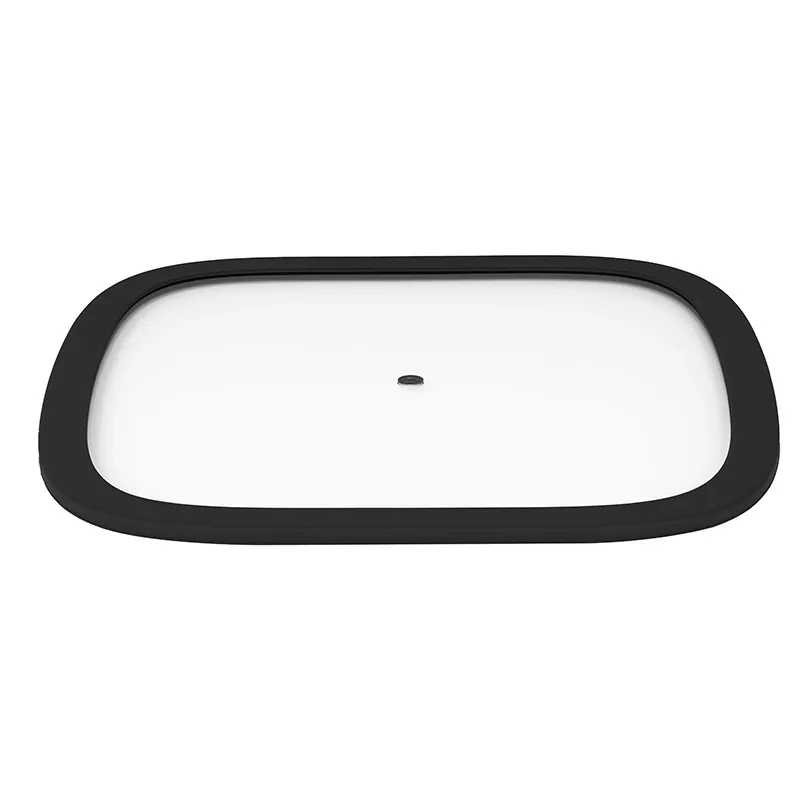
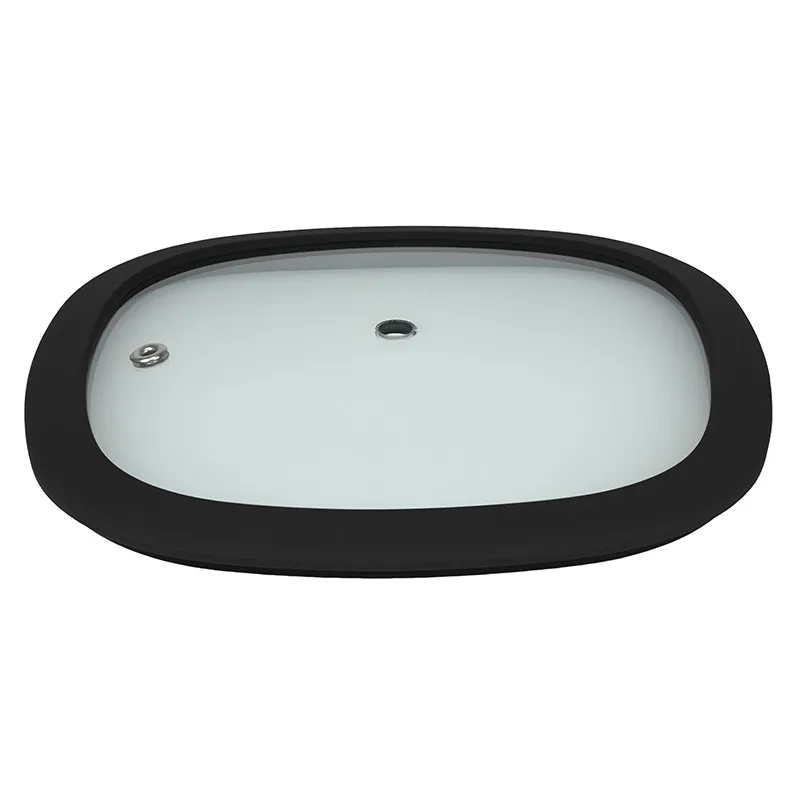
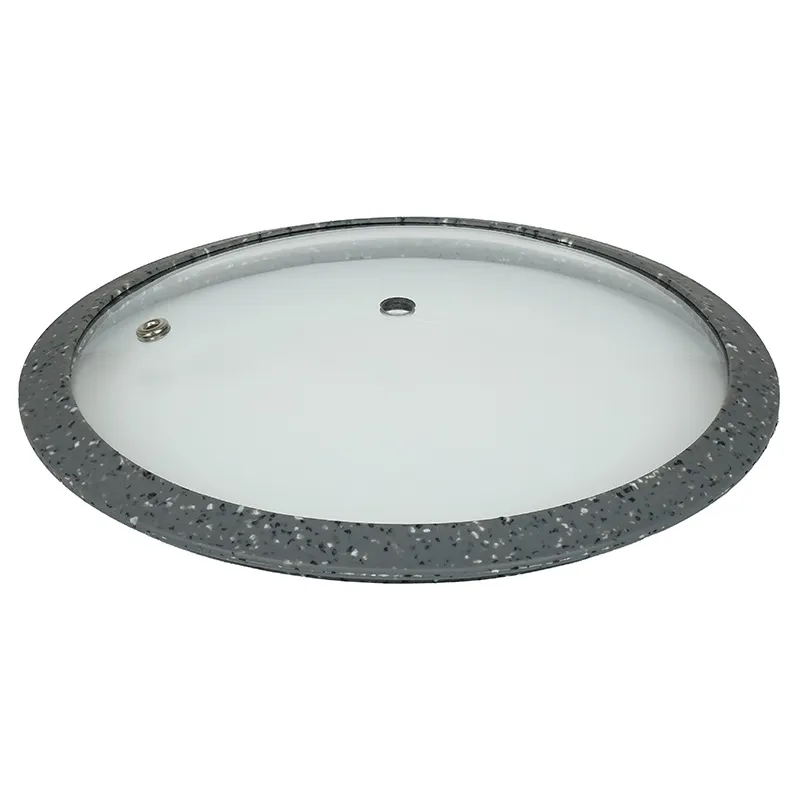
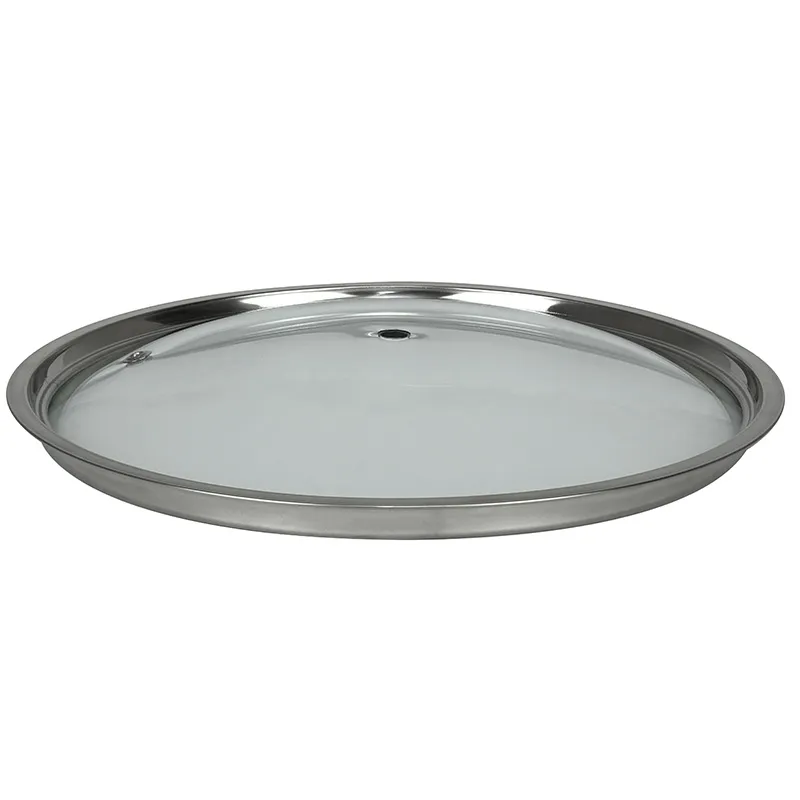
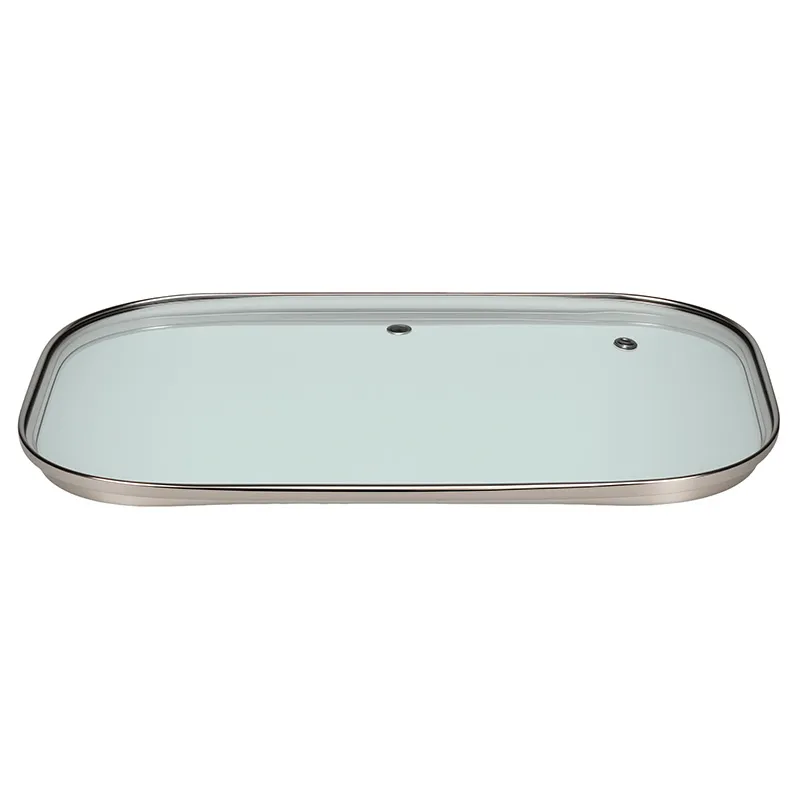
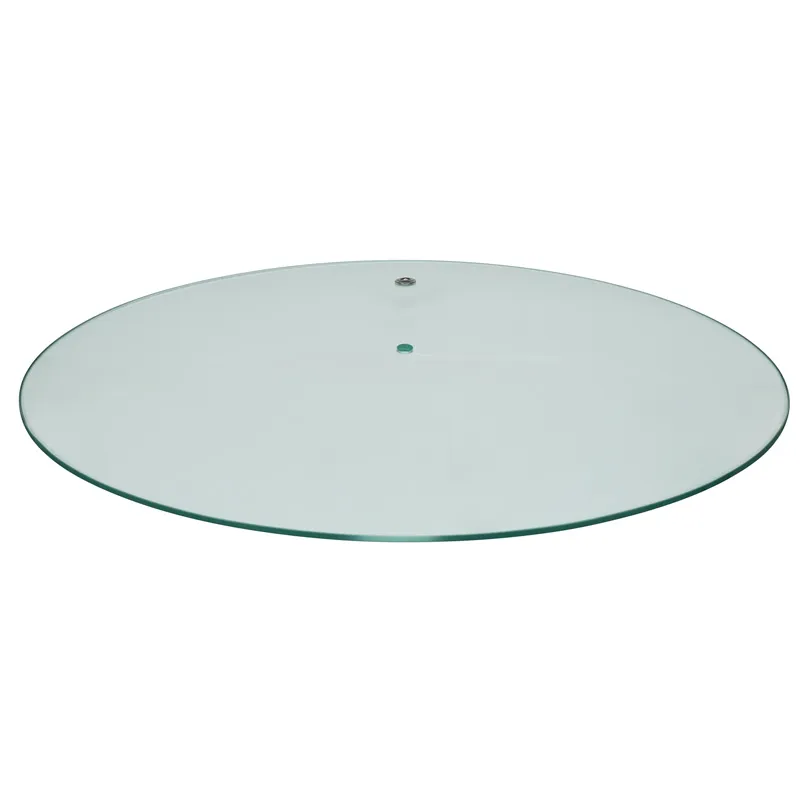
flat glass lid
When most people hear 'flat glass lid', they picture a simple pane of glass sitting on a pot. That's the first misconception. In our line of work, that term carries the weight of thermal shock resistance, edge finishing protocols, and a constant negotiation between clarity and strength. It's not just a cover; it's a pressure regulator and a visual checkpoint. Many buyers, even some seasoned ones, get fixated on thickness as the sole indicator of quality, but that's where the real conversation begins, not ends.
The Core Misunderstanding: Thickness vs. Performance
I can't count how many spec sheets I've seen with 4mm thick circled as the main requirement. Sure, thickness matters for rigidity, but it's a blunt instrument. The real performance hinge is the tempering process and the glass composition itself. A poorly tempered 4mm lid can shatter from a sudden cold water rinse after being on a hot pan, while a properly engineered 3mm one might withstand it. The goal isn't to make it bulletproof, but to manage stress distribution. We learned this through a batch of lids for a European client that kept failing their thermal cycle test. The glass was thick enough, but the heating curve in our tempering furnace was off by a few critical degrees, creating weak points. It wasn't a material failure; it was a process failure.
This is where companies with a solid production base make a difference. Take EUR-ASIA COOKWARE CO.,LTD, for instance. Their specialization in household glass products means their furnaces are likely dialed-in for this specific product category. A facility covering 20,000㎡ and producing over 15 million pieces annually isn't just making lids; they're iterating on a massive scale. That volume translates to process refinement. When you're exporting to markets like Germany and Japan, where kitchenware standards are brutally strict, you can't afford to get the tempering wrong. Their flat glass lid output suggests they've cracked the code on consistent thermal shock resistance, which is more valuable than mere thickness.
The edge work is another dead giveaway of quality. A sharp, ground edge is a liability—it chips, it feels dangerous, and it doesn't seat properly on the cookware rim. The good ones have a smooth, fire-polished or ground and polished edge that feels rounded to the touch. It's a small detail that adds cost, but it's non-negotiable for safety and user experience. I've handled samples where the glass was fine, but the rough edge snagged on cloths and felt cheap. That's usually a sign of a factory cutting corners (literally) in the finishing department.
Material Nuances and the Clarity Trade-off
Not all clear glass is the same. There's a spectrum from greenish tint (from iron content in the raw silica) to low-iron, high-clarity glass. For a flat glass lid, this is a functional choice, not just an aesthetic one. The greener tint can slightly distort the view of your simmering stew. Most mid-range lines accept this slight tint because the cost jump to ultra-clear glass is significant. However, for high-end lines or professional kitchens where visual monitoring is crucial, the investment in low-iron glass is justified. It's about matching the material to the product's price point and use-case.
We once tried to source ultra-clear glass for a standard product line to make it a premium feature. It was a mistake. The cost increase eroded our margin, and the market didn't value it enough to pay the premium. The lesson? The best material isn't always the right material. The high-level products EUR-ASIA mentions likely utilize better clarity glass, while their low- and medium-level products balance performance with cost-effective material choices. This tiered approach is smart—it meets the diverse demands of markets from Brazil to South Korea without over-engineering every single lid.
Then there's the coating discussion. Some lids have a silicone gasket around the edge for a better seal. Others might have a vapor-condensation pattern etched or sandblasted on the underside to prevent dripping. These aren't gimmicks if done right. They solve real problems: splattering and messy condensation drips. But adding any coating or treatment introduces another potential point of failure—peeling, discoloration from heat, or difficulty in cleaning. It's a calculated addition.
The Logistics of a Simple Shape
You'd think a flat piece of glass is easy to ship. It's a nightmare. Without proper packaging, breakage rates can be astronomical. The key is suspension and edge protection. Good packaging cradles the lid, preventing any point of the glass from bearing direct weight. We once received a container where the packaging design had changed slightly—the cardboard spacers were a millimeter thinner. That millimeter resulted in a 15% breakage rate because the lids could shift and tap against each other during transit. Every millimeter in packaging design is intentional.
This is another area where scale and export experience matter. A company that consistently ships over 90% of its products internationally, like EUR-ASIA to countries from Italy to Turkey, has had to solve these logistics puzzles repeatedly. Their packaging solutions are probably refined to a science, balancing protection with material cost. You can often gauge a supplier's sophistication by asking for their standard export packaging specs and their historical breakage rate. The good ones have this data at their fingertips.
Storage is related. Stacking flat glass lids requires separators—usually foam or corrugated paper sheets. In a warehouse, you can't just pile them up. The weight, combined with any dust or grit between them, can lead to surface scratching, which renders a lid unsellable. Proper handling SOPs in the warehouse are as important as the production line.
Failures That Inform: The Handle Debacle
Early on, we sourced a batch of lids with glued-on metal handles. They looked great. The failure was slow and insidious. The adhesive, under repeated cycles of heat, steam, and cooling, would eventually degrade. We started getting reports of handles loosening or, in a few cases, detaching completely. It was a design flaw that prioritized assembly cost over lifecycle performance. The fix was to move to lids with handles that were mechanically fastened or, better yet, where the handle was a separate knob screwed through a hole in the glass with a proper thermal isolation washer.
This experience made me scrutinize handle attachment on every sample. Is it a bonded solution or a mechanical one? What's the thermal profile of the adhesive? For a true flat glass lid designed for durability, the handle attachment point is a critical stress area. Many of the better suppliers now use a stainless steel bolt and a wide, insulating plastic or phenolic washer to distribute pressure and heat. You can find examples of this robust construction on the product pages of specialized manufacturers, which often showcase these details in cutaway or zoomed-in images.
It also taught us that aesthetics in catalogs can be deceptive. A sleek, seamlessly bonded handle might photograph better, but the clunkier-looking screwed-on knob often performs better in the real world of daily kitchen use. This is the kind of practical judgment you only develop from dealing with returns and customer complaints.
Looking at the Ecosystem: Compatibility is King
A flat glass lid doesn't exist in a vacuum. Its diameter, the curvature of its underside (even a flat lid often has a slight concave bend), and the rim design must match a range of cookware. There's an unofficial standardization, but it's not universal. A 24cm lid from one factory might fit loosely on a 24cm pot from another because of differences in how the pot's top diameter is measured (outer edge vs. inner seating edge).
This is where a supplier's focus is crucial. A company like EUR-ASIA COOKWARE, producing a vast annual output, likely works closely with cookware brands (OEM) or large retailers to ensure their lids are tailored to specific pot lines. Their product development probably involves receiving sample pots from clients to ensure a precise fit. For a generic replacement lid market, they likely offer a range of sizes that cover the most common nominal diameters, but with the understanding that fit might not be perfect for every single pot out there.
The future isn't about reinventing the flat glass lid. It's about refining these nuances—better, more environmentally friendly anti-drip coatings, even more resilient tempering for induction cooktops' intense, localized heat, and perhaps smarter packaging to reduce waste. The core product has been optimized, but the devil, as always, is in the million tiny details that separate a product that works from one that lasts.
Related Products
Related Products