
- Chinese
- French
- German
- Portuguese
- Spanish
- Russian
- Japanese
- Korean
- Arabic
- Irish
- Greek
- Turkish
- Italian
- Danish
- Romanian
- Indonesian
- Czech
- Afrikaans
- Swedish
- Polish
- Basque
- Catalan
- Esperanto
- Hindi
- Lao
- Albanian
- Amharic
- Armenian
- Azerbaijani
- Belarusian
- Bengali
- Bosnian
- Bulgarian
- Cebuano
- Chichewa
- Corsican
- Croatian
- Dutch
- Estonian
- Filipino
- Finnish
- Frisian
- Galician
- Georgian
- Gujarati
- Haitian
- Hausa
- Hawaiian
- Hebrew
- Hmong
- Hungarian
- Icelandic
- Igbo
- Javanese
- Kannada
- Kazakh
- Khmer
- Kurdish
- Kyrgyz
- Latin
- Latvian
- Lithuanian
- Luxembou..
- Macedonian
- Malagasy
- Malay
- Malayalam
- Maltese
- Maori
- Marathi
- Mongolian
- Burmese
- Nepali
- Norwegian
- Pashto
- Persian
- Punjabi
- Serbian
- Sesotho
- Sinhala
- Slovak
- Slovenian
- Somali
- Samoan
- Scots Gaelic
- Shona
- Sindhi
- Sundanese
- Swahili
- Tajik
- Tamil
- Telugu
- Thai
- Ukrainian
- Urdu
- Uzbek
- Vietnamese
- Welsh
- Xhosa
- Yiddish
- Yoruba
- Zulu
- Kinyarwanda
- Tatar
- Oriya
- Turkmen
- Uyghur


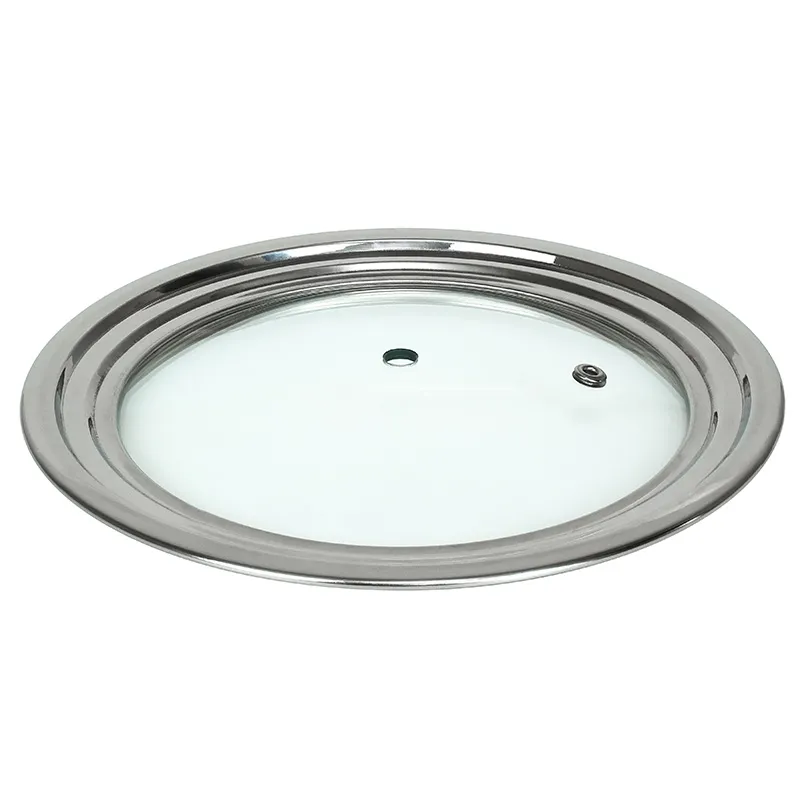
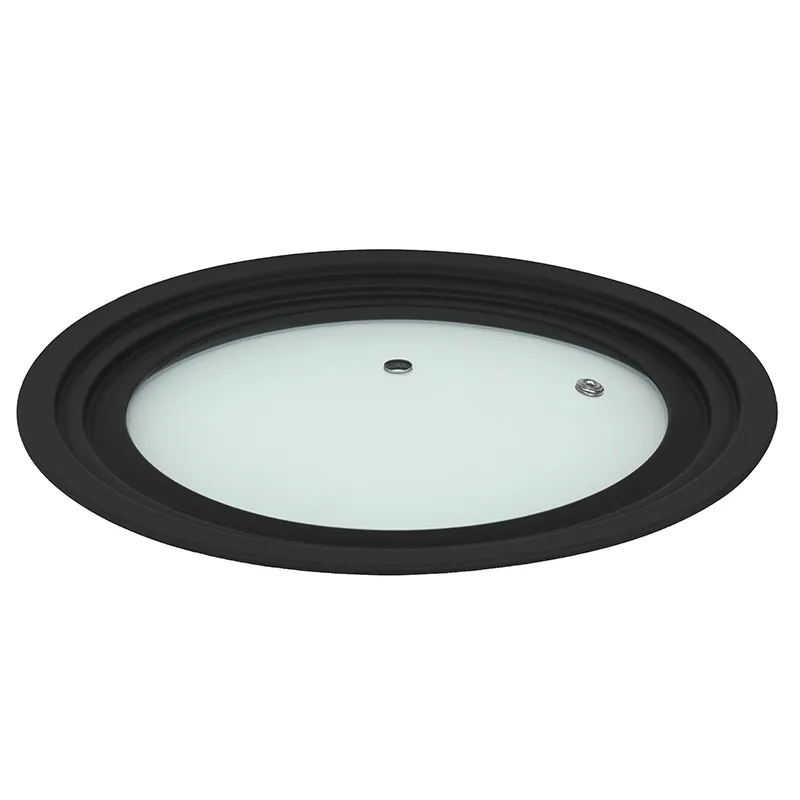
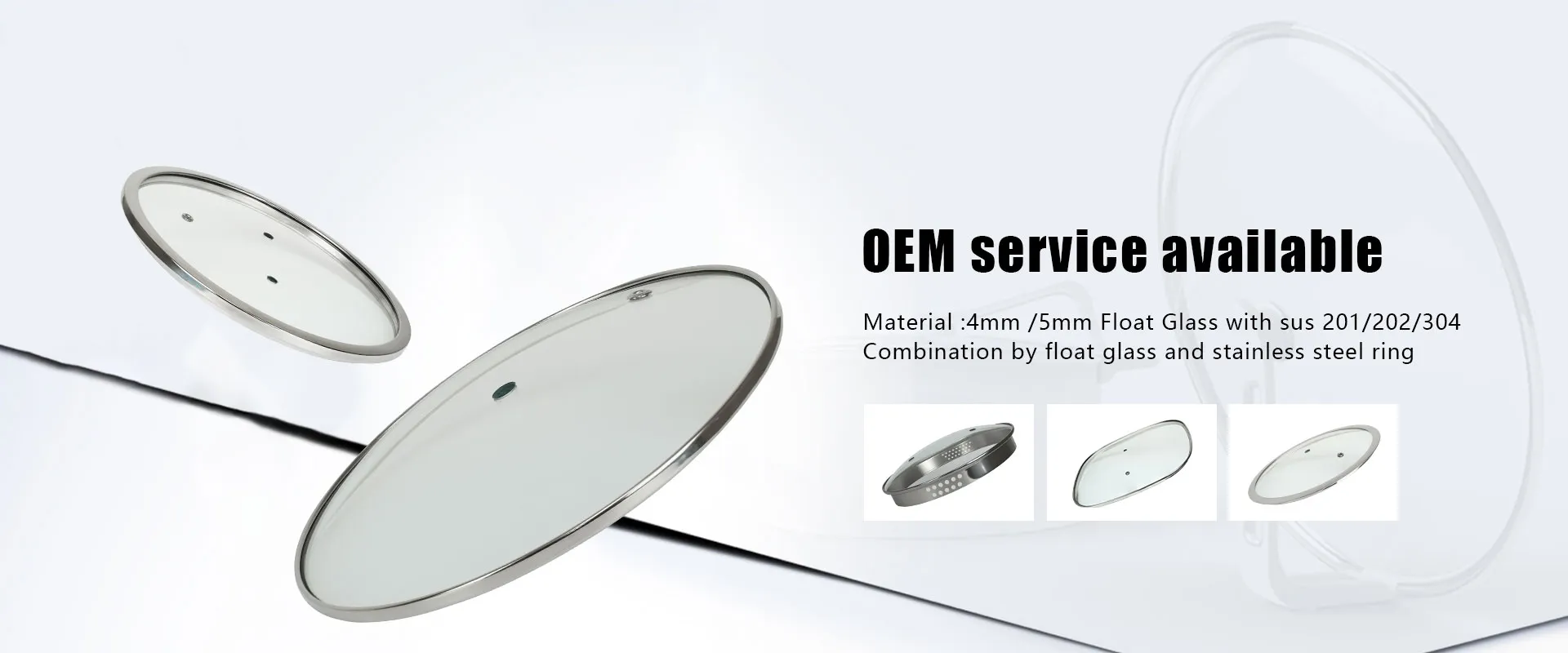
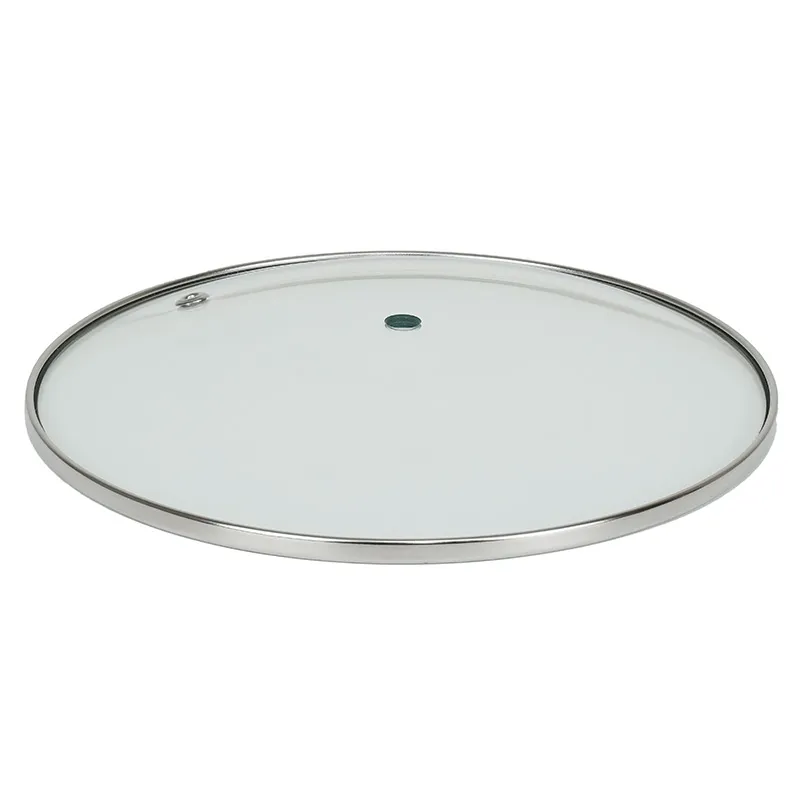
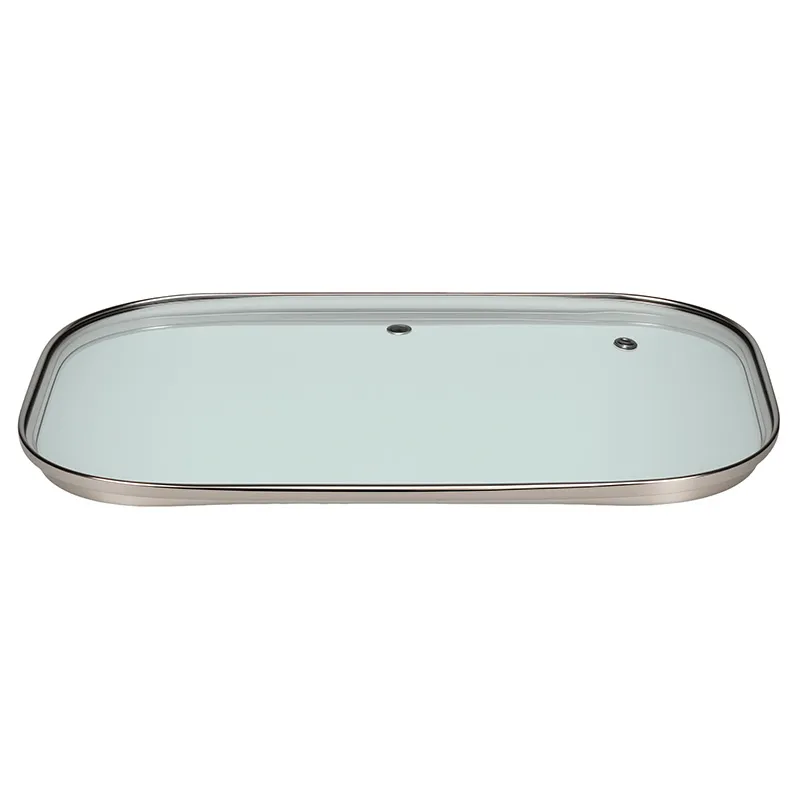
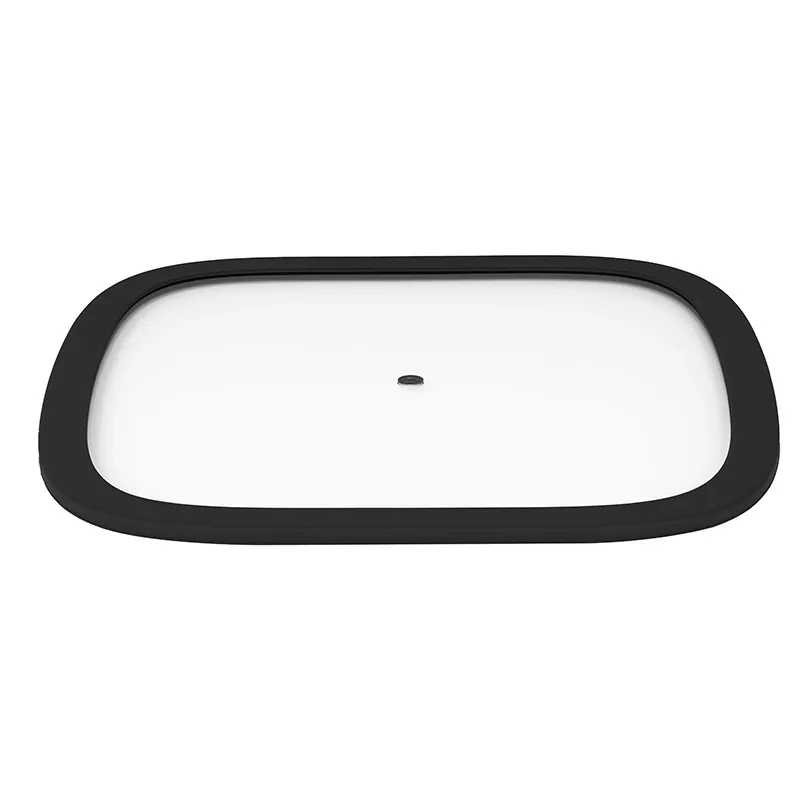
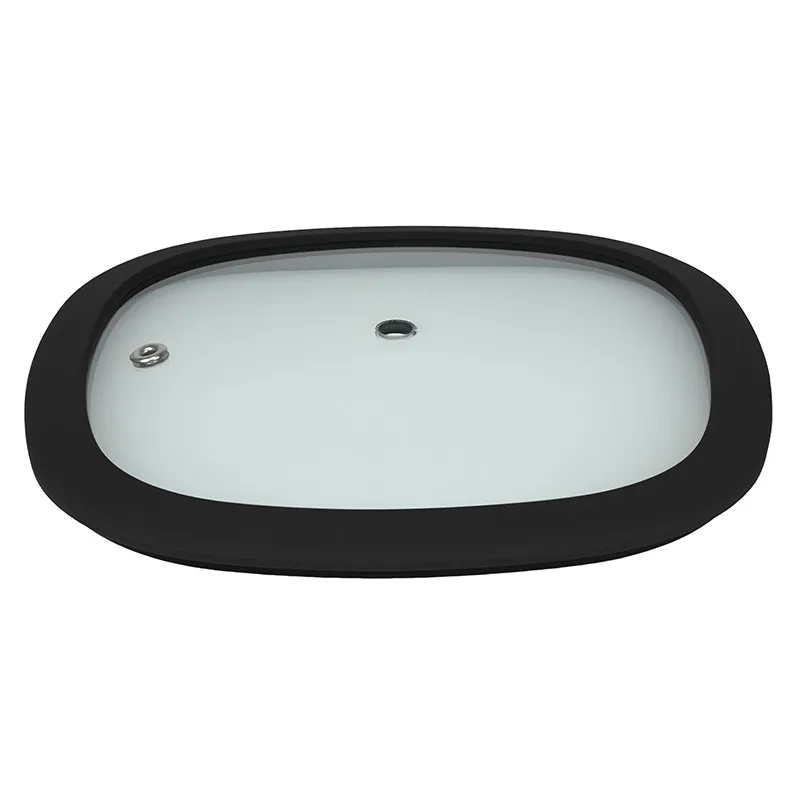
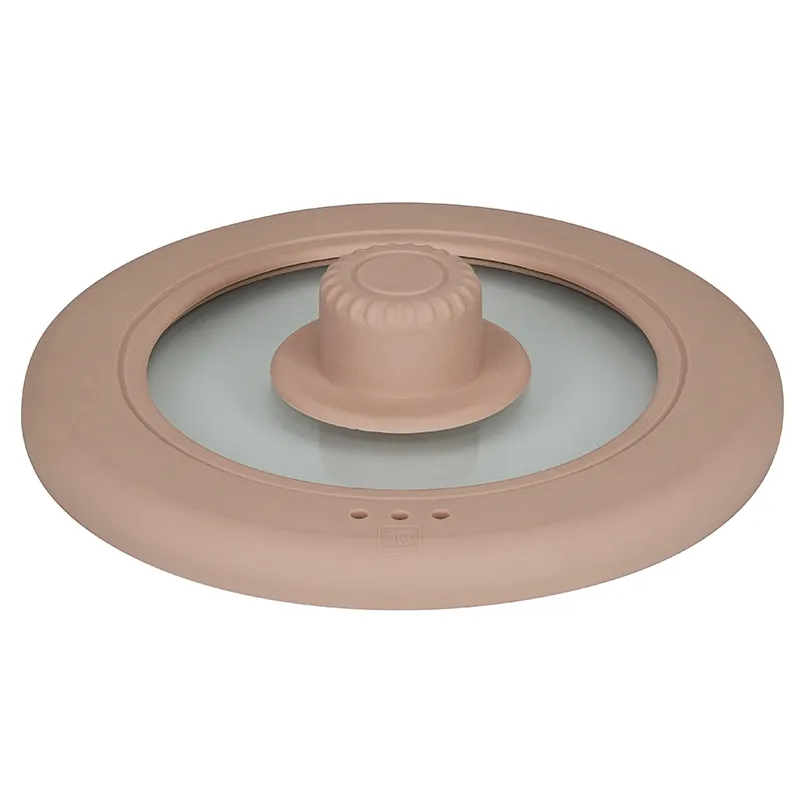
flat silicone glass lid
You see 'flat silicone glass lid' and think, 'right, a glass lid with a silicone gasket.' That's the common starting point, and honestly, where a lot of the market gets stuck. The assumption is it's just about creating a seal. But in practice, especially for high-volume OEM/ODM production, the interplay between the flat silicone ring's compression set, the tempering stress of the glass, and the flatness tolerance of the cookware rim is where the real engineering—and headaches—begin. It's not a component; it's a system.
The Flat in Flat Silicone is a Negotiation
When we specify 'flat,' we're not talking about a laboratory surface plate. We're talking about a functional flatness that accommodates real-world pot rims, which are never perfectly flat after stamping and finishing. The silicone glass lid from a line like EUR-ASIA's has to bridge that gap. The silicone's durometer (shore hardness) is critical here. Too soft, say below 50 Shore A, and it deforms too easily under heat, losing its seal over time. Too hard, above 70, and it won't conform to micro-imperfections, leading to steam leaks right out of the box. We've found the sweet spot is usually between 55-65 Shore A for most stainless steel cookware applications.
I remember a project for a German client where the initial samples failed their steam test. The glass was fine, the pots were to spec, but the lids whistled like kettles. The issue traced back to the silicone profile. The supplier had used a standard round cord gasket. Switching to a slightly wider, rectangular cross-section flat silicone ring increased the contact surface area without increasing compression force. That solved it. The takeaway? The shape of the silicone's cross-section is as important as its material.
And then there's thermal cycling. A lid goes from fridge cold to stove hot. The silicone expands faster than the glass. If the bonding isn't right—and I mean the specific adhesive and priming process—you get delamination. We've seen failures where the silicone ring just pops out of its channel after a dozen cycles. EUR-ASIA COOKWARE's approach, given their export volume to markets like Germany and Switzerland, typically involves a high-temp silicone adhesive and a plasma treatment on the glass channel before application. It's a step many cheaper factories skip, leading to field returns.
Glass Tempering: The Invisible Stress Field
The glass isn't just a window. It's a structurally tempered component. The tempering process puts the surface into compression and the core into tension. This is great for impact resistance, but it warps the glass slightly. Ever so slightly. This is called 'roller wave' distortion. For a flat silicone glass lid, this means the sealing surface isn't a geometrically perfect plane; it has a gentle, wavy curvature.
The challenge is matching the silicone's relaxed profile to this inherent warp. If you bond a perfectly flat-cut silicone ring to a warped glass perimeter, you create stress points. Under heat, these points can become leak paths or, worse, cause the glass to crack from localized stress. The solution isn't to fight the warp but to account for it. Some advanced producers will actually mold or extrude the silicone ring with a compensatory curve, but that's high-cost. More commonly, factories like the one behind glass-lid.com rely on precise control of tempering parameters and a slightly softer, more forgiving silicone to absorb the mismatch.
This is where volume manufacturing tells. Producing over 15 million pieces annually, as their intro states, means their tempering lines are dialed in for consistency. The roller wave pattern becomes predictable, and the silicone application process can be calibrated to it. For a small batch order from a new workshop, this consistency is the biggest gamble.
The Channel: Where Design Meets Manufacturing Hell
This is the nitty-gritty. The groove or channel that holds the silicone ring. Its depth, width, and corner radius are make-or-break. Too shallow, the silicone extrudes out under pressure. Too deep, it doesn't compress enough to seal. A sharp inside corner is a stress concentrator for the glass and a trap for cleaning gunk.
We learned this through a failure. A batch for the Eastern European market had customer complaints about cracks originating from the channel edge. The design had a 90-degree inner corner. Under thermal shock, the stress from the tempered glass focused on that sharp edge, causing spontaneous breakage. The fix was a mandatory minimum radius on all channel corners in the CAD file. Simple in design, a pain in tooling modification.
The channel also dictates assembly. Fully automated lines often use a 'stretch-and-roll' method where the silicone cord is stretched, placed over the glass, and then rolled into the channel. This requires a very specific channel profile and silicone cord elasticity. Manual assembly, still common for complex shapes, allows for liquid adhesive and placement, but introduces variability. Looking at EUR-ASIA's scale and export spread, I'd suspect they use a hybrid: automated for standard rounds/ovals, manual for specialty shapes.
Silicone Formulation: It's Not All Rubber
Food-grade silicone is a start, but it's a vast category. The key additives are often proprietary. The one that matters most for a lid is the compression set resistance. This measures how well the silicone bounces back after being squashed for a long time. A poor compression set means your lid seal gets weaker every time you use it.
Then there's color. The vibrant reds, blues, and oranges you see. These are inorganic pigments. But some cheaper formulations might use dyes that leach or fade with dishwasher detergent and heat. A good test is a simple dishwasher cycle check alongside a grease exposure test. Does the color stain? Does the silicone swell or become tacky? We've rejected batches for a slight tackiness after grease contact—it attracts dust and looks terrible.
For a company supplying to Japan and South Korea, where aesthetic standards are exceptionally high, the colorfastness and surface finish of the silicone glass lid are likely part of their QC protocol. It's not just function; it's the look and feel over the product's entire lifespan.
The Real-World Test: From Factory to Stovetop
All the specs mean nothing if the lid doesn't perform in a chaotic kitchen. Two often-overlooked factors: knob attachment and cleaning. The knob is usually metal or phenolic, attached with a screw through a hole in the glass. This hole is a major weak point. The screw torque must be precisely controlled. Overtighten, and you crack the glass around the hole. Undertighten, and the knob comes loose. A locking thread-locker or a nylon-insert nut is common on better lids.
Cleaning is the other killer. That channel, if poorly designed, becomes a trap for grease and food particles. A channel with open, rounded corners is best. Some designs even have a slight undercut in the channel's outer wall to prevent the silicone from being pulled out during aggressive scrubbing.
Finally, the sound. A good flat silicone glass lid doesn't just seal; it seals with a satisfying, muted 'thump.' A hollow, tinny sound often indicates poor glass quality or a silicone ring that's too thin or hard. It's an almost subconscious quality cue for end-users. When you handle thousands of these, you start judging them by their sound as much as their specs. It's that last, unscientific check that often tells you if the system—the glass, the silicone, the channel, the assembly—has come together as it should.
Related Products
Related Products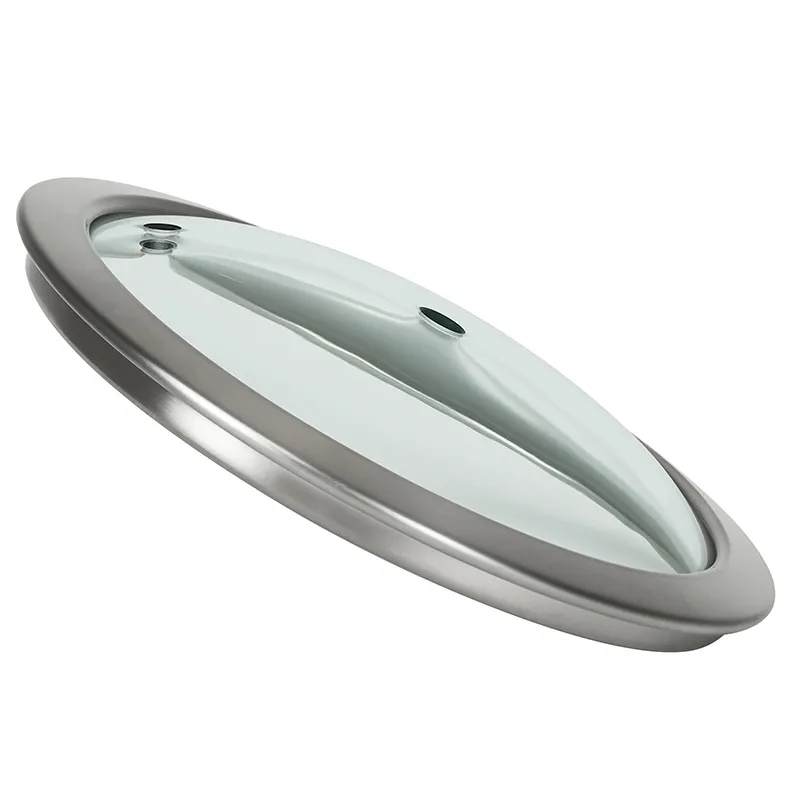
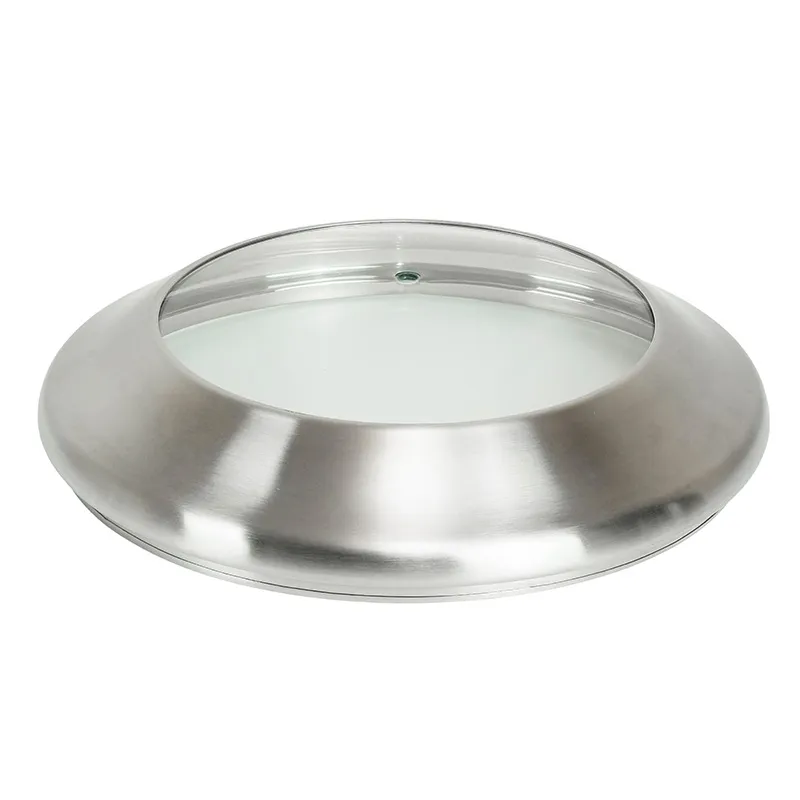
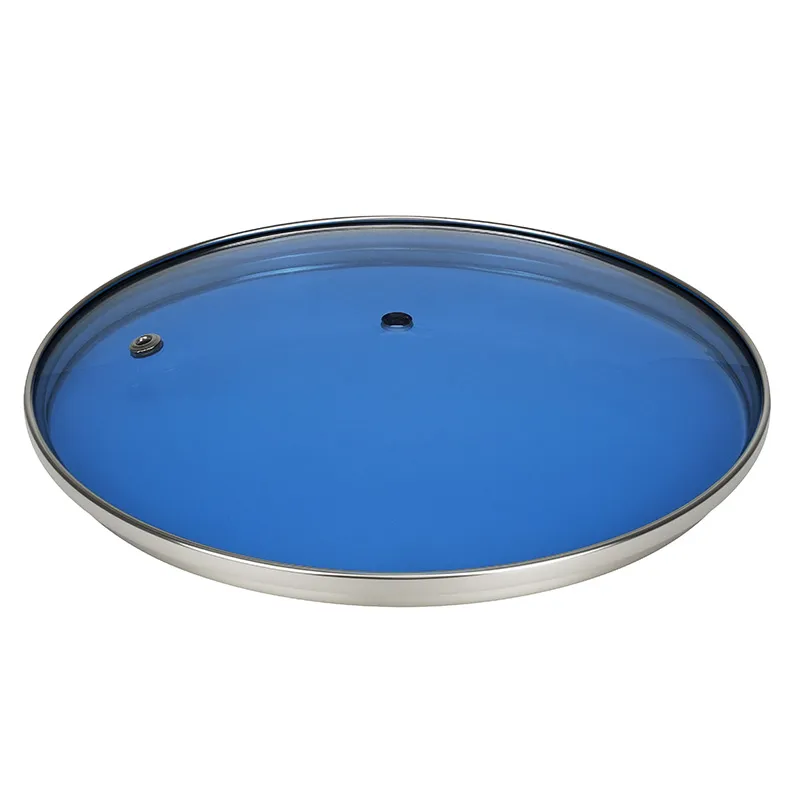
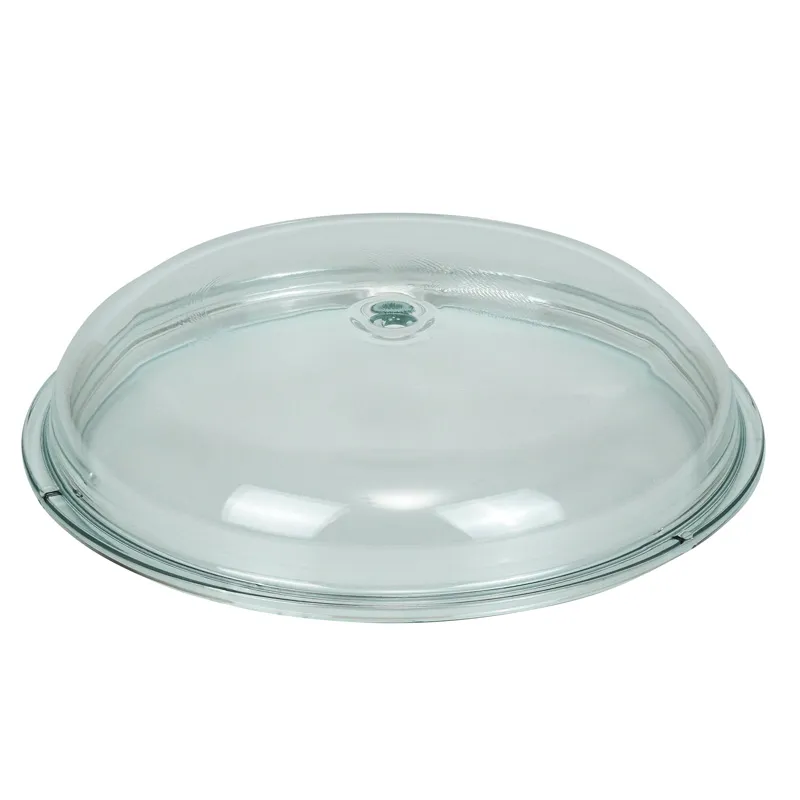
Best Selling Products
Best Selling Products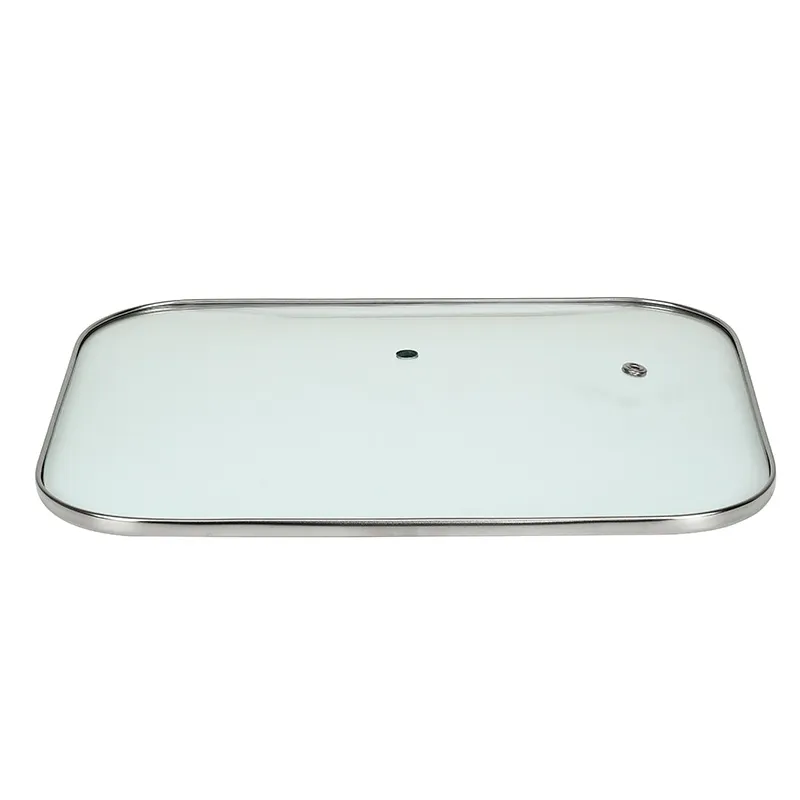
Related Search
Related Search- anchor hocking 1 gallon glass cracker jar with lid
- replacement glass lid for rival crock pot
- glass cookie jar with sealed lid
- glass jar with sealed lid
- tempered glass cover maker in China
- glass jar with magnifying lid
- glass lid made in China
- round tempered glass lid for cookware
- 10 inch frying pan with glass lid
- 4l glass jar with lid


