- Chinese
- French
- German
- Portuguese
- Spanish
- Russian
- Japanese
- Korean
- Arabic
- Irish
- Greek
- Turkish
- Italian
- Danish
- Romanian
- Indonesian
- Czech
- Afrikaans
- Swedish
- Polish
- Basque
- Catalan
- Esperanto
- Hindi
- Lao
- Albanian
- Amharic
- Armenian
- Azerbaijani
- Belarusian
- Bengali
- Bosnian
- Bulgarian
- Cebuano
- Chichewa
- Corsican
- Croatian
- Dutch
- Estonian
- Filipino
- Finnish
- Frisian
- Galician
- Georgian
- Gujarati
- Haitian
- Hausa
- Hawaiian
- Hebrew
- Hmong
- Hungarian
- Icelandic
- Igbo
- Javanese
- Kannada
- Kazakh
- Khmer
- Kurdish
- Kyrgyz
- Latin
- Latvian
- Lithuanian
- Luxembou..
- Macedonian
- Malagasy
- Malay
- Malayalam
- Maltese
- Maori
- Marathi
- Mongolian
- Burmese
- Nepali
- Norwegian
- Pashto
- Persian
- Punjabi
- Serbian
- Sesotho
- Sinhala
- Slovak
- Slovenian
- Somali
- Samoan
- Scots Gaelic
- Shona
- Sindhi
- Sundanese
- Swahili
- Tajik
- Tamil
- Telugu
- Thai
- Ukrainian
- Urdu
- Uzbek
- Vietnamese
- Welsh
- Xhosa
- Yiddish
- Yoruba
- Zulu
- Kinyarwanda
- Tatar
- Oriya
- Turkmen
- Uyghur

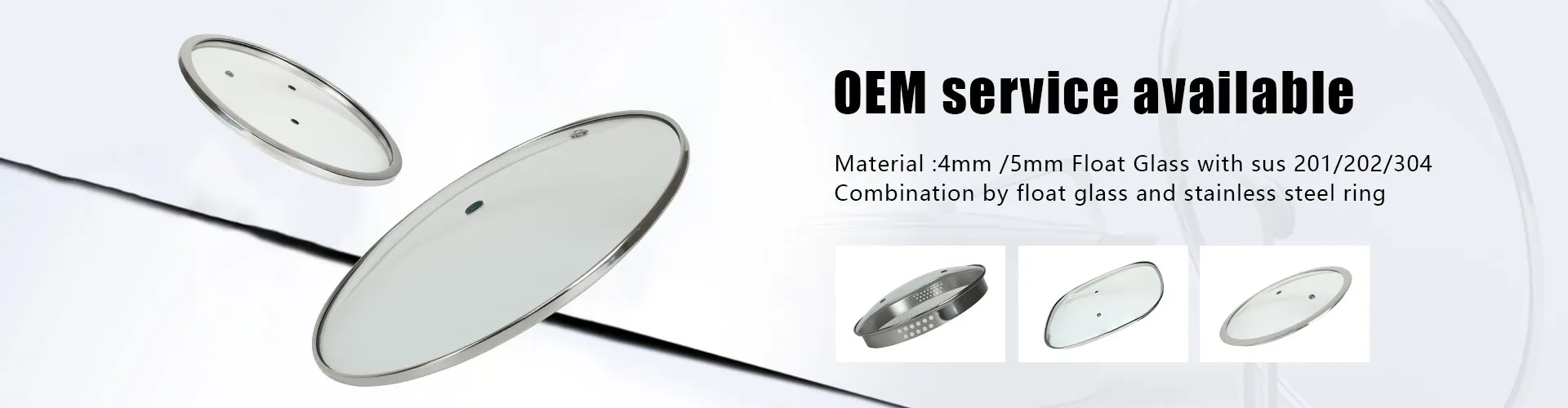
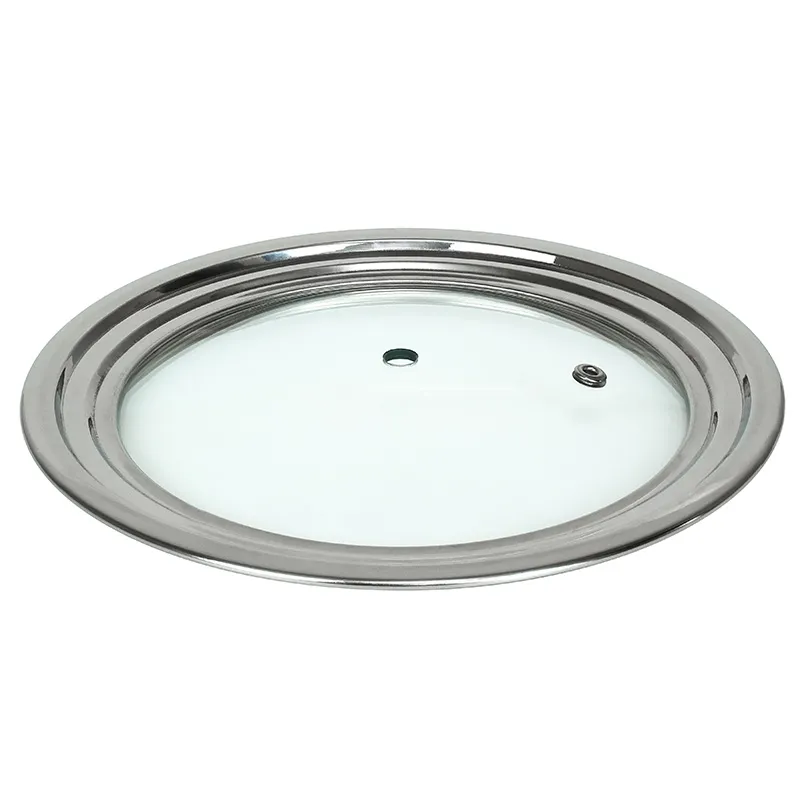
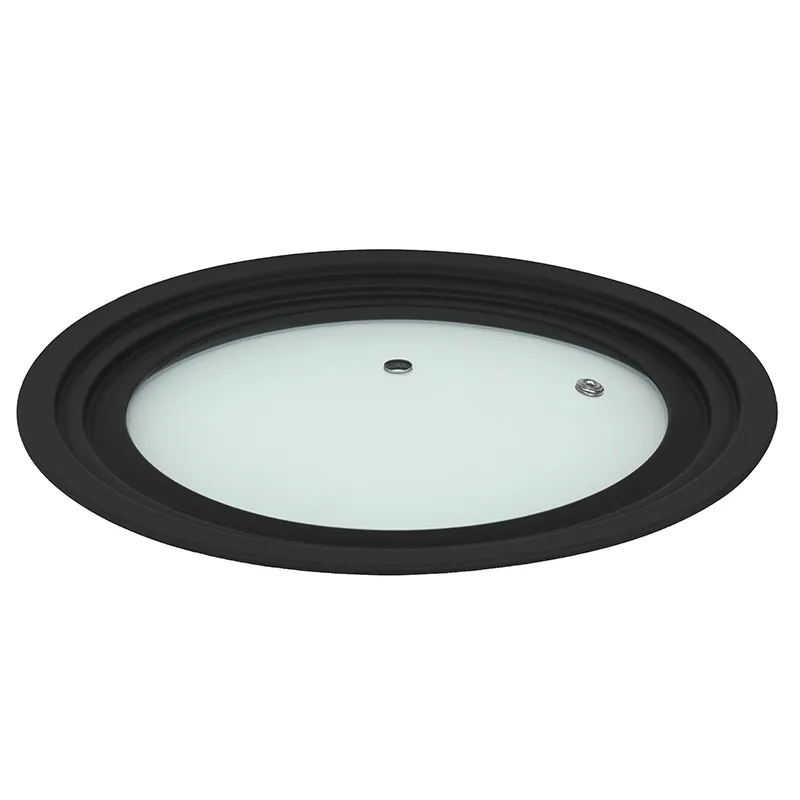
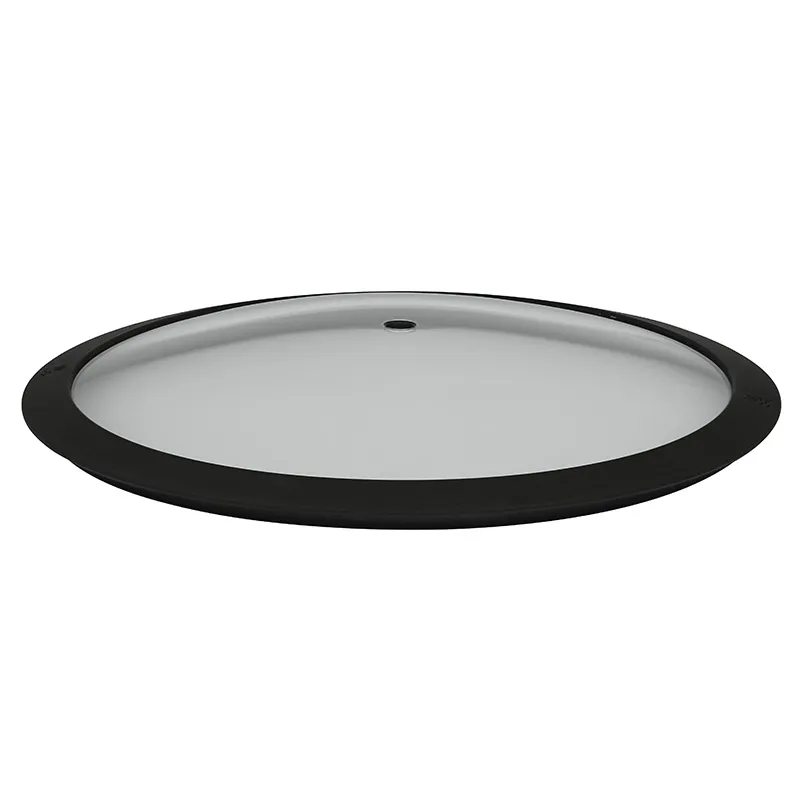
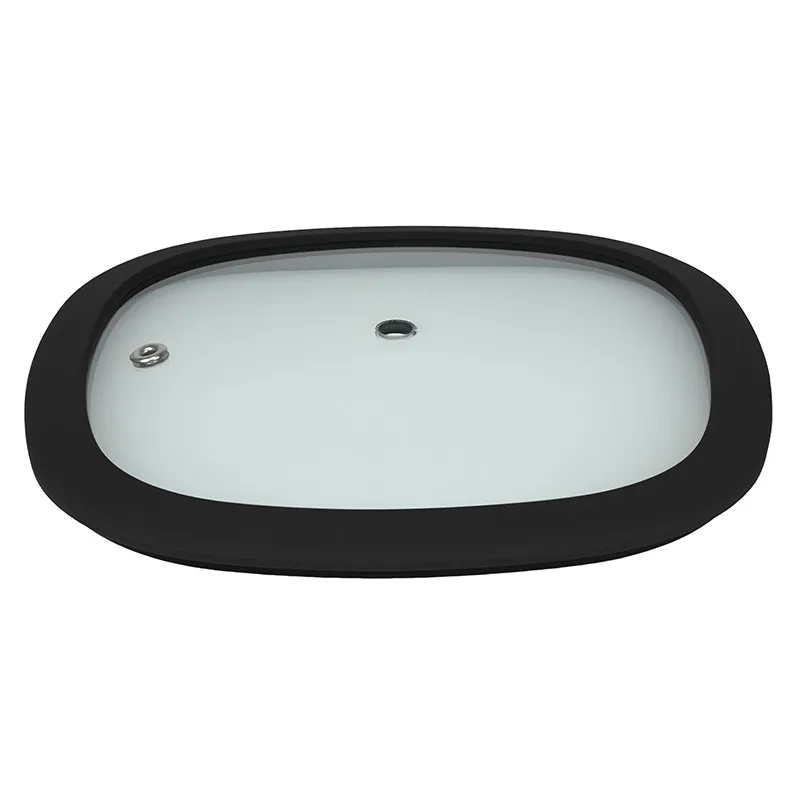
flat silicone lid
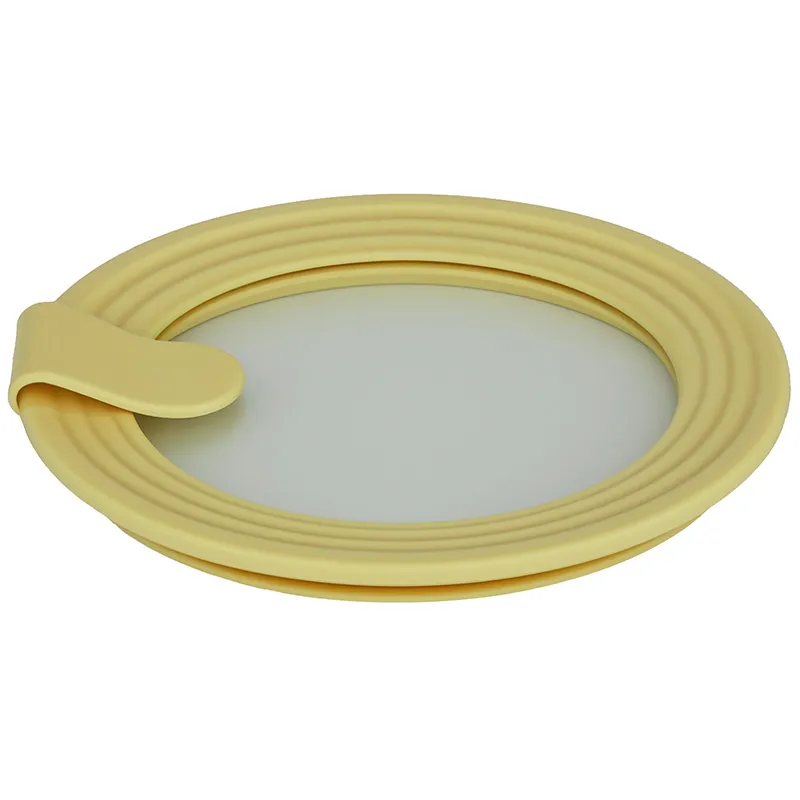
When you hear 'flat silicone lid', you probably picture those stretchy, universal covers meant to fit any bowl or pot. The market is flooded with them, often touted as a revolutionary kitchen essential. But from where I stand, having sourced and tested dozens of variations for cookware sets, that initial promise is where most of the misconceptions begin. The real challenge isn't making a piece of silicone that stretches; it's engineering one that seals reliably, withstands repeated heat cycles without warping, and doesn't impart a smell to your food. Many brands get the first part right and completely miss the latter, which is everything in professional kitchenware.
The Core Function: Seal and Heat Resistance
Let's cut to the chase. The primary job of a flat silicone lid is to create an airtight seal for storage and a steam-resistant cover for light cooking or reheating. The 'flat' design is key for stackability and universal application, but it's also its biggest weakness. Without a rigid rim or a groove, achieving a consistent seal on various rim shapes is a physics problem. A common failure point is the edge rolling under pressure, breaking the seal. I've seen lids from otherwise reputable suppliers fail simple steam tests because the silicone compound was too soft or the durometer (hardness) was off by just a few points.
Heat resistance is another minefield. Food-grade silicone generally tolerates up to 220°C (428°F), but that's in a perfect, lab-grade scenario. In practice, when placed directly on a simmering pot, thermal stress concentrates on the center. We once had a batch from a prototype supplier that developed a slight convex bulge after a few microwave uses. It still 'worked', but it no longer sat flat, defeating the purpose. The issue traced back to an inconsistency in the platinum-cure silicone thickness during molding. It's these subtle manufacturing nuances that separate a commodity item from a reliable kitchen tool.
This is where specialization matters. A company focused on glass lids, for instance, often has a deeper understanding of thermal dynamics and sealing requirements for cookware. Take EUR-ASIA COOKWARE CO.,LTD (https://www.glass-lid.com). While their core expertise is in producing millions of tempered glass lids annually for the international market, that precision manufacturing background is crucial. When such a company ventures into silicone accessories, they're more likely to approach the flat silicone lid with the same tolerance and durability specs required for high-temperature glass, rather than treating it as a simple add-on product. Their production base handling over 15 million glass pieces a year suggests a scale and quality control system that can be leveraged for consistent silicone product output.
Material and Sensory Details Often Overlooked
Beyond function, there's the user experience. A new flat silicone lid shouldn't smell. If it does, it's often a sign of off-gassing from fillers or incomplete curing—a red flag. The best ones are made from high-purity, platinum-cure silicone. They're odorless and have a slightly matte, dense feel. The cheaper peroxide-cure variants can have a slight acetic (vinegar-like) smell initially and might feel tackier. For a company exporting to markets like Germany and Japan, which have stringent consumer safety and quality expectations, using premium material isn't a choice; it's a necessity to meet compliance standards.
Then there's the lip design. It's not just a flat edge. The underside usually has a subtle, continuous channel or a slightly thickened bead. This is the actual sealing surface. I've dissected samples where this bead was uneven, resulting in spots that wouldn't seal on a smooth ceramic bowl. It's a defect you only find through rigorous batch testing, the kind you'd expect from a supplier with a dedicated quality lab for their glass products.
Color is another point. Vibrant, opaque colors often mean more pigments, which can sometimes affect the material's elasticity and heat stability if not properly compounded. The most reliable lids I've handled tend to come in semi-translucent or muted, solid colors. It's a minor visual detail that hints at material purity. For a manufacturer serving clients from Italy to Brazil, offering a range that balances aesthetic appeal with material integrity is part of the game.
Integration in a Cookware Ecosystem
A flat silicone lid rarely exists in isolation. In a complete kitchenware set, it needs to complement other items. Think about a pot with a glass lid from EUR-ASIA COOKWARE. The user might use the tempered glass lid for active cooking to monitor the food, then switch to a flat silicone lid for fridge storage. The silicone lid needs to fit the same pot rim snugly. This interoperability requires careful dimensioning, often based on the standard cookware rim diameters the company already produces for. It's this synergy that adds real value, turning a standalone accessory into a functional part of a system.
We attempted a project once to pair generic silicone lids with a line of stainless steel pots. The fit was inconsistent because the pot rims, while nominally the same diameter, had slight variations in curvature and finish. The lesson was that lids perform best when designed with specific cookware profiles in mind, or at least with very tight tolerances for 'universal' fit. A manufacturer with a background in precise glass lid production is inherently better positioned to control these tolerances for silicone versions.
Furthermore, for a company exporting 90% of its products, logistics and packaging efficiency are critical. A stackable, flat design drastically reduces shipping volume compared to domed lids. This isn't just a user convenience; it's a major cost and sustainability factor in international supply chains. When you're moving 15 million units a year, as with EUR-ASIA's glass output, efficient design for transport is baked into the development process from day one.
Common Pitfalls and Failure Modes
In field tests, the most frequent failure isn't catastrophic breakage; it's gradual degradation. The silicone loses its 'memory' and doesn't snap back to perfectly flat, or the sealing edge becomes permanently deformed after being stretched over a too-large container. This is often a result of using a silicone polymer with poor compression set properties. A good lid should recover its shape within minutes after being stretched.
Another pitfall is staining, particularly by oily foods or turmeric. While silicone is naturally non-porous, the surface texture can trap microscopic pigments. Some manufacturers apply a coating to mitigate this, but that can wear off. The more robust solution is formulating the silicone compound itself to be more stain-resistant, which again points to higher material cost and expertise.
From a sourcing perspective, a major red flag is a supplier who can't provide detailed material data sheets or compliance certificates for key markets (like EU LFGB or US FDA standards). For a professional buyer, these are non-negotiable. The company profile of EUR-ASIA COOKWARE, with its explicit focus on exporting to Europe and other regulated markets, immediately signals an operational baseline where such documentation is standard practice, not an afterthought.
The Verdict: A Deceptively Simple Product
So, what makes a great flat silicone lid? It's the intersection of material science, precise manufacturing, and practical ergonomics. It's a product that feels substantial, seals with a satisfying suction, lies perfectly flat after washing, and doesn't intrude with smell or taste. It should be an afterthought because it works so reliably.
When evaluating suppliers, I now look beyond the lid itself. I look at the company's core manufacturing discipline. A producer specializing in high-volume, precision-engineered items like tempered glass lids brings a necessary rigor to the table. Their foray into silicone isn't a diversification gamble; it's an application of existing quality systems to a new material. The production base, employee expertise, and export-oriented quality controls mentioned in their brief are tangible indicators of this capability.
Ultimately, the humble flat silicone lid is a litmus test for a supplier's attention to detail. It's easy to make one cheaply. It's significantly harder to produce millions that perform identically and endure. That's the gap between a market full of gimmicks and a genuinely useful kitchen tool. The difference is felt in the hand, seen in the seal, and proven over time on the shelf and in the fridge.
Related Products
Related Products