- Chinese
- French
- German
- Portuguese
- Spanish
- Russian
- Japanese
- Korean
- Arabic
- Irish
- Greek
- Turkish
- Italian
- Danish
- Romanian
- Indonesian
- Czech
- Afrikaans
- Swedish
- Polish
- Basque
- Catalan
- Esperanto
- Hindi
- Lao
- Albanian
- Amharic
- Armenian
- Azerbaijani
- Belarusian
- Bengali
- Bosnian
- Bulgarian
- Cebuano
- Chichewa
- Corsican
- Croatian
- Dutch
- Estonian
- Filipino
- Finnish
- Frisian
- Galician
- Georgian
- Gujarati
- Haitian
- Hausa
- Hawaiian
- Hebrew
- Hmong
- Hungarian
- Icelandic
- Igbo
- Javanese
- Kannada
- Kazakh
- Khmer
- Kurdish
- Kyrgyz
- Latin
- Latvian
- Lithuanian
- Luxembou..
- Macedonian
- Malagasy
- Malay
- Malayalam
- Maltese
- Maori
- Marathi
- Mongolian
- Burmese
- Nepali
- Norwegian
- Pashto
- Persian
- Punjabi
- Serbian
- Sesotho
- Sinhala
- Slovak
- Slovenian
- Somali
- Samoan
- Scots Gaelic
- Shona
- Sindhi
- Sundanese
- Swahili
- Tajik
- Tamil
- Telugu
- Thai
- Ukrainian
- Urdu
- Uzbek
- Vietnamese
- Welsh
- Xhosa
- Yiddish
- Yoruba
- Zulu
- Kinyarwanda
- Tatar
- Oriya
- Turkmen
- Uyghur


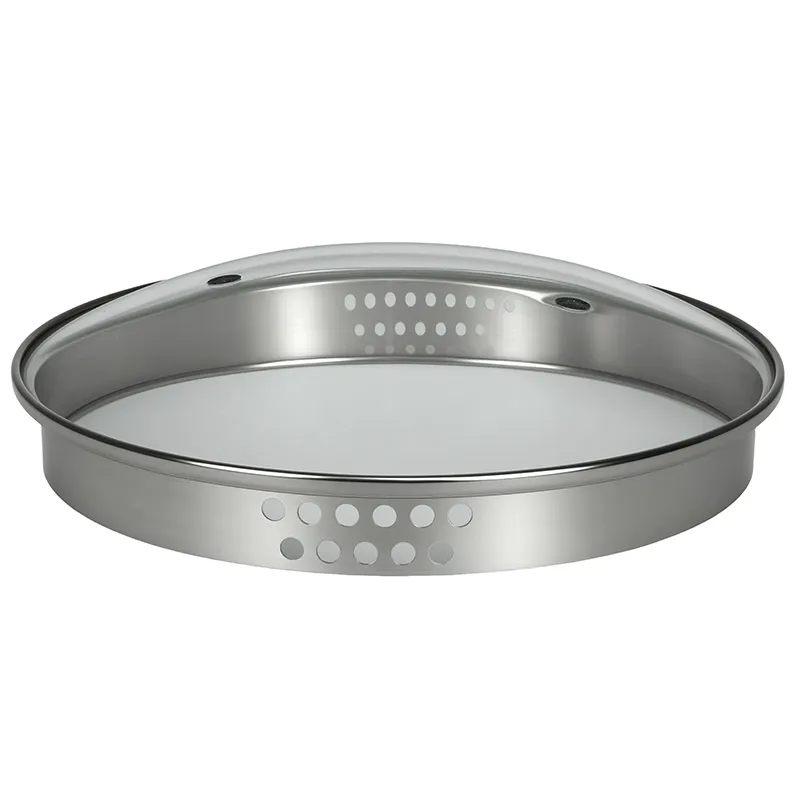
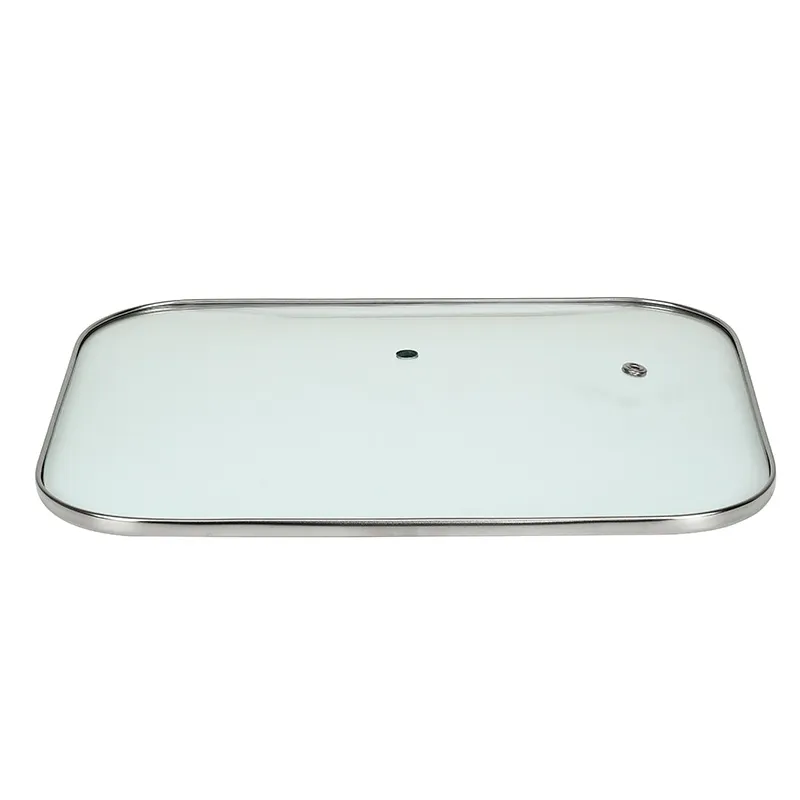
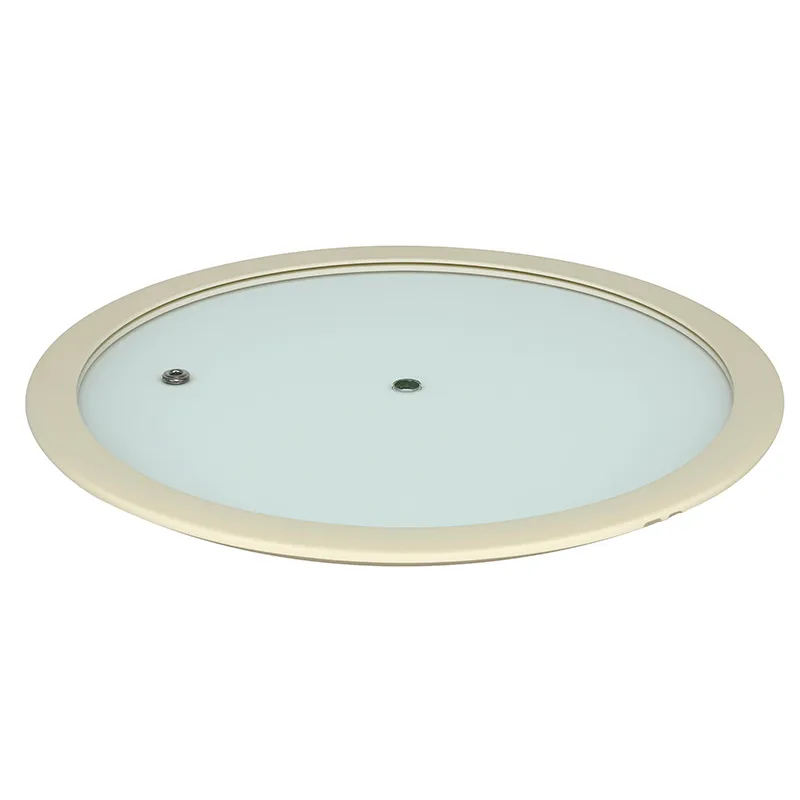
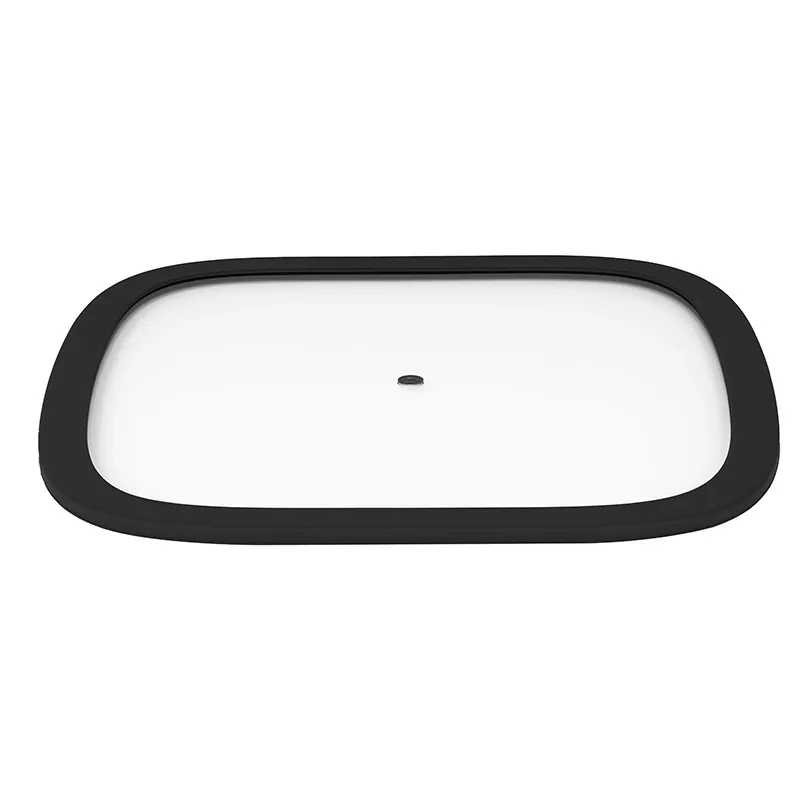
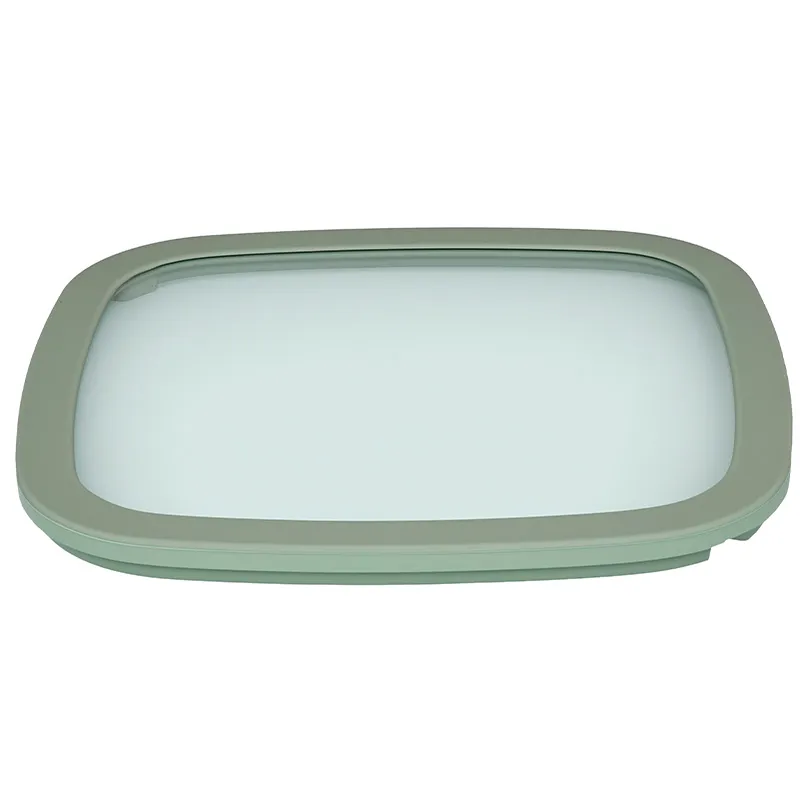
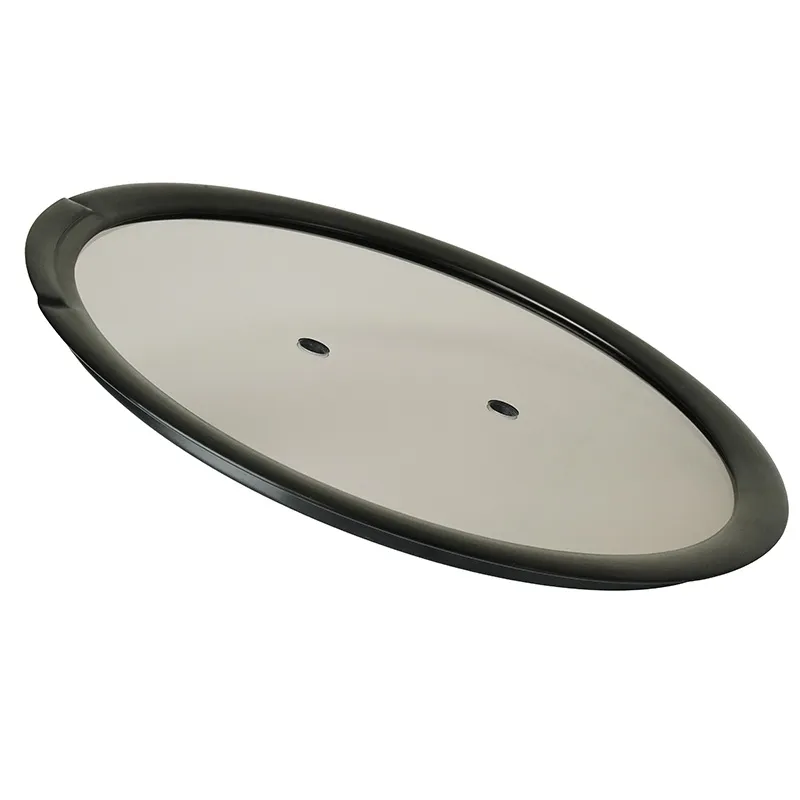
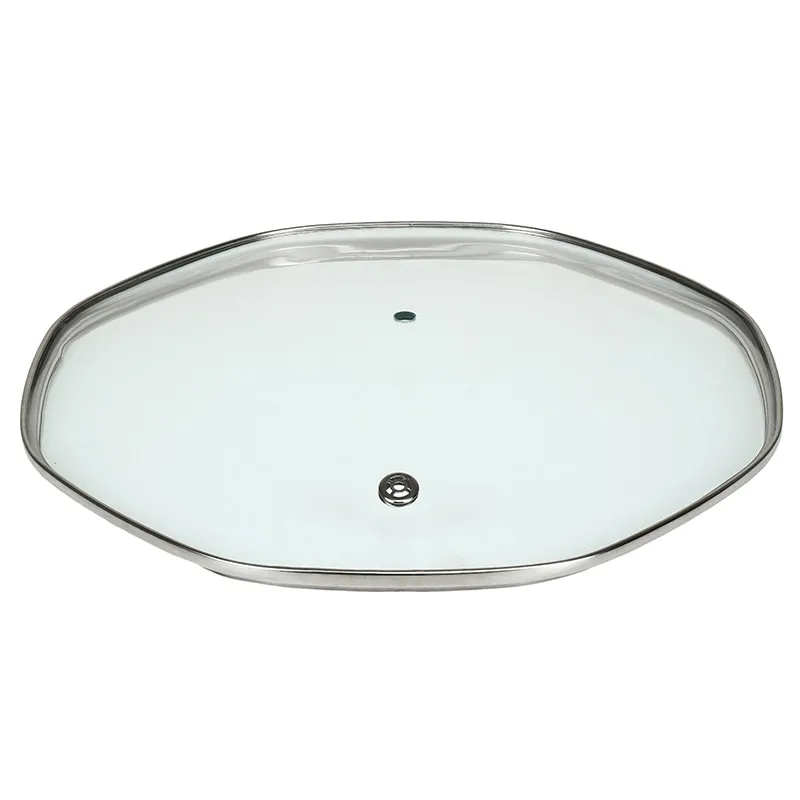
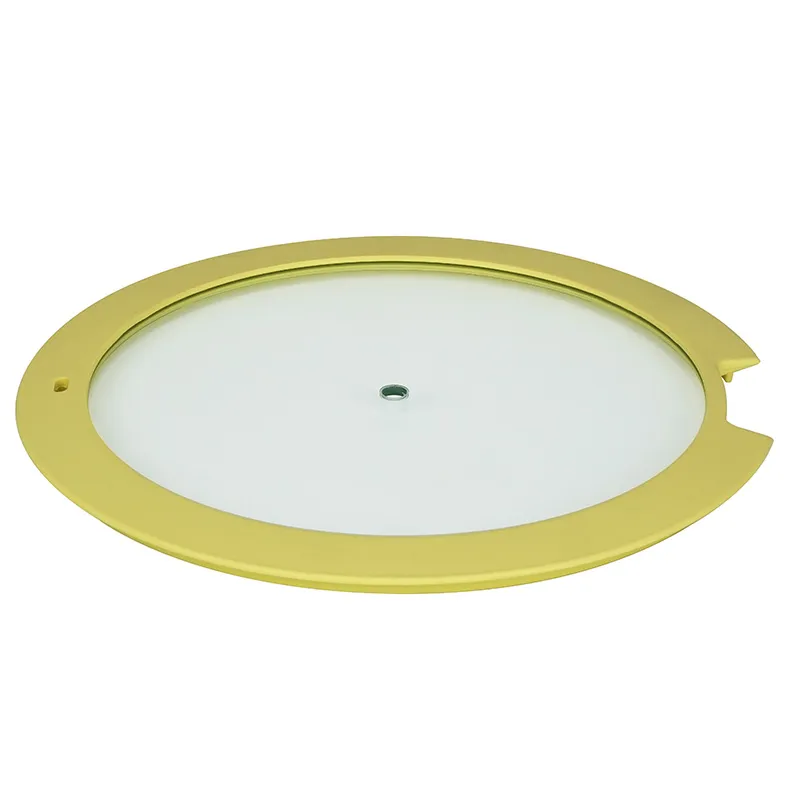
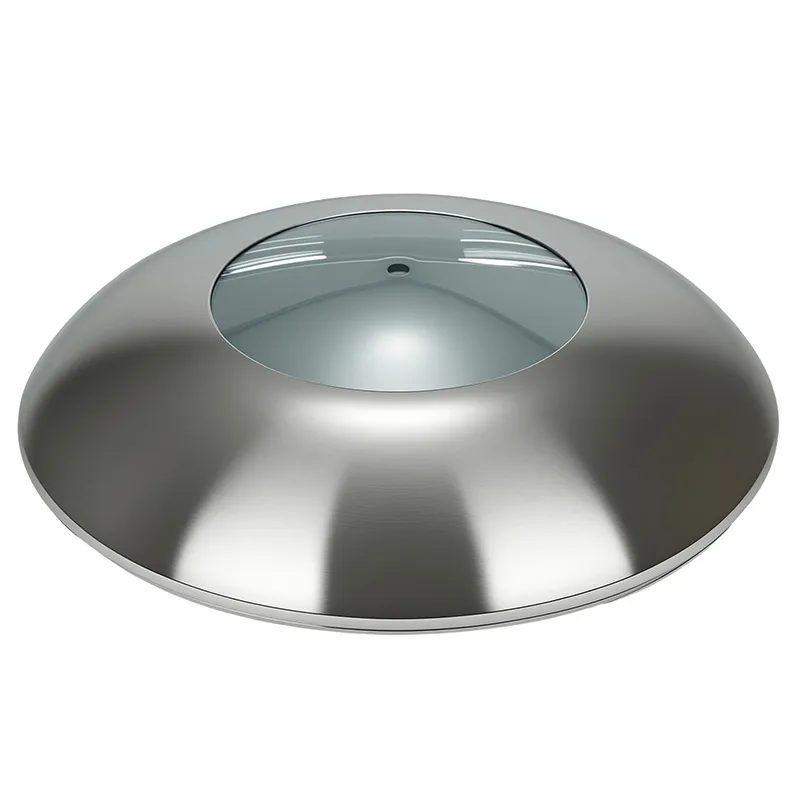
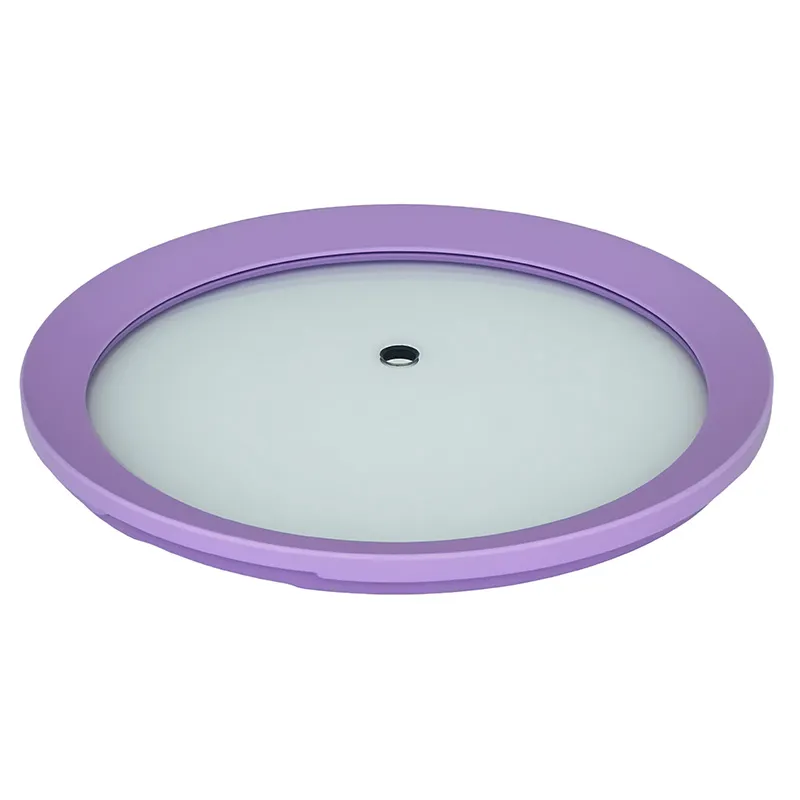
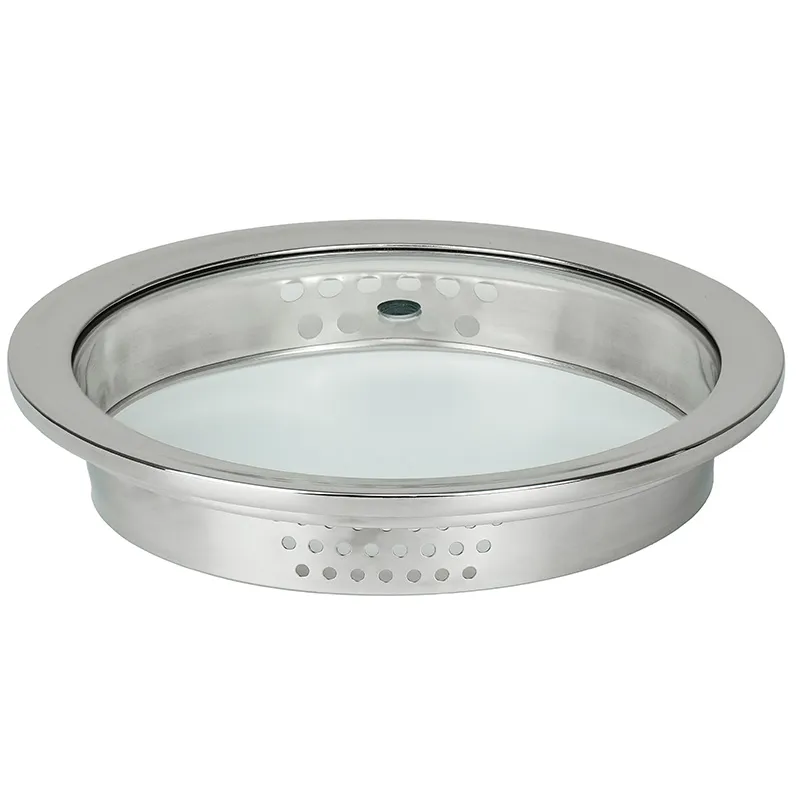
flat tempered glass cover
Let’s talk about flat tempered glass covers. Most people, even some buyers, just see a piece of clear glass. They think the flatter it looks, the better the quality. That’s the first big misconception. True flatness in a tempered glass cover isn’t just about aesthetics; it’s a functional necessity for even heat distribution and seal integrity, especially in cookware. But achieving that perfect, stable flatness post-tempering is where the real challenge begins.
The Manufacturing Reality: It's Never Just Flat
When you order these from a factory, the spec sheet might say flat tempered glass. The reality is more nuanced. The glass goes into a furnace, heated to around 700°C, then blasted with high-pressure air to quench it. This process puts immense stress on the surface, creating that tempered strength. But it also introduces a phenomenon called quench warp. The glass can bow, sometimes just a fraction of a millimeter. For a lid sitting on a pot, that fraction matters. It can cause rocking, poor sealing, or even localized stress points. I’ve seen batches where the glass looked perfect off the line, but once paired with a metal rim or gasket, the mismatch was obvious.
This is where a supplier's process control makes or breaks the product. A company like EUR-ASIA COOKWARE CO.,LTD, which churns out over 15 million pieces annually, has to have this down to a science. Their production base in Taian's High-tech Development Zone isn't just a location; it implies a scale of operation where consistency is the only way to survive. You can't manually check 15 million lids. Their flatness tolerance isn't a guess; it's a hard number baked into their molding, heating, and quenching cycles. If they get it wrong, the entire export order to Germany or Japan gets rejected for something as simple as a lid that doesn't sit flush.
I remember a project years ago where we sourced what we thought were premium flat tempered glass covers for a line of saucepans. The samples were flawless. The first production run? A disaster. Under a precision straight edge, a subtle but consistent crown was visible. The lids would spin if you touched them on a flat counter. The issue? The quenching air nozzles were slightly misaligned on one production line, creating uneven cooling. The factory hadn't caught it because their QC was a simple looks flat check, not a quantitative measurement. We lost a month and a container shipment. That's the day I learned to ask for flatness deviation data, not just a certificate.
Material and Thickness: The Unseen Variables
Another common oversight is assuming all glass is the same. The base material—usually soda-lime silicate—and its composition affect how it behaves during tempering. Impurities or inconsistent batch quality can lead to internal stresses that manifest as warping after tempering, sometimes even days later. A good producer controls their raw material supply tightly.
Thickness is another critical factor for a glass cover. Thicker isn't always better. A 4mm cover will behave very differently in the tempering furnace than a 3mm one. The heat soak time and quenching pressure need precise adjustment. A thick cover tempered with a cycle meant for thin glass might have weak tempering (insufficient surface compression), making it prone to breakage. Conversely, a thin cover over-quenched can become excessively bowed. It's a balancing act. EUR-ASIA's product range of low- medium- high level household glass suggests they've had to master these cycles for different market segments and price points, from basic lids to high-end, optically perfect ones.
Then there's the edge work. The grinding and polishing of the perimeter after cutting. A poorly finished edge is a stress concentrator. During tempering or even just thermal shock from a hot stove, a micro-crack at the edge can propagate and cause the whole lid to shatter. A clean, smoothly arrised edge is non-negotiable for safety and durability. It's a small detail that separates a professional product from a hazardous one.
Application and Failure Points in the Real World
So you have a perfectly flat, well-tempered lid. The job isn't done. How it interfaces with the cookware is everything. Most failures in the field aren't from the glass spontaneously exploding; they're from mismatched systems. The metal rim of the pot might have a tolerance of +/- 0.5mm. If the glass lid's flatness deviation is at the opposite extreme, you get a gap. Steam escapes, energy is wasted, and food doesn't cook right.
I've spent hours with engineers from cookware companies, sitting with stacks of lids and pots, doing fit checks. The ting test—gently tapping the lid on the pot—tells you a lot about the seal. A clear, high-pitched ring usually means good, even contact. A dull sound or a wobble means there's a problem. This is where EUR-ASIA's specialization likely gives them an edge. Being deeply embedded in the kitchen accessories chain, they probably design their tempered glass cover profiles in tandem with common pot rim specifications, especially for their major export markets in Europe. Their website, https://www.glass-lid.com, focuses precisely on this niche, which tells me they understand the application engineering side, not just the glassmaking.
Thermal shock is the other big killer. Taking a lid from a boiling pot and placing it on a cold granite countertop. Or pouring cold water on a hot lid. The tempering gives it strength, but soda-lime glass still has thermal expansion limits. A high-quality tempered lid can withstand a delta T of 150°C or more. But I've seen lids fail at much lower shocks because the tempering was uneven, leaving weak zones. A reliable test is the hot/cold cycling test, but few factories do it on a batch level due to cost and time. It's often a gamble the brand takes.
The Export Game: Consistency at Scale
When a company exports over 90% of its products to markets like Germany, Italy, and Japan, as EUR-ASIA does, the standards are unforgiving. German retailers, for instance, have stringent safety and dimensional protocols. A lid that's 0.2mm out of spec might be acceptable in one market but cause a full recall in another. This export focus forces a factory to institutionalize quality control. It's not about making one perfect lid; it's about making the 10,000th lid in an order identical to the first.
This scale—20000㎡ of facility, 150+ employees—also speaks to vertical integration. They likely handle cutting, edging, tempering, printing (if there's scale marking), and packaging all in-house. This control is crucial for managing the flatness variable. Outsourcing the tempering is a common pitfall; you lose oversight of the most critical process. Their annual output number, more than 15 million pieces, is a testament to their production rhythm and reliability. You don't hit those numbers with inconsistent quality; the supply chain would collapse.
Yet, high volume brings its own challenges. Maintaining tooling for hundreds of different lid shapes and diameters. Molds wear down. The grinding wheels lose their edge. The furnace temperature profiles drift. A professional factory has a rigorous preventive maintenance schedule for all of this. The hand-made quality in a fully automated process comes from relentless machine calibration and operator vigilance, not chance.
Final Thoughts: Seeing the Whole Picture
So, when you evaluate a flat tempered glass cover, don't just hold it up to the light. Put it on a known-flat surface. Check for rocking. Run your finger along the edge. Look at the clarity for signs of strain patterns (anisotropy) which indicate uneven tempering. Ask the supplier for their standard flatness tolerance and how they measure it. Ask about their thermal shock resistance rating.
The best products come from suppliers who live in this space, like a company focused solely on glass lids and kitchen glass. They've seen every failure mode. They've had the arguments with pot manufacturers about whose tolerance is off. They've probably eaten food cooked under their own lids to test performance. That practical, problem-solving mindset is what you're really buying.
In the end, a flat tempered glass cover is a deceptively simple component. Its success lies in a hundred controlled details between the sand and the stove. Getting it right is a quiet engineering achievement; getting it wrong is a very visible product failure. The difference is in the depth of experience, the rigor of process, and an understanding that flatness is a dynamic property, not just a static description.
Related Products
Related Products