- Chinese
- French
- German
- Portuguese
- Spanish
- Russian
- Japanese
- Korean
- Arabic
- Irish
- Greek
- Turkish
- Italian
- Danish
- Romanian
- Indonesian
- Czech
- Afrikaans
- Swedish
- Polish
- Basque
- Catalan
- Esperanto
- Hindi
- Lao
- Albanian
- Amharic
- Armenian
- Azerbaijani
- Belarusian
- Bengali
- Bosnian
- Bulgarian
- Cebuano
- Chichewa
- Corsican
- Croatian
- Dutch
- Estonian
- Filipino
- Finnish
- Frisian
- Galician
- Georgian
- Gujarati
- Haitian
- Hausa
- Hawaiian
- Hebrew
- Hmong
- Hungarian
- Icelandic
- Igbo
- Javanese
- Kannada
- Kazakh
- Khmer
- Kurdish
- Kyrgyz
- Latin
- Latvian
- Lithuanian
- Luxembou..
- Macedonian
- Malagasy
- Malay
- Malayalam
- Maltese
- Maori
- Marathi
- Mongolian
- Burmese
- Nepali
- Norwegian
- Pashto
- Persian
- Punjabi
- Serbian
- Sesotho
- Sinhala
- Slovak
- Slovenian
- Somali
- Samoan
- Scots Gaelic
- Shona
- Sindhi
- Sundanese
- Swahili
- Tajik
- Tamil
- Telugu
- Thai
- Ukrainian
- Urdu
- Uzbek
- Vietnamese
- Welsh
- Xhosa
- Yiddish
- Yoruba
- Zulu
- Kinyarwanda
- Tatar
- Oriya
- Turkmen
- Uyghur


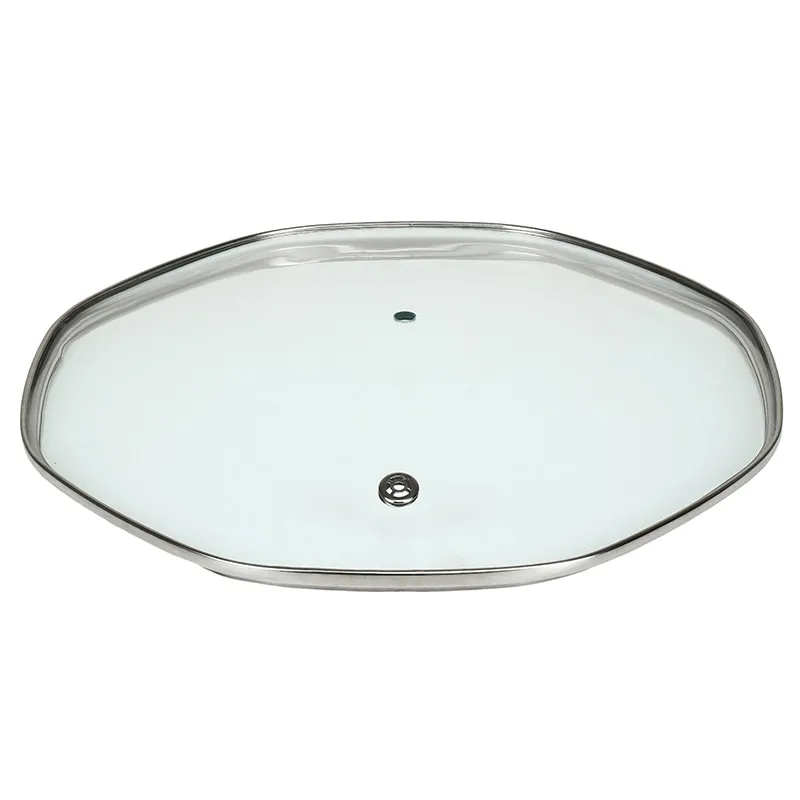
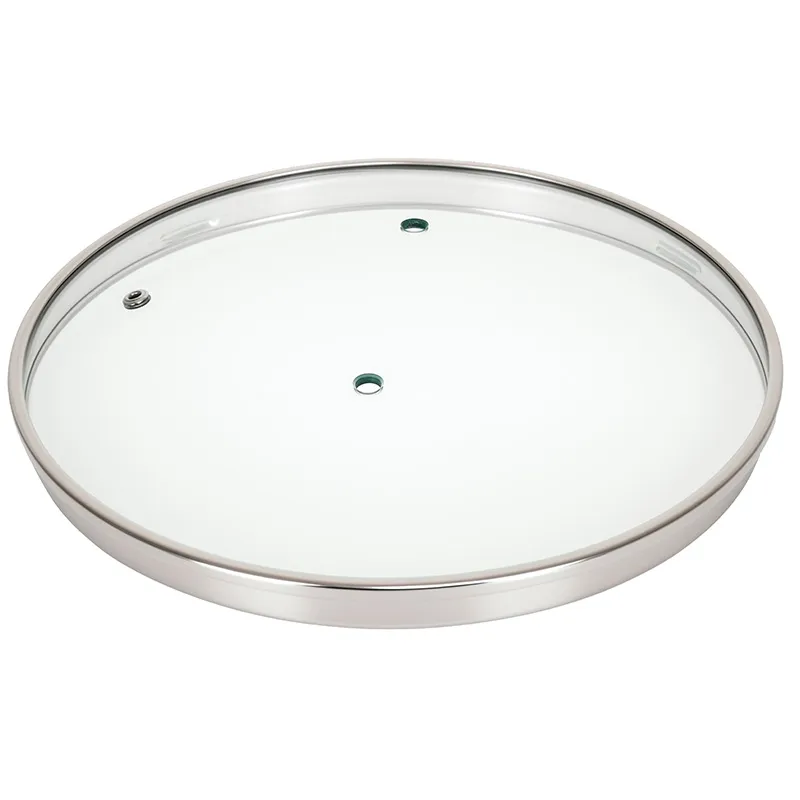
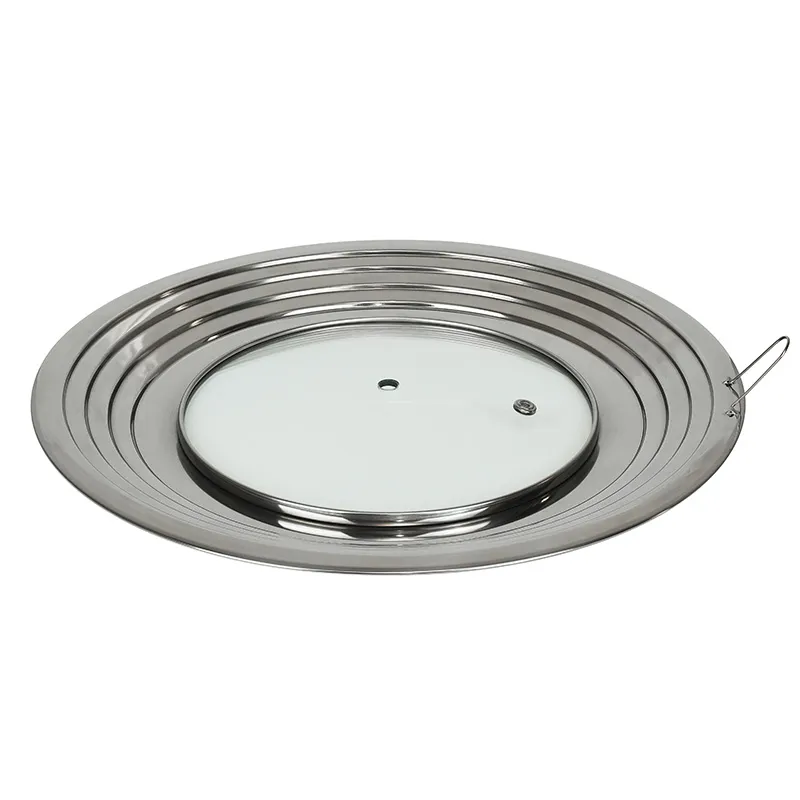
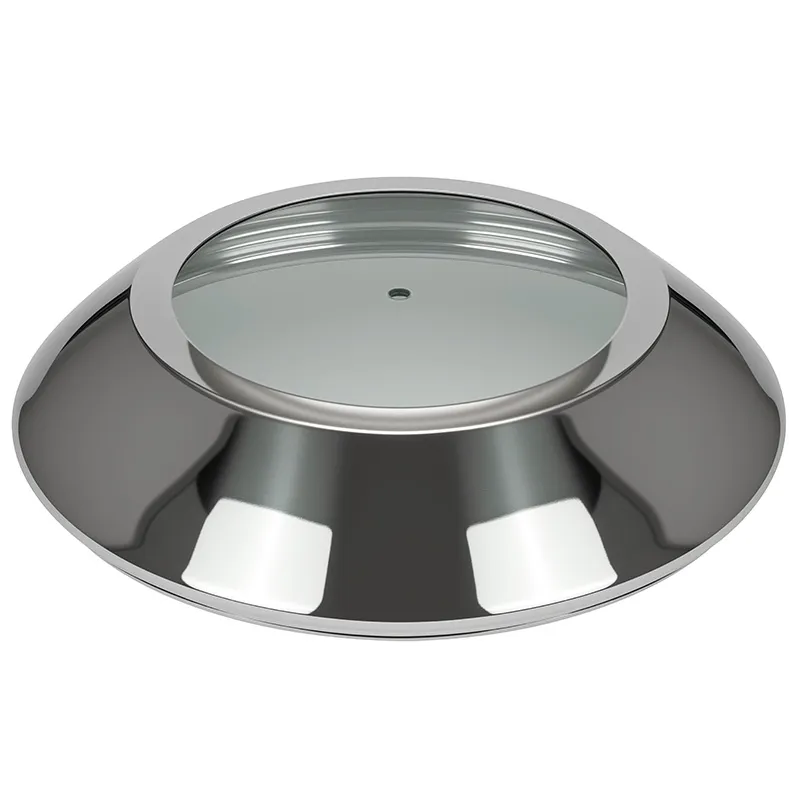
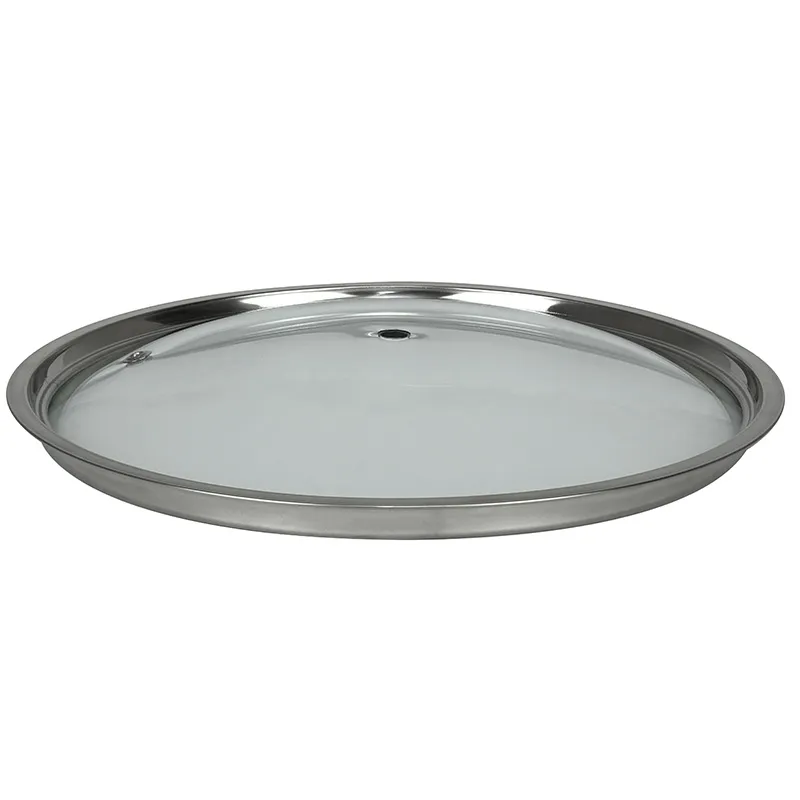
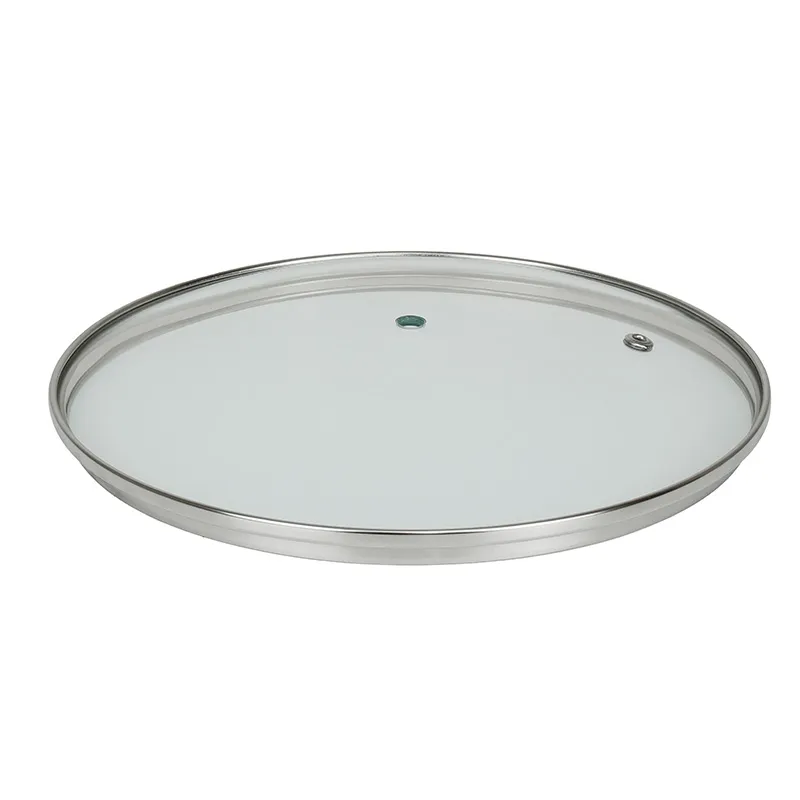
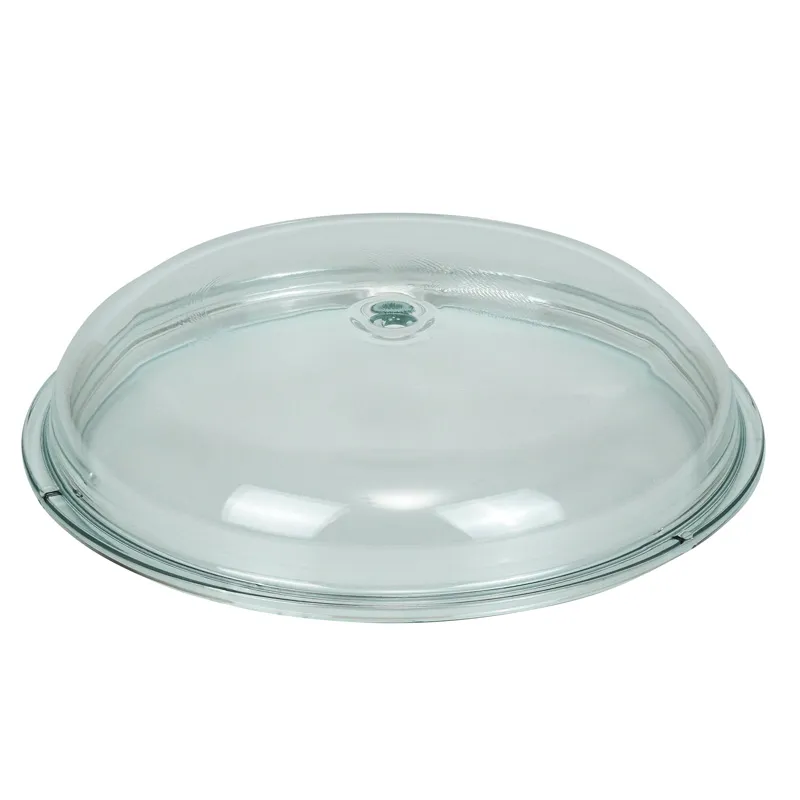
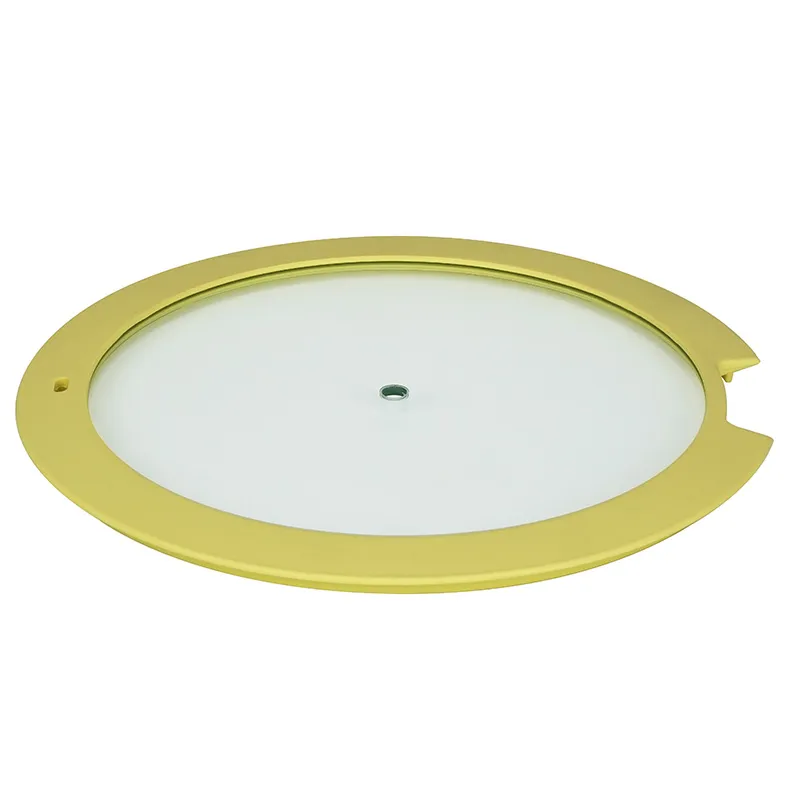
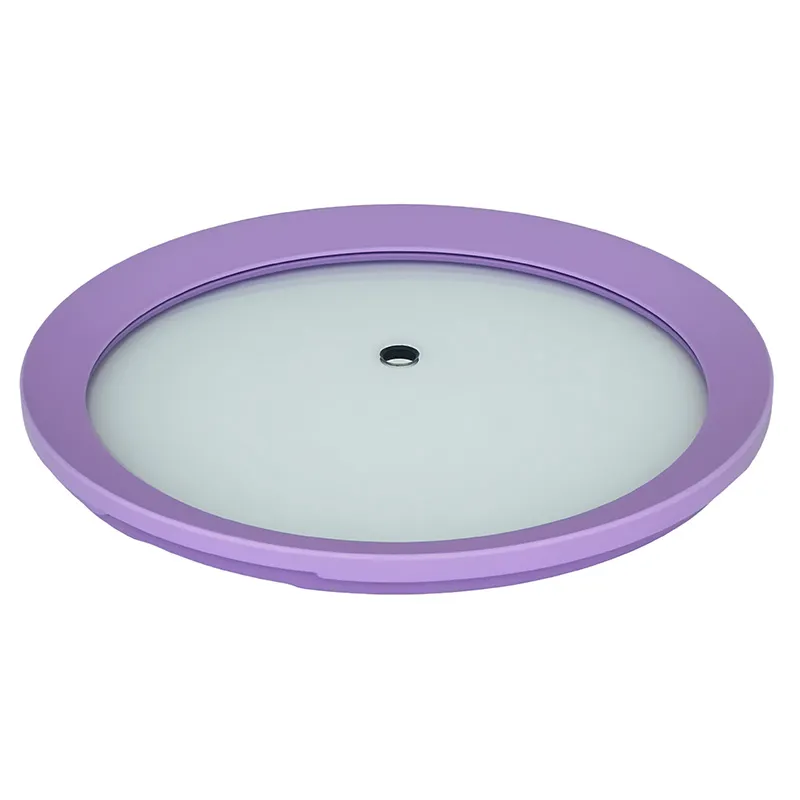
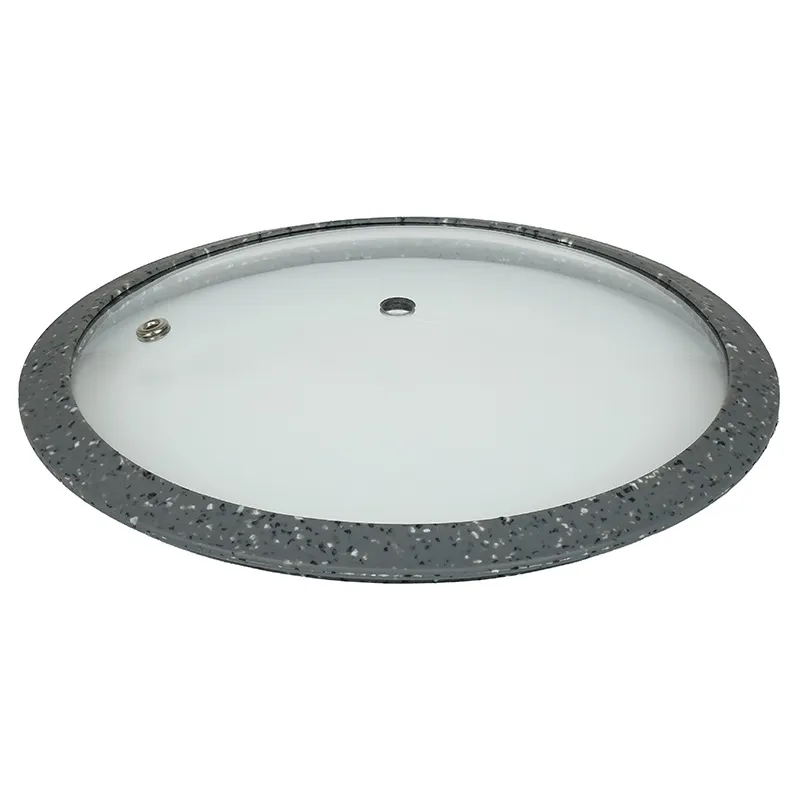
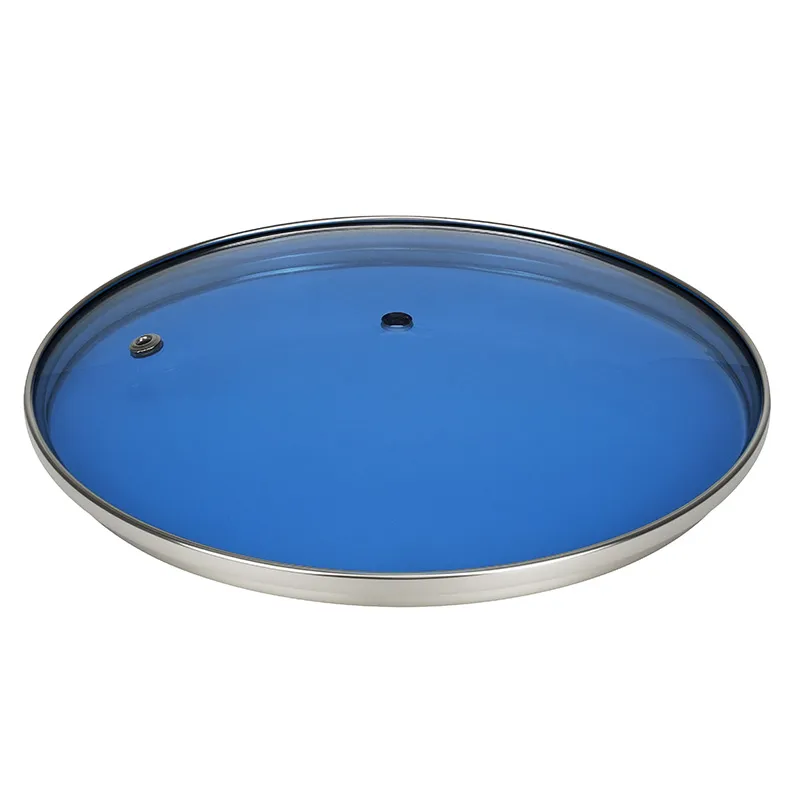
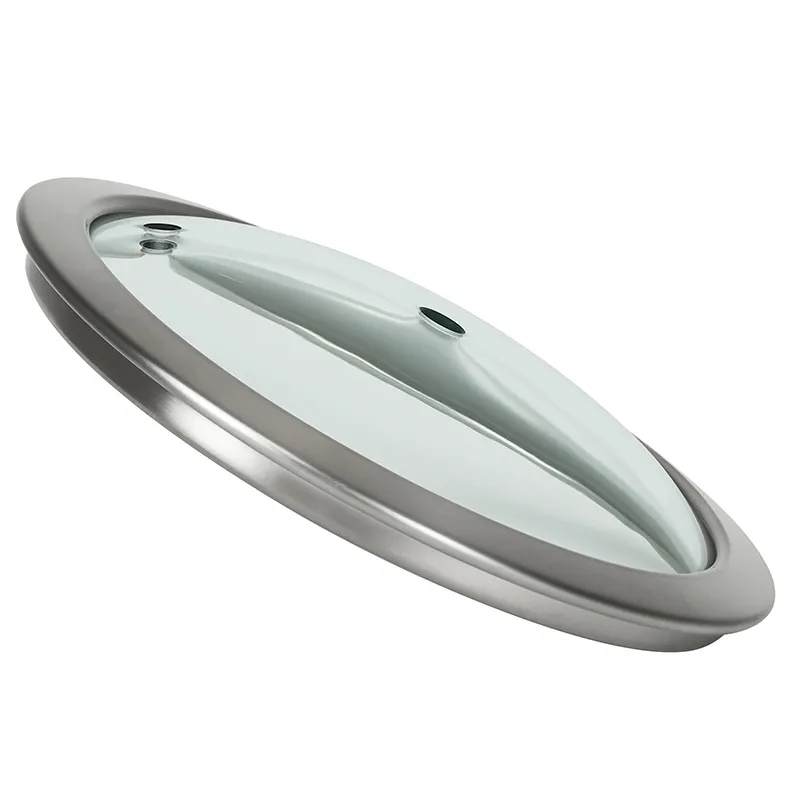
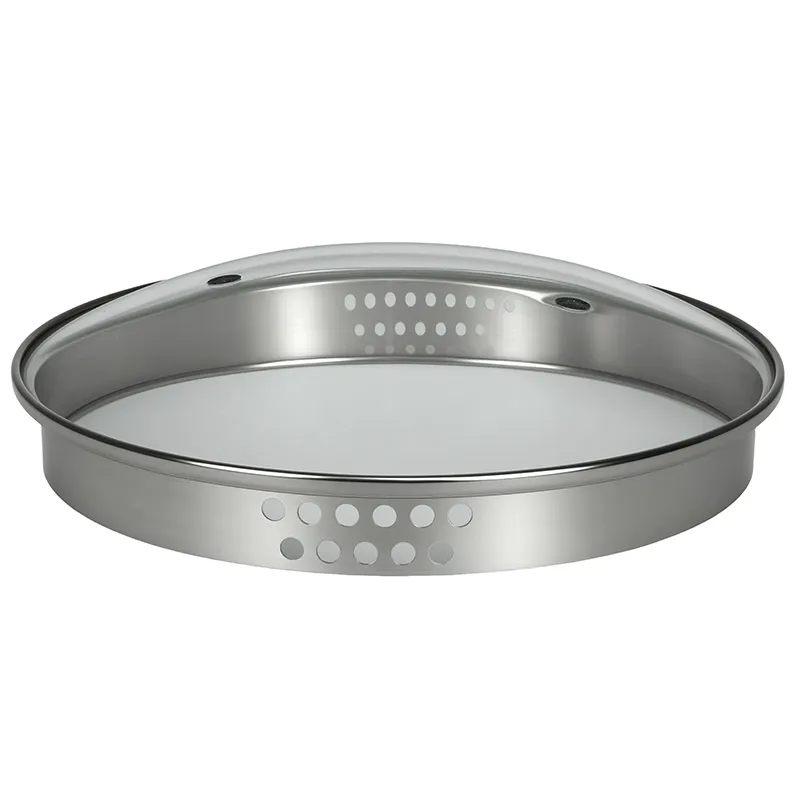
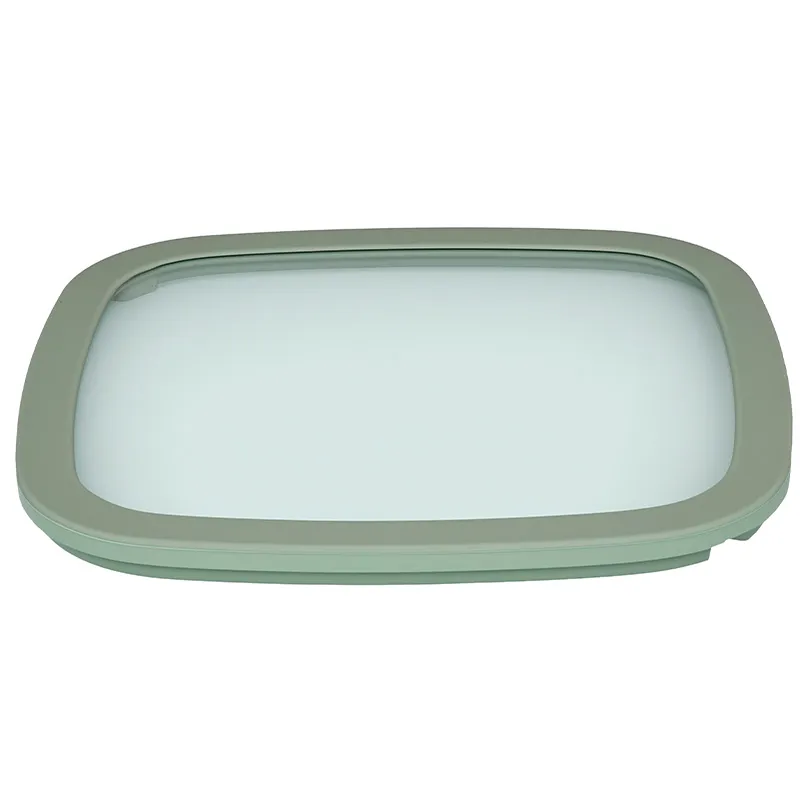
flat tempered glass lid
When most people hear 'flat tempered glass lid', they picture a simple, clear cover for a pot. That's the surface-level view. In reality, it's a product category where the devil is in a thousand details—thermal shock resistance, edge finishing, hinge compatibility, and that elusive balance between optical clarity and mechanical strength. Many buyers, even some in the trade, get fixated on thickness or price per piece, missing the critical factors that determine if a lid actually works in a real kitchen for years, not just looks good in a catalog.
The Manufacturing Reality Check
Let's talk about the making of it. Tempering is non-negotiable for safety, but the process for a flat lid versus a curved one is subtly different. The glass needs to be heated and quenched uniformly to avoid internal stress points that could lead to spontaneous breakage—a rare but catastrophic failure you never want to see. I've visited lines where they run both curved and flat lids, and the jig design for the flat ones is deceptively simple. If the rollers aren't perfectly level, you get minute warping. It doesn't affect safety, but it ruins the seal on a pot. I recall a batch from a few years back where the issue wasn't discovered until assembly, causing a costly recall for a client. The supplier, to their credit, traced it back to a worn roller bearing.
This is where a specialized producer makes a difference. A company like EUR-ASIA COOKWARE CO.,LTD, with a dedicated facility, likely has lines optimized for these flat panels. Their website states an annual output of over 15 million pieces of various tempered glass lid types. That volume suggests a focus on process refinement. A high export percentage to markets like Germany and Japan is a practical testimonial; those buyers have brutal quality thresholds for kitchenware.
The edge work is another silent differentiator. A ground and polished edge feels smooth, resists chipping, and sits better in a metal rim. A merely seamed or arrised edge can feel sharp, collect grease, and is more prone to micro-chips during handling and cleaning. It's a cost decision, but one that affects the product's lifespan and user perception dramatically.
Material & Performance: Not All Glass is Equal
Specifying clear tempered glass is just the start. The raw glass quality—the clarity, the iron content (which affects greenish tint), and the presence of bubbles or inclusions—matters immensely for a premium look. For a flat tempered glass lid, optical distortion is less of an issue than for a curved one, but consistency is key. You don't want one lid in a set looking noticeably different from another.
Then there's the thermal shock rating. A common spec is ΔT 300°C, but that's a lab test. In practice, the real stress comes from placing a hot lid on a cold, wet countertop or splashing cold water on it. The geometry of a flat lid actually distributes this stress differently than a domed lid. Failures, when they happen, tend to originate from the edges or from a tiny, unnoticed chip. I've advised clients to insist on not just the standard test certificate, but also a more rigorous quench test on random samples from production runs.
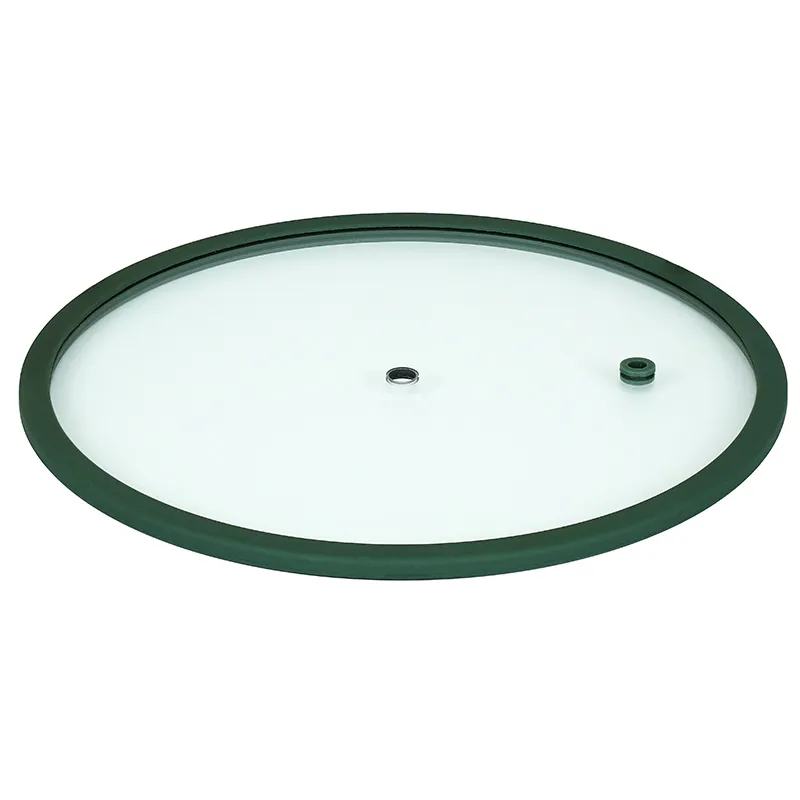
Coating is a whole other topic. Some lids have a silicone gasket around the edge for a better seal. The adhesion of that silicone to the glass after repeated dishwasher cycles and heat exposure is a common failure point. Others might have a printed scale or design. The durability of that ceramic print—its resistance to scratching and abrasion from utensils—is another detail that separates a good product from a great one.
Design Integration & The Common Pitfalls
A lid doesn't exist in a vacuum. It's part of a cookware system. The knob or handle attachment is the number one mechanical failure point. The metal bracket, the type of nut used, the thread-locking compound—all need to withstand torque, thermal cycling, and corrosion from dishwashers. I've seen designs where the bracket was too rigid, concentrating stress and causing radial cracks in the glass around the mounting holes.
The fit is crucial. A flat lid for a stockpot needs a specific overhang and a beveled edge to sit properly. Too tight, and it's hard to remove or creates a vacuum seal when steaming. Too loose, and it rattles, letting steam escape uncontrollably. Tolerances are often tighter than people assume. This is where a manufacturer's experience in OEM/ODM shows. A brief look at EUR-ASIA COOKWARE CO.,LTD's profile shows they supply a range from low to high-level products, meaning they're probably adept at hitting different price and specification points, which is a practical skill in this business.
Packaging is an underestimated hero. Flat glass is vulnerable during shipping. The interleaving material, the corner protectors, the box rigidity—all prevent transit damage that can show up as invisible edge damage, leading to failure later. A good producer has this down to a science.
Market Nuances & Export Realities
Exporting these items isn't just about shipping containers. It's about understanding regional preferences. European markets, for instance, often prefer lids with a pronounced, ergonomic stainless steel rim and a large, cool-touch knob. Some Asian markets might favor a simpler, all-glass look with a small plastic knob. The flat tempered glass lid is a global commodity, but its finishing touches are local.
Standards and certifications are a maze. CE, LFGB, FDA... they're not just stickers. They dictate the materials used in knobs, gaskets, and inks. A manufacturer serving a global clientele, like the one mentioned which exports over 90% of its products, has to maintain compliance across these regimes, which is a significant operational overhead. It's a sign of a mature supplier.
Cost pressures are relentless. The temptation to downgrade raw glass thickness by half a millimeter or to use a cheaper edge finish is always there. The best long-term partnerships are built on resisting that temptation for key specs. It's a balance between being competitive and being reliable.
Final Thoughts: The Unseen Value
So, what makes a good flat tempered glass lid? It's the sum of these unseen choices: the quality of the raw glass sheet, the precision of the tempering, the finish of the edge, the robustness of the fittings, and the intelligence of the packaging. It's a component that seems simple but isn't.
When evaluating a source, I look less at the glossy catalog and more at the process control, the testing protocols, and the willingness to discuss past failures and solutions. A production base with 15,000㎡ of building area and a focus on glass lids, like the one in Taian, suggests a depth of specialization. It's about consistent execution, day after day, on millions of pieces.
In the end, the perfect flat glass lid is the one you never have to think about. It's clear, it fits, it withstands the abuse of a busy kitchen, and it lasts as long as the pot it covers. Achieving that is where the real professional knowledge lies, far beyond the basic spec sheet.
Related Products
Related Products