- Chinese
- French
- German
- Portuguese
- Spanish
- Russian
- Japanese
- Korean
- Arabic
- Irish
- Greek
- Turkish
- Italian
- Danish
- Romanian
- Indonesian
- Czech
- Afrikaans
- Swedish
- Polish
- Basque
- Catalan
- Esperanto
- Hindi
- Lao
- Albanian
- Amharic
- Armenian
- Azerbaijani
- Belarusian
- Bengali
- Bosnian
- Bulgarian
- Cebuano
- Chichewa
- Corsican
- Croatian
- Dutch
- Estonian
- Filipino
- Finnish
- Frisian
- Galician
- Georgian
- Gujarati
- Haitian
- Hausa
- Hawaiian
- Hebrew
- Hmong
- Hungarian
- Icelandic
- Igbo
- Javanese
- Kannada
- Kazakh
- Khmer
- Kurdish
- Kyrgyz
- Latin
- Latvian
- Lithuanian
- Luxembou..
- Macedonian
- Malagasy
- Malay
- Malayalam
- Maltese
- Maori
- Marathi
- Mongolian
- Burmese
- Nepali
- Norwegian
- Pashto
- Persian
- Punjabi
- Serbian
- Sesotho
- Sinhala
- Slovak
- Slovenian
- Somali
- Samoan
- Scots Gaelic
- Shona
- Sindhi
- Sundanese
- Swahili
- Tajik
- Tamil
- Telugu
- Thai
- Ukrainian
- Urdu
- Uzbek
- Vietnamese
- Welsh
- Xhosa
- Yiddish
- Yoruba
- Zulu
- Kinyarwanda
- Tatar
- Oriya
- Turkmen
- Uyghur


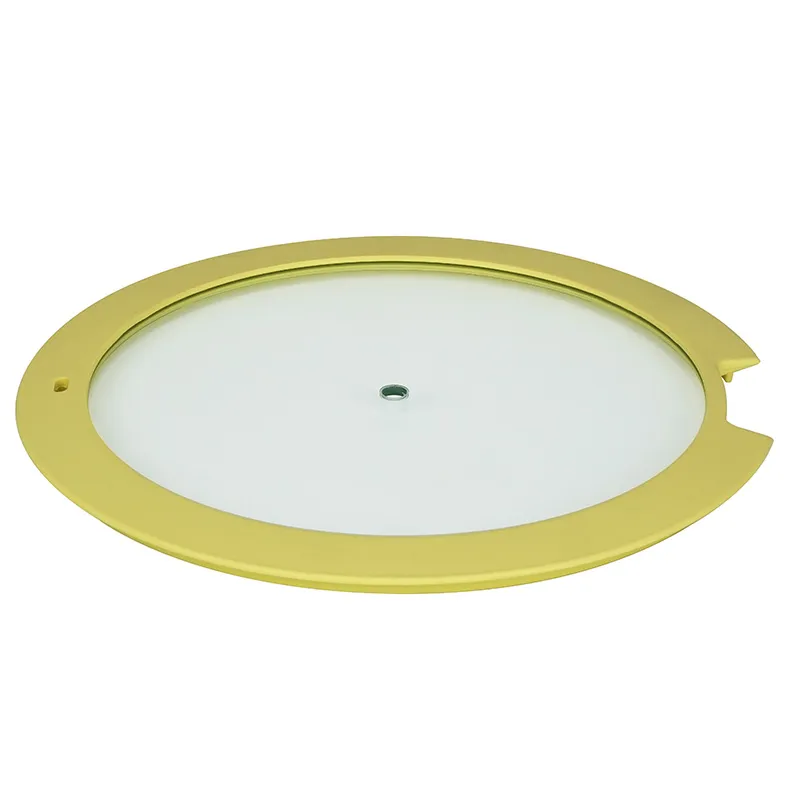
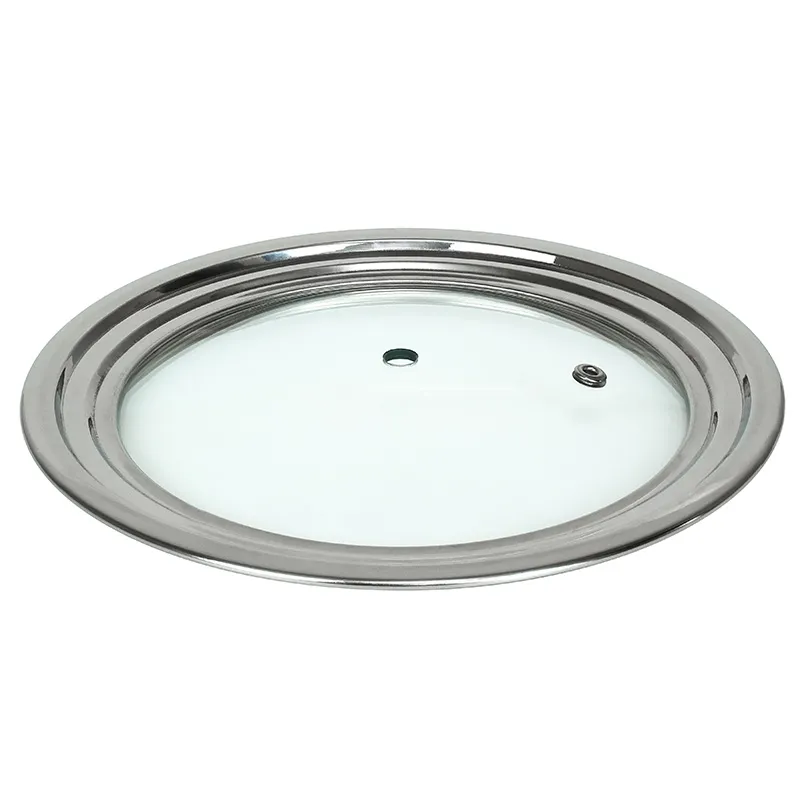
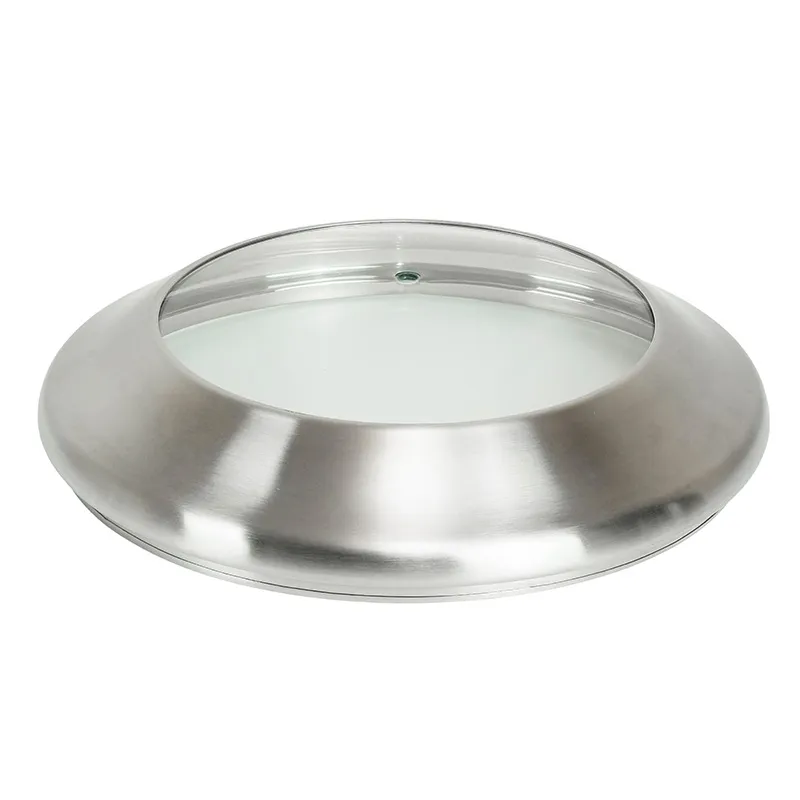
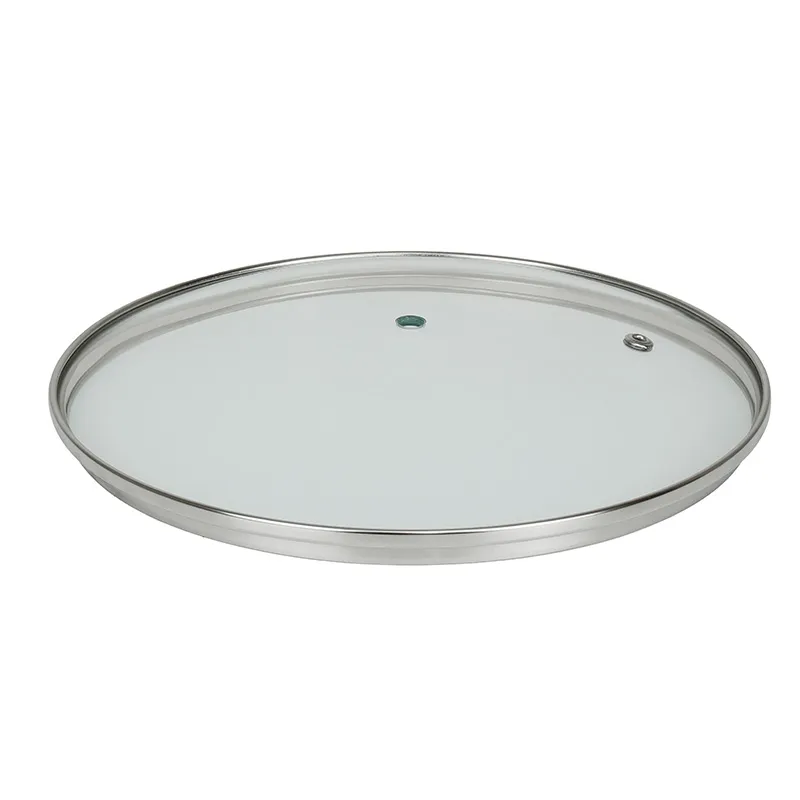
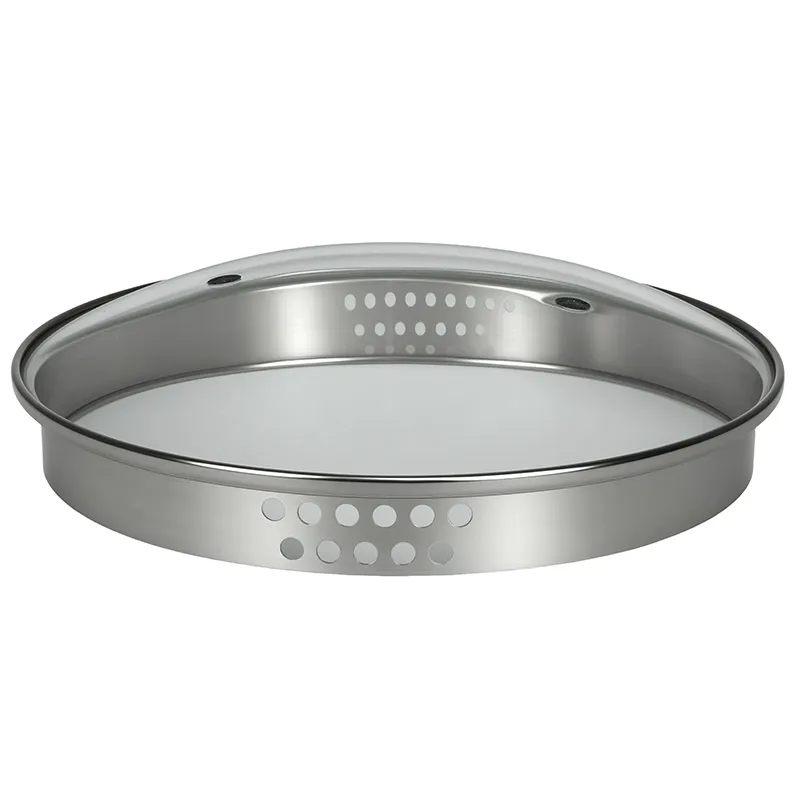
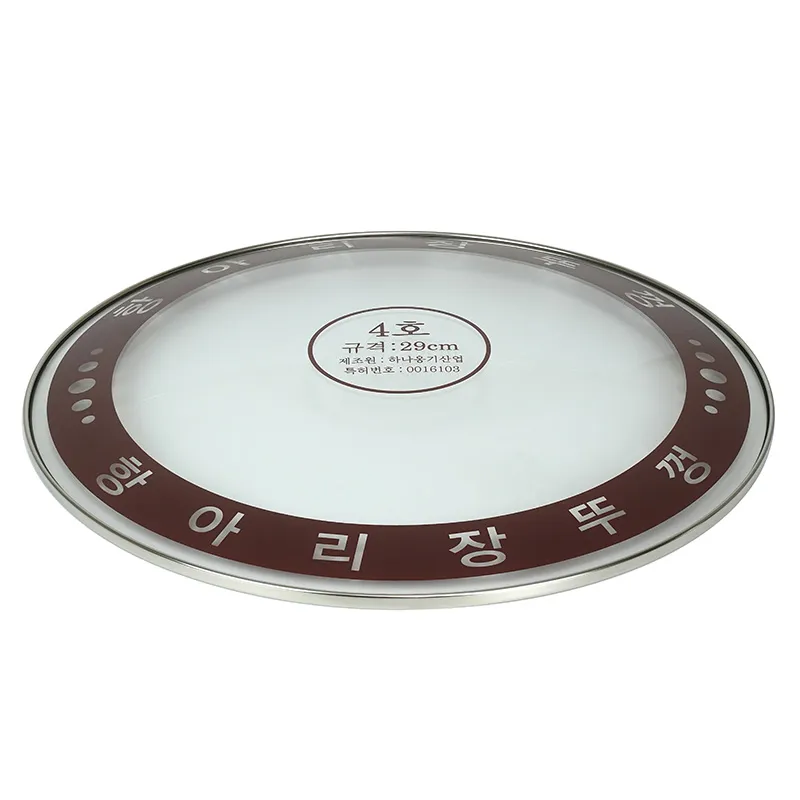
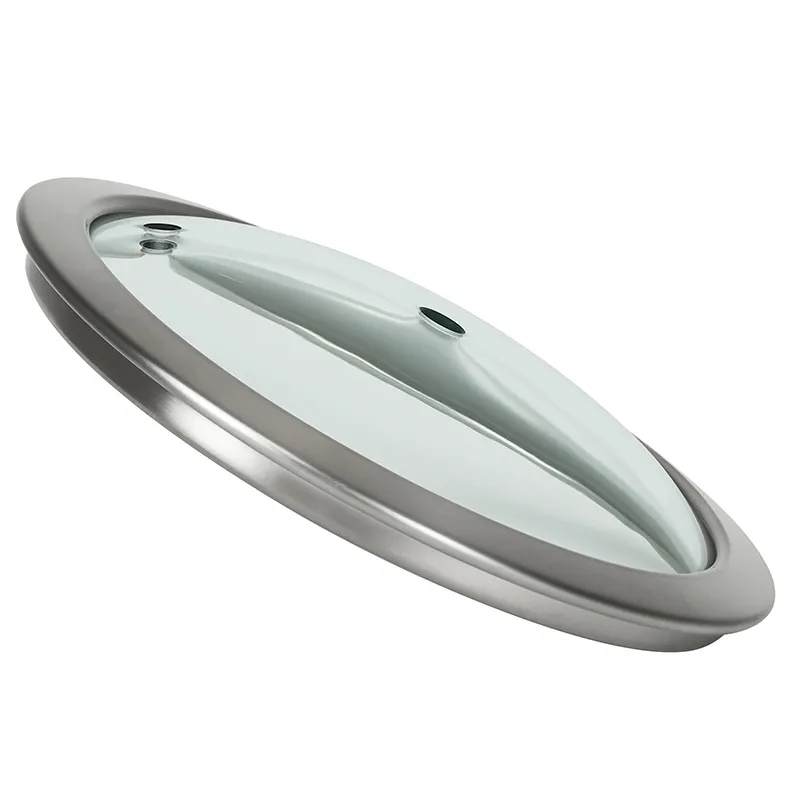
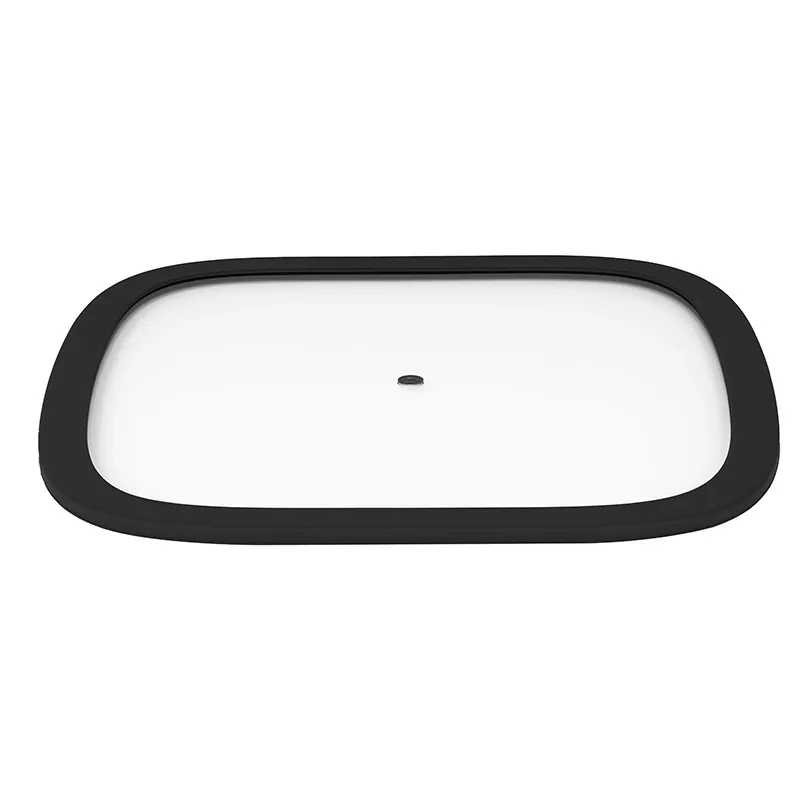
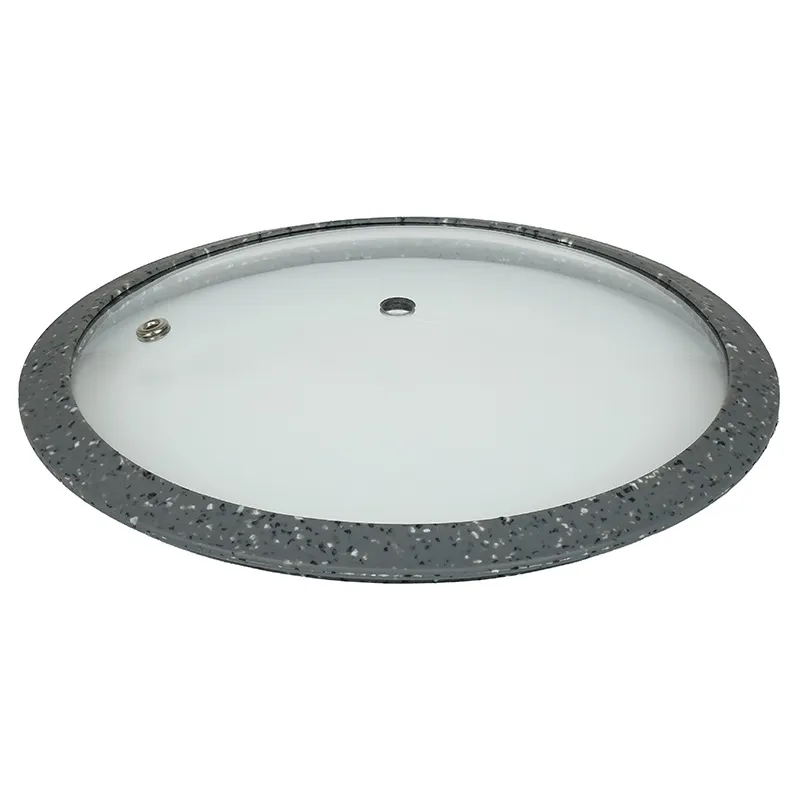
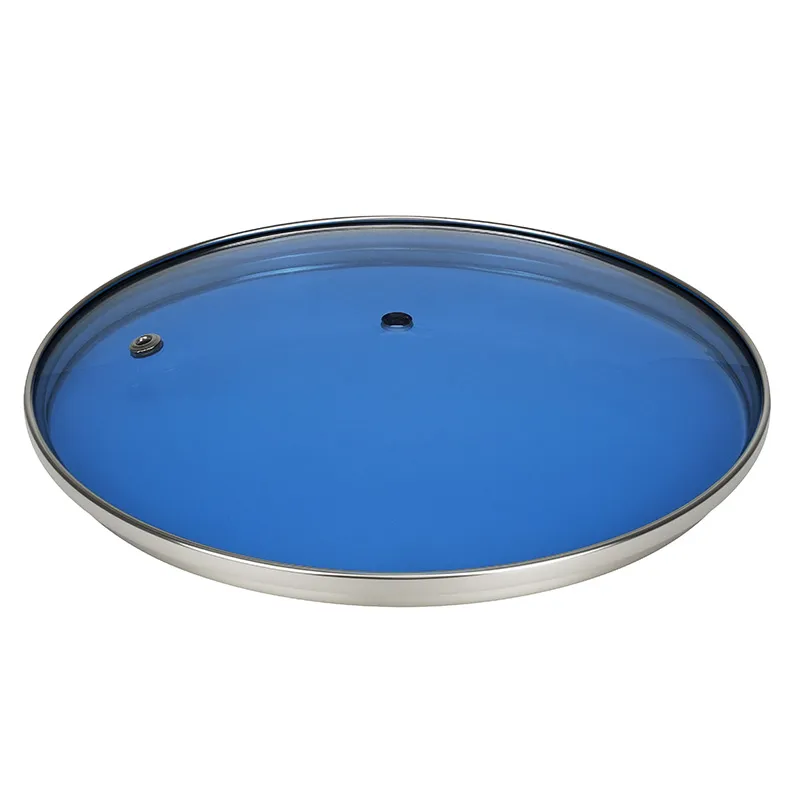
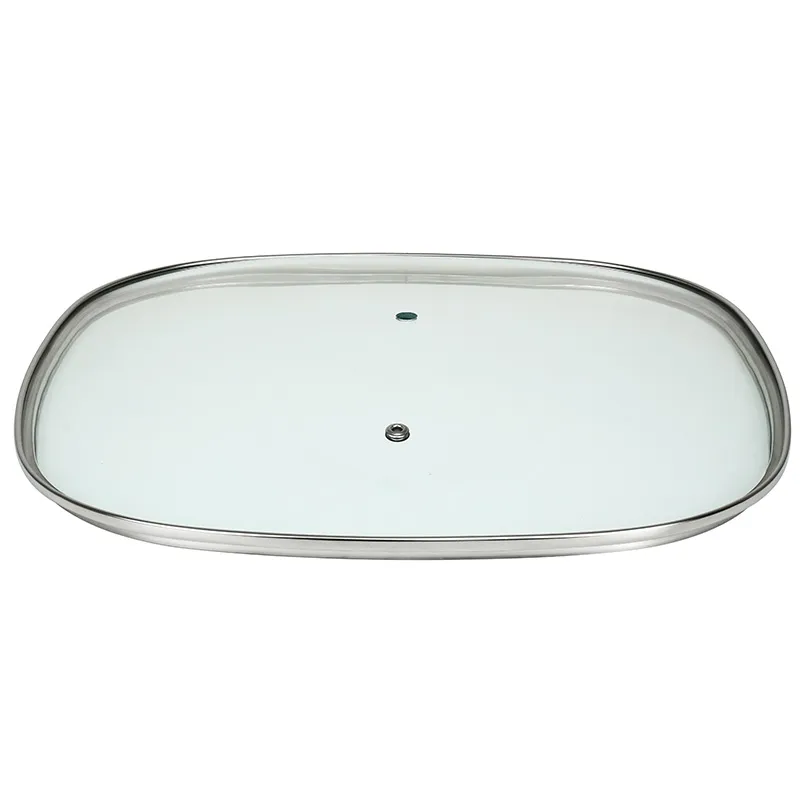
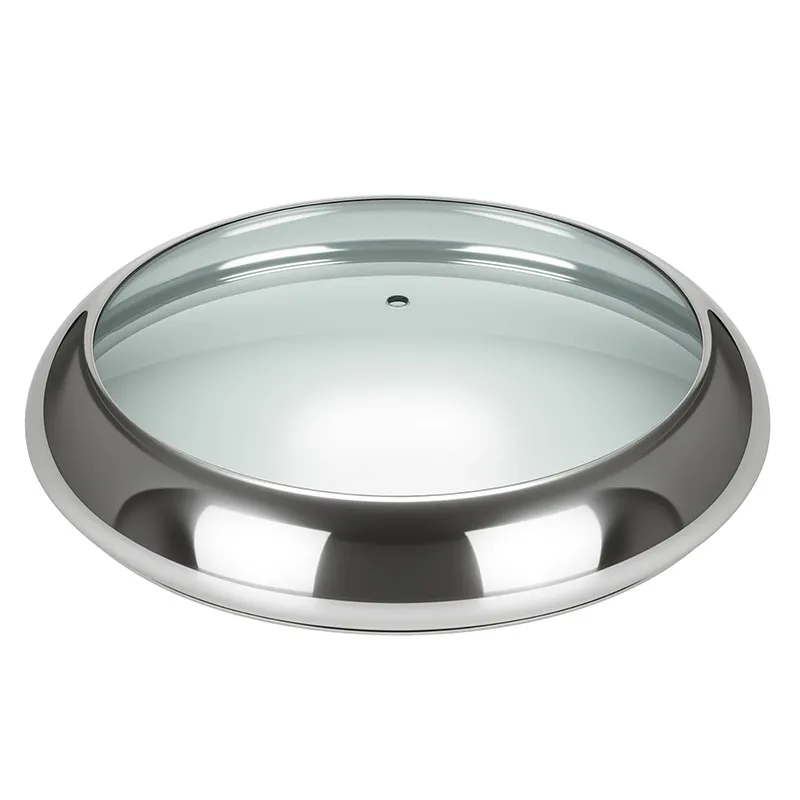
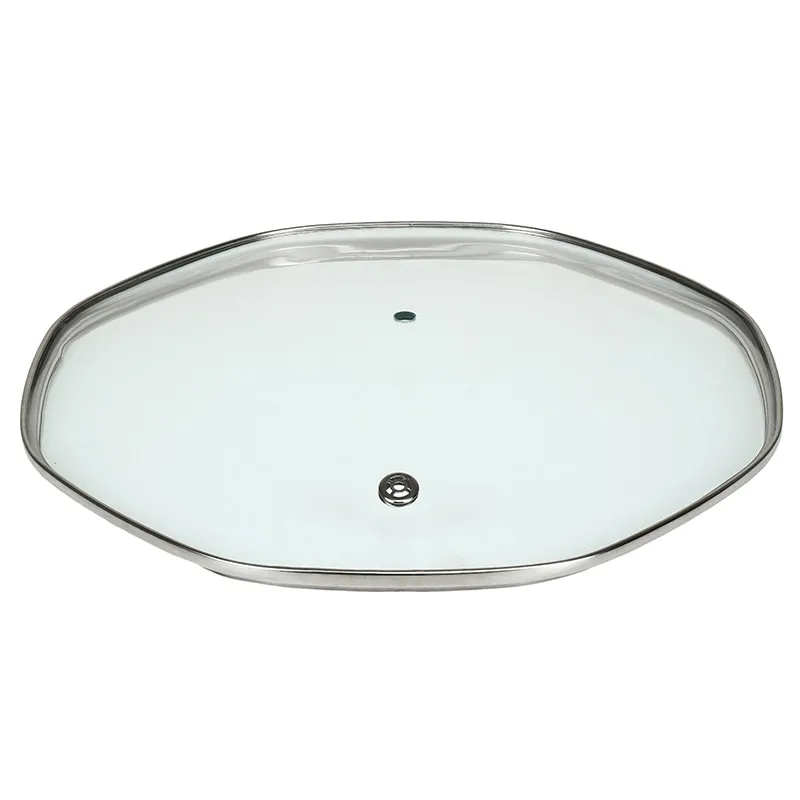
G glass lid
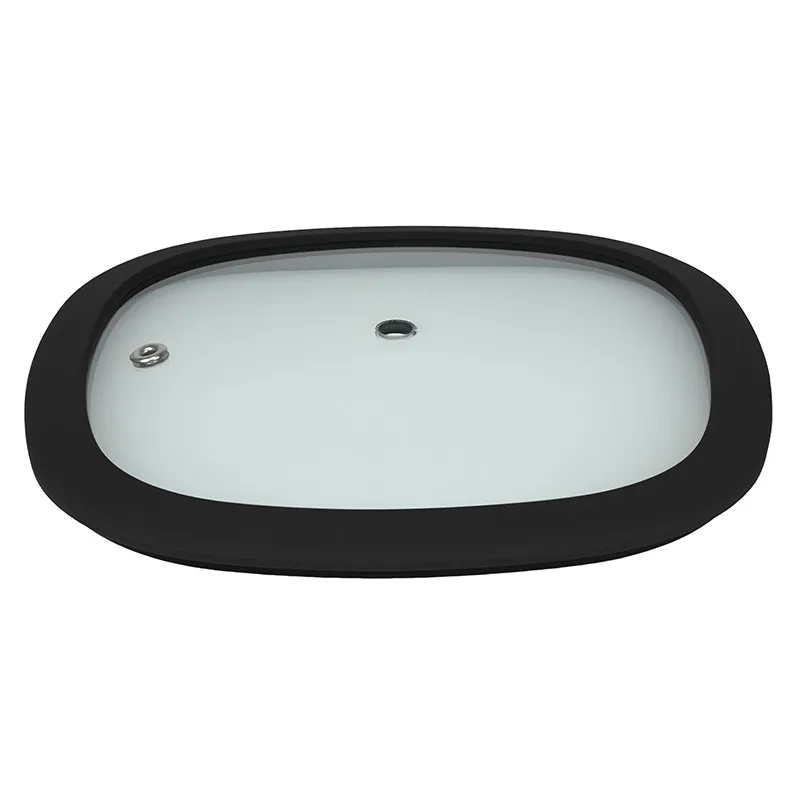
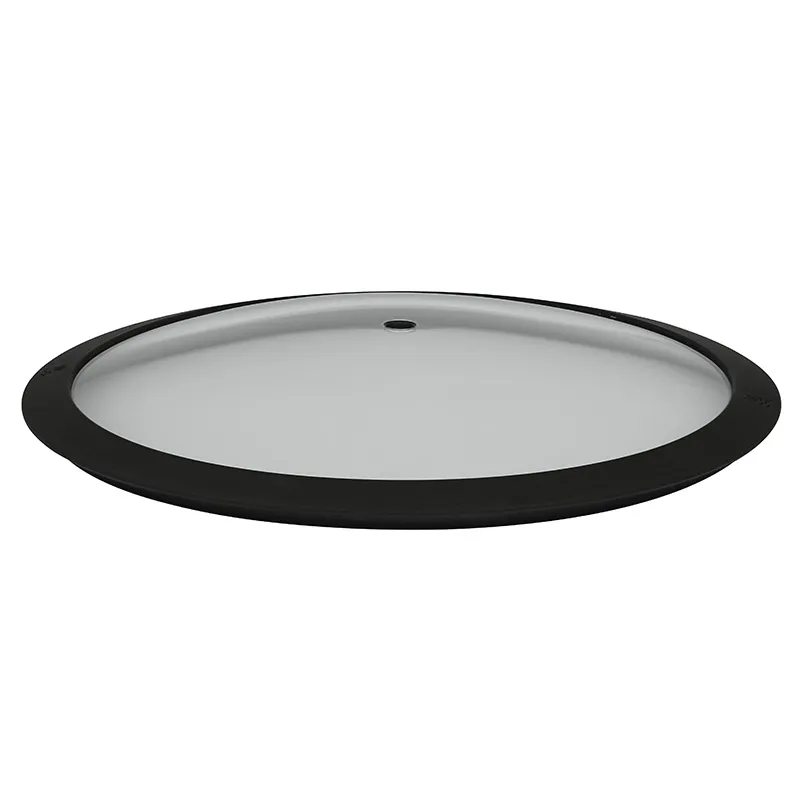
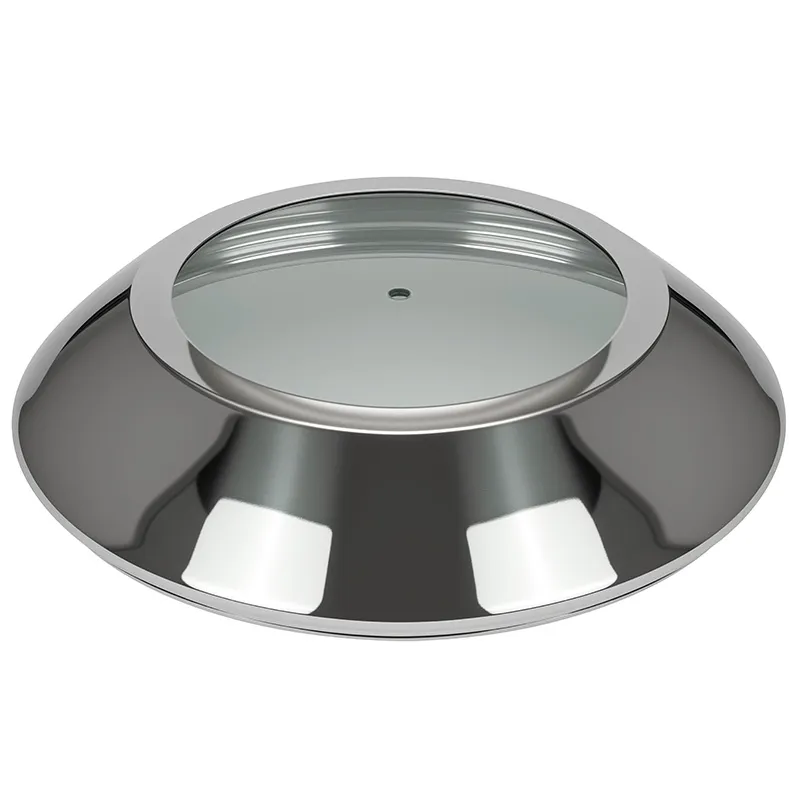
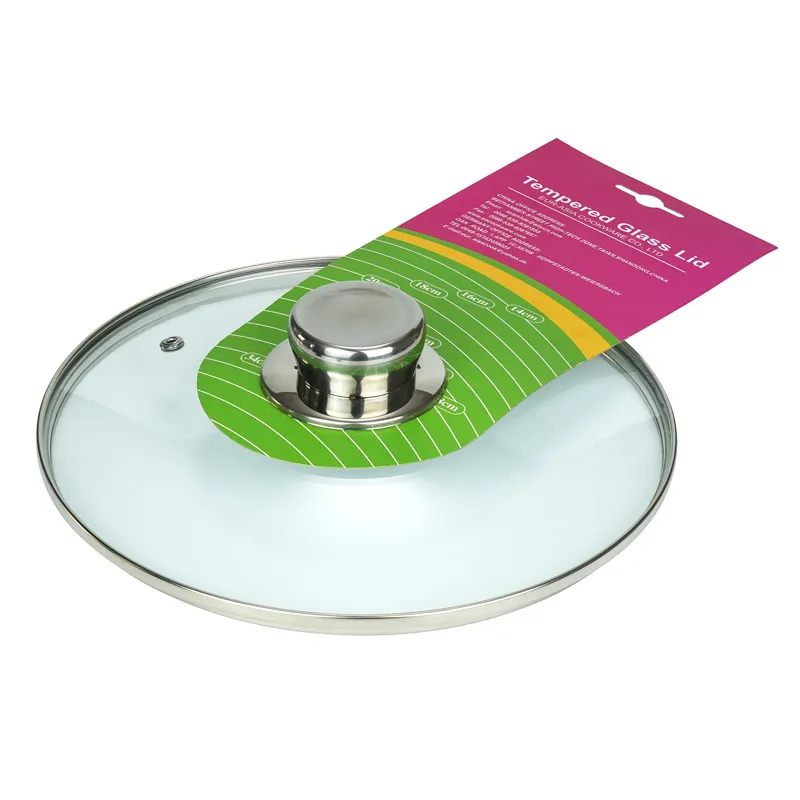
When you hear 'G glass lid', if you just think of a generic tempered glass cover for a pot, you're missing the point. The 'G' isn't just a random letter; in our line of work, it often signals a specific grade, a particular thermal shock resistance standard, or even a proprietary handle attachment system that separates a product that survives a year from one that lasts a decade. I've seen too many buyers, even some designers, fixate purely on dimensions and clarity, treating it as a simple commodity. That's where the real headaches begin—warranty claims for thermal breaks, complaints about handle wobble, or the dreaded 'fogging' that isn't really fogging but internal micro-fractures. It's a component that demands respect for its engineering.
The Manufacturing Reality Check
Visiting factories shapes your perspective. I remember walking through a production line, much like the one at EUR-ASIA COOKWARE CO.,LTD's facility in Taian. The scale hits you first—an annual output of 15 million pieces isn't just a number. It means their processes are dialed in for consistency. But consistency in what? For a G glass lid, the critical phase isn't the tempering itself, which everyone does, but the cold-end inspection. You see workers under specific lighting checking for barely visible stress patterns. A missed flaw here means a lid that might pass a standard impact test but will shatter unpredictably during a rapid temperature change, like going from a simmering pot to a granite countertop.
Their export focus—over 90% to markets like Germany and Japan—is a silent testament. Those markets have brutal return policies and consumer expectations that are unforgiving. A German housewife will notice if the silicone seal on the rim has a 0.5mm variance that affects the steam venting. This export pressure forces a quality tier that a purely domestic-focused operation might not need to achieve. It creates a specific kind of product DNA.
One failed spec I dealt with involved the handle rivets. We sourced a batch of seemingly perfect glass lids, but after about 50 dishwasher cycles, a slight rotational play developed. The issue? The metal insert molded into the glass for the screw had a different thermal expansion coefficient than the surrounding glass. The factory—not EUR-ASIA, another one—had used a cheaper alloy. The fix was costly. It taught me that the true cost of a lid is buried in these material marriages, not the base glass cost.
The Fitness for Use Conundrum
Here's a practical dilemma: a lid for a high-end stainless steel sauté pan versus one for a ceramic Dutch oven. They're both 28cm, so just sell the same lid, right? Wrong. The thermal environment is different. The steel pan heats quickly and evenly; the Dutch oven is all about retained, radiant heat. A G glass lid for the Dutch oven needs a higher sustained heat tolerance at the rim where it contacts the stoneware. I've seen lids warp slightly at that contact ring, breaking the seal, because they were designed for a thinner metal pan lip.
This is where a producer's specialization matters. A company like EUR-ASIA, with its range from low to high-level products, likely has different lines or formulas. Their 'high-level' lid for the European market probably uses a different glass composition with more boron, increasing the strain point, compared to their 'medium-level' line. It's not better or worse; it's about fitness for use. Pushing a medium-tier lid into a high-heat retention application is asking for trouble.
Then there's the handle. The trend is towards stainless steel or phenolic resin knobs screwed into a metal post. The failure point is almost never the knob, but the seal where the post penetrates the glass. A proper design will have a compression gasket and often a secondary silicone sealant applied after assembly. A cheap one just uses a thread locker. In a humid kitchen environment, that difference determines whether moisture creeps in over time, leading to that cloudy look people mistake for fogging.
Logistics and the Invisible Cost
An output of 15 million pieces a year, as stated on glass-lid.com, brings another layer of complexity: packaging. A G glass lid is fragile, but also heavy relative to its volume. The cost of the corrugated cardboard, the die-cut foam inserts, and the air film—it adds up. More importantly, poor packaging leads to transit breaks, which destroy margin. I've opened containers where an entire pallet was compromised because the box design didn't account for high-G forces during sea freight braking. The lids were packed for warehouse stacking, not for dynamic transport.
This massive scale also dictates material sourcing. They're not buying glass cullet by the ton; they're likely contracting with float glass plants for specific cuts. This gives them price stability but also locks them into certain thicknesses and basic compositions. If a client wants a niche product—say, a cobalt blue tinted glass lid for a high-end line—it might not be feasible unless the order volume justifies a separate melt at the glass plant. It's a constant negotiation between customization and scalable efficiency.
The export footprint to Brazil, Turkey, South Korea, etc., isn't just sales data. It means their products are certified to meet a kaleidoscope of international standards: LFGB for Germany, FDA for the US indirectly through cookware sets, and various safety marks across Asia. Each certification requires slightly different testing protocols, sometimes for the same physical property. Managing this for millions of units is a backend triumph that goes completely unseen by the end-user.
The Silicone Seal: Small Part, Big Problems
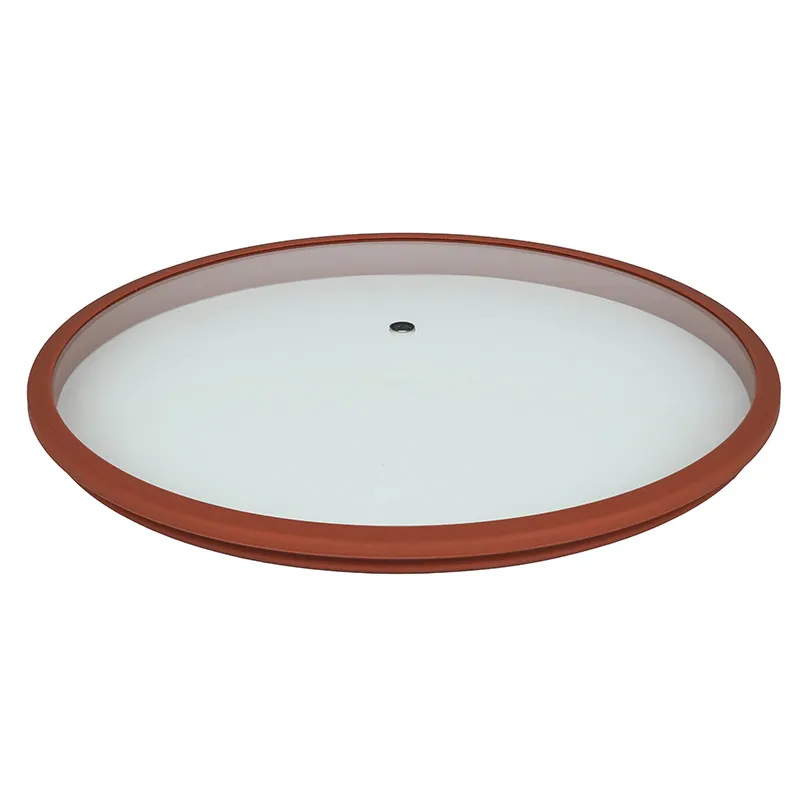
Let's zoom in on one detail: the perimeter silicone gasket. It's often an afterthought in procurement, but it's the primary functional interface. Its job is to seal steam but also to cushion the glass against the metal pot rim. A gasket that's too hard won't seal; one that's too soft degrades quickly and can even impart a slight odor to the food steam.
We once had a batch where the gaskets, after a few months in warehouse storage, developed a slight tackiness. They'd begun to off-gas plasticizers and would tear upon installation. The root cause was the silicone compound supplier changing a curing agent to save cost. The lid glass was perfect, but the product was useless. It highlighted that auditing your lid supplier means auditing their entire supply chain, down to the rubber pellet vendor.
For a manufacturer like EUR-ASIA, with 90+ employees, they likely do some secondary assembly in-house. The question is, do they mold their own silicone seals or source them? In-house molding gives better control but requires significant capital in injection machines and clean-room environments for food-grade silicone. If they source them, their quality depends on another party's consistency. It's a strategic choice that directly impacts the reliability of the final G glass lid.
Looking at the Glass Itself
Finally, the core material. Tempered glass is a broad church. The key metric for a lid is thermal shock resistance, measured in the ΔT (the temperature difference it can withstand). A good culinary glass lid should handle a ΔT of at least 150°C, meaning you can take it from a 200°C oven and place it on a 50°C wet counter. But achieving that isn't just about the tempering oven's settings.
The raw glass quality is paramount. It must be virtually free of inclusions like stones or bubbles, as these become stress concentrators. The cutting and edging before tempering must be flawless; a microscopic chip on the edge becomes the epicenter for a crack. When you visit a serious plant, you'll see the edging is done with diamond wheels under constant water coolant, not dry. It's a slower, more expensive process, but it prevents subsurface damage.
So, when you evaluate a G glass lid, don't just look through it. Look at its edge under a light. Feel the weight and balance—a well-made lid has a heft that speaks to its thickness consistency. Press on the handle to check for flex. These are the tangible results of the scale, export rigor, and manufacturing focus that companies operating at the level of EUR-ASIA COOKWARE have to master. It's never just a piece of glass; it's a carefully balanced intersection of material science, mechanical design, and brutal practical economics.
Related Products
Related Products