- Chinese
- French
- German
- Portuguese
- Spanish
- Russian
- Japanese
- Korean
- Arabic
- Irish
- Greek
- Turkish
- Italian
- Danish
- Romanian
- Indonesian
- Czech
- Afrikaans
- Swedish
- Polish
- Basque
- Catalan
- Esperanto
- Hindi
- Lao
- Albanian
- Amharic
- Armenian
- Azerbaijani
- Belarusian
- Bengali
- Bosnian
- Bulgarian
- Cebuano
- Chichewa
- Corsican
- Croatian
- Dutch
- Estonian
- Filipino
- Finnish
- Frisian
- Galician
- Georgian
- Gujarati
- Haitian
- Hausa
- Hawaiian
- Hebrew
- Hmong
- Hungarian
- Icelandic
- Igbo
- Javanese
- Kannada
- Kazakh
- Khmer
- Kurdish
- Kyrgyz
- Latin
- Latvian
- Lithuanian
- Luxembou..
- Macedonian
- Malagasy
- Malay
- Malayalam
- Maltese
- Maori
- Marathi
- Mongolian
- Burmese
- Nepali
- Norwegian
- Pashto
- Persian
- Punjabi
- Serbian
- Sesotho
- Sinhala
- Slovak
- Slovenian
- Somali
- Samoan
- Scots Gaelic
- Shona
- Sindhi
- Sundanese
- Swahili
- Tajik
- Tamil
- Telugu
- Thai
- Ukrainian
- Urdu
- Uzbek
- Vietnamese
- Welsh
- Xhosa
- Yiddish
- Yoruba
- Zulu
- Kinyarwanda
- Tatar
- Oriya
- Turkmen
- Uyghur

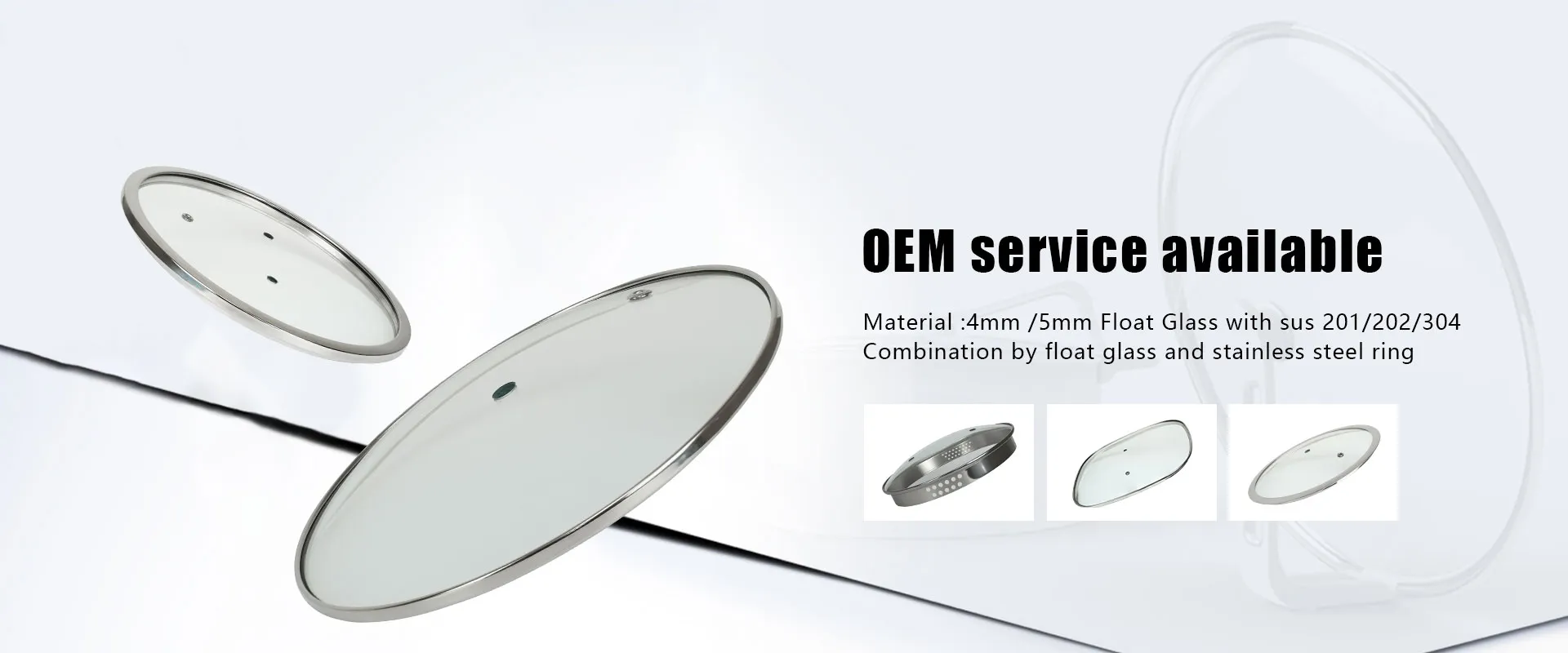
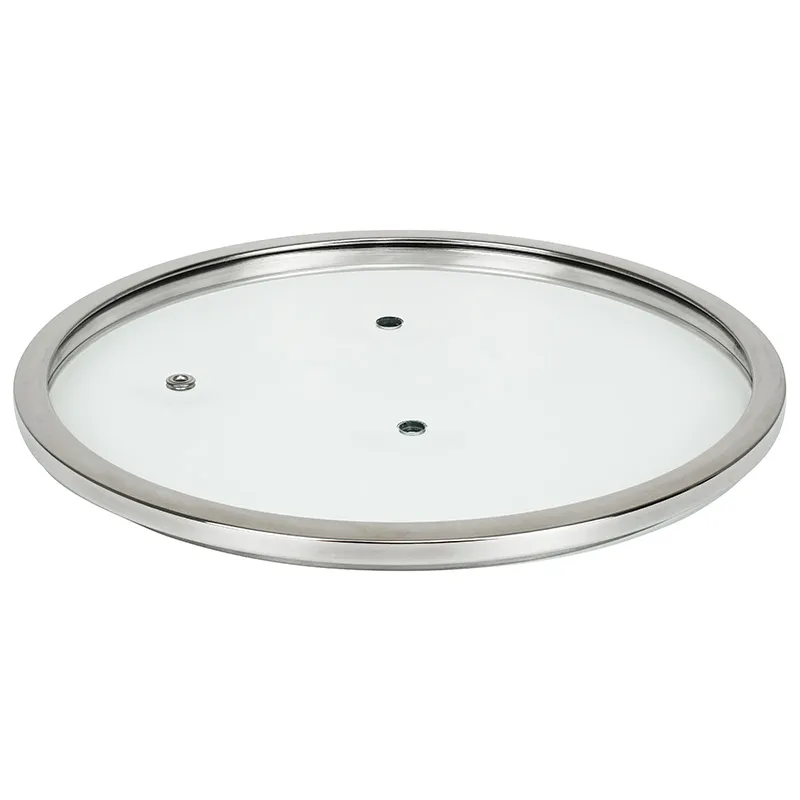
G type glass lid
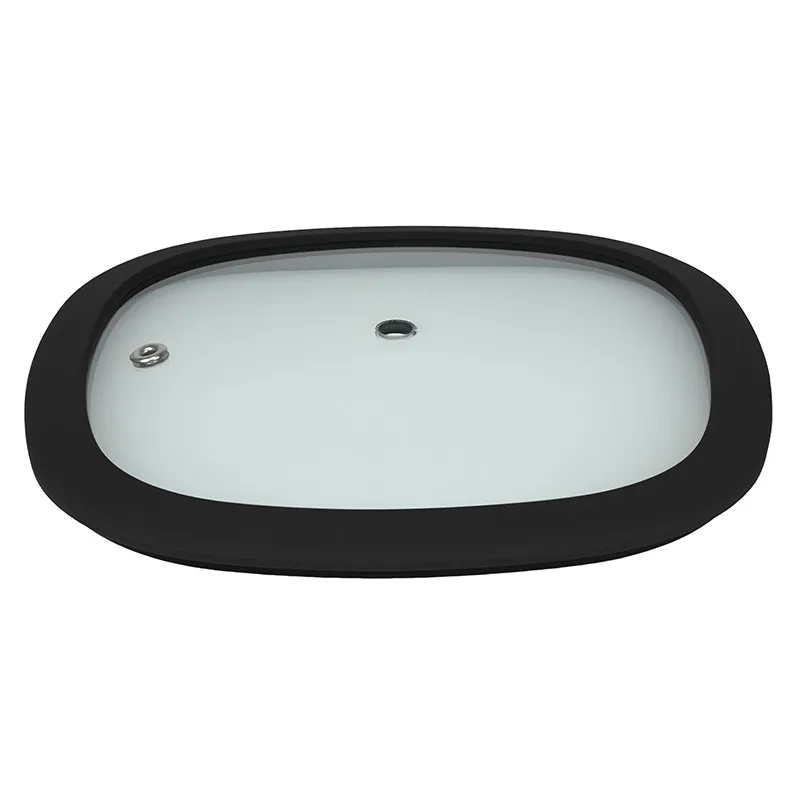
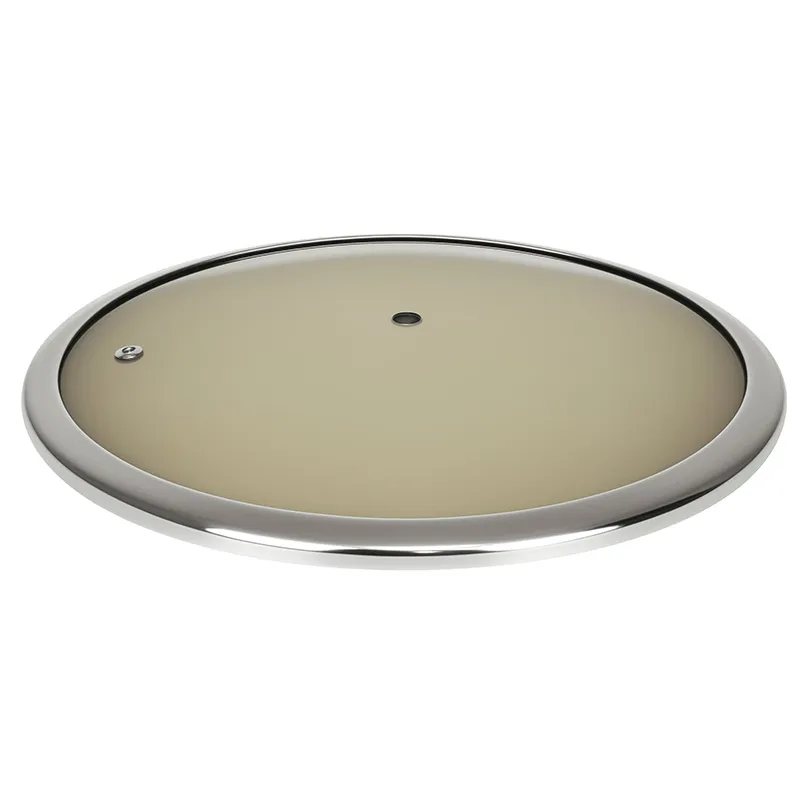
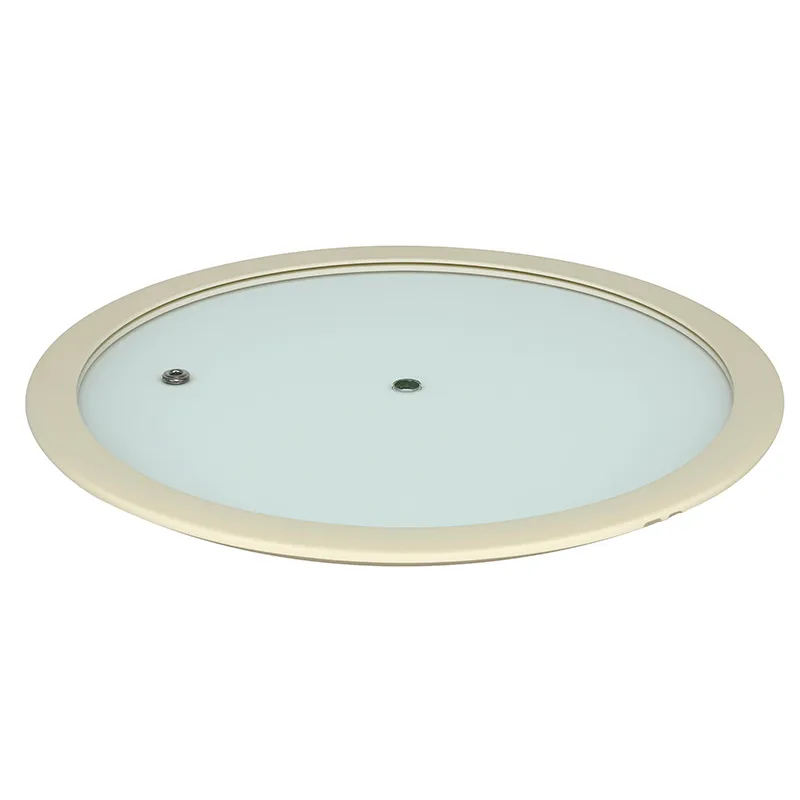
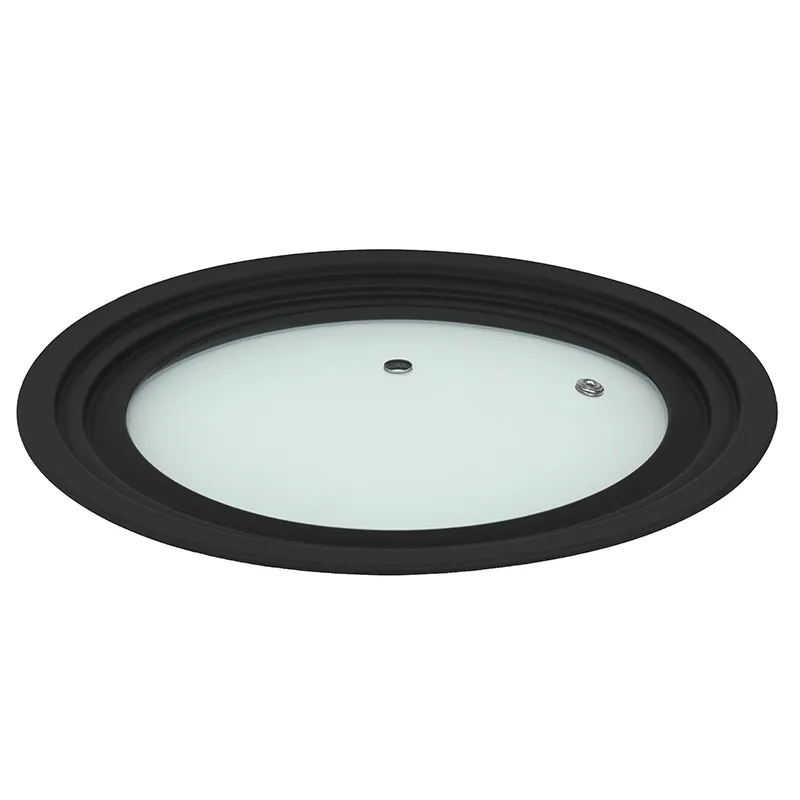
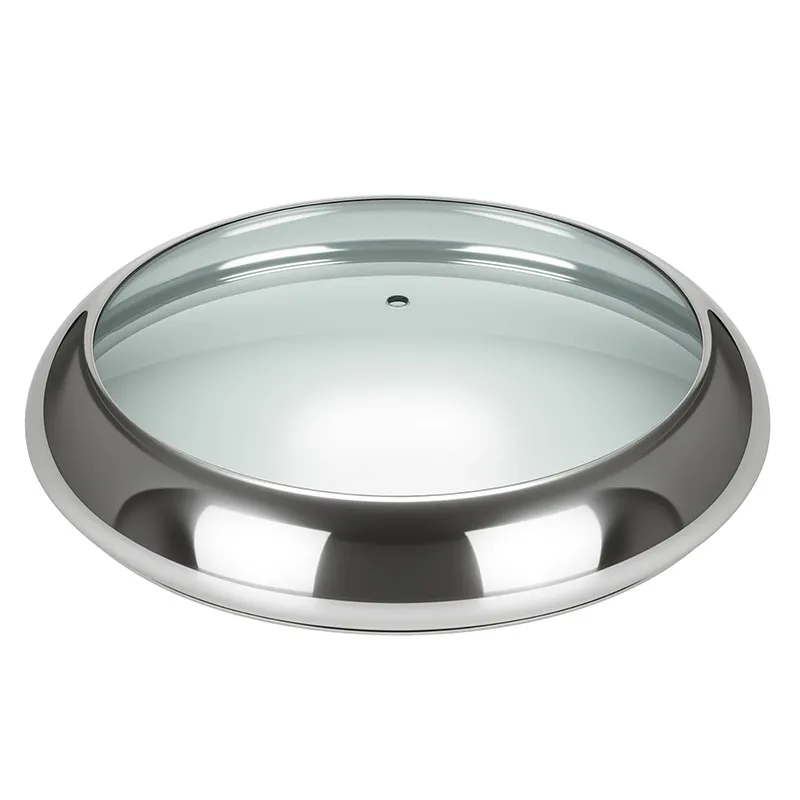
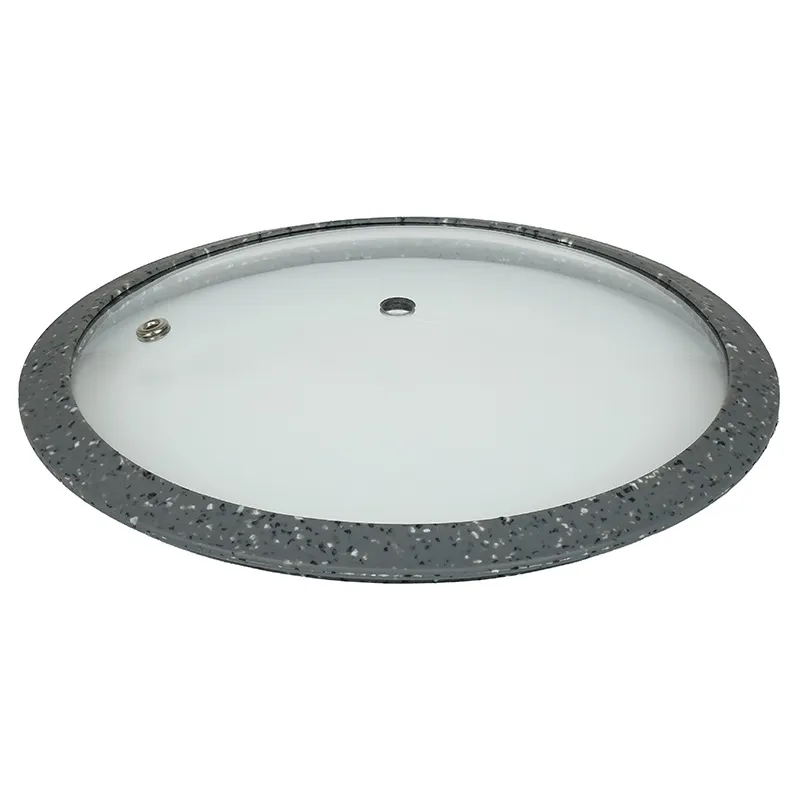
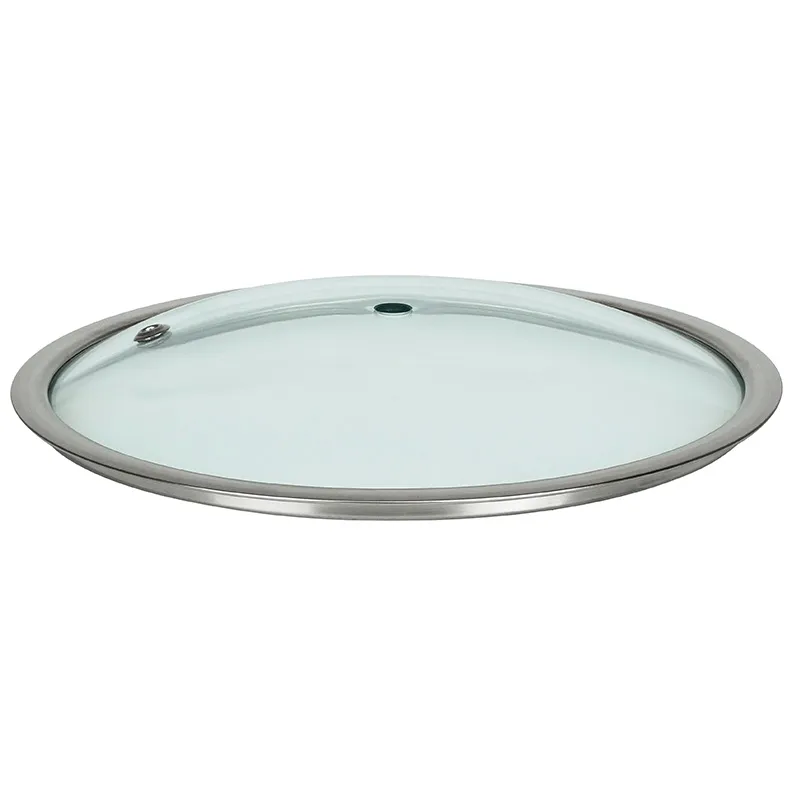
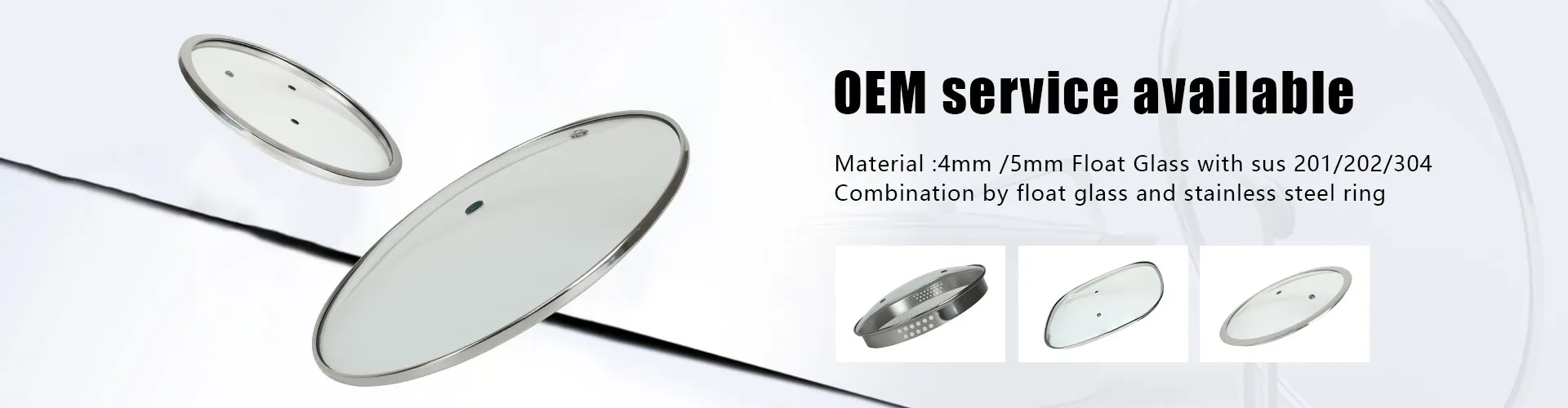
When you hear 'G type glass lid', most think it's just a tempered glass cover with a specific handle shape. That's the surface-level industry shorthand, and frankly, where a lot of sourcing mistakes begin. The 'G' isn't just about geometry; it's a whole package deal involving the tempering curve, the sealing lip profile, and crucially, how it mates with a specific series of cookware bodies from European manufacturers. I've seen orders get rejected because the lid fit the diameter but created a steam gap you could drive a truck through. The real conversation starts after you acknowledge the spec sheet is only half the story.
The Manufacturing Nuances Most Data Sheets Miss
Take tempering. For a standard lid, you aim for a uniform stress layer. But with a G type glass lid, the stress distribution isn't uniform because of that pronounced, often offset, handle boss and the reinforced rim. If the cooling jets aren't calibrated for the asymmetry, you get weak zones near the handle anchor points. I remember a batch from a new supplier—passed the basic impact test but failed in thermal shock when used on a high-BTU gas hob. The failure points? Always radiating from the handle base. The glass hadn't been 'tuned' for the thermal gradient a real-world cooking process creates.
Then there's the grinding of the edge. It's not just a safety finish. The bevel angle and smoothness directly affect how the silicone gasket (if the design uses one) seats and compresses. A too-sharp bevel can cut into the gasket over repeated cycles, a too-rounded one might not provide enough 'bite', leading to rocking. The factory that gets this right, like EUR-ASIA COOKWARE CO.,LTD, often has a separate, dedicated finishing line for lids versus other glass products. It's a detail you only notice on a plant floor tour.
Material sourcing is another quiet differentiator. The clarity and iron content of the clear glass base matter more than you'd think for premium markets. A slight green tinge (from higher iron) might be acceptable for some, but German buyers, for instance, are notoriously particular about optical clarity. It signals purity and quality. The production base in Taian's High-tech Development Zone sources specific low-iron float glass, which adds cost but is non-negotiable for their key export regions. It's one reason they consistently supply to EU markets.
Fit, Function, and the Reality of Universal Claims
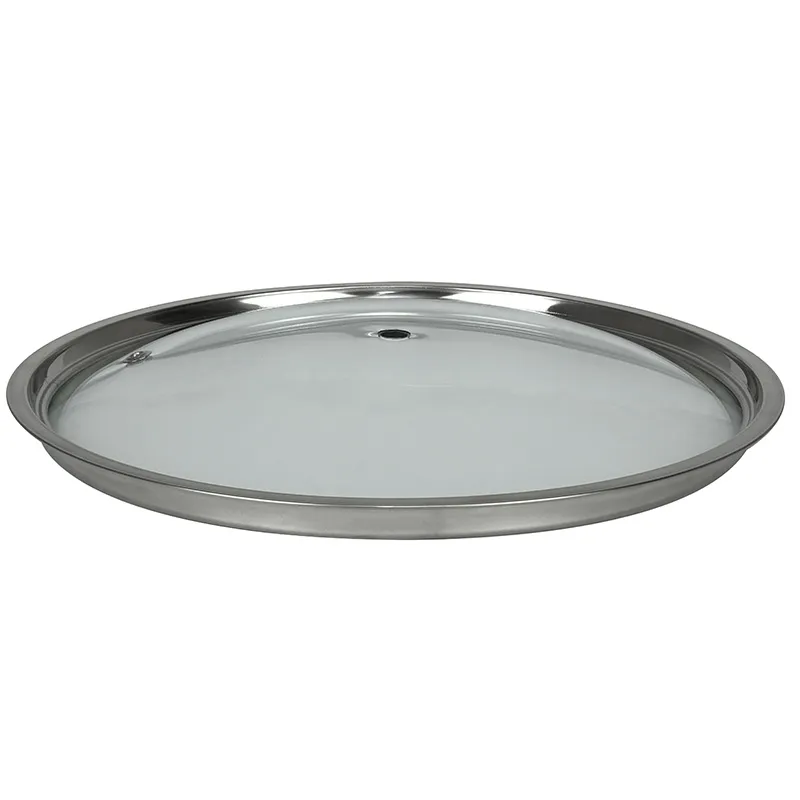
The biggest pitfall is assuming interchangeability. A 24cm G type glass lid from Brand A rarely fits a 24cm pot from Brand B perfectly. The devil is in the 'overhang' or 'inset' dimension and the curvature of the lid's underside. We learned this the hard way early on. We sourced a beautiful, well-made G-type lid as a universal replacement line. The diameter was perfect, but the curvature was flatter than the pots our client was using. Result? Condensation dripped down the outside of the pot instead of rolling back inside. Customer complaints about messy stovetops flooded in. A total functional failure despite dimensional 'accuracy'.
This is where collaboration with the cookware manufacturer is vital. The best lid producers don't just sell you a product; they need the pot's rim profile CAD data. Companies like EUR-ASIA often work from these precise drawings, sometimes even creating custom molds for the glass bending process to ensure that the lid's underside mirrors the pot's inner shoulder. Their annual output of over 15 million pieces isn't of one design; it's a vast array of subtly different 'G types' tailored to client portfolios. That's the scalability that impresses.
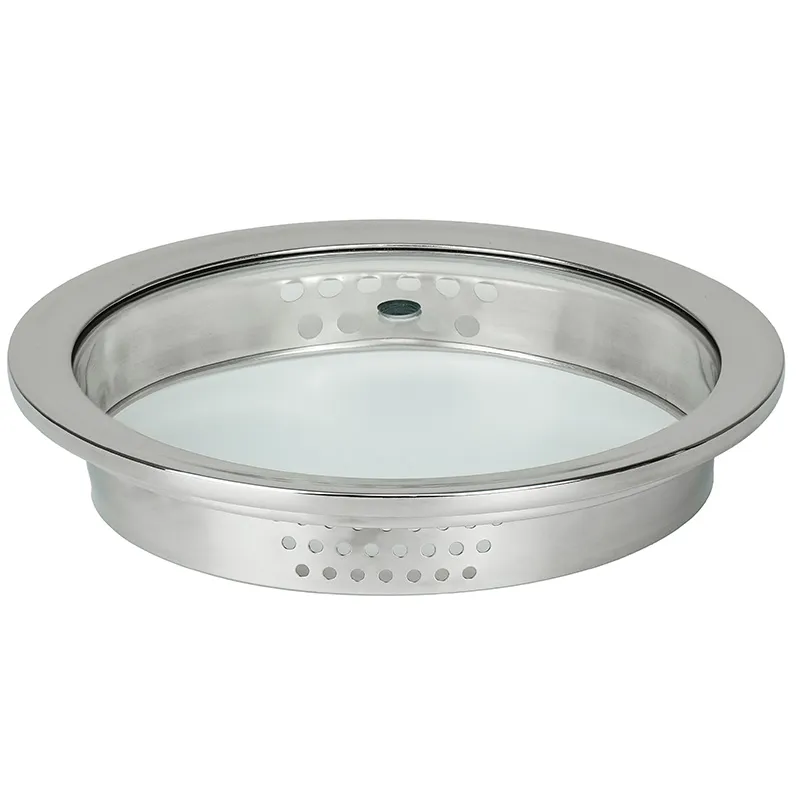
The handle assembly is its own saga. Is it stainless steel, phenolic resin, or a silicone sleeve? The attachment method—usually a stainless steel bolt and nut—seems simple. But the thermal expansion rates of glass, metal, and plastic differ. A poorly designed assembly will loosen or creak after oven cycles. A good one uses a compression spring or a specific thread-locking adhesive under the nut. It's a tiny component that speaks volumes about the engineering depth. You can assess a supplier's seriousness by asking them to disassemble and explain the handle fixture.
Logistics and the Fragility Factor
Packing is where profits get eaten. Tempered glass is strong under even pressure but vulnerable to point impacts on the surface during shipping. The standard honeycomb cardboard partition isn't enough for long-haul, multi-modal transport to places like Brazil or Poland. We had to switch to molded pulp trays that cradle the entire lid surface, not just the edges, after a container arrived with a 40% breakage rate. The cost per unit for packing went up by 8 cents, but the savings on replacements and claims were massive.
Stackability in the carton is another subtle art. The lids must nest without the handles of one scratching the glass surface of another. Some designs incorporate small, molded plastic spacers that clip onto the handle. Others use a paper interleaf. EUR-ASIA's volume—exporting over 90% of their output—means their packaging has been stress-tested across global supply chains. They've likely already optimized this through painful trial and error. When auditing a supplier, always ask to see the export pack, not just the retail pack.
Lead times are deceptive. Yes, the production might be 30 days. But the real timeline includes ocean freight, customs clearance at the destination (especially with glass, which can sometimes attract odd duties), and pre-retail quality checks. Building a buffer for these logistical realities is part of professional sourcing. It's not pessimism; it's experience.
The EUR-ASIA Case: Scaling Specificity
Looking at EUR-ASIA COOKWARE CO.,LTD's operation offers a textbook case of doing it right. Their specialization in low-to-high level household glass products isn't marketing fluff. It means they have the lines and expertise to produce both an economical G type glass lid for a high-volume supermarket chain and a precision, low-iron, custom-curved version for a high-end German brand. The 20,000㎡ facility and 90+ employees allow for this segmentation. You don't hit 15 million pieces annually by being a job shop; you do it by having standardized processes for customization.
Their export footprint—Germany, Russia, Italy, Japan, etc.—is a testament to passing diverse market standards. The German LFGB requirements, Italian design sensibilities, and Japanese space-efficiency demands are all different. A factory serving only one region can optimize for that. A factory successfully serving all of them has built a flexible, rigorous quality management system. It suggests their technical team can navigate different material and safety specs efficiently.
The location in Shandong's National High-tech Development Zone is also telling. It's not just about tax benefits. It often means better infrastructure, more reliable utilities (critical for consistent glass tempering furnaces), and access to a skilled technical workforce. This stability is a huge, often overlooked, factor in consistent quality month after month, year after year.
Concluding Thoughts: It's a Component, Not a Commodity
So, wrapping this up, the key takeaway is to stop treating a G type glass lid as a simple, off-the-shelf buy. It's a critical functional component of a cookware system. The successful sourcing of it hinges on understanding its relationship with the pot, the thermal and mechanical stresses it will face, and the logistical path to the end user.
The best suppliers are partners who engage with these engineering and usability questions. They'll ask you for the pot specs, discuss the target market's cooking habits (gas vs. induction, oven-safe requirements), and show you their failure analysis from past projects. The website https://www.glass-lid.com for EUR-ASIA, for instance, showcases a range, but the real value is in the dialogue that happens after you make contact.
In the end, the lid is the most interactive part of a pot—it's lifted, peered through, and handled constantly. Getting it wrong is glaringly obvious to the consumer. Getting it right feels seamless. And that seamlessness is the product of a hundred small, correct decisions in manufacturing, decisions that go far beyond the basic drawing of a 'G type'.
Related Products
Related Products