- Chinese
- French
- German
- Portuguese
- Spanish
- Russian
- Japanese
- Korean
- Arabic
- Irish
- Greek
- Turkish
- Italian
- Danish
- Romanian
- Indonesian
- Czech
- Afrikaans
- Swedish
- Polish
- Basque
- Catalan
- Esperanto
- Hindi
- Lao
- Albanian
- Amharic
- Armenian
- Azerbaijani
- Belarusian
- Bengali
- Bosnian
- Bulgarian
- Cebuano
- Chichewa
- Corsican
- Croatian
- Dutch
- Estonian
- Filipino
- Finnish
- Frisian
- Galician
- Georgian
- Gujarati
- Haitian
- Hausa
- Hawaiian
- Hebrew
- Hmong
- Hungarian
- Icelandic
- Igbo
- Javanese
- Kannada
- Kazakh
- Khmer
- Kurdish
- Kyrgyz
- Latin
- Latvian
- Lithuanian
- Luxembou..
- Macedonian
- Malagasy
- Malay
- Malayalam
- Maltese
- Maori
- Marathi
- Mongolian
- Burmese
- Nepali
- Norwegian
- Pashto
- Persian
- Punjabi
- Serbian
- Sesotho
- Sinhala
- Slovak
- Slovenian
- Somali
- Samoan
- Scots Gaelic
- Shona
- Sindhi
- Sundanese
- Swahili
- Tajik
- Tamil
- Telugu
- Thai
- Ukrainian
- Urdu
- Uzbek
- Vietnamese
- Welsh
- Xhosa
- Yiddish
- Yoruba
- Zulu
- Kinyarwanda
- Tatar
- Oriya
- Turkmen
- Uyghur

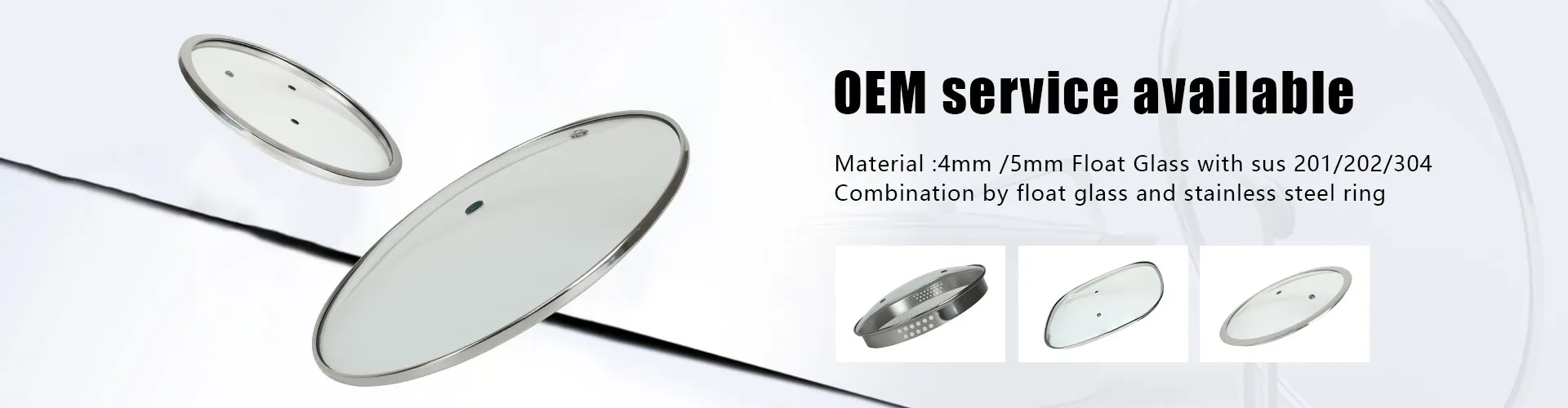
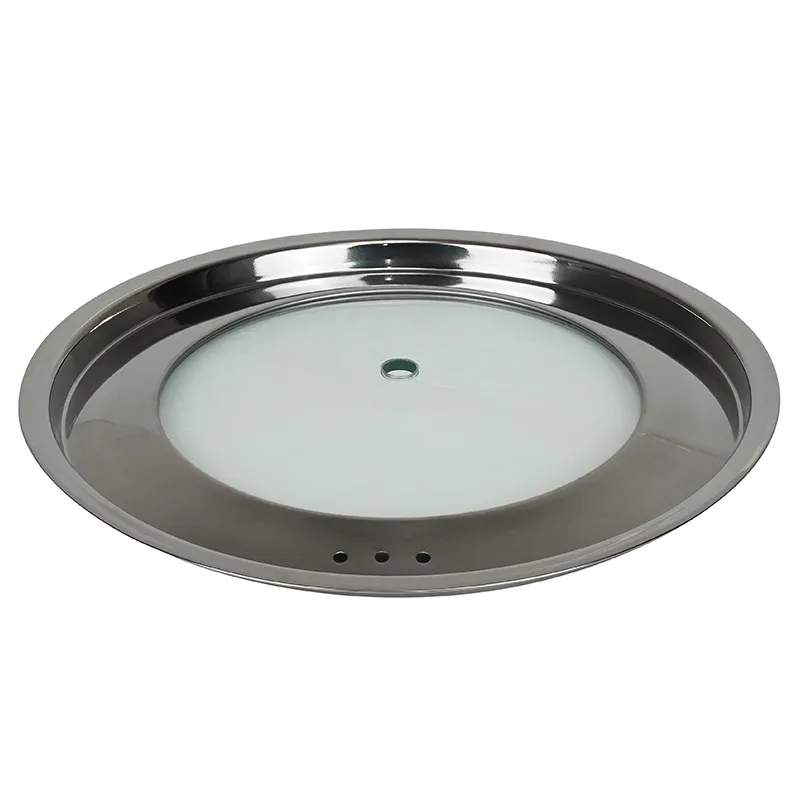
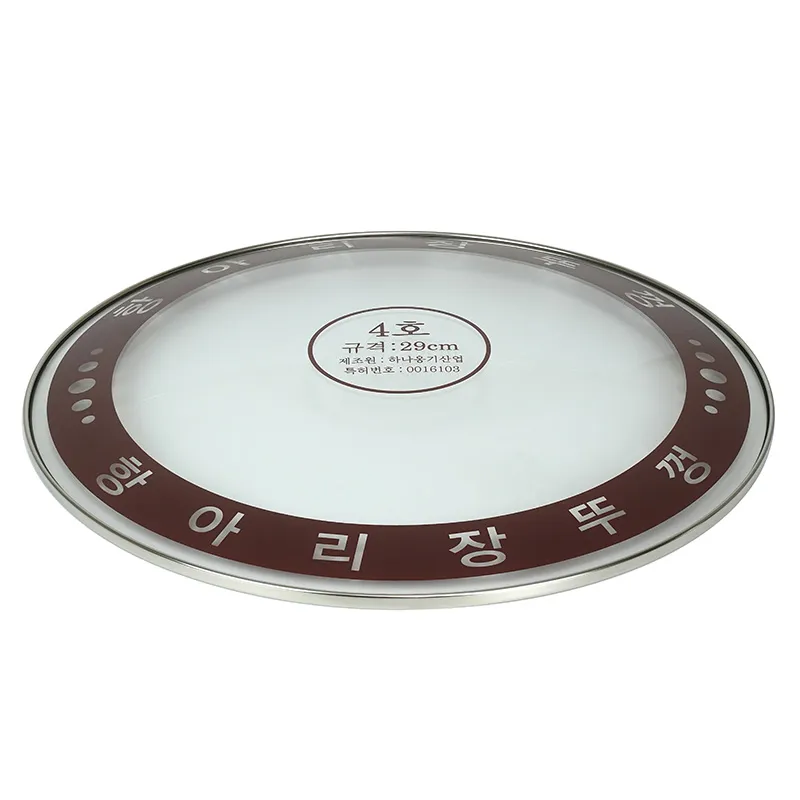
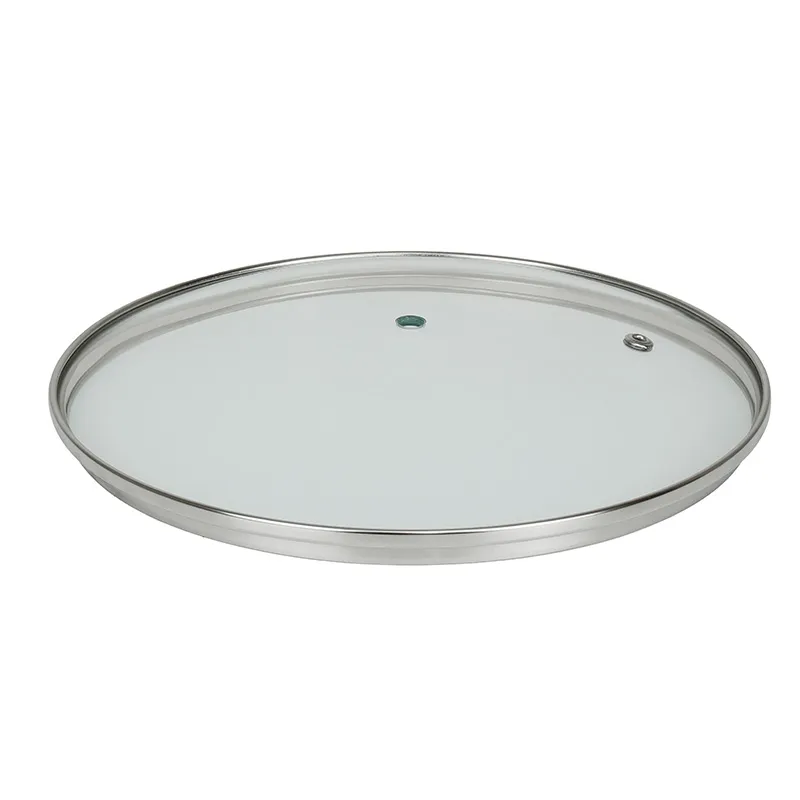
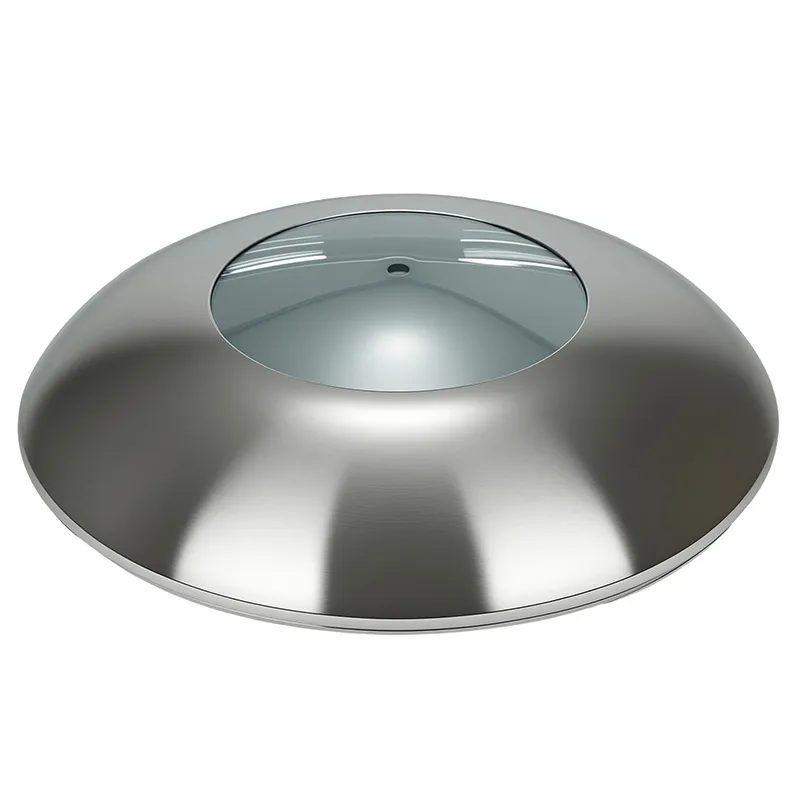
G type glass lid manufacturer
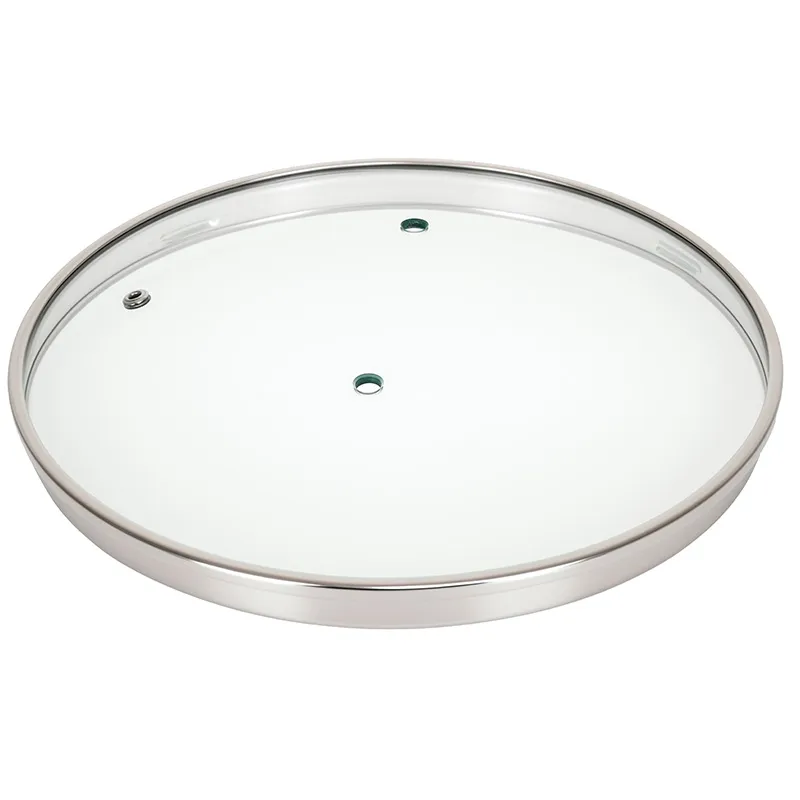
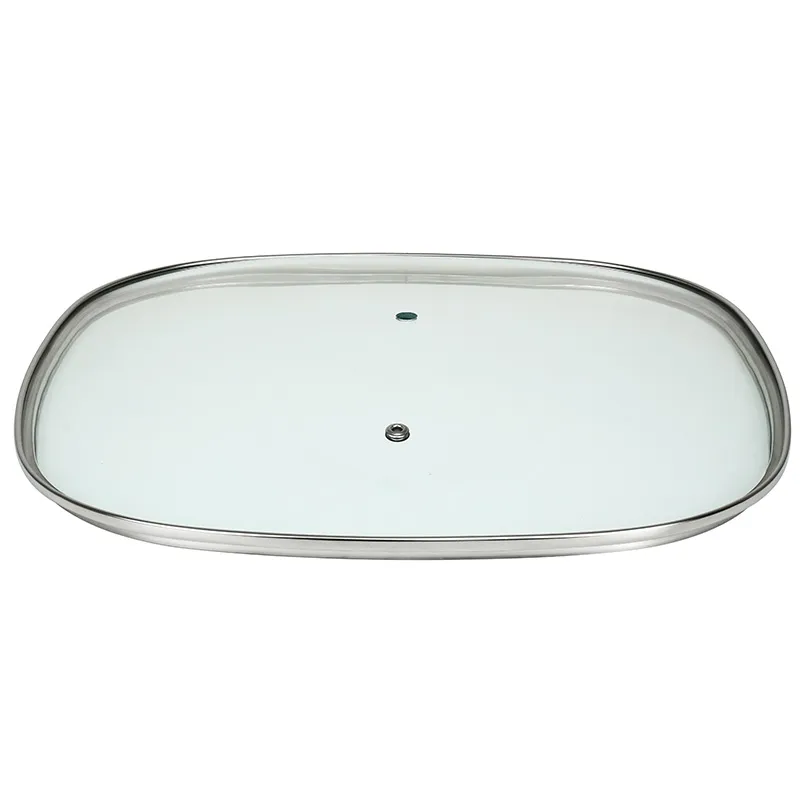
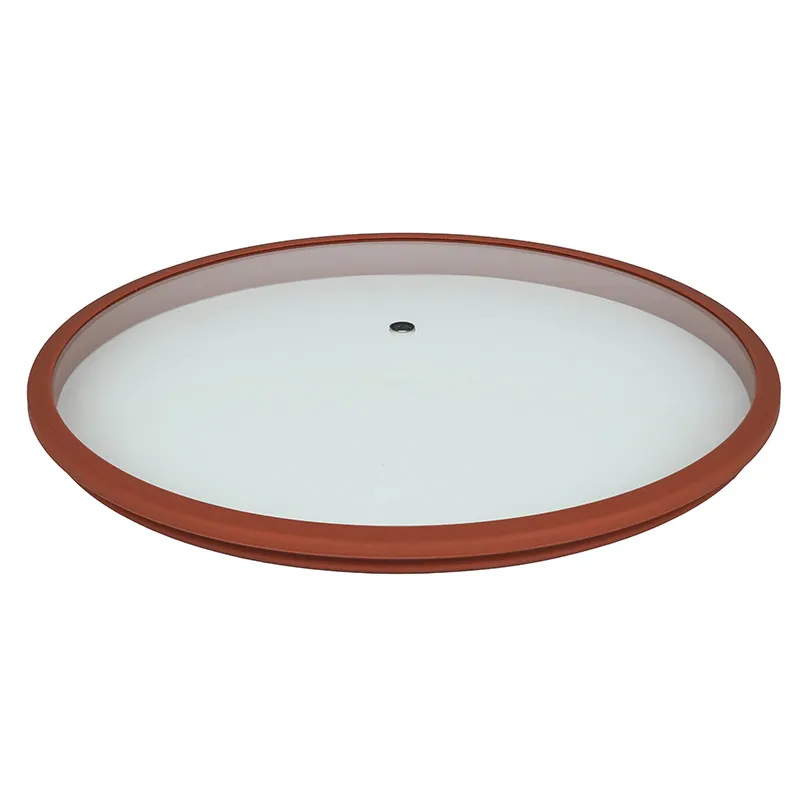
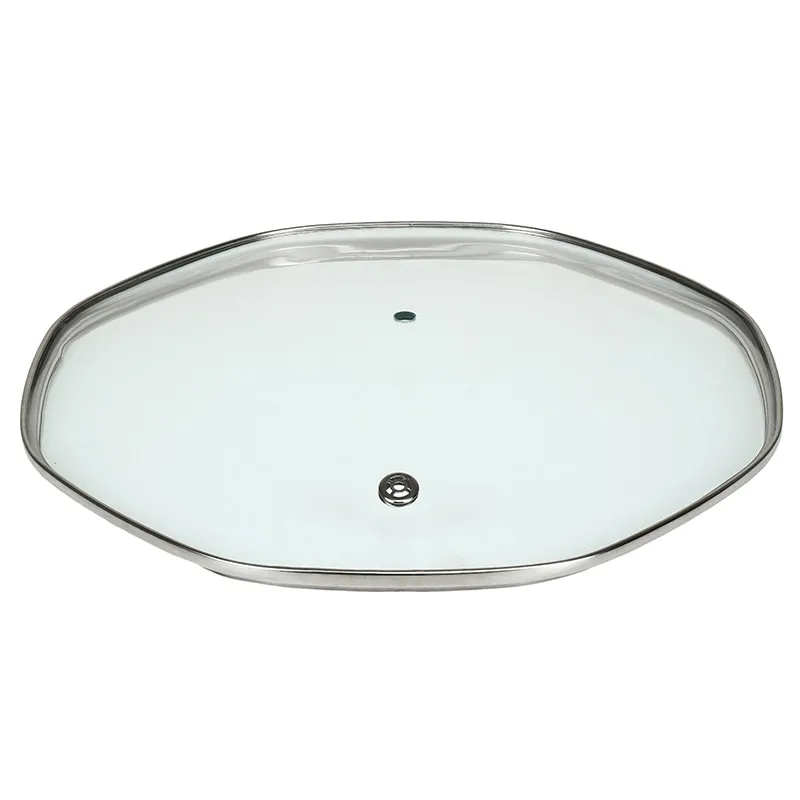
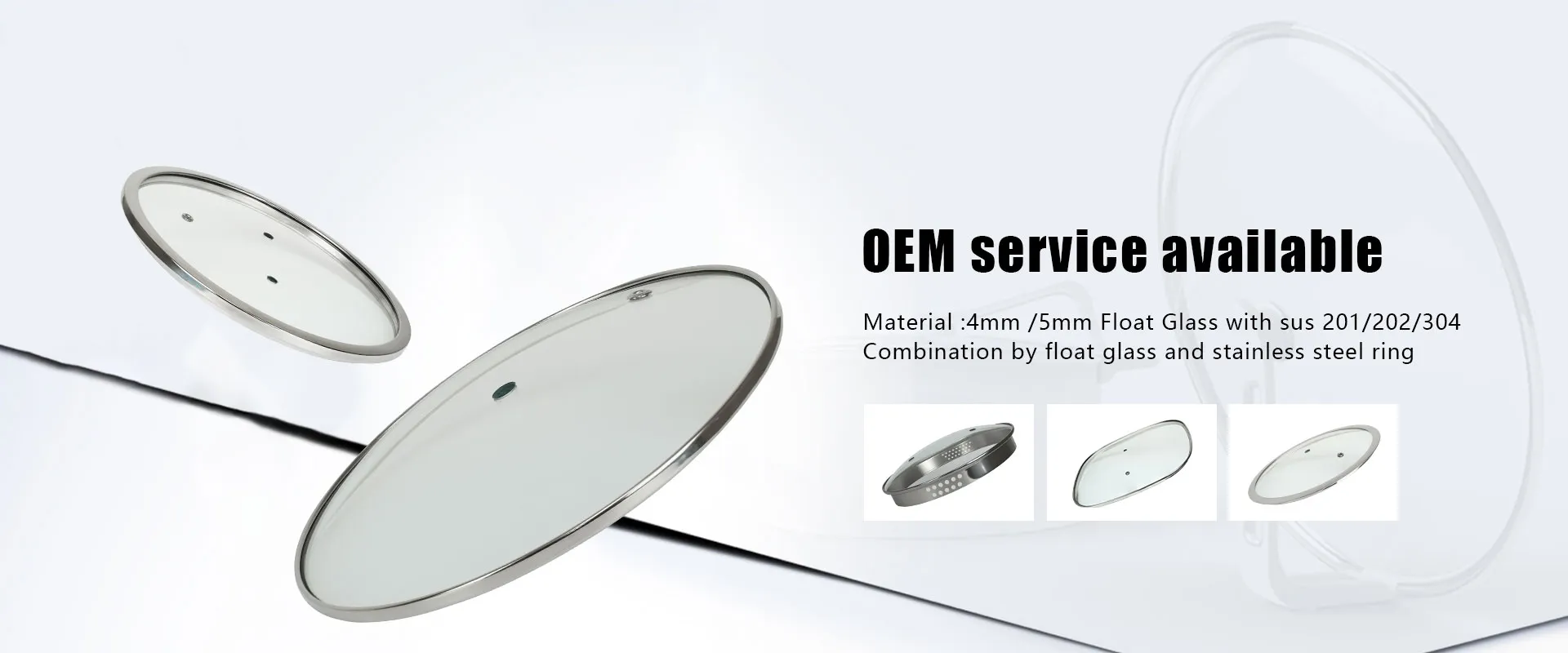
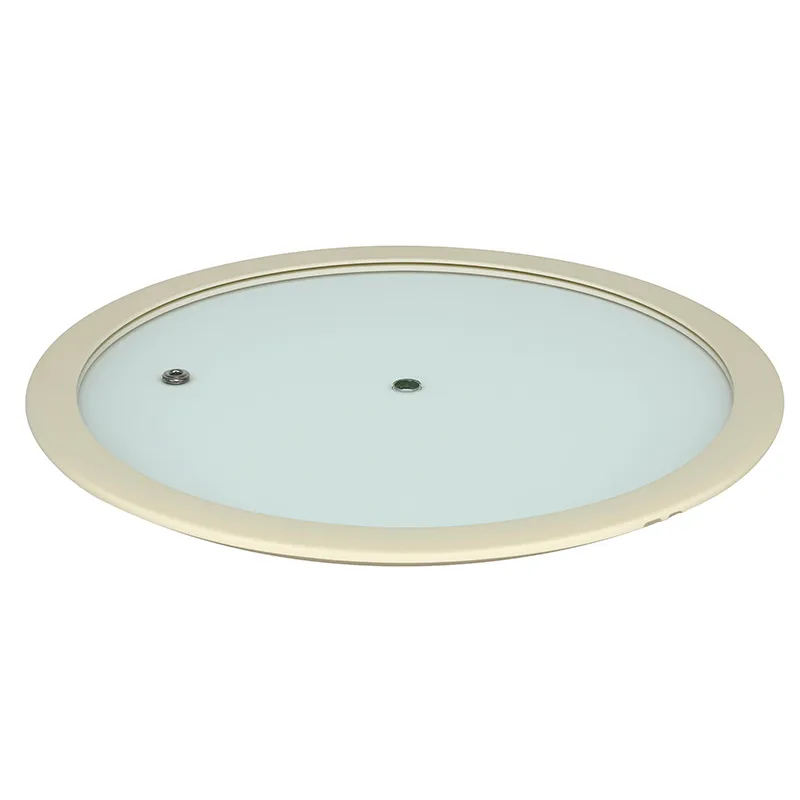
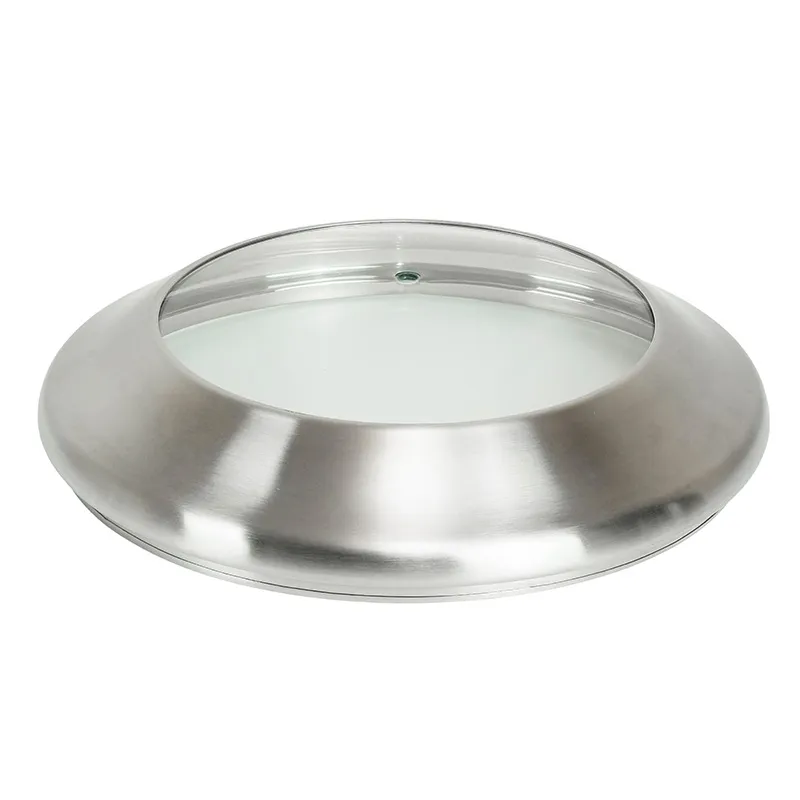
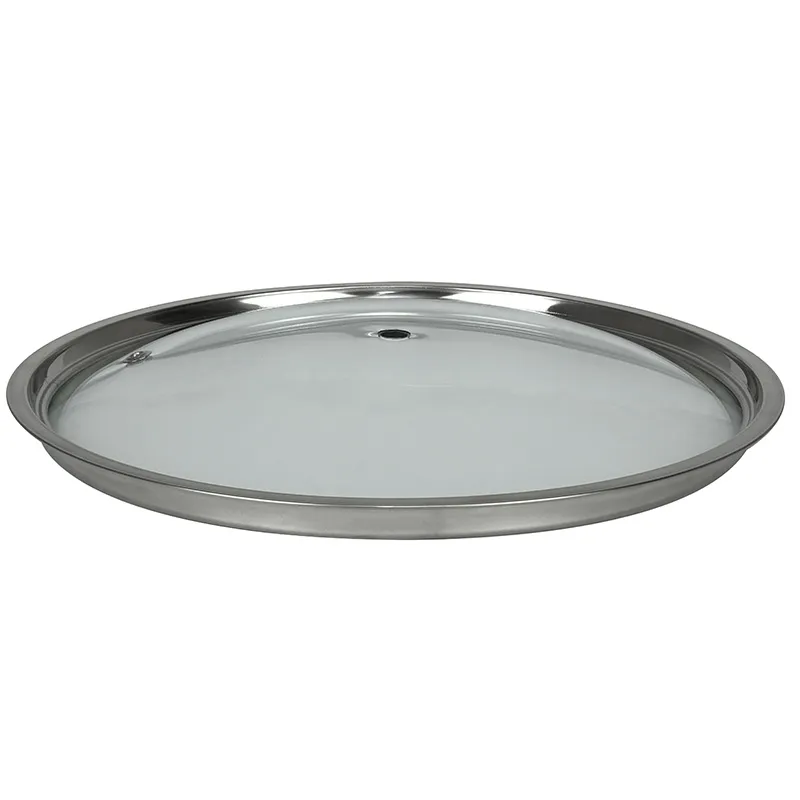
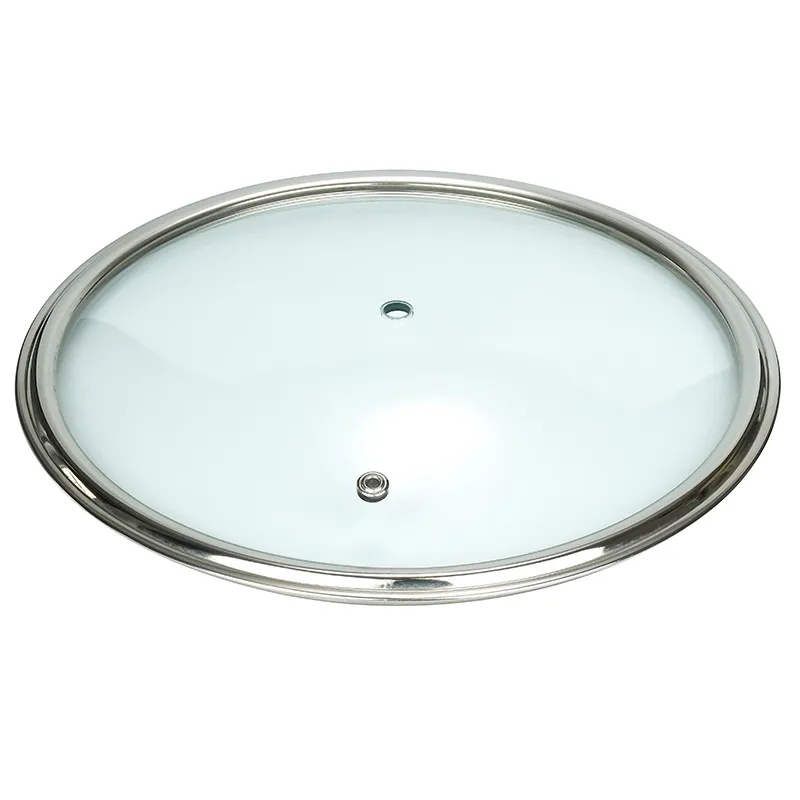
When you hear 'G type glass lid manufacturer', it's easy to just think of a factory stamping out a specific shape of tempered glass. That's the common trap. In reality, that 'G type' designation is often a client's internal code, a shorthand for a whole set of unspoken specs—a particular curvature, a specific hinge hole pattern, a tolerance for thermal shock that's just a bit tighter than the standard. It's not a universal SKU. I've seen buyers spend weeks searching for a 'G type' supplier, only to find their drawing doesn't match another factory's 'G type' at all. The real search isn't for the label; it's for a manufacturer that understands the nuance behind it and has the process control to execute it consistently, batch after batch. That's where the real work begins.
The Anatomy of a Type: More Than a Shape
Let's break down what usually gets packed into that 'type'. First, the glass. It's not just about tempering; it's about the starting material. For lids, especially for European brands, they often demand a pristine, low-iron glass base to achieve that water-clear appearance, not the slight greenish tint of standard soda-lime glass. The cost difference is tangible, and not every factory keeps that material in stock. Then comes the tempering curve. A lid isn't flat like a tray; it has a domed or curved structure. The way it's heated and quenched in the furnace directly impacts the final stress distribution and, critically, the flatness (or the intended curvature). A poorly tempered lid can develop a subtle 'wobble' on a flat surface, which is a nightmare for automated packaging lines.
Then there's the edge work. The bevel or polish. For a G type, it's frequently a seamed edge—not a raw cut, but not a fully polished round edge either. It's a specific finish that reduces micro-cracks but keeps costs in check. Getting that consistent across 10,000 pieces requires diamond wheel heads that are dressed and calibrated daily, something smaller workshops often overlook until they see a spike in chipping during drop tests.
And the holes. The hinge holes, the steam vent holes. Their positioning isn't just about the CAD drawing. It's about drilling them before or after tempering. Post-tempering drilling is a specialized, costly process. Most manufacturers, for efficiency, drill first and temper second. But that means the holes' edges are also tempered, which can make them more brittle if the drilling quality was poor. I've witnessed entire batches rejected because of microscopic 'star cracks' emanating from a hinge hole, visible only under polarized light inspection. The 'type' encompasses all this hidden geometry and physics.
On the Ground: Sourcing and the Supplier Landscape
This brings me to the practical hunt. When you need a reliable partner for these components, you're not just buying off a catalog. You're auditing capability. A company like EUR-ASIA COOKWARE CO.,LTD (their site is at https://www.glass-lid.com) presents a classic case of a specialized vertical player. Their focus on low- medium- high level household glass products is key—it signals a tiered approach to quality and cost, which is realistic. Not every lid needs aerospace-grade precision. Their stated annual output of over 15 million pieces of tempered glass lids suggests a scale that can handle volume orders, which is half the battle for cookware brands.
Their location in Shandong's high-tech zone is also telling. That region has matured into a cluster for glass processing, meaning access to consistent raw material supply and a skilled labor pool familiar with the processes. The 20,000㎡ area isn't just for show; it allows for a logical production flow—raw glass storage, cutting, edging, drilling, washing, tempering, inspection, packing—without the cross-contamination and logistical chaos you see in cramped units.
The export focus, with over 90% going to markets like Germany, Italy, and Japan, is the real credibility point. These are notoriously tough markets for kitchenware, with strict regulatory checks on things like lead and cadmium release (from printed logos or colors), as well as rigorous mechanical and thermal shock tests. A manufacturer surviving there has likely internalized those standards. It doesn't mean they're perfect, but their failure mode is different—it's usually about nuanced spec interpretation, not fundamental quality collapse.
Pitfalls in Production: Where Things Go Wrong
Even with a capable G type glass lid manufacturer, the devil is in the pre-production sampling. One hard-learned lesson: never approve a sample from a hand-fed, lab-style tempering furnace if the mass production will use a roller-hearth furnace. The thermal profiles are different. The sample might be perfect, but the production run lids could have stress patterns that cause spontaneous breakage during rapid cooling (like pouring cold water on a hot lid—a real-world test).
Another frequent hiccup is packaging. Glass lids are not fragile if tempered correctly, but they are vulnerable to concentrated point impacts. The design of the pulp tray or EPE foam insert is critical. I recall a shipment to Poland where the lids were fine, but the cheap, single-wall carton collapsed under stacked weight in the container, causing lateral pressure and a 3% breakage rate. The factory's responsibility? Debatable. But a seasoned manufacturer would have flagged the packaging spec as under-spec for sea freight. Now, we always discuss and approve the master carton drop-test report.
Then there's the issue of consistency in silk-screen printing or ceramic paints for logos. Thermal expansion coefficients between the paint and the glass must match. If not, after repeated heating cycles, the logo can craze or even flake off. A good manufacturer will have a library of approved, tested inks for different export destinations and will insist on conducting adhesion and dishwasher durability tests before bulk production. The lazy ones will just print with whatever is cheap and hope for the best.
The EUR-ASIA Example and Practical Engagement
Looking at EUR-ASIA's operation—90+ employees, 15,000㎡ building area—this isn't a mom-and-pop shop. It's a structured business. For a potential buyer, the engagement should start with decoding their 'G type'. Send them not just a drawing, but a physical sample and a full testing protocol. Do you need it to pass a 220°C to 20°C thermal shock test? Specify it. Is the allowable bow (warpage) ±0.5mm or ±1mm? Put it in writing.
Their product range suggests they're tooled for variety. This is good. It means their mold-making and setup for different diameters (24cm, 28cm, etc.) and curvatures is probably a routine process. The challenge often becomes changeover speed and cleanliness. When visiting such a factory, I always check the grinding/polishing area for dust contamination and the washing line before the tempering furnace. Any oil or dust left on the glass before it goes into the 700°C furnace gets baked on permanently, creating visual defects.
Their export footprint is their strongest reference. A manufacturer consistently shipping to Germany and Japan has likely navigated the complexities of LFGB (German Food and Commodities Act) and JIS (Japanese Industrial Standards) compliance. They should be able to provide basic compliance declarations or guide you on the required testing. However, never assume. Always verify and conduct your own third-party lab tests on pre-shipment samples. I've seen factories have one golden set of parameters for audit samples and then subtly deviate in production to save cost on gas or electricity during tempering.
Concluding Without a Conclusion: The Ongoing Dialogue
So, circling back to the keyword—G type glass lid manufacturer. It's never a simple procurement exercise. It's a technical collaboration. The right manufacturer is one that asks as many questions as you do: about the end-use, the cookware base material it will sit on (stainless steel, cast iron, aluminum—all have different thermal behaviors), the clamping mechanism of the hinge, the expected lifecycle.
The relationship evolves from buying a product to co-managing a specification. It involves shared jargon about stress marks, MoH's hardness of the polish, and salt spray test hours for the metal components. A company with the profile of EUR-ASIA COOKWARE likely operates in this space. Their longevity and export success hinge on mastering these dialogues with clients.
Ultimately, the label 'G type' fades away, replaced by a shared understanding of a part number, a drawing revision, and a trusted process. The manufacturer's value isn't in searching for that term online, but in having the tangible capacity—the furnaces, the gauges, the seasoned line workers—to turn a vague type into a box of perfectly identical, reliably performing glass lids, shipment after shipment. That's the unglamorous, real-world meaning behind the keyword.
Related Products
Related Products